Acellular Adipose Tissue (AAT) is an off-the-shelf, cadaveric adipose-derived ECM-based biomaterial for soft tissue reconstruction. AAT has been validated preclinically to promote angiogenesis and adipogenesis and demonstrated safety, biocompatibility, and tolerability in a Phase I study. In this study we report the findings for the first ten patients in the Phase II study for permanent reconstruction of modest soft tissue defects. AAT promoted macrophages, CD3 + T cells, and CD34 + progenitor activity. Multiplex immunofluorescence staining using the PhenoCycler (formerly CODEX) imaging platform found that AAT can induce tertiary lymphoid structures (TLS). Nanostring GEOMx spatial transcriptional data analysis found significant differential gene expression between neighboring tissues with EGR1 , MCL1 , and NR4A1 upregulated in AAT. These genes have roles in angiogenesis, anti-apoptotic processes, and promotion of anti-inflammatory genes, respectively. AAT promoted anti-fibrotic CD74 + adipose-derived stromal cells, confirmed by immunofluorescence staining. Our findings demonstrate that AAT promotes angiogenesis, adipogenesis, and anti-fibrotic remodeling.
BACKGROUND:This study investigated the relative cost utility of three techniques for the management of symptomatic neuromas after neuroma excision: (1) implantation of nerve into muscle, (2) targeted muscle reinnervation (TMR), and (3) regenerative peripheral nerve interface (RPNI). METHODS:The costs associated with each procedure were determined using Common Procedural Terminology codes in combination with data from the Centers for Medicaid and Medicare Services Physician and Facility 2020 Fee Schedules. The relative utility of the three procedures investigated was determined using changes in Patient-Reported Outcomes Measurement Information System (PROMIS) and Numeric Rating Scale (NRS) pain scores as reported per procedure. The relative utility of each procedure was reported in terms of quality-adjusted life years (QALYs), as is standard in the literature. RESULTS:The least expensive option for the surgical treatment of painful neuromas was nerve implantation into an adjacent muscle. In contrast, for the treatment of four neuromas, as is common postamputation, TMR without a microscope was found to cost $50,061.55 per QALY gained, TMR with a microscope was found to cost $51,996.80 per QALY gained, and RPNI was found to cost $14,069.28 per QALY gained. While RPNI was more expensive than nerve implantation into muscle, it was still below the standard willingness-to-pay threshold of $50,000 per QALY, while TMR was not. CONCLUSION:Evaluation of costs and utilities associated with the various surgical options for the management of painful neuromas suggest that nerve implantation into muscle is the least expensive option with the best improvement in QALY, while demonstrating comparable outcomes to TMR and RPNI with regard to pain symptoms.
Introduction As of 2008, the United States had 41,000 people living with upper extremity amputation. This number is projected to reach 300,000 by 2050. Human upper extremity transplantation (HUET) may become a more common treatment option with the potential to significantly improve the quality of life for certain amputees. Awareness and opinions regarding HUET among Americans, particularly in Veterans/Service Members (VSM) affiliates, are largely unknown. Materials and methods We administered a survey on Amazon Mechanical Turk (MTurk) workers. Eligible participants were US citizens aged >= 18 years; MTurk worker selection targeted workers who self -reported being a VSM. We used descriptive statistics to summarize study findings and Fisher's exact and Wilcoxon's rank -sum tests for between -group comparisons. Results The survey was completed by 764 individuals, 604 (79.1%) of whom reported being aware of HUET. Among those familiar versus unfamiliar, a significantly higher proportion were aged <= 35 years (n=385, 64.0% vs. n=86, 53.7%; p=0.017), employed (n=523, 86.6% vs. n=114, 71.3%; p<0.001), and aware of their religion's stance on organ/tissue donation (n=341, 54.5% vs. n=62, 38.8%; p<0.001). Amputees and/or respondents related to an amputee were more likely to be aware of HUET than individuals who were amputation naive (n=211, 90.6% vs. n=393, 74.0%, respectively; p<0.001), as were individuals with a personal or familial military affiliation (n=286, 85.4% with vs. n=318, 74.1% with no affiliation; p<0.001). The most reported HUET information sources were digital media (n=157, 31.2%) and internet (n=137, 27.2%). Conclusions Our survey of MTurk workers found greater awareness of HUET among individuals with a VSM or amputee connection. Our additional findings that the internet and academic sources, such as journals or reputable medical publications, were respondents' preferred sources of HUET information emphasize the importance of vascularized composite allotransplantation (VCA) centers' involvement in creating accurate and accessible content to help educate the public about this treatment.
Abstract Background High-quality evidence on perforator selection in deep inferior epigastric perforator (DIEP) flap harvesting is lacking, making preoperative planning and choice of perforators “surgeon-specific.” This lack of consensus is a subject of continuous debate among microsurgeons. We aimed to systematically review perforator characteristics and their impact on DIEP flap breast reconstruction outcomes. Methods We conducted a systematic review and meta-analysis across six databases: ClinicalTrials.gov, Cochrane Library, Medline, Ovid Embase, PubMed, and Web of Science for all studies on DIEP flap breast reconstruction focused on perforator characteristics—caliber, number, and location. The primary goal was to analyze the impact of perforator characteristics on partial and/or total flap failure and fat necrosis. Data was analyzed using RevMan V5.3. Results Initial search gave us 2,768 articles of which 17 were included in our review. Pooled analysis did not show any statistically significant correlations between partial and/or total flap failure and perforator number, or perforator location. Sensitivity analysis accounting for heterogeneity across studies showed that, the risk for fat necrosis was significantly higher if single perforators (relative risk [RR] = 2.0, 95% confidence interval [CI] = 1.5–2.6, I 2 = 39%) and medial row perforators (RR = 2.7, 95% CI = 1.8–3.9, I 2 = 0%) were used. Conclusion Our findings suggest that a single dominant perforator and medial row perforators may be associated with higher risk of fat necrosis after DIEP flap breast reconstruction. Adopting a standardized perforator selection algorithm may facilitate operative decision making, shorten the learning curve for novice surgeons, and optimize postoperative outcomes by minimizing the burden of major complications. This in turn would help improve patient satisfaction and quality of life.
Background: Some programs and insurers may require patients to undergo toxicology screening despite lack of evidence that this practice affects postoperative outcomes. Objectives: To understand the prevalence of screening positive on toxicology testing in the bariatric surgical population and to examine the association between testing positive and important surgical outcomes. Methods: We performed a retrospective review of patients who underwent laparoscopic sleeve gastrectomy or Roux-en-Y gastric bypass from an academic health system from 2017-2020. We described the rate of preoperative toxicology positivity as determined by serum and urine testing. We examined the association between toxicology positivity and outcomes of preoperative length, nary tract infection, and myocardial infarction), readmissions, and 1-year weight loss using chisquare and t-test analysis. Results: Of 1057 patients, there were 134 patients (12.7%) who had positive toxicology testing. Of these, 37 (28%) were positive for opiates and 21 (16%) were positive for cotinine. Mean preoperative length was 381.8 days (standard deviation [SD], 222.5) for patients with positive testing versus 287.8 days (SD, 151.5; P = 1.00) for negative testing. Toxicology positivity was not associated with readmissions (5.2% versus 4.3%, X2 = 0.22; P = .64). The loss to follow-up at 1 year was 32.5%. There was no association with 1-year mean change in body mass index (mean of loss 12.23kg/m2 [SD, 5.61]) versus mean of loss 12.74 (SD, 6.44; P = .20)]. Conclusions: Our study is the first to describe preoperative toxicology positivity rates. We found no association between toxicology positivity and preoperative length, readmissions, or weight loss. Given its lack of impact on outcomes, toxicology testing prior to bariatric surgery may be an unnecessary burden on patients and healthcare, with regard to cost and wait times. (Surg Obes Relat Dis 2023;19:187-194.) (c) 2023 American Society for Metabolic and Bariatric Surgery. Published by Elsevier Inc. All rights reserved.
Abeles, Elisabeth Belman BA; Bekheet, Faraah BS; Aravind, Pathik MBBS; Manahan, Michele A. MD, MBA Author Information
Purpose Thumb carpometacarpal (CMC) joint denervation is a relatively novel method for the management of osteoarthritisassociated pain by selective transection of articular nerve branches of the CMC joint. This study compared functional/patient-reported outcomes after CMC denervation with those after trapeziectomy and ligament reconstruction with tendon interposition (T + LRTI) over a 2year follow-up period. We hypothesized that the outcomes of denervation and T + LRTI would be similar over the course of the study and at the final 2-year followup.Methods Adults with Eaton stage 2-4 disease, no evidence of CMC subluxation, and no history of thumb injury/surgery were included. Pain scores, brief Michigan Hand Questionnaire (bMHQ), Kapandji score, 2-point discrimination, and grip/key/3-point pinch strength were measured at 3-, 6-, 12-, and 24-months after surgery. On average, T + LRTI patients underwent 7 weeks of splinting, with release to full activity at 3 months; denervation patients were placed in a soft postoperative dressing for 2 weeks, with release to full activity as tolerated at 3 weeks.Results Thirty-three denervation and 20 T + LRTI patients were included. Preoperative characteristics were similar between both groups. Two denervation patients underwent secondary T + LRTI during the study period; one denervation patient underwent fat grafting to the CMC joint at an outside institution. Data prior to secondary surgeries were included in the analysis. The average tourniquet times (minutes) for denervation and T + LRTI were 43.5 +11.8 and 82.7 + 14.2 minutes, respectively. For denervation and T +LRTI, the postoperative bMHQ scores were significantly higher than those at baseline at all time points. No significant differences were found between both groups for bMHQ, sensation, or strength measures.Conclusions Carpometacarpal denervation is well tolerated, with shorter tourniquet times and faster return to full activity than T + LRTI. For the study cohort, the conversion rate to T + LRTI at 2 years was 9%. Both procedures demonstrated durable improvement in bMHQ compared with the preoperative state with similar long-term outcomes over 2 years of followupCopyright & COPY; 2023 by the American Society for Surgery of the Hand. All rights reserved.)
BACKGROUND:Reexploration after cardiac surgery, most frequently for bleeding, is a quality metric used to assess surgical performance. This may cause surgeons to delay return to the operating room in favor of attempting nonoperative management. This study investigated the impact of the timing of reexploration on morbidity and mortality. METHODS:This study was a single-institution retrospective review of all adult cardiac surgery patients from July 2010 to June 2020. Time to reexploration was assessed, and outcomes were compared across increasing time intervals. Reported bleeding sites were classified into 5 groups, and bleeding rate (chest tube output) was compared across bleeding sites. Univariable analysis was performed using the Fisher exact and Kruskal-Wallis tests. Multivariable logistic regression models were used for risk-adjusted analyses. RESULTS:Of 10 070 eligible patients, 251 (2.5%) required reexploration for postoperative bleeding. The most common site of bleeding was "any suture line" (n = 70; 28%). Interestingly, in 30% of cases (n = 75) "no active bleeding" site was reported. The highest rate of bleeding (mL/h) was observed in the "any mediastinal structure" group (median, 450; interquartile range [IQR], 185, 8878), and the lowest rate was noted in the "no active bleeding" group (median, 151.2; IQR, 102, 270). Both morbidity rates (0-4 hours, 12.3% vs 25-48 hours, 37.5%; P = .001) and mortality rates (0-4 hours, 3.1% vs 25-48 hours, 43.8%; P = .001) escalated significantly with increasing time to reexploration. CONCLUSIONS:Delayed reexploration for bleeding after cardiac surgery is associated with increased risk for morbidity and mortality. Early surgical intervention, particularly within 4 hours, may improve outcomes. Implications from using reoperation as a performance metric may lead to unnecessary delay and patient harm.
Background: Many breast reconstruction patients undergo post-mastectomy radiation therapy (PMRT), which is well known to increase the risk of complications. There is limited data on outcomes and safety of prepectoral breast reconstruction in this setting. The purpose of this study was to compare the outcomes of prepectoral versus subpectoral two-stage breast reconstruction in patients undergoing PMRT. Methods: We conducted a retrospective cohort study of two-stage breast reconstructions performed at our institution during a 22-month period. Patients who received PMRT were identified, and two cohorts were created: those who underwent prepectoral versus subpectoral reconstruction. We collected data including patient characteristics, operative variables, and clinical outcomes. Bivariate analyses and multivariable logistic regressions were conducted. Results: We captured 313 patients (492 breasts) that had undergone two-stage reconstruction. A total of 69 breasts received PMRT; 28 were reconstructed prepectorally, and 41 breasts subpectorally. The two cohorts were well matched. We detected no differences in clinical outcomes between the two groups after a median follow-up time of 24 months. There, however, were differences in perioperative variables. Prepectoral reconstruction was associated with a shorter operative time, shorter length of hospital stay, higher cost, and shorter time to final reconstruction. Multivariable logistic regression demonstrated that prepectoral reconstruction is not an independent predictor of adverse events. Conclusions: Although radiation is a known risk factor for many complications following breast reconstruction, prepectoral device placement is safe in this high-risk population. Although the rate of capsular contracture is reported to be higher in the general prepectoral population, this was not found in our radiated prepectoral population. (c) 2022 British Association of Plastic, Reconstructive and Aesthetic Surgeons. Published by Elsevier Ltd. All rights reserved.
PURPOSE:Two-stage tissue expander (TE) to implant breast reconstruction is commonly performed by plastic surgeons. Prepectoral implant placement with acellular dermal matrix (ADM, e.g., AlloDerm®) reinforcement is evidenced by minimal postoperative pain. However, the same is not known for TE-based reconstruction. We performed this study to explore the use of complete AlloDerm® reinforcement of breast pocket tissues in women undergoing unilateral or bilateral mastectomies followed by immediate, two-stage tissue expansion in the prepectoral plane.METHODS:Patients (n = 20) aged 18-75 years were followed prospectively from their preoperative consult to 60 days post-TE insertion. The pain visual analog scale (VAS), Patient Pain Assessment Questionnaire, Subjective Pain Survey, Brief Pain Inventory-Short Form (BPI-SF), postoperative nausea and vomiting (PONV) survey, BREAST-Q Reconstruction Module, and short-form 36 (SF-36) questionnaires were administered. Demographic, intraoperative, and 30- and 60-day complications data were abstracted from medical records. After TE-to-implant exchange, patients were followed until 60 days postoperatively to assess for complications.RESULTS:Pain VAS and BPI-SF pain interference scores returned to preoperative values by 30 days post-TE insertion. Static and moving pain scores from the Patient Pain Assessment Questionnaire returned to preoperative baseline values by day 60. The mean subjective pain score was 3.0 (0.5 standard deviation) with seven patients scoring outside the standard deviation; none of these seven patients had a history of anxiety or depression. Median PONV scores remained at 0 from postoperative day 0 to day 7. Patient-reported opioid use dropped from 89.5% to 10.5% by postoperative day 30.BREAST-Q:Sexual well-being scores significantly increased from preoperative baseline to day 60 post-TE insertion. Changes in SF-36 physical functioning, physician limitations, emotional well-being, social functioning, and pain scores were significantly different from preoperative baseline to day 60 post-TE insertion. Five participants had complications within 60 days post-TE insertion. One participant experienced a complication within 60 days after TE-to-implant exchange.CONCLUSIONS:We describe pain scores, opioid usage, patient-reported outcomes data, and complication profiles of 20 consecutive patients undergoing mastectomy followed by immediate, two-stage tissue expansion in the prepectoral plane. We hope this study serves as a baseline for future research.
BACKGROUND:Upper extremity (UE) transplantation is a complex undertaking that may require emergent or elective secondary surgery (SS) days to years following transplant. Various patient and transplantation may help determine what SS is needed. In this study, we characterize the SS needed by our UE transplant patients.METHODS:We retrospectively reviewed 6 patients who underwent hand and UE transplantation by one of the authors. Transplantation and SS details were obtained from medical records. Hand and arm function was quantified both subjectively (patient-reports) and objectively (Disabilities of the Arm, Shoulder, and Hand Score; Carroll test; Action Research Arm Tests; Box and Block test).RESULTS:Six patients underwent transplantation for a total of 10 transplanted limbs. Five transplants were performed below and 5 above the elbow. Mean time post-transplantation at last follow-up was 5 years (range: 1-9 years). In all, 66.7% of the patients required SS: total 7 surgeries comprising 13 procedures. The most common procedures were to improve hand function-nerve decompressions and tendon transfer, both in above-elbow transplant. Both patients showed a mean improvement of 15 points on Carroll scores. One above-elbow transplant had a brachioplasty for excess skin and another had a hematoma evacuation immediately after transplantation. Procedures in the below-elbow transplants included multiple incision and drainages for a septic wrist and an open reduction and internal fixation for a forearm fracture.CONCLUSION:Patients receiving UE transplantation often require one or more secondary procedures which may vary with level of transplantation. Secondary surgery should be an important aspect of pretransplant planning and cost-effectiveness determinations.LEVEL OF EVIDENCE:Level IV.
Background Peripheral nerve surgeons often require additional imaging for examination, diagnostic testing, and preoperative planning. Point-of-care ultrasound (US) is a cost-effective, accessible, and well-established technique that can assist the surgeon in diagnosing and treating select peripheral nerve pathologies. With this knowledge, the properly trained surgeon may perform US-guided nerve blocks to help accurately diagnose and treat causes of neuropathic pain. We offer this paper, not as an exhaustive review, but as a selection of various peripheral nerve pathologies, which the senior author treats, and their associated US examination findings. Our goal is to encourage other peripheral nerve surgeons to incorporate US into their practices. Methods We provide various cases from our outpatient peripheral nerve clinic demonstrating relevant US anatomy. We also review techniques for US guided nerve blocks with relevant anatomic landmarks. Results US imaging successfully assisted in identification and injection techniques for various peripheral nerve pathologies in a surgeon's practice. Examples were presented from the neck, trunk, upper extremity, and lower extremity. Conclusion Our review highlights the use of US by a peripheral nerve surgeon in an outpatient private practice clinic to diagnose and treat select peripheral nerve pathologies. We encourage reconstructive surgeons to add US to their arsenal of diagnostic tools.
Abstract Background In 2014, the Plastic Surgery Residency Review Committee of the Accreditation Council for Graduate Medical Education (ACGME) increased minimum aesthetic surgery requirements. Consequently, the resident aesthetic clinic (RAC) has become an ever more important modality for training plastic surgery residents. Objectives To analyze demographics and long-term surgical outcomes of aesthetic procedures performed at the Johns Hopkins and University of Maryland (JH/UM) RAC. A secondary objective was to evaluate the JH/UM RAC outcomes against those of peer RACs as well as board-certified plastic surgeons. Methods We performed a retrospective chart review of all patients who underwent aesthetic procedures at the JH/UM RAC between 2011 and 2020. Clinical characteristics, minor complication rates, major complication rates, and revision rates from the JH/UM RAC were compared against 2 peer RACs. We compared the incidence of major complications between the JH/UM RAC and a cohort of patients from the CosmetAssure (Birmingham, AL) database. Pearson's chi-square test was used to compare complication rates between patient populations, with a significance set at 0.05. Results Four hundred ninety-five procedures were performed on 285 patients. The major complications rate was 1.0% (n = 5). Peer RACs had total major complication rates of 0.2% and 1.7% (P = .07 and P = .47, respectively). CosmetAssure patients matched to JH/UM RAC patients were found to have comparable total major complications rates of 1.8% vs 0.6% (P = .06), respectively. At JH/UM, the minor complication rate was 13.9%, while the revision rate was 5.9%. Conclusions The JH/UM RAC provides residents the education and training necessary to produce surgical outcomes comparable to peer RACs as well as board-certified plastic surgeons. Level of Evidence: 3
Body: Background: Research is considered an important component of residency training in plastic and reconstructive surgery, so much so that some residency programs have integrated a mandatory research year into their training. However, concerns have been raised regarding whether or not a year away from the operating room negatively impacts trainee operative skills. We performed the current study using operative skill evaluation data to determine if skills decay occurs during plastic surgery residents’ research years. Methods: Operative Entrustability Assessment (OEA) data were abstracted from MileMarkerTM, a web-based program capable of storing trainee self-assessments and their associated attending assessments of any CPT-coded procedure. Ratings are based on a 5-point scale (1=“observed case,” 5=“can take junior resident through case”); a score of 4 (“resident can perform entire surgery”) demonstrates operative competence. Because the research year at our institution occurs between PGY-2 and PGY-3, residents who had OEA evaluations completed by attending surgeons for both PGY-2 and PGY-3 years of training were eligible for inclusion. OEA scores were compared using the Mann-Whitney U test. Results: Eighteen residents who participated in research years over a 4-year period were eligible for inclusion in the study. Of these, 10 (55%) residents’ research years involved little-to-no operative activity, 3 (17%) included animal microsurgery, and 5 (28%) included gross animal surgery. Comparison of scores for all CPT-coded procedures showed statistically significantly higher scores for PGY-3 compared to PGY-2 (3.34 vs. 2.88, p<0.001). Stratification by research year operative activity demonstrated increases in operative skills by all residents regardless of operative activity. Conclusions: Our study demonstrates that residents who engage in a research year do not appear to experience operative skills decay regardless of their operative exposure during the research year. Additional studies with larger sample sizes are needed to determine if operative involvement during the research year influences skill retention.
PURPOSE: Safety precautions implemented in light of the COVID-19 pandemic have substantially altered clinical care for patients undergoing breast reconstruction. Many plastic surgeons have switched to telemedicine to provide remote consultations and postoperative follow-up for their breast reconstruction patients. Given that telemedicine has played a key role in ensuring continuity of care for breast reconstruction patients, it is important to evaluate the impact of telemedicine specifically from the patient perspective. The current study prospectively investigated patient-reported satisfaction with perioperative telehealth breast reconstruction services. METHODS: This was an Institutional Review Board-approved prospective investigation of patient-reported satisfaction. BREAST-Q subscales focused on satisfaction with the surgeon/medical team, and satisfaction with information regarding surgery were tabulated. All women who received consultations/postoperative follow-ups for breast reconstruction between March 2020 and February 2021 were considered for study inclusion. Visits for tissue expansion/procedures were excluded as these required in-person follow-up. Satisfaction scores from those who received telemedicine visits versus a matched cohort of in-person office visits during this time period were comparatively analyzed. A matched cohort of women undergoing breast reconstruction between March 2019 and Febraury 2020 was used as an additional control. Patient zip codes were used to calculate indirect cost savings (ie, travel time saved) as a result of telemedicine. RESULTS: In total, 162 patients met inclusion criteria during the study period, of whom 82 (51%) were seen for preoperative consultations and 80 (49%) for postoperative follow-ups. Of those who presented for preoperative consultation, 29 (35%) had office visits, while the remainder 53 (65%) had telehealth visits. Of those presenting for postoperative (non-expansion) follow-up, 36 (45%) had office visits while 44 (55%) had telehealth visits. Among both preoperative and postoperative cohorts, Medicaid patients were significantly less likely to receive telehealth visits (chi square: P = 0.03). Additionally, upon multivariable-adjusted logistic regression, older age significantly decreased odds of using telehealth services (adjusted odds ratio: 0.7, 95% confidence interval: 0.2–0.9, P = 0.03). However, amongst both preoperative and postoperative cohorts, BREAST-Q subscale scores did not differ between those who received inpatient versus telehealth visits (Kruskal-Wallis: P = 0.33), nor did they differ between those who had telehealth visits and those in the matched retrospective cohort (March-November 2019; Kruskal-Wallis: P = 0.41). Using zip code-based data, patients who used telehealth services saved on average 1 hour (standard deviation: 22 minutes) of travel time per visit. Given that all visits were during business hours on weekdays, this equated to over $1500 in lost productivity saved across the study cohort by using telemedicine, after accounting for workforce participation statistics and the median hourly wage in the United States. CONCLUSIONS: Our results suggest that telemedicine is an effective solution for preoperative and postoperative care in women undergoing breast reconstruction, in terms of both patients’ satisfaction with their healthcare team as well as their perceptions of feeling informed during the reconstructive process. Furthermore, telehealth may also significantly reduce indirect costs associated with perioperative breast reconstruction care. However, there are certain barriers to accessing telehealth, demonstrated by the underutilization of such services by publicly-insured women. Further work is necessary to investigate and address such disparities.
We report the case of letrozole-induced radiation recall dermatitis (RRD) in a patient with a remote history of radiation therapy. There is only one previously known case of RRD triggered by letrozole in a patient with a recent (<3 month) history of radiation. Previously, only four other cases of aromatase-inhibitor-induced RRD have been reported. This case is significant for cancer care teams considering personalized treatments. In addition, improved long-term outcomes in cancer patients may lead to increases in and underdiagnoses of RRD. Likewise, RRD is patient specific, exacerbating health concerns, and can be difficult to recognize without proper awareness, documentation, and classification of triggering drugs. The authors hope to address these issues in this report.
Context: Water is a scarce and precious resource in many parts of the world. The COVID-19 pandemic has reemphasised the importance of handwashing and sanitisation. The world is moving back to opening the surgical procedures once again. Aims: The aim is to analyse the impact of water consumption and the cost associated with surgical hand sanitisation. Settings and Design: Quality Improvement Project. Subjects and Methods: This is a quality improvement project; members of the surgical team were asked to scrub and amount of flowing water for 5 min was collected in a measuring bucket. The hospital sinks are equipped with either manual or automatic motion sensor taps. This was reflected in the total amount of water and cost that was calculated for the operative cases of 2019. Statistical Analysis Used: Descriptive statistics, calculating the mean. Results: Three minutes was the average scrub time for the six participants. Thirty litres of water were consumed using a manual tap with continuous flow for 5 min. In comparison just 7.5 L of water were consumed using a motion sensor tap. A total of 7060 cases were operated in the year of 2019 with an annual cost that ranged from 1.8 to 7.5 million United Arab Emirates Dirham. Conclusions: The surgical handwashing technique is associated with a considerable amount of water. Motion sensor taps have the advantage to decrease wasting with water flowing only during actual washing. Techniques to decrease that amount are available and can be considered to preserve the water.
Background Previous studies have shown men and women attending physicians rate or provide operating room (OR) autonomy differently to men and women residents, with men attendings providing higher ratings and more OR autonomy to men residents. Particularly with the advent of competency-based training in plastic surgery, differential advancement of trainees influenced by gender bias could have detrimental effects on resident advancement and time to graduation. Objective We determined if plastic surgery residents are assessed differently according to gender. Methods Three institutions' Operative Entrustability Assessment (OEA) data were abstracted from inception through November 2018 from MileMarker, a web-based program that stores trainee operative skill assessments of CPT-coded procedures. Ratings are based on a 5-point scale. Linear regression with postgraduate year adjustment was applied to all completed OEAs to compare men and women attendings' assessments of men and women residents. Results We included 8377 OEAs completed on 64 unique residents (25% women) by 51 unique attendings (29% women): men attendings completed 83% (n = 6972; 5859 assessments of men residents; 1113 of women residents) and women attendings completed 17% (n = 1405; 1025 assessments of men residents; 380 of women residents). Adjusted analysis showed men attendings rated women residents lower than men residents (P < .001); scores by women attendings demonstrated no significant difference (P = .067). Conclusions Our dataset including 4.5 years of data from 3 training programs showed men attendings scored women plastic surgery residents lower than their men counterparts.
PURPOSE: In January 2014, Maryland launched the All Payer Model, a cost-constrictive policy measure that mandated statewide global budgeting for inpatient services across all hospitals. Hence, Maryland hospitals have encouraged providers to re-examine practice patterns that result in potentially avoidable utilization (PAU) of services such as re-admissions and postoperative complications. A potential way of re-organizing practice patterns in reconstructive surgery is deferring reconstruction in patients with modifiable high-risk factors that result in PAU. Several studies have shown that obese/morbidly obese patients suffer higher complication and recurrence rates after elective ventral hernia repair (VHR). This study evaluated whether the All Payer Model/global hospital budgeting reduced the number of obese patients who received elective VHR procedures at Maryland hospitals. METHODS: Adults in Maryland undergoing VHR procedures between 2012 and 2018 were tabulated using Healthcare Costs and Utilization Project State Ambulatory Surgery and Services and Inpatient Databases. Data from New Jersey and New York, states without global hospital budgeting, were used for comparison. We excluded patients undergoing VHR emergently and those with other diagnoses, including enterocutaneous fistulas, intra-abdominal malignancy, bowel obstruction, and bowel perforations. Patients were classified as obese versus nonobese using relevant International Classification of Diseases Ninth and Tenth Revision diagnostic codes. Chi square and ANOVA analyses were used to determine differences in complication rates after VHR among obese versus non-obese patients. Quasi-experimental difference-in-differences (D-I-D) analyses were undertaken to evaluate the impact of global budgeting on the utilization of VHR among obese/morbidly-obese patients. RESULTS: During the study period, a total of 5374 patients undergoing VHR were identified in Maryland before policy reform, and 2366 patients after policy reform. Among all patients undergoing ventral hernia repair, postoperative inpatient complication rates were significantly greater among patients who had a diagnosis of obesity (8.4% in obese patients versus 3.9% in non-obese patients, P = 0.002). This association remained significant even after adjusting for age, sex, race, payer, and comorbidities (Elixhauser Comorbidity Index), as well as any adjunct procedures such as panniculectomy/bariatric surgery (adjusted odds ratio 1.5, 95% confidence interval: 1.3–1.8, P = 0.02). When comparing Maryland to New Jersey, D-I-D analyses adjusting for age, sex, race, payer, Elixhauser Comorbidity Index, and time (pre-payment reform versus post-payment reform) demonstrated that implementation of the All Payer model in Maryland resulted in a significant decrease in the number of obese patients undergoing VHR (adjusted D-I-D estimate (95% confidence interval): −8.0 (1.3), P < 0.01). Similarly, when comparing Maryland with New York, D-I-D analyses also demonstrated that the All Payer model resulted in a significant decrease in the number of obese patients undergoing VHR (adjusted D-I-D estimate (95% confidence interval): −10.0 (1.9), P < 0.01). CONCLUSIONS: Ultimately, our results demonstrated that cost-constrictive policy measures such as the All Payer model can impact practice patterns in reconstructive surgery. As demonstrated in our study cohort, obesity is a risk factor for postoperative complications after VHR. Implementation of the All Payer Model in Maryland significantly reduced the number of obese patients receiving this procedure. Such findings are important when considering national scale-up of such cost-constraining policy reform measures.
BACKGROUND: Rising reports on Breast Implant Illness (BII) have brought breast implant safety into question. Because BII may be considered controversial, BII may not be fully considered for patients experiencing symptoms, highlighting the necessity of patient advocacy, improved disease investigation, and breast implant evaluation. On 24 Oct 2019, the FDA posted draft guidance on Regulations.gov about breast implant labeling recommendations to improve patient communication, for which it invited public comments. This study aimed to characterize public comments made regarding the FDA's Black Box Warning to better understand patient emotions and thoughts surrounding implants, BII, and communication. METHODS: In August 2020, we extracted all comments on breast implant labeling from the 24OCT2019 Regulations.gov docket. We coded comments using a qualitative analysis tool (Dedoose) into five emotions described in previous studies (anger, disgust, fear, joy, sadness, and trust) and themes themes evaluating the adequacy of patient education (black box warning, physician-provided information/patient education, content/language of the forms/documents provided, and informed consent). Two independent reviewers coded comments and a third reviewer reconciled conflicts. We conducted a statistical analysis to quantify emotion, theme frequencies, and inter-coder reliability. Queries were performed to generate word clouds related to "symptoms," "negative attributes," and "positive attributes." RESULTS: Of the 1321 extracted comments, four were non-English and 559 were duplicates. Of the duplicates, 449 were a verbatim repetition of the following: "I am writing to express my concern about the safety of breast implants and to urge the FDA to strengthen the drafted guidance entitled Breast ImplantsCertain Labeling Recommendations to Improve Patient Communication." We coded the remaining 758 comments. The most frequently coded emotion was anger (present in 61.6% of comments); 595 (78.5%) comments were coded with at least one negative emotion. The most frequently coded theme was "inadequacy of informed consent" (49.1%); there were no resultant comments coding for "adequacy" in any of the themes. For any comment coded with ≥1 emotion, the most frequent theme to co-occur was "Inadequacy of information/patient education provided by the physician," followed by "Inadequacy of informed consent." The word query revealed that for "symptoms" and "negative attributes" word clouds, the most frequently coded terms were "autoimmune" (n = 165) and "warnings" (n = 547), respectively. For terms associated with positive attributes, the word "thank" was mentioned 95 times in the context of responders thanking the FDA for receiving patient feedback. Inter-coder reliability analysis showed heterogeneous agreement; however, the theme "Inadequacy of black box warning" returned the highest level of agreement (Kappa: 0.322–0.795, P < 0.05). CONCLUSIONS: Our mixed-methods analysis revealed that patients concerned about Breast Implant Illness frequently experienced anger and disappointment with quality of informed consent and absence of device Black Box Warnings. While the subjective nature of coding contributed to differences in theme recognition, strong agreement regarding "Inadequacy of black box warning" demonstrates the clarity with which this was expressed by patients. While public responders expressed negative emotions, their appreciation of the FDA in hearing these comments demonstrates the importance of considering public feedback to address health concerns and generate improved patient education materials and communication regarding surgical devices.
 Carisa M Cooney合作论文数13
 Damon S. Cooney合作论文数10
 Rosson Gedge D合作论文数8Michele A. Manahan合作论文数7
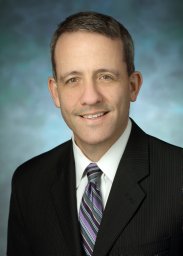 Scott D. Lifchez合作论文数Department of Plastic Surgery, Medical College of Wisconsin7
 Pooja Yesantharao合作论文数Sch Med, Johns Hopkins Univ6
 Justin M Sacks合作论文数Department of Surgery and Division of Plastic and Reconstructive Surgery, Pittsburgh, PA, United States5Kristen P. Broderick合作论文数4Sebastian Brooke合作论文数4Robert Weber合作论文数4
 Carisa M. Cooney合作论文数Department of Otolaryngology-Head and Neck Surgery, School of Medicine, Johns Hopkins University4
 Kevin M Klifto合作论文数Department of Plastic and Reconstructive Surgery, The Johns Hopkins University School of Medicine4
 Habibi Mehran合作论文数4
 Salih Colakoglu合作论文数3
 Oluseyi Aliu合作论文数Johns Hopkins Hospital;Highmark Health3Kraenzlin Franca S合作论文数3
 Charles Scott Hultman合作论文数Department of Plastic and Reconstructive Surgery, School of Medicine, Johns Hopkins University;Bayview Burn Center, Johns Hopkins University3Gedge D. Rosson合作论文数3Leen El Eter合作论文数2Joseph S Puthumana合作论文数2Robert Dembinski合作论文数2Ayed Mahmoud合作论文数2Elisabeth Belman Abeles合作论文数2
 Rafael Tiongco合作论文数2
 Siam Rezwan合作论文数Division of Hematology and Oncology, Medical College of Wisconsin2Melissa Major合作论文数2
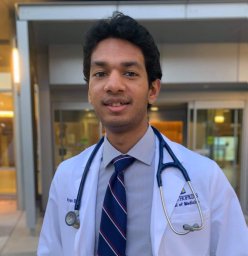 Myan Bhoopalam合作论文数Dept Plast & Reconstruct Surg, Johns Hopkins Univ2
 Charalampos Siotos合作论文数Division of Plastic and Reconstructive Surgery, Cook County Health2
 Halley Darrach合作论文数Dept Plast & Reconstruct Surg, Johns Hopkins Univ2Rachael M. Payne合作论文数2Amy Quan合作论文数2
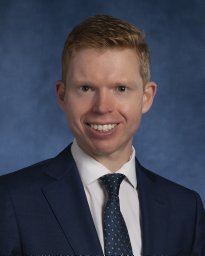 Christopher M Frost合作论文数Department of Plastic and Reconstructive Surgery, Johns Hopkins School of Medicine2
 Waverley He合作论文数2
 Wen Shen合作论文数Department of Otolaryngology-Head and Neck Surgery, School of Medicine, Johns Hopkins University2
 Sashank Reddy合作论文数Department of Otolaryngology-Head and Neck Surgery, School of Medicine, Johns Hopkins University2Gerald Brandacher合作论文数Department of Otolaryngology-Head and Neck Surgery, School of Medicine, Johns Hopkins University2
 G. Kokosis合作论文数Duke University Medical Center, Duke Univ. Med. Cent.2
 Jaimie Shores合作论文数2
 Ahmed Ibrahim合作论文数1Milot Thaqi合作论文数1Elisabeth Abeles合作论文数1Meredith L. Meyer合作论文数1Kate B. Krucoff合作论文数1Hamda Almaazmi合作论文数1Iman F. Khan合作论文数1
 Ainsley L. Taylor合作论文数1Amanda Rubano合作论文数1Tristan Wesson合作论文数1Joseph DiNatale合作论文数1




