Fresh produce is traditionally labeled with plastic price lookup (PLU) stickers that are attached to the produce surface using edible glue. However, both the stickers and glue are environmental contaminants, and the stickers can still easily detach from the produce surface during handling and disrupt traceability. An alternative method of labeling, the CO2 laser-labeling technology (LLT), has been gaining attention in recent years. However, engraving Quick Response (QR) code using LLT is unique, and the performance of this technology varies from produce item to produce item, and information on its effects on postharvest quality, microbial safety, and economic feasibility has not been reported. The objectives of this study were to investigate the effect of laser-labeling technology on 1) postharvest quality, 2) microbial safety, and 3) economic analysis of this technology. Three horticultural crops, ‘Red Delicious’ apple (Malus pumila), green bell pepper (Capsicum annuum), and cucumber (Cucumis sativus) were procured from a local grocery store. Each produce was engraved with a Quick Response (QR) code or 6-digit alphanumerical (text) code using the commercially available Trotec Speedy 300 CO2 laser engraver, followed by the application of edible wax. Fresh weight loss for laser-printed produce was higher compared to controls, but no difference in visual quality ratings was observed. The laser-labeled produce was assessed for microbial contamination by artificially inoculating rifampicin-resistant Escherichia coli (E. coli) log10 6 CFU/mL to the labeled fruit. The results showed that the population of rifampicin-resistant E. coli was statistically higher in all three products labeled with text code compared to the non-treated controls. The QR-coded treatments were similar to the controls. The wax application did not affect the microbial attachment on the laser-labeled produce. The CO2 laser labeling technology has the potential for industrial application.
Abstract Background Understanding the molecular basis of sport mutations in fruit trees has the potential to accelerate generation of improved cultivars. Results For this, we analyzed the genome of the apple tree that developed the RubyMac phenotype through a sport mutation that led to the characteristic fruit coloring of this variety. Overall, we found 46 somatic mutations that distinguished the mutant and wild-type branches of the tree. In addition, we found 54 somatic gene conversions (i.e., loss-of-heterozygosity mutations) that also distinguished the two parts of the tree. Approximately 20% of the mutations were specific to individual cell lineages, suggesting that they originated from the corresponding meristematic layers. Interestingly, the de novo mutations were enriched for GC = > AT transitions while the gene conversions showed the opposite bias for AT = > GC transitions, suggesting that GC-biased gene conversions have the potential to counteract the AT-bias of de novo mutations. By comparing the gene expression patterns in fruit skins from mutant and wild-type branches, we found 56 differentially expressed genes including 18 involved in anthocyanin biosynthesis. While none of the differently expressed genes harbored a somatic mutation, we found that some of them in regions of the genome that were recently associated with natural variation in fruit coloration. Conclusion Our analysis revealed insights in the characteristics of somatic change, which not only included de novo mutations but also gene conversions. Some of these somatic changes displayed strong candidate mutations for the change in fruit coloration in RubyMac.
The management of postharvest broccoli (Brassica oleracea L. var. italica) exemplifies a crucial element in ensuring agricultural sustainability and food preservation. The main aim of our study was to investigate the physiological and molecular factors that influence the shelf life of broccoli by employing several technologies known to influence its deterioration, namely controlled atmosphere (CA), 1-methylcyclopropene (1-MCP), and ethylene interventions. Controlled atmosphere (CA) and 1-methylcyclopropene (1-MCP) delay the senescence process whereas ethylene promotes broccoli senescence. The study involved physiological assessments to investigate the broccoli senescence patterns as influenced by temperature, and the effects of CA, 1-MCP, and ethylene on the shelf life of broccoli. Concurrently, RNA sequencing and subsequent analysis improved our understanding of the intricate molecular mechanisms behind postharvest senescence. The application of 1-MCP and CA demonstrated significant delays in the senescence process, affirming their effectiveness in maintaining broccoli quality during postharvest storage. We found that the MAPK pathway during 1-MCP treatment was involved in stress and defense responses by expression of genes like WRKY33, WRKY29, EIN3, PYL4, Catalase 2-like (CAT2 like), and SRK2E. Furthermore, alterations in auxin-responsive genes like IAA, SAUR21, and SAUR36 highlight the differential modulation of ethylene and auxin signaling pathways. A subsequent experiment demonstrated that in postharvest broccoli, exogenous auxin promotes senescence and auxin inhibitors retard senescence. Downregulation of key enzymatic genes, including UTP-glucose-1-phosphate uridylyltransferases, during CA treatment points to inhibition of glycolysis, which might be one of the mechanisms to enhance the shelf life of harvested products and delay senescence. Senescence-associated gene expression patterns suggested stage-specific connections that need additional investigation. This study offers valuable insights into the field of postharvest management, providing practical knowledge by identifying target genes for enhancing broccoli storage life and mitigating food waste.
Anthracnose fruit rot (AFR), caused by the fungal pathogen Colletotrichum fioriniae, is among the most destructive and widespread fruit disease of blueberry, impacting both yield and overall fruit quality. Blueberry cultivars have highly variable resistance against AFR. To date, this pathogen is largely controlled by applying various fungicides; thus, a more cost-effective and environmentally conscious solution for AFR is needed. Here we report three quantitative trait loci associated with AFR resistance in northern highbush blueberry (Vaccinium corymbosum). Candidate genes within these genomic regions are associated with the biosynthesis of flavonoids (e.g. anthocyanins) and resistance against pathogens. Furthermore, we examined gene expression changes in fruits following inoculation with Colletotrichum in a resistant cultivar, which revealed an enrichment of significantly differentially expressed genes associated with certain specialized metabolic pathways (e.g. flavonol biosynthesis) and pathogen resistance. Using non-targeted metabolite profiling, we identified a flavonol glycoside with properties consistent with a quercetin rhamnoside as a compound exhibiting significant abundance differences among the most resistant and susceptible individuals from the genetic mapping population. Further analysis revealed that this compound exhibits significant abundance differences among the most resistant and susceptible individuals when analyzed as two groups. However, individuals within each group displayed considerable overlapping variation in this compound, suggesting that its abundance may only be partially associated with resistance against C. fioriniae. These findings should serve as a powerful resource that will enable breeding programs to more easily develop new cultivars with superior resistance to AFR and as the basis of future research studies.
Cold treatment and fumigation are widely applied approaches to disinfest storage pests after harvest of fruits, nuts, grains, and vegetables. Cold conditions can limit the development and survival of spotted-wing drosophila, Drosophila suzukii Matsumura, in fruit and fumigation of blueberries with SO2 may control blueberry maggot, Rhagoletis mendax Curran. In this study, we found that at least 21 d of 0.5 & DEG;C was needed for achieving 98.3% reduction in R. mendax making this unsuitable for pre-export disinfestation. The average concentration of SO2 in modified atmosphere packages with slow release SO2 pads was only 2.93 ( & PLUSMN; 0.37) & mu;L L-1 held at 0.5 & DEG;C, too low for control of R. mendax. To develop a fruit treatment schedule that controls both pests, we first combined fumigation of 10,000 & mu;L L-1 SO2 and CO2 at 6% v/v for 30 min followed by cold storage at 2 & DEG;C for 12 d or 0.5 & DEG;C for 6 d to mimic shipping conditions. With short fumigation and long cold, R. mendax survival was reduced by no more than 4%, whereas D. suzukii was controlled effectively by cold in fumigated and non-fumigated conditions. However, fruit condition was negatively affected by SO2, so lower dosages were explored. 300 and 500 & mu;L L-1 of SO2 with a longer exposure duration were applied at room temperature. These dosages successfully controlled R. mendax without damaging fruit quality. Survival of R. mendax to pupation was reduced by 58% and 61% after 2 d and 3 d fumigation at 22 & DEG;C with 300 & mu;L L-1 SO2, respectively. Fumigating infested blueberries at 22 & DEG;C with 500 & mu;L L-1 of SO2 reduced pupation by 97% after 2 d and by 100% after 3 d. Fruit quality parameters were not significantly reduced by the low SO2 fumigation regimen on three different blueberry cultivars. Our data indicate that both insect pests can be controlled in harvested blueberries without loss of fruit quality by the combination of fumigation for 3 d at 22 & DEG;C with 500 & mu;L L-1 SO2, followed by cold storage. These results can inform export protocols for blueberries as part of a systems approach that combines in-field management and postharvest control programs.
Fruit surface coatings reduce gas exchange and modify the internal atmosphere composition. However, to set a safe internal atmosphere target, an optimum starch concentration must be determined for each fruit. To avoid the risk of anaerobiosis, surface coatings must be designed considering specificities in the structure and physiology of the product to be coated, properties of the coating solution, and coating-fruit surface interaction. In this study, it was developed a method for estimating the effective proportion of a starch-based coated surface using digital image processing. The starch-coated areas were stained with iodine solution and quantified using coated/uncoated region color image segmentation. To understand the need for surfactant and the optimal temperature for adding surfactant, 3% cassava starch coatings were prepared with and without Tween 40 (R) as a surfactant. Tween 40 (R) was added into starch matrix coating at 18 and 60. C. These coatings were applied to bananas, mandarin oranges, and bell peppers. The coatings without and with Tween 40 (R) (added at a warm coating) showed weak adhesion to the fruit peels, especially those with high cutin and wax levels (mandarin and pepper). However, adding Tween 40 (R) to a cooled coating enhanced its adhesion regardless of the structure of the fruit peel surfaces. Thus, these results show for the first time that the temperature for adding the surfactant markedly affects the coated percentage area of fruits. Following this, cassava starch coatings at 1.5, 2.0, 2.5, and 3.0% with Tween 40 (R) added at 18. C were tested on banana and papaya. The internal levels of O2 and CO2 were assessed to target safe, coated fruit internal atmosphere. Increasing the starch coating content increased the fruit's coated area, resulting in a decrease in O2 and increase in CO2 internal levels. The internal atmosphere build-up with the highest starch content (3.0%) and Tween 40 (R) for papaya was O2 (5.8 kPa) and CO2 (6.6 kPa), which is suitable for postharvest papaya storage. However, for bananas, this level of starch coating resulted in very low O2 (1.9 kPa) and high CO2 levels (48.6 kPa). These results demonstrate that the internal atmosphere build-up for coated fruits with similar starch matrix coating contents is fruit-specific.
Hypobaric or low-pressure storage (LPS) is a technology that has been reported to have significant potential to preserve fresh produce quality. However, excessive moisture loss has often been erroneously reported to limit the utility of LPS. We report on hypobaric (1.6 to 2.0 kPa) storage of representative bulky and leafy fruits and vegetables {strawberry (Fragaria ×ananassa Duchesne ex Rozier) fruit, carrot [Daucus carota subsp. sativus (Hoffm.) Arcang.] roots, spinach (Spinacia oleracea L.) leaves, and rose (Rosa ×hybrida ‘Attaché Pink’) flowers} using a laboratory-scale LPS and provide data on the regulation of humidity and temperature and describe effects on moisture loss and quality. The LPS achieved near saturation (>99.5%) of water without condensation on the chamber sidewalls. This required tight regulation of the chamber wall temperature (2.2 °C ± 0.15 °C) and careful control of the flux of air into the chamber. The rate of moisture loss was unaffected by the pressure of the storage atmosphere; however, it was affected by commodity, being lower for strawberry than for carrot or spinach, and averaging 0.08%, 0.40%, and 0.35% per day, respectively (average of normal and low pressure combined). Moisture loss of long-stemmed rose in LPS averaged 0.071% per day over an 8-week storage period. Although moisture loss was low, the LPS environment appeared to enhance water loss from deeper within plant tissues than storage at atmospheric pressure and, in roses, resulted in bent neck 2 or 3 days after removal from storage after 3 weeks. For this reason, LPS did not benefit storability of cut ‘Attaché Pink’ roses compared with high-humidity chambers maintained at atmospheric pressure.
Postharvest fumigation of fruits and vegetables is an important tool for managing pests and diseases that can cause devastating loss if not properly controlled. Sulfur dioxide (SO2) may have promise as replacement for methyl bromide, which is expected to be phased out. However, SO2 is known to cause injury to small fruit such as table grapes (Vitis vinifera L.). We extend previous research on SO2 fumigation by focusing on an economically important fruit pest genus and through quantitative and qualitative measurements of highbush blueberry (Vaccinium corymbosum L.) fruit bleaching. This study assesses fruit damage due to SO2 fumigation at concentrations ranging 0-2.2 % (v/v) as well as the effectiveness of SO2 as a fumigant prior to cold storage for control of blueberry maggot, Rhagoletis mendax Curran. We show that fruit quality traits such as firmness, total soluble solid content, and titratable acidity are largely unaffected except at the highest SO2 concentration (2.2 %). SO2 caused bleaching and discoloration of blueberry fruit in a dose-dependent manner. Damage was also cultivar-dependent, with cv 'Bluecrop', and 'Jersey' more susceptible than 'Draper', 'Elliott', and 'Liberty'. We show that R. mendax can be effectively controlled using a short-term (2 h), high concentration (22,000 mu L L-1) SO2 fumigation followed by >14 d of cold storage at 0.5 degrees C. However, this treatment for control of R. mendax would likely result in damage, affecting fruit marketability.
Metal organic frameworks (MOFs) are synthetic porous materials consisting of metal ions or ion clusters bound to organic molecules to create a crystalline structure with a very high internal surface area. MOF molecules have been found to have potential utility in the selective adsorptive binding and release of gaseous fuel and other chemicals. We explored the ability of selected MOFs to bind ethylene and the ethylene action inhibitor, 1-methylcyclopropene (1-MCP) with the intent of evaluating their usefulness in regulating ethylene responses for perishable produce. We screened several MOF compounds and selected two (Basolite C300 and Basolite A520) for in-depth characterization based on their superior capacity for binding ethylene. Basolite C300 is a copper based MOF with a trimesic acid linker group and Basolite A520 is an aluminum-based MOF with a fumaric acid linker group. Binding efficacy was compared to zeolite Z13X, which was also found to bind ethylene. The copper based Basolite C300 was more effective at binding and retaining ethylene than the other compounds tested. When ethylene-charged sorbents were moved to dry air, they released little ethylene. However, in the presence of free water, Basolite C300 desorbed a majority of its bound ethylene. Adsorption and desorption behavior differed for other alkenes. Basolite C300 had the highest affinity for 1-MCP, but did not release bound 1-MCP in the presence of humidified air. In contrast, the compound 1-butene, often used as a surrogate to quantify 1-MCP, was bound tightly by the MOF and quickly released in the presence of humidified air. We tested the potential for in-package release of bioactive compounds from a MOF. In a proof-of-concept experiment, we found that ethylene-loaded Basolite C300 released ethylene rapidly into packages of banana fruit and induced ripening; MOF without ethylene loading did not induce ripening. The data suggest that MOFs have the potential to sorb, store, and release gaseous compounds that impact plant physiology and may have some utility as a delivery system for volatile plant growth regulators.
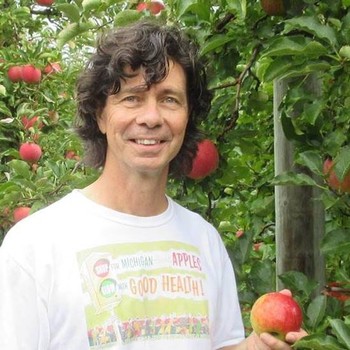 Randolph M. Beaudry合作论文数Department of Horticulture, College of Agriculture & Natural Resources, Michigan State University11
 Eleni Pliakoni合作论文数Department of Horticulture and Natural Resources, Kansas State University6
 Tricia M. Jenkins合作论文数3Fumiomi Takeda合作论文数3Durga Khadka合作论文数2Scott Korthuis合作论文数2
 Philip D. Fanning合作论文数School of Biology and Ecology, University of Maine2
 Lisa DeVetter合作论文数Northwestern Washington Res & Extens Ctr, Washington State Univ2
 Manreet Singh Bhullar合作论文数Kansas State Univ, Dept Hort & Nat Resources, Olathe, KS 66061 USA2
 Weiqiang Yang (杨未强)合作论文数Hunan Prov Key Lab High Energy Laser Technol, Natl Univ Def Technol2
 Sangram Dhumal合作论文数Corresponding author.2
 Sangeeta Chopra合作论文数2
 Rufus Isaacs合作论文数Department of Entomology;Michigan State University;Department of Entomology, Michigan State University2
 Eva Almenar合作论文数School of Packaging, Michigan State University2
 Changying Charlie Li (李长缨)合作论文数Bio-Sensing, Automation, and Intelligence Laboratory, Department of Agricultural and Biological Engineering, University of Florida2
 Renato Pereira Lima合作论文数1Utsab Ghimire合作论文数1Amrita Mukherjee合作论文数1Thea Rütjes合作论文数1
 Wen-Biao Jiao (焦文标)合作论文数College of Informatics, Huazhong Agricultural University;National Key Laboratory for Germplasm innovation and Utilization of Horticultural Crops, Huazhong Agricultural University;Hubei Hongshan Laboratory1Randy Beaudry合作论文数1Kristin Krause合作论文数1Zhaorigetu Hubhachen合作论文数1Tricia Jenkins合作论文数1MacKenzie Jacobs合作论文数1Jacquelyn A Perkins合作论文数1
 Scott J. Teresi合作论文数Michigan State University1Samantha J Thompson合作论文数1Olivia C Haley合作论文数1
 Logan Levi Britton合作论文数1Xuan Xu合作论文数1
 Mitchell J. Feldmann合作论文数Dep. of Plant Sciences, Univ. of California1
 Alex Sandro Bezerra De Sousa合作论文数1
 Majid Jaberi-Douraki合作论文数Kansas State Univ, Dept Anat & Physiol, Inst Computat Comparat Med, Manhattan, KS 66506 USA1
 Mengyun Zhang合作论文数Key Laboratory of Northwest Agricultural Equipment, Ministry of Agriculture1
 Tie Liu合作论文数Corresponding author.1
 Patrick Edge合作论文数Department of Horticulture, College of Agriculture & Natural Resources, Michigan State University1
 Timothy Miles合作论文数Department of Plant Pathology, Michigan State University1
 Steven Knapp合作论文数Department of Plant Sciences, University of California, Davis1
 Hequan Sun (孙贺全)合作论文数School of Automation Science and Engineering, Faculty of Electronic and Information Engineering, Xi'an Jiaotong University1
 Melanie J.A. Body合作论文数Institut de Recherche sur la Biologie de l'Insecte, Université François-Rabelais1
 Korbinian Schneeberger合作论文数Wissenschaftszentrum Weihenstephan, Technische Universität München1
 Anthony L. Schilmiller合作论文数Mass Spectrometry & Metabol Core Facil, Michigan State Univ1
 Adrian E. Platts合作论文数Center for Molecular Medicine and Genetics, Wayne State University School of Medicine1Jose Antonio Campoy合作论文数1
 Jeffrey K. Brecht合作论文数Horticultural Sciences Department, Institute of Food and Agricultural Sciences, University of Florida1Cary L. Rivard合作论文数1
 Guoqing Song合作论文数Michigan State University1
 Silvanda De Melo Silva合作论文数Univ Fed Paraiba1




