Gliomas are the most common type of malignant brain tumour and are frequently associated with seizures. Seizures associated with gliomas are frequently refractory to conventional antiseizure medications and constitute a significant cause of morbidity. There is a clear need for a biomarker that will guide resection of the ictogenic areas during neurosurgical procedures to improve seizure control, limit morbidity and achieve better tumour clearance. Several studies have investigated glutamate in the peri-tumoural region using magnetic resonance spectroscopy (MRS), but findings remain inconclusive regarding the association among elevated glutamate, tumour type and seizure history. Furthermore, it is not known if high cortical glutamate would lead to spontaneous interictal discharges (IIDs) ex vivo. In this prospective cross-sectional observational study of patients undergoing surgery for supratentorial gliomas, pre-operative 1D MRS imaging using an echo time (TE) averaged Point Resolved Spectroscopy (PRESS) sequence was performed to quantify glutamate levels in the peri-tumoural region. Ex vivo human cortical extracellular local field potential (LFP) recordings from the cortical tissue were used to record the presence or absence of spontaneous IIDs. Metabolite data were compared between cortical regions with spontaneous IIDs (n = 6 patients), versus regions with no evidence of spontaneous IIDs (n = 14 patients). Our findings provide new metabolic evidence that peri-tumoural glutamate accumulation is strongly linked to spontaneous IIDs (P = 0.006), reinforcing its role in glioma-associated seizures. The lack of significant differences in choline to creatine and N-acetyl aspartate to creatine ratios between IID and non-IID regions suggests seizure susceptibility is independent of tumour infiltration or neuronal degeneration. These results highlight MRS as a promising non-invasive tool for identifying metabolically active, seizure-prone cortical regions, which could aid in refining surgical planning. However, further validation is required to determine its utility in predicting clinical seizure occurrence and guiding post-operative seizure management.
Purpose of Review:Idiopathic intracranial hypertension (IIH) is a chronic headache disorder with increasing prevalence. Although characterized by raised intracranial pressure causing papilledema with a risk of visual impairment, psychological symptoms such as depression, anxiety, and cognitive impairment are frequently seen but are understudied and under-reported. Together, these can negatively affect quality of life. These were explored through a systematic PRISMA scoping review. OVID, EMBASE, Cochrane, and PubMed databases were searched in April 2023, limited to those in English and published during January 2000-March 2023. PROSPERO ID CRD42023399410. Recent Findings:From 454 identified studies, 24 relevant articles were identified from a range of countries including the United Kingdom, the United States, Israel, Egypt, Canada, Germany, and Brazil. Data on study design, participants, tests performed, and outcomes were collated. There is a considerable burden of psychiatric, affective, and cognitive conditions, as well as impaired quality of life, in adult patients with IIH. Notably, these were independently correlated with the presence of headache in a number of studies and with obesity in others. Summary:Aside from optimizing symptom control, including reducing the severity of headaches and protecting visual function, clinicians should be mindful of the biopsychosocial difficulties and potential cognitive impairments patients with IIH face. Assistance may be required with managing concurrent depression and anxiety, as well as optimizing cognitive function. Incorporating neuropsychological assessment and individualized management strategies may be beneficial at the point of diagnosis and throughout the illness.
- BACKGROUND: Foramen magnum decompression is a common operation used to treat Chiari malformation. There are different surgical techniques; however, some are anecdotally more effective than others. Our aim was to determine whether there is a superior technique in relation to revision rates, presence of persistent postoperative headache and nausea, and syrinx reduction. - METHODS: This was a retrospective analysis of foramen magnum decompressions performed between 2012 and 2017 for Chiari 1 in a single institution. Three types of operations were performed: 1) bony decompression alone; 2) bony decompression with durotomy and dura left open; 3) bony decompression with opening of dura and duraplasty. We compared postoperative symptoms and revision rates between these 3 operations. - RESULTS: In 168 patients, 185 foramen magnum decompressions were performed. Among the 168 primary operations, in 66 the dura was not opened, in 86 the dura was opened without a duraplasty, and in 16 a duraplasty was performed. Of 185 operations, 17 were revision surgery. For primary procedures, the revision rates were 12 (18%) where the dura was not opened, 4 (5%) where the dura was left open, and 1 (6%) when duraplasty was performed. Severe postoperative headache and nausea occurred in 2 (3%) patients where the dura was not opened, 4 (25%) patients after primary duraplasty, and 64 (74%) patients after primary durotomy. -CONCLUSIONS: In this study, rate of revision surgery was highest in patients who had bony decompression without dural opening. Rate of postoperative headache and nausea was highest in the durotomy group. Overall dura-plasty had the best results.
Objective Unruptured intracranial aneurysms (UIA) are common. For many the treatment risks outweigh their risk of subarachnoid haemorrhage and patients undergo surveillance imaging. There is little data to inform if and how to monitor UIAs resulting in widely varying practices. This study aimed to determine the current practice of unruptured UIA surveillance in the United Kingdom. Methods A questionnaire was designed to address the themes of surveillance protocols for UIA including when surveillance is initiated, how frequently it is performed, and when it is terminated. Additionally, how aneurysm growth is managed and how clinically meaningful growth is defined were explored. The questionnaire was distributed to members of the British Neurovascular Group using probability-based cluster and non-probability purposive sampling methods. Results Responses were received from 30 of the 30 (100.0%) adult neurosurgical units in the United Kingdom of which 27 (90.0%) routinely perform surveillance for aneurysm growth. Only four units had a unit policy. The mean patient age up to which a unit would initiate follow-up of a low-risk UIA was 65.4 +/- 9.0 years. The time points at which imaging is performed varied widely. There was an even split between whether units use a fixed duration of follow-up or an age threshold for terminating surveillance. Forty percent of units will follow-up patients more than 5 years from diagnosis. The magnitude in the change in size that was felt to constitute growth ranged from 1 to 3mm. No units routinely used vessel wall imaging although 27 had access to 3T MRI capable of performing it. Conclusions There is marked heterogeneity in surveillance practices between units in the United Kingdom. This study will help units better understand their practice relative to their peers and provide a framework forplanning further research on aneurysm growth.
Abstract Background The surgical trial of lobar intracerebral haemorrhage (STICH II) was a randomised controlled trial evaluating early surgical removal of a clot. This paper investigates volume change in both arms of the trial with respect to Extended Glasgow Outcome Scale (GOSE) groups. Methods Patients randomised into STICH II had an initial diagnostic CT and a second CT 5 days after randomisation. Each scan was anonymously assessed by at least two central readers. An analysis of agreement between the two readers was conducted using kappa tests and intraclass correlation. The change in volume in both the early surgery (ES) and the initial conservative treatment (ICT) arms were analysed with respect to the six-month GOSE outcome. Results Of the 597 patients randomised in the trial there were 582 pre-randomisation scans and 566 5-day scans available for analysis of agreement. There was good agreement between the assessors for the radiological inclusion criteria including volume (ICC = 0.87) and this was better than the agreement between the assessor and local investigator (ICC = 0.73). There were 526 patients with two scans available for analysis of change in volume measurement. The median percentage change in volume for the ES group was a reduction of 92.4% (IQR 75.6%, 99.0%) while for the ICT group, in which some cases crossed over to delayed surgery, it was only 5.7% (IQR 16.4% increase, 29.5% reduction). ES patients with almost complete removal (99-100%) had the best outcome with only 30% dead or lower severely disabled. For the ICT group outcome was related to the final volume: the smaller the final volume the better the outcome. Conclusions This analysis provides evidence for central assessments of scans in exploratory analyses and further information regarding the potential advantage of early and more complete clot removal on outcome in ICH and should inform the planning of future trials. Clinical trials registration: ISRCTN22153967
Purpose Due to the risk of intracranial aneurysm (IA) recurrence and the potential requirement for re-treatment following endovascular treatment (EVT), radiological follow-up of these aneurysms is necessary. There is little evidence to guide the duration and frequency of this follow-up. The aim of this study was to establish the current practice in neurosurgical units in the UK and Ireland. Methods A survey was designed with input from interventional neuroradiologists and neurosurgeons. Neurovascular consultants in each of the 30 neurosurgical units providing a neurovascular service in the UK and Ireland were contacted and asked to respond to questions regarding the follow-up practice for IA treated with EVT in their department. Results Responses were obtained from 28/30 (94%) of departments. There was evidence of wide variations in the duration and frequency of follow-up, with a minimum follow-up duration for ruptured IA that varied from 18 months in 5/28 (18%) units to 5 years in 11/28 (39%) of units. Young patient age, previous subarachnoid haemorrhage and incomplete IA occlusion were cited as factors that would prompt more intensive surveillance, although larger and broad-necked IA were not followed-up more closely in the majority of departments. Conclusions There is a wide variation in the radiological follow-up of IA treated with EVT in the UK and Ireland. Further standardisation of this aspect of patient care is likely to be beneficial, but further evidence on the behaviour of IA following EVT is required in order to inform this process.
-OBJECTIVE: We sought to review the current scope of emergency neurosurgical referrals and examine the long-term use of a web-based referral system. -METHODS: This was a single-center retrospective observational study. Referral information was collected retrospectively over a 1-year period after the implementa-tion of a web-based referral system (June 2019 -June 2020). Information such as demographics, clinical infor-mation, referrer details, and neurosurgical response times and outcomes were collected. Statistical analyses were performed using R Version 6.3.1. -RESULTS: Our unit received 5949 referrals with a median age of 63 years old (range: 0-107 years) (male [ 50.3%). We observed an average of 16.3 referrals per day (range: 4-32), with Fridays having the highest average and the weekend days receiving statistically fewer referrals (P < 0.001). More than a third (35.9%) of referrals occurred within hours (8:00-17:00 Monday -Friday), with A + E making up approximately 50% of referrals. Common rea-sons for referral were traumatic brain injury, intracranial tumors, and degenerative spine. The median time from referral to first response was 32 minutes, occurring within an hour in 72.9% of cases. The median time to definite response was 83 minutes, occurring within 2 hours in 58.2% of cases. Factors found to impact the response time were referral emergency and time of day. Our acceptance rate over this period was 18.5%. -CONCLUSIONS: With an increasing number of referrals, it is feasible to provide traceable advice in a timely manner through an electronic web-based referral system transfer-able to any specialty. Insights could be used to direct re-sources and workforce planning according to emergency referral patterns.
Importance:Trials often assess primary outcomes of traumatic brain injury at 6 months. Longer-term data are needed to assess outcomes for patients receiving surgical vs medical treatment for traumatic intracranial hypertension. Objective:To evaluate 24-month outcomes for patients with traumatic intracranial hypertension treated with decompressive craniectomy or standard medical care. Design, Setting, and Participants:Prespecified secondary analysis of the Randomized Evaluation of Surgery With Craniectomy for Uncontrollable Elevation of Intracranial Pressure (RESCUEicp) randomized clinical trial data was performed for patients with traumatic intracranial hypertension (>25 mm Hg) from 52 centers in 20 countries. Enrollment occurred between January 2004 and March 2014. Data were analyzed between 2018 and 2021. Eligibility criteria were age 10 to 65 years, traumatic brain injury (confirmed via computed tomography), intracranial pressure monitoring, and sustained and refractory elevated intracranial pressure for 1 to 12 hours despite pressure-controlling measures. Exclusion criteria were bilateral fixed and dilated pupils, bleeding diathesis, or unsurvivable injury. Interventions:Patients were randomly assigned 1:1 to receive a decompressive craniectomy with standard care (surgical group) or to ongoing medical treatment with the option to add barbiturate infusion (medical group). Main Outcomes and Measures:The primary outcome was measured with the 8-point Extended Glasgow Outcome Scale (1 indicates death and 8 denotes upper good recovery), and the 6- to 24-month outcome trajectory was examined. Results:This study enrolled 408 patients: 206 in the surgical group and 202 in the medical group. The mean (SD) age was 32.3 (13.2) and 34.8 (13.7) years, respectively, and the study population was predominantly male (165 [81.7%] and 156 [80.0%], respectively). At 24 months, patients in the surgical group had reduced mortality (61 [33.5%] vs 94 [54.0%]; absolute difference, -20.5 [95% CI, -30.8 to -10.2]) and higher rates of vegetative state (absolute difference, 4.3 [95% CI, 0.0 to 8.6]), lower or upper moderate disability (4.7 [-0.9 to 10.3] vs 2.8 [-4.2 to 9.8]), and lower or upper severe disability (2.2 [-5.4 to 9.8] vs 6.5 [1.8 to 11.2]; χ27 = 24.20, P = .001). For every 100 individuals treated surgically, 21 additional patients survived at 24 months; 4 were in a vegetative state, 2 had lower and 7 had upper severe disability, and 5 had lower and 3 had upper moderate disability, respectively. Rates of lower and upper good recovery were similar for the surgical and medical groups (20 [11.0%] vs 19 [10.9%]), and significant differences in net improvement (≥1 grade) were observed between 6 and 24 months (55 [30.0%] vs 25 [14.0%]; χ22 = 13.27, P = .001). Conclusions and Relevance:At 24 months, patients with surgically treated posttraumatic refractory intracranial hypertension had a sustained reduction in mortality and higher rates of vegetative state, severe disability, and moderate disability. Patients in the surgical group were more likely to improve over time vs patients in the medical group. Trial Registration:ISRCTN Identifier: 66202560.
[Purpose] We have previously shown inversion therapy to be effective in a small prospective randomised controlled trial of patients with lumbar disc protrusions. Our purpose now was to measure symptoms and to compare the surgery rate following inversion for 85 participants with the surgery rate in 3 control groups. [Participants and Methods] Each of the 85 inverted participants acted as their own control for the "symptomatic" part of the study. In the "Need for surgery" part of the study, one control group was made up of similar patients with leg pain and sciatica who were referred to the same clinic in the same year. Two additional control groups were examined: the original control group from the pilot trial and the lumbar disc surgery waiting list patients. [Results] Inversion therapy relieved symptoms: there were improvements in the Visual Analogue Score, Roland Morris and Oswestry Disease indices and Health Utility Score compared with their pre-treatment status. Also, the 2 year surgery rate in the inversion participants in the registry (21%) was significantly lower than in the matched control group (39% at two years and 43% at four years). It was also lower than the surgery rate in the other 2 control groups. [Conclusion] Inversion therapy relieved symptoms and avoided surgery.
BACKGROUND:Cessation of elective procedures and lower bed capacity during the COVID-19 pandemic have led to a rise in the waiting lists for surgery, but it is unclear if workload has recovered sufficiently to account for this backlog. We describe the change in neurosurgical workload at a tertiary neurosciences center in the United Kingdom after the first pandemic wave in comparison with the months before and during the first wave.METHODS:A retrospective review of theatre records and electronic referrals-between December 1, 2019, and August 31, 2020-was performed. The months of December 2019-February 2020 were designated as pre-COVID months and March-May 2020 were designated as COVID months. The time period from June to August 2020 was designated as post-wave months. Statistical analyses were performed on SPSS v22 (IBM).RESULTS:Referrals declined from 572 in January to a nadir of 352 in April before a steady rise to August. Referral volumes for degenerative spinal disease and traumatic brain injuries showed a statistically significant change during the year. On average, 212 procedures per month were performed in the pre-COVID months, 167 procedures per month during COVID months, and 232 procedures per month in the post-wave months. The number of patients on the waiting list for scheduled operations rose from March (785 patients) onward to a peak of 997 patients in July.CONCLUSIONS:In the aftermath of COVID-19, higher referral volumes and operative procedures were apparent in the post-wave months as services returned to normal. With the expectation of a second wave of infections, it is unclear whether this will be sustainable.
BACKGROUND: Posterior fossa hemangioblastomas usually consist of a small solid nodule with a large cyst, while more rarely they present as a large solid mass with a small or absent cyst, which can be surgically challenging. We sought to investigate the potential existence of multiple distinct hemangioblastoma populations using tumor volumetric data as an indicator. METHODS: We conducted a retrospective review of surgically treated hemangioblastomas between 2005 and 2019 in our unit, including clinical notes, preoperative magnetic resonance imaging volumetric analysis of the solid component of the tumor, and pathology. Finite Gaussian mixture modeling was applied on the solid component volume dataset to identify potential underlying Gaussian distributions with their associated characteristics. Nonparametric Mann-Whitney U tests were used to investigate significance of differences (P < 0.05) in solid component volume and different variables (Von Hippel-Lindau disease, extent of resection, outcome). RESULTS: A total of 68 consecutive patients were included. Solid component volumes followed a multimodal distribution (median = 1287 mm(3), interquartile range of 3428 mm(3)). The best-fit finite Gaussian mixture modeling model identified 3 statistically significant different (P = 0.001) potential mixture components: X-1 (219 = 187 mm(3)), X-2 (2686 +/- 1299 mm(3)), and X-3 (10,800 +/- 5514 mm(3)). The second- best model detected 2 significantly different (P = 9.99e(-08)) mixture components Y-1 (222 +/- 189 mm(3)) and Y-2 (5391 +/- 5094 mm(3)). A significant difference in solid component volume was found between patients with favorable and unfavorable outcome (P = 0.002). CONCLUSIONS: This study has shown preliminary evidence that large solid hemangioblastomas may constitute a completely distinct population, rather than a variant of one large group of hemangioblastomas.
A computed tomography (CT) scan in childhood is associated with a greater incidence of brain cancer. CT scans are used in patients with ventriculo-peritoneal (VP) shunts in whom shunt dysfunction is suspected. We wanted to assess the CT scan exposure in a cohort of children with VP shunts and attempt to quantify their radiation exposure. A single-centre retrospective analysis was performed recording CT head scans in children younger than 18 years with VP shunts. Hospital coding data was cross-referenced with electronic records and radiology databases both in our neurosurgery unit and in hospitals referring to it. One hundred and fifty-two children with VP shunts were identified. The mean time with shunt in situ was 5.4 years (± 4.61). A mean of 3.33 CT scans (range 0–20) were performed on each child, amounting to 0.65 (± 0.87) CTs per shunt year. Based on 2 msv of radiation per scan, this equates to an average exposure of 1.31 msv per child per shunt year. Children who have multiple CT head scans for investigation of possible shunt dysfunction are at a greater risk of developing cancer. We discuss the implications of this increased risk and discuss strategies to limit radiation exposure in children with VP shunts.
BACKGROUND: Malignant middle cerebral artery infarctions are large space-occupying infarctions involving massive edema, herniation, and frequently death. Survivors are disabled. Management involves medical treatment, with or without decompressive hemicraniectomy and later duraplasty. This meta-analysis aimed to determine whether surgery is worthwhile with particular regard to views on quality of life of professionals and patients. METHODS: A Medline search was performed with the search terms "decompressive surgery," "craniectomy," "hemicraniectomy," "decompressive hemicraniectomy," and " middle cerebral artery," "MCA," "infarct,*" "stroke,*" "embolus," "emboli," "thrombosis," "occlusion," "infarction," and "middle cerebral artery stroke," A second search was also done for views on postoperative quality of life. Studies retrieved were randomized controlled trials, observational studies, and reviews. We compared patients who received only medical treatment with those who had decompressive surgery. Participants were adult patients presenting with malignant middle cerebral artery infarction. RESULTS: 270 abstracts were reviewed. 40 articles were identified: 8 randomized controlled trials and 4 observational studies. There were a total of 692 patients: 268 surgical and 424 medical. The 2 groups were comparable, with similar demographics. In most trials, mortality was lower with surgery. However, morbidity tended to be higher, particularly in the elderly population. Morbidity was lower with medical treatment. Twelve articles on postoperative quality of life were reviewed; views differed between professionals, and survivors and caregivers. A patient-level comparison could not be made between all studies. CONCLUSIONS: Surgical decompression results in lowered mortality but high morbidity, especially in the elderly. There is an increase in Quality Adjusted Life Years but at high costs. Professionals think that surgery is not worth the high disability rate. However, patients and caregivers are satisfied with their postoperative quality of life. Survey data from healthy study participants who are not professionals in stroke care were not available. The decision to treat surgically needs to be decided on an individual basis.
Functional symptoms pose one of the most vexing problems facing surgical decision-making. One that has some relevance to a large number of cases, but all neurosurgical units have a small number of ...
 A. David Mendelow合作论文数42Barbara A Gregson合作论文数37Rowan Elise N合作论文数13
 Christopher James Andrew Cowie合作论文数Institute of Cellular Medicine, Newcastle University9
 Nitin Mukerji合作论文数Department of Pediatrics, All India Institute of Medical Sciences9
 Richard Francis合作论文数8Anil Gholkar合作论文数7I R Chambers合作论文数6Alistair Jenkins合作论文数6Paul Mcnamee合作论文数6
 Elaine Mccoll合作论文数Medical School, Newcastle University6Claire Nicholson合作论文数5
 Gordon Murray合作论文数Usher Institute, Deanery of Molecular, Genetic and Population Health Sciences, Edinburgh Medical School, College of Medicine and Veterinary Medicine, The University of Edinburgh5
 Aribisala Benjamin S合作论文数Brain Res Imaging Ctr, Univ Edinburgh5
 Andreas W. Unterberg合作论文数Department of Neurosurgery,University Hospital Heidelberg5
 Diederik O. Bulters合作论文数Department of Neurosurgery, Addenbrooke’s Hospital5
 Dipayan Mitra合作论文数5Andrew M. Blamire合作论文数5Joshua Wood合作论文数4
 Francesco Vergani合作论文数4
 Peter C. Whitfield合作论文数4Boyers Dwayne合作论文数4Tsermoulas Georgios合作论文数4Ross Nicholas合作论文数4Raghu R Vindlacheruvu合作论文数4
 Jiabao He合作论文数4Parameswaran Bhattathiri合作论文数3Justin Nissen合作论文数3Giles Critchley合作论文数3Hiren Patel合作论文数3
 Ian M Anderson合作论文数Division of Neuroscience, School of Biological Sciences, The University of Manchester3Manjunath Prasad K S合作论文数3
 Peter J A Hutchinson合作论文数Department of Clinical Neurosciences, Robinson College, University of Cambridge3Holliman Damian合作论文数3Howard Brydon合作论文数2Ioannis Fouyas合作论文数2Jerome St George合作论文数2Ashraf Abouharb合作论文数2Guy Wynne-Jones合作论文数2Graham Dow合作论文数2Anthony Ghosh合作论文数2Andrew Bacon合作论文数2Lisa Flett合作论文数2a unterberg合作论文数2Mahmoud Kamel合作论文数2Edward White合作论文数2
 Georgios Pexas合作论文数Sch Biol Sci, Queens Univ Belfast2
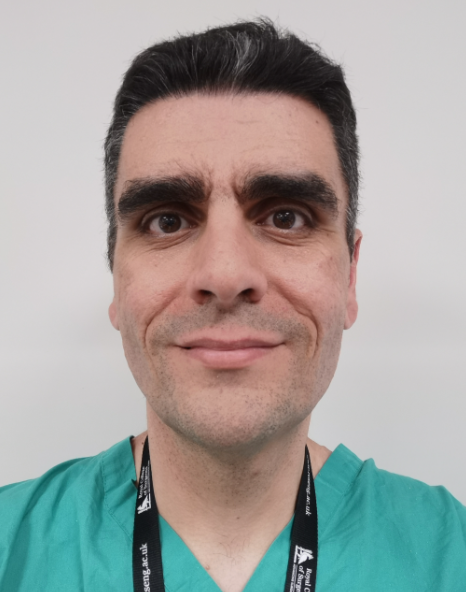 Angelos Kolias合作论文数Department of Clinical Neuroscience, Addenbrooke's Hospital;CRUK Cambridge Centre, Cancer Research UK Cambridge Institute, University of Cambridge2
 Debra Krotish合作论文数2




