BACKGROUNDCOVID-19 convalescent plasma (CCP) virus-specific antibody levels that translate into recipient posttransfusion antibody levels sufficient to prevent disease progression are not defined.METHODSThis secondary analysis correlated donor and recipient antibody levels to hospitalization risk among unvaccinated, seronegative CCP recipients within the outpatient, double-blind, randomized clinical trial that compared CCP to control plasma. The majority of COVID-19 CCP arm hospitalizations (15/17, 88%) occurred in this unvaccinated, seronegative subgroup. A functional cutoff to delineate recipient high versus low posttransfusion antibody levels was established by 2 methods: (i) analyzing virus neutralization-equivalent anti-Spike receptor-binding domain immunoglobulin G (anti-S-RBD IgG) responses in donors or (ii) receiver operating characteristic (ROC) curve analysis.RESULTSSARS-CoV-2 anti-S-RBD IgG antibody was volume diluted 21.3-fold into posttransfusion seronegative recipients from matched donor units. Virus-specific antibody delivered was approximately 1.2 mg. The high-antibody recipients transfused early (symptom onset within 5 days) had no hospitalizations. A CCP-recipient analysis for antibody thresholds correlated to reduced hospitalizations found a statistical significant association between early transfusion and high antibodies versus all other CCP recipients (or control plasma), with antibody cutoffs established by both methods-donor-based virus neutralization cutoffs in posttransfusion recipients (0/85 [0%] versus 15/276 [5.6%]; P = 0.03) or ROC-based cutoff (0/94 [0%] versus 15/267 [5.4%]; P = 0.01).CONCLUSIONIn unvaccinated, seronegative CCP recipients, early transfusion of plasma units in the upper 30% of study donors' antibody levels reduced outpatient hospitalizations. High antibody level plasma units, given early, should be reserved for therapeutic use.TRIAL REGISTRATIONClinicalTrials.gov NCT04373460.FUNDINGDepartment of Defense (W911QY2090012); Defense Health Agency; Bloomberg Philanthropies; the State of Maryland; NIH (3R01AI152078-01S1, U24TR001609-S3, 1K23HL151826NIH); the Mental Wellness Foundation; the Moriah Fund; Octapharma; the Healthnetwork Foundation; the Shear Family Foundation; the NorthShore Research Institute; and the Rice Foundation.
BACKGROUND:Cytokines and chemokines play a critical role in the response to infection and vaccination. We aimed to assess the longitudinal association of COVID-19 vaccination with cytokine and chemokine concentrations and trajectories among people with SARS-CoV-2 infection.METHODS:In this longitudinal, prospective cohort study, blood samples were used from participants enrolled in a multi-centre randomised trial assessing the efficacy of convalescent plasma therapy for ambulatory COVID-19. The trial was conducted in 23 outpatient sites in the USA. In this study, participants (aged ≥18 years) were restricted to those with COVID-19 before vaccination or with breakthrough infections who had blood samples and symptom data collected at screening (pre-transfusion), day 14, and day 90 visits. Associations between COVID-19 vaccination status and concentrations of 21 cytokines and chemokines (measured using multiplexed sandwich immunoassays) were examined using multivariate linear mixed-effects regression models, adjusted for age, sex, BMI, hypertension, diabetes, trial group, and COVID-19 waves (pre-alpha or alpha and delta).FINDINGS:Between June 29, 2020, and Sept 30, 2021, 882 participants recently infected with SARS-CoV-2 were enrolled, of whom 506 (57%) were female and 376 (43%) were male. 688 (78%) of 882 participants were unvaccinated, 55 (6%) were partly vaccinated, and 139 (16%) were fully vaccinated at baseline. After adjusting for confounders, geometric mean concentrations of interleukin (IL)-2RA, IL-7, IL-8, IL-15, IL-29 (interferon-λ), inducible protein-10, monocyte chemoattractant protein-1, and tumour necrosis factor-α were significantly lower among the fully vaccinated group than in the unvaccinated group at screening. On day 90, fully vaccinated participants had approximately 20% lower geometric mean concentrations of IL-7, IL-8, and vascular endothelial growth factor-A than unvaccinated participants. Cytokine and chemokine concentrations decreased over time in the fully and partly vaccinated groups and unvaccinated group. Log10 cytokine and chemokine concentrations decreased faster among participants in the unvaccinated group than in other groups, but their geometric mean concentrations were generally higher than fully vaccinated participants at 90 days. Days since full vaccination and type of vaccine received were not correlated with cytokine and chemokine concentrations.INTERPRETATION:Initially and during recovery from symptomatic COVID-19, fully vaccinated participants had lower concentrations of inflammatory markers than unvaccinated participants suggesting vaccination is associated with short-term and long-term reduction in inflammation, which could in part explain the reduced disease severity and mortality in vaccinated individuals.FUNDING:US Department of Defense, National Institutes of Health, Bloomberg Philanthropies, State of Maryland, Mental Wellness Foundation, Moriah Fund, Octapharma, HealthNetwork Foundation, and the Shear Family Foundation.
BACKGROUND:COVID-19 convalescent plasma (CCP) is an important therapeutic option for outpatients at high risk of hospitalization from SARS-CoV-2 infection. We assessed the safety of outpatient CCP transfusions administered during clinical trials.STUDY DESIGN AND METHODS:We analyzed data pertaining to transfusion-related reactions from two randomized controlled trials in the U.S. that evaluated the efficacy of CCP versus control plasma in various ambulatory settings. Multivariable logistic regression was used to assess whether CCP was associated with transfusion reactions, after adjusting for potential confounders.RESULTS:The combined study reported 79/1351 (5.9%) adverse events during the transfusion visit, with the majority 62/1351 (4.6%) characterized by mild, allergic-type findings of urticaria, and/or pruritus consistent with minor allergic transfusion reactions; the other reported events were attributed to the patients' underlying disease, COVID-19, or vasovagal in nature. We found no difference in the likelihood of allergic transfusion reactions between those receiving CCP versus control plasma (adjusted odds ratio [AOR], 0.75; 95% CI, 0.43-1.31). Risk of urticaria and/or pruritus increased with a pre-existing diagnosis of asthma (AOR, 2.33; 95% CI, 1.16-4.67). We did not observe any CCP-attributed antibody disease enhancement in participants with COVID-19 or increased risk of infection. There were no life-threatening severe transfusion reactions and no patients required hospitalization related to transfusion-associated complications.DISCUSSION:Outpatient plasma administration was safely performed for nearly 1400 participants. CCP is a safe therapeutic option for outpatients at risk of hospitalization from COVID-19.
Background The efficacy of severe acute respiratory syndrome coronavirus 2 (SARS-CoV-2) convalescent plasma (CCP) for preventing infection in exposed, uninfected individuals is unknown. CCP might prevent infection when administered before symptoms or laboratory evidence of infection. Methods This double-blinded, phase 2 randomized, controlled trial (RCT) compared the efficacy and safety of prophylactic high titer (≥1:320 by Euroimmun ELISA) CCP with standard plasma. Asymptomatic participants aged ≥18 years with close contact exposure to a person with confirmed coronavirus disease 2019 (COVID-19) in the previous 120 hours and negative SARS-CoV-2 test within 24 hours before transfusion were eligible. The primary outcome was new SARS-CoV-2 infection. Results In total, 180 participants were enrolled; 87 were assigned to CCP and 93 to control plasma, and 170 transfused at 19 sites across the United States from June 2020 to March 2021. Two were excluded for screening SARS-CoV-2 reverse transcription polymerase chain reaction (RT-PCR) positivity. Of the remaining 168 participants, 12/81 (14.8%) CCP and 13/87 (14.9%) control recipients developed SARS-CoV-2 infection; 6 (7.4%) CCP and 7 (8%) control recipients developed COVID-19 (infection with symptoms). There were no COVID-19-related hospitalizations in CCP and 2 in control recipients. Efficacy by restricted mean infection free time (RMIFT) by 28 days for all SARS-CoV-2 infections (25.3 vs 25.2 days; P = .49) and COVID-19 (26.3 vs 25.9 days; P = .35) was similar for both groups. Conclusions Administration of high-titer CCP as post-exposure prophylaxis, although appearing safe, did not prevent SARS-CoV-2 infection. Clinical Trials Registration NCT04323800.
Abstract Background The efficacy of SARS-CoV-2 convalescent plasma (CCP) for preventing infection in exposed, uninfected individuals is unknown. CCP might prevent infection when administered before symptoms or laboratory evidence of infection. Methods This double-blinded, phase 2 randomized, controlled trial (RCT) compared the efficacy and safety of prophylactic high titer (≥1:320 by Euroimmun ELISA) CCP with standard plasma. Asymptomatic participants aged ≥18 years with close contact exposure to a person with confirmed COVID-19 in the previous 120 hours and negative SARS-CoV-2 test within 24 hours before transfusion were eligible. The primary outcome was new SARS-CoV-2 infection. Results 180 participants were enrolled; 87 were assigned to CCP and 93 to control plasma, and 170 transfused at 19 sites across the United States from June 2020 to March 2021. Two were excluded for screening SARS-CoV-2 RT-PCR positivity. Of the remaining 168 participants, 12/81 (14·8%) CCP and 13/87 (14·9%) control recipients developed SARS-CoV-2 infection; 6 (7·4%) CCP and 7 (8%) control recipients developed COVID-19 (infection with symptoms). There were no COVID-19-related hospitalizations in CCP and 2 in control recipients. Efficacy by restricted mean infection free time (RMIFT) by 28 days for all SARS-CoV-2 infections (25·3 vs. 25·2 days; p = 0·49) and COVID-19 (26·3 vs. 25·9 days; p = 0·35) was similar for both groups. Conclusions Administration of high-titer CCP as post-exposure prophylaxis, while appearing safe, did not prevent SARS-CoV-2 infection.
BackgroundPolyclonal convalescent plasma may be obtained from donors who have recovered from coronavirus disease 2019 (Covid-19). The efficacy of this plasma in preventing serious complications in outpatients with recent-onset Covid-19 is uncertain.MethodsIn this multicenter, double-blind, randomized, controlled trial, we evaluated the efficacy and safety of Covid-19 convalescent plasma, as compared with control plasma, in symptomatic adults (>= 18 years of age) who had tested positive for severe acute respiratory syndrome coronavirus 2, regardless of their risk factors for disease progression or vaccination status. Participants were enrolled within 8 days after symptom onset and received a transfusion within 1 day after randomization. The primary outcome was Covid-19-related hospitalization within 28 days after transfusion.ResultsParticipants were enrolled from June 3, 2020, through October 1, 2021. A total of 1225 participants underwent randomization, and 1181 received a transfusion. In the prespecified modified intention-to-treat analysis that included only participants who received a transfusion, the primary outcome occurred in 17 of 592 participants (2.9%) who received convalescent plasma and 37 of 589 participants (6.3%) who received control plasma (absolute risk reduction, 3.4 percentage points; 95% confidence interval, 1.0 to 5.8; P & nbsp;-& nbsp;& nbsp;0.005), which corresponded to a relative risk reduction of 54%. Evidence of efficacy in vaccinated participants cannot be inferred from these data because 53 of the 54 participants with Covid-19 who were hospitalized were unvaccinated and 1 participant was partially vaccinated. A total of 16 grade 3 or 4 adverse events (7 in the convalescent-plasma group and 9 in the control-plasma group) occurred in participants who were not hospitalized.ConclusionsIn participants with Covid-19, most of whom were unvaccinated, the administration of convalescent plasma within 9 days after the onset of symptoms reduced the risk of disease progression leading to hospitalization. (Funded by the Department of Defense and others; CSSC-004 ClinicalTrials.gov number, NCT04373460.)
Benchmarks for protective immunity from infection or severe disease after SARS-CoV-2 vaccination are still being defined. Here, we characterized virus neutralizing and ELISA antibody levels, cellular immune responses, and viral variants in 4 separate groups: healthy controls (HCs) weeks (early) or months (late) following vaccination in comparison with symptomatic patients with SARS-CoV-2 after partial or full mRNA vaccination. During the period of the study, most symptomatic breakthrough infections were caused by the SARS-CoV-2 Alpha variant. Neutralizing antibody levels in the HCs were sustained over time against the vaccine parent virus but decreased against the Alpha variant, whereas IgG titers and T cell responses against the parent virus and Alpha variant declined over time. Both partially and fully vaccinated patients with symptomatic infections had lower virus neutralizing antibody levels against the parent virus than the HCs, similar IgG antibody titers, and similar virus-specific T cell responses measured by IFN-γ. Compared with HCs, neutralization activity against the Alpha variant was lower in the partially vaccinated infected patients and tended to be lower in the fully vaccinated infected patients. In this cohort of breakthrough infections, parent virus neutralization was the superior predictor of breakthrough infections with the Alpha variant of SARS-CoV-2.
Convalescent plasma, collected from donors who have recovered from a pathogen of interest, has been used to treat infectious diseases, particularly in times of outbreak, when alternative therapies were unavailable. The COVID-19 pandemic revived interest in the use of convalescent plasma. Large observational studies and clinical trials that were executed during the pandemic provided insight into how to use convalescent plasma, whereby high levels of antibodies against the pathogen of interest and administration early within the time course of the disease are critical for optimal therapeutic effect. Several studies have shown outpatient administration of COVID-19 convalescent plasma (CCP) to be both safe and effective, preventing clinical progression in patients when administered within the first week of COVID-19. The United States Food and Drug Administration expanded its emergency use authorization (EUA) to allow for the administration of CCP in an outpatient setting in December 2021, at least for immunocompromised patients or those on immunosuppressive therapy. Outpatient transfusion of CCP and infusion of monoclonal antibody therapies for a highly transmissible infectious disease introduces nuanced challenges related to infection prevention. Drawing on our experiences with the clinical and research use of CCP, we describe the logistical considerations and workflow spanning procurement of qualified products, infrastructure, staffing, transfusion, and associated management of adverse events. The purpose of this description is to facilitate the efforts of others intent on establishing outpatient transfusion programs for CCP and other antibody-based therapies.
ABSTRACTBACKGROUNDThe efficacy of polyclonal high titer convalescent plasma to prevent serious complications of COVID-19 in outpatients with recent onset of illness is uncertain.METHODSThis multicenter, double-blind randomized controlled trial compared the efficacy and safety of SARS-CoV-2 high titer convalescent plasma to placebo control plasma in symptomatic adults ≥18 years positive for SARS-CoV-2 regardless of risk factors for disease progression or vaccine status. Participants with symptom onset within 8 days were enrolled, then transfused within the subsequent day. The measured primary outcome was COVID-19-related hospitalization within 28 days of plasma transfusion. The enrollment period was June 3, 2020 to October 1, 2021.RESULTSA total of 1225 participants were randomized and 1181 transfused. In the pre-specified modified intention-to-treat analysis that excluded those not transfused, the primary endpoint occurred in 37 of 589 (6.3%) who received placebo control plasma and in 17 of 592 (2.9%) participants who received convalescent plasma (relative risk, 0.46; one-sided 95% upper bound confidence interval 0.733; P=0.004) corresponding to a 54% risk reduction. Examination with a model adjusting for covariates related to the outcome did not change the conclusions.CONCLUSIONEarly administration of high titer SARS-CoV-2 convalescent plasma reduced outpatient hospitalizations by more than 50%. High titer convalescent plasma is an effective early outpatient COVID-19 treatment with the advantages of low cost, wide availability, and rapid resilience to variant emergence from viral genetic drift in the face of a changing pandemic.Trial RegistrationClinicalTrials.gov number, NCT04373460.
BACKGROUND: The efficacy of SARS-CoV-2 convalescent plasma (CCP) for preventing infection in exposed, uninfected individuals is unknown. We hypothesized that CCP might prevent infection when administered before symptoms or laboratory evidence of infection. METHODS: This double-blinded, phase 2 randomized, controlled trial (RCT) compared the efficacy and safety of prophylactic high titer ([≥]1:320) CCP with standard plasma. Asymptomatic participants aged [≥]18 years with close contact exposure to a person with confirmed COVID-19 in the previous 120 hours and negative SARS-CoV-2 test within 24 hours before transfusion were eligible. The primary outcome was development of SARS-CoV-2 infection. RESULTS: 180 participants were enrolled; 87 were assigned to CCP and 93 to control plasma, and 170 transfused at 19 sites across the United States from June 2020 to March 2021. Two were excluded for SARS-CoV-2 RT-PCR positivity at screening. Of the remaining 168 participants, 12/81 (14.8%) CCP and 13/87 (14.9%) control recipients developed SARS-CoV-2 infection; 6 (7.4%) CCP and 7 (8%) control recipients developed COVID-19 (infection with symptoms). There were no COVID-19-related hospitalizations in CCP and 2 in control recipients. There were 28 adverse events in CCP and 58 in control recipients. Efficacy by restricted mean infection free time (RMIFT) by 28 days for all SARS-CoV-2 infections (25.3 vs. 25.2 days; p=0.49) and COVID-19 (26.3 vs. 25.9 days; p=0.35) were similar for both groups. CONCLUSION: In this trial, which enrolled persons with recent exposure to a person with confirmed COVID-19, high titer CCP as post-exposure prophylaxis appeared safe, but did not prevent SARS-CoV-2 infection. Trial Registration: Clinicaltrial.gov number NCT04323800.
 Aaron A. R. Tobian合作论文数Epidemiology, Bloomberg School of Public Health, Johns Hopkins University10
 Shmuel Shoham合作论文数Department of Otolaryngology-Head and Neck Surgery, School of Medicine, Johns Hopkins University10
 Gniadek Thomas J合作论文数10
 Arturo Casadevall合作论文数W. Harry Feinstone Department of Molecular Microbiology and Immunology, Bloomberg School of Public Health, Johns Hopkins University;School of Medicine, Johns Hopkins University10Amy L Gawad合作论文数9Daniel Cruser合作论文数9
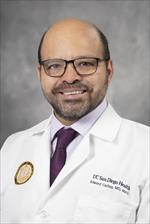 Edward Cachay合作论文数Department of Medicine, School of Medicine, University of California, San Diego9
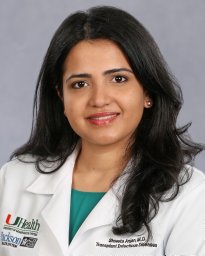 S. Anjan合作论文数Dept Med, Univ Miami9
 David J. Sullivan合作论文数Department of Molecular Microbiology and Immunology, School of Public Health, Johns Hopkins Bloomberg;Malaria Research Institute, School of Public Health, Johns Hopkins Bloomberg9
 Andrew Stanley Pekosz合作论文数Bloomberg School of Public Health, Johns Hopkins University;Center for Global Health, Johns Hopkins University9
 Oliver Boland Laeyendecker合作论文数Epidemiology, Bloomberg School of Public Health, Johns Hopkins University9
 Forthal Donald N合作论文数Dept Med, Div Infect Dis, Univ Calif Irvine9
 Bela Patel合作论文数9Gerber Jonathan M合作论文数The Sidney Kimmel Comprehensive Cancer Center at Johns Hopkins, The Johns Hopkins University School of Medicine9
 Evan M. Bloch合作论文数9
 Daniel F Hanley合作论文数9
 Sabra L. Klein合作论文数Department of Molecular Microbiology and Immunology, Bloomberg School of Public Health, Johns Hopkins University9Giselle Mosnaim合作论文数9
 James Paxton合作论文数Department of Surgery, University of Cincinnati Medical Center9William Rausch合作论文数8Yuriko Fukuta合作论文数8
 Anusha Yarava合作论文数8Karen Lane合作论文数Department of Otolaryngology-Head and Neck Surgery, School of Medicine, Johns Hopkins University8
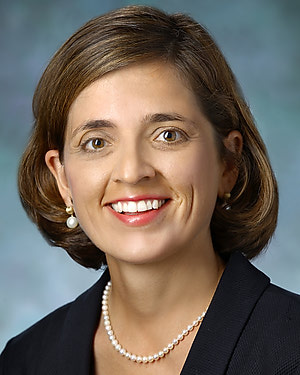 Kelly A. Gebo合作论文数Department of Epidemiology, Bloomberg School of Public Health, Johns Hopkins University;Center for AIDS Research, Johns Hopkins University8Meisenberg Barry R合作论文数Anne Arundel Medical Center, DeCesaris Cancer Institute8
 Seble G Kassaye合作论文数Department of Medicine, School of Medicine, Georgetown University8
 Adam C. Levine合作论文数Department of Health Services, Policy and Practice, Brown University8Jean Hammel合作论文数7Nicky Karlen合作论文数7Aarthi Shenoy合作论文数7MarieElena Cordisco合作论文数7
 Bryan Lau合作论文数Epidemiology, Bloomberg School of Public Health, Johns Hopkins University7
 Huaman Moises A合作论文数Universidad Peruana Cayetano Heredia7Petrini Joann R合作论文数7Heath Sonya L合作论文数7
 Nichol A Mcbee合作论文数7
 Judith Silverstein Currier合作论文数Division of Infectious Diseases, Department of Medicine, University of California, Los Angeles;Center for Clinical AIDS Research and Education, University of California, Los Angeles7David M. Shade合作论文数7
 Catherine Gayle Sutcliffe合作论文数Department of Epidemiology, Johns Hopkins Bloomberg School of Public Health;Department of International Health, Johns Hopkins Bloomberg School of Public Health7
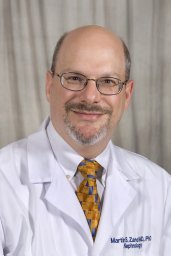 Martin S. Zand合作论文数The Johns Hopkins University, University of Rochester7Matthew Abinante合作论文数6
 Stephan Ehrhardt合作论文数Epidemiology, Bloomberg School of Public Health, Johns Hopkins University6Sheriza Baksh合作论文数Epidemiology, Bloomberg School of Public Health, Johns Hopkins University6
 Lawrence J. Appel合作论文数Bloomberg School of Public Health, Johns Hopkins University;Division of Cardiovascular and Clinical Epidemiology, School of Medicine, Johns Hopkins University6
 Jay S Raval合作论文数Department of Pathology, University of Pittsburgh;The Institute for Transfusion Medicine;The Institute for Transfusion Medicine, University of Pittsburgh6Han-Sol Park合作论文数5Benjamin Greenblatt合作论文数5Christopher A Caputo合作论文数5Christi E. Marshall合作论文数5




