HepG2 cells were incubated with a 16.5:1.7:1 ratio of cholesterol:sitosterol:campesterol (CSC), a ratio of the major sterols observed in the plasma of phytosterolemia patients, or with cholesterol alone in combination with [14 C]acetate for 24 h and the radioactivity incorporated into lipids determined. Cells incubated with CSC exhibited a 40% reduction in cholesterol esterification (p < 0.05) compared to cells incubated with cholesterol alone. In addition, a 17.5-fold reduction (p < 0.05) in total cholesterol (cholesterol plus cholesteryl ester) synthesis from [14 C]acetate was observed in cells incubated with CSC compared to cholesterol alone. Low-density lipoprotein receptor (LDLR) mRNA abundance was lower in cells incubated with CSC compared to cells incubated with cholesterol alone. Our results suggest that incubation of HepG2 cells with a ratio of sterols that mimic the plasma concentration seen in phytosterolemia patients reduces cholesterol esterification, total cholesterol synthesis, and inhibits LDLR mRNA abundance. We suggest that future cell and animal-based work on phytostosterolemia might employ this methodology to serve as a novel paradigm of the disease.
A number of mammalian tissues have significant quantities of plasmenylcholine and/or plasmanylcholine. Structural studies of phosphatidylcholine (PC) indicate that there is an asymmetric distribution of acyl groups on the molecule. Cardiac lysoPC-lysoPC transacylase has been purified from rabbit heart cytosol. The purified cardiac enzyme is similar to the lung enzyme in possessing both transacylase and lysophospholipase activities. The transacylase/lysophospholipase ratio of the purified cardiac enzyme was 0.5, which is different from the ratio for the lung enzyme. In general the specific activity of the nuclear enzyme was greater than the microsomal enzyme, although this varied with the composition and concentration of the acyl acceptor as well as the nature of the acyl donor. The rabbit heart mitochondrial enzyme was active with a range of acyl CoAs, and the rate of incorporation of the acyl groups was similar to that of the microsomal acyltransferase.
Patrick obtained his undergraduate degree at McGill University, and received his graduate training in Medicine and Biochemistry at the University of North Dakota. His postdoctoral work was conducted at the University of British Columbia. He joined the Faculty of Medicine, University of Manitoba as an Assistant Professor of Biochemistry in 1979. He was the recipient of a New Investigator Award (1979-85) from the Heart and Stroke Foundation of Canada, followed by a Scientist Award (1985-90) from the MRC/CIHR. These career awards allowed him to devote the majority of his time to research. He was promoted to Associate Professor in 1983 and Full Professor in 1986. He was cross-appointed as Professor of Pathology and participated in the teaching of General Pathology to residents. He was the founding Director of the Centre for Re-search and Treatment of Atherosclerosis at the University of Manitoba and the Winni-peg Health Sciences Centre. Administratively, he was appointed as the Professor and Head of Biochemistry and Medical Genetics (1992-1999), and an Associate Dean in the Faculty of Medicine in 1999 until his retirement in 2010.Professionally, Patrick served as President of the Canadian Biochemical Society, Chair of the Medical Research Council/Canadian Institute of Health Research New Investigator Awards Committee, Chair of the Alberta Heritage Foundation Senior Investigator Awards Committee, Vice-President of the Heart and Stroke Foundation of Manitoba, and Secretary/Treasurer of the Canadian Society for Clinical Investigation. He continues to serve on Editorial Boards of scientific journals, including the Journal of Clinical and Investigative Medicine. He was invested into the Order of Manitoba in 2011.
Cardiolipin (CL) is a mitochondrial membrane phospholipid which plays a key role in apoptosis and supports mitochondrial respiratory chain complexes involved in the generation of ATP. In order to facilitate its role CL must be remodeled with appropriate fatty acids. We previously identified a human monolysocardiolipin acyltransferase activity which remodels CL via acylation of monolysocardiolipin (MLCL) to CL and was identical to the alpha subunit of trifunctional protein (αTFP) lacking the first 227 amino acids. Full length αTFP is an enzyme that plays a prominent role in mitochondrial β-oxidation, and in this study we assessed the role, if any, which this metabolic enzyme plays in the remodeling of CL. Purified human recombinant αTFP exhibited acyl-CoA acyltransferase activity in the acylation of MLCL to CL with linoleoyl-CoA, oleoyl-CoA and palmitoyl-CoA as substrates. Expression of αTFP increased radioactive linoleate or oleate or palmitate incorporation into CL in HeLa cells. Expression of αTFP in Barth Syndrome lymphoblasts, which exhibit reduced tetralinoleoyl-CL, elevated linoleoyl-CoA acylation of MLCL to CL in vitro, increased mitochondrial respiratory Complex proteins and increased linoleate-containing species of CL. Knock down of αTFP in Barth Syndrome lymphoblasts resulted in greater accumulation of MLCL than those with normal αTFP levels. The results clearly indicate that the human αTFP exhibits MLCL acyltransferase activity for the resynthesis of CL from MLCL and directly links an enzyme of mitochondrial β-oxidation to CL remodeling.
ATP binding cassette A1 (ABCA1) transports cholesterol, phospholipids and lipophilic molecules to and across cellular membranes. We examined if ABCA1 expression altered cellular de novo glycerolipid biosynthesis in growing Baby hamster kidney (BHK) cells. Mock BHK cells or cells expressing a mifepristone-inducible ABCA1 (ABCA1) were incubated plus or minus mifepristone and then with [ 3 H]serine or [ 3 H]inositol or [ 3 H]ethanolamine or [ methyl - 3 H]choline or [ 3 H]glycerol or [ 14 C]oleate and radioactivity incorporated into glycerolipids determined. Mifepristone did not affect [1,3- 3 H]glycerol or [ 14 C]oleate or [ 3 H]ethanolamine or [ methyl - 3 H]choline uptake in BHK cells. In contrast, [ 3 H]glycerol and [ 14 C]oleate incorporated into phosphatidylserine (PtdSer) were elevated 2.4-fold ( p < 0.05) and 54% ( p < 0.05), respectively, upon ABCA1 induction confirming increased PtdSer biosynthesis from these precursors. However, mifepristone inhibited [ 3 H]serine uptake and incorporation into PtdSer indicating that PtdSer synthesis from serine in BHK cells is dependent on serine uptake. Mifepristone stimulated [ 3 H]inositol uptake in mock and ABCA1 cells but not its incorporation into phosphatidylinositol indicating that its synthesis from inositol is independent of inositol uptake in BHK cells. [ 3 H]glycerol and [ 14 C]oleate incorporated into triacylglycerol were reduced and into diacylglycerol elevated only in mifepristone-induced ABCA1 expressing cells due to a decrease in diacylglycerol acyltransferase-1 (DGAT-1) activity. The presence of trichostatin A, a class I and II histone deacetylase inhibitor, reversed the ABCA1-mediated reduction in DGAT-1 activity but did not affect DGAT-1 mRNA expression. Thus, mifepristone has diverse effects on de novo glycerolipid synthesis. We suggest that caution should be exercised when using mifepristone-inducible systems for studies of glycerolipid metabolism in cells expressing glucocorticoid responsive receptors.
Diabetic nephropathy is one of the most significant microvascular complications in patients with type 2 diabetics. The concise mechanism of diabetic nephropathy is unknown and there is no successful treatment. The objective of study was to investigate effects of Chinese herbs (Tangshen Formula) on diabetic nephropathy in Otsuka Long-Evans Tokushima Fatty (OLETF) rats. OLETF rats and LETO rats were divided into four groups: LETO control, OLETF diabetics, OLETF diabetics treated with Tangshen Formula, and OLETF diabetics treated with Monopril. Body weight, blood glucose, and 24 h urinary proteins were measured once every four weeks. Blood samples and kidney tissues were obtained for analyses of total cholesterol, triglyceride, whole blood viscosity, plasma viscosity, and pathohistological examination at 36 and 56 weeksrespectively. Untreated OLETF rats displayed diabetic nephropathy over the study period. Treatment of OLETF rats with Tangshen Formula attenuated the increases in blood glucose, body weight, 24 h urinary protein content, serum total cholesterol, whole blood viscosity and plasma viscosity at certain time. Treatment with Tangshen Formula also reduced glomerulosclerotic index and interstitial fibrotic index seen in OLETF rats. In conclusion, Tangshen Formula could attenuate the development of diabetic nephropathy in OLETF rat diabetic model.
Ischemia-reperfusion (IR)-induced cell apoptosis involves the activation of c-Jun NH2-terminal kinase (JNK). The activation of JNK requires the presence of scaffold proteins called JNK-interacting proteins (JIP), which bind several members of a signaling cascade for proper signaling specificity. In this study, the expression of scaffold proteins JIP1 and JIP3 and their roles in the regulation of JNK activity were investigated in simulated IR in a cell model (H9c2). JIP1 protein expression was significantly decreased, whereas JIP3 protein expression was increased in IR H9c2 cells. Adenovirus-induced overexpression of JIP1 reduced IR-induced JNK activity and apoptosis. Conversely, overexpression of JIP3 increased JNK activity and apoptosis following IR. Depletion of endogenous JIP1 by siRNA treatment increased the IR-induced JNK activity, whereas siRNA-mediated depletion of endogenous JIP3 inhibited JNK activity. These results suggest that JIP1 and JIP3 play important roles in the activation of JNK during simulated IR challenge in H9c2 cells.
Diabetic nephropathy (DN) is one of the most important complications of diabetic patients and is characterized histologically by an accumulation of extracellular matrix (ECM) protein in the glomerular mesangium. Therefore, mesangial cells likely play an important role in the development of diabetic nephropathy. Here, we employed proteomic techniques to investigate the protein profile of rat mesangial cells under high-glucose culture conditions. Primary isolated rat glomerular mesangial cells were cultured under different concentrations of glucose (5.4 mmol.L-1 for normal control and 30 mmol.L-1 for high glucose) for 0, 8, 16, and 72 h, as well as for 25 days. Cellular total proteins were isolated from these cells and employed for two-dimensional gel electrophoresis (2-DE). Differentially expressed proteins were identified by matrix-assisted laser desorption - ionization time-of-flight mass spectrometry (MALDI-TOF-MS) and some of these proteins were documented in rat models of diabetes by Western blot. Rat mesangial cells were successfully isolated in the laboratory and their proliferation rates were significantly inhibited by high glucose. Two-dimensional gel electrophoresis analyses revealed 28 differentially expressed protein spots between the normal and high-glucose groups. After MALDI-TOF-MS analysis, all 28 protein spots were successfully identified with the peptide mass fingerprint (PMF) method. Representatively, SOD1, PCBP1 and PSMA6 were validated by Western blot analysis following protein extractions from the normal and high-glucose groups. Abundance of these proteins was consistent with that found in 2-DE. Moreover, expression of SOD1, PCBP1, and PSMA6 in renal cortex was further examined in two rat models of diabetes (streptozotocin-induced and spontaneous OLETF diabetic models). Abundance of SOD1 and PCBP1 proteins did not show any significant difference between normal control and diabetic rats. However, abundance of the PSMA6 protein was significantly reduced in the renal cortex of both STZ-induced and spontaneous OLETF diabetic rats. Proteomic analysis identified 28 differentially expressed proteins in primary isolated rat mesangial cells between normal and high glucose treatments. Expression of one identified protein was found to be consistent with expression in the renal cortex of two rat diabetic models. Therefore, identification of protein expression patterns in mesangial cells can be employed to develop a therapeutic target for treatment of diabetic nephropathy.
Protein-protein interaction plays a key role in the regulation of biological processes. The human potassium (HERG) channel is encoded by the ether-à-go-go-related gene (herg), and its activity may be regulated by association with other cellular proteins. To identify cellular proteins that might play a role in the regulation of the HERG channel, we screened a human heart cDNA library with the N terminus of HERG using a yeast 2-hybrid system, and identified caveolin-1 as a potential HERG partner. The interaction between these 2 proteins was confirmed by coimmunoprecipitation assay, and their overlapping subcellular localization was demonstrated by fluorescence immunocytochemistry. The physiologic implication of the protein-protein interaction was studied in whole-cell patch-clamp electrophysiology experiments. A significant increase in HERG current amplitude and a faster deactivation of tail current were observed in HEK293/HERG cells in a membrane lipid rafts disruption model and caveolin-1 knocked down cells by RNA interference. Alternatively, when caveolin-1 was overexpressed, the HERG current amplitude was significantly reduced and the tail current was deactivated more slowly. Taken together, these data indicate that HERG channels interact with caveolin-1 and are negatively regulated by this interaction. The finding from this study clearly demonstrates the regulatory role of caveolin-1 on HERG channels, and may help to understand biochemical events leading to arrhythmogenesis in the long QT syndrome in cardiac patients.
Soy consumption is associated with a lower risk of atherosclerotic disease in the oriental population. Genistein is a soy isoflavone bearing estrogenic properties. Previous experiments in our laboratory demonstrated the potentiation of endothelium-independent relaxation of coronary artery by both estrogen and genistein. The potentiating effects of both estrogen and genistein were mediated through the cAMP-signaling pathway. We hypothesize that genistein could enhance protein kinase A (PKA) activity in porcine coronary artery smooth muscle, thereby offering a mechanism for the potentiation of vascular relaxation by genistein. In our study, a high concentration of genistein (10(-4.5) M) significantly increased PKA activity in porcine coronary artery rings. While genistein at 10(-5.5) M and forskolin at 10(-7) M had no effect on PKA activity, the combination of the two compounds at the prescribed concentrations caused a significant increase in PKA activity. The increase in PKA activity by genistein was abolished by SQ 22536 (adenylate cyclase blocker), but not by NF 449 (Gs protein blocker) or ICI 182780 (estrogen receptor antagonist). Our results suggest that the action of genistein is mediated via adenylate cyclase, but does not appear to involve Gs protein or ICI 182780-sensitive estrogen receptor.
Protein-protein interactions are critical for protein trafficking, localization and the regulation of ion channels. The human ether-a-go-go-related gene (herg) encodes the alpha-subunit of the potassium channel underlying the rapid component of the cardiac delayed rectifier current. To identify the cellular proteins involved in the regulation of the HERG channel, a human heart cDNA library was screened using a yeast two-hybrid system, with the N-terminus of HERG as bait. The four and a half LIM domain protein 2 (FHL2) was identified as a potential HERG partner. The interaction between these two proteins was confirmed by co-immunoprecipitation and glutathione transferase pull-down assays and immunocytochemical analysis. The physiological implication of HERG-FHL2 interaction, assessed by whole-cell, patch-clamp electrophysiology experiments, showed a significant increase in the HERG current amplitude and a faster deactivation of the tail current in human embryonic kidney 293 cells co-expressing HERG and FHL2. These data indicate that FHL2 interacts with and regulates the HERG channel. Our findings may aid in the further understanding of the molecular basis of HERG channel diversity and arrhythmogenesis in the long-QT syndrome.
Glomerulosclerosis is a common disorder in many types of chronic kidney diseases. Previous studies have shown that glomerular mesangial cells (MCs) play an important role in the pathogenesis of glomerulosclerosis. The ability of saikosaponin-d (SSd) to reduce the damage of kidney in progressive glomerulosclerosis has been demonstrated. In this study, the effects of saikosaponin-d on MC proliferation and synthesis of extracellular matrix proteins were investigated. Rat MCs were isolated from Wistar rats and cultured in Dulbecco's modified Eagle's medium. MCs were challenged with lipopolysacchorides and incubated with different concentrations of SSd. Cell proliferation and cytotoxicity were determined by 3-(4,5-dimethylthiazol-2-yl)-2,5-diphenyltetrazolium bromide (MTT), flow cytometry, and lactate dehydrogenase assays. Type IV collagen, fibronectin, and TGF-beta1 in the conditioned medium were measured. The expression of cyclin-dependent kinase 4, c-Jun, and c-Fos was determined by immunohistochemistry. At a concentration of 4 microg/mL or lower, SSd inhibited MC proliferation but did not cause cell death. SSd also inhibited lipopolysaccharide-induced secretion of type IV collagen, fibronectin, and TGF-beta1 in MCs. Additionally, SSd reduced the expression of CDK4, c-Jun, and c-Fos in MCs. We conclude that SSd inhibited MC proliferation and synthesis of extracullular matrix proteins through the downregulation of the CDK4, c-Jun, and c-Fos genes.
Treatment of liver fibrosis and cirrhosis remains a challenging field. Hepatocyte injury and the activation of hepatic stellate cells are the 2 major events in the development of liver fibrosis and cirrhosis. It is known that several Chinese herbs have significant beneficial effects on the liver; therefore, the purpose of the present study was to investigate the therapeutic effect of saikosaponin-d (SSd) on liver fibrosis and cirrhosis. A rat model of liver fibrosis was established using the dimethylnitrosamine method. Liver tissue and serum were used to examine the effect of SSd on liver fibrosis. A hepatocyte culture was also used to investigate how SSd can protect hepatocytes from oxidative injury induced by carbon tetrachloride. The results showed that SSd significantly reduced collagen I deposition in the liver and alanine aminotransferase level in the serum. Moreover, SSd decreased the content of TGF-beta 1 in the liver, which was significantly elevated after dimethylnitrosamine induced liver fibrosis. Furthermore, SSd was able to alleviate hepatocyte injury from oxidative stress. In conclusion, SSd could postpone the development of liver fibrosis by attenuating hepatocyte injury.
The activation of c-Jun N-terminal kinase (JNK) signaling pathway plays an important role in the induction of cell apoptosis. We previously reported that magnesium tanshinoate B (MTB), a compound purified from a Chinese herb danshen (Salvia miltiorrhiza), could inhibit ischemia/reperfusion-induced myocyte apoptosis in the heart. The objective of the present study was to investigate whether MTB can prevent oxidized lipoprotein-induced apoptosis in endothelial cells. Human umbilical vein endothelial cells (HUVECs) were incubated with copper-oxidized very low density lipoprotein (Cu-OxVLDL) or copper-oxidized low density lipoprotein (Cu-OxLDL). Treatment of cells with Cu-OxVLDL or Cu-OxLDL resulted in a 3-fold increase in the JNK activity. The amount of cytochrome c released and the activity of caspase-3 in cells treated with Cu-OxVLDL or Cu-OxLDL were significantly elevated, indicating the occurrence of apoptosis. The presence of MTB was able to abolish the JNK activation, cytochrome c release, and caspase-3 activation induced by Cu-OxVLDL or Cu-OxLDL, resulting in a marked reduction in apoptosis in endothelial cells. The data from this study indicate that oxidized lipoproteins induce apoptosis in endothelial cells. We postulate that the inhibition of the JNK signaling pathway by MTB is a key mechanism that protects these cells from oxidized lipoprotein-induced apoptosis.
Cardiolipin (CL) is a phospholipid localized to the mitochondria, and its biosynthesis is essential for mitochondrial structure and function. We report here the identification and characterization of a cDNA encoding the first mammalian cardiolipin synthase (CLS1) in humans and mice. This cDNA exhibits sequence homology with members of a CLS gene family that share similar domain structure and chemical properties. Expression of the human CLS (hCLS1) cDNA in reticulocyte lysates or insect cells led to a marked increase in CLS activity. The enzyme is specific for CL synthesis, because no significant increase in phosphatidylglycerol phosphate synthase activity was observed. In addition, CL pool size was increased in hCLS1-overexpressing cells compared with controls. Furthermore, the hCLS1 gene was highly expressed in tissues such as heart, skeletal muscle, and liver, which have been shown to have high CLS activities. These results demonstrate that hCLS1 encodes an enzyme that synthesizes CL.
Nitric oxide (NO) is a principal mediator in many physiological and pathological processes. Overproduction of NO via the inducible nitric oxide synthase (iNOS) has cytotoxic effect through the formation of peroxynitrite with superoxide anion. The iNOS is mainly expressed in macrophages and is able to produce large amount of NO. The expression of iNOS is mainly regulated at the transcriptional level. The iNOS-mediated NO production plays a role in the development of atherosclerosis. Ganoderma lucidum (G. lucidum, Linzhi or Reishi) is a traditional herbal medicine which is commonly used as health supplement. Several studies have demonstrated its effectiveness against cancer, immunological disorders and cardiovascular diseases. The objective of the present study was to investigate the effect of G. lucidum on iNOS-mediated NO production in macrophages. Human monocytic cell (THP-1) derived macrophages were incubated with lipopolysaccharide (LPS) for 24 h. Such treatment significantly stimulated NO production (253% versus the control). Such a stimulatory effect was resulted from increased iNOS mRNA expression (270% versus the control) and iNOS activity (169.5% versus the control) in macrophages. The superoxide anion level was also elevated (150% versus the control) in LPS-treated macrophages. Treatment of macrophages with G. lucidum extract (100 μg/ml) completely abolished LPS-induced iNOS mRNA expression and NO production. Such an inhibitory effect of G. lucidum was mediated via its antioxidant action against LPS-induced superoxide anion generation in macrophages. These results suggest that G. lucidum may exert a therapeutic effect against atherosclerosis via ameliorating iNOS-mediated NO overproduction in macrophages.
 Grant Hatch合作论文数Department of Pharmacology and Therapeutics, Max Rady College of Medicine, Rady Faculty of Health Sciences, University of Manitoba30
 Ryk Man合作论文数16Gilbert Arthur合作论文数15Ricky Y K Man合作论文数13O Karmin合作论文数12Yaw L. Siow合作论文数12
 Jean E. Vance合作论文数Department of Medicine, University of Alberta10EA KROEGER合作论文数9Fred Y. Xu合作论文数8K Tran合作论文数7Tardi Paul G合作论文数7Monroe Chan合作论文数7Yj Jiang合作论文数6Jt Wong合作论文数5Biao Lu合作论文数5
 Alvin C Chan合作论文数5Ricky Ying Keung Man合作论文数5David Mymin合作论文数5Jason T. Wong合作论文数4monika wientzek合作论文数4Yw Gong合作论文数4Cr Mcmaster合作论文数4B. Lu合作论文数4Francis T. Jay合作论文数4
 Gerald Y. Minuk合作论文数University of Manitoba;Refuah Solutions Ltd4Thomas Mock合作论文数4Yan J. Jiang合作论文数U.S. Department of Veterans Affairs4Songyan Liu合作论文数4Yuewen Gong合作论文数Liver Diseases Unit;University of Manitoba;Health Sciences Centre;Health Sciences Centre, University of Manitoba4Edward G. Lynn合作论文数National Heart Lung and Blood Institute, National Institutes of Health4Jagat J. Mukherjee合作论文数4Stanley W. Tam合作论文数3A C Chan合作论文数3RYK Man合作论文数3Quansheng Zhu合作论文数3Khai Tran合作论文数3O K M合作论文数3
 Grant Pierce合作论文数Department of Physiology & Pathophysiology, Max Rady College of Medicine, University of Manitoba;Cell Biology Laboratory, Institute of Cardiovascular Sciences, Albrechtsen Research Centre, St Boniface Hospital;Cell Biology Laboratory, Canadian Centre for Agri-Food Research in Health and Medicine, Albrechtsen Research Centre, St Boniface Hospital3
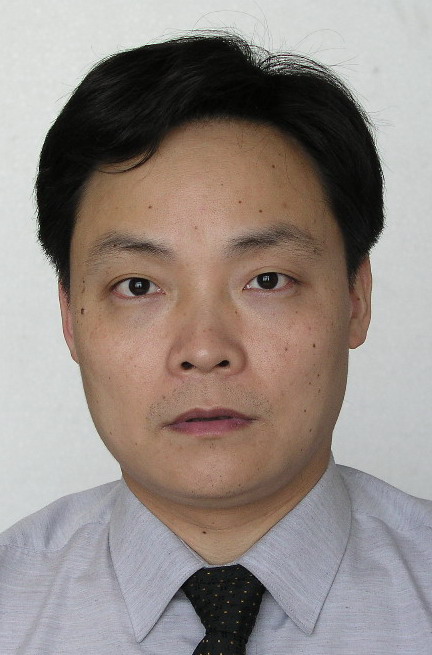 Hong Shen (沈宏)合作论文数The Second Affiliated Hospital, Zhejiang University School of Medicine3
 Dennis Vance合作论文数Department of Biochemistry, Faculty of Medicine and Dentistry, University of Alberta3Andrew C Chan合作论文数3Christopher R. Mcmaster合作论文数Dept Pharmacol, Dalhousie Univ3Edmund Lee合作论文数3WM HU合作论文数2Tom Dembinski合作论文数2Thomas Dembinski合作论文数2Jay F T合作论文数2Skrzypczak M合作论文数2




