We studied three brothers and a maternal half-brother featuring global developmental delay, mild to moderate intellectual disability, epilepsy, microcephaly, and strabismus. All had bilateral perisylvian and perirolandic polymicrogyria, while some also had malformations of the hippocampus (malrotation and dysplasia), cerebellum (heterotopias and asymmetric aplasia), corpus callosum dysgenesis, and brainstem asymmetric dysplasia. Exome sequencing showed that all four patients had a novel variant (c.1597C>T:p.Leu533Phe) on the KIF4A gene on chromosome X. We discuss how this variant is possibly pathogenic and could explain the reported phenotype.
Identifying genetic risk factors for highly heterogeneous disorders such as epilepsy remains challenging. Here we present, to our knowledge, the largest whole-exome sequencing study of epilepsy to date, with more than 54,000 human exomes, comprising 20,979 deeply phenotyped patients from multiple genetic ancestry groups with diverse epilepsy subtypes and 33,444 controls, to investigate rare variants that confer disease risk. These analyses implicate seven individual genes, three gene sets and four copy number variants at exome-wide significance. Genes encoding ion channels show strong association with multiple epilepsy subtypes, including epileptic encephalopathies and generalized and focal epilepsies, whereas most other gene discoveries are subtype specific, highlighting distinct genetic contributions to different epilepsies. Combining results from rare single-nucleotide/short insertion and deletion variants, copy number variants and common variants, we offer an expanded view of the genetic architecture of epilepsy, with growing evidence of convergence among different genetic risk loci on the same genes. Top candidate genes are enriched for roles in synaptic transmission and neuronal excitability, particularly postnatally and in the neocortex. We also identify shared rare variant risk between epilepsy and other neurodevelopmental disorders. Our data can be accessed via an interactive browser, hopefully facilitating diagnostic efforts and accelerating the development of follow-up studies.
Background: There is limited data on the utility, yield, and cost efficiency of genetic testing in adults with epilepsy. We aimed to describe the yield and utility of genetic panels in our adult epilepsy clinic. Methods: We performed a retrospective, cross-sectional study of all patients followed by an epileptologist at a Canadian tertiary care centre's epilepsy clinic between January 2016 and August 2021 for whom a genetic panel was ordered. A panel was generally ordered when the etiology was unknown or in the presence of a malformation of cortical development. We determined the yield of panel positivity and of confirmed genetic diagnoses. We also estimated the proportion of these diagnoses that were clinically actionable. Results: In total, 164 panels were ordered in 164 patients. Most had refractory epilepsy (80%), and few had comorbid intellectual disability (10%) or a positive family history of epilepsy (11%). The yield of panel positivity was 11%. Panel results were uncertain 49% of the time and negative 40% of the time. Genetic diagnoses were confirmed in 7 (4.3%) patients. These genetic conditions involved the following genes: SCARB2, DEPDC5, PCDH19, LGI1, SCN1A, MT-TL1, and CHRNA7. Of the seven genetic diagnoses, 5 (71%) were evaluated to be clinically actionable. Conclusion: We report a lower diagnostic yield for genetic panels in adults with epilepsy than what has so far been reported. Although the field of the genetics of epilepsy is a fast-moving one and more data is required, our findings suggest that guidelines for genetic testing in adults are warranted.
An abstract is not available for this content so a preview has been provided. As you have access to this content, a full PDF is available via the ‘Save PDF’ action button.
The sodium leak channel (NALCN) gene encodes a sodium leak channel that plays an important role in the regulation of the resting membrane potential and the control of neuronal excitability. Mutations in the NALCN gene have been reported in patients with infantile hypotonia with psychomotor retardation and characteristic facies (IHPRF) and congenital contractures of the limbs and face with hypotonia and developmental delay (CLIFAHDD syndrome). We describe the case of a father with drug-resistant left temporo-orbitofrontal epilepsy and his son with mildly-symptomatic temporal epilepsy (only recurrent déjà vu auras) whose genetic panels identified a likely pathogenic deletion of exon 27 on the NALCN gene. Our study helps broaden the clinical spectrum of diseases associated with mutations in the NALCN gene.
The discovery of new variants has leveled off in recent years in epilepsy studies, despite the use of very large cohorts. Consequently, most of the heritability is still unexplained. Rare non-coding variants have been largely ignored in studies on epilepsy, although non-coding single nucleotide variants can have a significant impact on gene expression. We had access to whole genome sequencing (WGS) from 247 epilepsy patients and 377 controls. To assess the functional impact of non-coding variants, ExPecto, a deep learning algorithm was used to predict expression change in brain tissues. We compared the burden of rare non-coding deleterious variants between cases and controls. Rare non-coding highly deleterious variants were significantly enriched in Genetic Generalized Epilepsy (GGE), but not in Non-Acquired Focal Epilepsy (NAFE) or all epilepsy cases when compared with controls. In this study we showed that rare non-coding deleterious variants are associated with epilepsy, specifically with GGE. Larger WGS epilepsy cohort will be needed to investigate those effects at a greater resolution. Nevertheless, we demonstrated the importance of studying non-coding regions in epilepsy, a disease where new discoveries are scarce.
Abstract Objective Microdeletions are associated with different forms of epilepsy but show incomplete penetrance, which is not well understood. We aimed to assess whether unmasked variants or double CNVs could explain incomplete penetrance. Methods We analyzed copy number variants (CNVs) in 603 patients with four different subgroups of epilepsy and 945 controls. CNVs were called from genotypes and validated on whole‐genome (WGS) or whole‐exome sequences (WES). CNV burden difference between patients and controls was obtained by fitting a logistic regression. CNV burden was assessed for small and large (>1 Mb) deletions and duplications and for deletions overlapping different gene sets. Results Large deletions were enriched in genetic generalized epilepsies (GGE) compared to controls. We also found enrichment of deletions in epilepsy genes and hotspots for GGE. We did not find truncating or functional variants that could have been unmasked by the deletions. We observed a double CNV hit in two patients. One patient also carried a de novo deletion in the 22q11.2 hotspot. Interpretation We could corroborate previous findings of an enrichment of large microdeletions and deletions in epilepsy genes in GGE. We could also replicate that microdeletions show incomplete penetrance. However, we could not validate the hypothesis of unmasked variants nor the hypothesis of double CNVs to explain the incomplete penetrance. We found a de novo CNV on 22q11.2 that could be of interest. We also observed GGE families carrying a deletion on 15q13.3 hotspot that could be investigated in the Quebec founder population.
We performed a genome-wide association study (GWAS) to identify genetic variation associated with common forms of idiopathic generalized epilepsy (GE) and focal epilepsy (FE). Using a cohort of 2220 patients and 14,448 controls, we searched for single nucleotide polymorphisms (SNPs) associated with GE, FE and both forms combined. We did not find any SNPs that reached genome-wide statistical significance (p ≤ 5 × 10⁻⁸) when comparing all cases to all controls, and few SNPs of interest comparing FE cases to controls. However, we document multiple linked SNPs in the PADI6-PADI4 genes that reach genome-wide significance and are associated with disease when comparing GE cases alone to controls. PADI genes encode enzymes that deiminate arginine to citrulline in molecular pathways related to epigenetic regulation of histones and autoantibody formation. Although epilepsy genetics and treatment are focused strongly on ion channel and neurotransmitter mechanisms, these results suggest that epigenetic control of gene expression and the formation of autoantibodies may also play roles in epileptogenesis.
Both mild and severe epilepsies are influenced by variants in the same genes, yet an explanation for the resulting phenotypic variation is unknown. As part of the ongoing Epi25 Collaboration, we performed a whole-exome sequencing analysis of 13,487 epilepsy-affected individuals and 15,678 control individuals. While prior Epi25 studies focused on gene-based collapsing analyses, we asked how the pattern of variation within genes differs by epilepsy type. Specifically, we compared the genetic architectures of severe developmental and epileptic encephalopathies (DEEs) and two generally less severe epilepsies, genetic generalized epilepsy and non-acquired focal epilepsy (NAFE). Our gene-based rare variant collapsing analysis used geographic ancestry-based clustering that included broader ancestries than previously possible and revealed novel associations. Using the missense intolerance ratio (MTR), we found that variants in DEE-affected individuals are in significantly more intolerant genic sub-regions than those in NAFE-affected individuals. Only previously reported pathogenic variants absent in available genomic datasets showed a significant burden in epilepsy-affected individuals compared with control individuals, and the ultra-rare pathogenic variants associated with DEE were located in more intolerant genic sub-regions than variants associated with non-DEE epilepsies. MTR filtering improved the yield of ultra-rare pathogenic variants in affected individuals compared with control individuals. Finally, analysis of variants in genes without a disease association revealed a significant burden of loss-of-function variants in the genes most intolerant to such variation, indicating additional epilepsy-risk genes yet to be discovered. Taken together, our study suggests that genic and sub-genic intolerance are critical characteristics for interpreting the effects of variation in genes that influence epilepsy.
OBJECTIVE:Resistance to antiseizure medications (ASMs) is one of the major concerns in the treatment of epilepsy. Despite the increasing number of ASMs available, the proportion of individuals with drug-resistant epilepsy remains unchanged. In this study, we aimed to investigate the role of rare genetic variants in ASM resistance.METHODS:We performed exome sequencing of 1,128 individuals with non-familial non-acquired focal epilepsy (NAFE) (762 non-responders, 366 responders) and were provided with 1,734 healthy controls. We undertook replication in a cohort of 350 individuals with NAFE (165 non-responders, 185 responders). We performed gene-based and gene-set-based kernel association tests to investigate potential enrichment of rare variants in relation to drug response status and to risk for NAFE.RESULTS:We found no gene or gene set that reached genome-wide significance. Yet, we identified several prospective candidate genes - among them DEPDC5, which showed a potential association with resistance to ASMs. We found some evidence for an enrichment of truncating variants in dominant familial NAFE genes in our cohort of non-familial NAFE and in association with drug-resistant NAFE.INTERPRETATION:Our study identifies potential candidate genes for ASM resistance. Our results corroborate the role of rare variants for non-familial NAFE and imply their involvement in drug-resistant epilepsy. Future large-scale genetic research studies are needed to substantiate these findings.
Adult-onset neuronal ceroid lipofuscinoses (ANCL, Kufs disease) are rare hereditary neuropsychiatric disorders characterized by intralysosomal accumulation of ceroid in tissues. The ceroid accumulation primarily affects the brain, leading to neuronal loss and progressive neurodegeneration. Although several causative genes have been identified (DNAJC5, CLN6, CTSF, GRN, CLN1, CLN5, ATP13A2), the genetic underpinnings of ANCL in some families remain unknown. Here we report one family with autosomal dominant (AD) Kufs disease caused by a 30 bp in-frame duplication in DNAJC5, encoding the cysteine-string protein alpha (CSPα). This variant leads to a duplication of the central core motif of the cysteine-string domain of CSPα and affects palmitoylation-dependent CSPα sorting in cultured neuronal cells similarly to two previously described CSPα variants, p.(Leu115Arg) and p.(Leu116del). Interestingly, the duplication was not detected initially by standard Sanger sequencing due to a preferential PCR amplification of the shorter wild-type allele and allelic dropout of the mutated DNAJC5 allele. It was also missed by subsequent whole-exome sequencing (WES). Its identification was facilitated by reanalysis of original WES data and modification of the PCR and Sanger sequencing protocols. Independently occurring variants in the genomic sequence of DNAJC5 encoding the cysteine-string domain of CSPα suggest that this region may be more prone to DNA replication errors and that insertions or duplications within this domain should be considered in unsolved ANCL cases.
This study aims to decipher the role of short tandem repeats (STRs) in epilepsy patients. Whole genome short-read sequencing data of 734 epileptic patients was used to look for known STR expansions associated with increased risk of neurodevelopmental diseases or epilepsy using three different software. Results show one hit of particular interest on ARX gene associated with Early Infantile Encephalopathic Epilepsy that could be causal for one patient with developmental and epileptic encephalopathy. However, we show that the different software do not agree on most of the calls above the threshold and that experimental validation is still needed for diagnostic, although these algorithms could prove useful for pre-selection of samples to be validated.
OBJECTIVEFor patients with nonlesional refractory focal epilepsy (NLRFE), localization of the epileptogenic zone may be more arduous than for other types of epilepsy and frequently requires information from multiple noninvasive presurgical modalities and intracranial EEG (icEEG). In this prospective, blinded study, the authors assessed the clinical added value of magnetic source imaging (MSI) in the presurgical evaluation of patients with NLRFE.METHODSThis study prospectively included 57 consecutive patients with NLRFE who were considered for epilepsy surgery. All patients underwent noninvasive presurgical evaluation and then MSI. To determine the surgical plan, discussion of the results of the presurgical evaluation was first undertaken while discussion participants were blinded to the MSI results. MSI results were then presented. MSI influence on the initial management plan was assessed.RESULTSMSI results influenced patient management in 32 patients. MSI results led to the following changes in surgical strategy in 14 patients (25%): allowing direct surgery in 6 patients through facilitating the detection of subtle cortical dysplasia in 4 patients and providing additional concordant diagnostic information to other presurgical workup in another 2 patients; rejection of surgery in 3 patients originally deemed surgical candidates; change of plan from direct surgery to icEEG in 2 patients; and allowing icEEG in 3 patients deemed not surgical candidates. MSI results led to changed electrode locations and contact numbers in another 18 patients. Epilepsy surgery was performed in 26 patients influenced by MSI results and good surgical outcome was achieved in 21 patients.CONCLUSIONSThis prospective, blinded study showed that information provided by MSI allows more informed icEEG planning and surgical outcome in a significant percentage of patients with NLRFE and should be included in the presurgical workup in those patients.
Objective Adult drug-resistant epilepsy (DRE) is associated with significant morbidity. Infiltration of immune cells is observed in DRE epileptic foci; however, the relation between DRE and the peripheral immune cell compartment remains only partially understood. We aimed to investigate differences in immune cell populations, cytokines, and neurodegenerative biomarkers in the peripheral blood of subjects with epilepsy versus healthy controls, and in DRE compared to well-controlled epilepsy (WCE). Methods Peripheral blood mononuclear cells and serum from >120 age- and sex-matched adults suffering from focal onset epilepsy and controls were analyzed by multipanel flow cytometry, multiplex immunoassays, and ultrasensitive single molecule array. Results Using a data-driven analytical approach, we identified that CD4 T cells in the peripheral blood are present in a higher proportion in DRE patients. Moreover, we observed that the frequency of CD4 T cells expressing proinflammatory cytokines interleukin (IL)-17A, IL-22, tumor necrosis factor, interferon-gamma, and granulocyte-macrophage colony-stimulating factor, but not anti-inflammatory cytokines IL-10 and IL-4, is elevated in the peripheral blood of DRE subjects compared to WCE. In parallel, we found that Th17-related circulating proinflammatory cytokines are elevated, but Th2-related cytokine IL-4 is reduced, in the serum of epilepsy and DRE subjects. As Th17 cells can exert neurotoxicity, we measured levels of serum neurofilament light chain (sNfL), a marker of neuronal injury. We found significantly elevated levels of sNfL in DRE compared to controls, especially among older individuals. Significance Our data support that DRE is associated with an expansion of the CD4 Tcell subset in the peripheral blood and with a shift toward a proinflammatory Th17/Th1 CD4 Tcell immune profile. Our results further show that pathological levels of sNfL are more frequent in DRE, supporting a potential neurodegenerative component in adult DRE. With this work, we provide evidence for novel potential inflammatory and degenerative biomarkers in DRE.
Abstract: Purpose: Our purpose was to determine the role of CHRNA4 and CHRNB2 in insular epilepsy. Method: We identified two patients with drug-resistant predominantly sleep-related hypermotor seizures, one harboring a heterozygous missense variant (c.77C>T; p. Thr26Met) in the CHRNB2 gene and the other a heterozygous missense variant (c.1079G>A; p. Arg360Gln) in the CHRNA4 gene. The patients underwent electrophysiological and neuroimaging studies, and we performed functional characterization of the p. Thr26Met (c.77C>T) in the CHRNB2 gene. Results: We localized the epileptic foci to the left insula in the first case (now seizure-free following epilepsy surgery) and to both insulae in the second case. Based on tools predicting the possible impact of amino acid substitutions on the structure and function of proteins (sorting intolerant from tolerant and PolyPhen-2), variants identified in this report could be deleterious. Functional expression in human cell lines of α4β2 (wild-type), α4β2-Thr26Met (homozygote), and α4β2/β2-Thr26Met (heterozygote) nicotinic acetylcholine receptors revealed that the mutant subunit led to significantly higher whole-cell nicotinic currents. This feature was observed in both homo- and heterozygous conditions and was not accompanied by major alterations of the current reversal potential or the shape of the concentration-response relation. Conclusions: This study suggests that variants in CHRNB2 and CHRNA4, initially linked to autosomal dominant nocturnal frontal lobe epilepsy, are also found in patients with predominantly sleep-related insular epilepsy. Although the reported variants should be considered of unknown clinical significance for the moment, identification of additional similar cases and further functional studies could eventually strengthen this association.
Objective Drug resistance is a major concern in the treatment of individuals with epilepsy. No genetic markers for resistance to individual antiseizure medication (ASM) have yet been identified. We aimed to identify the role of rare genetic variants in drug resistance for three common ASMs: levetiracetam (LEV), lamotrigine (LTG), and valproic acid (VPA). Methods A cohort of 1622 individuals of European descent with epilepsy was deeply phenotyped and underwent whole exome sequencing (WES), comprising 575 taking LEV, 826 LTG, and 782 VPA. We performed gene- and gene set-based collapsing analyses comparing responders and nonresponders to the three drugs to determine the burden of different categories of rare genetic variants. Results We observed a marginally significant enrichment of rare missense, truncating, and splice region variants in individuals who were resistant to VPA compared to VPA responders for genes involved in VPA pharmacokinetics. We also found a borderline significant enrichment of truncating and splice region variants in the synaptic vesicle glycoprotein (SV2) gene family in nonresponders compared to responders to LEV. We did not see any significant enrichment using a gene-based approach. Significance In our pharmacogenetic study, we identified a slightly increased burden of damaging variants in gene groups related to drug kinetics or targeting in individuals presenting with drug resistance to VPA or LEV. Such variants could thus determine a genetic contribution to drug resistance.
Objective Polygenic risk scores (PRSs) are used to quantify the cumulative effects of a number of genetic variants, which may individually have a very small effect on susceptibility to a disease; we used PRSs to better understand the genetic contribution to common epilepsy and its subtypes. Methods We first replicated previous single associations using 373 unrelated patients. We then calculated PRSs in the same French Canadian patients with epilepsy divided into 7 epilepsy subtypes and population-based controls. We fitted a logistic mixed model to calculate the variance explained by the PRS using pseudo-R2 statistics. Results We show that the PRS explains more of the variance in idiopathic generalized epilepsy than in patients with nonacquired focal epilepsy. We also demonstrate that the variance explained is different within each epilepsy subtype. Conclusions Globally, we support the notion that PRSs provide a reliable measure to rightfully estimate the contribution of genetic factors to the pathophysiologic mechanism of epilepsies, but further studies are needed on PRSs before they can be used clinically.
 Guy Rouleau合作论文数Department of Neurology and Neurosurgery, McGill University;Department of Medicine, McGill University;Montreal Neurological Institute, McGill University33
 Dang Khoa Nguyen合作论文数Département de Neurosciences, Faculté de Médecine, Université de Montréal;Institut de génie biomédical, Université de Montréal;Centre de Recherche du CHUM28
 Sam Berkovic合作论文数Department of Medicine, University of Melbourne;Epilepsy Research Centre, Austin Health23
 Lionel Carmant合作论文数22
 Ingrid Scheffer合作论文数Department of Medicine, The University of Melbourne;Faculty of Medicine, Dentistry and Health Sciences, The University of Melbourne;Florey Institute of Neuroscience and Mental Health;Department of Neurology, Royal Children's Hospital Melbourne;Austin Health18
 Berge Minassian合作论文数Department of Pediatrics, The University of Texas Southwestern Medical Center17
 Holger Lerche合作论文数Hertie-Institut für klinische Hirnforschung, Universität Tübingen17
 Dennis J. Dlugos合作论文数Department of Neurology, Perelman School of Medicine, University of Pennsylvania16Eva Andermann合作论文数16Anne Lortie合作论文数16
 Terry O’Brien合作论文数Department of Medicine, Faculty of Medicine, Dentistry and Health Sciences, Monash University;Department of Neuroscience, School of Translational Medicine, Monash University15Norman Delanty合作论文数14
 Jacqueline A. French合作论文数Department of Neurology, Grossman School of Medicine, New York University13
 Tony Marson合作论文数Institute of Systems, Molecular & Integrative Biology, Faculty of Health and Life Sciences, University of Liverpool13
 Jacques L. Michaud (Jacques Michaud)合作论文数Departement de Pediatrie, Faculte de Medecine, Universite de Montreal;Centre de Recherche, Centre Hospitalier Universitaire Sainte-Justine13
 Simon L Girard合作论文数CHUM Research Center, Université de Montréal13
 Daniel Lowenstein合作论文数Department of Neurology, School of Medicine, University of California, San Francisco12
 Michael R. Sperling合作论文数Department of Neurology, Sidney Kimmel Medical College, Thomas Jefferson University;Jefferson Comprehensive Epilepsy Center, Thomas Jefferson University Hospital;Clinical Neurophysiology Laboratory, Thomas Jefferson University Hospital11
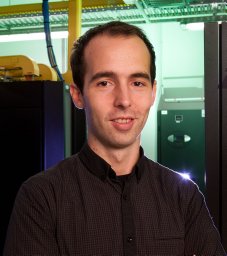 Petrovski Slavé合作论文数Ctr Human Genome Variat, Duke Univ11
 Caroline Meloche合作论文数11
 Pierre Drapeau合作论文数Département de Neurosciences, Faculté de Médecine, Université de Montréal;Centre de Recherche, CHUM11
 Pasquale Striano合作论文数Center of Experimental and Translational Myology, Dipartimento Di Neuroscienze, Riabilitazione, Oftalmologia, Genetica E Scienze Materno-Infantili, Università Degli Studi Di Genova;IRCCS 'G. Gaslini'11
 Ruben Kuzniecky合作论文数Donald & Barbara Zucker School of Medicine, Hofstra University;School of Medicine, New York University;Northwell Health11Russell J. Buono合作论文数Department of Neurology, University of Cincinnati11
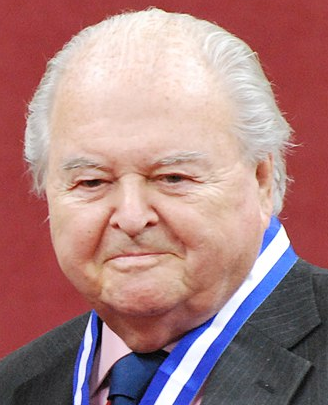 Frederick Andermann合作论文数Departments of Neurology and Neurosurgery and Pediatrics, McGill University11
 Michael Johnson合作论文数Neurology, Department of Brain Sciences, Faculty of Medicine, Imperial College London10
 Fadi Hamdan合作论文数OptiLab, CHU Sainte-Justine;CHU Sainte-Justine Research Centre10
 Steven Craig Schachter合作论文数Beth Israel Deaconess Medical Center, Massachusetts General Hospital10Alain Bouthillier合作论文数From the VA Medical Center10
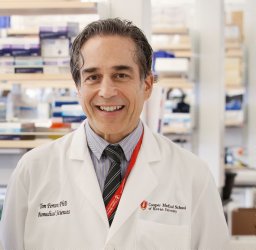 Thomas N. Ferraro合作论文数Center for Neurobiology and Behavior, University of Pennsylvania School of Medicine10
 Karl Martin Klein合作论文数Department of Medical Genetics, University of Calgary;Department of Clinical Neurosciences, University of Calgary10
 David B. Goldstein合作论文数Actio BioSciences, Inc.;Praxis Precision Medicines, Inc.10
 Erin Heinzen合作论文数Division of Pharmacotherapy and Experimental Therapeutics, Eshelman School of Pharmacy, The University of North Carolina at Chapel Hil10
 McCormack Mark合作论文数Department of Molecular &, The;Cellular Therapeutics, the Royal College of Surgeons in Ireland;The Department of Molecular & Cellular Therapeutics, the Royal College of Surgeons in Ireland9
 Micheline Gravel合作论文数9
 Tracy A. Glauser合作论文数Department of Pediatrics, College of Medicine, University of Cincinnati;Comprehensive Epilepsy Center, Cincinnati Children's Hospital Medical Center9Bellows Susannah T合作论文数9
 Wolking Stefan合作论文数Hertie Institute for Clinical Brain Research, University of Tübingen9Danielle Andrade合作论文数Institute of Medical Science, Temerty Faculty of Medicine, University of Toronto9
 Brigid M Regan合作论文数9Cadieux-Dion Maxime合作论文数9
 Orrin Devinsky合作论文数Department of Neurology, Grossman School of Medicine, New York University;Department of Psychiatry, Grossman School of Medicine, New York University9
 Gianpiero Cavalleri合作论文数School of Pharmacy and Biomolecular Sciences, Royal College of Surgeons in Ireland;SFI FutureNeuro Research Centre, Royal College of Surgeons in Ireland9Dan Spiegelman合作论文数9
 Annapurna Poduri合作论文数National Institute of Neurological Disorders and Stroke, National Institutes of Health;Eunice Kennedy Shriver National Institute of Child Health and Human Development, National Institutes of Health;Broad Institute of MIT and Harvard9Chantal Depondt合作论文数Université Libre de Bruxelles;Department of Neurology;Hôpital Erasme;Department of Neurology, Université Libre de Bruxelles9
 Federico Zara合作论文数University of Genoa9
 Yvonne Weber合作论文数9
 Pamela Lachance-Touchette合作论文数8




