Mice are resistant to aflatoxin hepatotoxicity, primarily due to high expression of glutathione S-transferases (GSTs), and in particular the GSTA3 subunit. Nuclear factor erythroid 2 related factor 2 (Nrf2) signaling, which controls a broad-based cytoprotective response, was activated either genetically or pharmacologically in an attempt to rescue GSTA3 knockout mice from aflatoxin genotoxicity. Genetic activation of Nrf2 signaling was attained in a GSTA3: hepatocyte-specific Keap1 double knockout (DKO) mouse whereas pharmacologic activation of Nrf2 was achieved through pretreatment of mice with the triterpenoid 1-[2-cyano-3-,12-dioxoleana-1,9(11)-dien-28-oyl] imidazole (CDDO-Im) prior to aflatoxin B1 exposure. Following oral treatment with aflatoxin, urine was collected from mice for 24 h and hepatic and urinary aflatoxin metabolites then quantified using isotope dilution-mass spectrometry. Although Nrf2 was successfully activated genetically and pharmacologically, neither means affected the response of GSTA3 knockout mice to chemical insult with aflatoxin. Hepatic aflatoxin B1-N(7)-guanine levels were elevated 120-fold in GSTA3 knockout mice compared with wild-type and levels were not attenuated by the interventions. This lack of effect was mirrored in the urinary excretion of aflatoxin B1-N(7)-guanine. By contrast, urinary excretion of aflatoxin B1-N-acetylcysteine was >200-fold higher in wild-type mice compared with the single GSTA3 knockout or DKO mouse. The inability to rescue GSTA3 knockout mice from aflatoxin genotoxicity through the Nrf2 transcriptional program indicates that Gsta3 is unilaterally responsible for the detoxication of aflatoxin in mice.
Loss of NF-E2-related factor 2 (Nrf2) signaling increases susceptibility to acute toxicity, inflammation and carcinogenesis in mice due to the inability to mount adaptive responses. In contrast, disruption of Keap1 (a cytoplasmic modifier of Nrf2 turnover) protects against these stresses in mice, although inactivating mutations in Keap1 have been identified recently in some human cancers. Global characterization of Nrf2 activation is important to exploit this pathway for chemoprevention in healthy, yet at-risk individuals and also to elucidate the consequences of hijacking the pathway in Keap1-mutant human cancers. Liver-targeted conditional Keap1-null, Albumin-Cre:Keap1((flox/-)) (CKO) mice provide a model of genetic activation of Nrf2 signaling. By coupling global gene expression analysis of CKO mice with analysis of pharmacologic activation using the synthetic oleanane triterpenoid 1-[2-cyano-3,12-dioxooleana-1,9(11)-dien-28-oyl]imidazole (CDDO-Im), we are able to gain insight into pathways affected by Nrf2 activation. CDDO-Im is an extremely potent activator of Nrf2 signaling. CKO mice were used to identify genes modulated by genetic activation of Nrf2 signaling. The CKO response was compared with hepatic global gene expression changes in wild-type mice treated with CDDO-Im at a maximal Nrf2 activating dose. The results show that genetic and pharmacologic activation of Nrf2 signaling modulates pathways beyond detoxication and cytoprotection, with the largest cluster of genes associated with lipid metabolism. Genetic activation of Nrf2 results in much larger numbers of detoxication and lipid metabolism gene changes. Additionally, analysis of pharmacologic activation suggests that Nrf2 is the primary mediator of CDDO-Im activity, though other cell-signaling targets are also modulated following an oral dose of 30 micromol/kg.
The replacement of a t-butyl group with a trifluoromethyl group has profound effects on the biological profile of 1alpha,25-dihydroxyvitamin D(3) sulfone analogs. Investigation of whether the improved biological activities are due to steric and electronic factors of the trifluoromethyl group led to the design, synthesis and biological evaluation of two analogous alkyl sulfone molecules, methyl sulfone (AU-16-ene-25-SO(2)-CH(3)) and isopropyl sulfone (AU-16-ene-25-SO(2)-i-Pr). These alkyl sulfones are sterically comparable to, but electronically very different from a trifluoromethyl group. The syntheses, antiproliferative activities and calcemic activities of these new alkyl sulfones are presented herein. In comparing the in vitro antiproliferative profiles of the new alkyl sulfone 1alpha,25-dihydroxyvitamin D(3) analogs with the trifluoromethylsulfone and an analogous t-butyl sulfone, the activities increase in the following order: CH(3) < t-Bu approximately = i-Pr < CF(3). In contrast to the calcemic t-butyl sulfone, the novel alkyl sulfones and trifluoromethyl sulfone display desirable low calcemic levels.
The synthetic oleanolic triterpenoid 1-[2-cyano-3,12-dioxooleana-1,9(11)-dien-28-oyl]imidazole (CDDO-Imidazolide or CDDO-Im) is an extremely potent activator of Nrf2 signaling. In cells undergoing adipogenesis, CDDO-Im prevents lipid accumulation in an Nrf2-dependent manner. However, in vivo evidence for effects of CDDO-Im on obesity is lacking. The goals of these studies were to determine if CDDO-Im can prevent high-fat diet-induced obesogenesis in the mouse, and to elucidate the molecular target of drug action. Wild-type and Nrf2-disrupted C57BL/6J female mice were dosed 3 times per week with 30 micromol/kg CDDO-Im or vehicle by oral gavage, during 95 days of access to a control diet or a high-fat diet. Body weights, organ weights, hepatic fat accumulation and gene expression were measured. Treatment with CDDO-Im effectively prevented high-fat diet-induced increases in body weight, adipose mass, and hepatic lipid accumulation in wild-type mice but not in Nrf2-disrupted mice. Wild-type mice on a high-fat diet and treated with CDDO-Im exhibited higher oxygen consumption and energy expenditure than vehicle-treated mice, while food intake was lower in CDDO-Im-treated than vehicle-treated mice. Levels of gene transcripts for fatty acid synthesis enzymes were downregulated after CDDO-Im treatment in the liver of wild-type mice. This inhibitory effect of CDDO-Im on lipogenic gene expression was significantly reduced in Nrf2-disrupted mice. The results indicate that CDDO-Im is an exceedingly potent agent for preventing obesity, and identify the Nrf2 pathway as a novel target for management of obesogenesis.
Oxidative stress-mediated destruction of normal parenchymal cells during hepatic inflammatory responses contributes to the pathogenesis of immune-mediated hepatitis and is implicated in the progression of acute inflammatory liver injury to chronic inflammatory liver disease. The transcription factor NF-E2-related factor 2 (Nrf2) regulates the expression of a battery of antioxidative enzymes and Nrf2 signaling can be activated by small-molecule drugs that disrupt Keap1-mediated repression of Nrf2 signaling. Therefore, genetic and pharmacologic approaches were used to activate Nrf2 signaling to assess protection against inflammatory liver injury. Profound increases in indicators of cell death were observed in both Nrf2 wild-type (Nrf2-WT) mice and Nrf2-disrupted (Nrf2-KO) mice 24 h following intravenous injection of concanavalin A (12.5 mg/kg, ConA), a model for T cell-mediated acute inflammatory liver injury. However, hepatocyte-specific conditional Keap1 null (Alb-Cre:Keap1(flox/-), cKeap1-KO) mice with constitutively enhanced expression of Nrf2-regulated antioxidative genes as well as Nrf2-WT mice but not Nrf2-KO mice pretreated with three daily doses of a triterpenoid that potently activates Nrf2 (30 mu mol/kg, cyano-3,12-dioxooleana-1,9(11)-dien-28-oyl-imidazolide [CDDO-Im]) were highly resistant to ConA-mediated inflammatory liver injury. CDDO-Im pretreatment of both Nrf2-WT and Nrf2-KO mice resulted in equivalent suppression of serum proinflammatory soluble proteins suggesting that the hepatoprotection afforded by CDDO-Im pretreatment of Nrf2-WT mice but not Nrf2-KO mice was not due to suppression of systemic proinflammatory signaling, but instead was due to activation of Nrf2 signaling in the liver. Enhanced hepatic expression of Nrf2-regulated antioxidative genes inhibited inflammation-mediated oxidative stress, thereby preventing hepatocyte necrosis. Attenuation of hepatocyte death in cKeap1-KO mice and CDDO-Im pretreated Nrf2-WT mice resulted in decreased late-phase proinflammatory gene expression in the liver thereby diminishing the sustained influx of inflammatory cells initially stimulated by the ConA challenge. Taken together, these results clearly illustrate that targeted cytoprotection of hepatocytes through Nrf2 signaling during inflammation prevents the amplification of inflammatory responses in the liver.
LE16-01 Unlike many human cancers, the etiology of hepatocellular carcinoma (HCC) is well understood. Infection with hepatitis viruses coupled with dietary exposure to the fungal toxin, aflatoxin, results in multiplicative increases in risk, and accounts for much of the disease. While primary prevention entailing vaccination against hepatitis viruses and avoidance of aflatoxin exposure is appealing, these strategies will require considerable time and resources to be successful. In the developing world, where the burden of HCC is highest, immediate, practical, and economical approaches are mandatory. Thus, targeted chemoprevention may be most appropriate for the current generation of individuals at risk (1). Chemoprevention involves the use of natural or synthetic agents to block, retard, or even reverse the carcinogenic process. Two approaches have been evaluated for reducing the body burden of aflatoxins _ use of interceptor molecules and inducers of carcinogen detoxication pathways. Chlorophylls and their water soluble salts (chlorophyllins) are constituents of the human diet and have been found to be effective anti-carcinogens in several animal models. Chlorophyllin is a mixture of sodium-copper salts of chlorophyll that is marketed as an over-the-counter drug for controlling odor and an accelerant in wound healing, and is extensively used as a food additive for coloration. Chlorophyllin can act as an ‘interceptor molecule’ through the formation of tight molecular complexes with carcinogens such as aflatoxin, thereby diminishing bioavailability by impeding their absorption. In a clinical trial performed in Qidong, China, chlorophyllin consumption at each meal led to an overall 55% reduction in median urinary levels of excreted aflatoxin-DNA adducts compared to placebo (2). However, supplementation of diets with foods rich in chlorophylls might represent a more practical means of administration. >Activities of enzymes that are involved in the metabolic detoxication of aflatoxin are influenced by nutritional status, age, hormones and exposure to drugs or other xenobiotics. Oltipraz, a drug originally developed for the chemotherapy of schistosomiasis, is an effective inducer of enzymes that detoxify carcinogens ( e.g., glutathione S -transferases and UDP-glucuronosyltransferases) and is a potent anticarcinogen in animals (3). A common cis -acting sequence, the Antioxidant Response Element (ARE), is found in the promoter regions of these protective genes. Several transcription factors are known to bind to this motif, such as members of the basic leucine zipper NF-E2 family. One such factor, Nrf2, appears to be a critical molecular target for the regulation of inducible and/or basal expression of genes by the ARE (4). An actin-binding protein, Keap1, sequesters Nrf2 in the cytoplasm by binding to its amino-terminal regulatory domain. Keap1 is a sulfhydryl-rich protein, and several cysteine residues mediate the Keap1-inducer interaction. Treatment with oltipraz or other inducers such as sulforaphane alters the interaction between Keap1 and Nrf2, allowing Nrf2 to translocate to the nucleus. In the nucleus, Nrf2 forms heterodimers with small Maf-family proteins to activate gene expression. Highlighting the importance of this signaling pathway, Nrf2 -deficient mice are considerably more sensitive to carcinogenesis than wild-type mice, perhaps reflecting a lower constitutive expression of carcinogen detoxication enzymes. Moreover, the cancer chemopreventive efficacies of oltipraz and sulforaphane are completely lost in the knockout mice (5). Genomic, proteomic and biochemical analysis indicate that Nrf2 regulates the expression of carcinogen detoxication and antioxidative genes, as well as those affecting glutathione homeostasis, NADPH generation, solute transporters, and proteasome function. Monitoring for induction of Nrf2-regulated genes led to the original identification of oltipraz as a potential chemopreventive agent (3) and, more recently, the recognition that some triterpenoids are exceptionally potent inhibitors of aflatoxin carcinogenesis in vivo (6). As proof of principle for the merit of targeting Nrf2, administration of oltipraz in a placebo-controlled, randomized, double-blind clinical trial also conducted in Qidong resulted in a 2.6-fold increase in the excretion of aflatoxin-mercapturic acid, a detoxication product of the reactive, DNA-damaging intermediate of aflatoxin (7). However, pharmaceutical-based interventions for populations at highest risk for HCC, such as those in Southeast Asia, China and sub-Saharan Africa, might not be a very practical approach to chemoprevention. Drugs like oltipraz are typically expensive and therefore beyond the reach of those who would benefit the most. >Natural products are not de facto safer than synthetic agents, although patterns of long-term ingestion of certain food types provide guides for identifying promising compounds or foods themselves. A decrease in risk of HCC is associated with increased consumption of yellow-green vegetables, which contain a range of biologically active phytochemicals. Particularly encouraging are the findings that edible plants belonging to the family Cruciferae and genus Brassica ( e.g. , broccoli, cauliflower, Brussels’ sprouts) contain substantial quantities of isothiocyanates - mostly in the form of their glucosinolate precursors. The major isothiocyanate in 3-day old broccoli sprouts, sulforaphane, is an exceedingly potent inducer of protective enzymes and inhibitor of carcinogenesis in rats. Studies of such plant materials in high-risk cohorts for HCC are in progress. Initial studies indicate inverse associations between urinary levels of sulforaphane metabolites and aflatoxin-DNA adducts (8). >Although cancer prevention, in its ideal form, entails permanent reduction or elimination of tumor development, short of successful universal vaccination and eradication of carcinogenic exposures, such a goal is not realistic. Chemoprevention provides opportunities to create molecular detours, but not necessarily roadblocks, to impede the carcinogenic process. Numerous animal studies have demonstrated that chemopreventive interventions act to not only reduce cancer incidence, but to significantly extend tumor latency as well. These latter effects alone presage strong public health benefit. >1. Kensler, T.W., et al. (2003) Translational strategies for cancer prevention in liver. Nature Rev. Cancer 3: 321-329. >2. Egner, P., et al. (2001) Chlorophyllin intervention reduces aflatoxin-DNA adducts in individuals at high risk for liver cancer. Proc. Natl. Acad. Sci USA 98: 14601-14606. >3. Kensler, T.W., et al. (1999) Perspective: development of cancer chemopreventive agents - oltipraz as a paradigm. Chem. Res. Toxicol . 12:113-126. >4. Kensler, T.W., et al. (2007) Cell survival responses to environmental stresses via the Keap1-Nrf2-ARE pathway. Ann. Rev. Pharmacol. Toxicol . 47: 89-116. >5. Yates, M.S.,et al. (2006) Potent protection against aflatoxin-induced tumorigenesis through induction of Nrf2-regulated pathways by the triterpenoid, 1-[2-cyano-3-,12-dioxooleana-1,9(11)-dien-28-oyl]imidazole. Cancer Res. 66: 2488-2494. >6. Wang, J-S., et al. (1999) Protective alterations in phase 1 and 2 metabolism of aflatoxin B 1 by oltipraz in residents of Qidong, People9s Republic of China. J. Natl. Cancer Inst. 91:347-354. >7. Ramos-Gomez, et al. (2001) Sensitivity to carcinogenesis is increased and chemoprotective efficacy of enzyme inducers is lost in nrf2 transcription factor-deficient mice. Proc. Natl. Acad. Sci. (USA) 98: 3410-3415. >8. Kensler, T.W., et al.. (2005) Effects of glucosinolate-rich broccoli sprouts on urinary levels of aflatoxin-DNA adducts and phenanthene tetraols in a randomized clinical trial in He Zuo Township, Qidong, PRC. Cancer Epidemiol. Biomarkers Prev . 14:2605-2613.
Chronic inflammation has been associated with increased risk of developing cancer. The transcription factor NF‐E2‐related factor 2 (Nrf2) controls the expression of numerous antioxidative enzymes that have been shown to attenuate acute inflammation. The present study investigated the role of Nrf2 genotype in modulating inflammation‐promoted colorectal tumorigenesis. Nrf2 wild‐type (WT) and Nrf2‐deficient (N0) mice were administered a single dose of azoxymethane followed by a 1‐week dose of drinking water with or without 1% dextran sulfate sodium (DSS). Aberrant crypt foci were counted 3 weeks after the cessation of DSS treatment. DSS treatment significantly increased numbers of aberrant crypt foci in N0 mice, but not WT mice. The extent of inflammation over the course of DSS treatment was analyzed in both genotypes. Histological analysis of colon sections revealed that N0 mice had markedly increased inflammation and mucosal damage when compared to WT mice beginning on Day 6 of DSS treatment. Although similar levels of inflammatory and oxidative damage biomarkers were evident in colons from WT and N0 mice at the start of DSS treatment, increased colonic proinflammatory cytokine mRNA transcript levels, myeloperoxidase activity and 3‐nitrotyrosine immunoreactivity were observed on Day 6 of DSS treatment in N0 mice, but not WT mice. Additionally, DSS treatment resulted in increased lipid peroxidation and loss of aconitase activity in N0 mice, but not WT mice, reflecting increased oxidative damage in colons from N0 mice. Taken together, these results clearly illustrate the role of Nrf2 in regulating an adaptive response that protects against early‐phase inflammation‐mediated tumorigenesis. © 2007 Wiley‐Liss, Inc.
Three new Vitamin D analogs 3-5 incorporating a -CHF(2) group as an -OH surrogate have been prepared. Two of these new analogs (3 and 5) are strongly antiproliferative toward murine keratinocytes and are approximately 50 times less calciuric in vivo than the natural hormone calcitriol. The transcriptional activity of the 25-CHF(2) analog 3 is higher than that of the 1-CHF(2) analog 4.
Novel fluorinated sulfone analogs of the hormone 1alpha,25-dihydroxyvitamin D(3) have been designed and synthesized in order to study the biological effects of fluorine incorporation at the terminus of the C,D-ring side chain. Although biologically active 26,27-hexafluorinated 1alpha,25-dihydroxyvitamin D(3) analogs have been synthesized previously, this investigation reports the first successful fluorinated series in which trifluoromethyl sulfone analogs present a favorable biological profile. This study shows that two new analogs featuring incorporation of a synthetically simple single trifluoromethyl sulfone group have significantly increased antiproliferative activity while causing desirably low in vivo calciuria relative to that of calcitriol. Incorporation of additional fluorines, as in a perfluorobutyl analog, results in a loss of antiproliferative activity.
Eight new side-chain allylic, benzylic, and propargylic ether analogs of the natural hormone calcitriol have been rationally designed and easily synthesized. Three of these 23-oxa ether analogs lacking the typical side-chain OH group are more antiproliferative in vitro and desirably less calcemic in vivo than the natural hormone. One of these three 23-oxa analogs has transcriptional potency almost as high as that of calcitriol, even though it binds to the human vitamin D receptor only about 1% as well as calcitriol.
A140 We have previously shown that the synthetic triterpenoid 1-[2-cyano-3,12-dioxooleana-1,9(11)-dien-28-oyl]imidazole or CDDO-Im, is an effective and extremely potent chemopreventive agent against aflatoxin-induced hepatic tumorigenesis in rats. This activity is in part due to induction of hepatic Keap1-Nrf2-regulated cytoprotective and detoxication genes. While CDDO-Im can act through Keap1-Nrf2 signaling, it is not known what other signaling pathways may be important in the chemopreventive efficacy of CDDO-Im. This study seeks to address this question by coupling global gene expression analysis at a low dose of CDDO-Im with analysis of a transgenic mouse model of Nrf2 hyperactivation. Conditional Keap1 knockout mice were compared to genetic control “wild-type” mice in order to identify the full set of genes which are modulated through constitutive Nrf2 hyperactivation created by deletion of Keap1 in the liver. Hepatic global gene expression in wild-type mice treated with CDDO-Im was then compared to vehicle controls in order to identify genes modulated by CDDO-Im irrespective of genotype influence. Wild-type mice were treated with CDDO-Im (30 µmol/kg body weight, p.o.), which is known to afford chemoprotection without eliciting toxicity. Hepatic global gene expression changes induced by CDDO-Im were then compared with genes modulated in the conditional Keap1 knockout mice to determine how much of the action of CDDO-Im is mediated through Keap1-Nrf2 signaling. This analysis showed that approximately 30% of CDDO-Im modulated genes are Keap1-dependent. The CDDO-Im modulated and Keap1-dependent genes were primarily involved in xenobiotic metabolism, glutathione metabolism, protein ubiquitination, and lipid metabolism. The remaining 70% of CDDO-Im modulated and Keap1-independent genes were involved in many functions; two of the largest categories include regulation of cell cycle and apoptosis. Of these, Transforming Growth Factor β (TGF-β) signaling pathways were significantly altered. Transcripts of bone morphogenic protein 6 (Bmp6) were increased 3.4-fold. In addition, transcripts of the genes encoding activin/inhibin beta subunits were significantly modulated (Inhbb, 2.4-fold; Inhba, -3.3-fold; and Inhbe, -2.0-fold). Furthermore, CDDO-Im treatment resulted in reduced expression of genes involved in suppression of TGF-β signaling. Previous in vitro studies have shown that CDDO-Im activates TGF-β signaling in leukemia cell lines. These studies confirm that activation of TGF-β signaling occurs in vivo and at doses relevant to chemoprevention. Additional studies are necessary to determine the functional consequences of these gene expression changes. Further analysis of the microarray data is ongoing to determine other molecular pathways that participate in the chemopreventive activity of CDDO-Im and to provide a clearer picture of interactions between them. Supported by CA94076, ES03819, and Reata Pharmaceuticals.
Replacing the 1 alpha-OH group of the natural hormone 1 alpha,25-dihydroxyvitamin D-3 (calcitriol) by a 1 alpha-CHF2 group and incorporating a potentiating side chain produced two new hybrid analogs 6 and 7. Both of these two hybrid analogs are as transcriptionally active as calcitriol and are strongly antiproliferative in vitro but are low-calcemic in vivo.
A series 2a–4b of seven new side-chain ketone analogs of calcitriol (1) have been prepared. Unexpectedly, several of these 24- and 25-tert-butyl ketones, even though lacking the classical side-chain tertiary hydroxyl group, are considerably more antiproliferative in vitro than the hormone calcitriol (1) even at physiologically relevant low nanomolar concentrations and are less calcemic than calcitriol (1) in vivo. In addition, ketone analog 19-nor-2a is not significantly less calcemic in vivo than 19-methylene analog 2a.
New chemical entities 16-ene-25-ketone 2b and the corresponding oxime 3b and oxime ether 4b, analogues of natural calcitriol (1), were rationally designed and synthesized on a milligram scale. Chemical introduction of the oxime ether functionality in analogue 4b was successful via direct oximation of an intact vitamin D conjugated triene system. Even though all three analogues are at least as antiproliferative in vitro as calcitriol (1) even at physiologically relevant low nanomolar concentrations, only side chain ketone 2b is more transcriptionally potent than calcitriol (1). Although oxime O-methyl ether 4b lacks the traditional side chain hydrogen bond-donating OH group of the natural hormone and lacks also the oxime-NOH group of analogue 3b, surprisingly, oxime ether 4b retains 20% of the transcriptional potency of natural calcitriol (1). In terms of in vivo toxicity (hypercalcemia), ketone 2b is strongly calcemic in rats, whereas oxime 3b and oxime ether 4b are considerably less calcemic (i.e., safer) than calcitriol (1).
Six new 2,2-disubstituted analogues of the natural hormone calcitriol have been prepared. Chemical novelty includes (1) the first example of an inverse-electron-demand Diels-Alder cycloaddition using a pyrone diene and a difluorinated vinyl ether dienophile, leading to difluorinated analogues 7 and (2) a conceptually streamlined approach to dimethylated 19-nor analogues. Analogues 7a and are similar to calcitriol in terms of in vitro antiproliferative activity, but they are different from calcitriol in terms of transcriptional activity: difluorinated analogue 7a is 2-3 times more active transcriptionally than calcitriol, whereas dimethylated analogue is 7.5 times less active transcriptionally. Whereas the in vivo calcemic activity of difluorinated analogue 7a is similar to that of calcitriol, dimethylated analogue is considerably less calcemic than calcitriol. Dimethylated analogue strongly suppresses parathyroid hormone (PTH) secretion.
New chemical entities 16-ene-25-ketone 2b and the corresponding oxime 3b and oxime ether 4b, analogues of natural calcitriol (1), were rationally designed and synthesized on a milligram scale. Chemical introduction of the oxime ether functionality in analogue 4b was successful via direct oximation of an intact vitamin D conjugated triene system. Even though all three analogues are at least as antiproliferative in vitro as calcitriol (1) even at physiologically relevant low nanomolar concentrations, only side chain ketone 2b is more transcriptionally potent than calcitriol (1). Although oxime O-methyl ether 4b lacks the traditional side chain hydrogen bond-donating OH group of the natural hormone and lacks also the oxime-NOH group of analogue 3b, surprisingly, oxime ether 4b retains 20% of the transcriptional potency of natural calcitriol (1). In terms of in vivo toxicity (hypercalcemia), ketone 2b is strongly calcemic in rats, whereas oxime 3b and oxime ether 4b are considerably less calcemic (i.e., safer) than calcitriol (1).
Department of Chemistry, School of Arts and Sciences, The Johns Hopkins University, Baltimore, Maryland 21218, Department of Neurosurgery, School of Medicine, and Division of Toxicological Sciences, School of Hygiene and Public Health, The Johns Hopkins University, Baltimore, Maryland 21205, and Department of Medical Specialties, The University of Texas, M.D. Anderson Cancer Center, Houston, Texas 77030
 Thomas Kensler合作论文数Department of Environmental Health and Engineering, Johns Hopkins Bloomberg School of Public Health, Johns Hopkins University24
 Gary H. Posner合作论文数Department of Chemistry, Krieger School of Arts & Sciences, Johns Hopkins University15
 Sara Peleg合作论文数8
 Masayuki Yamamoto (山本雅之)合作论文数Graduate School of Medicine, Tohoku University;Tohoku Medical Megabank Organization, Tohoku University5Patricia A. Egner合作论文数Environmental Health Sciences, Johns Hopkins Bloomberg School of Public Health5Liby Karen T合作论文数4
 William Osburn合作论文数4
 John Groopman合作论文数Department of Environmental Health and Engineering, Bloomberg School of Public Health, Johns Hopkins University4Yates Melinda S合作论文数4
 Michael B. Sporn合作论文数Geisel School of Medicine, Dartmouth Medical School4
 Jae Kyoo Lee合作论文数School of Arts and Sciences, The Johns Hopkins University3Kimberly S. Petersen合作论文数3Bethany A. Halford合作论文数3Sandra E. Guggino合作论文数School of Medicine, The Johns Hopkins University3Sandra Sinishtaj合作论文数2Elin S. Agoston合作论文数2Zhengong Li合作论文数2Roebuck Bill D合作论文数2Sutter Thomas R合作论文数2B Suh合作论文数2Kazuhiro Takeuchi合作论文数2Heung-bae Jeon合作论文数Department of Chemistry, College of Natural Sciences, Kwangwoon University2Kenneth R. Crawford合作论文数2Sining Chen合作论文数2
 Keiko Taguchi合作论文数Graduate School of Comprehensive Human Sciences, University of Tsukuba2Soona Shin合作论文数Department of Environmental Health Sciences, Johns Hopkins University Bloomberg School of Public Health2Aimee R. Usera合作论文数2Hiromi Okawa合作论文数1Junko Wakabayashi合作论文数1jg chen合作论文数1Bd Roebuck合作论文数1
 Quynh Tran合作论文数St Jude Childrens Res Hosp, 332 N Lauderdale St, Memphis, TN 38105 USA1Guosheng Liu合作论文数1GengSun Qian (钱耕荪)合作论文数1
 Alvaro Muñoz合作论文数Department of Epidemiology, Bloomberg School of Public Health, Johns Hopkins University1
 Lisa P. Jacobson合作论文数General Epidemiology and Methodology Division, Department of Epidemiology, Bloomberg School of Public Health, Johns Hopkins University;Data Analysis Center, Bloomberg School of Public Health, Johns Hopkins University1
 Stephen J. Gange合作论文数Department of Epidemiology, Bloomberg School of Public Health, Johns Hopkins University1Karim Baktiar O合作论文数1
 Chartoumpekis Dionysios V合作论文数Dept Pharmacol & Chem Biol, Univ Pittsburgh1
 Bangfu Zhang合作论文数1Qiang Wang合作论文数1Kevin Kensler合作论文数Population Health Sciences, Weill Cornell Medicine, Cornell University1
 M. Christina White合作论文数Department of Chemistry, College of Liberal Arts & Sciences, University of Illinois Urbana-Champaign1
 Stewart S. Sell合作论文数University at Albany;Pharmaceutical Research Institute, Albany College of Pharmacy1
 Henry Brem合作论文数Department of Neurosurgery, School of Medicine, The Johns Hopkins University1Ernest Bueding合作论文数1
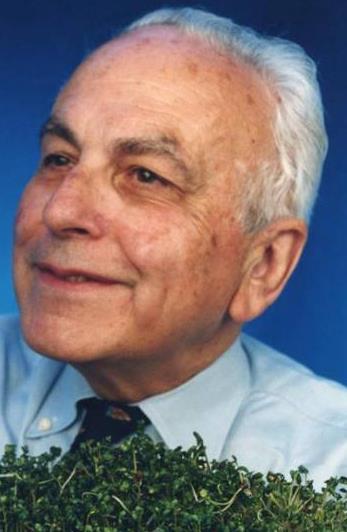 Paul Talalay合作论文数Lewis B. and Dorothy Cullman Chemoprotection Center, Johns Hopkins University1
 Charlotte Williams合作论文数Department of Chemistry, University of Oxford1




