Proteolysis targeting chimeras (PROTACs) are bifunctional molecules that induce selective protein degradation by linking an E3 ubiquitin ligase enzyme to a target protein. This approach allows scope for targeting “undruggable” proteins, and several PROTACs have reached the stage of clinical candidates. However, the roles of cellular transmembrane transporters in PROTAC uptake and efflux remain underexplored. Here, we utilized transporter-focused genetic screens to identify the ATP-binding cassette transporter ABCC1/MRP1 as a key PROTAC resistance factor. Unlike the previously identified inducible PROTAC exporter ABCB1/MDR1, ABCC1 is highly expressed among cancers of various origins and constitutively restricts PROTAC bioavailability. Moreover, in a genome-wide PROTAC resistance screen, we identified candidates involved in processes such as ubiquitination, mTOR signaling, and apoptosis as genetic factors involved in PROTAC resistance. In summary, our findings reveal ABCC1 as a crucial constitutively active efflux pump limiting PROTAC efficacy in various cancer cells, offering insights for overcoming drug resistance.
Phagocytosis, the process by which cells engulf large particles, plays a vital role in driving tissue clearance and host defense. Its dysregulation is connected to autoimmunity, toxic accumulation of proteins, and increased risks for infections. Despite its importance, we lack full understanding of all molecular components involved in the process. To create a functional map in human cells, we performed a genome-wide CRISPRko FACS screen that identified 716 genes. Mapping those hits to a comprehensive protein-protein interaction network annotated for functional cellular processes allowed retrieval of protein complexes identified multiple times and detection of missing phagocytosis regulators. In addition to known components, such as the Arp2/3 complex, the vacuolar-ATPase-Rag machinery, and the Wave-2 complex, we identified and validated new phagocytosis-relevant functions, including the oligosaccharyltransferase complex (MAGT1/SLC58A1, DDOST, STT3B, and RPN2) and the hypusine pathway (eIF5A, DHPS, and DOHH). Overall, our phagocytosis network comprises elements of cargo uptake, shuffling, and biotransformation through the cell, providing a resource for the identification of potential novel drivers for diseases of the endo-lysosomal system. Our approach of integrating protein-protein interaction offers a broadly applicable way to functionally interpret genome-wide screens.
With more than 450 members, the solute carrier (SLC) group of proteins represents the largest class of transporters encoded in the human genome. Their several-pass transmembrane domain structure and hydrophobicity contribute to the orphan status of many SLCs, devoid of known cargos or chemical inhibitors. We report that SLC proteins belonging to different families and subcellular compartments are amenable to induced degradation by heterobifunctional ligands. Engineering endogenous alleles via the degradation tag (dTAG) technology enabled chemical control of abundance of the transporter protein, SLC38A2. Moreover, we report the design of d9A-2, a chimeric compound engaging several members of the SLC9 family and leading to their degradation. d9A-2 impairs cellular pH homeostasis and promotes cell death in a range of cancer cell lines. These findings open the era of SLC-targeting chimeric degraders and demonstrate potential access of multi-pass transmembrane proteins of different subcellular localizations to the chemically exploitable degradation machinery.
Toll-like receptors (TLRs) have a crucial role in the recognition of pathogens and initiation of immune responses1–3. Here we show that a previously uncharacterized protein encoded by CXorf21—a gene that is associated with systemic lupus erythematosus4,5—interacts with the endolysosomal transporter SLC15A4, an essential but poorly understood component of the endolysosomal TLR machinery also linked to autoimmune disease4,6–9. Loss of this type-I-interferon-inducible protein, which we refer to as ‘TLR adaptor interacting with SLC15A4 on the lysosome’ (TASL), abrogated responses to endolysosomal TLR agonists in both primary and transformed human immune cells. Deletion of SLC15A4 or TASL specifically impaired the activation of the IRF pathway without affecting NF-κB and MAPK signalling, which indicates that ligand recognition and TLR engagement in the endolysosome occurred normally. Extensive mutagenesis of TASL demonstrated that its localization and function relies on the interaction with SLC15A4. TASL contains a conserved pLxIS motif (in which p denotes a hydrophilic residue and x denotes any residue) that mediates the recruitment and activation of IRF5. This finding shows that TASL is an innate immune adaptor for TLR7, TLR8 and TLR9 signalling, revealing a clear mechanistic analogy with the IRF3 adaptors STING, MAVS and TRIF10,11. The identification of TASL as the component that links endolysosomal TLRs to the IRF5 transcription factor via SLC15A4 provides a mechanistic explanation for the involvement of these proteins in systemic lupus erythematosus12–14. The interaction between TASL and SLC15A4 links endolysosomal Toll-like receptors to the transcription factor IRF5, providing a mechanistic explanation for the involvement of the complex in systemic lupus erythematosus.
The mutagenic repair of Cas9 generated breaks is thought to predominantly rely on non-homologous end-joining (NHEJ), leading to insertions and deletions within DNA that culminate in gene knock-out (KO). In this study, by taking focused as well as genome-wide approaches, we show that this pathway is dispensable for the repair of such lesions. Genetic ablation of NHEJ is fully compensated for by alternative end joining (alt-EJ), in a POLQ-dependent manner, resulting in a distinct repair signature with larger deletions that may be exploited for large-scale genome editing. Moreover, we show that cells deficient for both NHEJ and alt-EJ were still able to repair CRISPR-mediated DNA double-strand breaks, highlighting how little is yet known about the mechanisms of CRISPR-based genome editing.
Macrophages represent the first line of immune defense against pathogens, and phagosome acidification is a necessary step in pathogen clearance. Here, we identified the bicarbonate transporter SLC4A7, which is strongly induced upon macrophage differentiation, as critical for phagosome acidification. Loss of SLC4A7 reduced acidification of phagocytosed beads or bacteria and impaired the intracellular microbicidal capacity in human macrophage cell lines. The phenotype was rescued by wild-type SLC4A7, but not by SLC4A7 mutants, affecting transport capacity or cell surface localization. Loss of SLC4A7 resulted in increased cytoplasmic acidification during phagocytosis, suggesting that SLC4A7-mediated, bicarbonate-driven maintenance of cytoplasmic pH is necessary for phagosome acidification. Altogether, we identify SLC4A7 and bicarbonate-driven cytoplasmic pH homeostasis as an important element of phagocytosis and the associated microbicidal functions in macrophages.
Rapid, inexpensive, and sensitive nucleic acid detection may aid point-of-care pathogen detection, genotyping, and disease monitoring. The RNA-guided, RNA-targeting clustered regularly interspaced short palindromic repeats (CRISPR) effector Cas13a (previously known as C2c2) exhibits a "collateral effect" of promiscuous ribonuclease activity upon target recognition. We combine the collateral effect of Cas13a with isothermal amplification to establish a CRISPR-based diagnostic (CRISPR-Dx), providing rapid DNA or RNA detection with attomolar sensitivity and single-base mismatch specificity. We use this Cas13a-based molecular detection platform, termed Specific High-Sensitivity Enzymatic Reporter UnLOCKing (SHERLOCK), to detect specific strains of Zika and Dengue virus, distinguish pathogenic bacteria, genotype human DNA, and identify mutations in cell-free tumor DNA. Furthermore, SHERLOCK reaction reagents can be lyophilized for cold-chain independence and long-term storage and be readily reconstituted on paper for field applications.
Correspondence should be addressed to F. Z. (zhang@broadinstitute.org) and J. J. C. (jimjc@mit.edu). *These authors contributed equally to this work. Supplementary Materials Materials and Methods Supplementary Text Fig S1 – S13 Table S1 – S7 References (27–32) HHS Public Access Author manuscript Science. Author manuscript; available in PMC 2017 July 25. Published in final edited form as: Science. 2017 April 28; 356(6336): 438–442. doi:10.1126/science.aam9321. A uhor M anscript
RNA plays important and diverse roles in biology, but molecular tools to manipulate and measure RNA are limited. For example, RNA interference (RNAi)1-3 can efficiently knockdown RNAs, but it is prone to off-target effects4, and visualizing RNAs typically relies on the introduction of exogenous tags5. Here, we demonstrate that the class 2 type VI6,7 RNA-guided RNA-targeting CRISPR-Cas effector Cas13a8 (previously known as C2c2) can be engineered for mammalian cell RNA knockdown and binding. After initial screening of fifteen orthologs in E. coli, we identified Cas13a from Leptotrichia wadei (LwaCas13a) as the most effective. LwaCas13a can be heterologously expressed in mammalian and plant cells for targeted knockdown of either reporter or endogenous transcripts. We demonstrate that LwaCas13a is capable of providing comparable levels of knockdown as RNAi, but with dramatically improved specificity. Moreover, catalytically Correspondence should be addressed to F.Z. (zhang@broadinstitute.org). *These authors contributed equally to this work. Author Contributions: O.O.A, J.S.G, and F.Z. conceived and designed the study. O.O.A, J.S.G, P.E., J.J., and V.V. performed experiments. O.O.A and J.S.G analyzed data. S.H. performed select microscopy experiments. J.J.B. performed the plant protoplasts knockdown experiments. O.O.A, J.S.G, E.S.L, and F.Z. wrote the paper with input from D.F.V and A.T. and help from all authors. Code availability: Relevant code for data analysis is available on Github (https://github.com/fengzhanglab) Data availability: High throughput sequencing data related to this study is available at BioProject PRJNA383832. HHS Public Access Author manuscript Nature. Author manuscript; available in PMC 2018 April 12. Published in final edited form as: Nature. 2017 October 12; 550(7675): 280–284. doi:10.1038/nature24049. A uhor M anscript
CRISPR-Cas adaptive immune systems defend microbes against foreign nucleic acids via RNA-guided endonucleases. Using a computational sequence database mining approach, we identify two Class 2 CRISPR-Cas systems (subtype VI-B) that lack Cas1 and Cas2 and encompass a single large effector protein, Cas13b, along with one of two previously uncharacterized associated proteins, Csx27 or Csx28. We establish that these CRISPR-Cas systems can achieve RNA interference when heterologously expressed. Through a combination of biochemical and genetic experiments, we show that Cas13b processes its own CRISPR array with short and long direct repeats, cleaves target RNA, and exhibits collateral RNase activity. Using an E. coli essential gene screen, we demonstrate that Cas13b has a double-sided protospacer-flanking sequence and elucidate RNA secondary structure requirements for targeting. We also find that Csx27 represses, whereas Csx28 enhances, Cas13b-mediated RNA interference. Characterization of these CRISPR systems creates opportunities to develop tools to manipulate and monitor cellular transcripts.
The class 2 type VI RNA-guided RNA-targeting CRISPR–Cas effector Cas13 can be engineered for RNA knockdown and binding, expanding the CRISPR toolset with a flexible platform for studying RNA in mammalian cells and therapeutic development. CRISPR–Cas prokaryotic defence systems have provided versatile tools for DNA editing. Here, the authors demonstrate that the class 2 type VI RNA-guided RNA-targeting CRISPR–Cas effector Cas13a (previously known as C2c2) can be engineered for RNA knockdown and binding in mammalian cells. This addition to the CRISPR toolbox expands its potential uses to transcript tracking and knockdown. RNA has important and diverse roles in biology, but molecular tools to manipulate and measure it are limited. For example, RNA interference1,2,3 can efficiently knockdown RNAs, but it is prone to off-target effects4, and visualizing RNAs typically relies on the introduction of exogenous tags5. Here we demonstrate that the class 2 type VI6,7 RNA-guided RNA-targeting CRISPR–Cas effector Cas13a8 (previously known as C2c2) can be engineered for mammalian cell RNA knockdown and binding. After initial screening of 15 orthologues, we identified Cas13a from Leptotrichia wadei (LwaCas13a) as the most effective in an interference assay in Escherichia coli. LwaCas13a can be heterologously expressed in mammalian and plant cells for targeted knockdown of either reporter or endogenous transcripts with comparable levels of knockdown as RNA interference and improved specificity. Catalytically inactive LwaCas13a maintains targeted RNA binding activity, which we leveraged for programmable tracking of transcripts in live cells. Our results establish CRISPR–Cas13a as a flexible platform for studying RNA in mammalian cells and therapeutic development.
The microbial adaptive immune system CRISPR mediates defense against foreign genetic elements through two classes of RNA-guided nuclease effectors. Class 1 effectors utilize multi-protein complexes, whereas class 2 effectors rely on single-component effector proteins such as the well-characterized Cas9. Here, we report characterization of Cpf1, a putative class 2 CRISPR effector. We demonstrate that Cpf1 mediates robust DNA interference with features distinct from Cas9. Cpf1 is a single RNA-guided endonuclease lacking tracrRNA, and it utilizes a T-rich protospacer-adjacent motif. Moreover, Cpf1 cleaves DNA via a staggered DNA double-stranded break. Out of 16 Cpf1-family proteins, we identified two candidate enzymes from Acidaminococcus and Lachnospiraceae, with efficient genome-editing activity in human cells. Identifying this mechanism of interference broadens our understanding of CRISPR-Cas systems and advances their genome editing applications.
Material Supplemental http://genome.cshlp.org/content/suppl/2014/10/17/gr.177220.114.DC1.html P<P Published online November 4, 2014 in advance of the print journal. License Commons Creative . http://creativecommons.org/licenses/by-nc/4.0/ described at a Creative Commons License (Attribution-NonCommercial 4.0 International), as ). After six months, it is available under http://genome.cshlp.org/site/misc/terms.xhtml first six months after the full-issue publication date (see This article is distributed exclusively by Cold Spring Harbor Laboratory Press for the
Near-haploid human cell lines are instrumental for genetic screens and genome engineering as gene inactivation is greatly facilitated by the absence of a second gene copy. However, no completely haploid human cell line has been described, hampering the genetic accessibility of a subset of genes. The near-haploid human cell line HAP1 contains a single copy of all chromosomes except for a heterozygous 30-megabase fragment of Chromosome 15. This large fragment encompasses 330 genes and is integrated on the long arm of Chromosome 19. Here, we employ a CRISPR/Cas9-based genome engineering strategy to excise this sizeable chromosomal fragment and to efficiently and reproducibly derive clones that retain their haploid state. Importantly, spectral karyotyping and single-nucleotide polymorphism (SNP) genotyping revealed that engineered-HAPloid (eHAP) cells are fully haploid with no gross chromosomal aberrations induced by Cas9. Furthermore, whole-genome sequence and transcriptome analysis of the parental HAP1 and an eHAP cell line showed that transcriptional changes are limited to the excised Chromosome 15 fragment. Together, we demonstrate the feasibility of efficiently engineering megabase deletions with the CRISPR/Cas9 technology and report the first fully haploid human cell line.
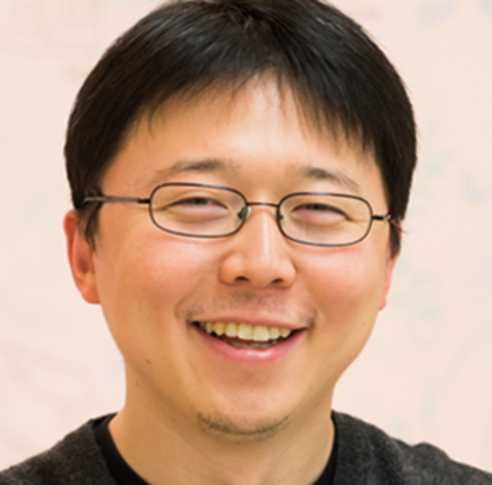 Feng Zhang (张锋)合作论文数McGovern Institute for Brain Research, Massachusetts Institute of Technology;Departments of Brain and Cognitive Sciences, Massachusetts Institute of Technology;Departments of Biological Engineering, Massachusetts Institute of Technology;Broad Institute, Massachusetts Institute of Technology;Howard Hughes Medical Institute7
 Jonathan Gootenberg合作论文数Department of Stem Cell and Regenerative Biology, Harvard Medical School Blavatnik Institute;Beth Israel Deaconess Medical Center;Department of Genetics, Brigham and Women’s Hospital7
 Omar Abudayyeh合作论文数Harvard Medical School, Harvard University;Brigham and Women's Hospital7
 Giulio Superti-Furga合作论文数Medical University of Vienna;Research Center for Molecular Medicine of the Austrian Academy of Sciences;Solgate;Proxygen;Allcyte GmbH;Haplogen6
 Julia Joung合作论文数Jonathan Weissman Lab5
 Eugene Koonin合作论文数National Center for Biotechnology Information, National Library of Medicine, National Institutes of Health5
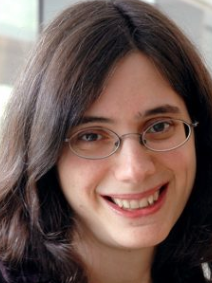 Aviv Regev合作论文数Howard Hughes Medical Institute;Statistics + Data Science Center, Schwarzman College of Computing, Massachusetts Institute of Technology;Broad Institute, Massachusetts Institute of Technology;The Center for Microbiome Informatics & Therapeutics, Massachusetts Institute of Technology5
 Verdine Vanessa K合作论文数4Felix Kartnig合作论文数Austrian Acad Sci, CeMM Res Ctr Mol Med, Vienna, Austria3
 Ian Slaymaker合作论文数Aera Therapeutics3
 Bensimon Ariel合作论文数Sackler School of Medicine, Tel Aviv University3
 David Benjamin Turitz Cox合作论文数Department of Genetics, Stanford University School of Medicine3
 Vitaly Sedlyarov合作论文数Boehringer Ingelheim3
 Kira S. Makarova合作论文数Computational Biology Branch, National Library of Medicine, National Centar for Blotechnalogy Information, National Institutes of Health3
 Leonhard X. Heinz合作论文数Institute of Immunology;Medical University Vienna;Institute of Immunology, Medical University Vienna3Bianca V Gapp合作论文数2Federica Santoro合作论文数2
 Enrico Girardi合作论文数Solgate2
 Max Kellner合作论文数Laboratory for Virus-Host Co-Evolution, Helmholtz Centre for Infection Research2Vojtech Dvorak合作论文数2
 Mattia Pizzagalli合作论文数2
 Nina Donghia合作论文数The Wyss Institute for Biologically inspired Engineering, Harvard University2
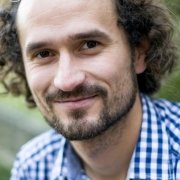 Ulrich Goldmann合作论文数CeMM Res Ctr Mol Med, Austrian Acad Sci2
 Aaron J Dy合作论文数2
 Catherine A Freije合作论文数Broad Inst MIT & Harvard, Cambridge, MA 02142 USA2
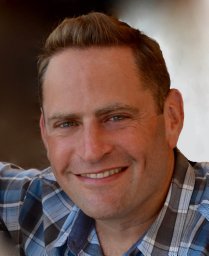 Jonathan Livny合作论文数Broad Inst MIT & Harvard, Cambridge, MA 02142 USA2Doris Chen合作论文数Max Perutz Labs Vienna, Univ Vienna2
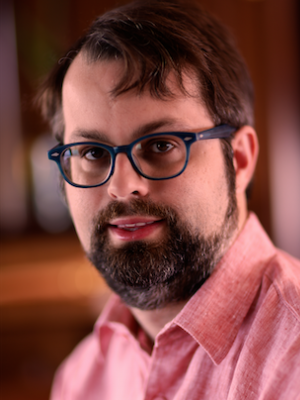 Cameron A. Myhrvold合作论文数Department of Chemical and Biological Engineering, School of Engineering and Applied Science, Princeton University;Carver Biosciences, Inc2
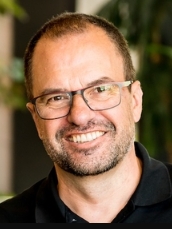 Daniel Voytas合作论文数Department of Genetics, Cell Biology & Development, College of Biological Sciences, University of Minnesota2
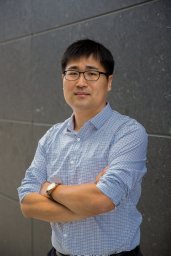 Lee Jeong Wook合作论文数Metab & Biomol Engn Natl Res Lab, Korea Adv Inst Sci & Technol2
 James J. Collins合作论文数Department of Biological Engineering, Massachusetts Institute of Technology;Broad Institute of MIT & Harvard2
 Georg E Winter合作论文数AITHYRA Research Institute for Biomedical Artificial Intelligence, Austrian Academy of Sciences;Solgate;Proxygen2Belanto Joseph J合作论文数2Daringer Nichole M合作论文数the Department of Chemical and Biological Engineering, From2
 Bigenzahn Johannes W合作论文数CeMM Res Ctr Mol Med, Austrian Acad Sci2
 Sergey Shmakov合作论文数National Center for Biotechnology Information, National Library of Medicine, The National Institutes of Health2
 Thijn Brummelkamp合作论文数Netherlands Cancer Institute2Neena Pyzocha合作论文数2
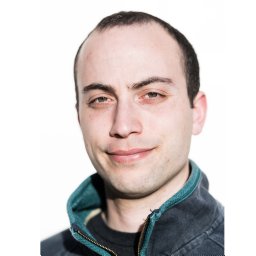 Aaron Smargon合作论文数Department of Molecular and Experimental Medicine, The Scripps Research Institute2
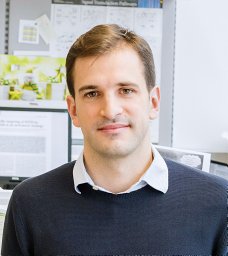 Manuele Rebsamen合作论文数Department of Biochemistry, University of Lausanne2Sebastian M. B. Nijman合作论文数2
 Deborah Tan Hung合作论文数Department of Genetics, Division of Medical Sciences, Harvard Medical School;Department of Molecular Biology, Massachusetts General Hospital2
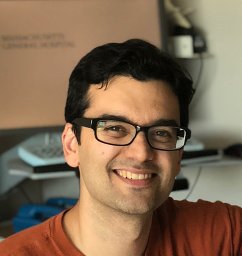 Roby P. Bhattacharyya合作论文数Street2
 Eric S. Lander合作论文数Department of Biology, Massachusetts Institute of Technology;Harvard Medical School;Broad Institute, Massachusetts Institute of Technology2Robert Kralovics合作论文数2Tomasz Konopka合作论文数Utrecht University2Adrijana Stefanovic合作论文数2
 Pardis Christine Sabeti合作论文数Department of Immunology and Infectious Diseases, Harvard T.H. Chan School of Public Health, Harvard University;Department of Organismic and Evolutionary Biology, Faculty of Arts & Sciences, Harvard University2Shao Thing Teoh合作论文数1




