Despite evidence that pharmacogenetics can improve tamoxifen pharmacotherapy, there are few studies with American Indian and Alaska Native (AIAN) people. We examined variation in cytochrome P450 (CYP) genes (CYP2D6, CYP3A4, CYP3A5, and CYP2C9) and tamoxifen biotransformation in AIAN patients with breast cancer (n = 42) from the Southcentral Foundation in Alaska and the Confederated Salish and Kootenai Tribes in Montana. We tested for associations between CYP diplotypes and plasma concentrations of tamoxifen and metabolites. Only the CYP2D6 variation was significantly associated with concentrations of endoxifen (P = 0.0008) and 4-hydroxytamoxifen (P = 0.0074), tamoxifen's principal active metabolites, as well as key metabolic ratios. The CYP2D6 was also the most significant predictor of active metabolites and metabolic ratios in a multivariate regression model, including all four genes as predictors, with minor roles for other CYP genes. In AIAN populations, CYP2D6 is the largest contributor to tamoxifen bioactivation, illustrating the importance of validating pharmacogenetic testing for therapy optimization in an understudied population.
BACKGROUND:Inclusion of American Indian and Alaska Native (AI/AN) populations in pharmacogenetic research is key if the benefits of pharmacogenetic testing are to reach these communities. Community-based participatory research (CBPR) offers a model to engage these communities in pharmacogenetics.OBJECTIVES:An academic-community partnership between the University of Montana (UM) and the Confederated Salish and Kootenai Tribes (CSKT) was established to engage the community as partners and advisors in pharmacogenetic research.METHODS:A community advisory committee, the Community Pharmacogenetics Advisory Council (CPAC), was established to ensure community involvement in the research process. To promote bidirectional learning, researchers gave workshops and presentations about pharmacogenetic research to increase research capacity and CPAC members trained researchers in cultural competencies. As part of our commitment to a sustainable relationship, we conducted a self-assessment of the partnership, which included surveys and interviews with CPAC members and researchers.RESULTS:Academic and community participants agree that the partnership has promoted a bidirectional exchange of knowledge. Interviews showed positive feedback from the perspectives of both the CPAC and researchers. CPAC members discussed their trust in and support of the partnership, as well as having learned more about research processes and pharmacogenetics. Researchers discussed their appreciation of CPAC involvement in the project and guidance the group provided in understanding the CSKT community and culture.DISCUSSION:We have created an academic-community partnership to ensure CSKT community input and to share decision making about pharmacogenetic research. Our CBPR approach may be a model for engaging AI/AN people, and other underserved populations, in genetic research.
Objectives Cytochrome P450 enzymes play a dominant role in drug elimination and variation in these genes is a major source of interindividual differences in drug response. Little is known, however, about pharmacogenetic variation in American Indian and Alaska Native (AI/AN) populations. We have developed a partnership with the Confederated Salish and Kootenai Tribes (CSKT) in northwestern Montana to address this knowledge gap. Methods We resequenced CYP2D6 in 187 CSKT individuals and CYP3A4, CYP3A5, and CYP2C9 in 94 CSKT individuals. Results We identified 67 variants in CYP2D6, 15 in CYP3A4, 10 in CYP3A5, and 41 in CYP2C9. The most common CYP2D6 alleles were CYP2D6*4 and *41 (20.86 and 11.23%, respectively). CYP2D6*3, *5, *6, *9, *10, *17, *28, *33, *35, *49, *1xN, *2xN, and *4xN frequencies were less than 2%. CYP3A5*3, CYP3A4*1G, and *1B were detected with frequencies of 92.47, 26.81, and 2.20%, respectively. Allelic variation in CYP2C9 was low: CYP2C9*2 (5.17%) and *3 (2.69%). In general, allele frequencies in CYP2D6, CYP2C9, and CYP3A5 were similar to those observed in European Americans. There was, however, a marked divergence in CYP3A4 for the CYP3A4*1G allele. We also observed low levels of linkage between CYP3A4*1G and CYP3A5*1 in the CSKT. The combination of nonfunctional CYP3A5*3 and putative reduced function CYP3A4*1G alleles may predict diminished clearance of CYP3A substrates. Conclusion These results highlight the importance of carrying out pharmacogenomic research in AI/AN populations and show that extrapolation from other populations is not appropriate. This information could help optimize drug therapy for the CSKT population.
Summary: Unrelated-donor marrow transplantation is a potential option for transplant candidates lacking a compatible related donor. The T-cell Depletion Study compared the 3-year disease-free survival for patients receiving T-cell-depleted (TCD) donor marrow ( n =203) vs unmanipulated donor marrow with methotrexate and cyclosporine (M/C) ( n =207). Hospital costs during index admission were documented with billing data, while hospital costs during subsequent 6-month follow-up were estimated from case report forms. Patients with index admission billing were included in the analysis (TCD=119, M/C=127). Total hospital length of stay (LOS) was similar across groups, with medians 47.0 days for TCD and 52.0 days for M/C ( P =0.72). Total hospital costs were comparable, $145 115 vs $141 981 ( P =0.63) for TCD and M/C, respectively. However, controlling for site and patient characteristics, TCD was associated with a 12.1% reduction in LOS for the index admission (95% CI −19.4%, −4.3%). Independent of treatment, HLA matching (6/6) was associated with an 8.6% (95% CI −17.4%, +1.2%) reduction in the index admission LOS, while cost was lower by 15.8% (95% CI −26.7%, −3.3%). Treatment costs were similar for TCD and M/C study groups. Savings on reduced cost for treating acute graft-versus-host disease were likely offset by increase in serious infections in the TCD arm.
BACKGROUND:The National Marrow Donor Program (NMDP) receives federal funding to operate a registry of over 4 million volunteer donors for patients in need of a hematopoietic stem cell transplant. Because minority patients are less likely to find a suitably matched donor than whites, special efforts have been aimed toward recruitment of minorities. Significant financial resources are required to recruit and tissue type additional volunteer donors.METHODS:Population genetics models have been constructed to project likelihoods of finding a human leukocyte antigen (HLA)-matched donor for patients of various racial/ethnic groups. These projections have been made under a variety of strategies for expansion of the NMDP Registry. Cost-effectiveness calculations incorporated donor unavailability and other barriers to transplantation.RESULTS:At current recruitment rates, the probability of an available HLA-A,B,DRB1 matched donor is projected to increase from 27% to 34%; 45% to 54%; 75% to 79%; and 48% to 55%, for blacks, Asians/Pacific Islanders, whites and Hispanics, respectively, by the year 2007. Substantial increases in minority recruitment would have only modest impacts on these projections. These projections are heavily affected by donor availability rates, which are less than 50% for minority volunteers.CONCLUSIONS:Continued recruitment of additional volunteers can improve the likelihood of finding an HLA-matched donor, but will still leave significant numbers of patients of all racial/ethnic groups without a match. Efforts to improve donor availability (especially among minorities) and to increase the number of patients with access to the NMDP Registry may prove to be more cost-effective means of increasing transplants.
A randomized trial was performed to compare two regimens of total body irradiation in patients with chronic myeloid leukemia treated by allogeneic marrow transplantation while in the chronic phase. All patients received cyclophosphamide 120 mg/kg followed by total body irradiation and marrow from HLA-identical siblings. Cyclosporine and methotrexate were used for prophylaxis against acute graft-versus-host disease. Fifty-seven patients were randomized to receive 2.0 Gy fractions of irradiation daily for 6 days and 59 were randomized to receive 2.25 Gy fractions daily for 7 days. The probabilities of relapse at 4 years were 0.25 for the 12.0 Gy group and 0.00 for the 15.75 Gy group (P = .008). The
PURPOSE:Patients with advanced myeloid malignancies who experience relapse after allogeneic bone marrow transplantation (BMT) have a poor prognosis. Long-term survival after chemotherapy alone, second myeloablative transplant, or donor leukocyte infusions (DLIs) alone is unusual. DLIs may have minimal effectiveness in advanced disease because adequate cellular responses are not able to develop in the presence of bulky, fast-growing disease. A chemotherapy strategy was used to debulk disease before administration of granulocyte colony-stimulating factor (G-CSF)-primed DLIs.PATIENTS AND METHODS:Sixty-five patients experiencing hematologic relapse of myeloid malignancy after HLA-matched sibling BMT were prospectively treated with cytarabine-based chemotherapy, then G-CSF-primed DLIs. No prophylactic immunosuppression was provided.RESULTS:Twenty-seven of 57 assessable patients experienced a complete response. Graft-versus-host disease (GVHD) was observed in 56% of the patients. Treatment-related mortality was 23%. Overall survival at 2 years for the entire cohort was 19%. Patients with a complete response were more likely to survive, with 1- and 2-year survival rates of 51% and 41%, respectively, with a median follow-up of more than 2 years. The 1-year survival for nonresponders was 5%. A posttransplant remission lasting more than 6 months before relapse was associated with a higher likelihood of response. GVHD was not required for durable remission.CONCLUSION:Salvage treatment with chemotherapy before DLI can help some patients with advanced myeloid relapse and is not dependent on GVHD. Patients with short remissions after BMT are unlikely to benefit from this approach, and the approach is associated with significant treatment-related mortality. Modifications of this approach or entirely different approaches will be required for most patients with this difficult clinical problem.
In the beginning, there was bone marrow. A quarter of a century ago, the concept was simple: a patient had a bad bone marrow (eg, aplastic anemia) or a marrow destroyed by therapy (acute leukemia), and one substituted a healthy, allogeneic marrow. Gradually it became possible to distinguish and then
Patients with aplastic anemia who do not have suitably HLA-matched, related donors generally receive immunosuppressive treatment as first-line therapy and are considered for transplantation from an unrelated donor only if they fail to respond to immunosuppressive treatment. In this setting, rates of transplantation-related morbidity and mortality have been high. We conducted a prospective study to determine the minimal dose of total body irradiation (TBI) sufficient to achieve sustained engraftment when it is used in combination with 3 cycles of 30 mg/kg of antithymocyte globulin (ATG) and 4 cycles of 50 mg/kg of cyclophosphamide (CY). We also wanted to determine the tolerability and toxicity of the regimen. The starting dosage of TBI was 3 x 200 cGy given over 2 days following CY/ATG. The TBI dose was to be escalated in increments of 200 cGy if graft failure occurred in the absence of prohibitive toxicity, and de-escalated for toxicity in the absence of graft failure. Twenty-one female and 29 male patients aged 1.3 to 46.5 years (median age, 14.4 years) underwent transplantation at 14 medical centers. The time interval from diagnosis to transplantation was 2.8 to 264 months (median, 14.5 months). All patients had been transfused multiple times and all had received 1 to 11 courses (median, 4 courses) of immunosuppressive treatment and other modalities of treatment. In 38 cases, the donors were HLA-A, -B and -DR phenotypically matched with the patients, and, in 12 cases, the donor phenotype differed from that of the recipient by 1 HLA antigen. Recipients of mismatched transplants were considered separately for TBI dose modification, and this study is still ongoing. Seven patients did not tolerate ATG and were prepared with 6 x 200 cGy of TBI plus 120 mg/kg of CY. Of the HLA-matched recipients prepared with CY/ATG/TBI, all 20 who received 3 x 200 or 2 x 200 cGy of TBI achieved engraftment, and 10 are alive. Of the 13 patients who received 1 x 200 cGy of TBI, 1 failed to engraft, and 8 are alive. Each of 10 patients who received an HLA-nonidentical transplant achieved engraftment, and 3 of 6 who were given 3 x 200 cGy of TBI, and 4 of 4 who were given 2 x 200 cGy are alive. Pulmonary toxicity occurred in 8 of 30 patients who were given 3 x 200 or 2 x 200 cGy of TBI concurrently with ATG and CY at 200 mg/kg, and in 2 of 13 patients who received 1 x 200 cGy of TBI, a pattern that suggests a decrease in toxicity with TBI dose de-escalation. Overall, the highest probability of survival (73%) was observed among patients who underwent transplantation within 1 year of diagnosis, compared with patients who underwent transplantation after a longer period of disease. In addition, younger patients (aged < or = 20 years) were more likely to survive than older patients (aged > 20 years). Thus, for patients with an HLA-matched, unrelated donor, a TBI dose of 200 cGy (in combination with CY/ATG) was sufficient to allow for engraftment without inducing prohibitive toxicity. As in previous studies, patient age and pretransplantation disease duration remain important prognostic factors.
We describe the rare occurrence of a granulomatous pneumonitis seen in a patient following allogeneic bone marrow transplantation. Interestingly sarcoidosis was diagnosed in the marrow donor less than a year after donating his bone marrow. Bone Marrow Transplantation (2001) 28, 627–630.
Given recent improvements in the technology of transplantation and histocompatibility testing, it is now possible to contemplate using related or unrelated allogeneic hematologic stem cell donors with high degrees of HLA disparity. This paper is a follow-up of an earlier publication on the probability of finding a matched donor (Transplantation 60:778–783, 1995) and addresses the probability of finding a partially mismatched donor. Assuming that a four of six antigen HLA-A, -B, -DR match is acceptable, it is possible to find unrelated donors for patients of any race from a putative registry with fewer than 10,000 potential donors. Further, storing cord blood from newborns in families with a known genetic disease would yield an acceptable future stem cell transplant product in nearly 40% of cases. These results show the potential impact of cord blood donors and emphasize the importance of improvements in transplantation using partially mismatched donors.
*Department of Epidemiology and Public Health Institute of Child Health †Department of Virology Great Ormond Street Hospital National Health Service Trust *Department of Epidemiology and Public Health Institute of Child Health §Department of GU Medicine and Communicable Disease Imperial College School of Medicine London, U.K.
Respiratory syncytial virus is a common virus which frequently causes severe lower tract disease in immunocompromised patients. The mortality rate in bone marrow transplant patients with lower tract disease varies from 31% to 100%, depending upon the treatment used, time before initiation of treatment, and whether patients are pre- or post-engraftment, Therapy with inhaled ribavirin has been used with limited success in decreasing mortality rate, Because of concern about conversion from upper respiratory tract disease to lower respiratory tract disease, we conducted a pilot study using aerosolized ribavirin in asymptomatic RSV-positive patients, Patients had NP washes performed on a weekly basis during the RSV season, for the presence of RSV, If patients were positive, but asymptomatic, and could have their transplant postponed, they were treated with ribavirin until negative, Patients who could not be postponed received aerosolized ribavirin, and began transplant conditioning. During this study, we performed 145 nasal aspirations for RSV on 25 patients; 10 aspirates were positive in seven asymptomatic patients. All positive events were successfully treated with ribavirin, which cleared the RSV for a minimum of 3 weeks. No patients became symptomatic. Thus, we conclude that ribavirin can clear asymptomatic infections in immunocompromised pediatric transplant patients.
BACKGROUNDIt is possible that post-transplant relapse in patients with breast cancer may result, in part, from residual tumor in the autologous PBSC product. It is unclear from the literature what effect residual breast tumor cells have on clinical outcome and whether purging tumor cells would be beneficial. We hypothesized that lack of standardization of assays for detection of residual breast tumor may be responsible for the inconclusive clinical data.METHODSWe compared two assays routinely for detection of cytokeratin (CK)-positive cells in stem-cell grafts, immunohistochemistry (IHC) and flow cytometry (FCM). The patient population consisted of individuals with breast cancer, non-epithelial cell-derived tumors and normal donors. A rigorous statistical model was developed for evaluation of the data.RESULTSWe found that the IHC assay out-performed the FCM assay. Importantly, both assays detected CK-positive cells in PBSC collections of patients with non-epithelial cell-derived tumors and in normal donors. No distinguishing morphological characteristics could be identified to differentiate potentially malignant from non-malignant CK-positive cells. Due to the inability to distinguish true positive from false positive results, we developed a statistical model to establish a quantitative threshold to discriminate positive from negative samples. Among the patients tested, no clinical outcome differences were detected, regardless of where the threshold of CK-positive cells was set.DISCUSSIONWe conclude the more stringent criteria and more specific markers, rather than the presence or absence of CK-positive cells, need to be established to determine the clinical significance of minimal residual disease in autologous breast-cancer
 J A Hansen合作论文数51
 Paul J. Martin合作论文数Clinical Research Division, Fred Hutchinson Cancer Center;Division of Medical Oncology, University of Washington47E.D. Thomas合作论文数46
 Rainer Storb合作论文数Clinical Research Division, Fred Hutchinson Cancer Center;Division of Medical Oncology, School of Medicine, University of Washington40
 Keith Michael Sullivan合作论文数Division of Hematologic Malignancies and Cellular Therapy, Department of Medicine, Duke University School of Medicine;Duke Cancer Institute, Duke University32
 Frederick R. Appelbaum合作论文数Fred Hutchinson Cancer Research Center23C.D. Buckner合作论文数22
 Jean E. Sanders合作论文数Fred Hutchinson Cancer Research Center20K Doney合作论文数19Ra Clift合作论文数16FB PETERSEN合作论文数16
 H. Joachim Deeg合作论文数Clinical Research Division, Fred Hutchinson Cancer Center;Division of Hematology and Oncology, University of Washington;Carl Carus University14
 Jeffrey Ledbetter合作论文数Division of Rheumatology, University of Washington13
 Jack W Singer合作论文数Elsomn S Floyd College of Medicine, Washington State University13Em Mickelson合作论文数12JE SANDERS合作论文数12R Witherspoon合作论文数12
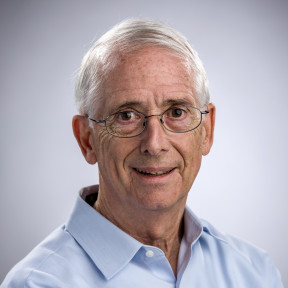 John Marshall Harlan合作论文数Department of Medicine, University of Washington;Department of Hematology, University of Washington12
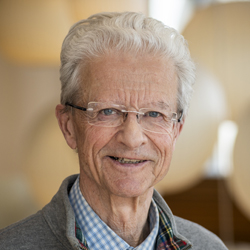 Hans D Ochs合作论文数Center for Immunity and Immunotherapies, Seattle Children's Hospital;Division of Immunology, Department of Pediatrics, University of Washington School of Medicine12P Stewart合作论文数11Reginald a Clift合作论文数11
 Edward Donnall Thomas合作论文数University of Washington;Clinical Research Division, Fred Hutchinson Cancer Research Center11Rp Witherspoon合作论文数10Patricia A Stewart合作论文数Stewart Exposure Assessments, LLC10
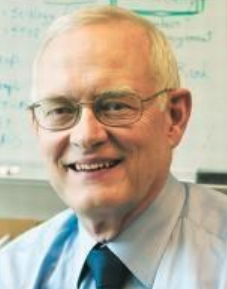 John Andrew Hansen合作论文数Fred Hutchinson Cancer Research Center10
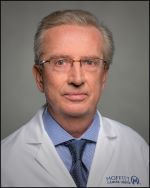 Claudio Anasetti合作论文数Moffitt Cancer Center9Hansen John D合作论文数9W Bensinger合作论文数8M Patarroyo合作论文数7E MICKELSON合作论文数7BR SCHWARTZ合作论文数7
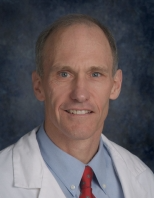 Carl H. June合作论文数Department of Pathology and Laboratory Medicine, Perelman School of Medicine, University of Pennsylvania7Rachel Hill合作论文数Department of Pediatric Hematology/Oncology.6B Nisperos合作论文数6Lawrence Lum合作论文数University of Texas Southwestern Medical Center6
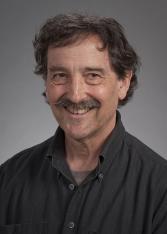 Edward A. Clark合作论文数Department of Immunology, University of Washington;Abacus Bioscience Inc6William I. Bensinger合作论文数6R Mcguffin合作论文数5Si Bearman合作论文数5
 Buckner Cd合作论文数Fred Hutchinson Cancer Research Center5D Amos合作论文数5M Mori合作论文数5Robert Witherspoon合作论文数Fred Hutchinson Cancer Research Center5Thomas P. Loughran合作论文数5
 Erica L Woodahl合作论文数Clinical Research Division, Fred Hutchinson Cancer Research Center5Alexander Fefer合作论文数5Ld Fisher合作论文数4




