Background: For women in the United States desiring implant-based breast reconstruction, the maximum volume of commercially available silicone breast implants has, to date, been 800 cc. The authors evaluated the safety of Mentor larger-size MemoryGel Ultra-High Profile breast implants (≥930 cc) in women undergoing postmastectomy breast reconstruction. Methods: This 10-year, multicenter, open-label, prospective, investigational study assessed the safety and effectiveness of larger-volume implants in women undergoing postmastectomy 2-stage primary or revision reconstruction. Three-year Kaplan-Meier curves and multivariable Cox regression analyzed the association between patient and treatment characteristics and surgical outcomes. The BREAST-Q was used to assess effectiveness at 3 years. Results: A total of 400 women were enrolled (225 primary and 175 revision reconstruction). Mean body mass index was 35.8 kg/m 2 ; 81% had a body mass index greater than or equal to 30 kg/m 2 . At 3 years, the cumulative incidence of postoperative complications (excluding rupture) was 63.0% (95% confidence interval, 58.1% to 67.9%). The reoperation rate was 24.5% (95% CI, 20.4% to 29.1%), and the explantation rate was 15.8% (95% CI, 23.5% to 19.9%). Independent predictors of complications included radiation therapy and a history of smoking. There were no significant associations between postoperative complications and implant volume greater than or equal to 1135 cc or less than 1135 cc. BREAST-Q scores at year 3 showed significant improvements from baseline in Satisfaction with Breasts, Psychosocial Well-Being, Sexual Well-Being, and Physical Well-Being (all P < 0.0001). The mean score for Satisfaction with Outcome was 79.9. Conclusions: These 3-year results demonstrate that larger-volume silicone breast implants represent a safe and effective option for patients with larger breasts who are requesting postmastectomy implant-based reconstruction.
BACKGROUND:Although drain placement is widely used during the tissue expander (TE) stage of implant-based breast reconstruction, it is unclear whether surgical drains are necessary at the TE-to-implant exchange stage. The authors sought to define clinical scenarios in which drains should and should not be used. METHODS:The authors retrospectively analyzed breast TE-to-implant exchanges performed from 2018 to 2023 and compared complication rates between patients treated with and without drains. Patient demographic, disease, treatment, and outcome data were recorded. Propensity score matching was used to mitigate selection bias. Multivariable binary logistic regression identified significant predictors of complications. RESULTS:In unmatched comparisons, rates of overall complications, implant exposure, and implant explantation were significantly higher in the drain group compared with the no-drain group (12% versus 4.7%, 2.5% versus 0.3%, and 8.5% versus 2.6%, respectively; P < 0.05). This was particularly evident in the prepectoral plane, where overall complication (11% versus 4.3%; P = 0.014), implant exposure (2.2% versus 0%; P = 0.047), and implant explantation (6.7% versus 2.2%; P = 0.041) rates were significantly higher with drains. However, propensity score-matched comparisons, stratification by concomitant ancillary procedures, and multivariable logistic regression showed that drain placement was neither predictive of nor protective against postoperative complications. CONCLUSIONS:Surgical drains do not protect against adverse outcomes in the second stage of implant-based breast reconstruction, even with ancillary procedures, and may contribute to higher complication rates, particularly in the prepectoral plane. However, patients with a heavy dissection burden, extensive capsular manipulation or resection, or comorbidities may benefit from drain placement. CLINICAL QUESTION/LEVEL OF EVIDENCE:Therapeutic, III.
BACKGROUND:Multi-flap reconstruction is often required for extensive head and neck defects, especially in recurrent disease, prior reconstruction, or vessel-depleted necks. While traditional donor sites remain foundational, the reliability of alternative soft tissue free flaps is less defined. METHODS:This retrospective cohort study compared traditional and alternative soft tissue free flaps in multi-flap head and neck reconstruction. Outcomes were analyzed in unmatched and propensity score-matched cohorts. Primary endpoints included overall recipient site complications, flap loss, thrombosis, reoperation, and length of stay. RESULTS:The unmatched cohort included 171 patients and 347 flaps: 297 traditional (86%) and 50 alternative (14%). After matching, outcomes were comparable between groups. No statistically significant differences were seen in recipient site complications, reoperation, thrombosis, flap loss, or hospital stay. CONCLUSIONS:Alternative soft tissue free flaps appear safe and reliable when traditional workhorse flaps are unavailable.
Background:Healthcare resource use associated with breast reconstruction may vary by body mass index (BMI). We hypothesized that obese women undergoing direct-to-implant (DTI) reconstruction used more resources than healthy-weight women. Methods:Using the Premier Healthcare Database, a retrospective cohort study was conducted among women aged 21 and older who had mastectomy and concurrent DTI breast reconstruction from 2012 to 2020. Patients were classified into obese (BMI ≥ 30 kg/m2) and healthy-weight (BMI 20-25 kg/m2) groups. Outcomes, including cost, operating room time, and 12-month breast reconstruction revision rate, were assessed and compared between the study cohorts. The inverse probability of treatment weighting method was used to balance the covariates between the 2 cohorts. Study outcomes were assessed using weighted generalized estimating equation (GEE) models. Subgroup analyses were conducted to compare study outcomes between morbidly obese patients (BMI ≥ 35 kg/m2) and healthy-weight patients. Results:After applying study criteria and inverse probability treatment weighting, 1150 patients were identified (682 obese patients and 468 healthy-weight patients). Compared with healthy-weight patients, obese patients had significantly higher procedure costs (mean: $26,778.53 [SD: $21,973.63] versus $24,209.93 [SD: $12,16.90], GEE P = 0.03) and significantly longer operating room time (mean: 285.86 [SD: 110.20] versus 248.02 [SD: 89.43] min, GEE P < 0.001). Significant differences in 12-month revisions were observed between morbidly obese patients and healthy-weight patients (22.9% versus 14.5%, GEE P = 0.02). Conclusions:Among women undergoing immediate DTI breast reconstruction postmastectomy, those who were obese had significantly higher resource use compared with healthy-weight women.
INTRODUCTION:Osteoradionecrosis (ORN) of the mandible is an unfortunate potential sequela of radiotherapy for head and neck cancer. In advanced cases of ORN, mandibulectomy, and free fibula flap reconstruction are required. We hypothesized that patients undergoing fibula free flap reconstruction and mandibulectomy for ORN pose unique challenges and experience more complications than patients undergoing fibula free flaps after oncologic mandibulectomy. METHODS:After IRB approval, we created a database of all free fibula flaps for mandible reconstruction from April 2005 through February 2019. Medical records were retrospectively reviewed for patient and surgical characteristics and postoperative outcomes. RESULTS:Four-hundred seventy-nine patients met the inclusion criteria (168 ORN vs. 311 non-ORN patients). Propensity-matching was performed based on age, BMI, smoking status, preoperative chemotherapy, and virtual surgery planning use, which yielded 159 patients in each group. ORN patients received more double-skin-island fibula flaps than non-OR patients (20.8% vs. 5.7%, p < 0.001). Recipient artery other than the facial artery was utilized more commonly in ORN patients (42.1% vs. 17.0%, p < 0.001). In the unmatched cohort, ORN patients had higher rates of delayed wound healing (26.2% vs. 16.8%, p = 0.01) and surgical site infections (21.4% vs. 13.2%, p = 0.02). Rates of flap loss, return to the operating room, hematoma, operative time, and length of stay were similar between the groups. On logistic regression analysis, osteoradionecrosis was an independent risk factor for delayed wound healing. CONCLUSION:Based on these data, mandibular reconstruction with fibula flaps for osteoradionecrosis appears more complicated than mandible reconstruction following de novo cancer resection. Surgeons should anticipate employing two skin islands for intraoral and extraoral resurfacing, utilizing unconventional recipient vessels, and managing the delayed wound healing that ensues more commonly than non-ORN patients.
BACKGROUND:It is not clear whether mesh-reinforced anterior component separation (CS) for abdominal wall reconstruction (AWR) results in better outcomes than mesh-reinforced primary fascial closure (PFC) without CS, particularly when acellular dermal matrix is used. The authors compared outcomes of CS versus PFC repair in AWR procedures aiming to determine whether CS results in better outcomes. METHODS:This retrospective study of prospectively collected data included 461 patients who underwent AWR with acellular dermal matrix during a 10-year period at an academic cancer center. The primary endpoint was hernia recurrence; the secondary outcome was surgical-site occurrence (SSO). RESULTS:A total of 322 patients (69.9%) who underwent mesh-reinforced AWR with CS (AWR-CS) and 139 (30.1%) who underwent AWR with PFC (AWR-PFC) without CS were compared. AWR-PFC repairs had a higher hernia recurrence rate than AWR-CS repairs (10.8% versus 5.3%; P = 0.002) but similar overall complication (28.8% versus 31.4%; P = 0.580) and SSO (18.7% versus 25.2%; P = 0.132) rates. CS repairs experienced significantly higher wound separation (17.7% versus 7.9%; P = 0.007), fat necrosis (8.7% versus 2.9%; P = 0.027), and seroma (5.6% versus 1.4%; P = 0.047) rates than PFC repairs. The best cutoff with respect to hernia recurrence was 7.1 cm of abdominal defect width. CONCLUSION:AWR-CS repair resulted in a lower hernia recurrence rate than AWR-PFC but, despite the additional surgery, had similar SSO rates on long-term follow-up. CLINICAL QUESTION/LEVEL OF EVIDENCE:Therapeutic, III.
PURPOSE: The maximum volume of commercially available silicone breast implants (SBIs) in the United States for women desiring implant-based breast reconstruction (IBBR) is 800cc. This prospective, multicenter study aimed to evaluate the safety of a prototype of larger SBIs ranging from 750cc to 1445cc in IBBR patients. METHODS: A multicenter, open-label, ten-year prospective, pre-market investigational study was initiated in 2016 to demonstrate the safety and effectiveness of larger-volume Mentor UHP-L SBIs in women who underwent post-mastectomy two-stage primary or revision IBBR. Three-year Kaplan-Meier curves, Cox, and multivariable logistic regression analyzed the association between patient/treatment characteristics and surgical outcomes. Breast-Q was used to assess effectiveness at three years. RESULTS: 400 women (mean age 50.3±9.91 years) were enrolled. Average BMI was 35.8±6.37 and mean mastectomy weight was 1056.9g (range 44-3348g). Bilateral reconstructions occurred in 79.3% of subjects, and 83.0% had submuscular implants. The 1030cc implant was used most frequently. The most common complications were Baker III/IV capsular contracture (CC)(6.4%), delayed wound healing (5.2%), and infection (4.7%). The explantation rate was 15.8%. Independent predictors of complications included radiation therapy for Baker III/IV CC (HR 3.03,p=0.0038) and past smoking for delayed wound healing (HR 2.22,p=0.0354). Implant volume was not associated with complications. Breast-Q demonstrated satisfaction with breasts (mean 71.6±19.25) and outcome (mean 79.9±22.33) with similar results in the other domains. CONCLUSION: These three-year results from the largest prospective, ten-year breast reconstruction trial demonstrate that larger-volume SBIs are safe, effective, and a viable option for patients with larger breasts requesting post-mastectomy IBBR.
BACKGROUND:Skin graft is frequently used for donor site closure after osteocutaneous fibula free flap (OCFFF) harvest when primary closure is not possible. Partial skin graft loss requiring wound care is a common complication. The purposes of this prospective study were to investigate the perforator anatomy for local propeller or tonearm flap closure and compare the outcomes to those of skin graft closure. METHODS:All patients undergoing OCFFF for head and neck reconstruction from February 2022 to October 2023 were considered for the tonearm flap. Intraoperative perforator anatomy was prospectively recorded. Surgical techniques and criteria for tonearm flap reconstruction were described. A minimum follow-up period of 6 months was required. Outcome measures included the rate of flap success and wound complications. RESULTS:Forty consecutive patients were included. The tonearm flap was not possible in 16 patients (40%) due to unfavorable perforator anatomy and 2 patients underwent primary closure. All successful tonearm flaps were eccentrically designed on a proximal lower leg perforator, located 13.5 ± 1.99 cm from the fibular head. Most proximal perforators were musculocutaneous through the soleus muscle (n = 20, 90.9%), whereas the rest were septocutaneous (n = 2, 9.1%), originating from the peroneal artery. Three patients experienced distal partial flap loss; one required an additional skin graft. Only half of the skin graft cohort (n = 99, 50.8%) achieved complete skin graft take. The average skin graft loss was 34.3%, and wound care was required for an average period of 51.6±52.8 days. CONCLUSIONS:The study findings demonstrate that local tonearm flaps, when anatomically feasible, can be successfully performed with superior outcomes compared to skin graft closures.
PURPOSE: This retrospective study details the surgical anatomy of harvesting a local fasciocutaneous propeller flap for osteocutaneous fibula flap donor site closure and compares outcomes to patients who underwent skin graft closure. METHODS: The study compared 21 patients who underwent local flap reconstruction compared to 195 patients who underwent skin graft for fibula flap donor site reconstruction. RESULTS: There were no significant differences between the two groups based on age, BMI, presence of peripheral vascular disease, obesity, or type 2 DM. All propeller flap closures were eccentrically designed on a proximal lower leg perforator. The average distance of this perforator from the fibular head was 13.4±2.0 cm. Most of these perforators were musculocutaneous through the soleus muscle (n=19, 90.5%) and the rest were septocutaneous (n=2, 9.5%) originating directly from the peroneal artery. The average defect size was 69.9±28.3 cm2 and the average propeller flap size was 80.3±26.2cm2. Three patients experienced distal partial flap loss and one patient required additional full-thickness skin graft. All other patients achieved complete healing. In comparison, the average skin graft size was 65.3±31.9cm2. Half of patients (n=96, 49.2%) patients had incomplete skin graft take. The average skin graft loss was 34.3% and the average length of dressing changes required was 51.6±52.8 days. CONCLUSION: The study findings demonstrate that local propeller flaps can be utilized with reasonable success to close fibula flap donor sites and are preferred to skin graft closure when anatomically feasible.
Background: As patient survival with head and neck cancer has improved, treatment goals have had to evolve to focus on improving quality of life. Traditionally, patients who have undergone mandibulectomy are left with an insensate chin and lower lip secondary to resection of the inferior alveolar nerve (IAN). The purpose of this study was to critically evaluate the authors’ initial experience using processed nerve allografts (PNA) for IAN reconstruction following oncologic mandibulectomy and reconstruction with free fibula osteocutaneous flaps and to assess their patients’ sensory outcomes. Methods: The authors performed a retrospective review of the first 32 patients who underwent immediate IAN reconstruction with PNA at the time of oncologic mandibulectomy and mandible reconstruction with free fibula osteocutaneous flaps at The University of Texas M. D. Anderson Cancer Center over a 1-year period. Semmes-Weinstein filament sensory testing was conducted at multiple surgical follow-up appointments to evaluate the quality of sensory recovery. Results: Thirteen of the 32 patients underwent postoperative Semmes-Weinstein filament testing. All 13 patients demonstrated partial return of sensation. At a mean follow-up of 8.33 months, the average level of sensation was 60.93% that of the unaffected side of the lower lip. Conclusions: Patients were consistently afforded improvement in lower lip sensation using PNA-based IAN grafting as an adjunct to free fibula-based mandible reconstruction. The procedure adds no additional surgical morbidity and has shown consistent positive results.
Background The use of virtual surgical planning and computer-assisted design and computer-assisted manufacturing (CAD/CAM) has become widespread for mandible reconstruction with the free fibula flap. However, the cost utility of this technology remains unknown. Methods The authors used a decision tree model to evaluate the cost utility, from the perspective of a hospital or insurer, of mandible reconstruction using CAD/CAM relative to the conventional (non-CAD/CAM) technique for the free fibula flap. Health state probabilities were obtained from a published meta-analysis. Costs were estimated using 2018 Centers for Medicare and Medicaid Services data. Overall expected cost and quality-adjusted life-years (QALYs) were assessed using a Monte Carlo simulation and sensitivity analyses. Cost effectiveness was defined as an incremental cost utility ratio (ICUR) less than the empirically accepted willingness-to-pay value of $50,000 per QALY. Results Although CAD/CAM reconstruction had a higher expected cost compared with the conventional technique ($36,487 vs. $26,086), the expected QALYs were higher (17.25 vs. 16.93), resulting in an ICUR = $32,503/QALY; therefore, the use of CAD/CAM in free fibula flap mandible reconstruction was cost-effective relative to conventional technique. Monte Carlo sensitivity analysis confirmed CAD/CAM's superior cost utility, demonstrating that it was the preferred and more cost-effective option in the majority of simulations. Sensitivity analyses also illustrated that CAD/CAM remains cost effective at an amount less than $42,903 or flap loss rate less than 4.5%. Conclusion This cost utility analysis suggests that mandible reconstruction with the free fibula osteocutaneous flap using CAD/CAM is more cost effective than the conventional technique.
Skin-preserving, staged, microvascular, breast reconstruction often is preferred in patients requiring postmastectomy radiotherapy (PMRT) but may lead to complications. We compared the long-term surgical and patient-reported outcomes between skin-preserving and delayed microvascular breast reconstruction with and without PMRT. We conducted a retrospective, cohort study of consecutive patients who underwent mastectomy and microvascular breast reconstruction between January 2016 and April 2022. The primary outcome was any flap-related complication. The secondary outcomes were patient-reported outcomes and tissue-expander complications. We identified 1002 reconstructions (672 delayed; 330 skin-preserving) in 812 patients. Mean follow-up was 24.2 ± 19.3 months. PMRT was required in 564 reconstructions (56.3
INTRODUCTION:The lateral forearm flap (LFF) is a thin fasciocutaneous flap with a donor site that can be closed primarily.METHODS:A retrospective analysis of donor site morbidity and hand function was performed in patients who underwent a radial forearm flap (RFF), ulnar artery perforator flap (UAPF), or LFF. Flap thickness was evaluated radiographically in 50 control patients.RESULTS:Of 134 patients (lateral forearm flap: n = 49, RFF: n = 47, UAPF: n = 38), the LFF demonstrated significantly faster return to baseline hand grip strength (3 months vs. 12 months in RFF and UAPF; p < 0.001), had significantly fewer donor site complications (6.1% compared to 6.4% in RFF and 28.9% in UAPF; p = 0.003) and fewer sensory deficits (2.0% compared to 6.4% in RFF and 15.8% in UAPF sites; p = 0.013). The radiographic study confirmed the LFF to be the thinnest of all upper extremity flap options.CONCLUSIONS:The LFF is an excellent forearm-based flap option with thin, pliable tissue and low donor site morbidity.
OBJECTIVE Examine outcomes for lateral arm autologous tissue transfer in head and neck reconstruction. STUDY DESIGN Retrospective cohort study. SETTING Tertiary cancer center. METHODS All patients who underwent traditional lateral arm, extended lateral arm, and lateral forearm flaps for head and neck reconstruction from 2012 to 2022 were assessed. Disabilities of the arm, shoulder, and hand (DASH) was measured. Factors associated with complications and enteral or mixed diet were evaluated by multivariable regression. RESULTS Among 160 patients followed for a median of 2.3 ± 2.1 years, defects were 54% oral tongue, 18% external, 9% maxilla, 8% buccal mucosa, 9% floor of mouth, and 3% pharynx. Flap types (and median pedicle lengths) were 41% traditional lateral arm (8 cm), 25% extended lateral arm (11.5 cm), and 34% lateral forearm (14 cm). All donor sites were closed primarily; 19.6% and 0% of patients had increased DASH scores 2 and 12 weeks after reconstruction. Major complications occurred in 18.1% of patients, including 6.3% reoperation, 6.9% readmission, 3.7% fistula, and 1.8% flap loss. Complications were independently associated with peripheral vascular disease (odds ratio [OR]: 5.71, 95% confidence interval [CI]: 1.5-21.6, P = .01), pharyngeal defects (OR: 11.3, 95% CI: 1.4-94.5, P = .025), and interposition vein grafts (OR: 3.78, 95% CI: 1.1-13.3, P = .037). CONCLUSION The lateral arm free flap was safe, versatile, and reliable for head and neck reconstruction with low donor-site morbidity. Complications occurred in a fifth of patients and were associated with peripheral vascular disease, pharyngeal defects, and vein grafts.
PURPOSE: Outcomes studies for abdominal wall reconstruction (AWR) in the setting of previous oncologic extirpation are lacking. We sought to evaluate long-term outcomes of AWR using acellular dermal matrix (ADM) after extirpative resection, compare them to primary herniorrhaphy, and report the rates and predictors of postoperative complications. METHODS: We conducted a retrospective cohort study of patients who underwent AWR after oncologic resection from March 2005 to June 2019 at a tertiary cancer center. The primary outcome was hernia recurrence (HR). Secondary outcomes included surgical site occurrences (SSOs), surgical site infection (SSIs), length of hospital stay (LOS), reoperation, and 30-day readmission. RESULTS: Of 720 consecutive patients who underwent AWR during the study period, 194 (26.9%) underwent AWR following resection of abdominal wall tumors. In adjusted analyses, patients who had AWR after extirpative resection were more likely to have longer LOS (β, 2.57; 95%CI, 1.27 to 3.86, p<0.001) than those with primary herniorrhaphy, but the risk of HR, SSO, SSI, 30-day readmission, and reoperation did not differ significantly. In the extirpative cohort, obesity (Hazard ratio, 6.48; p=0.003), and bridged repair (Hazard ratio, 3.50; p=0.004) were predictors of HR. Radiotherapy (OR, 2.23; p=0.017) and diabetes mellites (OR, 3.70; p=0.005) were predictors of SSOs. Defect width (OR, 2.30; p<0.001) and mesh length (OR, 3.32; p=0.046) were predictors of SSIs. Concomitant intra-abdominal surgery for active disease was not associated with worse outcomes. CONCLUSION: AWR with ADM following extirpative resection demonstrated outcomes comparable with primary herniorrhaphy. Preoperative risk assessment and optimization are imperative for improving outcomes.
The free fibula flap is the gold standard in reconstruction of oncologic mandibular defects. When the mandibular condyle is resected, reconstruction of the temporomandibular joint (TMJ) continues to pose a unique challenge to the reconstructive surgeon. Several conventional methods have been described, including costochondral grafts, bone grafts, and alloplastic prostheses. These nonvascularized options are rarely employed in the oncologic patient receiving postoperative radiation therapy due to high rates of resorption, nonunion, and failure. The authors describe a novel technique for mandibular and TMJ reconstruction utilizing the fibula free flap as a flow through for a medial femoral trochlea flap for vascularized mandible and condylar reconstruction. This technique provides a vascularized cartilaginous surface to articulate with the glenoid fossa, making it an attractive option for the oncologic patient undergoing postoperative radiation therapy.
Background: The anterolateral thigh (ALT) perforator flap is a workhorse flap for tongue reconstruction. The authors present an alternative option using the profunda artery perforator (PAP) flap for glossectomy reconstruction compared with the ALT flap. Methods: A retrospective review was conducted of 65 patients who underwent subtotal or total glossectomy reconstruction between 2016 and 2020 (46 ALT versus 19 PAP flaps). Flap volume was assessed using computed tomography scans at two different time points. Quality of life and functional outcomes were measured using the MD Anderson Symptom Inventory for Head and Neck Cancer. Results: Patients receiving a PAP flap had significantly lower body mass index compared with those receiving an ALT flap (22.7 ± 5.0 versus 25.8 ± 5.1; P = 0.014). Donor-site and recipient-site complications were similar, as was the mean flap volume 7 months after surgery (30.9% for ALT versus 28.1% for PAP; P = 0.93). Radiation and chemotherapy did not appear to have a significant effect on flap volume change over time. The most frequently reported high-severity items in MD Anderson Symptom Inventory for Head and Neck Cancer were swallowing/chewing and voice/speech for both cohorts. Patients who had reconstruction with a PAP flap had significantly better swallowing function (P = 0.034). Conclusions: Both the PAP and ALT flaps appear to be safe and effective choices for subtotal and total tongue reconstruction. The PAP flap can serve as an alternative donor site, especially in patients with low body mass index and thin lateral-thigh thickness undergoing reconstruction of extensive glossectomy defects. CLINICAL QUESTION/LEVEL OF EVIDENCE: Therapeutic, III.
 Charles E. Butler合作论文数75Donald P. Baumann合作论文数56
 Jun Liu合作论文数49Mark W. Clemens合作论文数Floor PHC Building38Selber Jesse C合作论文数31
 Edward I Chang合作论文数30
 Rene Denis Largo合作论文数29Hanasono Matthew M合作论文数21
 Salvatore Giordano合作论文数18Mericli Alexander F合作论文数17
 Peirong Yu (俞培荣)合作论文数Department of Plastic Surgery, Division of Surgery, The University of Texas MD Anderson Cancer Center16Steven J. Kronowitz合作论文数15
 Tati Villa合作论文数14Mark V. Schaverien合作论文数13Summer Hanson合作论文数Biological Sciences Division, The University of Chicago12
 Geoffrey Robb合作论文数9John Shuck合作论文数8
 Gregory P. Reece合作论文数8Melissa A. Crosby合作论文数8
 Carrie K Chu合作论文数8
 Benjamin D. Smith合作论文数Division of Radiation Oncology, Department of Radiation Oncology, The University of Texas MD Anderson Cancer Center;Breast Radiation Oncology Section, Department of Radiation Oncology, The University of Texas MD Anderson Cancer Center7Zhang Hong合作论文数7
 Henry M. Kuerer合作论文数Department of Breast Surgical Oncology, The University of Texas MD Anderson Cancer Center7Jun Liu, PhD合作论文数6Lee Z-Hye合作论文数6
 Isabelle Bedrosian合作论文数Department of Breast Surgical Oncology, Division of Surgery, The University of Texas MD Anderson Cancer Center6Justin H Booth合作论文数5
 David M Adelman合作论文数5
 Ji Qi合作论文数5Sarah M DeSnyder合作论文数5
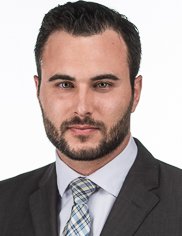 Boukovalas Stefanos合作论文数5
 Wendy Woodward合作论文数Woodward Lab, Department of Radiation Oncology, University of Texas MD Anderson Cancer Center5
 Barbara A. Pockaj合作论文数Division of Surgical Oncology and Endocrine Surgery, Department of Surgery, Mayo Clinic;Section of Oncologic Surgery, Division of General Surgery, Department of Surgery, Mayo Clinic5
 Elizabeth Ann Mittendorf合作论文数Brigham and Women's Hospital;Dana-Farber Cancer Institute;Harvard Medical School5
 Jennifer B Hamill合作论文数5
 Edwin G Wilkins合作论文数5
 Rosa F. Hwang合作论文数Department of Breast Surgical Oncology, Division of Surgery, The University of Texas M.D. Anderson Cancer Center5
 Roman Skoracki合作论文数Department of Plastic Surgery, University of Texas5Alexander T. Nguyen合作论文数4
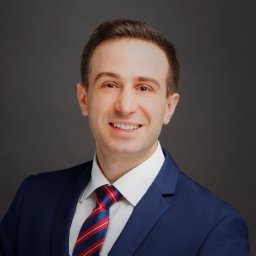 Malke Asaad合作论文数Department of Plastic Surgery, University of Pittsburgh Medical Center4
 Hyungjin Myra Kim合作论文数Center for Statistical Consultation and Research, University of Michigan;School of Public Health, University of Michigan;Institute for Healthcare Policy and Innovation, University of Michigan4
 Edward W Buchel合作论文数4
 Laurence D. Rhines合作论文数Division of Surgery, The University of Texas MD Anderson Cancer Center;Department of Neurosurgery, The University of Texas MD Anderson Cancer Center4
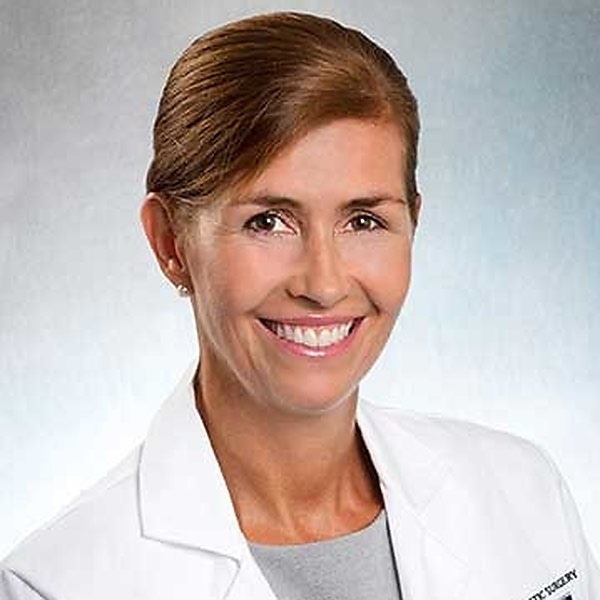 Andrea Louise Pusic合作论文数Division of Plastic and Reconstructive Surgery, Brigham and Women's Hospital, Harvard Medical School;Patient-Reported Outcomes, Value & Experience Center, Brigham and Women's Hospital, Harvard Medical School4
 Abbas Hassan合作论文数Indiana University School of Medicine4
 Justin M Sacks合作论文数Department of Surgery and Division of Plastic and Reconstructive Surgery, Pittsburgh, PA, United States4John E. Madewell合作论文数4Scott Oates合作论文数3Winnie Tong合作论文数3




