Bridge recombinases are naturally occurring RNA-guided DNA recombinases that we previously demonstrated can programmably insert, excise, and invert DNA in vitro and in Escherichia coli. In this study, we report the discovery and engineering of the bridge recombinase ortholog ISCro4 for universal rearrangements of the human genome. We defined strategies for the optimal application of bridge systems, leveraging mechanistic insights to improve their targeting specificity. Through rational engineering of the ISCro4 bridge RNA and deep mutational scanning of its recombinase, we achieved up to 20% insertion efficiency into the human genome and genome-wide specificity as high as 82%. We further demonstrated intrachromosomal inversion and excision, mobilizing up to 0.93 megabases of DNA. Lastly, we provided proof of concept for plasmid-based excision of disease-relevant gene regulatory regions or repeat expansions.
Genomic foundation models have the potential to decode DNA syntax, yet face a fundamental tradeoff in their input representation. Standard fixed-vocabulary tokenizers fragment biologically meaningful motifs such as codons and regulatory elements, while nucleotide-level models preserve biological coherence but incur prohibitive computational costs for long contexts. We introduce dnaHNet, a state-of-the-art tokenizer-free autoregressive model that segments and models genomic sequences end-to-end. Using a differentiable dynamic chunking mechanism, dnaHNet compresses raw nucleotides into latent tokens adaptively, balancing compression with predictive accuracy. Pretrained on prokaryotic genomes, dnaHNet outperforms leading architectures including StripedHyena2 in scaling and efficiency. This recursive chunking yields quadratic FLOP reductions, enabling >3 × inference speedup over Transformers. On zero-shot tasks, dnaHNet achieves superior performance in predicting protein variant fitness and gene essentiality, while automatically discovering hierarchical biological structures without supervision. These results establish dnaHNet as a scalable, interpretable framework for next-generation genomic modeling.
Epigenetic regulation involves the coordinated interplay of diverse proteins. To systematically explore these combinations, we present COMBINE (combinatorial interaction exploration), a high-throughput platform that tests over 50,000 pairs of epigenetic effector domains up to 2,094 amino acids in length for their ability to modulate endogenous human gene transcription. COMBINE reveals diverse synergistic interactions between epigenetic protein domains, including a potent KRAB-L3MBTL3 fusion that increases the effective targeting window, enhances gene silencing in dose-limited conditions, and enables robust dual-directional CRISPR perturbation. Inducible screening shows DNA methylation modifiers are essential for epigenetic memory, with distinct combinations driving long-term repression and activation. This systematic analysis of pairwise domain interactions advances our understanding of epigenetic crosstalks and the development of next-generation epigenome editing tools. More broadly, COMBINE offers a generalizable platform to functionally characterize combinatorial biological processes at scale.
All of life encodes information with DNA. Although tools for genome sequencing, synthesis and editing have transformed biological research, we still lack sufficient understanding of the immense complexity encoded by genomes to predict the effects of many classes of genomic changes or to intelligently compose new biological systems. Artificial intelligence models that learn information from genomic sequences across diverse organisms have increasingly advanced prediction and design capabilities1,2. Here we introduce Evo 2, a biological foundation model trained on 9 trillion DNA base pairs from a highly curated genomic atlas spanning all domains of life to have a 1 million token context window with single-nucleotide resolution. Evo 2 learns to accurately predict the functional impacts of genetic variation-from noncoding pathogenic mutations to clinically significant BRCA1 variants-without task-specific fine-tuning. Mechanistic interpretability analyses reveal that Evo 2 learns representations associated with biological features, including exon-intron boundaries, transcription factor binding sites, protein structural elements and prophage genomic regions. The generative abilities of Evo 2 produce mitochondrial, prokaryotic and eukaryotic sequences at genome scale with greater naturalness and coherence than previous methods. Evo 2 also generates experimentally validated chromatin accessibility patterns when guided by predictive models3,4 and inference-time search. We have made Evo 2 fully open, including model parameters, training code5, inference code and the OpenGenome2 dataset, to accelerate the exploration and design of biological complexity.
We introduce convolutional multi-hybrid architectures, with a design grounded on two simple observations. First, operators in hybrid models can be tailored to token manipulation tasks such as in-context recall, multi-token recall, and compression, with input-dependent convolutions and attention offering complementary performance. Second, co-designing convolution operators and hardware-aware algorithms enables efficiency gains in regimes where previous alternative architectures struggle to surpass Transformers. At the 40 billion parameter scale, we train end-to-end 1.2 to 2.9 times faster than optimized Transformers, and 1.1 to 1.4 times faster than previous generation hybrids. On H100 GPUs and model width 4096, individual operators in the proposed multi-hybrid StripedHyena 2 architecture achieve two-fold throughput improvement over linear attention and state-space models. Multi-hybrids excel at sequence modeling over byte-tokenized data, as demonstrated by the Evo 2 line of models. We discuss the foundations that enable these results, including architecture design, overlap-add blocked kernels for tensor cores, and dedicated all-to-all and point-to-point context parallelism strategies.
All of life encodes information with DNA. While tools for sequencing, synthesis, and editing of genomic code have transformed biological research, intelligently composing new biological systems would also require a deep understanding of the immense complexity encoded by genomes. We introduce Evo 2, a biological foundation model trained on 9.3 trillion DNA base pairs from a highly curated genomic atlas spanning all domains of life. We train Evo 2 with 7B and 40B parameters to have an unprecedented 1 million token context window with single-nucleotide resolution. Evo 2 learns from DNA sequence alone to accurately predict the functional impacts of genetic variation--from noncoding pathogenic mutations to clinically significant BRCA1 variants--without task-specific finetuning. Applying mechanistic interpretability analyses, we reveal that Evo 2 autonomously learns a breadth of biological features, including exon-intron boundaries, transcription factor binding sites, protein structural elements, and prophage genomic regions. Beyond its predictive capabilities, Evo 2 generates mitochondrial, prokaryotic, and eukaryotic sequences at genome scale with greater naturalness and coherence than previous methods. Guiding Evo 2 via inference-time search enables controllable generation of epigenomic structure, for which we demonstrate the first inference-time scaling results in biology. We make Evo 2 fully open, including model parameters, training code, inference code, and the OpenGenome2 dataset, to accelerate the exploration and design of biological complexity. ### Competing Interest Statement M.G.D. acknowledges outside interest in Stylus Medicine. M.P. is an employee of Liquid AI. C.R. acknowledges outside interest in Factory and Google Ventures. D.P.B. acknowledges outside interest as a Google Advisor. H.G. acknowledges outside interest as a co-founder of Exai Bio, Vevo Therapeutics, and Therna Therapeutics, serves on the board of directors at Exai Bio, and is a scientific advisory board member for Verge Genomics and Deep Forest Biosciences. P.D.H. acknowledges outside interest as a co-founder of Terrain Biosciences, Stylus Medicine, and Spotlight Therapeutics, serves on the board of directors at Stylus Medicine, is a board observer at EvolutionaryScale and Terrain Biosciences, a scientific advisory board member at Arbor Biosciences and Veda Bio, and an advisor to NFDG, Varda Space, and Vial Health. B.L.H. acknowledges outside interest in Prox Biosciences as a scientific co-founder. All other authors declare no competing interests.
Cellular responses to perturbations are a cornerstone for understanding biological mechanisms and selecting drug targets. While machine learning models offer tremendous potential for predicting perturbation effects, they currently struggle to generalize to unobserved cellular contexts. Here, we introduce State, a transformer model that predicts perturbation effects while accounting for cellular heterogeneity within and across experiments. State predicts perturbation effects across sets of cells and is trained using gene expression data from over 100 million perturbed cells. State improved discrimination of effects on large datasets by more than 30% and identified differentially expressed genes across genetic, signaling and chemical perturbations with significantly improved accuracy. Using its cell embedding trained on observational data from 167 million cells, State identified strong perturbations in novel cellular contexts where no perturbations were observed during training. We further introduce Cell-Eval, a comprehensive evaluation framework that highlights State’s ability to detect cell type-specific perturbation responses, such as cell survival. Overall, the performance and flexibility of State sets the stage for scaling the development of virtual cell models. ### Competing Interest Statement A.K.A., Y.H.R., H.G. and D.P.B. are inventors on a patent filed by Arc Institute relevant to \textsc{State}. D.G. acknowledges outside interest as part of the founding team of the Autoscience Institute. D.P.B. acknowledges outside interest as a Google Advisor. H.G. acknowledges outside interest as a co-founder of Exai Bio, Tahoe Therapeutics, and Therna Therapeutics, serves on the board of directors at Exai Bio, and is a scientific advisory board member for Verge Genomics and Deep Forest Biosciences. L.A.G. is a co-founder of nChroma Bio and a Scientific Advisory Board member of Myllia Biotechnology. P.D.H. acknowledges outside interest as a co-founder of Monet AI, Terrain Biosciences, and Stylus Medicine, serves on the board of directors at Stylus Medicine, is a board observer at EvolutionaryScale and Terrain Biosciences, a scientific advisory board member at Arbor Biosciences and Veda Bio, and an advisor to NFDG, Varda Space, and Vial Health.
Machado-Joseph disease (MJD) is an autosomal dominantly-inherited neurodegenerative disorder, caused by an over-repetition of the polyglutamine-codifying region in the ATXN3 gene. Strategies based on the suppression of the deleterious gene products have demonstrated promising results in pre-clinical studies. Nonetheless, these strategies do not target the root cause of the disease. In order to prevent the downstream toxic pathways, our goal was to develop gene editing-based strategies to permanently inactivate the human ATXN3 gene. TALENs and CRISPR-Cas9 systems were designed to target exon 2 of this gene and functional characterization was performed in a human cell line. After the demonstration of TALEN and CRISPR-Cas9 efficiency on gene disruption, a sequence of each system was selected for further in vivo experiments. Although both TALENs and CRISPR-Cas9 systems led to a drastic reduction of ATXN3 aggregates in the striatum of a lentiviral-based mouse model of MJD/SCA3, only CRISPR-Cas9 system allowed the improvement of key neuropathological markers of the disease. Importantly, the administration of the engineered system in YAC-MJD84.2/84.2 mice mediated a delay in disease progression, when compared with non-treated littermates. These data provide the first in vivo evidence of the efficacy of a CRISPR-Cas9-based approach to permanently inactivate the ATXN3 gene in the brain of two mouse models of the disease, supporting its potential as a new therapeutic avenue in the context of MJD/SCA3. ### Competing Interest Statement N.E.S. is an adviser to Qiagen and a cofounder and adviser of TruEdit Bio and OverT Bio. P.D.H. acknowledges outside interest in Terrain Biosciences, Stylus Medicine, Spotlight Therapeutics, Arbor Biosciences, Varda Space, Vial Health, and Veda Bio, where he holds various roles including as co-founder, director, scientific advisory board member, or consultant.
Virtual cells are an emerging frontier at the intersection of artificial intelligence and biology. A key goal of these cell state models is predicting cellular responses to perturbations. The Virtual Cell Challenge is being established to catalyze progress toward this goal. This recurring and open benchmark competition from the Arc Institute will provide an evaluation framework, purpose-built datasets, and a venue for accelerating model development.
More than 3 billion years of evolution have produced an image of biology encoded into the space of natural proteins. Here, we show that language models trained at scale on evolutionary data can generate functional proteins that are far away from known proteins. We present ESM3, a frontier multimodal generative language model that reasons over the sequence, structure, and function of proteins. ESM3 can follow complex prompts combining its modalities and is highly responsive to alignment to improve its fidelity. We have prompted ESM3 to generate fluorescent proteins. Among the generations that we synthesized, we found a bright fluorescent protein at a far distance (58% sequence identity) from known fluorescent proteins, which we estimate is equivalent to simulating 500 million years of evolution.
The genome is a sequence that encodes the DNA, RNA, and proteins that orchestrate an organism's function. We present Evo, a long-context genomic foundation model with a frontier architecture trained on millions of prokaryotic and phage genomes, and report scaling laws on DNA to complement observations in language and vision. Evo generalizes across DNA, RNA, and proteins, enabling zero-shot function prediction competitive with domain-specific language models and the generation of functional CRISPR-Cas and transposon systems, representing the first examples of protein-RNA and protein-DNA codesign with a language model. Evo also learns how small mutations affect whole-organism fitness and generates megabase-scale sequences with plausible genomic architecture. These prediction and generation capabilities span molecular to genomic scales of complexity, advancing our understanding and control of biology.
The ability to deliver genetic cargo to human cells is enabling rapid progress in molecular medicine, but designing this cargo for precise expression in specific cell types is a major challenge. Expression is driven by regulatory DNA sequences within short synthetic promoters, but relatively few of these promoters are cell-type-specific. The ability to design cell-type-specific promoters using model-based optimization would be impactful for research and therapeutic applications. However, models of expression from short synthetic promoters (promoter-driven expression) are lacking for most cell types due to insufficient training data in those cell types. Although there are many large datasets of both endogenous expression and promoter-driven expression in other cell types, which provide information that could be used for transfer learning, transfer strategies remain largely unexplored for predicting promoter-driven expression. Here, we propose a variety of pretraining tasks, transfer strategies, and model architectures for modelling promoter-driven expression. To thoroughly evaluate various methods, we propose two benchmarks that reflect data-constrained and large dataset settings. In the data-constrained setting, we find that pretraining followed by transfer learning is highly effective, improving performance by 24 − 27%. In the large dataset setting, transfer learning leads to more modest gains, improving performance by up to 2%. We also propose the best architecture to model promoter-driven expression when training from scratch. The methods we identify are broadly applicable for modelling promoter-driven expression in understudied cell types, and our findings will guide the choice of models that are best suited to designing promoters for gene delivery applications using model-based optimization. Our code and data are available at https://github.com/anikethjr/promoter_models .
Technologies for precisely inserting large DNA sequences into the genome are critical for diverse research and therapeutic applications. Large serine recombinases (LSRs) can mediate direct, site-specific genomic integration of multi-kilobase DNA sequences without a pre-installed landing pad, but current approaches suffer from low insertion rates and high off-target activity. Here, we present a comprehensive engineering roadmap for the joint optimization of DNA recombination efficiency and specificity. We combined directed evolution, structural analysis, and computational models to rapidly identify additive mutational combinations. We further enhanced performance through donor DNA optimization and dCas9 fusions, enabling simultaneous target and donor recruitment. Top engineered LSR variants achieved up to 53% integration efficiency and 97% genome-wide specificity at an endogenous human locus, and effectively integrated large DNA cargoes (up to 12 kb tested) for stable expression in challenging cell types, including non-dividing cells, human embryonic stem cells, and primary human T cells. This blueprint for rational engineering of DNA recombinases enables precise genome engineering without the generation of double-stranded breaks. ### Competing Interest Statement P.D.H. acknowledges outside interest in Stylus Medicine, Spotlight Therapeutics, Circle Labs, Arbor Biosciences, Varda Space, Vial Health, and Veda Bio, where he holds various roles including as co-founder, director, scientific advisory board member, or consultant. A.F. and M.G.D. acknowledge outside interest in Stylus Medicine. A.F., L.J.B., M.G.D. and P.D.H. are inventors on patents relating to this work. A.M. is a cofounder of Site Tx, Arsenal Biosciences, Spotlight Therapeutics and Survey Genomics, serves on the boards of directors at Site Tx, Spotlight Therapeutics and Survey Genomics, is a member of the scientific advisory boards of Site Tx, Arsenal Biosciences, Cellanome, Spotlight Therapeutics, Survey Genomics, NewLimit, Amgen, and Tenaya, owns stock in Arsenal Biosciences, Site Tx, Cellanome, Spotlight Therapeutics, NewLimit, Survey Genomics, Tenaya and Lightcast and has received fees from Site Tx, Arsenal Biosciences, Cellanome, Spotlight Therapeutics, NewLimit, Gilead, Pfizer, 23andMe, PACT Pharma, Juno Therapeutics, Tenaya, Lightcast, Trizell, Vertex, Merck, Amgen, Genentech, GLG, ClearView Healthcare, AlphaSights, Rupert Case Management, Bernstein and ALDA. A.M. is an investor in and informal advisor to Offline Ventures and a client of EPIQ. The Marson laboratory has received research support from the Parker Institute for Cancer Immunotherapy, the Emerson Collective, Arc Institute, Juno Therapeutics, Epinomics, Sanofi, GlaxoSmithKline, Gilead and Anthem and reagents from Genscript and Illumina.
Cells are essential to understanding health and disease, yet traditional models fall short of modeling and simulating their function and behavior. Advances in AI and omics offer groundbreaking opportunities to create an AI virtual cell (AIVC), a multi-scale, multi-modal large-neural-network-based model that can represent and simulate the behavior of molecules, cells, and tissues across diverse states. This Perspective provides a vision on their design and how collaborative efforts to build AIVCs will transform biological research by allowing high-fidelity simulations, accelerating discoveries, and guiding experimental studies, offering new opportunities for understanding cellular functions and fostering interdisciplinary collaborations in open science.
ABSTRACT Splicing bridges the gap between static DNA sequence and the diverse and dynamic set of protein products that execute a gene’s biological functions. While exon skipping technologies enable influence over splice site selection, many desired perturbations to the transcriptome require replacement or addition of exogenous exons to target mRNAs: for example, to replace disease-causing exons, repair truncated proteins, or engineer protein fusions. Here, we report the development of R NA-guid e d trans - spli cing with C as e ditor (RESPLICE), inspired by the rare, natural process of trans-splicing that joins exons from two distinct primary transcripts. RESPLICE uses two orthogonal RNA-targeting CRISPR effectors to co-localize a trans-splicing pre-mRNA and to inhibit the cis-splicing reaction, respectively. We demonstrate efficient, specific, and programmable trans-splicing of multi-kilobase RNA cargo into nine endogenous transcripts across two human cell types, achieving up to 45% trans-splicing efficiency in bulk, or 90% when sorting for high effector expression. Our results present RESPLICE as a new mode of RNA editing for fine-tuned and transient control of cellular programs without permanent alterations to the genetic code.
Gene therapies have the potential to treat disease by delivering therapeutic genetic cargo to disease-associated cells. One limitation to their widespread use is the lack of short regulatory sequences, or promoters, that differentially induce the expression of delivered genetic cargo in target cells, minimizing side effects in other cell types. Such cell-type-specific promoters are difficult to discover using existing methods, requiring either manual curation or access to large datasets of promoter-driven expression from both targeted and untargeted cells. Model-based optimization (MBO) has emerged as an effective method to design biological sequences in an automated manner, and has recently been used in promoter design methods. However, these methods have only been tested using large training datasets that are expensive to collect, and focus on designing promoters for markedly different cell types, overlooking the complexities associated with designing promoters for closely related cell types that share similar regulatory features. Therefore, we introduce a comprehensive framework for utilizing MBO to design promoters in a data-efficient manner, with an emphasis on discovering promoters for similar cell types. We use conservative objective models (COMs) for MBO and highlight practical considerations such as best practices for improving sequence diversity, getting estimates of model uncertainty, and choosing the optimal set of sequences for experimental validation. Using three relatively similar blood cancer cell lines (Jurkat, K562, and THP1), we show that our approach discovers many novel cell-type-specific promoters after experimentally validating the designed sequences. For K562 cells, in particular, we discover a promoter that has 75.85% higher cell-type-specificity than the best promoter from the initial dataset used to train our models.
Artificial Intelligence models encoding biology and chemistry are opening new routes to high-throughput and high-quality in-silico drug development. However, their training increasingly relies on computational scale, with recent protein language models (pLM) training on hundreds of graphical processing units (GPUs). We introduce the BioNeMo Framework to facilitate the training of computational biology and chemistry AI models across hundreds of GPUs. Its modular design allows the integration of individual components, such as data loaders, into existing workflows and is open to community contributions. We detail technical features of the BioNeMo Framework through use cases such as pLM pre-training and fine-tuning. On 256 NVIDIA A100s, BioNeMo Framework trains a three billion parameter BERT-based pLM on over one trillion tokens in 4.2 days. The BioNeMo Framework is open-source and free for everyone to use.
The genome is a sequence that completely encodes the DNA, RNA, and proteins that orchestrate the function of a whole organism. Advances in machine learning combined with massive datasets of whole genomes could enable a biological foundation model that accelerates the mechanistic understanding and generative design of complex molecular interactions. We report Evo, a genomic foundation model that enables prediction and generation tasks from the molecular to genome scale. Using an architecture based on advances in deep signal processing, we scale Evo to 7 billion parameters with a context length of 131 kilobases (kb) at single-nucleotide, byte resolution. Trained on whole prokaryotic genomes, Evo can generalize across the three fundamental modalities of the central dogma of molecular biology to perform zero-shot function prediction that is competitive with, or outperforms, leading domain-specific language models. Evo also excels at multi-element generation tasks, which we demonstrate by generating synthetic CRISPR-Cas molecular complexes and entire transposable systems for the first time. Using information learned over whole genomes, Evo can also predict gene essentiality at nucleotide resolution and can generate coding-rich sequences up to 650 kb in length, orders of magnitude longer than previous methods. Advances in multi-modal and multi-scale learning with Evo provides a promising path toward improving our understanding and control of biology across multiple levels of complexity.
Insertion sequence (IS) elements are the simplest autonomous transposable elements found in prokaryotic genomes1. We recently discovered that IS110 family elements encode a recombinase and a non-coding bridge RNA (bRNA) that confers modular specificity for target DNA and donor DNA through two programmable loops2. Here we report the cryo-electron microscopy structures of the IS110 recombinase in complex with its bRNA, target DNA and donor DNA in three different stages of the recombination reaction cycle. The IS110 synaptic complex comprises two recombinase dimers, one of which houses the target-binding loop of the bRNA and binds to target DNA, whereas the other coordinates the bRNA donor-binding loop and donor DNA. We uncovered the formation of a composite RuvC-Tnp active site that spans the two dimers, positioning the catalytic serine residues adjacent to the recombination sites in both target and donor DNA. A comparison of the three structures revealed that (1) the top strands of target and donor DNA are cleaved at the composite active sites to form covalent 5'-phosphoserine intermediates, (2) the cleaved DNA strands are exchanged and religated to create a Holliday junction intermediate, and (3) this intermediate is subsequently resolved by cleavage of the bottom strands. Overall, this study reveals the mechanism by which a bispecific RNA confers target and donor DNA specificity to IS110 recombinases for programmable DNA recombination.
 Silvana Maria Konermann合作论文数Department of Biochemistry, School of Medicine, Stanford University;Howard Hughes Medical Institute;Arc Institute27
 Feng Zhang (张锋)合作论文数McGovern Institute for Brain Research, Massachusetts Institute of Technology;Departments of Brain and Cognitive Sciences, Massachusetts Institute of Technology;Departments of Biological Engineering, Massachusetts Institute of Technology;Broad Institute, Massachusetts Institute of Technology;Howard Hughes Medical Institute21
 F. Ran合作论文数13
 Matthew Durrant合作论文数9
 Jonathan Gootenberg合作论文数Department of Stem Cell and Regenerative Biology, Harvard Medical School Blavatnik Institute;Beth Israel Deaconess Medical Center;Department of Genetics, Brigham and Women’s Hospital8
 Peter Lotfy合作论文数Lab Mol & Cell Biol, Salk Inst Biol Studies7
 Hiroshi Nishimasu (西増弘志)合作论文数Research Center for Advanced Science and Technology, The University of Tokyo;Department of Chemistry & Biotechnology, School of Engineering, The University of Tokyo7Alison Fanton合作论文数6L. Chen合作论文数6
 David Scott合作论文数Centre for Lymphoid Cancer, British Columbia Cancer6
 Adam M Sonabend Worthalter合作论文数Department of Neurological Surgery, Feinberg School of Medicine, Northwestern University6
 Trevino Alexandro E合作论文数Broad Institute of MIT and Harvard, Massachusetts Institute of Technology6
 Pawluk April合作论文数Dept Biochem, Univ Toronto6Sita S Chandrasekaran合作论文数5
 Daniel Yang Zhang合作论文数5
 Eric Nguyen合作论文数BioEngineering Department, Stanford University;Hazy Research Lab, Stanford University5
 Jan Winter合作论文数5
 Atique Ahmed合作论文数Feinberg School of Medicine, Northwestern University5
 Omar Abudayyeh合作论文数Harvard Medical School, Harvard University;Brigham and Women's Hospital5
 Le Cong (丛乐)合作论文数Department of Pathology, School of Medicine, Stanford University5
 Josh Tycko合作论文数5
 Scott Benjamin Biering合作论文数Paul G. Allen School for Global Animal Health, Washington State University5
 Michael Poli (宁致远)合作论文数The Stanford Artificial Intelligence Laboratory;Center for Research on Foundation Models, Stanford University;Liquid AI;Together AI;DiffeqML5
 Xuebing Wu (吴学兵)合作论文数Department of Astronomy, School of Physics, Peking University5
 Stefano Ermon合作论文数Department of Computer Science, Stanford University;Woods Institute for the Environment, Stanford University;Inception5
 Christopher Ré合作论文数Department of Computer Science, School of Engineering, Stanford University;Stanford Artificial Intelligence Laboratory, Stanford University5Shreeya Agrawal合作论文数4Roger McIntosh合作论文数4Kim, Shin合作论文数4Arturo M Escajeda合作论文数4María Díaz de León Derby合作论文数4
 Abdul Bhuiya合作论文数University of California, Berkeley-University of California4
 Dylan C J Smock合作论文数Innovat Genom Inst, Univ Calif Berkeley4
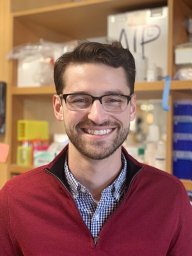 Nicholas Perry合作论文数Department of Bioengineering and Therapeutic Sciences, University of California4Eli Dugan合作论文数4Maxim Armstrong合作论文数4
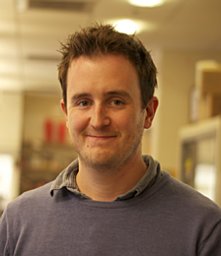 Andrew R Harris合作论文数Department of Mechanical and Aerospace Engineering, Carleton University4
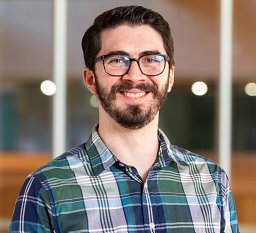 Gavin J. Knott合作论文数Univ Western Australia, Sch Chem & Biochem, Crawley, WA 6009, Australia4
 Brian Hie合作论文数Massachusetts Institute of Technology4
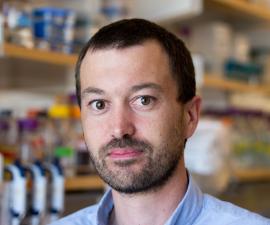 David Savage合作论文数Department of Molecular & Cell Biology, College of Letters & Science, University of California, Berkeley;Howard Hughes Medical Institute4
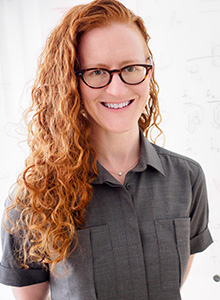 Liana Lareau合作论文数Department of Bioengineering, University of California, Berkeley4
 Osamu Nureki (濡木理)合作论文数Department of Biophysics and Biochemistry, Graduate School of Science, The University of Tokyo;Department of Biological Sciences, Graduate School of Science, The University of Tokyo4
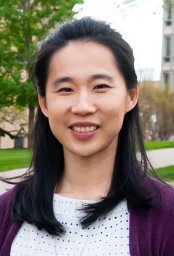 Tina Y. Liu合作论文数Howard Hughes Medical Institute and Department of Cell Biology, Harvard Medical School;Howard Hughes Medical Institute and Department of Cell Biology, Harvard Medical School4
 Balázs Győrffy合作论文数Department of Bioinformatics, Semmelweis University;King Saud University4
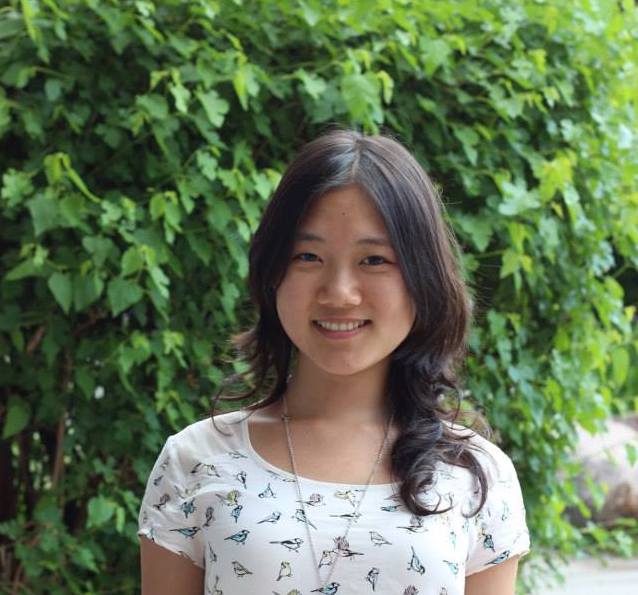 Amy Lu合作论文数Computer Science, University of Toronto Vector Institute4
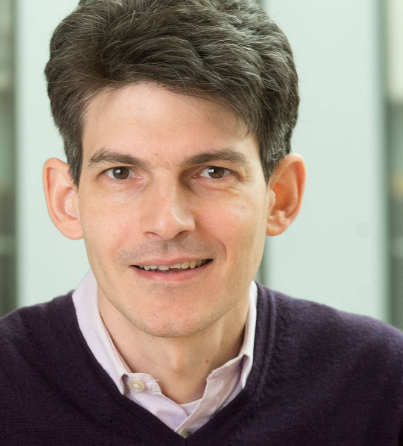 Luciano Marraffini合作论文数Laboratory of Bacteriology, The Rockefeller University;Howard Hughes Medical Institute4Tan Ming合作论文数4
 Prywes Noam合作论文数4
 Jennifer A. Doudna合作论文数Department of Chemistry, College of Chemistry, University of California, Berkeley;Department of Molecular and Cell Biology, College of Letters & Science, University of California, Berkeley;Innovative Genomics Institute, University of California, Berkeley4




