BACKGROUND:Various gait kinematic adaptations have been reported for patients with an anterior cruciate ligament deficient (ACLD) knee. However, to our knowledge, no study has compared their kinematics to their sex-matched controls for the entire gait cycle. Therefore, this retrospective study aims to identify differences in gait kinematics between ACLD patients and sex-matched controls. METHODS:Two databases were merged in this study, comparing knee gait kinematics of 44 injured males (ACLD-M) and 27 injured females (ACLD-F) with 32 healthy males (Control-M) and 37 healthy females (Control-F), respectively. Participants walked on a treadmill at a comfortable speed, and their movements were captured using the KneeKG® system. RESULTS:The ACLD-M group showed a significantly decreased varus angle at several gait cycle sub-phases (from 17-32%, 57-73% and 86-97%; all p < 0.05) and an increased external tibial rotation from 67-86% of the gait cycle (p < 0.001) compared to the Control-M group. The ACLD-F group exhibited increased knee flexion from 1-53% (p < 0.001) and from 95-100% (p < 0.05) and increased valgus from 1-65% (p < 0.001) and from 94-100% (p < 0.05) of the gait cycle compared to Control-F group. CONCLUSION:Our study reveals sex-specific adaptations following ACL rupture. Women exhibited more gait adaption in the sagittal and frontal planes during the stance phase while men demonstrated adaptations in frontal plane for sub-phases of stance and swing, and external tibial rotation during initial and mid-swing phases. These findings suggest that ACL injury kinematics and rehabilitation after injury should be sex-specific. LEVEL OF EVIDENCE III:
OBJECTIVE:Suboptimal primary health care management of shoulder pain has been reported in previous studies. Implementing clinical practice guidelines (CPGs) recommendations using a theoretical approach is recommended to improve shoulder pain management. This study aims to identify determinants of implementing recommendations from shoulder CPGs to help develop an intervention based on the identified determinants. METHODS:Family physicians and physical therapists managing patients with shoulder pain in primary care were invited to participate in a qualitative study to identify determinants to implementing recommendations from shoulder CPGs. The Theoretical Domains Framework (TDF) was used to inform the creation of the semi-structured interview guide and for deductive coding of transcriptions. The determinants were mapped to intervention functions and behavior change techniques (BCT) using the Behavior Change Wheel method and strategies for implementing CPGs recommendations were identified. RESULTS:Interviews were conducted with 16 family physicians and 19 physical therapists. We identified 12 barriers and 6 facilitators within 7 TDF domains: knowledge, skills, beliefs about capabilities, beliefs about consequences, intentions, environmental context and resources, and social influence. We identified 6 intervention functions and 12 BCT addressing the relevant determinants. The 11 implementation strategies identified include the development and distribution of educational material, interactive educational outreach visits, and audit and feedback. Other components to consider are the identification and preparation of champions in primary care clinical settings, revision of professional roles, and creation of interdisciplinary clinical teams. CONCLUSIONS:The identification of barriers and facilitators to implementing recommendations from shoulder CPGs allowed us to select implementation strategies at individual and organizational levels. IMPACT:The implementation strategies will be adapted to specific primary care contexts in consultation with stakeholders and operationalized into a multicomponent implementation intervention. Implementing the intervention has the potential to improve shoulder pain management in primary care and facilitate the use of evidence-based recommendations from CPGs.
Osteoarthritis (OA) is a prevalent and debilitating joint disease in older adults with a complex etiology. We investigated the role of SUMOylation, a post-translational modification, in OA pathogenesis, focusing on the mitochondrial chaperone Prohibitin (PHB1) and the cartilage homeostasis transcription factor PITX1. We hypothesized that oxidative stress-induced SUMOylation promotes PHB1 nuclear accumulation, leading to PITX1 downregulation and contributing to OA development. Analysis of cartilage specimens from 27 OA patients and 4 healthy controls revealed an increased nuclear accumulation of PHB1 in OA chondrocytes, accompanied by elevated levels of SUMO-1 and SUMO-2/3. Mechanistically, nuclear PHB1 interacted indirectly with SUMO-1 through a SUMO-interacting motif (SIM), and the deletion of this SIM prevented PHB1 nuclear trapping in OA cells. Furthermore, the SUMO-conjugating enzyme E2 (UBC9) encoded by the UBE2I gene was upregulated in knee OA cartilage, and its overexpression in vitro enhanced PHB1 nuclear accumulation. Consistently, transgenic mice overexpressing the Ube2i gene exhibited increased UBC9 in their knee cartilage, resulting in Pitx1 downregulation and the emergence of an early OA-like phenotype in articular chondrocytes. Our findings uncover a novel role for UBC9-mediated SUMOylation in primary knee and hip OA. This pathway enhances PHB1 nuclear accumulation, contributing to PITX1 repression and subsequent OA development. These results underscore the importance of SUMOylation in OA pathogenesis and suggest potential molecular targets for early diagnosis and therapeutic intervention.
OBJECTIVE:To perform a systematic review of clinical practice guidelines (CPGs) covering the management of common shoulder disorders. DATA SOURCES:A systematic search of CPGs on specific shoulder disorders was conducted up to August 2022 in relevant databases. STUDY SELECTION:Twenty-six CPGs on rotator cuff (RC) tendinopathy, RC tear, calcific tendinitis, adhesive capsulitis, glenohumeral (GH) instability, GH osteoarthritis, or acromioclavicular disorders published from January 2008 onward were screened and included. DATA EXTRACTION:CPGs methodological quality was assessed with the AGREE II checklist. All recommendations from CPGs were extracted and categorized by shoulder disorder and care components (evaluation, diagnostic imaging, medical, rehabilitation, and surgical treatments). After semantic analysis of the terminology, recommendations for each shoulder disorders were classified by 2 reviewers into "recommended," "may be recommended," or "not recommended." Disagreements were resolved by discussion until reviewers reached consensus. DATA SYNTHESIS:Only 12 CPGs (46%) were of high quality with major limitations related to the applicability and editorial independence of the guidelines. The initial evaluation of shoulder pain should include patient's history, subjective evaluation focused on red flags, and clinical examination. Magnetic resonance imaging is usually not recommended to manage early shoulder pain, and recommendations for X-rays are conflicting. Acetaminophen, oral non-steroidal anti-inflammatory drugs, and rehabilitation including exercises were recommended or may be recommended to treat all shoulder pain disorders. Guidelines on surgical management recommendations differed; for example, 6 CPGs reported that acromioplasty was recommended or may be recommended in chronic RC tendinopathy, whereas 4 CPGs did not recommend it. CONCLUSIONS:Recommendations vary for diagnostic imaging, conservative vs surgical treatment to manage shoulder pain, although several care components are consensual. The development of evidence-based, rigorous CPGs with a valid methodology and transparent reporting is warranted to improve overall shoulder pain care.
BACKGROUND:Low back pain (LBP) is a common and disabling musculoskeletal disorder. LBP experiences and expectations can vary from one person to another and influence their clinical outcomes. Despite the existence of numerous evidence-based treatment recommendations, LBP management in primary care remains challenging. This study aims to investigate the experiences and expectations of patients with LPB in primary care settings. METHODS:A qualitative study with an inductive thematic analysis was conducted. Semi-structured interviews were performed using individuals who had experienced LBP in the past year and had consulted a family physician (FP) or a physiotherapist (PT). RESULTS:Ten participants with LBP were interviewed (5 women, 5 men, mean age 49 ± 17). Five themes were identified: (1) I am always upset because I can't do anything; (2) I waited to consult; I thought it would go away; (3) I want to see what is going on with my LBP; (4) I want to see the person that will provide the right treatment; (5) I need support to get over it. Participants consulted when their pain was severe and disabling. They expected an imaging test to explain the cause of their LBP and placed more importance on the imaging test results than the FP's or PT's evaluation. Their opinions on care selection and being listened to were important for the participants. CONCLUSION:This study has highlighted the importance of the patient's point of view in their care. This consideration is important to ensure a comprehensive and collaborative approach with evidence-based practice care.
Abstract Background: The management of shoulder pain is challenging for primary care clinicians considering that 40% of affected individuals remain symptomatic one year after initial consultation. Developing tailored knowledge translation interventions founded on evidence-based recommendations while also considering patients’ expectations could improve primary care for shoulder pain. The aim of this qualitative study is to explore patients’ expectations and experiences of their primary care consultation for shoulder pain. Methods: In this qualitative study, participants with shoulder pain and having consulted a primary care physician in the past year were interviewed. All the semi-structured interviews were transcribed into verbatims, and inductive thematic analysis was performed to identify themes related to the participants’ expectations and experiences of primary care consultations for shoulder pain. Results: Thirteen participants with shoulder pain were interviewed (8 women, 5 men; mean age 50 ± 12 years). Eleven of them initially consulted a family or an emergency physician, and two participants initially consulted a physiotherapist. Four overarching themes related to patients’ expectations and experiences were identified from our thematic analysis: 1) I can’t sleep because of my shoulder; 2) I need to know what is happening with my shoulder; 3) But… we need to really see what is going on to help me!; and 4) Please take some time with me so I can understand what to do!. Several participants waited until they experienced a high level of shoulder pain before making an appointment since they were not confident about what their family physician could do to manage their condition. Although some participants felt that their physician took the time to listened to their concerns, many were dissatisfied with the limited assessment and education provided by the clinician. Conclusions: Implementing evidence-based recommendations while also considering patients’ expectations is important as it may improve care delivery and patients’ satisfaction with care. Several participants reported that their expectations were not met, especially when it came to the explanations provided. One unexpected finding that emerged from this study was the delay between the onset of shoulder pain and when patients decided to consult their primary care clinician.
Background The management of shoulder pain is challenging for primary care clinicians considering that 40% of affected individuals remain symptomatic one year after initial consultation. Developing tailored knowledge mobilization interventions founded on evidence-based recommendations while also considering patients’ expectations could improve primary care for shoulder pain. The aim of this qualitative study is to explore patients’ expectations and experiences of their primary care consultation for shoulder pain. Methods In this qualitative study, participants with shoulder pain and having consulted a primary care clinician in the past year were interviewed. All the semi-structured interviews were transcribed verbatim, and inductive thematic analysis was performed to identify themes related to the participants’ expectations and experiences of primary care consultations for shoulder pain. Results Thirteen participants with shoulder pain were interviewed (8 women, 5 men; mean age 50 ± 12 years). Eleven of them initially consulted a family physician or an emergency physician, and two participants initially consulted a physiotherapist. Four overarching themes related to patients’ expectations and experiences were identified from our thematic analysis: 1) I can’t sleep because of my shoulder ; 2) I need to know what is happening with my shoulder ; 3) But… we need to really see what is going on to help me! ; and 4) Please take some time with me so I can understand what to d o ! . Several participants waited until they experienced a high level of shoulder pain before making an appointment since they were not confident about what their family physician could do to manage their condition. Although some participants felt that their physician took the time to listen to their concerns, many were dissatisfied with the limited assessment and education provided by the clinician. Conclusions Implementing evidence-based recommendations while considering patients’ expectations is important as it may improve patients’ satisfaction with healthcare. Several participants reported that their expectations were not met, especially when it came to the explanations provided. One unexpected finding that emerged from this study was the waiting period between the onset of shoulder pain and when patients decided to consult their primary care clinician.
Context: Suboptimal primary care management of shoulder pain has been reported in several studies. Identifying barriers and facilitators to using recommendations from clinical practice guidelines (CPGs) is needed to ensure that knowledge translation interventions are tailored and promote better shoulder pain management. Objective: 1- To identify determinants (barriers and facilitators) to implementing recommendations from shoulder CPGs. 2- To map these determinants to implementation strategies for developing a multicomponent intervention to improve shoulder pain management in primary care. Study design and Analysis: Using a qualitative study design, we conducted semi-structured interviews that were recorded and transcribed into verbatims. Deductive thematic analysis based on the Theoretical Domains Framework (TDF) was performed. Using the Behaviour Change Wheel (BCW) method, determinants were mapped to Capability – Opportunity- Motivation – Behaviour components, intervention functions and behaviour change techniques (BCT). Based on this information, we identified relevant strategies to implement recommendations from CPGs. Setting: Several primary care settings in Quebec, Canada. Population studied: Family physicians and physiotherapists managing patients with shoulder pain. Intervention/Instrument: We developed a semi-structured interview guide informed by the TDF including questions related to determinants to implementing recommendations from shoulder CPGs. Results: Sixteen family physicians and 19 physiotherapists were interviewed. We identified 17 determinants to implementing shoulder CPGs' recommendations across seven domains of the TDF (knowledge, skills, beliefs about capabilities, beliefs about consequences, intentions, environmental context and resources and social influence). We identified six interventions functions and 12 BCTs based on the determinants and TDF domains. Implementation strategies that were identified included the development and distribution of educational material, interactive workshops, support from clinical champions, audit and feedback, revision of professional roles and creation of interdisciplinary teams. Conclusion: We used a theory-based approach in the initial development of an intervention to implement shoulder CPGs recommendations in primary care. The intervention will be tailored to optimize its clinical implementation. This will likely result in better uptake by clinicians and more efficient shoulder pain management.
BackgroundShoulder pain is difficult to diagnose and treat with half of those affected still symptomatic six months after initial consultation. This may be explained by primary care management not conforming to evidence-based practice. This survey evaluated physiotherapists (PTs) and family physicians' (FPs) knowledge and appropriateness of care in shoulder pain management.MethodsA survey sent to PTs and FPs in the province of Quebec, Canada presented four clinical vignettes with cases of rotator cuff (RC) tendinopathy, acute full-thickness RC tear, adhesive capsulitis and traumatic anterior glenohumeral instability. Respondents indicated diagnosis, indications for imaging, specialists' referrals, and choice of treatments. Answers were compared to recommendations from clinical practice guidelines (CPGs). Participants' responses were compared between types of providers with Fisher's exact test.ResultsRespondents (PTs = 175, FPs = 76) were mostly women with less than ten years of experience. More than 80% of PTs and 84% of FPs correctly diagnosed cases presented. Despite this practice not being recommended, more FPs than PTs recommended an imaging test in the initial management of RC tendinopathy (30% compared to 13%, p = 0.001) and adhesive capsulitis (51% compared to 22%, p = 0.02). For full-thickness RC tear and shoulder instability, up to 72% of FPs and 67% of PTs did not refer to a specialist for a surgical opinion, although recommended by CPGs. For RC tendinopathy, 26% of FPs and 2% of PTs (p < 0.001) would have prescribed a corticosteroid infiltration, which is not recommended in the initial management of this disorder. For adhesive capsulitis, significantly more FPs (76%) than PTs (62%) (p < 0.001) suggested an intra-articular corticosteroid infiltration, as recommended by CPGs. For all presented vignettes, up to 95% of family physicians adequately indicated they would refer patients for physiotherapy. In prioritizing rehabilitation interventions, up to 42% of PTs did not consider active exercises as a priority and up to 65% selected passive modalities that are not recommended for all shoulder pain vignettes.ConclusionsMost FPs and PTs were able to make adequate diagnoses and select appropriate treatments for shoulder pain, but practices opposed to evidence-based recommendations were chosen by several respondents. Further training of FPs and PTs may be needed to optimize primary care management of different shoulder disorders.
Context: Shoulder pain management is challenging for primary care clinicians considering that 40% of affected individuals remain symptomatic one year after initial consultation. Developing tailored knowledge translation interventions founded on evidence-based recommendations while also considering patients' expectations could improve primary care management of adults living with shoulder pain. Objective: The aim of this qualitative study is to explore patients' expectations and experiences of their primary care management for shoulder pain. Study design and Analysis: Using a qualitative study design, we conducted virtual individual interviews. Interviews were recorded, transcribed into verbatims, and an inductive thematic analysis was performed. Setting: Various primary care settings in the Province of Quebec, Canada. Population studied: Adults who consulted a primary care clinician (physician or physiotherapist) in the past year for shoulder pain. Instrument: A semi-structured interview guide included questions related to patients' history of shoulder pain and related disability, motivation to consult, expectations about medical management and rehabilitation and experience with care consultations and provider interactions. Outcome measures: Using deductive thematic analysis, emergent themes related to participants' expectations and experiences of primary care consultations for shoulder pain were identified. Results: We interviewed 13 participants. Four overarching themes were identified: 1) I can't sleep because of my shoulder; 2) I need to know what is happening with my shoulder; 3) But& we need to really see what is going on to help me!; and 4) Please take some time with me so I can understand what to do!. More specifically, several participants reported waiting until they experienced high levels of pain before consulting since they had low expectations about the ability of their family physician to help them. Although some participants felt that their physician took the time to listen to their concerns, many were dissatisfied with the initial evaluation of their condition, or the explanation or education provided. Conclusions: One unexpected finding that emerged from this study was the delay between the onset of shoulder pain and when patients decided to consult their primary care clinician. Several participants reported that their expectations were not met, especially when it came to explanations or education provided.
OBJECTIVES: To present the methods used to develop a clinical practice guideline (CPG) with recommendations endorsed by key stakeholders for assessing, managing, and supporting return to work for adults with rotator cuff disorders. DESIGN: Clinical practice guideline development. METHODS: A steering committee composed of the research team of this project led the development of this CPG in 5 phases, which followed the standards of the NICE and AGREE II collaborations. During the preparation phase (I), a multidisciplinary working committee of experts in managing rotator cuff disorders (n = 20) determined the scope and objectives of the CPG. The recommendations development phase (II) included initial knowledge synthesis, development of preliminary recommendations, systematic consultations with a multidisciplinary panel of key stakeholders (n = 51) using a modified three-round Delphi approach and drafting of the original CPG. In the external evaluation phase (III), an external committee of experts evaluated the original CPG using the AGREE II tool. In the dissemination phase (IV), the strategy for disseminating the CPG was developed and implemented. During the update phase (V), the CPG was revised based on an update of the initial knowledge synthesis. RESULTS: Seventy-three preliminary recommendations were developed from the initial knowledge synthesis. During the Delphi consultation, all of these recommendations were endorsed, and one new recommendation was proposed by panelists. The original CPG received an overall AGREE II score of 83% from the external evaluators. In 2021, an update of the initial 2017 knowledge synthesis was conducted and 13 recommendations were revised. CONCLUSION: The 5-phase consensus methods approach guided the development of a high-quality CPG on assessing, managing, and supporting return to work for adults with rotator cuff disorders. J Orthop Sports Phys Ther 2022;52(10):665-674. Epub: 27 July 2022. doi:10.2519/jospt.2022.11307.
Objectives To perform a systematic review of clinical practice guidelines (CPGs) and semantic analysis of specific clinical recommendations for the management of rotator cuff disorders in adults. Data Sources A systematic bibliographic search was conducted up until May 2018 in Medline, Embase, and Physiotherapy Evidence Database, or PEDro, databases, in addition to 12 clinical guidelines search engines listed on the Appraisal of Guidelines for Research and Evaluation (AGREE) website. Study Selection Nine CPGs on the management of rotator cuff disorders in adults or workers, available in English or French, and published from January 2008 onward, were included and screened by 2 independent reviewers. Data Extraction CPG methodology was assessed with the AGREE II checklist. A semantic analysis was performed to compare the strength of similar recommendations based on their formulation. The recommendations were categorized in a standardized manner considering the following 4 levels: "essential," "recommended," "may be recommended," and "not recommended." Data Synthesis Methodological quality was considered high for 3 CPGs and low for 6. All CPGs recommended active treatment modalities, such as an exercise program in the management of rotator cuff disorders. Acetaminophen or nonsteroidal anti-inflammatory drug prescriptions and corticosteroid injections were presented as modalities that may be recommended to decrease pain. Recommendations related to medical imagery and surgical opinion varied among the guidelines. The most commonly recommended return-to-work strategies included intervening early, use of a multidisciplinary approach, and adaptation of work organization. Conclusions Only 3 CPGs were of high quality. The development of more rigorous CPGs is warranted.
Background: Advanced practice physiotherapy has emerged as a promising solution to improve health care access because access to orthopedic care is limited in several countries. However, evidence supporting advanced practice physiotherapy models for the management of shoulder pain remains scarce. The purpose of this study was to establish diagnostic, surgical triage, and medical imaging agreement between advanced practice physiotherapists (APPs) and orthopedic surgeons (OSs) for the management of patients with shoulder disorders in an outpatient orthopedic clinic. Methods: Patients referred to an OS for shoulder complaints were recruited and independently assessed by an OS and an APP. Each provider completed a standardized form indicating diagnosis, imaging test requests, and triage of surgical candidates. Patient satisfaction with care was recorded with the 9-item Visit-Specific Satisfaction Questionnaire (VSQ-9). Inter-rater concordance was calculated with the Cohen k, prevalence-adjusted bias-adjusted k, and associated 95% confidence interval (CI). We used chi(2) tests to compare differences between providers in terms of treatment plan options and Student t tests to compare patient satisfaction between providers. Results: Fifty participants were evaluated. Good diagnostic agreement was observed between providers (kappa, 0.80; 95% CI, 0.67-0.93). Agreement for triage of surgical candidates was moderate (kappa, 0.46; 95% CI, 0.21-0.71) as APPs tended to refer patients more often to OSs for further evaluation. Imaging test request agreement was moderate as well (kappa, 0.42; 95% CI, 0.19-0.66). Patient satisfaction with care was high, with no significant differences found between providers (P = .70). Conclusion: APPs could improve access to orthopedic care for shoulder disorders by safely initiating patient care without compromising satisfaction. These results support further development and evaluation of APP care for orthopedic patients presenting with shoulder disorders. (C) 2020 Journal of Shoulder and Elbow Surgery Board of Trustees. All rights reserved.
Quantitative assessments of articular cartilage function are needed to aid clinical decision making. Our objectives were to develop a new electromechanical grade to assess quantitatively cartilage quality and test its reliability. Electromechanical properties were measured using a hand-held electromechanical probe on 200 human articular surfaces from cadaveric donors and osteoarthritic patients. These data were used to create a reference electromechanical property database and to compare with visual arthroscopic International Cartilage Repair Society (ICRS) grading of cartilage degradation. The effect of patient-specific and location-specific characteristics on electromechanical properties was investigated to construct a continuous and quantitative electromechanical grade analogous to ICRS grade. The reliability of this novel grade was assessed by comparing it with ICRS grades on 37 human articular surfaces. Electromechanical properties were not affected by patient-specific characteristics for each ICRS grade, but were significantly different across the articular surface. Electromechanical properties varied linearly with ICRS grade, leading to a simple linear transformation from one scale to the other. The electromechanical grade correlated strongly with ICRS grade (r = 0.92, p < 0.0001). Additionally, the electromechanical grade detected lesions that were not found visually. This novel grade can assist the surgeon in assessing human knee cartilage by providing a quantitative and reliable grading system.
Objective: To evaluate cross-correlations of ex vivo electromechanical properties with cartilage and subchondral bone plate thickness, as well as their sensitivity and specificity regarding early cartilage degeneration in human tibial plateau. Method: Six pairs of tibial plateaus were assessed ex vivo using an electromechanical probe (Arthro-BST) which measures a quantitative parameter (QP) reflecting articular cartilage compression-induced streaming potentials. Cartilage thickness was then measured with an automated thickness mapping technique using Mach-1 multiaxial mechanical tester. Subsequently, a visual assessment was performed by an experienced orthopedic surgeon using the International Cartilage Repair Society (ICRS) grading system. Each tibial plateau was finally evaluated with mCT scanner to determine the subchondral-bone plate thickness over the entire surface. Results: Cross-correlations between assessments decreased with increasing degeneration level. Moreover, electromechanical QP and subchondral-bone plate thickness increased strongly with ICRS grade (p = 0.86 and p = 0.54 respectively), while cartilage thickness slightly increased (p = 0.27). Sensitivity and specificity analysis revealed that the electromechanical QP is the most performant to distinguish between different early degeneration stages, followed by subchondral-bone plate thickness and then cartilage thickness. Lastly, effect sizes of cartilage and subchondral-bone properties were established to evaluate whether cartilage or bone showed the most noticeable changes between normal (ICRS 0) and each early degenerative stage. Thus, the effect sizes of cartilage electromechanical QP were almost twice those of the subchondral-bone plate thickness, indicating greater sensitivity of electromechanical measurements to detect early osteoarthritis. Conclusion: The potential of electromechanical properties for the diagnosis of early human cartilage degeneration was highlighted and supported by cartilage thickness and mCT assessments. (c) 2017 Osteoarthritis Research Society International. Published by Elsevier Ltd. All rights reserved.
Purpose: We identified Prohibitin (PHB1) in the transcriptional repressor complex turning-off PITX1 gene expression in OA cartilage. PITX1 gene encodes a transcription factor, which plays an essential role during development for the formation of joints and skeletal elements of the lower limbs, as well as to maintain bone and cartilage homeostasis. PITX1 expression was completely lost in OA patients. In the present study, we investigate the role of SUMOylation in the nuclear accumulation and trapping of PHB1 in primary OA. Methods: Cartilage specimens were obtained from tibial plateaus and femoral condyle tissues from 27 OA patients (10 male, 17 female; mean age 65 ± 20 years) undergoing total knee joint replacement. For comparison, we included normal cartilage samples of 4 trauma patients without osteoarthritis and who reported no family history of OA (2 male, 2 female; mean age 44 ± 28 years). All the samples were collected with the written consent of the patients. The Institutional Research Ethics Boards of Sainte-Justine University Hospital and Maisonneuve-Rosemont Hospital, Montreal, Canada, approved the study protocol. To study the intracellular localization of PHB1, PML, SUMO1, SUMO2/3 and UBC9 in OA patients, we carried out immunofluorescence (IF) staining of human articular chondrocytes in OA patients and control subjects with corresponding antibodies. To investigate whether the nuclear trapping of PHB1 is triggered by its SUMOylation, we first carried-out classical in vitro SUMOylation assays. In order to identify the source of increased SUMOylation in primary knee joint OA, using different complementary approaches, we investigated the contribution of UBC9, which is the unique E2 ligase involved in the SUMOylation pathway. Results: We detected an overall increase in small ubiquitin-related modifier (SUMO) conjugation activity in knee/hip OA cartilage. Co-localization experiments with antibodies against promyelocytic leukemia (PML) proteins and either SUMO1 or SUMO2/3, confirmed that SUMO proteins were primarily localized in the PML nuclear bodies (NBs) of the nuclei of OA chondrocytes, when compared to control chondrocytes. Interestingly, the size of PML NBs is increased in OA chondrocytes and could be explained by a recent report showing a significant decrease in the expression of SENP6 in OA hip cartilage relative to non-OA hip control cartilage. Indeed, SENP6 depletion drastically increases the size of PML NBs and preferentially results in the formation of SUMO2-3 conjugates with PML. We did not find any evidence that PHB1 is directly SUMOylated. However, by generating several PHB1 constructs, we could conclusively demonstrate that PHB1 can interact with SUMO1-SUMOylated nuclear partners through a SUMO-binding motif (SBM). Interestingly, Ubc9 transgenic mice in which Ubc9 is strongly expressed in all tissues under the chicken β-actin promoter, showed an OA-like phenotype at their knee joints when compared to age- and gender matched normal mice. Conclusions: Our current evidence suggests that mitochondrial depletion of PHB1 through its nuclear sequestration could provide a first mechanism explaining concomitantly the mitochondrial dysfunction associated with OA and the repression of PITX1 induced by nuclear PHB1. Although PHB1 nuclear localization has previously been reported in many cell types, this study is the first to propose a molecular mechanism involving SUMOylation in PHB1 nuclear accumulation and its contribution to OA pathogenesis. We presented evidence that PHB1 nuclear accumulation in OA chondrocytes requires its interaction with SUMO1-modified proteins, since the removal of its SBM abrogated this event. Understanding the molecular mechanisms by which elevation of SUMOylation is triggered and then utilizes nuclear PHB1 in governing chondrocyte hypertrophy, is likely to result in the development of predictive diagnostic tools and therapeutic strategies to overcome OA onset and its progression.
ABSTRACTRecent advances in the development of new drugs to halt or even reverse the progression of Osteoarthritis at an early‐stage requires new tools to detect early degeneration of articular cartilage. We investigated the ability of an electromechanical probe and an automated indentation technique to characterize entire human articular surfaces for rapid non‐destructive discrimination between early degenerated and healthy articular cartilage. Human cadaveric asymptomatic articular surfaces (four pairs of distal femurs and four pairs of tibial plateaus) were used. They were assessed ex vivo: macroscopically, electromechanically, (maps of the electromechanical quantitative parameter, QP, reflecting streaming potentials), mechanically (maps of the instantaneous modulus, IM), and through cartilage thickness. Osteochondral cores were also harvested from healthy and degenerated regions for histological assessment, biochemical analyses, and unconfined compression tests. The macroscopic visual assessment delimited three distinct regions on each articular surface: Region I was macroscopically degenerated, region II was macroscopically normal but adjacent to regions I and III was the remaining normal articular surface. Thus, each extracted core was assigned to one of the three regions. A mixed effect model revealed that only the QP (p < 0.0001) and IM (p < 0.0001) were able to statistically discriminate the three regions. Effect size was higher for QP and IM than other assessments, indicating greater sensitivity to distinguish early degeneration of cartilage. When considering the mapping feature of the QP and IM techniques, it also revealed bilateral symmetry in a moderately similar distribution pattern between bilateral joints. © 2016 Orthopaedic Research Society. Published by Wiley Periodicals, Inc. J Orthop Res 35:858–867, 2017.
 Julio Cesar Fernandes合作论文数Faculdade Cásper Líbero;Globo25
 Mohamed Benderdour合作论文数22Q Shi合作论文数11Qin Shi合作论文数10
 Veronique Lowry合作论文数Orthopaedic Clinical Research Unit, Maisonneuve-Rosemont Hospital Research Center9
 Francois Desmeules合作论文数9
 Alain Moreau合作论文数Sainte-Justine Hospital8
 Jean-Sébastien Roy合作论文数School of Rehabilitation Science, McMaster University8Pierre Ranger合作论文数8Nicola Hagemeister合作论文数École de technologie supérieure7
 Daniel Lajeunesse合作论文数Hôpital Notre-Dame, Centre de recherche du CHUM7
 Kadija Perreault合作论文数Faculty of Medicine, Laval University;Centre for Interdisciplinary Research in Rehabilitation and Social Integration, 525, boulevard Wilfrid-Hamel, H-1412, Quebec, Quebec, G1M 2S8, Canada;Faculty of Medicine, Laval University7David Baillargeon合作论文数6
 Guy Grimard合作论文数Departement of Orthopaedics, Sainte-Jusitne Hospital6Martin Pellicelli合作论文数5
 Jacques A. De Guise合作论文数Department of System Engineering, École De Technologie Supérieure;Department of Surgery, Faculty of Medicine, Université De Montréal;Centre De Recherche Du CHUM5
 Cynthia Picard合作论文数5
 Diana Zidarov合作论文数5
 Yvan Petit合作论文数Orthopedic Research C2095, Hôpital du Sacré-Coeur de Montréal5
 Yannick Tousignant-Laflamme合作论文数Université de Sherbrooke Faculty of Medicine and Health Sciences, School of Rehabilitation 3001, 12e avenue Nord Sherbrooke QC J1H 5N4 Canada5
 Neila Mezghani合作论文数Ecole de Technologie Sup ´5Marc-Olivier Kiss合作论文数4
 Hudon Anne合作论文数Université de Montréal, Université de Montréal4Da Shen Wang合作论文数4
 Simon Décary合作论文数URA CNRS 1448, UFR Biomédicale des St. Pères4
 Martin Garon合作论文数Department of Chemical Engineering and Department of Mechanical Engineering, Biomedical Engineering Institute4
 Francoise Winnik合作论文数University of Helsinki4
 Eric Quenneville合作论文数4Audrey-Anne Cormier合作论文数3
 Marylie Martel合作论文数3jeanfrancois lavoie合作论文数3Sotcheadt Sim合作论文数3
 Barbara Junie Morquette合作论文数3Véronique Godbout合作论文数3
 Insaf Hadjab合作论文数Polytechnique Montreal3C. Picard合作论文数3
 Vincent Masse合作论文数3
 Eric Beaumont合作论文数3Doucet Roxanne合作论文数3Jreyssaty Christian合作论文数3
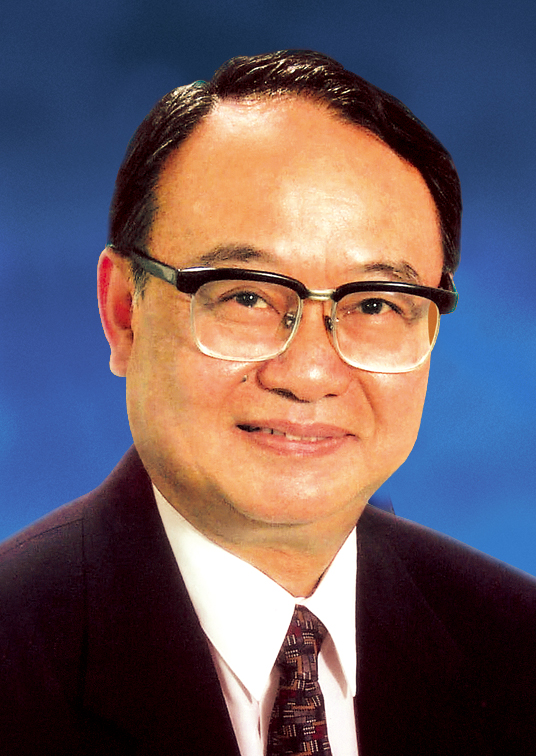 Kerong Dai (戴尅戎)合作论文数Shanghai Ninth People's Hospital, Shanghai Jiao Tong University School of Medicine3Ian Henderson合作论文数3Hassan Fahmi合作论文数3
 Sania Mansouri合作论文数3
 Johanne Martel-Pelletier合作论文数Département de Médecine, Faculté de Médecine, Université de Montréal;Département de Pharmacologie, Université de Montréal;Département de physiologie, Université de Montréal3France Vaillancourt合作论文数3Maryam Taheri合作论文数3
 David R. Labbe合作论文数Laboratoire de recherche en imagerie3
 Michael Buschmann合作论文数Long Nguyen and Kimmy Duong School of Computing, College of Engineering and Computing, George Mason University3




