Mitochondria have long been known to be involved in the regulation of innate immune response. We questioned whether cultured skin fibroblasts of patients suffering from mitochondrial diseases are valuable biological resources for the study of interferon signaling. Expression of interferon-stimulated genes was measured in control cells supplemented with interferon and in cultured fibroblasts of patients carrying pathogenic variants in mitochondrial disease-causing genes. Control fibroblasts showed a strong expression of interferon-stimulated genes in response to interferon, but only 43% of patients' fibroblasts displayed increased interferon stimulated genes scores. Cytosolic mitochondrial DNA and RNA were quantified by immunofluorescence and confocal microscopy. No correlation between elevated interferon response and cytosolic mitochondrial DNA or RNA release could be established. We found that cultured skin fibroblasts represent a valuable biological resource for the investigation of interferon signaling, but that abnormal interferon signaling is not always observed in patients with mitochondrial diseases. At variance to gene silencing in control fibroblasts, the lack of correlation between elevated interferon response and cytosolic mitochondrial DNA or RNA leakage in patients' fibroblasts questions the relevance of cellular models as illustrators of pathological situations in humans.
We report a deep intronic hemizygous FOXP3 likely pathogenic variant (c.968-207A>G) in a male patient with IPEX that was investigated by RNA sequencing in heterozygous female carriers.
Introduction Intérêt (évaluation pronostique, prise en charge précoce), dans certaines indications, d’une analyse moléculaire prénatale en cas de signe d’appel échographique. Objectif Évaluer l’intérêt clinique d’un « séquençage d’exome prénatal urgent » (SEp) dans certains cas d’anomalies rénales fœtales. Matériel et méthodes Douze premiers cas d’anomalies échographiques évoquant une maladie rénale testés par SEp dans notre centre. ACPA sans déséquilibre. Résultats Analyse conclusive dans 8 cas sur 12. Le SEp a permis d’être rassurant (et de monitorer les apports en vitamine D) dans 2 cas avec variants bialléliques SLC34A1, de diminuer fortement le risque de syndrome néphrotique congénital, de ciliopathie syndromique, ou de maladie rénale grave dans 4 cas. Un variant de novo PKD1 également vécu comme une nouvelle plutôt rassurante par les parents. Un cas portant à la fois un variant pathogène biallélique SLC34A1 et variant pathogène biallélique DYNC2H1 décédé dans la période néonatale (diagnostic rétrospectif d’hypercalcémie infantile chez un premier enfant). Dans 3 cas, les résultats ont conduit à une demande d’IMG qui a été acceptée (2 cas avec variants bialléliques PKHD1, un cas avec variant de novo ACTG2). Dans un cas, le résultat (variant pathogène biallélique AGT) a été contemporain de la naissance prématurée d’un enfant qui est décédé dans la période néonatale. Un diagnostic incident a été rapporté aux parents après la naissance (variant connu de susceptibilité au SHUa, de novo, dans C3). Conclusion Dans certaines indications, utilité du SEp qui rassure dans certains cas, y compris lorsqu’une cause génétique est identifiée.
Recessive dystrophic epidermolysis bullosa (RDEB) is a severe skin disease caused by loss-of-function pathogenic variants in COL7A1 encoding type VII collagen (C7). Patients with RDEB suffer since birth from skin and mucosal blistering and develop severe local and systemic complications resulting in poor prognosis. Mesenchymal stromal cells (MSCs) have demonstrated their potential to enhance wound healing and reduce skin inflammation in RDEB patients due to their anti-inflammatory properties and capacity to express C7. We aim to optimize in vitro conditioning of human bone marrow-derived MSCs (BM-MSCs) to improve their limited survival following local injection in a murine model. BM-MSCs from healthy human donors were transduced with a lentiviral vector encoding firefly luciferase and mCherry reporter proteins and then subjected to various culture conditions: monolayer on plastic or spheroid culture, either in hypoxia (5
Mitochondrial disorders show remarkable clinical and genetic heterogeneity and result from variants in either mitochondrion- or nucleus-encoded genes. CHCHD4 is a component of the mitochondrial import and assembly pathway that imports small cysteine-containing substrates. We report a pediatric patient with biallelic CHCHD4 variants who presented with severe neurological regression and early death. Western blot analysis showed decreased levels of CHCHD4 and diminished assembly of complexes I and IV in his fibroblasts. To demonstrate that CHCHD4 variants were responsible for the observed biochemical phenotype, we overexpressed wild-type CHCHD4 in control and subject fibroblasts, restoring levels of complex I and IV proteins and the associated assembly defects. Proteomic studies pointed to electron transport and complex I biogenesis as the main dysregulated pathways and showed a severe loss of several complex I and IV proteins and/or assembly factors rescued by overexpression of wild-type CHCHD4. CHCHD4 has numerous targets and interacting factors and is involved in the export of iron-sulfur clusters synthesized inside mitochondria. Surprisingly, few of these interacting factors or non-mitochondrial functions were impacted by the observed CHCHD4 defect. In conclusion, our work establishes CHCHD4 deficiency as a cause of dysregulated mitochondrial protein import resulting in a severe neurological condition.
Recent evidence implicates altered RNA editing and dysregulated type I IFN signaling in immune-mediated diseases, including psoriasis, although the underlying genetic mechanisms remain poorly defined. We investigated four unrelated multiplex families with early-onset plaque psoriasis, with or without psoriatic arthritis, segregating as a monogenic trait and characterized by a strong IFN signature in skin and blood. Whole-exome sequencing identified four rare heterozygous loss-of-function mutations in ADAR1 cosegregating with disease and elevated IFN-stimulated gene expression. Six additional rare variants were detected in an independent cohort of 125 psoriasis patients. Single-cell transcriptomics identified keratinocytes and melanocytes as major IFN sources. Functional studies showed that ADAR1 knockdown or expression of ADAR1G1119R and ADAR1P3A alleles pathogenic variants reduced adenosine-to-inosine RNA editing and increased IFN-stimulated genes and inflammatory cytokines, effects reversed by upadacitinib and deucravacitinib. These findings define a novel IFN-dependent psoriasis subtype caused by inborn defects of ADAR1-mediated RNA editing, with direct implications for precision medicine in psoriatic disease.
We report a deep intronic FOXP3 pathogenic variant that was investigated by RNA sequencing in heterozygous female carriers.
Rationale & Objective: Molecular diagnosis of autosomal dominant tubulointerstitial kidney disease (ADTKD) due to variants in the MUC1 gene has long been challenging because variants lie in a large variable number of tandem repeat (VNTR) region, making identification impossible using standard short-read techniques. Previously, we addressed this diagnostic limitation by developing a computational pipeline named VNtyper for easier reliable detection of MUC1 VNTR pathogenic variants from short-read sequences. This led to unexpected diagnoses of ADTKD-MUC1 among patients with kidney disease referred for genetic testing, which we report here. Study Design: Cross-sectional observational study. Setting & Participants: 4,040 patients referred to Necker Enfants-Malades Hospital from 2017 to 2023 for genetic testing for (1) glomerular disease, (2) ciliopathy, (3) congenital anomalies of the kidneys and urinary tracts (CAKUT), (4) ADTKD, or (5) chronic kidney disease (CKD) of unknown origin, in whom MUC1 had not been previously tested by SNaPshot minisequencing. Exposure: Clinical suspicion of ADTKD. Outcome: ADTKD-MUC1 diagnosed using VNtyper. Analytical Approach: Data were collected from patients in whom ADTKD-MUC1 was newly diagnosed and patients in whom ADTKD was clinically suspected were compared with those in whom ADTKD was not. Results: We identified 40 patients with MUC1 variants by VNtyper, including 33 new index patients and 7 relatives. Of the 33 index cases, 20 had been suspected of having ADTKD based on clinical features, and in the other 13 ADTKD had not been considered. In patients in whom ADTKD had not been considered clinically, the detection rate was 0.05% (1 of 1,895) among patients with glomerular disease, 1.2% (4 of 329) among patients with ciliopathy, 0.09% (1 of 1,099) among patients with CAKUT and 2.5% (7 of 285) among patients with CKD of unknown origin. In 6 patients there was no family history of kidney disease, and we confirmed de novo presentation in 2 patients by segregation studies. Limitations: Observational study and selected referral population (may not represent the prevalence or phenotypes in the general kidney disease population). Conclusions: With VNtyper, we were able to diagnose new cases of ADTKD-MUC1 in a large cohort of patients with various phenotypes. Some patients had atypical phenotypes due to a variant in another gene, and some had no family history of kidney disease, suggesting de novo disease, which was confirmed in 2 patients.
Developmental language disorder (DLD) refers to children who present with language difficulties that are not due to a known biomedical condition or associated with autism spectrum disorder (ASD) or intellectual disability (ID). The clinical heterogeneity of language disorders, the frequent presence of comorbidities, and the inconsistent terminology used over the years have impeded both research and clinical practice. Identifying sub-groups of children (i.e. DLD cases without childhood apraxia of speech (CAS)) with language difficulties is essential for elucidating the underlying genetic causes of this condition. DLD presents along a spectrum of severity, ranging from mild speech delays to profound disturbances in oral language structure in otherwise typically intelligent children. The prevalence of DLD is 7-8
Ciliopathies are rare genetic disorders characterized by significant genetic and phenotypic variability. Over 140 proteins localized to primary cilia, which are sensory organelles essential for vertebrate development, are implicated. TMEM17 encodes a transmembrane protein at the ciliary transition zone and was previously proposed as a potential ciliopathy gene, based on reports of individuals from two families with orofaciodigital syndrome type 6 (OFD6) and Joubert syndrome (JS). Here, we report two unrelated fetuses with occipital encephalocele, polydactyly, and kidney cysts, in whom exome sequencing identified a founder homozygous missense variant (Arg94Trp) in TMEM17, affecting a highly conserved residue. This expands the TMEM17-associated phenotypic spectrum to include Meckel syndrome (MKS). Comprehensive functional analyses of all known TMEM17 variants, using patient tissues/cells and a C. elegans model system, demonstrate a loss-of-function mechanism. Our study reveals severe functional consequences, including TMEM17 destabilization and mislocalization, anomalies in cilium composition and function, and abrogation of Sonic Hedgehog signaling. These experiments confirm the pathogenicity of all TMEM17 variants and underscore its essential role at the ciliary transition zone. Collectively, our findings establish TMEM17 as a bona fide ciliopathy gene, associated with a wide phenotypic spectrum ranging from viable syndromes (OFD6 and JS) to a fetal-lethal condition (MKS).
Clinical laboratories searching for pathogenic variants focus mostly on the protein-coding region and corresponding essential splicing sites. Screening for variants in intronic regions requires dedicated bioinformatics tools and detailed experimental studies to confirm deleteriousness and pathogenicity. We report intronic variants in a cohort of eight patients from seven kindreds with unexplained inborn errors of immunity (IEI). Using ad hoc bioinformatics tools, we identified seven kindreds carrying three branchpoint variants at three loci (BTK, SH2D1A, and WAS) and four AG-gain acceptor site variants at another four loci (DOCK8, NFKB1, STXBP2, and UNC13D). The variants were located between positions −9 and −49 relative to the wild-type acceptor site. The deleteriousness and, thus, pathogenicity of these variants were confirmed by exon-captured transcriptome studies and flow cytometry analyses of protein production or function. Our findings indicate that intronic variants should be systematically screened and investigated, even in clinical laboratory settings.
CONTEXT:Congenital hypothyroidism (CH) is the most common neonatal endocrine disorder and is chiefly caused by thyroid dysgenesis (CHTD). The inheritance mode of the disease remains complex. OBJECTIVE:Gain insight into the inheritance mode of CHTD. METHODS:Prospective multicenter nationwide translational study in France including 514 patients with CH diagnosed through systematic newborn screening (HYPOTYGEN cohort). We focused on CHTD cases and studied their clinical and molecular phenotypes. Targeted next-generation sequencing using a 78-gene panel, including genes involved in thyroid development, function, transport, metabolism and action of thyroid hormones. Statistical analysis, familial segregation, and in vitro functional studies focusing on cell migration have been performed. RESULTS:We analyzed the clinical phenotypes of 458 patients with CH. Cardiac and renal malformations were present in 7.7% (14/182) and 3.9% (7/178) of patients, respectively. Genetic analysis was performed on 292 patients of the cohort, based on criteria for ethnicity and availability of DNA samples for index cases and their parents. A disease-causing mutation in 1 of the 10 known genes for CHTD was identified in 20/292 (6.8%) patients. We found a digenic mode of inheritance in 16 (5.5%) patients, each carrying a variant in a thyroid development gene and a variant in the H2O2 generation complex gene DUOX2/DUOXA2. Familial segregation analysis and in vitro functional studies supported this model. CONCLUSION:This work expands our understanding of the molecular causes of CHTD by demonstrating that digenic inheritance can be implicated, with deleterious variants in thyroid development and DUOX2/DUOXA2 genes. The complexity of this model implies a revision of the genetic landscape of CHTD and specific clinical care of patients during long-term follow-up.
Background: Through the agnostic screening of patients with uncharacterised disease phenotypes for an upregulation of type I interferon (IFN) signalling, we identified a cohort of individuals heterozygous for mutations in PTPN1, encoding the protein-tyrosine phosphatase 1B (PTP1B). We aimed to describe the clinical phenotype and molecular and cellular pathology of this new disease. Methods: In this case series, we identified patients and collected clinical and neuroradiological data through collaboration with paediatric neurology and clinical genetics colleagues across Europe (Czechia, France, Germany, Italy, Slovenia, and the UK) and Israel. Variants in PTPN1 were identified by exome and directed Sanger sequencing. The expression of IFN-stimulated genes was determined by quantitative (q) PCR or NanoString technology. Experiments to assess RNA and protein expression and to investigate type 1 IFN signalling were undertaken in patient fibroblasts, hTERT-immortalised BJ-5ta fibroblasts, and RPE-1 cells using CRISPR-Cas9 editing and standard cell biology techniques. Findings: Between Dec 20, 2013, and Jan 11, 2023, we identified 12 patients from 11 families who were heterozygous for mutations in PTPN1. We found ten novel or very rare variants in PTPN1 (frequency on gnomAD version 4.1.0 of <125 x 10:sup>-6). Six variants were predicted as STOP mutations, two involved canonical splice-site nucleotides, and two were missense substitutions. In three patients, the variant occurred de novo, whereas in nine affected individuals, the variant was inherited from an asymptomatic parent. The clinical phenotype was characterised by the subacute onset (age range 1-8 years) of loss of motor and language skills in the absence of seizures after initially normal development, leading to spastic dystonia and bulbar involvement. Neuroimaging variably demonstrated cerebral atrophy (sometimes unilateral initially) or high T2 white matter signal. Neopterin in CSF was elevated in all ten patients who were tested, and all probands demonstrated an upregulation of IFN-stimulated genes in whole blood. Although clinical stabilisation and neuroradiological improvement was seen in both treated and untreated patients, in six of eight treated patients, high-dose corticosteroids were judged clinically to result in an improvement in neurological status. Of the four asymptomatic parents tested, IFN signalling in blood was normal (three patients) or minimally elevated (one patient). Analysis of patient blood and fibroblasts showed that tested PTPN1 variants led to reduced levels of PTPN1 mRNA and PTP1B protein, and in-vitro assays demonstrated that loss of PTP1B function was associated with impaired negative regulation of type 1 IFN signalling. Interpretation: PTPN1 haploinsufficiency causes a type 1 IFN-driven autoinflammatory encephalopathy. Notably, some patients demonstrated stabilisation, and even recovery, of neurological function in the absence of treatment, whereas in others, the disease appeared to be responsive to immune suppression. Prospective studies are needed to investigate the safety and efficacy of specific immune suppression approaches in this disease population.
Cerebellar atrophy and hypoplasia are usually identified on MRI performed on children presenting signs of cerebellar ataxias, developmental delay, and intellectual disability. These signs can be associated with hypo- or de-myelinating leukodystrophies. A recent study reported two cases: one child diagnosed with leukodystrophy and cerebellar atrophy, harboring a homozygous variant in LSM7, and another who died in utero, presumed to have another homozygous variant in LSM7, based on the parents' genotype. LSM7 encodes a subunit of the LSM complex, involved in pre-RNA maturation and mRNA degradation. Consequently, it has been suggested as a strong candidate disease gene. This hypothesis was supported by functional investigations of the variants. Here, we report a patient with neurodevelopmental defects, leukodystrophy, and cerebellar atrophy, harboring compound heterozygous missense variants in the LSM7 gene. One of these variants is the same as the one carried by the first case reported previously. The other one is at the same position as the variant potentially carried by the second case reported previously. Based on comparable neuroimaging, clinical features, and the involvement of the same amino acids previously demonstrated as key for LSM complex function, we confirm that LSM7 disruption causes a neurodevelopmental disorder characterized by leukodystrophy and cerebellar atrophy.
Intellectual disability (ID) is the leading cause of patient referral to medical genetic departments in French academic hospitals. Whole genome sequencing (WGS) as a first diagnostic approach is expected to achieve a higher diagnostic yield than the French national reference strategies (RefStrategy) (fragile X expansion testing, chromosomal microarray analysis, and 44 ID genes panel), given its broad and more homogeneous coverage, its ability to identify copy number, structural and intergenic/deep intronic events. DEFIDIAG is a national, prospective pilot investigation, carried out in the framework of the French initiative for genomic medicine (Plan France Médecine Génomique 2025), aimed at comparing the diagnostic yield of WGS trio analysis (WGS-trio) (index case, father, mother) with the RefStrategy in real-life conditions of clinical and laboratory workflows. Both strategies were applied in a blinded fashion in 1239 ID probands (50
 Christine Bole-Feysot合作论文数92Arnold Munnich合作论文数Necker-Enfants malades de Paris37
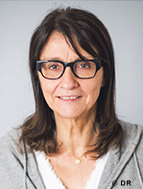 Corinne Antignac合作论文数University Paris Descartes;Laboratory of Hereditary Kidney Diseases, French Institute of Health and Medical Research, Imagine Institute, Necker Enfants-Malades University Hospital in Paris;Universités Praticien Hospitalier28
 Stanislas Lyonnet合作论文数Institut Imagine;Paris Descartes University;Hôpital Necker-Enfants Malades27
 Nathalie Boddaert合作论文数Service Hospitalier Frédéric Joliot, CEA24
 Capucine Picard合作论文数Centre d’Etude des Déficits Immunitaires, Hôpital Universitaire Necker23
 Jeanne Amiel合作论文数Université Paris Cité;Institut Imagine22Tania Attié-Bitach合作论文数21Laurence Heidet合作论文数Ho^pital Necker-Enfants Malades, University Rene Descartes20Valérie Cormier-Daire合作论文数19
 Alain Fischer合作论文数Collège de France19
 Sophie Saunier合作论文数19Laurence Colleaux合作论文数18
 Nicolas Cagnard合作论文数Institut Cochin, Université Paris Descartes18Christine Bole合作论文数17Cécile Masson合作论文数17Marlène Rio合作论文数16Christopher T Gordon合作论文数16Olivier Gribouval合作论文数16M. Polak合作论文数15Vincent Morinière合作论文数14Oufadem Myriam合作论文数INSERM UMR 1163, Institut Imagine;Institut Imagine, Université Paris Descartes-Sorbonne Paris Cité14Parisot Mélanie合作论文数14
 Athanasia Stoupa合作论文数Service d'Endocrinologie, Gynécologie et Diabétologie Pédiatriques, Hôpital Universitaire Necker-Enfants Malades14Karine Siquier-Pernet合作论文数14
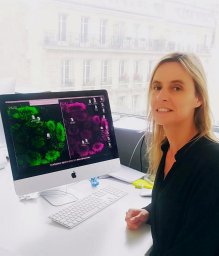 Sophie Thomas合作论文数Hôpital Necker-Enfants Malades, Université René-Descartes14
 Jamel Chelly合作论文数Institute of Genetics and Molecular and Cellular Biology, University of Strasbourg;Centre National de la Recherche Scientifique13Guillaume Dorval合作论文数APHP, Univ Paris Cite13Aurore Carré合作论文数13
 Frederic Tores合作论文数13
 Agnès Rötig合作论文数Institut Imagine13
 Jelena Martinovic合作论文数13
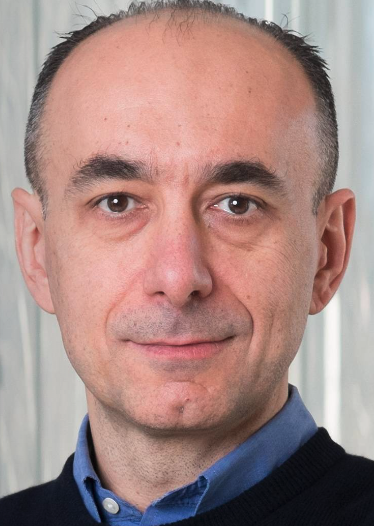 Jean-Laurent Casanova合作论文数St. Giles Laboratory of Human Genetics of Infectious Diseases, The Rockefeller University;Howard Hughes Medical Institute;Rockefeller University Hospital;Laboratory of Human Genetics of Infectious Diseases, Imagine Institute, Necker Hospital for Sick Children13Nadia Bahi-Buisson合作论文数12
 Valérie Malan合作论文数Hôpital Necker-Enfants Malades, AP-HP12Geneviève de Saint Basile-Chazelas合作论文数Développement Normal Et Pathologique Du Système Immunitaire De L’hôpital Necker-Enfants Malades12
 Bertrand Knebelmann合作论文数From the Department of Nephrology and Pathology, H[ocirc ]pital Necker12Cécile Jeanpierre合作论文数12Sylvain Hanein合作论文数12
 Stephane Blanche合作论文数Hôpital Necker-Enfants Malades11
 Vincent Cantagrel合作论文数11
 Frederic Rieux-Laucat合作论文数10Bénédicte Neven合作论文数10Olivier Alibeu合作论文数10Kariyawasam Dulanjalee合作论文数10Bole-Feysot Christine合作论文数10Fourrage Cecile合作论文数10
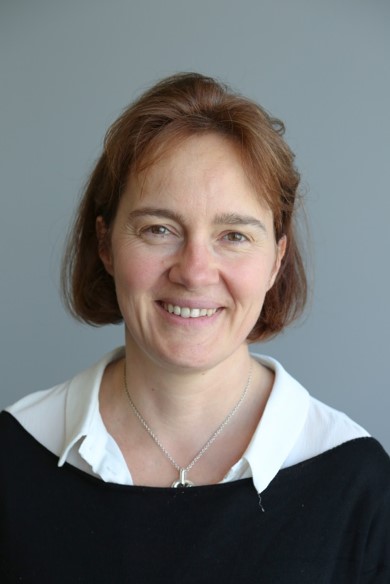 Faivre Laurence合作论文数Faculty of Medicine, University of Bourgogne;Medical Genetics Department, Hopital d'Enfants;Genetics Centre, Children's Hospital, Dijon University Hospital10
 Hassan Saei合作论文数Lab Hereditary Kidney Dis, Univ Paris Cite9




