BackgroundWhile facelifts remain central to facial rejuvenation, ancillary procedures are essential for addressing aspects of aging not corrected by facelifting alone, such as soft tissue atrophy and skin quality. Despite their routine use, few reviews describe their role alongside facelifts in modern practice.ObjectiveTo define the range of ancillary procedures used with the Minimal Access Cranial Suspension (MACS) lift in current practice.MethodsA retrospective review was conducted on all MACS-lift procedures performed by the senior authors from January 1, 2018, to December 31, 2024. Data collected included demographics, surgical and ancillary procedures, and complications.ResultsThe MACS-lift technique has evolved to include deep neck reduction, centrofacial lipofilling, and skin resurfacing. Among 380 patients (356 females, 24 males), 81.8% underwent a primary facelift. Ancillary procedures were performed in 98.9% of cases, with an average of 5.8 procedures per patient, with this average being higher for female than for male patients (6.0 vs 4.5), and higher for patients 55 years or older than for younger patients (6.17 vs 5.13). The most common ancillary procedures were lipofilling (96.3%), brow lift (72.6%) neck lift (67.9%), nanofat microneedling (64.7%), blepharoplasty (57.4%), and lip lift (27.6%). Mean operative time was 3.93 hours. No major complications occurred. Minor complications included neuropraxia (4.7%), infection (2.9%), skin necrosis (2.9%), sialoma (2.6%), seroma (2.4%), hematoma (1,6%) and wound healing disturbances (1,3%).ConclusionsAncillary procedures are frequently and safely combined with the MACS-lift to address facial ptosis, volume loss, and skin aging, enhancing overall rejuvenation outcomes.Level of Evidence IVThis journal requires that authors assign a level of evidence to each article. For a full description of these Evidence-Based Medicine ratings, please refer to the Table of Contents or the online Instructions to Authors www.springer.com/00266.
SUMMARY:The scientific study of facial aging has transformed modern facial rejuvenation. As people age, fat loss in specific fat compartments is a major contributor to structural aging of the face. Autologous fat grafting is safe, abundant, readily available, and completely biocompatible, which makes it the preferred soft-tissue filler in the correction of facial atrophy. The addition of volume through fat grafting gives an aging face a more youthful, healthy, and aesthetic appearance. Harvesting and preparation with different cannula sizes and filter-cartridge techniques have allowed for fat grafts to be divided based on parcel size and cell type into three major subtypes: macrofat, microfat, and nanofat. Macrofat and microfat have the benefit of providing volume to restore areas of facial deflation and atrophy in addition to improving skin quality; nanofat has been shown to improve skin texture and pigmentation. In this article, the authors discuss the current opinions regarding fat grafting and how the evolving science of fat grafting has led to the clinical utility of each type of fat to optimize facial rejuvenation. The opportunity exists to individualize the use of autologous fat grafting with the various subtypes of fat for the targeted correction of aging in different anatomic areas of the face. Fat grafting has become a powerful tool that has revolutionized facial rejuvenation, and developing precise, individualized plans for autologous fat grafting for each patient is an important advancement in the evolution of facial rejuvenation.
Background: Recent evidence confirms that mesenchymal stem cells (MSCs) facilitate angiogenesis mainly through paracrine function. Extracellular vesicles (EVs) are regarded as key components of the cell secretome, possessing functional properties of their source cells. Subsequently, MSC-EVs have emerged as a novel cell-free approach to improve fat graft retention rate. Objectives: The authors sought to provide a systematic review of all studies reporting the utilization of MSC-EVs to improve graft retention rate. Methods: A systematic search was undertaken employing the Embase, PubMed, and Cochrane Central Register of Controlled Trials databases. Outcome measures included donor/receptor organism of the fat graft, study model, intervention groups, evaluation intervals, EV research data, and in vitro and in vivo results. Results: Of the total 1717 articles, 62 full texts were screened. Seven studies reporting on 294 mice were included. Overall, EV-treated groups showed higher graft retention rates compared with untreated groups. Notably, retention rate was similar following EV and MSC treatment. In addition to reduced inflammation, graft enrichment with EVs resulted in early revascularization and better graft integrity. Interestingly, hypoxic preconditioning of MSCs improved their beneficial paracrine effects and led to a more proangiogenic EV population, as observed by both in vitro and in vivo results. Conclusions: MSC-EVs appear to offer an interesting cell-free alternative to improve fat graft survival. Although their clinical relevance remains to be determined, it is clear that not the cells but rather their secretome is essential for graft survival. Thus, a paradigm shift from cell-assisted lipotransfer towards "secretome-assisted lipotransfer" is well on its way.
Introduction Many investigations showed that platelet-rich plasma (PRP), human follicles stem cells (HFSCs), and adipose-derived stem cells (ASCs), considered autologous stem cell-based therapy (ASC-BT), are effective for hair regrowth (HR) in patients affected by androgenetic alopecia and for wound healing (WH). The aim of this article is to analyze the in vitro and in vivo impact of different PRP, HFSCs, and ASCs preparation methods on HR and in WH. Areas Covered The analyzed data intended to clarify the molecular mechanism in which PRP, HFSCs, and ASCs are involved, the clinical use and related indications, fully respecting the European rules. Comparative studies between different systems of PRP, HFSCs, and ASCs preparation revealed differences in terms of HR and WH. Expert Opinion Despite a lack of standardized protocols, there is convincing evidence with objective measurement modalities that display positive outcomes of ASC-BT in HR and WH.
Background The perceived appearance of the nose is influenced by its foundations (ie, malar areas, lip, and chin). The association of nasal hump and centrofacial volume deficiency is not uncommon.Objectives We evaluated and analyzed the role of centrofacial lipofilling simultaneously to rhinoplasty to sculpt facial proportions and shapes all in one procedure.Methods Volumes and placement of fat graft were determined preoperatively. Centrofacial microfat grafting was performed concomitantly to the rhinoplasty. Treated areas were malar, upper lip, pyriform aperture, and chin.Results From January 2016 to January 2019, concurrent lipofilling was performed in 23 rhinoplasties. Fat graft volumes ranged from 2 to 31 mL.Conclusions Centrofacial lipofilling is a simple and effective tool that can easily be associated with rhinoplasty techniques to optimize the results and may even influence the procedure towards a more conservative approach.
Background: Mechanically isolated stromal vascular fraction (tSVF, tissue SVF) is a potent regenerative solution, increasingly used as a therapeutic modality for a variety of pathologies. With recent evidence conclusively favoring mechanical isolation over enzymatic alternatives, the therapeutic share and indications of tSVF are expected to grow even further. Objectives: The aim of this study was to provide a systematic review of all studies reporting on the use of tSVF. Methods: A systematic search was undertaken of the Embase, PubMed, Web of Science, and Cochrane Central Register of Controlled Trials databases. Outcome measures included clinical indications, such as recipient area, adverse events, clinical results recipient area, method of application, follow-up duration and evaluation methods. Results: Of the total of 4505 articles identified, 186 full-texts were screened. Thirty-four studies, reporting on 1443 patients were included. tSVF-based therapy was observed for 10 different pathologies, including aged skin (8 studies), scars (5), wounds (6), osteoarthritis (6), tendinopathy (2), temporomandibular joint disorders (1), androgenic alopecia (1), perianal fistula (3), migraine (1), and vocal fold scarring (1). Across all studies, tSVF-based therapy resulted in favorable clinical results. Overall, 50 (3.43%) minor and one (0.07%) major adverse events were observed, mainly related to the liposuction procedure. Conclusions: tSVF offers a safe, easy and legal treatment modality for a range of indications. Future research is indicated to identify the optimal isolation protocol, dose and timing. In addition, basic research remains crucial to identify the mechanism of action of SVF within different pathologies.
Paul N. Afrooz, MD Mark G. Albert, MD Marcelo Cunha Araujo, MD Mokhtar Asaadi, MD Alexander Aslani, MD Sherrell J. Aston, MD Daniel C. Baker, MD Lawrence S. Bass, MD Christopher T. Chia, MD Erez Dayan, MD Daniel A. Del Vecchio, MD Alfredo E. Hoyos, MD Jeffrey M. Kenkel, MD Christopher Khorsandi, MD William Lao, MD Richard D. Lisman, MD Patrick Mallucci, MD Timothy J. Marten, MD Constantino G. Mendieta, MD Foad Nahai, MD Pat Pazmiño, MD Mario Pelle-Ceravolo, MD Tracy M. Pfeifer, MD David P. Rapaport, MD Rod J. Rohrich, MD Douglas M. Senderoff, MD George Skouras, MD Henry M. Spinelli, MD Douglas S. Steinbrech, MD W. Grant Stevens, MD James M. Stuzin, MD Mark Sultan, MD Steven Teitelbaum, MD Spero J. Theodorou, MD Charles H. Thorne, MD Jennifer L. Walden, MD Holly C. Wall, MD Simeon Wall Jr., MD Richard Warren, MD WELCOME
BACKGROUND:Horizontal neck wrinkles develop as a result of the aging process. Stromal vascular fraction (SVF) gel, which is rich in extracellular matrix and functional cells, can be produced by a series of simple mechanical processes, including intersyringe shifting and centrifugation. This study aimed to assess stromal vascular fraction gel in the treatment of horizontal neck wrinkles.METHODS:This single-center study included female patients with horizontal neck wrinkles (Fitzpatrick types II to IV) treated with either SVF gel or botulinum toxin type A (BTX A) injection. SVF gel was first diffusely distributed subcutaneously along the neck line and then injected in a diluted way intracutaneously at points 0.5 cm apart along the horizontal lines. BTX A was injected at points 1.5 cm apart (2 U in each injection site). Satisfaction and improvement scores were compared between the two groups, and the collagen content of the neck wrinkle was compared by histologic evaluation before and after treatment.RESULTS:Twenty-eight patients received SVF gel and 22 received BTX A. In patients with type II neck wrinkles, BTX A and SVF gel treatment resulted in similar improvement scores and patient satisfaction in the first 3 months. In patients with type III and IV neck wrinkles, SVF gel resulted in significantly higher improvement scores and better patient satisfaction. A longer duration of adverse events was seen in the SVF gel treatment group. Histologic assessment suggested that SVF gel increased the collagen density of neck wrinkles.CONCLUSION:SVF gel is an effective treatment for horizontal neck wrinkles, particularly in patients with type III and IV wrinkles.CLINICAL QUESTION/LEVEL OF EVIDENCE:Therapeutic, II.
Summary: A novel method for delivering nanofat into the skin is presented. The principle is based on documented experience with introduction of agents into the skin by means of microneedling.
Reversing structural changes in aging skin gained potential after the therapeutic use of adipose-derived stem cells was described. Nanofat is a highly concentrated solution of progenitor cells without viable adipocytes. Nanofat grafting creates striking skin quality improvement. The availability of adipose-tissue combined with straightforward mechanical protocol to process fat brings regenerative and antiaging medicine into real-life clinical practice. Association with other cofactors (hyaluronic acid, botulin toxin, and vitamin C) and therapies (microneedling and drug delivery) provides better outcomes. This article describes the techniques and the authors' experiences in nanofat grafting, and its potential new applications in regenerative medicine.
BACKGROUND:Findings from photometric analysis of soft tissue on cranial magnetic resonance imaging demonstrate that the aging upper lip shows significant lengthening, thinning, volume loss, and deepening of the nasolabial folds. In this study, these findings are implemented in a review of 500 cases of upper lip rejuvenation to propose an evidence-based strategy for surgical rejuvenation of the upper lip. METHODS:The charts of 500 consecutive surgical perioral rejuvenation patients treated by the senior authors (P.L.T. and A.M.V.) from 2014 until 2018 were reviewed. The surgical methods of lip lift and fat grafting were described in relation to the cases and the metric data. RESULTS:Of the 500 patients, 51 had an isolated procedure such as a lip lift (3 percent), lip augmentation (3 percent), augmentation of the nasolabial folds (2 percent), or skin resurfacing (2 percent). The remaining 449 patients underwent combinations of lip lift, augmentation of the lip and nasolabial fold (32 percent), lip lift with augmentation of the lip and nasolabial fold with resurfacing (30 percent), lip augmentation and resurfacing (14 percent), or lip lift and resurfacing (14 percent). CONCLUSIONS:Rejuvenating the upper lip needs to address both lengthening and volume loss. This requires a combination of surgical shortening of the upper lip by a precisely designed lip lift and a differential filling of certain upper lip regions by microfat grafting. The combination of these two modalities works synergistically. CLINICAL QUESTION/LEVEL OF EVIDENCE:Therapeutic, IV.
 Alexis M Verpaele合作论文数35
 Phillip Blondeel合作论文数5
 Mohammad Ghiasloo合作论文数4
 Lisa Ramaut合作论文数3
 Moustapha Hamdi合作论文数Department of Plastic & Reconstructive Surgery, Brussels University Hospital3Kashika Singh合作论文数2
 Heidi Declercq合作论文数2
 Assaf A Zeltzer合作论文数2
 Geert Peeters合作论文数2James M. Stuzin合作论文数2
 Rod J. Rohrich合作论文数Dallas Plastic Surgery Institute;Baylor College of Medicine2
 Foad Nahai合作论文数Emory University2Koenraad Verstraete合作论文数2Daniel C. Baker合作论文数2
 Hamid Massiha合作论文数2Maria Cornelissen合作论文数2Alex Verpaele合作论文数1Sophie Menkes合作论文数1Jonathan Fernandez合作论文数1Thierry Van Helmelryck合作论文数1Charan Jeganathan合作论文数1
 Eric Auclair合作论文数1Sydney R Coleman合作论文数1
 James D Vargo合作论文数Dept Plast Surg, Cleveland Clin1
 Eric Swanson合作论文数1Timothy Marten合作论文数1
 Stefan Hofer合作论文数Department of Surgery, Temerty Faculty of Medicine, University of Toronto;Division of Plastic, Reconstructive & Aesthetic Surgery, University of Toronto;Toronto General Hospital1
 Thomas A Mustoe合作论文数Department of Surgery, Feinberg School of Medicine, Northwestern University1
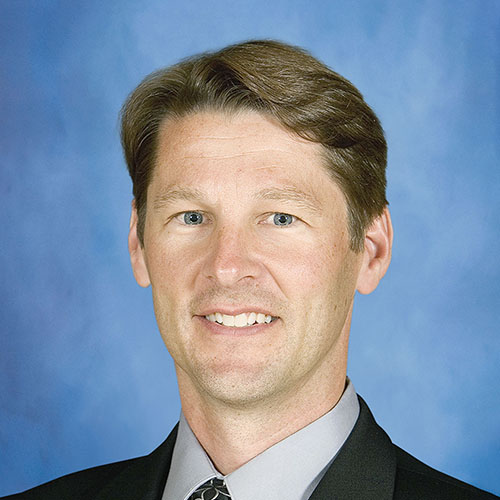 Paul Stephen Cederna合作论文数Department of Biomedical Engineering, University of Michigan;Neuromuscular Research Laboratory, University of Michigan1
 Katarina Andjelkov合作论文数Leeds Medical School, Royal College of Surgeons of Edinburgh1
 Jeremy Magalon合作论文数Faculty of Pharmacy, University of Aix-Marseille;Department of Cellular Therapy, La Conception University Hospital1
 Strong Amy L合作论文数Tulane University School of Medicine, Tulane University School of Medicine1
 Lobato Rodolfo C合作论文数Faculty of Medicine, University of São Paulo;Faculty of Medicine, University of São Paulo;University of São Paulo, University of São Paulo1
 Angelo Trivisonno合作论文数1Dabb R W合作论文数1Trevidic Patrick合作论文数1John P. Cole合作论文数1Guy Magalon合作论文数1Spero J Theodorou合作论文数1Chia Christopher T合作论文数1
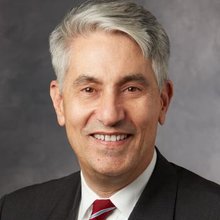 Michael T. Longaker合作论文数Department of Materials Science & Engineering, Stanford University1
 Elizabeth J Hall-Findlay合作论文数1Berend Van der Lei合作论文数1
 Val Lambros合作论文数1Giovanni Botti合作论文数1De Wever Olivier合作论文数1
 Pietro Gentile合作论文数University of Rome Tor Vergata1
 Michel Cromheecke合作论文数1
 Alfredo E Hoyos合作论文数1




