Benefits of bilateral internal mammary artery (BIMA) usage during coronary artery bypass grafting (CABG) are uncertain in patients with chronic kidney disease (CKD). We compare outcomes of BIMA versus single IMA (SIMA) for CKD patients. A total of 422 patients underwent isolated primary CABG with BIMA (n = 134) or SIMA (n = 288) for triple-vessel disease at our center between 2015 and 2022. We defined CKD according to current guidelines (glomerular filtration rate < 60 ml/min per 1.73 m2). Patients with radial artery grafts, and no IMA graft were excluded. Inverse probability treatment weighting (IPTW) was used to reduce confounding variables. The primary endpoint was long-term survival, and secondary endpoint was cumulative incidence of major adverse cardiac or cerebrovascular event (MACCE): including all-cause mortality, stroke, myocardial infarction, revascularization, and rehospitalization for heart failure. The median age was 70.0 (IQR 63.0–77.0) years, and 296 patients (70.1
Objective: End-stage renal disease patients with infective endocarditis face high operative risk and poor survival. We sought to compare outcomes of mechanical versus bioprosthetic valve replacement in end-stage renal disease infective endocarditis, stratified by valve position. Methods: Consecutive end-stage renal disease patients with acute infective endocarditis (2015-2020) in the US Renal Data System who underwent valve replacement were included and stratified by valve position and prosthesis type. Outcomes included mortality, reinfection, reoperation, and stroke. Mortality, reinfection, and stroke were assessed with cumulative incidence functions using transplant and death as competing risks, respectively. Inverse probability of treatment weighting was used for covariate balance, and cubic splines modeled age-prosthesis interactions. Results: Of 1562 patients, 595 underwent aortic valve replacement, 685 underwent mitral valve replacement, 238 underwent aortic valve replacement + mitral valve replacement, and 44 underwent tricuspid valve replacement. Bioprosthetic valves were used in 73.4%. Operative mortality was 14.5% overall, lowest in aortic valve replacement (10.8%) and highest in aortic valve replacement + mitral valve replacement (23.5%; P < .001). Five-year mortality was 73.5% for mechanical and 76.0% for bioprosthetic valves, with no significant differences by valve type within any position. Reinfection occurred in 17.6% and did not differ by prosthesis. Reoperation was uncommon but higher in bioprosthetic mitral valve replacement (P = .023). Stroke was infrequent and did not significantly differ between valve types across any position. Conclusions: Mortality for end-stage renal disease patients undergoing valve replacement for infective endocarditis is high, with outcomes varying by valve position. Prosthesis type did not consistently affect survival, reinfection, or stroke. These findings highlight the limited impact of prosthesis type and emphasize the importance of broader perioperative and systemic management strategies.
BACKGROUND:Bioprosthetic aortic valves require reinterventions once they degenerate. Options include redo-surgical aortic valve replacement (redoSAVR) and Valve-in-Valve transcatheter aortic valve replacement (ViV). Women with valvular disease have historically demonstrated higher procedural risks and worse outcomes compared to men. There is a knowledge gap regarding outcomes of aortic valve reinterventions in women. AIMS:We sought to compare outcomes of ViV versus redoSAVR in women with degenerated bioprosthetic surgical valves. METHODS:Consecutive female patients with prior SAVR undergoing isolated ViV or redoSAVR between 2015 and 2025 were included. Primary endpoints were 30-day all-cause mortality, stroke, and major adverse cardiac events (MACE). Secondary (1-year) endpoints included mortality, stroke, MACE, pacemaker implantation, and cardiac rehospitalization. Propensity score matching (PSM), Cox regression for survival, and Kaplan-Meier for MACE were performed. RESULTS:Forty redoSAVR and 92 ViV female patients were included. ViV females were older, had lower BMI, and higher STS-PROM. Primary endpoints were not significantly different between ViV and redoSAVR: mortality 1 (1.1%) versus 1 (2.5%), p = 0.303; stroke 3 (3.3%) versus 2 (5.0%), p = 0.480; MACE 3 (3.3%) versus 3 (7.5%), p = 0.272. 1-year endpoints were also comparable: mortality 8 (8.7%) versus 3 (7.5%), p = 0.867; stroke 4 (4.3%) versus 2 (5.0%), p = 0.834; MACE 11 (12.0%) versus 5 (12.5%), p = 0.888; pacemaker 3 (3.3%) versus 1 (2.5%), p = 0.792; rehospitalization 10 (10.9%) versus 2 (5.0%), p = 0.265). Results were consistent before and after PSM. CONCLUSIONS:ViV and redoSAVR in women yielded similar short-term outcomes. Both represent valid options for treatment of degenerated aortic bioprosthesis.
IMPORTANCE Patients with kidney failure undergoing dialysis have increased morbidity and mortality when undergoing coronary artery bypass grafting (CABG). Women also have increased morbidity and mortality compared with men after coronary revascularization; however, outcomes for female patients with kidney failure undergoing dialysis remain understudied, particularly with multiarterial grafting (MAG) during CABG. OBJECTIVE To compare 5-year survival following arterial grafting among men vs women with kidney failure undergoing dialysis. DESIGN, SETTING, AND PARTICIPANTS This retrospective, population-based cohort study used United States Renal Data System data from October 15, 2015, to December 31, 2020, to identify patients receiving hemodialysis who underwent isolated CABG. Patients receiving a kidney transplant before CABG were excluded. Data analysis was performed from December 1, 2024, to December 31, 2025. EXPOSURE CABG graft patterns were divided as left internal mammary artery (LIMA) grafting plus saphenous vein grafting (SVG) vs SVG only and LIMA grafting vs MAG. MAIN OUTCOMES AND MEASURES The main outcome of interest was 5-year mortality in risk-adjusted groups. Cohorts were compared in 2 analyses: arterial grafting in men vs SVG only in men, and arterial grafting in women vs SVG only in women. Outcomes in men and women were then directly compared within each choice of conduit. RESULTS There were 15 215 patients in the total unadjusted cohort, with 10 466 men (68.8%) and 4749 women (31.2%) (median [IQR] age, 65.3 [57.2-71.5] years). After inverse probability of treatment weighting adjustment, LIMA grafting was associated with better 5-year survival than SVG only in both men (32.0% [95% CI, 30.7%-33.3%] vs 27.3% [95% CI, 23.2%-32.2%]; P < .001) and women (30.7% [95% CI, 28.9%-32.6%] vs 25.3% [95% CI, 20.3%-31.5%]; P = .002). LIMA grafting was not associated with a survival benefit at 5 years compared with MAG in men (32.1% [95% CI, 30.8%-33.4%] vs 35.9% [95% CI, 29.2%-44.1%]; P = .45) or women (30.6% [95% CI, 28.9%-32.5%] vs 17.3% [95% CI, 9.9%-30.5%]; P = .08). Comparing sexes by grafting type, men had significantly better 5-year survival than women following LIMA grafting overall (32.1% [95% CI, 30.8%-33.4%] vs 30.5% [95% CI, 28.7%-32.5%]; P < .001) and following LIMA grafting among patients who survived to hospital discharge (34.0% [95% CI, 32.7%-35.5%] vs 33.7% [95% CI, 31.8%-35.7%]; P < .001). Men had significantly better 5-year survival compared with women following MAG (38.5% [95% CI, 32.1%-46.2%] vs 17.0% [95% CI, 9.2%-31.2%]; P = .002). There was no significant 5-year survival difference between men and women among those who received SVG only (28.4% [95% CI, 24.3%-33.2%] vs 25.2% [95% CI, 20.3%-31.2%]; P = .21). CONCLUSIONS AND RELEVANCE Although sample sizes were small in some subgroups, female patients were not associated with a survival benefit from arterial grafting compared with their male counterparts. Although both men and women were associated with better long-term survival following LIMA grafting, men appeared to have better long-term survival than women following LIMA grafting and MAG.
Objective To evaluate whether neighborhood-level opportunity, measured by the Child Opportunity Index (COI), is associated with short- and long-term outcomes following pediatric extracorporeal membrane oxygenation (ECMO).Design Retrospective observational cohort study.Setting Single quaternary academic children's hospital.Patients Children supported on ECMO between 2009 and 2023 (n = 472).Interventions None.Measurements and Main Results COI quintiles were derived from geocoded residential addresses at the time of ECMO cannulation. Primary outcomes were survival to discharge and one-year survival. Secondary outcomes included ECMO duration, hospital length of stay, and one-year functional morbidity (gastrostomy tube, tracheostomy, or residence in a facility). Multivariable logistic and Cox regression models adjusted for age, sex, race, ethnicity, weight, and comorbidities. Children residing in the lowest COI quintile had lower adjusted odds of survival to discharge (aOR: 0.60, 95% CI: 0.38-0.95) and one-year survival (aOR: 0.57, 95% CI 0.35-0.93). Survival differences emerged early and persisted over time (adjusted HR for mortality 1.36, 95% CI 0.99-1.87). Among cardiac ECMO patients, low COI was associated with significantly higher odds of gastrostomy tube placement and residence in a facility at one year.Conclusions Neighborhood opportunity is independently associated with survival and long-term morbidity following pediatric ECMO, particularly among cardiac patients. These findings highlight the importance of incorporating social context into prognostication, post-ECMO planning, and survivorship care in pediatric critical illness.
Objective: To characterize early postoperative hypoxemia (POH) after proximal aortic aneurysm repair, evaluate its association with outcomes, and determine whether circulatory arrest (CA) contributes to the development of POH. Methods: We performed a single-center retrospective study of 790 adults undergoing proximal aortic aneurysm repair via sternotomy (2012-2024). POH was defined as an arterial oxygen tension/inspired oxygen fraction ratio <300 mm Hg at 6 hours and categorized as no hypoxemia (>300), mild (200-300), or moderate/severe (<200). Baseline and operative characteristics were balanced using 3-way inverse probability of treatment weighting. The primary end point was composite respiratory morbidity (including prolonged ventilation and supplemental oxygen use, reintubation, and postoperative pneumonia); secondary end points included 7-year mortality. Weighted regression evaluated factors associated with POH, including CA exposure. Results: POH occurred in 433 patients (54.8%): 266 (33.7%) mild and 167 (21.1%) moderate/severe; 357 (45.2%) had no hypoxemia. After inverse probability of treatment weighting was performed, the severity of hypoxemia was associated with composite respiratory morbidity (43.8% none vs 50.6% mild vs 57.0% moderate/severe; P = .030). However, hypoxemia was not associated with 7-year mortality (hazard ratio, 0.77; 95% CI, 0.38-1.37; P = .321). Use of CA was not associated with moderate/severe POH (odds ratio, 0.96; CI, 0.60-1.53; P = .864). Conclusions: Early POH is common after proximal aneurysm repair and is associated with increased respiratory morbidity but not mortality. CA does not appear to contribute to moderate/severe POH.
Patients with concomitant severe aortic stenosis (AS) and moderate/severe mitral stenosis (MS) pose a complex therapeutic challenge. While double valve surgery (DVS) remains the gold standard, its high operative risks have led to investigating novel strategies, chiefly transcatheter interventions. Due to the lack of commercially available transcatheter devices for MS, numerous high-risk patients undergo isolated transcatheter aortic valve replacement (I-TAVR). The long-term efficacy and durability of this single-valve approach in a multivalvular stenotic setting is not well established. Retrospective analyses of consecutive patients treated for concomitant severe AS and moderate-to-severe MS at a single institution (2015–2025), divided according to treatment strategy (DVS vs I-TAVR). Propensity-score matching accounted for baseline differences, while univariable and multivariable analyses evaluated factors associated with recurrent heart failure (HF) readmissions. Ninety-seven patients underwent DVS and 129 I-TAVR. Both before and after propensity score matching, no differences were observed in short- nor mid-term incidence of all-cause mortality (unmatched, p = 0.078; matched, no events) nor stroke (unmatched, p = 0.783; matched, p = 1.00). However, I-TAVR was found to be associated with greater HF rehospitalizations (unmatched, p = 0.001; matched, p = 0.006). The univariable and multivariable analyses demonstrated I-TAVR to be an independent risk factor for HF rehospitalization, in both the unmatched and matched populations. In patients with high-grade concomitant AS and MS, addressing only AS with I-TAVR is an independent predictor of HF readmissions. While I-TAVR remains a valid therapeutic option in high-risk patients with high-grade multivalvular stenosis, DVS should be considered as the preferred treatment option in any patient that can tolerate surgery. IRB-AAAV5910. Consent was waived owing to the retrospective design of the study.
BACKGROUND:Donation after circulatory death (DCD) has expanded the US heart donor pool and yielded similar outcomes for recipients as donation after brain death. However, little work has analyzed what factors contribute to 1-year mortality in DCD nor created a clinical risk score. This work fills these gaps. METHODS:All heart-only, adult DCD heart transplants from the United Network for Organ Sharing database were analyzed. The data was split into a training cohort and a testing cohort. Univariable and multivariable analyses were used to identify 1-year mortality risk factors in the training cohort. These factors were then used to develop a clinical risk score and applied to the testing cohort. RESULTS:The risk score contained 12 recipient variables (age, diabetes, durable left ventricular assist device placemebnt, estimated glomerular filtration rate, prior cardiac surgery, retransplant, congenital diagnosis, malignancy, total bilirubin, extracorporeal membrane oxygenation at transplant, recent infection, and positive cytomegalovirus status) and 2 donor variables (compromised direct perfusion procurement donor and positive cytomegalovirus status), yielding a training concordance of 0.709. The risk score applied to the testing cohort displayed modest discrimination, with a concordance of 0.668. One point of the risk score had a hazard ratio of 1.16 (95% CI, 1.12-1.20; P = .00043). CONCLUSIONS:Many of the risk factors associated with 1-year mortality in DCD-heart transplant are also reported in donation after brain death heart transplant. However, factors related to the warm ischemic time in DCD, like in compromised direct perfusion procurement donor donors, also warrant consideration. This clinical risk score may be used to assess 1-year mortality risk for recipients of DCD hearts.
Background and Objectives: Patients with porcelain aorta (PA) pose major surgical challenges during aortic valve replacement, making transcatheter aortic valve replacement (TAVR) the preferred alternative. However, data on the prognostic significance of PA among TAVR recipients are limited. This study sought to evaluate whether PA is associated with adverse short-term outcomes following TAVR. Materials and Methods: Consecutive, surgery-naïve patients who underwent TAVR between 2012 and 2020 at a single institution were retrospectively analyzed. Based on preoperative CT scans, patients were categorized as having either porcelain aorta (PA) or non-calcific aorta (NC). Inverse probability of treatment weighting (IPTW) was used to minimize baseline differences, with standardized mean differences (SMD) < 0.1 indicating adequate covariate balance. Logistic regression addressed residual post-IPTW imbalances. Results: A total of 2037 patients with severe symptomatic aortic stenosis were identified, of whom 40 (2%) had PA. Compared to the NC population, PA patients were more likely to be younger (p = 0.002), had a higher prevalence of heart failure symptoms (p = 0.041) and peripheral artery disease (p = 0.006). After adjustment for preoperative characteristics, no significant differences were observed between groups in post-TAVR mortality (p = 0.498), stroke (p = 0.606), or postoperative creatinine levels (p = 0.827). However, PA patients experienced significantly longer in-hospital (p < 0.001) and ICU (p < 0.001) lengths of stay. Conclusions: In this single-center cohort, PA did not appear to confer additional risk of mortality, stroke or renal failure, although it remained associated with longer postoperative in-hospital and ICU lengths of stays. TAVR appears to be a safe and effective method of AVR when significant circumferential atherosclerotic aortic calcification precludes aortic cross-clamping.
Objective In patients with moderate ischemic mitral regurgitation (IMR), the impact of concomitant mitral valve intervention at the time of revascularization on late survival remains unclear. The purpose of this study was to compare the lifetime survival of patients with moderate IMR who underwent revascularization alone versus concomitant mitral valve repair or replacement. Methods Retrospective review was performed for 776 consecutive patients, 65 years of age and over with coronary artery disease and moderate IMR who underwent isolated CABG (n = 372), CABG with mitral valve repair (n = 131, CABG+MV repair), or CABG with mitral valve replacement (n = 273, CABG+MV replacement) from 1976 to 2005. Propensity score matching, Kaplan-Meier survival analysis, and Cox-regression were used to compare perioperative and long-term survival. Cross-sectional follow up utilized the CDC National Death Index as well as government and genealogical internet sites, publicly available on-line obituaries, and death notices. Follow up was 98% complete. Results The mean age of the cohort was 74.1±5.8 years with 42.4% female patients. Preoperatively, 54.5% had prior myocardial infarction, 47.7% had a history of congestive heart failure, and 69.1% had an abnormal ejection fraction. Matched patients undergoing CABG or CABG+MV repair had similar incidence of major perioperative morbidity (29.0% vs. 22.1% p = .202) and operative mortality (8.4% vs. 6.1%, p = .475). Late survival was similar between groups (p = .630). Among matched patients undergoing CABG vs. CABG+MV replacement, those undergoing concomitant replacement had significantly increased perioperative major morbidity (35.2% vs. 20.9%, p < .001) and operative mortality (16.9% vs. 7.7%, p < .001). CABG+MV replacement patients experienced an increased risk of late mortality (HR 1.23, 95% CI 1.01-1.49, p = .035), compared to those undergoing isolated CABG. Conclusions In patients with moderate IMR undergoing surgical revascularization, concomitant mitral valve repair did not demonstrate a clear late survival benefit over isolated CABG, while concomitant mitral valve replacement was associated with increased early and late mortality risk.
BACKGROUND:Sternal wound infections (SWIs) are associated with significant morbidity, mortality, and healthcare costs. Following root-cause analysis, our center implemented an evidence-based SWI prevention bundle and evaluate its effect on the SWI burden. METHODS:Adult patients undergoing coronary artery bypass grafting and/or valve surgery via median sternotomy between 2021 and 2024 were reviewed (N=2185). Patients were stratified by era (pre- vs. post-bundle). Propensity score matching yielded two groups of 802 patients. The primary outcome was deep SWI as defined by the National Healthcare Safety Network. RESULTS:Matched groups were similar across key baseline variables. The SWI rate decreased from 2.7% pre-bundle to 1.1% post-bundle (P=0.03), driven by a threefold reduction in deep SWIs (2.1% vs 0.7%, P=0.04). Superficial SWIs were unchanged (0.6% vs 0.3%, P=0.87). Thirty-day readmissions also decreased (1.3% vs. 0.4%, P=0.01). Multivariable analysis identified diabetes, higher body mass index, and the pre-bundle era as predictors of SWI. A greater number and proportion of culture isolates were fungal in the post-bundle era (33% vs. 9.1%, P=0.047). CONCLUSIONS:Implementation of a SWI prevention bundle significantly reduced deep SWIs and associated readmissions. The relative increase in fungal infections highlights the need for targeted strategies against Candida species.
PURPOSE:Many patients are medically unfit for or refuse radical cystectomy. Few post-chemotherapy bladder-sparing active surveillance programs have reported on non-muscle-invasive recurrences and treatment outcomes. Here, we present data on non-muscle invasive recurrences and their management in this population. MATERIALS AND METHODS:This is a retrospective review of a prospectively maintained database. All patients received cisplatin-based neoadjuvant chemotherapy and were determined to have a clinical complete response based on negative endoscopic resection, urine cytology, and cross-sectional imaging. Patients were entered into a strict active surveillance protocol. Primary outcomes of interest were number of non-muscle-invasive recurrences, grade and stage, and treatment. Secondary outcomes of interest were non-muscle-invasive treatment response rate and muscle-invasive and metastatic recurrence rate. RESULTS:A total of 61 clinical complete response patients were identified. In total, 28 patients experienced a median of one non-muscle-invasive recurrence over a median follow-up of 28.3 months. There was a total of 46 non-muscle-invasive recurrences, including nine (20%) low-grade recurrences and 37 (80%) high-grade recurrences. Of 37 high-grade recurrences, the majority (60%) were treated with Bacillus Calmette-Guérin induction. Non-muscle-invasive recurrence was not associated with later muscle-invasive recurrence or metastasis. Genomic analysis of paired tumor samples demonstrated clonal relatedness in one patient sample while another sample demonstrated a likely precancerous urothelial field effect. CONCLUSIONS:There is a high rate of non-muscle-invasive recurrences in patients who achieve clinical complete response to neoadjuvant chemotherapy. However, the majority of these patients may be safely managed with bladder-preserving treatments. These findings emphasize the importance of vigilant surveillance protocols and appropriate patient selection.
 Takeda Koji合作论文数Department of Surgery, Columbia University Medical Center200
 Hiroo Takayama合作论文数Department of Surgery, Columbia University Irving Medical Center150
 Paolo Carlo C Colombo合作论文数Vivian & Seymour Milstein Family Heart Center, Columbia University Irving Medical Center114
 Yoshifumi Naka合作论文数Department of Cardiothoracic Surgery, Weill Cornell Medical College, Cornell University85Y. Ning合作论文数73
 Veli Kemal Topkara合作论文数Seymour, Paul and Gloria Milstein Division of Cardiology, Department of Medicine, Columbia University Irving Medical Center66Y. Naka合作论文数63Gabriel Sayer合作论文数Division of Cardiology, Columbia Presbyterian Medical Center63
 Han Jiho合作论文数Department of Surgery, Columbia University Medical Center57
 Isaac George合作论文数Department of Surgery;Division of Cardiothoracic;Columbia University;College of Physicians54Yuzefpolskaya Melana合作论文数51M. Yuzefpolskaya合作论文数48
 Jose A Adams合作论文数Florida Heart Research Institute48
 Nir Y. Uriel合作论文数Vagelos College of Physicians and Surgeons, Columbia University;Weill Cornell Medicine Center;Columbia University Irving Medical Center;NewYork-Presbyterian42A.R. Garan合作论文数39Jorge Bassuk合作论文数35
 Michael Argenziano合作论文数33J. Sanchez合作论文数New York Presbyterian Hospital, Columbia University Medical Center32Yanling Zhao合作论文数28
 Mario Fl Gaudino合作论文数Department of Cardiothoracic Surgery, Weill Cornell Medical College, Cornell University;NewYork-Presbyterian Hospital27N. Uriel合作论文数25
 Arkady Uryash合作论文数24Yuji Kaku合作论文数23
 Justin Fried合作论文数23Jaqueline Arias合作论文数22
 Maryjane Farr合作论文数Department of Internal Medicine, Medical School, UT Southwestern Medical Center;Division of Cardiology, UT Southwestern Medical Center21Samantha Nemeth合作论文数20Farr Maryjane合作论文数20
 Craig Smith合作论文数Department of Oceanography, School of Ocean and Earth Science and Technology, University of Hawaii at Manoa20Chunhui Wang合作论文数College of Physicians and Surgeons, Columbia University19Heng Wu合作论文数19
 Alice Vinogradsky合作论文数18
 Shinichi Fukuhara合作论文数Department of Cardiac Surgery, Medical School, University of Michigan-Ann Arbor18
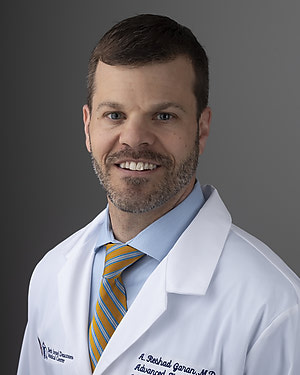 Arthur R. Garan合作论文数Beth Israel Deaconess Medical Center;Department of Medicine, Harvard Medical School18
 Salna Michael合作论文数17
 Gervasio A. Lamas合作论文数Vagelos College of Physicians and Surgeons, Columbia University Irving Medical Center17
 Kavya Rajesh合作论文数16
 Stephen Fremes合作论文数Department of Surgery, Temerty Faculty of Medicine, University of Toronto;Sunnybrook Research Institute;Sunnybrook Health Sciences Centre;Institute for Clinical Evaluative Studies16
 Jeffrey P Jacobs合作论文数Department of Surgery, College of Medicine, University of Florida Health;Congenital Heart Center, College of Medicine, University of Florida Health;Shands Children's Hospital, University of Florida Health15Garan A Reshad合作论文数15Traad Ernest A合作论文数14George Ebra合作论文数14Sameer K Singh合作论文数13
 Leonard N. Girardi合作论文数Department of Cardiothoracic Surgery, Weill Cornell Medical Center13
 Arnar Geirsson合作论文数Yale Department of Surgery, Yale School of Medicine, Yale University13
 Badhwar Vinay合作论文数Department of Cardiovascular and Thoracic Surgery, West Virginia University13
 Keith A. Webster合作论文数Miller School of Medicine, University of Miami;Departments of Pharmacology and Ophthalmology, University of Miami;Vascular Biology Institute, University of Miami13
 David Morales合作论文数College of Medicine, University of Cincinnati;Department of Pediatrics, University of Cincinnati;Heart Institute, Cincinnati Children's Hospital13




