Crop pests and diseases increasingly challenge the global food system. To prepare for and detect outbreaks, surveillance plays an important role. Traditional monitoring methods are often organism-specific, making large-scale monitoring of crop pathogens and pests impractical. We here investigate the potential for using shotgun sequencing of airborne eDNA for large-scale surveillance of crop pathogens and pests. We show that it is possible to detect DNA from all types of organisms in air, and that DNA can be classified down to species level. However, the accuracy of the identification is highly dependent on the quality of reference genomes of both the pathogens or pests, and their close relatives present in the region. Finally, we find that observed degree of crop damages correlate with amount of DNA from crop pathogens and pests in air, showing the promise of this approach for surveillance of all types of crop pathogens and pests.
Bryophytes constitute a diverse plant group with important roles in ecosystem functioning, in particular in arctic and subarctic environments. As they are physiologically strongly dependent on climatic conditions bryophytes could serve as indicators of ongoing climatic change. Their spores are generally dispersed by wind, and because of contrasting phenologies among species, the composition of the spore cloud changes throughout the year. Unlike vascular plant pollen, airborne bryophyte spores have few specific morphological characteristics, and therefore spore dispersal phenology has, until now, relied on highly laborious in situ observations. Here, we report on multi-decadal shifts in the phenology of spore dispersal in 16 bryophyte taxa using a unique 35-year time series of environmental DNA (eDNA) data collected in Kiruna, northern Sweden. We used shotgun sequencing data from air filters and matched reads to all major organism groups, of which a high proportion were bryophyte reads. We found consistent shifts in bryophyte phenology, such that most bryophyte taxa advanced their (i) start of season with 4 weeks on average, and (ii) mid-season with 6 weeks, ranging between 4 and 7 weeks. Changes at the season end were less consistent across the 16 bryophyte taxa, although seven of them showed phenological delays over time. Rising temperatures during the third and fourth quarters of the year preceding spore release were correlated with phenological shifts, suggesting that bryophytes may enter hibernation at later stages of sporophyte development, with warmer conditions promoting more advanced sporophyte maturation by the onset of spring. As a consequence of the phenological shifts, seasons during which spores were observed became several weeks longer over the studied time period for most taxa. Synthesis. We conclude that the phenological shifts in our study suggest strong perturbations in bryophyte phenology, consistent with ongoing climate change. Our results demonstrate that studying airborne particles using eDNA methodology is a valuable complement to other monitoring methods, not the least in bryophytes and other less well-surveyed taxa.
Biodiversity loss threatens ecosystems and human well-being, making accurate, large-scale monitoring crucial. Environmental DNA (eDNA) has enabled species detection from substrates such as water, without the need for direct observation. Lately, airborne eDNA has been showing promise for tracking organisms from insects to mammals in terrestrial ecosystems. Conventional biodiversity assessments are often labor-intensive and limited in scope, leaving gaps in our understanding of ecosystem response to environmental change. Here, we demonstrate that airborne eDNA can detect organisms across the tree of life, quantify changes in abundance congruent with traditional monitoring, and reveal land-use induced regional decline of diversity in a northern boreal ecosystem over more than three decades. By analyzing 34 years of archived aerosol filters, we reconstruct weekly temporal relative abundance data for more than 2700 genera using non-targeted methods. This study provides unified, ecosystem-scale biodiversity surveillance spanning multiple decades, with data collected at weekly intervals on both the individual species and community level. Previously, large scale analyses of ecosystem changes, targeting all types of organisms, has been prohibitively expensive and difficult to attempt. Here, we present a way of holistically doing this type of analysis in a single framework.
Mammalian DNA folds into 3D structures that facilitate and regulate genetic processes such as transcription, DNA repair, and epigenetics. Several insights derive from chromosome capture methods, such as Hi-C, which allow researchers to construct contact maps depicting 3D interactions among all DNA segment pairs. These maps show a complex cross-scale organization spanning megabase-pair compartments to short-ranged DNA loops. To better understand the organizing principles, several groups analyzed Hi-C data assuming a Russian-doll-like nested hierarchy where DNA regions of similar sizes merge into larger and larger structures. Apart from being a simple and appealing description, this model explains, e.g., the omnipresent chequerboard pattern seen in Hi-C maps, known as A/B compartments, and foreshadows the co-localization of some functionally similar DNA regions. However, while successful, this model is incompatible with the two competing mechanisms that seem to shape a significant part of the chromosomes' 3D organization: loop extrusion and phase separation. This paper aims to map out the chromosome's actual folding hierarchy from empirical data. To this end, we take advantage of Hi-C experiments and treat the measured DNA-DNA interactions as a weighted network. From such a network, we extract 3D communities using the generalized Louvain algorithm. This algorithm has a resolution parameter that allows us to scan seamlessly through the community size spectrum, from A/B compartments to topologically associated domains (TADs). By constructing a hierarchical tree connecting these communities, we find that chromosomes are more complex than a perfect hierarchy. Analyzing how communities nest relative to a simple folding model, we found that chromosomes exhibit a significant portion of nested and non-nested community pairs alongside considerable randomness. In addition, by examining nesting and chromatin types, we discovered that nested parts are often associated with active chromatin. These results highlight that cross-scale relationships will be essential components in models aiming to reach a deep understanding of the causal mechanisms of chromosome folding.
Conserving biodiversity is a global imperative, yet our capacity to quantify and understand species occurrences has been limited. To help address this challenge, we develop a novel monitoring approach based on deep sequencing of airborne eDNA. When applied to a 34-year archive of weekly filters from an aerosol sampling station in northern Sweden, our methods enabled robust detection of over 2,700 genera across all domains of life and estimates of eDNA catchment areas. Reconstructed time series revealed regional biodiversity declines consistent with contemporary, large-scale transformations of forest composition and structure. Our results show airborne eDNA can reliably monitor biodiversity and underscore the immense latent potential in the thousands of aerosol monitoring stations deployed worldwide.One-Sentence Summary DNA captured from air reveals organisms from all domains of life and their long-term trends.### Competing Interest StatementThe authors have declared no competing interest.
The genomes of immortalized cell lines (and cancer cells) are characterized by multiple types of aberrations, ranging from single nucleotide polymorphisms (SNPs) to structural rearrangements that have accumulated over time. Consequently, it is difficult to estimate the relative impact of different aberrations, the order of events, and which gene functions were under selective pressure at the early stage towards cellular immortalization. Here, we have established novel cell cultures derived from Drosophila melanogaster embryos that were sampled at multiple time points over a one-year period. Using short-read DNA sequencing, we show that copy-number gain in preferentially stress-related genes were acquired in a dominant fraction of cells in 300-days old cultures. Furthermore, transposable elements were active in cells of all cultures. Only a few (<1%) SNPs could be followed over time, and these showed no trend to increase or decrease. We conclude that the early cellular responses of a novel culture comprise sequence duplication and transposable element activity. During immortalization, positive selection first occurs on genes that are related to stress response before shifting to genes that are related to growth.
Abstract Background Surface raw water used as a source for drinking water production is a critical resource, sensitive to contamination. We conducted a study on Swedish raw water sources, aiming to identify mutually co‐occurring metacommunities of bacteria, and environmental factors driving such patterns. Methods The water sources were different regarding nutrient composition, water quality, and climate characteristics, and displayed various degrees of anthropogenic impact. Water inlet samples were collected at six drinking water treatment plants over 3 years, totaling 230 samples. The bacterial communities of DNA sequenced samples (n = 175), obtained by 16S metabarcoding, were analyzed using a joint model for taxa abundance. Results Two major groups of well‐defined metacommunities of microorganisms were identified, in addition to a third, less distinct, and taxonomically more diverse group. These three metacommunities showed various associations to the measured environmental data. Predictions for the well‐defined metacommunities revealed differing sets of favored metabolic pathways and life strategies. In one community, taxa with methanogenic metabolism were common, while a second community was dominated by taxa with carbohydrate and lipid‐focused metabolism. Conclusion The identification of ubiquitous persistent co‐occurring bacterial metacommunities in freshwater habitats could potentially facilitate microbial source tracking analysis of contamination issues in freshwater sources.
Background Immortalized cell lines are widely used model systems whose genomes are often highly rearranged and polyploid. However, their genome structure is seldom deciphered and is thus not accounted for during analyses. We therefore used linked short- and long-read sequencing to perform haplotype-level reconstruction of the genome of a Drosophila melanogaster cell line (S2-DRSC) with a complex genome structure. Results Using a custom implementation (that is designed to use ultra-long reads in complex genomes with nested rearrangements) to call structural variants (SVs), we found that the most common SV was repetitive sequence insertion or deletion (> 80% of SVs), with Gypsy retrotransposon insertions dominating. The second most common SV was local sequence duplication. SNPs and other SVs were rarer, but several large chromosomal translocations and mitochondrial genome insertions were observed. Haplotypes were highly similar at the nucleotide level but structurally very different. Insertion SVs existed at various haplotype frequencies and were unlinked on chromosomes, demonstrating that haplotypes have different structures and suggesting the existence of a mechanism that allows SVs to propagate across haplotypes. Finally, using public short-read data, we found that transposable element insertions and local duplications are common in other D. melanogaster cell lines. Conclusions The S2-DRSC cell line evolved through retrotransposon activity and vast local sequence duplications, that we hypothesize were the products of DNA re-replication events. Additionally, mutations can propagate across haplotypes (possibly explained by mitotic recombination), which enables fine-tuning of mutational impact and prevents accumulation of deleterious events, an inherent problem of clonal reproduction. We conclude that traditional linear homozygous genome representation conceals the complexity when dealing with rearranged and heterozygous clonal cells.
Several processes in the cell, such as gene regulation, start when key proteins recognize and bind to short DNA sequences. However, as these sequences can be hundreds of million times shorter than the genome, they are hard to find by simple diffusion: diffusion-limited association rates may underestimate in vitro measurements up to several orders of magnitude. Moreover, the rates increase if the DNA is coiled rather than straight. Here we model how this works in vivo in mammalian cells. We use chromatin-chromatin contact data from Hi-C experiments to map the protein target-search onto a network problem. The nodes represent DNA segments and the weight of the links are proportional to measured contact probabilities. We then put forward a diffusion-reaction equation for the density of searching protein that allows us to calculate the association rates across the genome analytically. For segments where the rates are high, we find that they are enriched with active gene starts and have high RNA expression levels. This paper suggests that the DNA's 3D conformation is important for protein search times in vivo and offers a method to interpret protein-binding profiles in eukaryotes that cannot be explained by the DNA sequence itself.
The Flexible Taxonomy Database framework provides a method for modification and merging official and custom taxonomic databases to create improved databases. Using such databases will increase accuracy and precision of existing methods to classify sequence reads.
Challenges of investigating a suspected bio attack include establishing if microorganisms have been cultured to produce attack material and to identify their source. Addressing both issues, we have investigated genetic variations that emerge during laboratory culturing of the bacterial pathogen Francisella tularensis. Key aims were to identify genetic variations that are characteristic of laboratory culturing and explore the possibility of using biological amplification to identify genetic variation present at exceedingly low frequencies in a source sample. We used parallel serial passage experiments and high-throughput sequencing of F. tularensis to explore the genetic variation. We found that during early laboratory culture passages of F. tularensis, gene duplications emerged in the pathogen genome followed by single-nucleotide polymorphisms in genes for bacterial capsule synthesis. Based on a biological enrichment scheme and the use of high-throughput sequencing, we identified genetic variation that likely pre-existed in a source sample. The results support that capsule synthesis gene mutations are common during laboratory culture, and that a biological amplification strategy is useful for linking a F. tularensis sample to a specific laboratory variant among many highly similar variants.
Microorganisms are essential constituents of ecosystems. To improve our understanding of how various factors shape microbial diversity and composition in nature it is important to study how microorganisms vary in space and time. Factors shaping microbial communities in ground level air have been surveyed in a limited number of studies, indicating that geographic location, season and local climate influence the microbial communities. However, few have surveyed more than one location, at high latitude or continuously over more than a year. We surveyed the airborne microbial communities over two full consecutive years in Kiruna, in the Arctic boreal zone, and Ljungbyhed, in the Southern nemoral zone of Sweden, by using a unique collection of archived air filters. We mapped both geographic and seasonal differences in bacterial and fungal communities and evaluated environmental factors that may contribute to these differences and found that location, season and weather influence the airborne communities. Location had stronger influence on the bacterial community composition compared to season, while location and season had equal influence on the fungal community composition. However, the airborne bacterial and fungal diversity showed overall the same trend over the seasons, regardless of location, with a peak during the warmer parts of the year, except for the fungal seasonal trend in Ljungbyhed, which fluctuated more within season. Interestingly, the diversity and evenness of the airborne communities were generally lower in Ljungbyhed. In addition, both bacterial and fungal communities varied significantly within and between locations, where orders like Rhizobiales, Rhodospirillales and Agaricales dominated in Kiruna, whereas Bacillales, Clostridiales and Sordariales dominated in Ljungbyhed. These differences are a likely reflection of the landscape surrounding the sampling sites where the landscape in Ljungbyhed is more homogenous and predominantly characterized by artificial and agricultural surroundings. Our results further indicate that local landscape, as well as seasonal variation, shapes microbial communities in air.
Multiple transcription factors (TFs) bind to specific sites in the genome and interact among themselves to form the cis-regulatory modules (CRMs). They are essential in modulating the expression of genes, and it is important to study this interplay to understand gene regulation. In the present study, we integrated experimentally identified TF binding sites collected from published studies with computationally predicted TF binding sites to identify Drosophila CRMs. Along with the detection of the previously known CRMs, this approach identified novel protein combinations. We determined high-occupancy target sites, where a large number of TFs bind. Investigating these sites revealed that Giant, Dichaete, and Knirp are highly enriched in these locations. A common TAG team motif was observed at these sites, which might play a role in recruiting other TFs. While comparing the binding sites at distal and proximal promoters, we found that certain regulatory TFs, such as Zelda, were highly enriched in enhancers. Our study has shown that, from the information available concerning the TF binding sites, the real CRMs could be predicted accurately and efficiently. Although we only may claim co-occurrence of these proteins in this study, it may actually point to their interaction (as known interaction proteins typically co-occur together). Such an integrative approach can, therefore, help us to provide a better understanding of the interplay among the factors, even though further experimental verification is required.
In specific cases, chromatin clearly forms long-range loops that place distant regulatory elements in close proximity to transcription start sites, but we have limited understanding of many loops identified by Chromosome Conformation Capture (such as Hi-C) analyses. In efforts to elucidate their characteristics and functions, we have identified highly interacting regions (HIRs) using intra-chromosomal Hi-C datasets with a new computational method based on looking at the eigenvector that corresponds to the smallest eigenvalue (here unity). Analysis of these regions using ENCODE data shows that they are in general enriched in bound factors involved in DNA damage repair and have actively transcribed genes. However, both highly transcribed regions as well as transcriptionally inactive regions can form HIRs. The results also indicate that enhancers and super-enhancers in particular form long-range interactions within the same chromosome. The accumulation of DNA repair factors in most identified HIRs suggests that protection from DNA damage in these regions is essential for avoidance of detrimental rearrangements.
 Anna-Mia Johansson合作论文数18
 Mats Forsman合作论文数National Defence Research Establishment Umeå Sweden17
 Jan Larsson合作论文数Department of Molecular Biology, Umeå University16
 Edvin Karlsson合作论文数15
 Philge Philip合作论文数Deptartment of Molecular Biology, Umeå University13
 Jon Ahlinder合作论文数FOI, Swedish Defence Research Agency12
 Andreas Sjödin合作论文数Department of Clinical Microbiology, Umeå University;Swedish Defence Research Agency, FOI10
 Ludvig Lizana合作论文数Center for Models of Life, Niels Bohr Institute10
 Ann Boija合作论文数9
 Mattias Mannervik合作论文数Department of Molecular Biosciences, The Wenner-Gren Institute, Stockholm University9
 Aman Zare合作论文数Dept Mol Biol, Umea Univ7
 Tomas Brodin合作论文数Department of Wildlife, Fish and Environmental Studies, Swedish University of Agricultural Sciences7
 Philip Cole合作论文数Saint Michael's Hospital, University of Toronto;Department of Otolaryngology, University of Toronto7David J. Meyers合作论文数Department of Pharmacology and Molecular Sciences, Johns Hopkins University School of Medicine, Baltimore, MD 21205, USA7
 Kerstin Myrtennas合作论文数CBRN Defence and Security, Swedish Defence Research Agency (FOI),6
 Caroline Ohrman合作论文数CBRN Defence and Security, Swedish Defence Research Agency6
 Navinder J Singh合作论文数Faculty of Mathematics and Natural Sciences, University of Tromsø6
 Per-Henrik Holmqvist合作论文数6Moa J. Lundkvist合作论文数5Schwartz Yuri B合作论文数5Tatyana G. Kahn合作论文数5Xavier Durang合作论文数Groupe de Physique;Departement de Physique de la Matiere et des Materiaux;Institut Jean Lamour;Groupe de Physique, Institut Jean Lamour5Anssi Saura合作论文数Department of Molecular Biology, Umea University5Anders Allgardsson合作论文数5Björn Brindefalk合作论文数4Svensson Malin J合作论文数4Sundell David合作论文数4
 Daniel Svensson合作论文数4Lindgren Petter合作论文数4Granberg Malin合作论文数4Eva Larsson合作论文数3
 Rajendra Kumar合作论文数3Jacob Lewerentz合作论文数3Vincenzo Pirrotta合作论文数Rutgers University - Busch Campus3Lundberg Lina E合作论文数3Mahat Dig B合作论文数Department of Biochemistry and Molecular Biology, University of Maryland School of Medicine3
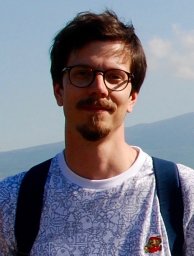 Lärkeryd Adrian合作论文数FOI, Swedish Defence Research Agency3
 Stina Backman合作论文数3
 John Lis合作论文数Department of Molecular Biology and Genetics, College of Agriculture and Life Sciences, Cornell University3
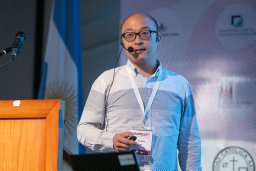 Sungmin Lee合作论文数University of Umeå, University of Umea3
 Soumyadeep Nandi合作论文数Ottawa Institute of Systems Biology and Department of Biochemistry, Microbiology and Immunology, University of Ottawa3Figueiredo Margarida L A合作论文数3
 Sang Hoon Lee合作论文数Department of Physics, Gyeongsang National University3
 Fredrik Pettersson合作论文数Biotech Center, Carlsson Research AB3Rikard Dryselius合作论文数2Sarina R. Cameron合作论文数2Elin Nilsson合作论文数2Anders Johansson合作论文数2
 Roshan Vaid合作论文数Institute of Biomedicine, University of Gothenburg2




