Posttraumatic stress disorder (PTSD) is a critical occupational health concern among health care workers (HCWs). Quantifying global prevalence and identifying risk factors is critical for guiding intervention and policy strategies. A systematic review and meta-analysis was performed following PRISMA guidelines (PROSPERO CRD42024587810). A literature search of PubMed, Embase, PsycINFO, Web of Science, and Cochrane Library databases was performed from database inception to March 11, 2025. Observational studies reporting PTSD prevalence and odds ratios (ORs) for PTSD risk factors among HCWs were included. The primary outcome was p ooled prevalence of PTSD and ORs for risk factors among HCWs. A total of 308 studies from 60 countries were included, comprising 371,211 HCWs. The pooled PTSD prevalence was 27.2% (95% CI, 25.3%–29.2%). Higher prevalence was observed among female (31.5%), nurses (28.6%), HCWs in low- and middle-income countries (30.0%), and those in Africa (40.8%). Prevalence increased from 20.2% (95% CI, 14.4%–26.0%) before COVID-19 to 27.8% (95% CI, 25.8%–29.8%) after its onset, with meta-regression showing a significant upward trend over time (β = 9.94*10 -4 , P = 0.012). The strongest risk factors for PTSD included a history of mental disorder (OR, 2.08; 95% CI, 1.54–2.80), nursing occupation (OR, 1.60; 95% CI, 1.41–1.82), and symptomatic family or friends (OR, 1.53; 95% CI, 1.22–1.90). These findings indicate a substantial psychological burden among HCWs and identify subgroups with higher vulnerability across settings.
Importance:Despite the growing number of residents with disabilities, barriers to equitable access persist in medical training. Program access to accommodation has been linked to improved training and mental health outcomes, but little is known about possible resident and program characteristics associated with access to and requests for needed accommodations. Objective:To examine demographic, training, and disability-related factors associated with program access and accommodation requests among internal medicine (IM) residents with disabilities. Design, Setting, and Participants:This national cross-sectional study looked at accredited IM residency programs in mainland US and Puerto Rico. Participants were IM residents who took the 2023 Internal Medicine In-Training Examination and reported having at least 1 type of disability. Main Outcomes and Measures:The primary outcomes were program access, defined as receiving accommodations or not needing them, and requesting needed accommodations. Multivariable logistic regression models were conducted for each of the outcomes. Results:Of 19 205 respondents, 1824 (9.5%) reported a disability; participants were predominantly men (979 men [53.7%]), US medical graduates (1398 participants [76.6%]), and enrolled in categorical IM programs (1532 participants [84.0%]). With regard to race, 340 participants (18.6%) were Asian, 415 (22.8%) were from groups underrepresented in medicine (including self-reported Black or African American or Afro-Caribbean; Latinx or Latino or Hispanic; Native American or American Indian or Indigenous or Alaskan Native; Native Hawaiian or Pacific Islander), and 823 (45.1%) were White. Among 1052 with complete accommodation information, 811 (77.1%) had program access and 241 (22.9%) did not. In multivariable regression models, having cognitive disabilities (adjusted odds ratio [aOR], 0.27; 95% CI, 0.15-0.49) and identifying as women (aOR, 0.55; 95% CI, 0.40-0.75), Asian (aOR, 0.53; 95% CI, 0.34-0.82) and underrepresented racial or ethnic groups (aOR, 0.58; 95% CI, 0.38-0.87) were associated with lower odds of program access. Among 699 residents coded as needing disability accommodations with classifiable responses, 200 (28.6%) did not request them. Fear of stigma (164 respondents [82.0%]) and unclear institutional processes (60 respondents [30.0%]) were the most cited reasons for nonrequest for needed accommodations. Requesting accommodations was less likely among residents with cognitive disabilities (aOR, 0.16; 95% CI, 0.08-0.31) and who identify as women (aOR, 0.37; 95% CI, 0.25-0.54), genderqueer or nonbinary (aOR, 0.11; 95% CI, 0.02-0.68), Asian (aOR, 0.50; 95% CI, 0.30-0.85), or underrepresented in medicine (aOR, 0.60; 95% CI, 0.37-0.97). Conclusions and Relevance:These findings suggest that despite growing disability representation, substantial inequities in access to and requests for accommodations persisted for IM residents with disabilities, particularly those with cognitive disabilities and marginalized identities. Institutions should implement inclusive, transparent policies to foster psychological safety and disability inclusion.
BACKGROUND:Medical training is a high-stress period, and residents in surgical specialties face elevated risk for depression due to demanding schedules, intensity of training, persistent mistreatment, and long work hours. Obstetrics and gynecology is the only surgical specialty predominantly composed of women, who face higher rates of depression than men and greater increases in depressive symptoms during internship. These challenges, compounded by work-family conflict and policy pressures, contribute to workforce strain in a specialty already facing a projected shortage. Understanding the mental health burden is critical to supporting both trainee well-being and long-term workforce sustainability, yet depressive symptoms, risk factors, and treatment-seeking have not been systematically studied in obstetrics and gynecology trainees. OBJECTIVE:To assess the prevalence of depressive symptoms and mental health treatment-seeking among obstetrics and gynecology first-year residents and identify associated demographic, psychological, and workplace factors. STUDY DESIGN:First-year obstetrics and gynecology residents enrolled in the longitudinal Intern Health Study between 2009 and 2024 completed surveys at enrollment and quarterly throughout internship. Depressive symptoms were measured using the 9-item Patient Health Questionnaire. Pearson correlations, χ2 tests, stepwise linear regression, and generalized estimating equation models were used to identify baseline and internship-related predictors of depressive symptoms. Sample weights were applied to address nonrepresentative sampling and attrition biases. RESULTS:Of 1603 enrolled obstetrics and gynecology interns (86.5% women; median age 27 years), 1271 (79.3%) completed at least one internship assessment and were included in the analysis. During internship, 35.6% screened positive for depression on the 9-item Patient Health Questionnaire at one or more assessments, yet less than one-third of those affected sought mental health treatment. Baseline predictors of increased depressive symptoms included history of depression, higher baseline depressive symptoms, neuroticism, a difficult early family environment, and not being in a committed relationship. Internship-related factors associated with worsening symptoms included fewer sleep hours, longer work hours, and reported medical errors. CONCLUSION:More than one-third of obstetrics and gynecology residents screened positive for depression on the 9-item Patient Health Questionnaire during their first year, yet treatment-seeking remained critically low. Both preexisting vulnerabilities and modifiable workplace stressors contributed to depressive symptoms. These findings are particularly notable given the female-predominant composition of the obstetrics and gynecology field and the growing representation of women in surgical specialties. The low treatment-seeking rate highlights the urgent need for improved mental health access, including opt-out service models. Structural interventions targeting workload and sleep are essential to support trainee well-being and long-term workforce sustainability in obstetrics and gynecology.
Abstract Introduction Humans exhibit circadian rhythms in sleep, but it is unclear whether they also display annual cyclical patterns. In other species, circannual rhythms often vary with latitude, with greater amplitude and predictable shifts in peak timing at higher latitudes. Demonstrating similar latitudinal clines in human sleep would provide evidence consistent with a circannual component to annual sleep variation. This study tests whether daily total sleep time (TST) and sleep midpoint exhibit annual rhythmicity and whether the amplitude and timing of these rhythms vary across geographic location. Methods This study uses yearlong wearable sleep data from the 2018–2022 cohorts of the Intern Health Study (IHS), a longitudinal study of first-year medical residents. Annual seasonality in daily sleep was tested using cosinor models. Latitude effects were evaluated in mixed-effects models that allowed the amplitude and phase of these rhythms to vary by location. Amplitude and peak timing were derived from model coefficients for interpretation. Results Both TST and sleep midpoint showed evidence of annual rhythmicity. Average TST did not differ significantly by latitude; however, peak TST was slightly greater and occurred earlier at higher latitudes. In contrast, neither sleep midpoint amplitude nor phase varied significantly across latitudes. Conclusion Annual rhythms in both TST and sleep midpoint, along with modest latitudinal differences in TST amplitude and peak timing, support the presence of latitudinal clines in annual sleep patterns, consistent with a circannual component for duration but not timing. Future research could explore whether these annual patterns reflect endogenous circannual processes, environmental influences, or their interaction by incorporating objective light exposure and physiological circadian markers to more directly assess mechanisms underlying annual sleep variation. Support (if any)
IMPORTANCE:With the transition of USMLE Step 1 to pass/fail, USMLE Step 2 Clinical Knowledge (CK) has become a high-stakes component of residency selection. This shift raises concerns that increased reliance on Step 2 CK may exacerbate existing inequities, particularly for medical students with disabilities and those with intersecting marginalized identities. OBJECTIVE:To examine differences in USMLE Step 2 CK performance by disability status, race, ethnicity, and their intersections among U.S. medical students. METHODS:We conducted a cross-sectional analysis of the Pathways II dataset, comprising deidentified student-level data from nine U.S. MD-granting medical schools. Graduated students from the 2020-2023 cohorts were included. Medical students with disabilities were defined as those formally registered with institutional disability resource offices and were matched 1:2 with nondisabled peers by institution, gender, graduation cohort, and MCAT score. Race and ethnicity were categorized as White, Asian, underrepresented in medicine (URiM, including American Indian/Alaska Native, Black/African American, Hispanic/Latino, and Native Hawaiian/Pacific Islander), or Other. Disability categories included ADHD, learning, psychological, mobility/sensory, chronic health, or other. Multivariable linear regression models estimated adjusted Step 2 CK score differences by disability status, race, ethnicity, and their interactions, adjusting for MCAT score and clustering standard errors at the school level. RESULTS:Among 1,350 students, 448 (33.2%) had a registered disability. The mean Step 2 CK score was 244.3 (SD, 15.1). Students with disabilities scored lower than nondisabled peers (mean 239.6 vs 246.7; adjusted β, -7.02; 95% CI, -8.76 to -5.28). Students with ADHD, learning, or psychological disabilities scored 9-11 points lower than nondisabled peers (P < .001). URiM students scored lower than White students overall (adjusted β, -8.50; 95% CI, -10.74 to -6.25). Intersectional analysis demonstrated that disparities were largest among URiM and Asian students with disabilities. CONCLUSIONS:Medical students with disabilities experience significant disparities in Step 2 CK performance, particularly those with cognitive-based disabilities and intersecting marginalized identities. As Step 2 CK plays a larger role in residency selection, addressing structural barriers in assessment and accommodation processes is critical to advancing equity.
Importance:Previous research has documented the prevalence of discrimination based on race, ethnicity, sex, and sexual orientation among medical students; however, discrimination experienced by medical students with disabilities, and the impact of intersecting identities on these experiences, remains underexplored. Objective:To examine the association of general, gender-based, and race-based discrimination with disability status, sex, race, and ethnicity during medical school. Design, Settings, and Participants:This cross-sectional study surveyed graduating medical students in US accredited MD-granting medical schools from 2020 to 2022. Analyses were conducted from October to November 2024. Main Outcomes and Measures:Modified Poisson regression was used to estimate the relative risk of disability status, sex, race, and ethnicity with self-reported experiences of general, gender-based, and race-based discrimination and the intersection of disability status, sex, race, and ethnicity. Results:Among 45 705 graduating medical students, 3863 (8.5%) reported having a disability; 24 163 (52.9%) identified as female; and 10 100 (22.1%) identified as Asian, 2661 (5.8%) as Black, 4524 (9.9%) as Hispanic, 25 154 (55.0%) as White, and 3266 (7.1%) as other race or ethnicity. Medical students with disability (MSWD) were more likely than their peers without disability to report general discrimination (relative risk [RR], 1.57; 95% CI, 1.50-1.65), gender-based discrimination (RR, 1.64; 95% CI, 1.57-1.72), race-based discrimination (RR, 1.55; 95% CI, 1.44-1.67), and multiple types of discrimination (RR, 1.82; 95% CI, 1.71-1.91). Asian, Black, and Hispanic female MSWD were more likely to report general and race-based discrimination than their White male peers without disability, with the prevalence of general, gender-based, and race-based discrimination among female Asian, Black, and Hispanic MSWD being greater than 25%. Compared with White male students without disability, Asian and Black female MSWD reported the highest risk of general discrimination (Asian: RR, 2.40; 95% CI, 2.09-2.77; Black: RR, 2.58; 95% CI, 2.17-3.06). White and Asian female MSWD reported the highest risk of gender-based discrimination (White: RR, 4.65; 95% CI, 4.30-5.04; Asian: RR, 4.41; 95% CI, 3.85-5.05). Asian and Black female MSWD reported the highest risk of race-based discrimination (Asian: RR, 8.53; 95% CI, 7.26-10.01; Black: RR, 12.48; 95% CI, 10.76-14.47). Finally, Asian and Black female MSWD reported the highest risk of multiple types of discrimination (Asian: RR, 6.50; 95% CI, 5.63-7.52; Black: RR, 7.21; 95% CI, 6.10-8.52). Conclusions:In this cross-sectional study of US medical students, Asian, Black, and Hispanic female MSWD were more likely to report general and race-based discrimination, whereas White and Asian female MSWD were more likely to report gender-based discrimination during medical school. These findings highlight the need to address intersecting forms of discrimination for medical students with disabilities.
This cohort study examines disability status and membership in medical honor societies among medical students in the US.
Geographic factors may influence sleep, but prior studies have been inconsistent, likely because of reliance on seasonally invariant and self-reported data. Using year-long objective sleep measurements from 4683 U S. medical interns, this study aimed to determine how latitude affects total sleep time (TST) and assess whether photoperiod acts as a mediator in this association. Linear mixed models (LMMs) showed that each 1° increase in latitude was associated with approximately 0.23 min longer TST on average across the year, and daily photoperiod was negatively associated with TST. Simulation-based mediation analyses revealed seasonal effects: in summer, higher latitude led to reduced TST via longer photoperiod, whereas in winter, higher latitude led to increased TST via shorter photoperiod. Direct effects of latitude remained significant during winter, suggesting additional influences beyond photoperiod. These findings indicate that latitude influences TST through a seasonally specific photoperiod-mediated pathway, as well as through other non-photoperiod environmental factors.
PURPOSE:Timely diagnosis of disability is essential to student success. This study assesses the association between disability type; first-generation college graduate status; and race, ethnicity, and gender and the timing of disability diagnosis among medical students, and whether the timing of diagnosis is associated with likelihood of receiving accommodations in the preclinical and clinical phases of medical training. METHOD:The authors conducted a retrospective cohort study between April 2023-April 2024 across 9 U.S. MD-granting programs. Data were obtained from individual student records in collaboration with administrators and designated staff who support students with disability-related concerns and accommodation requests. Modified Poisson regression was utilized to estimate the relative risk of diagnosis timing after matriculation and preclinical and clinical accommodations to account for potential variability across schools. RESULTS:Among the 362 medical students in the study, 167 (46.1%) were diagnosed after medical school matriculation. Compared to continuing-generation students, first-generation college graduates were significantly more likely to have a disability diagnosis after medical school matriculation (59.0% vs 43.2%; aIRR, 1.33; 95% CI, 1.01-1.77). Across all racial and ethnic groups, Black students were significantly more likely to be diagnosed after matriculation compared to their White peers (66.6% vs 41.5%; aIRR, 1.58; 95% CI, 1.21-2.06). Female students were less likely to be diagnosed with a disability after matriculation (aIRR, 0.85; 95% CI, 0.73-0.98). Overall, 232 (64.1%) and 284 (78.4%) participants received preclinical and clinical accommodations, respectively. Students who received a disability diagnosis before medical school matriculation were significantly more likely to receive preclinical accommodations (79.4%) compared to those diagnosed after matriculation (46.1%; aIRR, 0.60; 95% CI, 0.50-0.72). No significant association was found between timing of diagnosis and clinical accommodations. CONCLUSIONS:This study highlights the challenges medical students with disabilities face in requesting accommodation, particularly for those who are diagnosed after medical school matriculation.
Privacy is a growing concern in mobile health research, particularly regarding passive data. Apple SensorKit provides a novel platform for collecting phone and wearable usage and sensor data, however the acceptability and feasibility of collecting these sensitive data to research subjects remain unknown. To address this gap, we piloted the SensorKit platform as part of the longitudinal Intern Health Study. Unlike prior research on digital privacy, which has often relied on small samples, this study leverages a large and demographically diverse cohort of US medical residents to explore racial and ethnic differences in the acceptability of passive sensor data collection. Findings demonstrate that successful enrollment and retention rates can be achieved in a longitudinal e-Cohort study that collects SensorKit data, however lower opt-in rates among racial minorities suggest the need for further evaluation of the equity implications around specific data types in mobile health research.
Importance:In the general population, depression increased with the onset of the COVID-19 pandemic. In addition to the general pandemic impact, training physicians faced many sudden and dramatic changes in their training environment. However, the effects of these changes on the mental health of training physicians remains unknown. Objective:To identify change in depression risk among training physicians with the onset of the COVID-19 pandemic and factors associated with risk. Design:Prospective cohort study. Setting:University- and community-based health care institutions in the United States and Shanghai, China. Participants:First-year resident physicians (interns) serving during the 2018-19 (n=1844), 2019-20 (n=1201), and 2020-21 (n=2448) academic years (U.S. sample); interns serving during the 2021-22 academic year (n=471) (Shanghai sample). Main Outcomes and Measurements:Depressive symptoms (Patient Health Questionnaire-9 [PHQ-9]) and work hours were assessed quarterly for all U.S. cohorts. The 2019-20 cohort completed supplemental surveys of these measures in April and May 2020. Shanghai sample interns were assessed for depressive symptoms (PHQ-9) and work hours quarterly before, during, and after the 2022 lockdown. Results:Within the 2019-20 U.S. cohort, depressive symptom scores decreased from the pre-pandemic (September, December) to the pandemic period (April, May, June) (5.5 [3.9] vs. 4.9 [4.3], p<0.001). In causal mediation analysis, 62% of this change was mediated through work hours (0.62, 95% CI [0.44-1.00]). Descriptive comparisons of this cohort with cohorts training immediately before (2018-19) and after (2020-21) the pandemic onset demonstrated that both work hours and depressive symptoms were significantly lower in spring 2020, but returned to pre-pandemic levels by fall 2020. In the parallel Shanghai cohort serving during the April 2022 lockdown, we found a similar magnitude drop in depressive symptoms (5.6 [3.3] vs. 4.9 [4.8], p=0.005), with 64% of the effect mediated through work hours (0.64, 95% CI [0.24-1.84]). Conclusions and Relevance:Interns experienced a 11% decrease in depressive symptoms with the onset of the pandemic, which was primarily driven by reduced work hours. The identified associations between work hours and depressive symptoms early in the pandemic may inform strategies to support physician wellness moving forward.
PURPOSE:Medical students with disabilities (MSWD) from racial and ethnic populations that are underrepresented in medicine (URiM) may experience disparate educational paths compared to their peers, including disruption during training. This study examined whether MSWD who are also URiM experienced disproportionate rates of unintended leaves of absence (LOA) or extended time to graduation (TTG) compared to those who are only URiM, only MSWD, or neither. METHOD:The authors analyzed data from 372 MSWD and 689 matched nondisabled controls across 9 U.S. MD-granting programs. Students were matched by gender, graduation cohort, and Medical College Admission Test scores. MSWD were categorized into cognitive, physical/sensory, and chronic health disabilities, while race/ethnicity was classified as underrepresented in medicine (e.g., American Indian/Alaska Native, Black/African American, Hispanic/Latino, or Native Hawaiian/Pacific Islander), Asian, or White. Likelihood of LOA and extended TTG outcomes were assessed using mixed-effect logistic regression models. RESULTS:MSWD were 2.6 times more likely to take an LOA (25.0% vs 12.6%, P < .001) and 2.6 times more likely to have extended TTG than nondisabled peers (38.6% vs 21.9%, P < .001). URiM students were 1.7 times more likely to take an LOA (22.9% vs 15.3%, P = .01) and 2.1 times more likely to experience extended TTG than White students (36.2% vs 22.5%, P < .001). Adjusted analysis showed URiM MSWD were 5.9 times more likely to take an LOA (40.6% vs 13.4%, P < .001) and 4.9 times more likely to experience extended TTG than nondisabled White peers (56.4% vs 28.7%, P < .001). CONCLUSIONS:URiM MSWD faced disproportionately heightened risks for academic disruptions in the form of LOA and extended TTG, underscoring the need for interventions that are more supportive of students with overlapping identities.
This cross-sectional study describes experiences of discrimination among US medical students with disabilities as reported in a 2024 survey.
Purpose Negative learning environment experiences may contribute to burnout for medical students with disabilities (MSWD). This study explores MSWD's perceptions of the learning environment and the effects of program access (having received or not needing accommodations). Method The authors analyzed the Association of American Medical Colleges Year Two Questionnaire data from 2019 and 2020, comparing nondisabled students, MSWD with program access, and MSWD without program access (having not received or requested an accommodation, despite a need). Three learning environment measures were examined: how schools fostered students' personal and professional development; a shortened Medical School Learning Environment Scale (MSLES); and subscales on emotional climate, student-faculty interactions, and student-student interactions. Responses were compared across the 3 groups using chi-square and ANOVA tests with post-hoc pairwise comparisons. Results Of the 23,898 respondents, 10.2% (2,438) self-reported a disability. Among those, 83.6% (2,039) reported program access, and 13.9% (340) reported lack of program access. Students without disabilities (21,008) reported higher agreement that their school fostered their development as a person (72.2%, 15,172) and physician (90.9%, 19,089) compared with MSWD with access (65.6%, 1,312 and 89.0%, 1,778, P < .001). MSWD without access reported lower agreement than both groups (43.7%, 149 and 80.1%, 273, P < .001). There were no differences regarding the MSLES statement about high-performance standards (F(2, 23742) = 2.35, P = .095). For the 8 remaining MSLES statements and for all 3 subscales, nondisabled students reported significantly higher agreement than MSWD with and without access, and MSWD with access had higher agreement than those without. Conclusions This nationally representative study demonstrates that MSWD perceive the learning environment less favorably than their nondisabled peers. Program access partially mitigates these differences, underscoring the critical role of accommodations and the need to address structural barriers to access.
PURPOSE:Studies suggest that medical trainees often experience uncertainty regarding their alignment with institutional and legal definitions of disability, which is exacerbated by barriers to documentation, stigma-related concerns, and ableist societal perceptions. This study examines demographic characteristics and burnout outcomes among medical students uncertain about their disability status compared to those identifying as a person with a disability. METHOD:The authors analyzed data from second-year medical students identifying as having a disability (N = 2438) or reporting not knowing if they had a disability (N = 496) among the 27,009 participants in the 2019 and 2020 Association of American Medical Colleges Year-Two Questionnaire cohorts. Burnout was measured using the Oldenburg Burnout Inventory for Medical Students. Demographic associations with disability status uncertainty and its relationship with burnout were examined through multivariable logistic regression. RESULTS:Compared to White students, those identifying as Asian (odds ratio [OR], 3.36; 95% confidence interval [CI], 2.56-4.39), Black/African American (OR, 2.49; 95% CI, 1.71-3.59), Hispanic/Latino/Spanish origin (OR, 1.65; 95% CI, 1.14-2.36), and multiracial (OR, 1.66; 95% CI, 1.22-2.24) had significantly higher odds of reporting disability status uncertainty. Asian students also had significantly higher odds than Hispanic/Latino/Spanish origin (OR, 2.03; 95% CI, 1.37-3.05), multiracial (OR, 2.02; 95% CI, 1.44-2.86), or other (OR, 2.64; 95% CI, 1.31-5.92) students. Male students had significantly higher uncertainty odds than females (OR, 1.31, 95% CI, 1.06-1.61). Disability status uncertainty associated with significantly greater odds of high burnout (OR, 1.28; 95% CI, 1.03-1.59). CONCLUSIONS:Medical students uncertain about their disability status showed increased risk of burnout with differences by race, ethnicity, and gender underscoring the need for institutions to address structural and cultural barriers to seeking disability resources. Further research should investigate strategies for mitigating differences for medical students navigating disability and promoting well-being for all learners.
This article examines the contributions of disabled scientists and the barriers they face, including systemic ableism and lack of inclusivity. It offers recommendations to foster an inclusive STEM environment, underscoring the importance of supporting disabled scientists to boost innovation and equity.
 Lisa M. Meeks合作论文数Department of Family Medicine, University of Michigan Medical School;Meeks and Company Consulting20
 Srijan Sen合作论文数Department of Psychiatry, Medical School, University of Michigan;Frances and Kenneth Eisenberg and Family Depression Center, University of Michigan15
 Sonia Regina Loureiro合作论文数Departamento de Neurociências e Ciências do Comportamento, Faculdade de Medicina de Ribeirão Preto, Universidade de São Paulo15
 Christopher Moreland合作论文数12Mytien Nguyen合作论文数Yale School of Medicine, New Haven, CT.11
 Flavia L. Osorio合作论文数Medical School of Ribeirão Preto, University of São Paulo11Jose Alexandre S Crippa合作论文数10
 Elena Frank合作论文数Michigan Neuroscience Institute, Medical School, University of Michigan8
 Jaime Eduardo Cecílio Hallak合作论文数Departamento de Neurociências e Ciências do Comportamento, Faculdade de Medicina de Ribeirão Preto, Universidade de São Paulo8
 Dowin H. Boatright合作论文数Department of Emergency Medicine, Grossman School of Medicine, New York University6
 Antônio Waldo Zuardi合作论文数Department of Neurosciences and Behavior, Faculty of Medicine of Ribeirão Preto, University of São Paulo6
 Neera R. Jain合作论文数Fac Med, Univ British Columbia5
 Stergiopoulos Erene合作论文数Centre for Research on Employment and Workplace Health, Centre for Addition and Mental Health, Toronto, Canada.5
 Rafael G. Dos Santos合作论文数Ribeirão Preto Medical School, Universidade de São Paulo (USP),5Amy N Addams合作论文数4Isabella Lara Machado Silveira合作论文数4
 Zoie Sheets合作论文数University of Illinois College of Medicine at Chicago4Plegue Melissa A合作论文数4Rylee Betchkal合作论文数3Katherine Ross合作论文数Michigan Neurosci Inst, Univ Michigan3
 Jennifer Cleary合作论文数Molecular and Behavioral Neuroscience Institute (Cleary, Fang, Burmeister, Sen),, University of Michigan, Ann Arbor;Department of Computational Medicine and Bioinformatics, University of Michigan Medical School;University of Michigan, Ann Arbor, University of Michigan Medical School3
 Amy Bohnert合作论文数Department of Psychiatry, Medical School, University of Michigan3Viglianti Elizabeth合作论文数3
 Mariana Donadon合作论文数3Zhuo Zhao (赵卓)合作论文数3
 Joao Paulo Machado-de-Sousa合作论文数CNPq, National Institute of Sciences and Technology — Translational Medicine3Juliana Mayumi Ushirohira合作论文数2Ben Case合作论文数2Julia Cozar Pacheco合作论文数2
 Thiago Apolinario合作论文数2João L. Q. Simei合作论文数2Edson A. Degan合作论文数2Êdela A. Nicoletti合作论文数2Thiago D. Apolinário-da-Silva合作论文数2
 Davi Scomparin合作论文数2Lívia M Bolsoni合作论文数2Catherine Stauffer合作论文数2
 Ana Paula Casagrande Silva Rodrigues合作论文数2José Diogo S Souza合作论文数2Maristela Haddad Andraus合作论文数2Isabela Pires-Dos-Santos合作论文数2erika tiemi kato okino合作论文数2
 Karla Cristinne Mancini Costa合作论文数2
 Franciele Franco Scarante合作论文数Dept Pharmacol, Univ Sao Paulo2
 Rafael Rinaldi合作论文数ICMC, Universidade de São PauloSão Carlos2
 Yu Fang合作论文数2
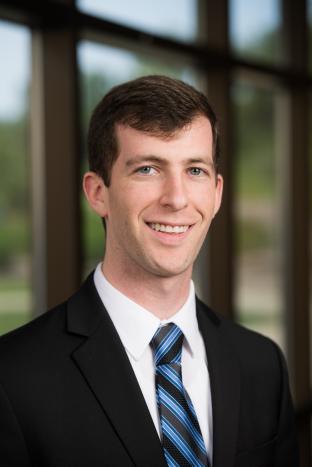 Adam Horwitz合作论文数Department of Psychiatry, University of Michigan2
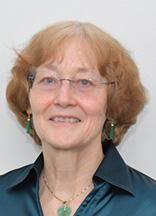 Margit Burmeister合作论文数Department of Computational Medicine and Bioinformatics, Medical School, University of Michigan-Ann Arbor2
 Alline Cristina Campos合作论文数School of Medicine of Ribeirão Preto, University of São Paulo2




