BACKGROUND:The first Association of British Neurologists (ABN) UK multiple sclerosis (MS) pregnancy guidelines were published in 2019. Along with new disease-modifying treatments, significant new data have since become available, resulting in label changes and recognition of class effects. Alongside this, there has been increasing recognition of the importance of family planning considerations in treatment paradigms in MS. METHODS:We set out to update the ABN UK MS Pregnancy guidance with a systematic literature search, with updated guidance informed by multidisciplinary input from across neurology, obstetric medicine, pharmacy and specialist nurses.Guidance:Key updates include consideration of disease-modifying therapy mechanism and durability of action when discussing treatment approaches around pregnancy, alongside considering the impact of treatment withdrawal on relapses during pregnancy and in the postpartum period. Monoclonal antibody transfer into breast milk is generally accepted to be low, and so treatment during lactation can be considered. Active discussion around vaccination strategies during pregnancy and of the neonate is required, with vaccines generally considered safe. With active treatment strategies that take these factors into account, women can be reassured regarding disease control during pregnancy. CONCLUSION:Data sources remain limited, and further dedicated real-world studies that capture the full range of outcomes required to inform risk-benefit discussions are needed. These require collaboration and infrastructure to support the delivery of high-quality care to all women with MS considering pregnancy.
OBJECTIVES:Infliximab, an anti-TNF agent, is used to treat sarcoidosis that does not respond to corticosteroids or second-line agents. The efficacy of other anti-TNF agents, non-TNF biologics and targeted synthetic therapies remains unclear. This study aims to evaluate the role of these therapies in the management of multisystem sarcoidosis. METHODS:We conducted a systematic literature search to identify trials of biological and targeted synthetic therapies in sarcoidosis. Meta-analyses examined %-predicted forced vital capacity (FVC), as mean change from baseline. Heterogeneity was measured using the I2 statistic. Vote counting based on the direction of effect, as recommended by the Cochrane network, was used to synthesise study estimates. RESULTS:The search identified 6777 records. Sixteen studies met the inclusion criteria. These included 8 randomised control trials (RCTs) and 8 single-arm trials. Fourteen studies evaluated biologic therapies: infliximab (n=5), adalimumab (n=2), etanercept (n=2), golimumab (n=1), rituximab (n=1), anakinra (n=1), sarilumab (n=1), ustekinumab (n=1) and efzofitimod (n=1). Two trials assessed the targeted synthetic therapy tofacitinib. Risk of bias was high in five of eight RCTs. Meta-analysis of %-predicted FVC showed modest improvement with treatment (mean change: 4.79% (95% CI 1.22 to 8.35), driven by anti-TNF trials 5.70% (95% CI 1.61 to 9.78). Heterogeneity was substantial (I²=76.3%). In data synthesis using vote counting, infliximab, adalimumab, efzofitimod and tofacitinib demonstrated a positive direction of effect across all estimates, though improvements in several outcomes did not reach thresholds for minimal clinically important differences. CONCLUSIONS:Meta-analysis supports infliximab use in pulmonary sarcoidosis, although improvements in lung function are modest. There is limited but promising evidence for the use of adalimumab and tofacitinib in cutaneous disease and efzofitimob in pulmonary disease. Study interpretation is limited by small sample sizes and heterogeneity in study design and population.PROSPERO registration numberCRD42024599560.
Background:The epidemiology of sarcoidosis in England is largely uncharted, with no population-level prevalence data and outdated incidence and mortality estimates. Our objective was to investigate contemporary trends in incidence, prevalence, and mortality. Methods:This cohort study used primary care data from the UK Clinical Practice Research Datalink (CPRD), linked to secondary-care and national death registration. Patients aged ≥18 with sarcoidosis were identified using primary care codes. Age-and-sex standardised incidence and prevalence were calculated. Standardised mortality ratios (SMRs) compared mortality with the general population. A matched non-sarcoidosis cohort was constructed within CPRD, and Poisson regression compared all-cause mortality between incident cases and controls. Findings:Between 2003 and 2023, 18,554 incident sarcoidosis patients were identified. The age- and sex-standardised incidence per 100,000 person-years increased from 6.65 in 2003 to 7.73 in 2023, with the most pronounced rise occurring between 2010 and 2016. Incidence rose notably among males and those over 60-year-olds. Sarcoidosis prevalence increased from 167 to 230 per 100,000 individuals. The age-and-sex standardised all-cause mortality rate was 12.2 per 1000 patients in 2023. Elevated mortality was observed in males [SMR: 1.8 (1.7-1.8)] and females [SMR: 2.1(2.0-2.2)], particularly in those aged 30-70 years old. Regression models indicated higher all-cause mortality in the incident sarcoidosis cohort compared to controls [adjusted mortality rate ratio 1.36 (95% CI 1.27-1.44)]. Interpretation:Sarcoidosis incidence has increased during the study period, with shifts in age-and-sex distribution and excess mortality risk. Recognising this burden is key to refining healthcare policies, optimising resources and improving patient outcomes. Funding:None.
Artificial intelligence (AI) tools can triage radiology scans to streamline the patient pathway and also relieve clinician workload. Validated AI tools can mitigate the delays in reporting scans by flagging time-sensitive and actionable findings. In this study, we aim to investigate current stakeholder perspectives and identify obstacles to integrating AI in clinical pathways. We created a survey to ascertain the perspectives of 133 clinicians across the United Kingdom regarding the acceptability of an AI tool that triages MRI brain scans into 'normal' and 'abnormal'. As part of this survey, we supplied clinicians with information on training and validation case numbers, model performance, validation using unseen data, and explainability saliency maps. With regards to the specific use case of AI in MRI brain scans, 71% of respondents preferred the use of an AI-assisted triage compared to the current system without triage, typically chronologically. Notably, information that explained and helped visualise the AI model's decision making was found to improve clinician confidence. When shown a heatmap, 60% of participants felt more confident in the AI's decision. The results of this short communication demonstrate a positive support for the implementation of AI-assistive tools in triage.
Background/Aims Sarcoidosis is a systemic inflammatory disorder characterised by the formation of non-caseating granulomas, and can affect almost any organ, ranging from self-limiting to a chronic and progressive disease. There are no validated biomarkers that help establish diagnosis or monitor disease progression. Serum Angiotensin-Converting Enzyme (ACE) is used in clinical practice despite some studies reporting a poor reflection of disease activity. Soluble interleukin 2 receptor (sIL-2R) is being used with increasing frequency and may be a useful tool in establishing diagnosis and monitoring disease progression. Our objectives were to evaluate the use of ACE and sIL2-R in a large tertiary cohort of patients with multisystem sarcoidosis. Methods This was an observational cohort study. Patients with a confirmed diagnosis of sarcoidosis at King's College Hospital between 2013 and 2023 were identified. Demographics, symptoms onset, clinical features, ACE, sIL2-R, high-resolution computed tomography (HRCT), Positron emission tomography-computed tomography (PET-CT), histology and immunomodulating therapy were extracted from electronic health records. Cross sectional correlations between ACE and sIL2-R was assessed by Spearman's correlation coefficient (rs). Results Data were extracted for 196 individuals diagnosed with sarcoidosis. The mean age was 55 (SD 16) with a female and black predominance (table 1). A prior exposure risk of silica or dust was identified in 5 individuals. At diagnosis the most frequently reported organ involvement was lung (65%), eye (20%), musculoskeletal (13%) and skin (12%). Organ involvement on PET-CT was seen in 77%. 22% had interstitial lung disease (ILD) confirmed on HRCT and 3% had myocarditis on cardiac MRI. Steroids were commenced in 56%, with a mean dose of 19mg (SD 13mg). The mean duration of follow up was 7 years (IQR 2.9-14.4), 11% developed symptoms suggestive of new organ involvement, 7% had PET-CT evidence of new organ involvement, 4% had evidence of ILD progression and 14% underwent re-initiation or escalation of steroid therapy. 42% (n = 82) had results for both sIL2-R and ACE biomarkers. The median ACE was 55u/L (IQR 40-83) and sIL2-R 1781ng/L (IQR 1328-2436). 50% (41/82) had a sIL2-R >1800ng/L and 59% (48/82) had an ACE >50u/L. Interestingly, 32% (13/41) with a sIL2-R >1800 had a normal ACE and 42% (20/41) with an ACE >50 had a normal sIL2-R results. sIL2-R correlated with ACE (rs = 0.34, p = 0.0018). There was no significant difference in ACE levels in those taking ACE inhibitors (n = 9) compared to those (n = 73) not: 55u/L (IQR 41-83) versus 39u/L (IQR 30-65) p = 0.30. Conclusion sIL2-R significantly correlated with serum ACE, although the rs value is not particularly strong, suggesting other factors may be influencing the relationship. These biomarkers represent different aspects of the disease; serum ACE reflects granulomatous inflammation whilst sIL2-R implies immune system activation and T-cell involvement, which may explain our findings. Disclosure M. Hughes: None. K. Bechman: Honoraria; UCB, Viforpharma. Grants/research support; NIHR, Versus Arthritis/Pfizer. R. Roy: None. M. Omar: None. D. Mehta: None. D. Nagra: None. S. Walsh: None. S.S. Birring: None. D.M. Sado: None. P.A. Brex: None. J. Galloway: Honoraria; Abbvie, Biovitrum, Bristol Myers Squib (BMS), Celgene, Chugai, Gilead, Janssen, Lilly, Novartis, Pfizer, Roche, Sanofi, Sobi, UCB.
BACKGROUND:Seasonal variation in attacks of acute disseminated encephalomyelitis (ADEM1) is reported in some studies. Myelin oligodendrocyte glycoprotein (MOG) antibodies are found in up to 50 % of ADEM cases. Despite this, there has been no adequately powered study of seasonality in MOG antibody-associated disease (MOGAD). We sought to determine whether there was an effect of season on incidence of total attacks and onset attacks of MOGAD. METHODS:We searched the large national Oxford-based NMO Service database to identify attacks of MOGAD occurring between 2010 and 2021. Month of each attack was extracted and Edwards' test of seasonal variation was applied to determine whether there was a seasonal effect on total attacks and onset attacks. RESULTS:Neither incidence of total attacks nor incidence of onset attacks varied significantly by month. CONCLUSION:There is no evidence of seasonal fluctuations in the incidence of MOGAD attacks in the UK.
Abstract Background/Aims Sarcoidosis is a systemic inflammatory disorder characterised by the formation of non-caseating granulomas, and can affect almost any organ, ranging from self-limiting to a chronic and progressive disease. There are no validated biomarkers that help establish diagnosis or monitor disease progression. Serum Angiotensin-Converting Enzyme (ACE) is used in clinical practice despite some studies reporting a poor reflection of disease activity. Soluble interleukin 2 receptor (sIL-2R) is being used with increasing frequency and may be a useful tool in establishing diagnosis and monitoring disease progression. Our objectives were to evaluate the use of ACE and sIL2-R in a large tertiary cohort of patients with multisystem sarcoidosis. Methods This was an observational cohort study. Patients with a confirmed diagnosis of sarcoidosis at King’s College Hospital between 2013 and 2023 were identified. Demographics, symptoms onset, clinical features, ACE, sIL2-R, high-resolution computed tomography (HRCT), Positron emission tomography-computed tomography (PET-CT), histology and immunomodulating therapy were extracted from electronic health records. Cross sectional correlations between ACE and sIL2-R was assessed by Spearman’s correlation coefficient (rs). Results Data were extracted for 196 individuals diagnosed with sarcoidosis. The mean age was 55 (SD 16) with a female and black predominance (table 1). A prior exposure risk of silica or dust was identified in 5 individuals. At diagnosis the most frequently reported organ involvement was lung (65%), eye (20%), musculoskeletal (13%) and skin (12%). Organ involvement on PET-CT was seen in 77%. 22% had interstitial lung disease (ILD) confirmed on HRCT and 3% had myocarditis on cardiac MRI. Steroids were commenced in 56%, with a mean dose of 19mg (SD 13mg). The mean duration of follow up was 7 years (IQR 2.9-14.4), 11% developed symptoms suggestive of new organ involvement, 7% had PET-CT evidence of new organ involvement, 4% had evidence of ILD progression and 14% underwent re-initiation or escalation of steroid therapy. 42% (n = 82) had results for both sIL2-R and ACE biomarkers. The median ACE was 55u/L (IQR 40-83) and sIL2-R 1781ng/L (IQR 1328-2436). 50% (41/82) had a sIL2-R >1800ng/L and 59% (48/82) had an ACE >50u/L. Interestingly, 32% (13/41) with a sIL2-R >1800 had a normal ACE and 42% (20/41) with an ACE >50 had a normal sIL2-R results. sIL2-R correlated with ACE (rs = 0.34, p = 0.0018). There was no significant difference in ACE levels in those taking ACE inhibitors (n = 9) compared to those (n = 73) not: 55u/L (IQR 41-83) versus 39u/L (IQR 30-65) p = 0.30. Conclusion sIL2-R significantly correlated with serum ACE, although the rs value is not particularly strong, suggesting other factors may be influencing the relationship. These biomarkers represent different aspects of the disease; serum ACE reflects granulomatous inflammation whilst sIL2-R implies immune system activation and T-cell involvement, which may explain our findings. Disclosure M. Hughes: None. K. Bechman: Honoraria; UCB, Viforpharma. Grants/research support; NIHR, Versus Arthritis/Pfizer. R. Roy: None. M. Omar: None. D. Mehta: None. D. Nagra: None. S. Walsh: None. S.S. Birring: None. D.M. Sado: None. P.A. Brex: None. J. Galloway: Honoraria; Abbvie, Biovitrum, Bristol Myers Squib (BMS), Celgene, Chugai, Gilead, Janssen, Lilly, Novartis, Pfizer, Roche, Sanofi, Sobi, UCB.
Introduction The UK MS Pregnancy Register gathers pregnancy data in women with multiple sclerosis (MS) to address research gaps. We present data from >100 participants recruited since initiation in 2021. Methods Women with MS enter data via a dedicated online portal, completing questionnaires at 2 timepoints during pregnancy, and 3- and 12 months post-partum. Results Of 131 participants, most were White ethnicity (91%), and had relapsing-remitting MS (94%). 101 (89%) had ever taken DMT. Mean age at diagnosis and registration were 28.6 and 33.1 years respec- tively. Most registered in the first trimester of pregnancy (47.3%, n=62). Median EDSS was 2.5. 18 relapses were recorded in 15 patients; most relapses occurred in late pregnancy and postpartum. 78% discussed pregnancy in advance with their MS team. 86 pregnancies were exposed to DMT (62.3%), most commonly natalizumab (34.9%, n=30), glatiramer acetate (20.9%, n=18), and dimethyl fumarate (12.8%, n=11). 120 participants (91.6%) took supplements during pregnancy. Delivery gestation varied from 38 to 41 weeks, with the majority having delivered at 40 weeks. Postnatally, 58.3% of participants scored >10 on the Edinburgh PND scale. Conclusion Such data demonstrates feasibility of large-scale, patient-orientated data gathering. Further work is required to improve postpartum data acquisition.
 Alan Thompson合作论文数Department of Neuroinflammation, Queens Square Institute of Neurology, Faculty of Brain Sciences, University College London17
 Ruth Dobson合作论文数Blizard Institute of Cell and Molecular Science, Barts and the London School of Medicine and Dentistry17
 Stella Hughes合作论文数13
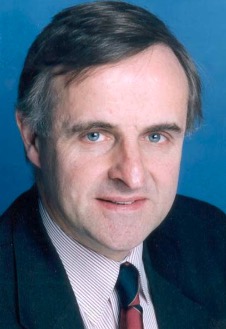 David Miller合作论文数Department of Neuromuscular Diseases, University College London13
 David Rog合作论文数12
 Helen L Ford合作论文数12Eli Silber合作论文数12Owen R Pearson合作论文数11Katy Murray合作论文数10
 Gareth Barker合作论文数Department of Neuroimaging, School of Neuroscience, King’s College London;Institute of Psychiatry, Psychology & Neuroscience, King’s College London9
 Rod Middleton合作论文数Swansea University8
 Gavin Giovannoni合作论文数Blizard Institute, Faculty of Medicine and Dentistry, Queen Mary University of London;Centre for Neuroscience, Surgery and Trauma, Queen Mary University of London8
 Antonio Carotenuto合作论文数Department of Neuroscience, Reproductive Science and Odontostomatology, Federico II University7
 Marios Politis合作论文数Mireille Gillings Neuroimaging Centre, University of Exeter7Wilson Heather C合作论文数7
 Fisniku L K合作论文数Institute of Neurology, University College London7E. Silber合作论文数6
 G. Dervenoulas合作论文数Alzheimer's Disease Neuroimaging Initiative (ADNI) database6
 Olga Ciccarelli合作论文数Queen Square Institute of Neurology, Faculty of Brain Sciences, University College London6
 Steven Williams合作论文数Department of Neuroimaging, School of Neuroscience, Institute of Psychiatry, Psychology & Neuroscience, King's College London;King’s Global Health Institute, School of Life Course & Population Sciences, King's College London6KA Miszkiel合作论文数5
 James Galloway合作论文数School of Immunology & Microbial Sciences, Faculty of Life Sciences & Medicine, King’s College London5
 Rhian Raftopoulos合作论文数King's College Hospital NHS Foundation Trust5B. Giordano合作论文数5Naomi A. Sibtain合作论文数5
 Shannon Kolind合作论文数Faculty of Medicine, The University of British Columbia5
 Klaus Schmierer合作论文数Department of Neurology, Humboldt‐University Berlin5Declan T Chard合作论文数4Sarah White合作论文数4S. Polychronis合作论文数Dept Speech & Language Therapy, Univ Ioannina4Elaine Craig合作论文数4Katie Bechman合作论文数Centre for Rheumatic Diseases, Kings College London4Sarah Walsh合作论文数4
 Alexander Hammers合作论文数Department of PET Imaging Centre Facility, School of Biomedical Engineering & Imaging Sciences, Faculty of Life Sciences & Medicine, King’s College London4
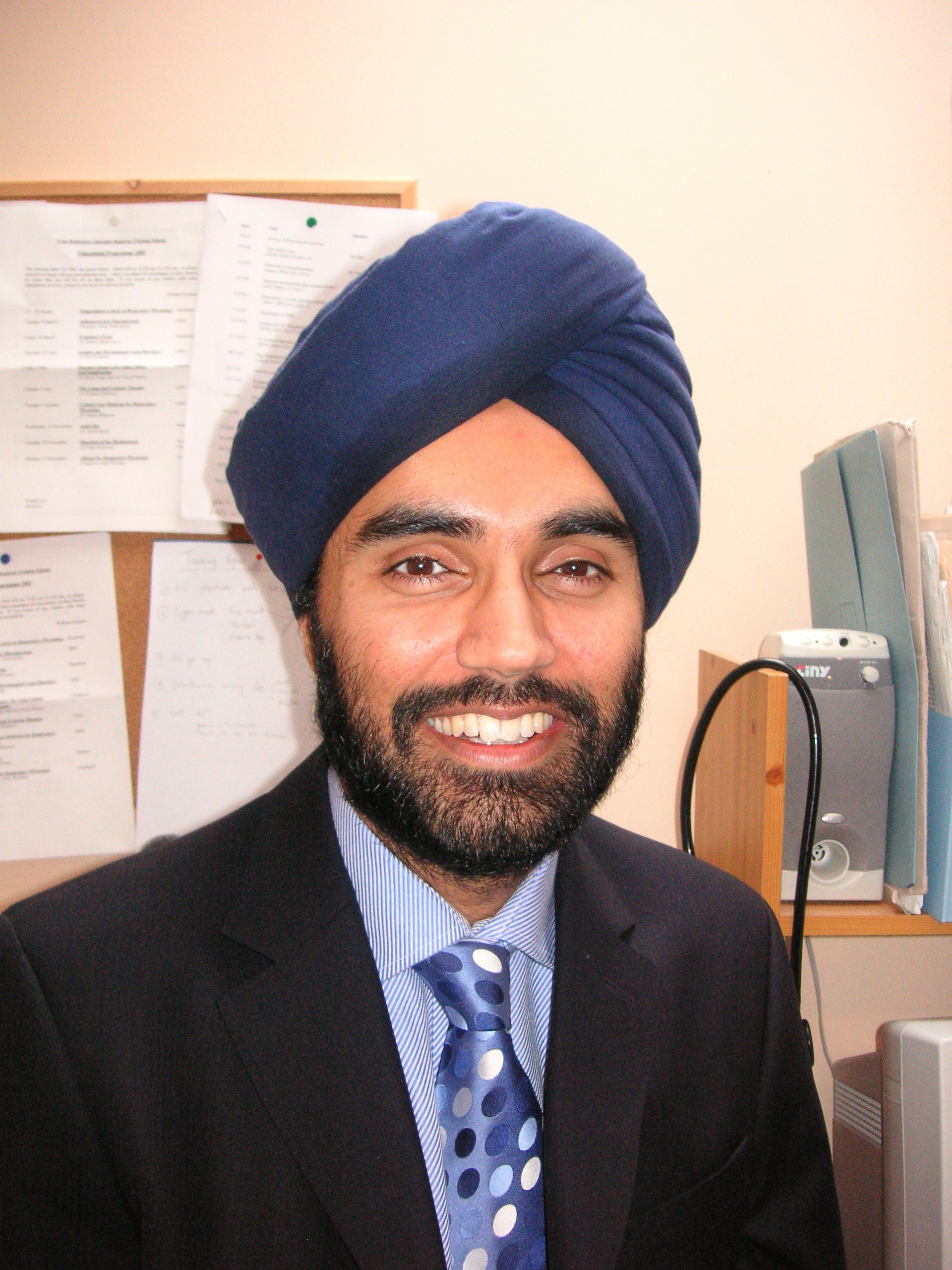 Surinder S Birring合作论文数Department of Respiratory Medicine, King’s College London;King's College Hospital4Altmann D R合作论文数4
 Federico Turkheimer合作论文数King’s College London4
 Mattia Veronese合作论文数Kings Coll London, Inst Psychiat Psychol & Neurosci4Sarah Knowles合作论文数3Pauline Shaw合作论文数3Nicola Bonham合作论文数3Sreedharan Harikrishnan合作论文数3Priyanka Iyer合作论文数Prevent Neurol Unit, Queen Mary Univ London3GT Plant合作论文数3
 Steve Williams合作论文数Thermo Fisher Scientific3
 Alasdair Coles合作论文数Department of Clinical Neurosciences, University of Cambridge;School of Clinical Medicine, University of Cambridge3
 Carlo Pozzilli合作论文数Dipartimento di Neuroscienze Umane, Facoltà di Medicina e Odontoiatria, Università degli Studi di Roma "La Sapienza";Centro Sclerosi Multipla Ospedale S. Andrea3
 Frederik Barkhof合作论文数Centre for Medical Image Computing, Faculty of Engineering, University College London;Department of Medical Physics, Faculty of Engineering, University College London3Jane E Mackewn合作论文数3




