SRT1720, a sirtuin1-activator, and metformin (MET), an antidiabetic drug, confer health and life-span benefits when administered individually. It is unclear whether combination of the two compounds could lead to additional benefits. Groups of 56-week-old C57BL/6J male mice were fed a high-fat diet (HFD) alone or supplemented with either SRT1720 (2 g/kg food), a high dose of MET (1% wt/wt food), or a combination of both. Animals were monitored for survival, body weight, food consumption, body composition, and rotarod performance. Mice treated with MET alone did not have improved longevity, and life span was dramatically reduced by combination of MET with SRT1720. Although all groups of animals were consuming similar amounts of food, mice on MET or MET + SRT1720 showed a sharp reduction in body weight. SRT1720 + MET mice also had lower percent body fat combined with better performance on the rotarod compared to controls. These data suggest that co-treatment of SRT1720 with MET is detrimental to survival at the doses used and, therefore, risk-benefits of combining life-span-extending drugs especially in older populations needs to be systematically evaluated.
The role in longevity and healthspan of nicotinamide (NAM), the physiological precursor of NAD+, is elusive. Here, we report that chronic NAM supplementation improves healthspan measures in mice without extending lifespan. Untargeted metabolite profiling of the liver and metabolic flux analysis of liver-derived cells revealed NAM-mediated improvement in glucose homeostasis in mice on a high-fat diet (HFD) that was associated with reduced hepatic steatosis and inflammation concomitant with increased glycogen deposition and flux through the pentose phosphate and glycolytic pathways. Targeted NAD metabolome analysis in liver revealed depressed expression of NAM salvage in NAM-treated mice, an effect counteracted by higher expression of de novo NAD biosynthetic enzymes. Although neither hepatic NAD+ nor NADP+ was boosted by NAM, acetylation of some SIRT1 targets was enhanced by NAM supplementation in a diet- and NAM dose-dependent manner. Collectively, our results show health improvement in NAM-supplemented HFD-fed mice in the absence of survival effects.
AIM:SRT2104 is a selective activator of SIRT1. In animal models, SRT2104 improves glucose homeostasis and increases insulin sensitivity. We evaluated the tolerability and pharmacokinetics of SRT2104, and its effects on glycaemic control, in adults with type 2 diabetes mellitus.METHOD:Type 2 diabetics with glycosylated haemoglobin (HbA1c) ≥ 7.5% and ≤10.5%, fasting glucose ≥160 and ≤240 mg dl(-1) , and on stable doses of metformin were evenly randomized to placebo or SRT2104 0.25 g, 0.5 g, 1.0 g or 2.0 g, administered orally once daily for 28 days. Changes in fasting and post-prandial glucose and insulin were analyzed.RESULTS:Safety evaluation found no major differences between groups in the frequency of adverse events. SRT2104 concentrations did not increase in a dose-proportional fashion. Significant variability in exposure was observed. Treatment with SRT2104 did not lead to any consistent, dose-related changes in glucose or insulin. Day 28 change from baseline (mean (SD)): fasting glucose (mmol l(-1) ) = -1.17 (2.42), -1.11 (3.45), -0.52 (2.60), -0.97 (2.83) and -0.15 (2.38) for placebo, 0.25 g, 0.5 g, 1.0 g and 2.0 g, respectively. Day 28 change from baseline (mean (SD)): fasting insulin (mmol l(-1) ) = 1.0 (51.66), 8.9 (95.04), -6.9 (41.45), 4.1 (57.16) and 15.2 (138.79) for placebo, 0.25 g, 0.5 g, 1.0 g and 2.0 g, respectively) Treatment with SRT2104 was associated with improvement in lipid profiles.CONCLUSION:Treatment with SRT2104 for 28 days did not result in improved glucose or insulin control which is likely due to the observed pharmacokinetics which were not dose proportional and had large between subject variability.
Increased expression of SIRT1 extends the lifespan of lower organisms and delays the onset of age-related diseases in mammals. Here, we show that SRT2104, a synthetic small molecule activator of SIRT1, extends both mean and maximal lifespan of mice fed a standard diet. This is accompanied by improvements in health, including enhanced motor coordination, performance, bone mineral density, and insulin sensitivity associated with higher mitochondrial content and decreased inflammation. Short-term SRT2104 treatment preserves bone and muscle mass in an experimental model of atrophy. These results demonstrate it is possible to design a small molecule that can slow aging and delay multiple age-related diseases in mammals, supporting the therapeutic potential of SIRT1 activators in humans.
Aim SRT2104 is a novel, first-in-class, highly selective small molecule activator of the NAD + dependent deacetylase SIRT1. SRT2104 was dosed to healthy male and female volunteers in a series of phase 1 clinical studies that were designed to elucidate tolerability and pharmacokinetics associated with oral dosing to aid in dose selection for subsequent clinical trials. Methods In the first-in-human study, there was both a single dose phase and 7 day repeat dose phase. Doses used ranged from 0.03 to 3.0?g. A radioactive microtracer study was subsequently conducted to determine systemic clearance, bioavailability and preliminary metabolism, and a crossover study was conducted to determine the effect of gender, formulation and feeding state on SRT2104 pharmacokinetics. Results SRT2104 was well tolerated in all of these studies, with no serious adverse reactions observed. SRT2104 displayed a dose-dependent, but sub-proportional increase in exposure following single dose and repeated dose administration. Accumulation of three-fold or less occurs after 7 days of repeat dosing. The mean bioavailability was circa 14% and the mean clearance was circa 400?ml?min-1. Although there were no substantial effects on exposure resulting from gender or formulation differences, a notable food effect was observed, manifested as up to four-fold increase in exposure parameters. Conclusions In the absence of an optimized formulation of SRT2104, the food effect can be used to maximize exposure in future clinical studies. Combined with the good tolerability of all doses demonstrated in these studies, the favourable selectivity profile of SRT2104 allows for the use of this SIRT1 modulator for target validation in the clinic.
Type 1 diabetes is caused by autoimmune-mediated β cell destruction leading to insulin deficiency. The histone deacetylase SIRT1 plays an essential role in modulating several age-related diseases. Here we describe a family carrying a mutation in the SIRT1 gene, in which all five affected members developed an autoimmune disorder: four developed type 1 diabetes, and one developed ulcerative colitis. Initially, a 26-year-old man was diagnosed with the typical features of type 1 diabetes, including lean body mass, autoantibodies, T cell reactivity to β cell antigens, and a rapid dependence on insulin. Direct and exome sequencing identified the presence of a T-to-C exchange in exon 1 of SIRT1, corresponding to a leucine-to-proline mutation at residue 107. Expression of SIRT1-L107P in insulin-producing cells resulted in overproduction of nitric oxide, cytokines, and chemokines. These observations identify a role for SIRT1 in human autoimmunity and unveil a monogenic form of type 1 diabetes.
The British Journal of Haematology publishes original research papers in clinical, laboratory and experimental haematology. The Journal also features annotations, reviews, short reports, images in haematology and Letters to the Editor.
Sirt1 is an NAD+-dependent deacetylase that extends lifespan in lower organisms and improves metabolism and delays the onset of age-related diseases in mammals. Here we show that SRT1720, a synthetic compound that was identified for its ability to activate Sirt1 in vitro, extends both mean and maximum lifespan of adult mice fed a high-fat diet. This lifespan extension is accompanied by health benefits including reduced liver steatosis, increased insulin sensitivity, enhanced locomotor activity and normalization of gene expression profiles and markers of inflammation and apoptosis, all in the absence of any observable toxicity. Using a conditional SIRT1 knockout mouse and specific gene knockdowns we show SRT1720 affects mitochondrial respiration in a Sirt1- and PGC-1α-dependent manner. These findings indicate that SRT1720 has long-term benefits and demonstrate for the first time the feasibility of designing novel molecules that are safe and effective in promoting longevity and preventing multiple age-related diseases in mammals.
OBJECTIVE Sirtuin 1 (SIRT1) is implicated in the regulation of mitochondrial function, energy metabolism, and insulin sensitivity in rodents. No studies are available in humans to demonstrate that SIRT1 expression in insulin-sensitive tissues is associated with energy expenditure and insulin sensitivity. RESEARCH DESIGN AND METHODS Energy expenditure (EE), insulin sensitivity, and SIRT1 mRNA adipose tissue expression (n = 81) were measured by indirect calorimetry, hyperinsulinemic-euglycemic clamp, and quantitative RT-PCR in 247 nondiabetic offspring of type 2 diabetic patients. RESULTS High EE during the clamp (r = 0.375, P = 2.8 × 10⁻⁹) and high ΔEE (EE during the clamp − EE in the fasting state) (r = 0.602, P = 2.5 × 10⁻²⁴) were associated with high insulin sensitivity. Adipose tissue SIRT1 mRNA expression was significantly associated with EE (r = 0.289, P = 0.010) and with insulin sensitivity (r = 0.334, P = 0.002) during hyperinsulinemic-euglycemic clamp. Furthermore, SIRT1 mRNA expression correlated significantly with the expression of several genes regulating mitochondrial function and energy metabolism (e.g., peroxisome proliferator–activated receptor γ coactivator-1β, estrogen-related receptor α, nuclear respiratory factor-1, and mitochondrial transcription factor A), and with several genes of the respiratory chain (e.g., including NADH dehydrogenase [ubiquinone] 1α subcomplex 2, cytochrome c, cytochrome c oxidase subunit IV, and ATP synthase). CONCLUSIONS Impaired stimulation of EE by insulin and low SIRT1 expression in insulin-sensitive tissues is likely to reflect impaired regulation of mitochondrial function associated with insulin resistance in humans.
AIMS:The mammalian silent information regulator-two 1 (Sirt1) blunts the noxious effects of cardiovascular risk factors such as type 2 diabetes mellitus and obesity. Nevertheless, the role of Sirt1 in regulating the expression of tissue factor (TF), the key trigger of coagulation, and arterial thrombus formation remains unknown.METHODS AND RESULTS:Human as well as mouse cell lines were used for in vitro experiments, and C57Bl/6 mice for in vivo procedures. Sirt1 inhibition by splitomicin or sirtinol enhanced cytokine-induced endothelial TF protein expression as well as surface activity, while TF pathway inhibitor protein expression did not change. Sirt1 inhibition further enhanced TF mRNA expression, TF promoter activity, and nuclear translocation as well as DNA binding of the p65 subunit of nuclear factor-kappa B (NFκB/p65). Sirt1 siRNA enhanced TF protein and mRNA expression, and this effect was reduced in NFκB/p65(-/-) mouse embryonic fibroblasts reconstituted with non-acetylatable Lys(310)-mutant NFκB/p65. Activation of the mitogen-activated protein kinases p38, c-Jun NH(2)-terminal kinase, and p44/42 (ERK) remained unaffected. In vivo, mice treated with the Sirt1 inhibitor splitomicin exhibited enhanced TF activity in the arterial vessel wall and accelerated carotid artery thrombus formation in a photochemical injury model.CONCLUSION:We provide pharmacological and genetic evidence that Sirt1 inhibition enhances TF expression and activity by increasing NFκB/p65 activation in human endothelial cells. Furthermore, Sirt1 inhibition induces arterial thrombus formation in vivo. Hence, modulation of Sirt1 may offer novel therapeutic options for targeting thrombosis.
1 Department of Medicine, University of Kuopio and Kuopio University Hospital, Kuopio, Finland 2 Department of Clinical Radiology, University of Kuopio, Kuopio, Finland 3 Institut de Génétique et de Biologie Moléculaire et Cellulaire, CNRS/INSERM/ULP, Illkirch, France 4 Laboratory of Integrative and Systems Physiology, Ecole Polytechnique Fédérale de Lausanne (EPFL), Switzerland 5 Department of Pathology and Glenn Labs for Aging research, Harvard Medical School, Boston, MA 02115, USA 6 Sirtris Pharmaceuticals, Cambridge, MA, USA
Background: Neuronal loss in multiple sclerosis (MS) and its animal model, experimental autoimmune encephalomyelitis (EAE), correlates with permanent neurological dysfunction. Current MS therapies have limited the ability to prevent neuronal damage. Methods: We examined whether oral therapy with SRT501, a pharmaceutical grade formulation of resveratrol, reduces neuronal loss during relapsing-remitting EAE. Resveratrol activates SIRT1, an NAD+-dependent deacetylase that promotes mitochondrial function. Results: Oral SRT501 prevented neuronal loss during optic neuritis, an inflammatory optic nerve lesion in MS and EAE. SRT501 also suppressed neurological dysfunction during EAE remission, and spinal cords from SRT501-treated mice had significantly higher axonal density than vehicle-treated mice. Similar neuroprotection was mediated by SRT1720, another SIRT1-activating compound; and sirtinol, an SIRT1 inhibitor, attenuated SRT501 neuroprotective effects. SIRT1 activators did not prevent inflammation. Conclusions: These studies demonstrate that SRT501 attenuates neuronal damage and neurological dysfunction in EAE by a mechanism involving SIRT1 activation. SIRT1 activators are a potential oral therapy in MS.
Inappropriate elevation of matrix metalloproteinase-9 (MMP9) is reported to be involved in the pathogenesis of chronic obstructive pulmonary disease (COPD). The object of this study was to identify the molecular mechanism underlying this increase of MMP9 expression, and here we show that oxidative stress-dependent reduction of a protein deacetylase, SIRT1, known as a putative antiaging enzyme, causes elevation of MMP9 expression. A sirtuin inhibitor, splitomycin, and SIRT1 knockdown by RNA interference led an increase in MMP9 expression in human monocytic U937 cells and in primary sputum macrophages, which was detected by RT-PCR, Western blot, activity assay, and zymography. In fact, the SIRT1 level was significantly decreased in peripheral lungs of patients with COPD, and this increase was inversely correlated with MMP9 expression and MMP9 promoter activation detected by a chromatin immunoprecipitation assay. H(2)O(2) reduced SIRT1 expression and activity in U937 cells; furthermore, cigarette smoke exposure also caused reduction of SIRT1 expression in lung tissue of A/J mice, with concomitant elevation of MMP9. Intranasal treatment of a selective and novel SIRT1 small molecule activator, SRT2172, blocked the increase of MMP9 expression in the lung as well as pulmonary neutrophilia and the reduction in exercise tolerance. Thus, SIRT1 is a negative regulator of MMP9 expression, and SIRT1 activation is implicated as a novel therapeutic approach to treating chronic inflammatory diseases, in which MMP9 is abundant.
BACKGROUND:Calorie restriction (CR) produces a number of health benefits and ameliorates diseases of aging such as type 2 diabetes. The components of the pathways downstream of CR may provide intervention points for developing therapeutics for treating diseases of aging. The NAD+-dependent protein deacetylase SIRT1 has been implicated as one of the key downstream regulators of CR in yeast, rodents, and humans. Small molecule activators of SIRT1 have been identified that exhibit efficacy in animal models of diseases typically associated with aging including type 2 diabetes. To identify molecular processes induced in the liver of mice treated with two structurally distinct SIRT1 activators, SIRT501 (formulated resveratrol) and SRT1720, for three days, we utilized a systems biology approach and applied Causal Network Modeling (CNM) on gene expression data to elucidate downstream effects of SIRT1 activation.RESULTS:Here we demonstrate that SIRT1 activators recapitulate many of the molecular events downstream of CR in vivo, such as enhancing mitochondrial biogenesis, improving metabolic signaling pathways, and blunting pro-inflammatory pathways in mice fed a high fat, high calorie diet.CONCLUSION:CNM of gene expression data from mice treated with SRT501 or SRT1720 in combination with supporting in vitro and in vivo data demonstrates that SRT501 and SRT1720 produce a signaling profile that mirrors CR, improves glucose and insulin homeostasis, and acts via SIRT1 activation in vivo. Taken together these results are encouraging regarding the use of small molecule activators of SIRT1 for therapeutic intervention into type 2 diabetes, a strategy which is currently being investigated in multiple clinical trials.
AMP-activated protein kinase (AMPK) is a cellular energy sensor that helps coordinate glucose and lipid metabolism. Here, AMPK is shown to transcriptionally regulate genes involved in controlling energy metabolism in skeletal muscle by acting together with the NAD+-dependent deacetylase SIRT1. AMPK enhances SIRT1 activity by increasing cellular NAD+ levels. This results in the deacetylation and activation of the SIRT1 downstream target PGC-1α. AMP-activated protein kinase (AMPK) is shown to transcriptionally regulate genes involved in controlling energy metabolism in skeletal muscle by acting together with the NAD+-dependent deacetylase SIRT1. AMPK enhances SIRT1 activity by increasing cellular NAD+ levels, resulting in the deacetylation and activation of the SIRT1 downstream target PGC-1α. AMP-activated protein kinase (AMPK) is a metabolic fuel gauge conserved along the evolutionary scale in eukaryotes that senses changes in the intracellular AMP/ATP ratio1. Recent evidence indicated an important role for AMPK in the therapeutic benefits of metformin2,3, thiazolidinediones4 and exercise5, which form the cornerstones of the clinical management of type 2 diabetes and associated metabolic disorders. In general, activation of AMPK acts to maintain cellular energy stores, switching on catabolic pathways that produce ATP, mostly by enhancing oxidative metabolism and mitochondrial biogenesis, while switching off anabolic pathways that consume ATP1. This regulation can take place acutely, through the regulation of fast post-translational events, but also by transcriptionally reprogramming the cell to meet energetic needs. Here we demonstrate that AMPK controls the expression of genes involved in energy metabolism in mouse skeletal muscle by acting in coordination with another metabolic sensor, the NAD+-dependent type III deacetylase SIRT1. AMPK enhances SIRT1 activity by increasing cellular NAD+ levels, resulting in the deacetylation and modulation of the activity of downstream SIRT1 targets that include the peroxisome proliferator-activated receptor-γ coactivator 1α and the forkhead box O1 (FOXO1) and O3 (FOXO3a) transcription factors. The AMPK-induced SIRT1-mediated deacetylation of these targets explains many of the convergent biological effects of AMPK and SIRT1 on energy metabolism.
The NAD(+)-dependent deacetylase SIRT1 controls metabolic processes in response to low nutrient availability. We report the metabolic phenotype of mice treated with SRT1 720, a specific and potent synthetic activator of SIRT1 that is devoid of direct action on AMPK. SRT1720 administration robustly enhances endurance running performance and strongly protects from diet-induced obesity and insulin resistance by enhancing oxidative metabolism in skeletal muscle, liver, and brown adipose tissue. These metabolic effects of SRT1 720 are mediated by the induction of a genetic network controlling fatty acid oxidation through a multifaceted mechanism that involves the direct deacetylation of PGC-1 alpha, FOXO1, and p53 and the indirect stimulation of AMPK signaling through a global metabolic adaptation mimicking low energy levels. Combined with our previous work on resveratrol, the current study further validates SIRT1 as a target for the treatment of metabolic disorders and characterizes the mechanisms underlying the therapeutic potential of SIRT1 activation.
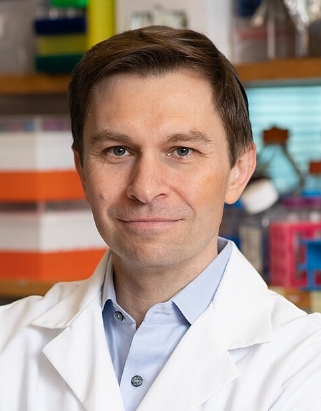 David Sinclair合作论文数Paul F. Glenn Center for Biology of Aging Research, Blavatnik Institute, Harvard Medical School;Department of Genetics, Blavatnik Institute, Harvard Medical School10
 Jill C. Milne合作论文数9
 Johan Auwerx合作论文数Laboratory of Integrative Systems Physiology, Interschool Institute of Bioengineering, School of Life Sciences, Ecole Polytechnique Fédérale De Lausanne9Philip D. Lambert合作论文数9Christoph Westphal合作论文数8Siva Lavu合作论文数6
 James Ellis合作论文数Department of Molecular Genetics, Temerty Faculty of Medicine, University of Toronto6
 Rafael De Cabo合作论文数Translational Gerontology Branch, National Institute on Aging, National Institutes of Health6
 Marie Lagouge合作论文数Institut de Génétique et de Biologie Moléculaire et Cellulaire6
 Joseph A. Baur合作论文数Department of Physiology, Perelman School of Medicine, University of Pennsylvania;Center of Excellence in Environmental Toxicology, Perelman School of Medicine, University of Pennsylvania5Robin K. Minor合作论文数5
 Olivier Boss合作论文数Medical Biochemistry;Faculty of Medicine;University of Geneva;Faculty of Medicine, University of Geneva5George P Vlasuk合作论文数5Michael R. Jirousek合作论文数5
 Carles Canto合作论文数5jean e bemis合作论文数4
 Kenneth S. Shindler合作论文数Department of Ophthalmology, Perelman School of Medicine, University of Pennsylvania4
 Abdolmohamad Rostami合作论文数Home of Sidney Kimmel Medical College, Thomas Jefferson University;Department of Neurology, Thomas Jefferson University;Neuroimmunology Laboratory, Thomas Jefferson University4
 Kevin G. Becker合作论文数Research Resources Branch, National Institute on Aging, National Institutes of Health;Gene Expression and Genomics Unit, National Institute on Aging, National Institutes of Health4
 Markku Laakso合作论文数Institute of Clinical Medicine, School of Medicine, Faculty of Health Sciences, University of Eastern Finland4David J. Gagne合作论文数4Elvira Ventura合作论文数4
 Nathan D. Price合作论文数Center for Human Healthspan, Buck Institute for Research on Aging;Thorne HealthTech;Department of Bioengineering, University of Washington4
 Ana Patricia Gomes合作论文数3karl d normington合作论文数3Theresa M Ward合作论文数3
 Morten Scheibye Knudsen合作论文数Department of Cellular and Molecular Medicine, Faculty of Health and Medical Sciences, University of Copenhagen3Ethan Hoffmann合作论文数3
 Michel Bernier合作论文数Translat Gerontol Branch, NIH3Mercken Evi M合作论文数3
 Hubbard Basil P合作论文数Dept Pharmacol, Univ Alberta3
 Alejandro Martín-Montalvo Sánchez合作论文数Department of Cell Therapy and Regenerative Medicine, Centro Andaluz de Biología Molecular y Medicina Regenerativa3
 Feige Jerome N合作论文数Institut de Génétique et de Biologie Moléculaire et Cellulaire, Université Louis Pasteur3Smith Jesse J合作论文数3
 Anna Csiszar合作论文数College of Medicine, The University of Oklahoma3
 Zoltan Ungvari合作论文数College of Medicine, University of Oklahoma Health Sciences Center;Department of Geriatric Medicine, University of Oklahoma Health Sciences Center3
 Yongqing Zhang合作论文数3
 Vilhelm Bohr合作论文数Department of Cellular and Molecular Medicine, University of Copenhagen;National Institutes of Health3
 Sarah J. Mitchell合作论文数C3RI, Sheffield Hallam University3Hector H. Palacios合作论文数3Heidi Galonek合作论文数3Amy V. Lynch合作论文数3
 Kevin J. Pearson合作论文数Flanders Interuniversity Institute for Biotechnology, University of Ghent3Andre Iffland合作论文数3David Carney合作论文数3William R. Swindell合作论文数3Robert B. Perni合作论文数3chi b vu合作论文数2




