The burden of unmet surgical need is heavily weighted toward low-income and middle-income countries. North American orthopaedic surgeons are increasingly interested in volunteer activities in resource-limited areas around the globe. There are multiple avenues through which an orthopaedic surgeon can positively contribute to improving musculoskeletal care around the world. Unfortunately, short-term missions are at risk of undermining local long-term development efforts if they do not mitigate harm and optimize benefit for host communities. Work in this area should be grounded in beneficence and sustainability with an emphasis on mutual respect, exchange, and a commitment to capacity building. All of the necessary information for adequate preparation for these activities is beyond the scope of this chapter, but the goal is to introduce a range of volunteer options, ethical considerations, cultural competence and volunteer preparedness principles, considerations when including trainees in global health work, and some nuts-and-bolts details on trip planning.
Background: The purpose of this study was to assess the impact of adding a geriatric comanagement program to the care of geriatric patients with a hip fracture at our hospital. The Institute for Healthcare Improvement (IHI) Global Trigger Tool (GTT) was used to follow the frequency and severity of adverse events occurring in hospitalized patients and to examine the effectiveness of a comanagement program (the Geriatric Hip Fracture Program [GHFP]). Methods: Data were collected for patients treated for a hip fracture from 2010 to 2014, which was 1 year prior to (October 2010 to September 2011) and 2 years after the implementation of the GHFP, and were grouped into 3-month intervals for analysis. The patients treated prior to the implementation of the GHFP were compared with those treated following the implementation of the program. The frequency and severity of adverse events were collected using the GTT. Results: There were 75.9 patients with an adverse event and 160.7 adverse events per 100 admissions. After the institution of the GHFP, there was a significant decrease in the number of patients with adverse events and the number of adverse events per 100 admissions over time. The rate of adverse events decreased by 12% per year when acute blood loss anemia was excluded. Similarly, the number of adverse events (excluding blood loss anemia) decreased significantly over time, from 128.7 per 100 admissions before the GHFP to 34.2 in the last quarter. Multivariable analysis (excluding acute blood loss anemia) demonstrated a trend toward a decreased likelihood of a patient experiencing an adverse event after the institution of the GHFP as well as a trend toward a decrease in the number of adverse events per patient. The length of the hospital stay was significantly shorter after the implementation of the GHFP. Conclusions: The implementation of the GHFP reduced the number of adverse events over time. Increasing age and the Carlson Comorbidity Index (CCI) were predictors of adverse events, while only age was a predictor of readmissions and CCI was a predictor of death in our study. The implementation of the GHFP has played an important role at our institution in quantifying the decrease in adverse events over a 2-year period, and we believe that it is essential for improving care of geriatric patients with a hip fracture. Level of Evidence: Therapeutic Level III. See Instructions for Authors for a complete description of levels of evidence.
Commentary This article is a product of the Uganda Sustainable Trauma Orthopaedic Program (USTOP), which began 10 years ago as a collaboration between the University of British Columbia and Makerere University1. USTOP exemplifies the effectiveness of a long-term, multidisciplinary, joint effort to improve orthopaedic trauma care in a country with limited resources. Such carefully planned and executed efforts may be more effective than short-stay volunteer models for both care delivery and capacity building. USTOP also provides an excellent platform for clinical research. There is a great need to address road traffic injuries (RTIs) in low and middle-income countries, where 90% of fatal injuries occur. Their socioeconomic consequences affect young healthy adults, whose contributions to their families, as well as to the local and national economies, are lost, either temporarily or permanently. Careful study of lost productivity and the costs of care, to the family and to a country’s health-care system, provides a rationale for assigning resources to prevent RTIs and to treat their resulting injuries more effectively. Rigorous documentation of their impact helps to set an accurate disability weight for calculating disability-adjusted life years (DALYs), the preferred measure of the Global Burden of Disease research program2. Valid data provide for fair distribution of limited health-care resources. Studies to further this work (and the work described in the USTOP reports) begin at the level of individual patients, adding immediacy and human considerations to the pictures provided by “big data.” These studies must be done locally because local differences in culture, resources, and economics affect data. In 2016, O’Hara et al. reported the detrimental socioeconomic effects of lower-extremity injuries in Uganda3. They recruited adults with isolated tibial or femoral fractures who were admitted to Mulago National Referral Hospital, a national orthopaedic referral center, to study cumulative loss of personal income, health-related quality of life (HRQoL), and interruption of school attendance by each patient’s dependent children. The impact at 12 months was profound: there was an 88% loss of income for the year, the EuroQol measurement declined from 0.91 to 0.39, and 93% of children missed at least 1 month of school, with 39% remaining absent. A year after injury, only 35% of the injured had returned to any kind of work. Because these data were far worse than those of similar injuries reported in western Europe and North America, the authors extended their study for another year, and 95% of the participants successfully completed 2 years of follow-up. The current report by O’Hara et al. reviews the status of the patients at 2 years after injury. In addition to lost income, EuroQol values, and school attendance of dependents, the authors included employment status. Although 63% of the injured had returned to work at 2 years postinjury, only 34% of patients had regained 90% or more of their preinjury income. HRQoL scores continued to improve after the initial 6 months, but only 41% ever approached their preinjury levels, and 38% of dependents remained out of school at 2 years. Ultimately, only 12% of these initially healthy young patients with isolated femoral or tibial fractures had recovered both economically and physically. Although these patients were admitted to the hospital for surgery, almost half were actually treated nonoperatively. Of the 40 femoral fractures, only 24 received operative treatment, and of the 14 tibial fractures, only 6 did (see Table II of the article). The subgroups are quite small and diverse. Thus, a lack of significance between those treated operatively or nonoperatively is to be expected. We must recognize that these patients were managed with the best care available given the limitations of resources. The study concerned the outcome of the entire group and did not compare treatments. Recognizing that lack of access to surgical treatment is a substantial barrier, Stephens et al. explored what determined surgical access for the patients in this group4. In addition to a demonstrated preference for operative care of femoral fractures, patients who were able to mobilize support from family, friends, or acquaintances who were connected with the hospital were significantly more able to obtain operative care. Only such “social capital” provided significant leverage to promote surgical care. Lack of such connections became the mechanism of rationing. I believe that all of the studies mentioned above present a clear picture of present outcomes from common injuries in low and middle-income countries. They demonstrate the need for improvement, and set a baseline for future efforts to improve patient care and outcomes.
Purpose of ReviewPresent the major aspects of fragility fractures, emphasizing their prevention and care in low- and middle-income countries (LMICs).Recent FindingsFragility fractures will increase significantly during the next few decades, especially in LMICs. Demographic and socioeconomic data remain limited. Fragility fractures have a low priority for most LMICs, as well as for global public health leadership.SummaryThe majority of the world's population lives in LMICs. Their socioeconomic features and healthcare resources are heterogeneous, but all lack access to medical and surgical care, especially in more impoverished and rural regions. Fragility fractures are a major cause of disability with negative economic impact. Population growth and aging drive their increasing number and burden. Resources necessary for prevention and treatment are deficient. Present plans and corrective measures may be insufficient to address the global needs of fragility fractures.
BACKGROUND:Work-hour restrictions and increased supervision requirements have altered the clinical experience of orthopaedic surgery residents, while the specialty's body of knowledge and requisite skill set continue to expand. This dilemma means that the duration and practice experience of the traditional orthopaedic residency may not meet the needs of today's trainees. For the past eighteen years, however, residency training in the Department of Orthopaedic Surgery at Brown University has included a mandatory postgraduate year six (PGY6) trauma fellowship-modeled year, during which trainees are conferred full staff admitting and operating privileges, with time allotted for completing research. They are supervised by senior attending staff, with increasing autonomy as the year progresses. A formal, critical analysis of this transition-to-practice training model in orthopaedics has not previously been described.METHODS:An anonymous thirty-one-item questionnaire was distributed to all practicing graduates of the six-year Brown University Orthopaedic Surgery training program (n = 69). A 5-point Likert scale was used to assess attitudinal questions. An independent-sample t test was used to compare the responses of pre-duty-hour trainees with those of post-duty-hour trainees, with a p value of <0.05 utilized for significance.RESULTS:All sixty-nine practicing graduates of the Brown University PGY6 trauma fellowship completed the survey (100% response rate). Most graduates (78.2%) would choose to complete the PGY6 year if they had to do residency again, and 72.4% would recommend trauma fellowship-modeled training to residents beginning their training. Trainees who completed residency during or after the imposed 2003 Accreditation Council for Graduate Medical Education duty-hour restrictions (79.3%) were significantly more likely (p = 0.014) to rank the PGY6 year as their most valuable training year compared with trainees who completed residency prior to duty-hour restrictions (50.0%). Nearly half of the graduates (46.4%) thought that the PGY6 fellowship year was financially burdensome.CONCLUSIONS:The unique trauma fellowship-modeled sixth year of orthopaedic surgery training at Brown University was thought to be a valuable training experience by a large majority of graduates, although nearly half thought that the year was financially burdensome. These data suggest that a trauma fellowship-based sixth year of independent yet structured training has the potential to enhance orthopaedic education and could become an alternative standard given the current requirements imposed upon surgical residency training. These results may help guide further discussion among orthopaedic training programs to determine the optimal model for orthopaedic residency education in the twenty-first century.
Accepted for publication March 17, 2008. From the Departments of *Orthopaedics and †Medicine, Warren Alpert Medical School of Brown University, Providence, Rhode Island; and ‡Division of Infectious Diseases, Rhode Island Hospital, Providence, Rhode Island. The authors state that they have no financial interest in the products mentioned within this article. Correspondence: Dr. Leonard A. Mermel, DO, ScM, Division of Infectious Diseases, Rhode Island Hospital, 593 Eddy St., Providence, RI 02903 (e-mail: [email protected]).
Tibial malunion, a fracture healed in a position that affects the mechanical function of the limb, can be difficult to assess and to correct surgically. Precise definition of malunion has yet to be determined, and the limits of deformity which are associated with arthritic change also remain imprecise. Surgical intervention is therefore primarily indicated in symptomatic patients or those with relatively severe deformity. The several described techniques for correction of tibial malunion can achieve excellent results, although the surgery is not without substantial risk and recovery time. These issues should be discussed at length with patients before surgery.
The Journal of Trauma: Injury, Infection, and Critical Care: August 2006 - Volume 61 - Issue 2 - p 472 doi: 10.1097/01.ta.0000229817.16205.46
Nonunions of the tibia represent challenging orthopedic problems, which require the surgeon to analyze numerous factors and choose an appropriate treatment. Tibial nonunion treatment requires establishing its existence and cause. The treatment algorithm necessitates consideration of a wide variety of factors: the location of the nonunion, the presence or absence of infection, and any angular or rotational deformity. Given advances in implant design and biologic agents, a wide variety of management options exist for the treatment of tibial nonunions. This article reviews surgical treatments for tibial nonunions.
Department of Orthopaedic Surgery, Boston University School of Medicine, Boston Medical Center, Boston, Massachusetts, U.S.A.
“What's New in Surgery” evolves from the contributions of leaders in each of the fields of surgery. In every instance the author has been designated by the appropriate Council from the American College of Surgeons' Advisory Councils for the Surgical Specialties. This feature is now presented in issues of the Journal throughout the year.
 Th Cogbill合作论文数4Am Levine合作论文数4Steven R. Shackford合作论文数Department of Surgery, University of Vermont College of Medicine4
 Jesse Bernard Jupiter合作论文数Department of Orthopaedic Surgery, Harvard Medical School4Gregory J Jurkovich合作论文数4
 Bruce D Browner合作论文数School of Medicine, Duke University;Department of Orthopaedic Surgery, Duke University Medical Center4DiGiovanni Christopher W合作论文数3
 Donald D. Trunkey合作论文数Department of Surgery, School of Medicine, Oregon Health & Science University3Mark A. Malangoni合作论文数3
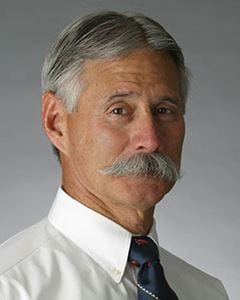 Ernest E Moore合作论文数Denver Health Medical Center;Trauma Research Center, Department of Surgery, School of Medicine, University of Colorado Denver;Denver General Hospital3J W McAninch合作论文数3Anthony P. Mechrefe合作论文数2Herman P. Houin合作论文数2Eugene Y. Koh合作论文数2
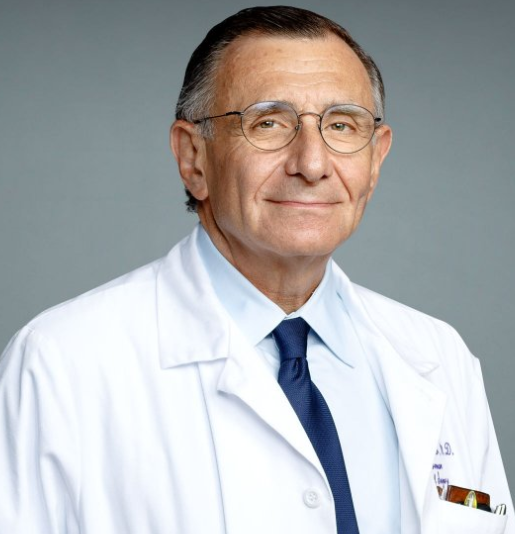 H. Leon Pachter合作论文数Division of Endocrine Surgery, Department of Surgery, Grossman School of Medicine, New York University2
 Roman A Hayda合作论文数Warren Alpert Medical School, Brown University2
 Andrew Green合作论文数2
 Christian Krettek合作论文数Medizinische Hochschule Hannover2
 Thomas A. Gennarelli合作论文数Department of Neurosurgery;Medical College of Wisconsin;Department of Neurosurgery, Medical College of Wisconsin2Howard R. Champion合作论文数2
 Michael G. Ehrlich合作论文数2H R Champion合作论文数2Fr Lewis合作论文数1RF Ostrum合作论文数1Hj Barrach合作论文数1Tp Lefkoe合作论文数1Travis Blood合作论文数1
 Avi D Goodman合作论文数Brigham and Women's Hospital, Boston, MA, USA.1Lana Kang合作论文数1Belcher G L合作论文数1Voss L合作论文数1
 Coleen S Sabatini合作论文数Department of Orthopedic Surgery, University of California1Pollock D A合作论文数1
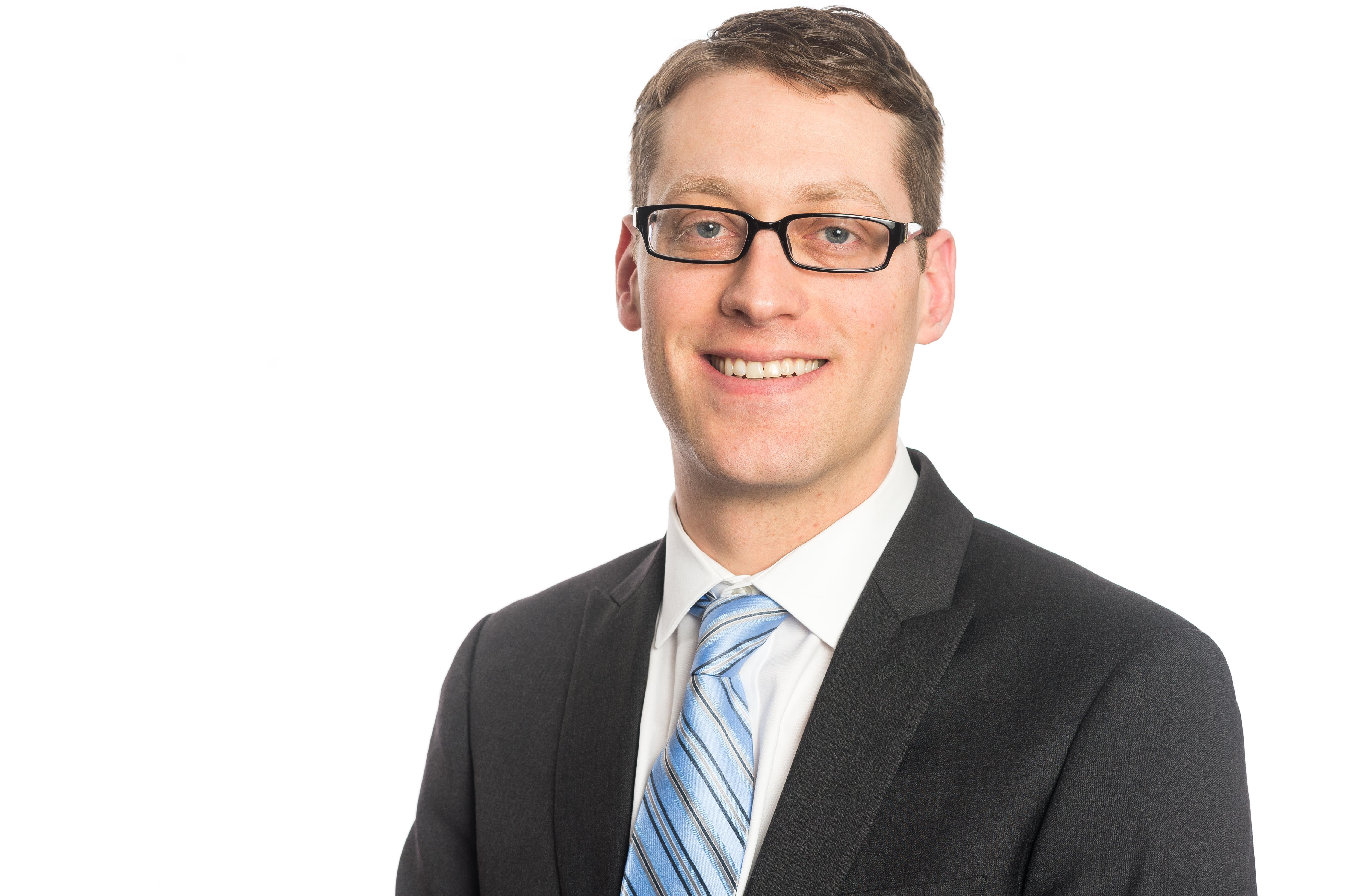 Alan Daniels合作论文数Department of Molecular Pharmacology, Physiology, and Biotechnology, Brown University1
 Leonard A. Mermel合作论文数Warren Alpert Medical School, Brown University;Department of Epidemiology and Infection Control, Rhode Island Hospital;Department of Medicine, Brown University1Robert H. Demling合作论文数1
 Kenneth W. Kizer合作论文数Atlas Research;Kizer & Associates, LLC1
 John A. Weigelt合作论文数Division of Trauma and Critical Care, Medical College of Wisconsin;Froedtert Menomonee Falls Hospital;Froedtert Hospital and the Medical College of Wisconsin;American Chemical Society1Frank Ehrlich合作论文数1Denise Johnson合作论文数1Nancy Burton合作论文数1William R. Walsh合作论文数1
 Jack W. McAninch合作论文数San Francisco General Hospital;Department of Urology, School of Medicine, University of California1
 Raj K. Narayan合作论文数Division of Neurosurgery, Catholic Health, St. Francis Hospital & Heart Center;BrainCare Long Island;NeuroCare Long Island;North Shore University Hospital1Arthur W. Fleming合作论文数1Staci A. Fischer合作论文数1
 Matthew E. Deren合作论文数1




