What is already known about this topic? Branding of cigarettes may play a role in shaping the smoking behaviors of Chinese smokers, and local brand (LB) cigarettes may reflect this influence because of greater tax and non-tax incentives compared to non-LB. Some of these brands are regional flagships that market to smokers using local landmarks or icons. What is added by this report? LB brands were significantly more likely to be the usual brand of smokers residing in provincial-level administrative divisions (PLADs) that produced their own LB cigarettes [adjusted odds ratio (AOR): 30.95; 95% confidence interval (CI): 26.36–36.49] compared to those residing in PLADs that had non-local ventures with non-LB cigarettes. Further, smokers residing in urban areas were found to be less likely to smoke LB cigarettes (AOR: 0.79; 95% CI: 0.67–0.93) compared to those in rural areas. What are the implications for public health practice? These findings suggest that LB smoking may be a result of industry-driven incentives to boost LB sales, fueled by such as supply-side strategies to boost LB sales or targeted cultural/social marketing that appeals to certain demographic groups. Although addressing these incentives to support LBs would be challenging given the nature of China’s tobacco industry, doing so would have potential to reduce cigarette smoking and ultimately the health burden of smoking in China.
On December 14, 2020, a 23-year-old female returning from the United Kingdom (UK) via airplane was tested by the laboratory of Shanghai Customs using nose swab to test for coronavirus disease 2019 .At 20:30 on December 14, Shanghai CDC received notification from the Shanghai Customs that the patient tested positive for COVID-19.By 22:00, the patient was transported by ambulance from the isolation point to the fever clinic of Jiading District Central Hospital.Due to travel history from the UK and abnormalities in nucleic acid test results, the hospital organized a consultation with experts and formed a recommendation to transfer the patient to Fudan University's Public Health Clinical Center for further diagnosis and treatment, which was carried out the following day.On December 15, Jiading District CDC retested using a nasopharyngeal swab sample and the nucleic acid result was positive for COVID-19.An epidemiological investigation revealed that the patient had a negative COVID-19 test result on December 12, 2020, two days before her flight to return to China.According to her statement, she had no exposure to symptomatic individuals and had not purchased or been exposed to frozen food products or raw meat.While remaining in the UK, the patient described running in a nearby park without wearing a mask and taking off her mask to eat and drink while waiting to board the plane.These are all potential situations for exposure, especially with 1.86 million confirmed cases of COVID-19 having been reported in the UK as of December 15, 2020.At the time of case report, the patient was diagnosed as a mild case according to the epidemiological investigation, symptoms and laboratory test.On December 24, the sample of the COVID-19 patient was sequenced using MGI MGISEQ-200 platform (Sequence ID: NC20SCU2740-1).This strain was dissimilar with the previous Shanghai strain detected in the Shanghai outbreak in November,
On January 6, 2021, Guangdong CDC successfully isolated the 501Y.V2 variant of coronavirus disease 2019 (COVID-19) virus from a throat swab of a patient.The 501Y.V2 variant was first detected in South Africa, and the patient is a 55-year-old male airline pilot of South African nationality.He entered Guangzhou City, the capital of Guangdong Province, from Singapore on the evening of December 8, 2020 and was subject to a COVID-19 test.The result returned positive and he was transferred to the designated hospital for further isolation and treatment.On December 31, 2020, Guangdong CDC received the samples and began virus isolation and gene sequencing analysis.The analysis and subsequent verification have concluded that the virus genome belongs to lineage B.1.351,inferring classification as the 501Y.V2 variant.The patient is still receiving treatment.On January 5, 2021, the sample and virus isolates were sequenced using Nanopore MK1C.Compared with the Wuhan reference strain (EPI_ISL_402119) (1-2), this strain displayed 23 nucleotide variation sites including the single nucleotide polymorphisms (SNPs) that defined the L-lineage European branch II.1 and belonged to the Pangolin lineage B.1.351(3) (Figure 1).Furthermore, 10 amino acid mutation sites (D80A, L242del, A243del, L244del, R246I, K417N, E484K, N501Y, D614G, and A701V) were detected in the spike protein that corresponded to the features of the South African 501Y.V2 variant.The 501Y.V2 variant has 3 specific mutations, K417N, E484K, and N501Y, on the spike protein (4) and shares the N501Y and D614G mutations with the 501Y.V1 variant (also known as the B.1.1.7 lineage and variant of concern (VOC) 202012/01) recently detected in the United Kingdom.This is the second recent detection of a major international variant following the detection of the United Kingdom 501Y.V1 variant in a patient in Shanghai (NC20SCU2740-1) in December 2020 (5).The transmissibility and pathogenicity of these mutant variants urgently needs further study.
He is a syndic of the Chinese Society of Microbiology and the Head of the Group of Medical Virology.During his roughly 40-year career, he has dedicated himself to the studies of medical virology and molecular biology, particularly in the fields of prions, human papillomavirus (HPV), and many emerging infectious diseases.He has also participated in emerging responses and controls of many viral infectious diseases domestically and internationally.In the period of 1980's and 1990's, his major research interest focused on human papillomavirus (HPV).With the help of DNA hybridization, Dong and his colleagues identified high positive rate of HPV DNAs in the tissues of cervical cancer.During 1991 to 1997, he went to Germany and explored the HPV carcinogenesis under the supervision of Prof. H. Pfister.Dong and the colleagues successfully mapped the binding sites of YY1, a new host factor, in viral long control region (LCR) and confirmed it as a negative regulator for the activity of HPV early promoter.This finding and several others supplied valuable evidence for carcinogenesis of HPV.Under the guidance of Prof. T Hung, a famous senior Chinese virologist, Dong shifted his research to prion diseases (PrD), when he returned from Germany in 1998.At that time, PrD was not widely recognized in China, and there was almost no capacity to diagnose human PrDs.Dong and his team started a mission to address this challenge by establishing various laboratory diagnostic tools.Chinese National Surveillance for Creutzfeldt-Jacob disease (CNS-CJD) was set up a couple of years later under the leadership of China CDC.With the innovative surveillance methodologies and working mechanism, as well as dozens of training programs, the annual number of suspected CJD cases increased from a small dozen in the beginning to more than 500 cases currently.More than 2,000 cases were diagnosed as sporadic CJD (sCJD) and about 250 cases were diagnosed as genetic PrD (gPrD).Such groundbreaking work supplies not only the platform for diagnosis of human PrDs, but also contributed to the recognition of China as a bovine spongiform encephalopathy (BSE)-free country.The accumulated data over the past roughly 20 years of CJD surveillance have helped explain the features of PrDs in China for the first time systematically and precisely.Dong's team identified 19 different gPrD-associated mutations in Chinese people for the first time.The top 5 most frequent gPrDs in Chinese were T188K-gCJD (29.8%),D178N-FFI (25.7%),E200K-gCJD (18.8%),E196A-gCJD (7.3%) and P102L-GSS (6.4%).Such pattern of PRNP mutants in Chinese gPrDs was not only completely distinct from that of Caucasian, but also different from Japanese and Korean.Some types of gPrDs showed geographic relationship, e.g., more D178N-FFI patients came from Henan and Guangdong, and more T188K-gCJD cases lived in the northern provinces.These findings and others of Chinese gPrDs enriched the knowledge of gPrDs worldwide.After years of efforts, Dong and his team successfully set up two in vitro prion replication techniques, protein misfolding cyclic amplification (PMCA), and real-time quaking-induced conversion (RT-QuIC), which are already widely used in various studies.RT-QuIC has been used in the diagnosis for human PrDs, with specimens of the brain, cerebrospinal fluid (CSF), and skin.Additionally, a series of infectious cell models, animal models, and transgenic mice models infected with different prion strains had been established.Those techniques form the solid and unique research platform for prions in the levels of molecules, cells, tissues, and animals in vitro and in vivo.In addition to human CJD surveillance, Dong and his team have several achievements in prion-related research including the following: 1) identification of autophagy activation in the brains of human PrDs and prion-infected rodent models; 2) global omics profiles that identified differentially expressed proteins and affected biological pathways; 3) aberrant alterations of biological functions in brains; 4) activation of brain native immunity;
As of 16∶00 on January 13, 2021, 95 positive cases of coronavirus disease 2019 were reported in Suihua City of Heilongjiang Province and an additional 35 cases have been linked across 7 cities in 3 provinces: Qiqihar City (7 cases), Mudanjiang City (4 cases), Harbin City (3 cases), and Yichun City (1 case) of Heilongjiang Province; Changchun City (9 cases) and Tonghua City (6 cases) of Jilin Province; and Weihai City of Shandong Province (1 case).On January 10, 2021, the first asymptomatic infections in Changchun City of Jilin Province were found in couple recently traveling from Suihua City on January 5 (Suihua A and B; 58-year-old male and 57year-old female, respectively).After hearing of the outbreak in Suihua City, the couple voluntarily sought testing at the Second Hospital of Jilin University and returned positive COVID-19 tests.The initial investigation of the couple patients indicated that they had traveled from Suihua City to Changchun by the K350 Train on January 5.This launched an epidemiological investigation of close contacts and for other passengers of the K350 train on January 5.
Lei Zhou; Kai Nie; Hongting Zhao; Xiang Zhao; Bixiong Ye; Ji Wang; Cao Chen; Hong Wang; Jiangli Di; Jinsong Li; Chao Li; Zhixiao Chen; Ruiqi Ren; Peihua Niu; Hui Chen; Tao Chen; Yali Wang; Lili Li; Bingxue Han; Ruhan A; Si Chen; Dan Li; Dan Li; Chunxia Jin; Xin Zhang; Jiangmei Liu; Chunyu Xu; Yecheng Yao; Yenan Feng; Zhili Li; Bike Zhang; Yang Song; Peter Hao; Yanping Zhang; Hao Li; Qun Li; George F. Gao; Guoqing Shi; Wenbo Xu
in 1983 and pursued a PhD at the Institute of Virology in the Chinese Academy of Preventive Medicine.He participated in the diagnosis of China's first cases of HIV and AIDS, isolated China's first HIV-1 virus, and developed the initial HIV diagnostic reagents for the country.After his PhD study, he served as the deputy director of the Department of HIV and director of the HIV Reference Laboratory in the Institute of Virology.In 1989, Shao joined the World Health Organization (WHO) as a consultant to the Global Program on AIDS (GPA).Being assigned to develop a virus research program for GPA, Shao proposed to establish a WHO network for HIV isolation and characterization.He structured the network based on a "3 by 3" principle by studying HIV variation at 3 levels (genetic, immunological, and biological) and building 3 repositories to store biological samples and research reagents at the UK's National Institute of Biological Standards and Control (NIBSC) and the US's National Institutes of Health (NIH) and HIV sequences at Los Alamos Laboratory in the US.Shao's proposal was approved by GPA/WHO.He participated in the establishment of the WHO network by selecting the laboratories and drafting the initial guidelines with the help of Prof. Jay Levy of UCSF.The WHO HIV network became a major accomplishment for the WHO as it generated fundamental scientific data with numerous HIV sequences and research reagents to provide free access to the world's AIDS researchers for the development of AIDS diagnostic reagents, antiviral drugs, and vaccine research and development.Shao's WHO experiences have also benefited his domestic work in China.He was credited for establishing the National AIDS Reference Laboratory and leading the National AIDS Laboratory Expert Committee to help China's Health Ministry to develop 3 continuously-used key infrastructures in the country: 1) the 5-level HIV testing network with over 40,000 laboratories for HIV testing and diagnosis since the mid-1990s; 2) the HIV molecular epidemiology network to trace the origin and spreads of the HIV strains since the late 1990s; and 3) the National HIV Drug Resistance (HIVDR) surveillance network to support the National Antiviral Treatment Program since the early 2000s.These research activities have trained thousands of laboratory staff of CDC networks and hospitals at the provincial, municipal, and county levels.These task forces and infrastructure provided strong technical support to China's AIDS diagnostic capacity, antiviral treatment, and HIV prevention.
CDC's Chief Expert of Biosafety, has been working for nearly four decades in the field of public health emergencies and laboratory biosafety
UCLA), and a member of the UNAIDS Evaluation Expert Advisory Committee.He has made significant contributions in the field of infectious diseases control, particularly for HIV/AIDS, severe acute respiratory syndrome (SARS), and coronavirus disease 2019 .Zunyou Wu's work over the past 30 years in HIV research, health policy, and public health practice in China has saved countless lives through improvements in both treatment and prevention that extend far outside China's borders.He has been a strong leader in both the implementation and expansion of a comprehensive HIV response in China and the development of internationally collaborative efforts to bring the global HIV epidemic under control.From the very beginning, Zunyou Wu has been a leader in China's HIV response.After completing his Ph.D. in the United States at UCLA in 1995, Zunyou Wu returned to China and quickly became involved in a major HIV outbreak investigation in rural Anhui province.The investigation revealed the greatest public health tragedy China has faced in a century -the widespread HIV infection of paid plasma donors in villages throughout central China.Zunyou Wu was the epidemiologist on the team that identified unsafe plasma collection procedures as the common origin of a large number of newly-identified HIV cases.This timely discovery spurred immediate actions to end unsafe plasma collection methods and prevented thousands of donors from acquiring HIV infections.Immediately following the conclusion of the outbreak investigation, Zunyou Wu started to promote HIV testing as a control strategy.He conducted the first HIV survey among former commercial plasma donors in 1996, which revealed that HIV prevalence in this population was 12.5%.He then pushed for the rapid expansion of treatment services for those who had become infected with HIV through plasma donation and the implementation of premarital health screening to prevent the spread of infection.From 1997 to 1999, Zunyou Wu spearheaded China's first large-scale HIV training program for healthcare workers in rural areas, and from 2003 to 2007, he led a US National Institutes of Health (NIH)-funded, community-based, intervention trial to reduce HIV/AIDS-related stigma for infected former plasma donors.To realize these successes, Zunyou Wu worked vigorously within China CDC and across sectors to push for changes in the national HIV response that required a significant shift in long-standing social and political paradigms.For example, China's HIV epidemic originated and grew rapidly early on among people who use drugs (PWUD) in southwestern China as a result of unsafe injecting behavior.Using implementation science strategies to scale-up harm reduction programs for reducing HIV transmission among people who inject drugs (PWID) in China, Zunyou Wu led the design, pilot testing, and scale-up of methadone maintenance treatment (MMT) and needle exchange programs in China.These harm reduction programs have become national strategies and resulted in the continuing decline of HIV incidence and prevalence among PWUD in China.The harm reduction programs in China led by Zunyou Wu have become internationally-recognized best practices for controlling HIV among PWUD.Zunyou Wu has become a preeminent expert on the control of HIV epidemics among drug users.He has shared lessons learned and best practices with delegates from Russia, the Ukraine, Myanmar, Vietnam, and Thailand, thereby contributing directly to the testing, treatment, and prevention of HIV among PWUD globally.Zunyou Wu used implementation science strategies to pilot and scale-up a simplified protocol for HIV testing and treatment initiation.Although HIV testing has been expanded and more people living with HIV (PLWH) are being diagnosed, a considerably high proportion of HIV infections are diagnosed at late clinical stages and patients were dying shortly after diagnosis.The complexity of multiple stages and multiple institutes involved in HIV diagnosis and treatment had made the process from initially screening HIV reactivity to finally starting antiretroviral therapy (ART) difficult and slow, resulting in unacceptably high rates of loss to follow-up in the pre-ART period.
Linhong Wang is the Chief Expert of Chronic and Non-Communicable Disease (NCD) Control of China CDC and is a professional with over 30 years of experience in clinical and preventive medical science.Her specialties and professions span multiple fields with extraordinary contributions to public health.
Ma is the Chief Expert of Health Information of China CDC and has been engaged in public health informatics for more than 30 years.As a leading figure, he put forward creative information construction concepts at multiple key periods and led his team to achieve the establishment of the Chinese Information System for Disease Control and Prevention (CISDCP), which represented a major development of China's public health informatics.In 1987, Ma graduated from Kunming Medical University majoring in preventive medicine.After two years of working at the county-level sanitation and anti-epidemic station, he returned to the Yunnan Provincial-Level Station and set up an information center.Early in his career, Ma focused on applying information technology for business needs.He learned computer programming languages independently and helped developed of software including the magnetic card health supervision and management information system, iodine deficiency disorders monitoring information system, and infectious disease detection report information system.In 1993, his self-developed "National Endemic Disease Statistical Reporting Software" passed the Ministry of Health (now the National Health Commission) expert review and was applied nationwide.In 1999, as a core technical expert, Ma organized the development of the National Infectious Disease Registration and Report Information System.In 2002, Ma joined the newly established China CDC.Four months later, the severe acute respiratory syndrome (SARS) epidemic occurred in China, and public health surveillance faced a huge challenge.Ma proposed surveillance system solutions, including promoting online real-time reports, and, within three months, led the establishment of the "Web-based information system for notifiable diseases directed reporting" (predecessor of CISDCP).Under the system, he established a data center for centralized national management.The operation of CISDCP has completely changed the old information management mode of filling out forms and reporting infectious diseases step by step, which significantly improved the timeliness, completeness, and accuracy of infectious disease reporting, and shortened the reporting time of notifiable infectious diseases from 5 days to less than 4 hours.Currently, the system has been operating stably for 16 years and has covered 180,000 users in 73,000 medical institutions across China.It has become a key milestone in China's public health information construction.From 2004 to 2010, Ma participated in the MBA program of Tsinghua University and the information analysts training at the Chinese Academy of Sciences.He also obtained a master's degree in software engineering from Beihang University.Through years of work and practice, Ma has gradually formed his understanding of the combination of information technology and public health.He believes that information construction must be business-based, requirement-oriented, and technology-led.
If the national college entrance examination had not resumed or if the Chinese policies for talent turnover had not been established, Tao Li might have continued his grassroots occupational health work and might never have joined China CDC.Born in 1957, Tao Li had once worked at a county-level knitting factory in northeastern China for a year before China resumed the
Huaqing Wang has had a long and distinguished career in developing and implementing immunization programs to protect China's people.After graduating from
Zhang is the Chief Expert of Disinfection of China CDC and has been devoted to public health and preventive medicine since graduating from
Editorial Our new column Profiles is a new series that aims to introduce China CDC's chief experts, major decisionmakers, and key contributors that ensure the high standard of operation of China CDC. These articles are meant to present high-achieving individuals of China CDC and will describe the background, achievements, and paths to success of the eponymous individuals. To start, Profiles will first cover individuals from China CDC's Chief Expert System. To strengthen the establishment of a team of public health talent, China CDC expanded the career development capacity for its most well-known experts under Director-General George F. Gao's directive: "To further perfect the system of chief experts and continuously expand the influence of chief experts". In December 2019, China CDC selected the nominations of chief experts based on the needs of key areas of public health and the academic level and professional influence of the experts. After domestic peer review and comprehensive evaluation by China CDC's academic committee, 13 individuals (in no particular order) were appointed to lead 13 major public health fields: 1) Guizhen Wu, Chief Expert of Biosafety; 2) Yiming Shao, Chief Expert of AIDS; 3) Weiping Wu, Chief Expert of Parasitic Diseases; 4) Huaqing Wang, Chief Expert of Immunization Planning; 5) Zunyou Wu, Chief Expert of Epidemiology; 6) Linhong Wang, Chief Expert of Chronic Diseases; 7) Xu Su, Chief Expert of Radiation Protection; 8) Wenhua Zhao, Chief Expert of Nutrition; 9) Tao Li, Chief Expert of Occupational Health; 10) Liubo Zhang, Chief Expert of Disinfection; 11) Jiaqi Ma, Chief Expert of Health Informatics; 12) Xi Jin, Chief Expert of Maternal and Child Health; and 13) Qiyong Liu, Chief Expert of Vector Biology. In response to the prevention and control of the coronavirus disease 2019 (COVID-19) pandemic, the chief experts were dispatched to the front lines and highly-affected areas to supervise the response, tasked with leading scientific research to shape the response and the preparation of technical documents for prevention and control, and were responsible for promptly supporting government decisionmaking and responding to social concerns as the scientific authorities. The voices of these chief experts has played an important role in the effective management of the epidemic in their respective professional fields. China CDC plans to dynamically adjust the fields represented by the chief experts based on the country's major public health needs by enriching the chief expert's system and guiding the chief experts to play the role of "public opinion leaders" in academic communication and health communication at home and abroad. Our first publication in Profiles, therefore, is China CDC's Chief Expert of Maternal and Child Health, Jin Xi, who has over 30 years of experience in developing and managing maternal and child healthcare (MCH) institutions. With the advent of the 31st World Population Day on July 11, 2020, the public health community needs to prioritize MCH as a fundamental basis for the improvement of health globally.
epidemiology, microbiology, and immunology, Qiyong Liu has dedicated himself to public health research with a focus on the control of disease vectors and vector-borne diseases and assessing climate-change-related health risks
 Feng Tan (谭枫)合作论文数Chinese Center for Disease Control and Prevention18Jingjing Xi合作论文数16
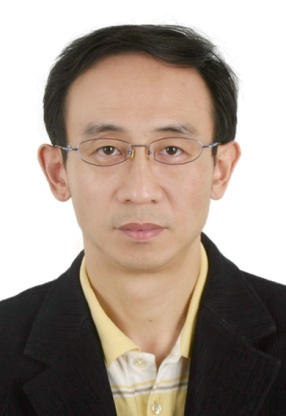 Zhenjun Li (李振军)合作论文数Chinese Center for Disease Control and Prevention15Nankun Liu合作论文数8Yang Song合作论文数4George Fu Gao (高福)合作论文数Institute of Microbiology, Chinese Academy of Sciences;University of Chinese Academy of Sciences;Shanghai Jiao Tong University School of Medicine4Zhang Ying合作论文数3
 Xiang Zhao (赵翔)合作论文数National Institute for Viral Disease Control and Prevention, Chinese Center for Disease Control and Prevention3
 Wenbo Xu (许文波)合作论文数National Institute for Viral Disease Control and Prevention, Chinese Center for Disease Control and Prevention3
 Qun Li (李群)合作论文数Chinese Center For Disease Control and Prevention2zhang xin合作论文数1Yenan Feng合作论文数1Hui-ling Dong合作论文数1Shengnan Wang合作论文数1Zhixiao Chen合作论文数1Zhao Hongting (赵宏婷)合作论文数1Jinhua Dou (窦金华)合作论文数1Ji Wang合作论文数1Hai-Yen Sung合作论文数1X Y Huang合作论文数1Qinglong Zhao合作论文数1
 Shicheng Yu合作论文数1Qi Li (李琦)合作论文数1Ruhan A合作论文数1Xiaoqi Wang合作论文数1Chunyu Xu合作论文数1Zhili Li合作论文数1Hong Wang合作论文数1
 Lei Zhou (周蕾)合作论文数Public Health Emergency Center, Chinese Center for Disease Control and Prevention1Jin-song Li合作论文数1Dan Li合作论文数1Fengjuan Chen合作论文数Guangzhou Eighth Peoples Hosp, Guangzhou, Guangdong, Peoples R China1HongYou Chen (陈洪友)合作论文数1ShunXiang Qi (齐顺祥)合作论文数1LaiShun Yao (姚来顺)合作论文数1GuoQing Shi (施国庆)合作论文数1YaLi Wang (王亚丽)合作论文数1Chen Fu (付晨)合作论文数1Chao Li (李超)合作论文数1Yecheng Yao合作论文数1
 Changwen Ke (柯昌文)合作论文数广东省疾病预防控制中心1
 JiangLi Di (狄江丽)合作论文数National Center for Women and Children's Health Chinese Center for Disease Control and Prevention1Jiang Hui合作论文数1
 Yao Tingting合作论文数Center for Tobacco Control Research and Education, University of California, San Francisco1
 Anne Quah合作论文数1Liu Jiangmei合作论文数1Ren Ruiqi合作论文数1Xu Steve合作论文数1




