Background: Lateral locked plating remains an important treatment strategy for distal femoral fractures but has been associated with nonunion rates ranging from 6% to 20%. The objective of this study was to identify factors associated with nonunion following lateral locked plating of distal femoral fractures with use of a Bayesian analysis. Methods: All consecutive patients ≥18 years of age who were treated with lateral locked plating for a distal femoral fracture at 2 Level-I trauma centers between 2006 and 2024 and who had ≥3 months of follow-up were included. Multivariable Bayesian logistic regression analysis was performed to identify factors associated with nonunion, which was defined as a reoperation to promote healing, and the results are reported as odds ratios (ORs) with 95% credible intervals (CrIs). Probabilities of >95% were considered very strong evidence of an association with nonunion, and probabilities of 90% to 95% were considered strong evidence. Results: A total of 560 patients (median age, 68 years; 29% male; 90% White; 97% non-Hispanic; 41% with distal periprosthetic fractures) were included. Fifty-four patients (9.6%) underwent reoperation to promote healing. There was very strong evidence that multifragmentary comminution of the metaphysis (versus simple fracture: OR, 2.60; 95% CrI, 0.91 to 8.06), medial cortical comminution of >0 to 25 mm (versus 0 mm: OR, 3.11; 95% CrI, 1.35 to 7.48), and varus (lateral distal femoral angle [LDFA] of ≥84°: OR, 3.04; 95% CrI, 1.46 to 6.51) or valgus (LDFA of ≤78°: OR, 2.42; 95% CrI, 0.96 to 5.99) malalignment increased the odds of nonunion. A screw density of ≤0.60 proximal to the working length reduced the odds of nonunion (versus ≥0.81: OR, 0.40; 95% CrI, 0.16 to 0.95), although the size and certainty of this effect varied in the sensitivity analysis that utilized alternative thresholds. There was strong evidence that obesity increased the odds of nonunion (OR, 1.64; 95% CrI, 0.86 to 3.13) and that intact wedge fractures reduced the odds of nonunion (versus simple fracture: OR, 0.35; 95% CrI, 0.05 to 1.74). Conclusions: One in 10 patients developed nonunion and underwent reoperation to promote healing. Surgeons should restore coronal plane alignment and may consider augmenting fixation in the presence of multifragmentary comminution. Constructs in which all screw holes proximal to the working length are filled should be avoided, although the optimal configuration remains unclear and depends on other construct characteristics influencing biomechanics. Overall, the small to moderate effect sizes highlight the multifactorial etiology of nonunion following lateral locked plating of distal femoral fractures. Level of Evidence: Prognostic Level III . See Instructions for Authors for a complete description of levels of evidence.
BackgroundUnion deformities are relatively common in proximal fifth metatarsal (5MT) fractures following both conservative and surgical treatment. Several risk factors have been identified to guide risk prediction and management. This review aimed to summarize factors contributing to delayed or nonunion in 5MT fractures.MethodsA literature search for studies reporting risk factors for 5MT fractures was performed using PubMed/Medline, EMBASE, ScienceDirect, Web of Science, and CINAHL databases. Methodological quality was assessed using the Methodological Index for Non-Randomized Studies (MINORS). Data on bone healing rates, complications, fracture zones, treatment approach, and healing outcomes were collected and summarized.ResultsThe initial search identified 668 articles, of which 13 met inclusion criteria, including over 1000 cases. Multiple risk factors were significantly associated with impaired union in 5MT fractures. Fracture zone (particularly zone 2), a plantar gap >1 mm, small screw diameter, and early return to activity before radiographic healing were the most consistent predictors of delayed or nonunion. Surgical treatment led to faster union but higher rates of delayed union and refracture. Bone grafting and larger screw diameters significantly improved union outcomes.ConclusionHealing outcomes in 5MT fractures are influenced by multiple risk factors, with fracture zone, fracture chronicity, and fixation strategy being the most significant contributors to union deformities. Identifying high-risk patients and tailoring treatment may reduce nonunion and improve recovery. Further high-quality studies are warranted to establish standardized definitions, treatment protocols and risk stratification models.Level of Evidence:Level IV: scoping review.
This study investigated the rate and degree of deformity in femoral diaphyseal nonunion using preoperative bilateral CT-scans. A retrospective cohort study was conducted at a single Level 1 trauma center. Patients aged > 18 years who underwent operative treatment for femoral diaphyseal nonunion between 2015 and 2025 and had preoperative bilateral femur CT-scans were included. Axial, sagittal, coronal, and length differences between the femoral nonunion and the contralateral healthy femur were measured. Torsional deformity ≥ 15° and length discrepancy ≥ 20 mm were considered clinically relevant. Thresholds of ≥ 5° and ≥ 10° were used to identify outliers in coronal and sagittal plane deformity, respectively. Thirty-two patients met the inclusion criteria (median age 57 years, 63
BACKGROUND:Preoperative planning is a helpful tool for orthopaedic trauma cases, but clinical experience dictates that its use remains inconsistent. The primary aim of this cross-sectional survey study was to investigate practices and applications of preoperative planning for orthopaedic trauma cases and to identify factors influencing its use. METHODS:A cross-sectional 26-item survey was distributed to members of the Orthopaedic Trauma Association and The Netherlands Orthopaedic Trauma Association between April 2024 and August 2024. Four key areas of interest were assessed: (1) general preoperative planning practices; (2) features of the preoperative plan; (3) use of preoperative planning for resident training; and (4) factors influencing the decision to make a preoperative plan. General preoperative planning practices were compared between attendings and residents or fellows. RESULTS:Two-hundred-eleven orthopaedic surgeons, fellows, or residents completed the survey (84 % male, 74 % attending, 55 % of attendings trauma-fellowship-trained). Overall, 84 % of respondents considered preoperative planning very or extremely important. Formal preoperative planning was performed on average for 50 % of cases. Residents or fellows planned significantly more often than attendings (76 % vs. 30 %, p < 0.001) and used digital templating more often (59 % vs. 38 %, p= 0.006). The most common features of the plan were tactical, including positioning of implants and specific steps of approach and reduction. Residents reported that preoperative plans were discussed preoperatively in 75 % of cases and postoperatively evaluated in 40 %. Case complexity was the most influential factor in deciding to plan. CONCLUSION:Respondents considered preoperative planning to be very or extremely important for orthopaedic trauma cases but made a formal preoperative plan on average in only half of cases. Residents or fellows made a preoperative plan twice as often. Complexity of the case was the most important factor in deciding to make a preoperative plan. Benefits of preoperative planning such as improving resident teaching and learning, efficiency, and teamwork should be considered more often in the decision to make a preoperative plan.
BACKGROUND:Lateral locked plating remains an important treatment strategy for distal femoral fractures but has been associated with nonunion rates ranging from 6% to 20%. The objective of this study was to identify factors associated with nonunion following lateral locked plating of distal femoral fractures with use of a Bayesian analysis. METHODS:All consecutive patients ≥18 years of age who were treated with lateral locked plating for a distal femoral fracture at 2 Level-I trauma centers between 2006 and 2024 and who had ≥3 months of follow-up were included. Multivariable Bayesian logistic regression analysis was performed to identify factors associated with nonunion, which was defined as a reoperation to promote healing, and the results are reported as odds ratios (ORs) with 95% credible intervals (CrIs). Probabilities of >95% were considered very strong evidence of an association with nonunion, and probabilities of 90% to 95% were considered strong evidence. RESULTS:A total of 560 patients (median age, 68 years; 29% male; 90% White; 97% non-Hispanic; 41% with distal periprosthetic fractures) were included. Fifty-four patients (9.6%) underwent reoperation to promote healing. There was very strong evidence that multifragmentary comminution of the metaphysis (versus simple fracture: OR, 2.60; 95% CrI, 0.91 to 8.06), medial cortical comminution of >0 to 25 mm (versus 0 mm: OR, 3.11; 95% CrI, 1.35 to 7.48), and varus (lateral distal femoral angle [LDFA] of ≥84°: OR, 3.04; 95% CrI, 1.46 to 6.51) or valgus (LDFA of ≤78°: OR, 2.42; 95% CrI, 0.96 to 5.99) malalignment increased the odds of nonunion. A screw density of ≤0.60 proximal to the working length reduced the odds of nonunion (versus ≥0.81: OR, 0.40; 95% CrI, 0.16 to 0.95), although the size and certainty of this effect varied in the sensitivity analysis that utilized alternative thresholds. There was strong evidence that obesity increased the odds of nonunion (OR, 1.64; 95% CrI, 0.86 to 3.13) and that intact wedge fractures reduced the odds of nonunion (versus simple fracture: OR, 0.35; 95% CrI, 0.05 to 1.74). CONCLUSIONS:One in 10 patients developed nonunion and underwent reoperation to promote healing. Surgeons should restore coronal plane alignment and may consider augmenting fixation in the presence of multifragmentary comminution. Constructs in which all screw holes proximal to the working length are filled should be avoided, although the optimal configuration remains unclear and depends on other construct characteristics influencing biomechanics. Overall, the small to moderate effect sizes highlight the multifactorial etiology of nonunion following lateral locked plating of distal femoral fractures. LEVEL OF EVIDENCE:Prognostic Level III. See Instructions for Authors for a complete description of levels of evidence.
Osteogenesis imperfecta (OI) and Ehlers-Danlos syndrome (EDS) are inherited connective tissue disorders caused by diverse genetic defects, many of which affect collagen biosynthesis. However, the identified genetic variants do not always fully explain the clinical heterogeneity observed in patients, highlighting the need for advanced models and imaging techniques to assess collagen structure and fibroblast behavior at the microscopic level. In this study, we employed 5-week three-dimensional (3D) dermal fibroblast cultures derived from patients with haploinsufficient (HI) and dominant-negative (DN) OI, EDS, and healthy controls. Using label-free higher harmonic generation microscopy (HHGM), we visualized and quantified secreted collagen fibers and fibroblast morphology in situ. We analyzed fibroblast 3D orientation, collagen fiber diameter, collagen amount per cell, and the spatial alignment between fibroblasts and collagen fibers. HI OI fibroblasts secreted significantly less collagen than both control and EDS-derived cells, while EDS samples exhibited thinner collagen fibers compared to controls. Across all groups, collagen fiber orientation was strongly correlated with fibroblast alignment, in line with the role of fibroblasts in matrix organization. In healthy controls and HI OI samples, we observed a depth-dependent, counterclockwise rotation in fibroblast orientation from the culture bottom to the surface-a pattern that was less prominent in DN OI and EDS samples, potentially reflecting altered matrix guidance in diseased tissues. Overall, the quantity and quality of collagen, as well as fibroblast morphology and organization, were markedly altered in the OI and EDS model systems. These alterations may mirror tissue-level manifestations of the diseases, demonstrating the physiological relevance of patient-derived 3D fibroblast models for OI and EDS, as well as the power of harmonic generation microscopy in probing the cellular and extracellular consequences of disease-related gene defects in collagen or its biosynthetic pathways. Extensions of this methodological approach provide a way towards deeper understanding of tissue-level manifestations of collagen dysregulation in connective tissue disorders.
There is limited evidence to guide treatment strategies for native and periprosthetic distal femoral nonunions. The aim was to determine factors associated with failure of distal femoral nonunion repair. All adult patients undergoing operative repair for a distal femoral nonunion from 2004 to 2023 at two Level 1 Trauma Centers with ≥ 6 months follow-up were identified. The primary outcome was additional nonunion surgery. Univariate logistic regression was performed to determine associations of patient, initial fracture, nonunion, and treatment characteristics with additional nonunion surgery. Eighty-six patients (median age 63 years, 63% female) were included. Definitive fixation was most often a non-augmented lateral locking plate (LLP, 52%), 95-degree-blade-plate (BP, 29%), or augmented LLP (15%). Augmented fixation was defined as the addition of a medial or endosteal plate or intramedullary nail. Fourteen patients (16%) required additional nonunion surgery. In univariate logistic regression analysis, initial high-energy injuries (OR: 4.18, p = 0.044), increasing number of previous surgeries (OR: 1.94, p = 0.007), and treatment with retention of previous implants (OR: 5.25, p = 0.010) or bone morphogenetic protein use (OR: 5.82, p = 0.005) were associated with increased odds of additional nonunion surgery; whereas treatment with BP constructs (vs. non-augmented LLPs, OR: 0.11, p = 0.044) reduced odds. Rates of additional nonunion surgery were 12/45 (27%) for non-augmented LLP, 1/13 (7.7%) for augmented LLP, and 1/25 (4.0%) for BP constructs. When excluding patients treated with retention of previous implants, rates were 7/35 (20%) for non-augmented LLP, 0/8 (0%) for augmented LLP, and 1/25 (4%) for BP constructs. There were differences across constructs, including for rates of initial intra-articular fractures (49% vs. 0% vs. 13%), and use of autograft (51% vs. 62% vs. 16%) and bone morphogenetic protein (44% vs. 31% vs. 8.0%). Approximately 1 in 6 patients required additional nonunion surgery. In unadjusted analyses, initial high-energy injuries and more prior surgeries were associated with increased odds for additional nonunion surgery, suggesting that the severity of the initial injury is associated with subsequent nonunion treatment outcomes. The current study findings suggest that distal femoral nonunion repair should be based on revision fixation using augmented lateral locking plate (dual-plate or nail-plate) or blade plate constructs. However, these findings are based on unadjusted comparisons. Larger studies with sufficient power to correct or stratify for confounding are needed to further define optimal treatment.
The Wnt signaling pathway is a key molecular process during fracture repair. Although much of what we now know about the role of this pathway in bone is derived from in vitro and animal studies, the same cannot be said about humans. As such, we hypothesized that Wnt signaling will also be a key process in humans during physiological fracture healing as well as in the development of a nonunion (hypertrophic and oligotrophic). We further hypothesized that the expression of Wnt-signaling pathway genes/proteins would exhibit a differential expression pattern between physiological fracture callus and the pathological nonunion tissues. We tested these two hypotheses by examining the mRNA levels of key Wnt-signaling related genes: ligands (WNT4, WNT10a), receptors (FZD4, LRP5, LRP6), inhibitors (DKK1, SOST) and modulators (CTNNB1 and PORCN). RNA sequencing from calluses as well as from the two nonunion tissue types, revealed that all of these genes were expressed at about the same level in these three tissue types. Further, spatial expression experiments identified the cells responsible of producing these proteins. Robust expression was detected in osteoblasts for the majority of these genes except SOST which displayed low expression, but in contrast, was mostly detected in osteocytes. Many of these genes were also expressed by callus chondrocytes as well. Taken together, these results confirm that Wnt signaling is indeed active during both human physiological fracture healing as well as in pathological nonunions.
BACKGROUND:Tibial plateau fracture patterns are influenced by the direction and energy of the impact, and the bone quality. Associated articular femoral injuries can result from the same impact but are insufficiently studied. This study quantifies the prevalence of three distinct articular femoral condyle injuries: (1) impaction fractures, (2) contusions, and (3) condyle fractures. For impaction fractures we assessed the depth, width, length, and surface area. METHODS:We retrospectively reviewed patients who had undergone surgery for a tibial plateau fracture in a tertiary trauma center. Two fellowship-trained radiologists analyzed preoperative CT scans for associated femoral condyle injuries. We defined (1) impaction fractures (depressions ≥ 1.5 mm) with a sclerotic band, a fracture line, or both; (2) contusions (depressions < 1.5 mm) with a sclerotic band; and (3) condyle fractures as sub- or osteochondral fractures. RESULTS:We identified 149 patients (62 male) with a tibial plateau fracture with a CT scan available. The overall prevalence of articular femoral condyle injuries was 26% (n = 39). The prevalence of impaction fractures was 9.4% (n = 14), of contusions 14% (n = 21), and of condylar fractures 3.0% (n = 4). Factors associated with a higher prevalence of femoral condyle injury were younger age (p = 0.029), male sex (p = 0.014), and absence of comorbidity (p = 0.005). The mean depth of impaction fractures was 2.3 mm (SD: 0.78; range 1.6 to 4). CONCLUSION:Concomitant articular femoral condyle injuries occur in one out of four patients with a tibial plateau fracture. Although most femoral injuries were subtle, and none underwent surgical treatment, they might harbor information regarding the likelihood of future joint degeneration and knee instability. LEVEL OF EVIDENCE:IV.
Treatment for complex olecranon fractures with metaphyseal comminution can be challenging. To improve reduction maneuvers and augment stability, we apply a small medial and/or lateral locking compression plate (LCP) prior to placing a posterior contoured 3.5 mm–2.7 mm LCP. The aim is to describe our technique and outcomes of this “orthogonal” plating technique. 26 patients were treated with orthogonal plating. Clinical outcome variables were available for all patients at a median of 27 months (IQR 6–54), and patient-reported outcomes (Q-DASH and MEPS) for 23 patients at 38 months (IQR 18–71). All fractures healed at a median of 2.0 months (IQR 1.5–3.8). The median elbow flexion was 120°, extension-deficit 15°, pronation 88°, and supination 85°. The median Q-DASH was 9 (IQR 0–22) and the median MEPS was 90 (IQR 80–100). Hardware was electively removed in seven patients. One patient had a late superficial infection that resolved with hardware removal and antibiotics, and one patient had two consecutive re-fractures after two hardware removals; and healed after the second revision surgery. Orthogonal plating with a posterior LCP and a small medial and/or lateral LCP is a safe technique that leads to excellent healing rates, and good clinical and patient-reported outcomes.
OBJECTIVES: To determine (1) the rate of positive cultures in presumed aseptic nonunions, (2) the rate and microbial spectrum of positive cultures that represented occult infection, and (3) rates of nonunion healing. METHODS: Design: Retrospective cohort study. Setting: Tertiary referral center. Patients Selection Criteria: Adult patients with a presumed aseptic nonunion treated with single-stage revision between 2002 and 2022. Outcome Measures and Comparisons: The rate of positive cultures compared for 2 protocols: old: 1-2 samples cultured 7 days versus new: 5 samples cultured 14 days. The rate of positive cultures meeting occult infection criteria with the new protocol (>= 2 samples with phenotypically indistinguishable microorganisms, or >= 1 sample with a high virulent microorganism). Nonunion healing rates between protocols and between groups based on culture results with the new protocol. RESULTS: One hundred seventy-nine patients were included. The rate of positive cultures was 14% (n = 15/105) with the old protocol and 51% (n = 38/74) with the new protocol (P < 0.001). With the new protocol, the rate of positive cultures meeting occult infection criteria was 19% (n = 14/74), and coagulase-negative staphylococci (48%) and Cutibacterium acnes (38%) were the most common microorganisms. Nonunion healing rates after the primary revision did not differ between protocols (old: 82% vs. new: 86%, P = 0.41) and groups based on culture result (sterile: 86% vs. occultly infected: 93%, P = 0.66). The final overall nonunion healing rate was 97%. CONCLUSIONS: Occult infections were identified in 1 in 5 presumed aseptic nonunions using a standardized protocol with 5 intraoperative samples cultured 14 days and were predominantly caused by slow growing, gram-positive microorganisms. The local spectrum and antimicrobial sensitivity of occult infections should be considered when developing empiric antimicrobial protocols. Patients with presumed aseptic nonunions can expect high healing rates, regardless of the culture result.
Introduction: Ongoing lower extremity long-bone nonunion is a devastating condition and associated with substantial patient morbidity. There is limited evidence regarding physical and mental function after surgical management of lower extremity nonunions. The purpose of this study was to assess general physical and mental health and lower extremity specific physical function of patients that underwent surgery for a lower extremity long-bone nonunion. Methods: One-hundred and twenty-four adult patients who underwent successful surgical management for a lower extremity long-bone nonunion between June 2002 and December 2021 were evaluated at an average follow-up of 8.6 years (interquartile range [IQR]: 4 - 12). General physical and mental health was assessed with the Short-Form 12 (SF-12) physical (PCS) and mental (MCS) component summaries, and lower extremity specific physical function with the Lower Extremity Functional Scale (LEFS). Multivariable linear regression was performed to identify variables that were independently associated with outcomes. Results: The median LEFS was 50 (IQR: 37 - 63) and the median SF-12 PCS was 43 (IQR: 33 - 52), which are both lower than normative population scores (LEFS: 77 and PCS: 51, p < 0.0001). The median SF-12 MCS was 50, which was comparable to the normative population score of 51 (p p < 0.0001). The number of previous surgeries before the index nonunion treatment (p p = 0.018 and p = 0.041) and the number of revision surgeries after the index nonunion treatment (p p = 0.022 and p = 0.041) were associated with lower LEFS and SF-12 PCS scores. Conclusion: At an average of 8.6 years after lower extremity nonunion surgery that led to bone healing, patients continue to report lower general and lower extremity specific physical functioning compared to the normative population. The number of surgical attempts to obtain definitive healing was associated with compromised physical function scores. Mental health scores may return close to normative population scores. These results can be used to inform patients and guide treatment strategies and healthcare policies.
The healing of bone fractures can become aberrant and lead to nonunions which in turn have a negative impact on patient health. Understanding why a bone fails to normally heal will enable us to make a positive impact in a patient's life. While we have a wealth of molecular data on rodent models of fracture repair, it is not the same with humans. As such, there is still a lack of information regarding the molecular differences between normal physiological repair and nonunions. This study was designed to address this gap in our molecular knowledge of the human repair process by comparing differentially expressed genes (DEGs) between physiological fracture callus and two different nonunion types, hypertrophic (HNU) and oligotrophic (ONU). RNA sequencing data revealed over similar to 18,000 genes in each sample. Using the physiological callus as the control and the nonunion samples as the experimental groups, bioinformatic analyses identified 67 and 81 statistically significant DEGs for HNU and ONU, respectively. Out of the 67 DEGs for the HNU, 34 and 33 were up and down-regulated, respectively. Similarly, out of the 81 DEGs for the ONU, 48 and 33 were up and down-regulated, respectively. Additionally, we also identified common genes between the two nonunion samples; 8 (10.8 %) upregulated and 12 (22.2 %) downregulated. We further identified many biological processes, with several statistically significant ones. Some of these were related to muscle and were common between the two nonunion samples. This study represents the first comprehensive attempt to understand the global molecular events occurring in human nonunion biology. With further research, we can perhaps decipher new molecular pathways involved in aberrant healing of human bone fractures that can be therapeutically targeted.
BackgroundTo evaluate the use of intercalary iliac crest bone graft in the treatment of clavicle nonunion with a large segmental bone defect (3-6 cm).MethodsThis retrospective study evaluated patients with large segmental bone defects (3-6 cm) after clavicle nonunion, treated with open reposition internal fixation and iliac crest bone graft between February 2003 and March 2021. At follow-up the Disabilities of the Arm, Shoulder and Hand (DASH) questionnaire was administered. A literature search was performed to provide an overview of commonly used graft types per defect size.ResultsWe included five patients treated with open reposition internal fixation and iliac crest bone graft for clavicle nonunion with a median defect size of 3.3 cm (range 3-6 cm). Union was achieved in all five, and all pre-operative symptoms resolved. The median DASH score was 23 out of 100 (IQR 8-24). An extensive literature search revealed that there are no studies describing the use of an used iliac crest graft for defects larger than 3 cm. Instead, a vascularized graft was typically used to treat defects sizes between 2.5 and 8 cm.DiscussionAn autologous non-vascularized iliac crest bone graft can be safely used and is reproducible to treat a midshaft clavicle non-union with a bone defect between 3 and 6 cm.
Background: Nonunions remain a challenging post-traumatic complication that often leads to a financial and health burden that affects the patient's quality of life. Despite a wealth of knowledge about fracture repair, especially gene and more recently miRNA expression, much remains unknown about the molecular differences between normal physiological repair (callus tissue) and a nonunion. To probe this lack of knowledge, we embarked on a study that sought to identify and compare the human miRNAome of normal bone to that present in a normal fracture callus and those from two different classic nonunion types, hypertrophic and oligotrophic. Methods: Normal bone and callus tissue samples were harvested during revision surgery from patients with physiological fracture repair and nonunions (hypertrophic and oligotrophic) and analyzed using histology. Also, miRNAs were isolated and screened using microarrays followed by bioinformatic analyses, including, differential expression, pathways and biological processes, as well as elucidation of target genes. Results: Out of 30,424 mature miRNAs (from 203 organisms) screened via microarrays, 635 (∼2.1%) miRNAs were found to be upregulated and 855 (∼2.8%) downregulated in the fracture callus and nonunion tissues as compared to intact bone. As our tissue samples were derived from humans, we focused on the human miRNAs and out of the 4223 human miRNAs, 86 miRNAs (∼2.0%) were upregulated and 51 (∼1.2%) were downregulated. Although there were similarities between the three experimental samples, we also found specific miRNAs that were unique to individual samples. We further identified the predicted target genes from these differentially expressed miRNAs as well as the relevant biological processes, including specific signaling pathways that are activated in all three experimental samples. Conclusion: Collectively, this is the first comprehensive study reporting on the miRNAome of intact bone as compared to fracture callus and nonunion tissues. Further, we identify specific miRNAs involved in normal physiological fracture repair as well as those of nonunions. The translational potential of this article: The data generated from this study further increase our molecular understanding of the roles of miRNAs during normal and aberrant fracture repair and this knowledge can be used in the future in the development of miRNA-based therapeutics for skeletal regeneration.
A non-union is a fracture that fails to heal within the expected time frame and occurs in approximately 3 to 5% of all fractures. Non-union has a negative impact on mental and physical functioning and quality of life. The causes, clinical presentation and treatment for non-union differ strongly on a case-by-case basis. By presenting three cases we aim to give healthcare providers more insight into the clinical scenario of non-union. In addition, we elaborate on characteristics, etiology, diagnostics and treatment of non-union.
Aim The origin of surgical site and biomaterial-associated infection is still elusive. Microorganisms contaminating the wound may come from the air, the surgical team, or from the skin of the patient. Prior to surgery the skin of patients is disinfected, but bacteria deeper in the skin ( e.g. in sweat glands or sebaceous glands), may not be reached. This study aims to assess a potential role of this intracutaneous bacterial reservoir in biomaterial-associated infection. Method To study if cutaneous microbiota colonize the wound when released from the skin upon cutting, we isolated, quantified and identified aerobic and anaerobic bacteria from the skin of 99 patients undergoing trauma surgery, before and after skin disinfection, from the knife blades and from the wound directly after the first cut. Results Ninety-nine percent of the patients were culture-positive before disinfection with chlorhexidine. Of these, 40% were still culture-positive after disinfection. Of these, 54% had a positive culture of the wound after the skin cut. Twenty percent of the patients with a negative culture after disinfection, nevertheless had a positive wound culture after cutting the skin. Staphylococcus epidermidis and Cutibacterium acnes were the most often cultured bacterial species. In 9%, more than 100 bacterial colonies were cultured from the wound, a dose that may cause biomaterial-associated infections. Conclusions Bacteria residing in the skin and not eradicated by disinfection may enter the surgical wound upon cutting, resulting in contamination which may cause a biomaterial-associated infection. Use of two knifes likely reduces the risk of wound contamination.
Introduction In pre-operatively presumed aseptic nonunions, the definitive diagnosis of infection relies on intraoperative cultures. Our primary objective was to determine (1) the rate of surprise positive intraoperative cultures in presumed aseptic long-bone nonunion (surprise positive culture nonunion), and (2) the rate of surprise positive cultures that represent infection vs. contamination. Secondary objectives were to determine the healing and secondary surgery rates and to identify cultured micro-organisms. Materials and Methods We performed a systematic literature search of PubMed, Embase and Cochrane Libraries from 1980 until December 2021. We included studies reporting on ≥ 10 adult patients with a presumed aseptic long-bone nonunion, treated with a single-stage surgical protocol, of which intraoperative cultures were reported. We performed a meta-analysis for: (1) the rates of surprise positive culture nonunion, surprise infected nonunion, and contaminated culture nonunion, and (2) healing and (3) secondary surgery rates for each culture result. Risk of bias was assessed using the QUADAS-2 tool. Results 21 studies with 2,397 patients with a presumed aseptic nonunion were included. The rate of surprise positive culture nonunion was 16% (95%CI: 10–22%), of surprise infected nonunion 10% (95%CI: 5–16%), and of contaminated culture nonunion 3% (95%CI: 1–5%). The secondary surgery rate for surprise positive culture nonunion was 22% (95%CI: 9–38%), for surprise infected nonunion 14% (95%CI 6–22%), for contaminated culture nonunion 4% (95%CI: 0–19%), and for negative culture nonunion 6% (95CI: 1–13%). The final healing rate was 98% to 100% for all culture results. Coagulase-negative staphylococci accounted for 59% of cultured micro-organisms. Conclusion These results suggest that surprise positive cultures play a role in the clinical course of a nonunion and that culturing is important in determining the etiology of nonunion, even if the pre-operative suspicion for infection is low. High healing rates can be achieved in presumed aseptic nonunions, regardless of the definitive intraoperative culture result.
Osteogenesis Imperfecta (OI) is a complex disease caused by genetic alterations in production of collagen type I, and collagen-related proteins. Bone fragility is the most common patient issue, but extraskeletal complications also present an adverse factor in the quality of life and prognosis of patients with OI. However, still little is known about the morbidity and mortality of these patients. The objective of this paper is to determine and describe to what extent OI impacts patients’ life in terms of hospitalization and complications describing the incidence and prevalence of the Dutch cohort of OI patients and the characteristics of their hospital admissions. Information regarding OI patients and their hospital admission was extracted from the Statistics Netherlands Database and matched to the OI Genetics Database of Amsterdam UMC. Hospital admission data was available for 674 OI patients. This OI nationwide registry study shows that the life expectancy of OI patients is adversely affected by the disease. The median annual incidence risk of OI between 1992 and 2019 was 6.5 per 100,000 live births. Furthermore, patients with OI had a 2.9 times higher hospitalization rate compared to the general Dutch population. The highest hospitalization rate ratio of 8.4 was reported in the patient group between 0 and 19 years old. OI type and severity had impact on extraskeletal manifestations, which play a key role in the numerous hospital admissions. More awareness about the impact of OI on patients’ life is needed to improve and implement prevention and follow-up guidelines.
 David L Helfet合作论文数44
 David Ring合作论文数Department of Surgery and Perioperative Care, Dell Medical School, University of Texas at Austin;Department of Psychiatry and Behavioral Sciences, Dell Medical School, University of Texas at Austin;Department of Health Social Work, Dell Medical School, University of Texas at Austin32
 J. Carel Goslings合作论文数Academic Medical Center (AMC)23
 Marianna Kruithof-de Julio合作论文数Departments of Medicine and Genetics and Development, Columbia University Medical Center;Herbert Irving Comprehensive Cancer Center, Columbia University Medical Center;Columbia University Medical Center, Columbia University Medical Center20
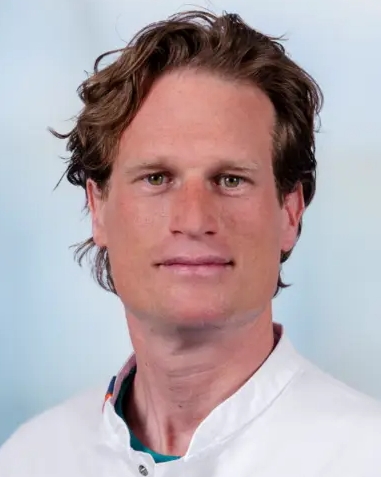 Job Doornberg合作论文数Departments of Orthopaedic Surgery, University Medical Center Groningen, University of Groningen;Flinders University;Data Science Center in Health;Dell Medical School, University of Texas at Austin;Amsterdam UMC;Massachusetts General Hospital, Harvard Medical School19
 René K. Marti合作论文数18
 Janssen Stein J合作论文数Department of Orthopaedic Surgery, Massachusetts General Hospital - Harvard Medical School12
 Zoni Eugenio合作论文数11Anneluuk L.C. Lindenhovius合作论文数11
 Geert J. Streekstra合作论文数11
 Rudolf Poolman合作论文数OLVG;Leiden University;Het Orthopedisch Expertise Centrum;Joint Research OLVG10Karkampouna Sofia合作论文数Medical Center, Leiden University10
 Olivier Borens合作论文数Department of Orthopaedic Surgery and Traumatology, Centre Hospitalier Universitaire Vaudois10
 Johanna Charlotte Emilie Donders合作论文数9
 Robert Kaspar Wagner合作论文数9George N. Thalmann合作论文数9
 Geert Alexander Buijze合作论文数8
 Andre Van Wijnen合作论文数The Stein/Lian Laboratory, Department of Biochemistry, Larner College of Medicine, University of Vermont8
 Henry J. Mankin合作论文数Harvard Medical School;Department of Orthopaedic Surgery, Massachusetts General Hospital8
 Jesse Bernard Jupiter合作论文数Department of Orthopaedic Surgery, Harvard Medical School8Irena Klima合作论文数8Jeffrey Richmond合作论文数8
 Gabri Van Der Pluijm合作论文数Interne Geneeskunde, Faculteit Geneeskunde, Leiden University8J. C. E. Donders合作论文数7Lijkele Beimers合作论文数7Joel Grosjean合作论文数Univ Bern, Dept Biomed Res, Urol Grp, Bern, Switzerland7Matthijs P Somford合作论文数7
 Mohit Bhandari合作论文数Michael G. DeGroote Institute for Pain Research and Care, Faculty of Health Sciences, McMaster University;Center For Health Economics & Policy Analysis, McMaster University;OrthoEvidence Inc.7Jan S. K. Luitse合作论文数7
 Sjoerd A Stufkens合作论文数Department of Orthopaedic Surgery, Academic Medical Center7Rene K. Marti合作论文数7Michel P. J. Van Den Bekerom合作论文数7
 Ernst L F B Raaymakers合作论文数6
 Christopher Robert Paradise合作论文数Department of Orthopedic Surgery, Mayo Clinic6
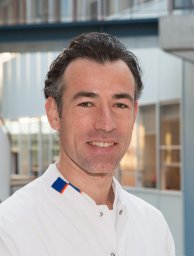 Thierry G Guitton合作论文数Academic Medical Center Amsterdam, University of Amsterdam6
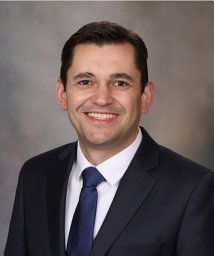 Dudakovic Amel合作论文数the Department of Orthopedic Surgery., From6
 N.W.L. Schep合作论文数6
 Federico La Manna合作论文数Osteoncology and Rare Tumors Center, Istituto Scientifico Romagnolo per lo Studio e la Cura dei Tumori (IRST) IRCCS6
 Lanpeng Chen合作论文数Acerta Pharma B.V.6
 NIEK VAN DIJK合作论文数Department of Orthopaedic Surgery, University of Amsterdam;Amsterdam Foot & Ankle School6
 Ewa Snaar-Jagalska合作论文数Institute of Biology Leiden, Faculty of Science, Leiden University6
 Johannes G. G. Dobbe合作论文数Academic Medical Center Amsterdam, University of Amsterdam6Mitchel Harris合作论文数6
 Ydo Vincent Kleinlugtenbelt合作论文数5Kees Jan Ponsen合作论文数5
 Merel O Mol合作论文数5Doornberg Job N合作论文数5
 Roman Thaler合作论文数Ludwig Boltzmann Institute of Osteology, Hanusch Hospital5Rubel Ivan F合作论文数5




