Prior research has established Quality-II as a nascent paradigm that reframes quality management around learning, adaptation, and resilience through error management. Its principles are grounded in observations of best practices in infrastructure engineer-to-order (ETO) production systems delivered under relational procurement. However, applications of alternative procurement arrangements have been constrained by the lack of a structured basis for observing, describing, and comparing how these principles are enacted in practice. Our paper addresses this limitation by adopting a narrative review to develop a configurational maturity framework that operationalizes Quality-II at the level of ETO production. Error management is conceptualized as a capability expressed through interrelated practices of detection, interpretation, response, and learning, embedded within inter-organizational production. Four maturity profiles—defensive, procedural, adaptive, and generative—are derived, each representing a distinct configuration of Quality-II enactment. Our framework provides an analytical basis for examining and comparing variation in the enactment of Quality-II, enabling systematic empirical analysis across ETO production.
Non-conformances that require rework can introduce safety risks. However, the causal links between these events have received limited attention in the literature. This study examines how rework contributes to safety risk by applying Evidential Pluralism, which integrates difference-making evidence with mechanistic explanation. Using a longitudinal mixed-methods design within a Tier-1 construction organisation, we analysed non-conformance reports, safety incident data, project documentation, interviews, and site observations over two research cycles. Quantitative analyses identified a weak but suggestive association between rework frequency and injury occurrence, signalling the need for deeper mechanistic inquiry. The qualitative and documentary evidence showed that rework disrupts workflows, reduces supervisory continuity, alters task sequencing, and increases physical and cognitive demands; factors that, in situated work contexts, elevate the potential for hazardous events. These mechanisms explain why rework-related safety incidents occurred even in the absence of strong statistical regularities. By demonstrating how Evidential Pluralism integrates empirical patterns with context-specific causal processes, the study provides a more robust foundation for understanding rework and its safety consequences. Practical implications include using non-conformances as prompts for strengthened planning, supervision, and risk assessment, and embedding the operational changes introduced by rework into routine safety management to lessen incident risk and improve project performance.
This paper addresses the following research question: How can we reliably uncover causal relationships from irregular, noise-contaminated tunnel boring machine (TBM) operating parameters while achieving high-accuracy attitude prediction? To address this question, we develop an enhanced causal discovery approach tailored for TBM attitude prediction. While training a causally driven neural network, we jointly impute missing data points and discover causal graphs to handle irregular, noise-laden TBM operating parameters. We use a case study to validate the feasibility and effectiveness of our proposed approach. Our approach, coupled with a simplified GRU, achieves an R-2 of 0.987 for pitch angle prediction, outperforming other models (e.g., long short-term memory and common gated recurrent unit with or without causally driven). Additionally, our research indicates that cutterhead motor torque, cylinder pressure adjustments, and earth pressure are critical determinants of TBM offset and angle deflection. We suggest that our newly developed approach can help site managers better understand how and why the generated outputs from deep learning materialize, which can be used to improve decision-making effectiveness in tunnel construction.
While serendipity is often associated with chance, it can also be cultivated under the right conditions. In construction, however, the dominant logics of efficiency, control, standardisation, and error aversion tend to suppress the very conditions—exploration, openness, cross-pollination, reflection, and learning—that allow serendipity to emerge and be harnessed in projects. Drawing on a case study of an AU$19.8 billion infrastructure project delivered through a program alliance, this paper investigates how collective serendipity, though not intentionally cultivated, emerged and was sustained, contributing meaningfully to continuous improvement and innovation. The project’s strategy and structure, shaped by its Project Alliance Agreement and governance arrangements, combined with the alliance’s emerging practices in error management, psychological safety, and resilience, laid the foundation for nurturing collective serendipity. Notably, the very discovery of collective serendipity was itself serendipitous, arising through a reflexive, retrospective engagement with the case data. This paper makes two key contributions. First, at a theoretical level, it introduces the concept of an error-mastery culture, emphasizing its role in fostering awareness, preparedness, and openness to error —conditions under which serendipitous opportunities are more likely to be recognized and realized. Second, from a practical perspective, it provides an in-depth case analysis of how a public-sector authority consciously designed its strategy and governance mechanisms to support learning and innovation while remaining receptive to the unexpected. The insights offered in this paper collectively make a compelling case for intentionally fostering collective serendipity in infrastructure projects to enhance long-term innovation and continuous improvement outcomes.
Energy Science is inherently interdisciplinary, integrating engineering, physics, environmental science, data analytics, and policy to support the transition to sustainable, low-carbon, and resilient energy systems. Despite rapid advances in technology and modeling, a long-standing innovation–implementation gap continues to hinder the translation of research into operational practice and policy-relevant outcomes. Yet Energy Science lacks a systematic methodological perspective that connects problem identification, solution design, implementation, evaluation, and the generation of transferable knowledge. We argue that Design Science Research offers a rigorous yet underutilized approach to addressing this gap. As a problem-driven, solution-oriented paradigm, it is well suited to the complexity, uncertainty, and socio-technical characteristics of contemporary energy systems. Our conceptual contribution is to position Design Science Research as a bridge between scientific understanding and the design, deployment, and continual improvement of energy-system interventions. We identify the methodological needs it can address, explain its underlying principles and activities, examine its theoretical contributions and limitations, and outline pathways for wider adoption. Through iterative design, demonstration, evaluation, and refinement, the approach can generate practical artifacts alongside transferable design knowledge that informs future interventions. Embedding Design Science Research within Energy Science can strengthen the connection between research and practice and support more effective technological, organizational, and policy responses to contemporary energy-transition challenges.
Reliable three-dimensional (3D) scene understanding is essential for robotic systems operating in complex, unstructured environments, such as construction sites. Existing methods, however, struggle with limited training data and rarely quantify epistemic uncertainty, often producing overconfident yet erroneous predictions that compromise operational safety. This paper introduces Probabilistic Gaussian Grouping (PGG), an uncertainty-aware two-dimensional-to-3D lifting segmentation approach that embeds probabilistic identity features directly within 3D Gaussian Splatting primitives. The approach leverages multi-view consistency alignment and Kullback–Leibler-regularized distributions via Monte Carlo sampling to explicitly capture ambiguity in the feature space. Experiments across four construction scenes characterized by uneven illumination and adverse weather conditions demonstrate strong performance, with PGG achieving up to 87.27% mean Intersection over Union (mIoU) and 81.09% mean boundary IoU (mBIoU), exceeding state-of-the-art baselines by 14% mIoU. Complementary uncertainty analyses further indicate superior calibration, with Mutual Information and Adaptive Calibration Error reaching 0.019 and 0.0140, respectively. These results establish a calibrated and trustworthy perceptual basis for robotic applications, including risk-aware motion planning and reliable spatial interaction within construction environments.
Decision-making in infrastructure projects has traditionally reflected the classical view of rationality, which assumes that individuals act as fully informed, perfectly logical agents capable of evaluating all alternatives and selecting the option that maximizes expected utility. Within this paradigm, uncertainty is treated as calculable risk, and probabilistic tools (e.g., Bayesian updating and Monte Carlo simulation) are used to forecast and control outcomes. Yet such techniques often misrepresent epistemic uncertainty—unknowns arising from limited knowledge—as measurable risk, creating an illusion of analytical precision. Smart Management, grounded in ecological rationality, offers an alternative to the classical view of rationality by employing smart heuristics that exploit environmental structure to guide judgments under uncertainty. These heuristics form an adaptive toolbox that managers and engineers can draw on to make effective decisions when information is incomplete, feedback is delayed, or time is constrained. Drawing on observed scenarios from an AU$19.8 billion transport project, the paper maps them to distinct smart heuristics to illustrate how heuristic reasoning can be structured and applied in a construction decision context within the volatile, uncertain, complex, and ambiguous environment of infrastructure delivery. The paper's contributions are threefold, as it: (1) introduces Smart Management as a paradigm for managing uncertainty in infrastructure projects; (2) translates ecological rationality into an operational framework for infrastructure delivery settings where probabilistic approaches are constrained; and (3) illustrates how heuristic reasoning can be structured for use in managerial judgment and organizational learning.
Errors are an inherent feature of construction work, giving rise to both adverse outcomes, such as rework and safety incidents, and positive consequences, including learning and innovation. Traditionally, the industry has adopted an error prevention mindset, often characterized by a zero-tolerance approach aimed at minimizing risk, particularly in conventionally procured projects. In contrast, relational procurement methods, such as alliancing, emphasize collaboration, trust, and a "no-blame" culture, aligning more closely with an error management mindset that views errors as opportunities for improvement. Although these two orientations are conceptually opposed, construction organizations frequently operate across diverse procurement models and must therefore navigate the tensions between them. This article presents emergent insights from a construction organization involved with delivering an AU$19.8 billion transport infrastructure program through an alliance model. We demonstrate how the organization confronted the "paradox of error" within the broader context of quality management by engaging in meta-communication-that is, communication about communication-to clarify the meaning behind discussions about errors and prevent misunderstandings. The meta-communication process reinforced the value of treating errors as opportunities for learning rather than as a basis for blame, thereby fostering trust and supporting a culture consistent with the alliance's collaborative ethos. This article makes two key contributions: 1) it introduces a novel conceptualization of error through the lens of paradox theory, challenging traditional binary framings and 2) it highlights the importance of paradoxical thinking in managing error-related tensions, thereby enabling learning, innovation, and continuous improvement in complex project environments.
Point clouds are widely used in rail infrastructure. However, generating complete point clouds remains challenging due to device limitations and external factors such as occlusions, shadows, and surface reflectivity. These issues often result in sparse, noisy, and incomplete data, leading to the loss of essential geometric and semantic details needed for effective railway maintenance and inspection. Consequently, developing detailed, high-quality point cloud models for large-scale railway networks spanning hundreds of miles remains a challenge. We introduce the Edge-Aware Spatial Enhancement Network (EASE-Net), a hierarchical encoder-decoder framework that integrates multi-scale processing with spatial and color information to preserve both fine details and overall structural integrity. Additionally, to address limitations of existing loss functions, which treat all points equally, we propose the Context-Aware Point Cloud (CAPC) loss function. Experiments on real-world railway datasets demonstrate that our method achieves the highest reconstruction performance, with Chamfer distances of 36.35-85.11 mm, Earth Mover's distances of 26.50-62.07 mm, F1-scores above 0.979, and coverage rates between 99.38 % and 99.54 %. Most importantly, EASE-Net maintains structural consistency, with volume ratios close to one and Jensen-Shannon Divergence scores below 0.0007. The results show that the reconstructed point clouds preserve the original point distribution and avoid distortions, even under noisy conditions where traditional methods have difficulty recovering fine details. Overall, the proposed method can generate detailed 3D models from only a few images, enabling project managers to potentially monitor large-scale railway networks without requiring supercomputers.
Limited knowledge exists about the actual costs of field rework in construction. The reported costs of rework presented in the literature vary significantly because of differing definitions and methods used to quantify them. Exacerbating this problem is the difficulty in obtaining actual field rework data because contractors are typically averse to providing access to their costs due to commercial confidentiality. This paper presents the findings of an exploratory study undertaken by a contractor's quality managers, who sought to determine the actual costs of field rework in their projects. Actual rework costs, excluding those materializing postcompletion because data were unavailable, were underreported by 300% and were found to be, on average, 0.38% (minimum 0.01% and maximum 3.67%) of a project's contract value. The quality managers suggested that precompletion and postcompletion rework costs were roughly equal. Thus, with the inclusion of postcompletion corrections, average rework costs increase to an average of 0.76% (minimum 0.02% and maximum 7.34%) of a project's contract value. Several practical recommendations to help the contractor better track rework costs and their causes have also been identified. The contributions of this paper are twofold: it provides: (1) new insights into the makeup of actual field rework costs, and (2) a series of actions to improve an organization's ability to document, track, and communicate its rework.
The corrective actions applied to nonconforming products-commonly termed rework-can substantially erode a construction organization's performance, productivity, and profitability. Yet, empirical knowledge of the actual cost of rework in the field remains sparse. This study quantifies rework costs across 12 completed transport-infrastructure projects (with a total contract value of AU$2 billion) delivered via an alliance-based program. We find that 61% of all nonconformances (656 of 1064) required rework, with an average rework cost equal to 0.34 % of each project's contract value. Notably, a single project accounted for 57% of the total rework expenditure and 31% of the issued nonconformances. This article, thus, offers new, data-driven insights into the actual costs of rework on major infrastructure works and demonstrates that rework incidence and its financial impact vary widely across projects.
Decision-makers in infrastructure projects routinely rely on informal heuristics to navigate volatile, uncertain, complex, and ambiguous conditions. These heuristics are often treated as liabilities, attributed to cognitive bias. However, emerging evidence indicates that when heuristics are deliberately designed, they can match—or even outperform—machine learning models in inference tasks under deep uncertainty. Despite this, systematic algorithms for managing uncertainty associated with delivery-stage events, such as rework, remain underdeveloped. Psychological artificial intelligence (AI) offers a promising foundation by focusing on designing efficient, transparent decision rules grounded in human cognition. Against this backdrop, our paper addresses the question: How can psychological AI be used to design and implement algorithms that support the management of rework-related uncertainty? Using an interpretive case study, the analysis examines how experiences within a water infrastructure alliance shaped behavioral processes, specifically recency (memory) and imitation (learning), among personnel involved in a transport mega-project. We reveal that these processes were associated with the enactment of informal decision rules for responding to rework as it emerged. Although psychological AI offers strong potential to generate ecologically rational and transparent decision tools, its application in infrastructure delivery remains limited, and more broadly, in project environments. This paper responds by opening a new line of inquiry into how such tools can be developed to address rework and other unforeseen events. Two contributions are advanced. First, a theoretical framing is introduced to inform the design of simple, interpretable decision algorithms suited to unexpected events in large-scale infrastructure projects. Second, the analysis suggests how psychological principles can be translated into decision rules to guide decision-making under uncertainty.
Construction organizations routinely utilise nonconformance reports to document quality deviations, yet these reports are seldom used to anticipate future quality risks, particularly rework likelihood and cost impact. This paper proposes an ex-ante predictive modeling method that uses nonconformance data from completed projects to estimate rework propensity and associated cost consequences in future work. Although applicable to other dispositions, the focus is on rework due to its adverse effects on performance and productivity. Outcome-consistent prediction tasks are defined and aligned with appropriate statistical models: penalized logistic regression for rework likelihood and Gamma generalized linear models for cost impact. Validation procedures reflect the sparse and heterogeneous nature of project data. The method is tested using two independent datasets, demonstrating that meaningful patterns in rework occurrence and cost can be identified despite differences in classification practices. The approach enables organizations to support pre-construction decision-making, benchmarking, and targeted quality risk prioritization.
Deep learning (DL) based models have gained significant attention in the risk assessment of tunnel constructions due to their demonstrated accuracy and effectiveness. Deploying these models in real-world projects raises critical cybersecurity concerns, particularly regarding their susceptibility to adversarial attacks. Thus, this research addresses the following question: Are existing deep learning-based risk assessment models susceptible to attacks, and how can the robustness of these models be improved? To effectively respond to this question, we propose a novel integrated knowledge and data-driven approach to enhance the adversarial robustness of DL models in the risk assessment of tunnel construction. The approach includes: (1) a deep neural network (DNN) based model for risk assessment; (2) a mechanistic model that leverages physical knowledge to generate pseudo-labels; (3) a Knowledge-Enhanced Adversarial Attack (KEAA) algorithm to create adversarial samples; and (4) a hybrid dataset and optimized loss function for updating the DNN model to improve its robustness. The San-yang Road subway tunnel project in Wuhan, China, was used to validate the proposed approach. The results show the effective identification of vulnerabilities in the DNN model and provide a practical solution for enhancing its robustness, thereby improving the defense capabilities of the data-driven approach.
When estimating cost contingency, aleatory and epistemic uncertainties are often treated probabilistically in the same manner as risk, while residual uncertainty is typically embedded implicitly within contingency allowances without explicit representation. In the early stages of a project, assumptions are unstable, scope definition is incomplete, and small changes in input can lead to large variations in estimated outcomes. Such conditions can create overconfidence in probability-based results, leading to contingencies that underestimate epistemic effects and fail to adequately account for residual conditions that cannot be parameterized. The article demonstrates how epistemic uncertainty can be explicitly incorporated into pre-contract contingency estimates to improve risk management and produce more credible predictions of final construction costs. A decomposed contingency approach is adopted to separate the probabilistic (aleatory), epistemic, and residual components, thereby enabling their formal representation and integration. Aleatory uncertainty associated with identifiable risks is treated probabilistically, while epistemic uncertainty-arising from incomplete information, scope development, and unresolved interfaces-is addressed using smart heuristics: simple, empirically grounded decision rules informed by ecological rationality. Illustrative examples show how heuristics such as "take-the-best," tallying, and recognition can be applied at different project stages to refine epistemic allowances as information improves. Residual uncertainty is treated as a bounded, governance-managed provision.
Mis-performance—manifested in cost overruns, delays, and the failure to deliver expected benefits- continues to afflict infrastructure projects worldwide. Despite a substantial body of research on this persistent issue, governments have made limited headway in effectively addressing it. Conceptualizations such as the Planning Fallacy and the Fifth Hand have emerged from theorizing efforts to explain how projects function and, more specifically, why they mis-perform. While these conceptual theories offer plausible insights, they fall short of establishing a comprehensive explanatory theory of project behavior. This paper critically examines the Planning Fallacy and Fifth Hand, highlighting the distinct theorizing styles that underpin them. It then outlines future directions for empirical research and discusses implications for practice, aiming to advance understanding of mis-performance and contribute to the development of a robust theory of project behavior.
 Jim Smith合作论文数Bond University100
 Jane Matthews合作论文数Peter MacCallum Cancer Institute88
 Zahir Irani合作论文数University of Bradford77
 Weili Fang合作论文数Dept. of Construction Management, School of Civil Engineering and Mechanics, Huazhong University of Science and Technology, Wuhan, Hubei, China66
 Michael C.P. Sing合作论文数Department of Building & Real Estate,The Hong Kong Polytechnic University56
 David Edwards合作论文数Birmingham City University;Off-Highway Plant and Equipment Research Centre49
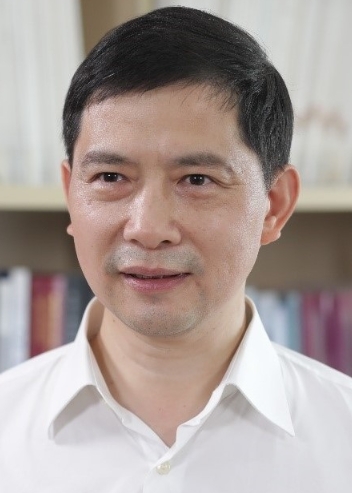 Hanbin Luo (骆汉宾)合作论文数School of Civil and Hydraulic Engineering, Huazhong University of Science and Technology;National Center of Technology Innovation for Digital Construction, Huazhong University of Science and Technology43
 Heng Li (李恆)合作论文数Department of Building and Real Estate, Faculty of Construction and Environment, The Hong Kong Polytechnic University;Research Institute for Artificial Intelligence of Things, The Hong Kong Polytechnic University34
 Lavagnon A. Ika合作论文数34
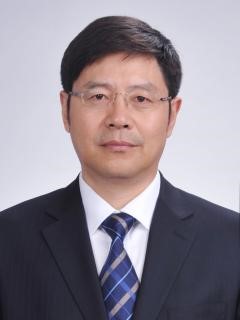 Lie-Yun Ding (丁烈云)合作论文数School of Civil and Hydraulic Engineering, Huazhong University of Science and Technology28michael w regan合作论文数27
 Jingyang Zhou (周京阳)合作论文数China Electric Power Research Institute24
 Peter Rex Davis合作论文数School of Architecture and Built Environment, University of Newcastle, Australia22
 Craig Standing合作论文数School of Management, Edith Cowan University21
 Yang Miang Goh合作论文数Department of Building, College of Design & Engineering, National University of Singapore16
 Derek Walker合作论文数School of Property, Construction and Project Management, RMIT University16
 Oluwole Alfred Olatunji合作论文数16Pauline Teo合作论文数15
 Regis Signor合作论文数Brazilian Federal Police15
 brad carey合作论文数School of Built Environment and Design, Curtin University15
 Fran Ackermann合作论文数Department of Management Science;University of Strathclyde;Department of Management Science, University of Strathclyde15
 Robert Lopez合作论文数14Junxiao Liu合作论文数13
 Dominic D Ahiaga-Dagbui合作论文数Sch Architecture & Built Environm, Deakin Univ13
 Botao Zhong (钟波涛)合作论文数School of Civil and Hydraulic Engineering, Huazhong University of Science and Technology13Jim Georgiou合作论文数13Graham J. Treloar合作论文数13
 Angappa Gunasekaran合作论文数School of Business Administration, Penn State Harrisburg11
 Purnendu Mandal合作论文数Marshall University11
 Xiangyu Wang合作论文数School of Design and the Built Environment, Faculty of Humanities, Curtin University10
 David Baccarini合作论文数Department of Construction Management;School of Architecture Construction and Planning;Curtin University of Technology;School of Architecture Construction and Planning, Curtin University of Technology10Gary Holt合作论文数Saveetha Engineering College, Saveetha University10
 Eddie W. L. Cheng (鄭偉倫)合作论文数Department of Social Sciences, The Education University of Hong Kong10
 Ying Zhou (周迎)合作论文数School of Civil and Hydraulic Engineering, Huazhong University of Science and Technology9
 Palaneeswaran Ekambaram合作论文数Department of Civil Engineering, The University of Hong Kong9Mark Betts合作论文数8Stuart Porter合作论文数8Amir Sharif合作论文数8
 M. Themistocleous合作论文数8
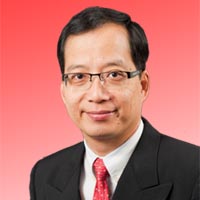 Chi Ming Tam (譚志明)合作论文数Division of Building Science and Technology, College of Engineering, City University of Hong Kong8Peter A. Bullen合作论文数8
 Ruben Ndihokubwayo合作论文数7
 Jeffrey K. Pinto合作论文数Black School of Business, Pennsylvania State University7Han Sangwon合作论文数Department of Architectural Engineering, University of Seoul7
 Jeong Tai Kim合作论文数College of Engineering, Kyung Hee University7Susan Standing合作论文数School of Management, Edith Cowan University7Xinjian Li合作论文数6




