BACKGROUND: Oscillatory high-frequency ventilation modalities, including high-frequency oscillatory, percussive, and jet ventilation, are commonly used during anesthesia and critical care to improve oxygenation or facilitate airway surgery. These techniques rely on rapid, small-amplitude pressure oscillations to sustain gas exchange while minimizing baro- or volutrauma. However, how effectively such oscillations transmit through the conducting airways to the alveoli in mechanically heterogeneous lungs remains poorly understood, particularly under perioperative conditions associated with atelectasis, airway narrowing, or altered chest wall mechanics. METHODS: We combined in vivo measurements in anesthetized, mechanically ventilated piglets with computational simulations to quantify pressure transmission and ventilation heterogeneity across controlled variations in airway and tissue mechanical properties. Airway opening, tracheal, and alveolar capsule pressures (n = 16) were recorded with miniature pressure transducers during multifrequency (0.5–20.75 Hz) oscillations at positive end-expiratory pressures (PEEP) of 5 and 10 cmH 2 O. The experimental data informed a simulation model comprising heterogeneous airway and tissue compartments to identify determinants of alveolar ventilation during oscillatory modes. RESULTS: The in vivo measurements revealed that the endotracheal tube accounted for most of the total flow resistance and inertance, whereas the chest wall contributed approximately two-thirds of tissue damping and elastance. Only 29% (95% confidence interval [CI], 22%–36%) to 43% (95% CI, 32%–54%) of tracheal oscillatory pressure reached the alveoli, showing strong frequency-dependent attenuation that was not significantly influenced by PEEP. Simulation results validated against measured pressure transfer functions indicated that airway heterogeneity dominated regional disparities in pressure and tidal volume, causing up to 250% differences in local volumes at high net resistance. Tissue heterogeneity exerted smaller (<100%) but distinct effects on pressure–volume relationships. CONCLUSIONS: Airway heterogeneity, common in perioperative atelectasis, bronchospasm, and acute lung injury, profoundly limits the efficiency of oscillatory ventilation. Understanding how airway and tissue properties modulate oscillatory pressure transmission provides a mechanistic basis for tailoring high-frequency ventilation to individual patients. These insights may inform more rational ventilation strategies to optimize gas exchange while minimizing regional overdistension and collapse.
Abstract Purpose High-resolution intravital microscopy allows cellular-scale analysis of the brain in vivo but is greatly sensitive to physiological motion. Combining optical microscopy with magnetic resonance imaging (MRI) in the same animal could relate cellular and mesoscale functional readout to whole-brain structural information, but this requires head holders that are both mechanically rigid and MRI compatible. Conventional metallic head holders introduce MRI artifacts, whereas many nonmetallic alternatives lack sufficient stability for chronic microscopy. Thus, we developed rigid, MRI-compatible head holders engineered from 3D-printed zirconia ceramics to reduce motion during microscopy while preserving MRI image quality. Methods Head holders were designed for mouse cranial fixation and fabricated from zirconia ceramics using additive manufacturing. We quantified motion artifacts during two-photon and multimodal widefield imaging of the mouse cortex and assessed their impact on neuronal calcium activity, functional connectivity, and hemodynamic readouts. MRI compatibility was evaluated by measuring image quality in the presence of the head holder. Results The ceramic head holders provided mechanical stability to reduce motion artifacts to micrometer levels during intravital imaging. The head holders produced no detectable susceptibility artifacts in MRI, and image contrast was comparable to control acquisitions performed without head holder. Sequential optical and MRI imaging of the same brain regions established artifact-minimized multimodal data acquisition within the same animal. Conclusions Non-metallic ceramic head holders support longitudinal multimodal studies that combine high-resolution optical microscopy with whole-brain MRI measurements in the same animal.
Abstract Background Advanced age is associated with larger infarct volumes and poorer functional recovery after acute ischemic stroke (AIS). Carotid stenosis is also a common comorbidity in older individuals and often predicts subsequent AIS. However, no age-specific therapy is currently available to protect the aging brain from aggravated ischemic injury. Here, we investigated whether a senolytic approach could improve cerebrovascular status and reduce ischemic brain injury in a comorbid aging model of AIS. Methods Unilateral common carotid artery occlusion was induced in young and aged rats and served as a diagnostic trigger for chronic senolytic therapy with dasatinib plus quercetin (D+Q). Two weeks later, the distal middle cerebral artery was occluded for 60 min. Compared with untreated animals, infarct size was measured, spreading depolarizations (SDs) were recorded electrophysiologically, cerebral blood flow (CBF) dynamics were monitored by laser speckle contrast imaging, and cerebrovascular senescent cell burden was assessed by immunocytochemistry. Cerebral angiogenesis, central and systemic inflammatory markers, and metabolic status were evaluated using protein arrays and blood glucose measurements. Results Aged rats developed larger infarcts than young controls, and this age-related increase was attenuated by D+Q treatment. D+Q reduced the higher frequency of SDs observed in the aged ischemic brain. Increased cerebrovascular senescence in aged animals was diminished by D+Q, accompanied by enhanced angiogenesis, although CBF responses to SDs and reperfusion were unchanged. In addition, D+Q modulated central and systemic inflammatory profiles and counteracted age-related metabolic impairment. Conclusions Senolytic D+Q therapy administered after carotid artery occlusion confers multifaceted protection against subsequent AIS in the aged brain. By targeting fundamental aging mechanisms that exacerbate brain vulnerability to AIS, D+Q enhances the resilience of the aging neurovascular niche. These results identify senolytic therapy as a promising preventive personalized approach to mitigate the disproportionate impact of AIS in older individuals and warrant further investigation.
Glutamate is the primary excitatory neurotransmitter in the mammalian brain. However, tools to image glutamate dynamics in the whole brain with high spatial and temporal resolution are lacking. Therefore, we developed GluTrooper, a novel mouse line engineered for inducible and long-lasting expression of the genetically encoded glutamate sensor iGluSnFR3. GluTrooper mice crossed with Emx1-Cre lines demonstrated uniform and stable sensor expression in excitatory neurons of the cortex, hippocampus, and olfactory bulb. iGluSnFR3 expression remained stable for at least 12 months, enabling longitudinal observations of glutamate dynamics over extended periods. Using multimodal imaging in awake mice, we demonstrated the versatility of GluTrooper across multiple spatial scales: from mesoscale widefield cortical imaging to cellular resolution with two-photon microscopy. Moreover, during cortical spreading depolarization, bilateral whole-brain glutamate dynamics and contralateral cortical disinhibition were detected with high fidelity. Accordingly, the GluTrooper may open new avenues for the better understanding of glutamatergic neurotransmission in the mammalian brain. ### Competing Interest Statement The authors have declared no competing interest. EXC 2145 SyNergy, DFG, ID 390857198 PL 249/24-1, ID 551429233 Heisenberg Programme, DFG, 447395247
In ischemic stroke, cerebral autoregulation and neurovascular coupling may become impaired. The cerebral blood flow (CBF) response to spreading depolarization (SD) is governed by neurovascular coupling. SDs recur in the ischemic penumbra and reduce neuronal viability by the insufficiency of the CBF response. Autoregulatory failure and SD may coexist in acute brain injury. Here, we set out to explore the interplay between the impairment of cerebrovascular autoregulation, SD occurrence, and the evolution of the SD-coupled CBF response. Incomplete global forebrain ischemia was created by bilateral common carotid artery occlusion in isoflurane-anesthetized rats, which induced ischemic SD (iSD). A subsequent SD was initiated 20–40 min later by transient anoxia SD (aSD), achieved by the withdrawal of oxygen from the anesthetic gas mixture for 4–5 min. SD occurrence was confirmed by the recording of direct current potential together with extracellular K+ concentration by intracortical microelectrodes. Changes in local CBF were acquired with laser Doppler flowmetry. Mean arterial blood pressure (MABP) was continuously measured via a catheter inserted into the left femoral artery. CBF and MABP were used to calculate an index of cerebrovascular autoregulation (rCBFx). In a representative imaging experiment, variation in transmembrane potential was visualized with a voltage-sensitive dye in the exposed parietal cortex, and CBF maps were generated with laser speckle contrast analysis. Ischemia induction and anoxia onset gave rise to iSD and aSD, respectively, albeit aSD occurred at a longer latency, and was superimposed on a gradual elevation of K+ concentration. iSD and aSD were accompanied by a transient drop of CBF (down to 11.9 ± 2.9 and 7.4 ± 3.6%, iSD and aSD), but distinctive features set the hypoperfusion transients apart. During iSD, rCBFx indicated intact autoregulation (rCBFx < 0.3). In contrast, aSD was superimposed on autoregulatory failure (rCBFx > 0.3) because CBF followed the decreasing MABP. CBF dropped 15–20 s after iSD, but the onset of hypoperfusion preceded aSD by almost 3 min. Taken together, the CBF response to iSD displayed typical features of spreading ischemia, whereas the transient CBF reduction with aSD appeared to be a passive decrease of CBF following the anoxia-related hypotension, leading to aSD. We propose that the dysfunction of cerebrovascular autoregulation that occurs simultaneously with hypotension transients poses a substantial risk of SD occurrence and is not a consequence of SD. Under such circumstances, the evolving SD is not accompanied by any recognizable CBF response, which indicates a severely damaged neurovascular coupling.
Spreading depolarization (SD) is a wave of mass depolarization that causes profound perfusion changes in acute cerebrovascular diseases. Although the astrocyte response is secondary to the neuronal depolarization with SD, it remains to be explored how glial activity is altered after the passage of SD. Here, we describe post-SD high frequency astrocyte Ca2+ oscillations in the mouse somatosensory cortex. The intracellular Ca2+ changes of SR101 labeled astrocytes and the SD-related arteriole diameter variations were simultaneously visualized by multiphoton microscopy in anesthetized mice. Post-SD astrocyte Ca2+ oscillations were identified as Ca2+ events non-synchronized among astrocytes in the field of view. Ca2+ oscillations occurred minutes after the Ca2+ wave of SD. Furthermore, fewer astrocytes were involved in Ca2+ oscillations at a given time, compared to Ca2+ waves, engaging all astrocytes in the field of view simultaneously. Finally, our data confirm that astrocyte Ca2+ waves coincide with arteriolar constriction, while post-SD Ca2+ oscillations occur with the peak of the SD-related vasodilation. This is the first in vivo study to present the post-SD astrocyte Ca2+ oscillations. Our results provide novel insight into the spatio-temporal correlation between glial reactivity and cerebral arteriole diameter changes behind the SD wavefront.
Cortical spreading depolarisation (CSD) is a transient disruption of ion balance that propagates along the cortex. It has been identified as an important factor in the progression of cerebral damage associated with stroke or traumatic brain injury. We analysed local field potential signals during CSD in old and young rats to look for age-related differences. We compared CSDs elicited under physiological conditions (baseline), during ischaemia and during reperfusion. We applied short-time Fourier transform and a windowed implementation of multifractal detrended fluctuation analysis to follow the electrophysiological signature of CSD. Both in the time-dependent spectral profiles and in the multifractal spectrum width, CSDs appeared as transient dips, which we described on the basis of their duration, depression and recovery slope and degree of drop and rise. The most significant age-related difference we found was in the depression slope, which was significantly more negative in the beta band and less negative in the delta band of old animals. In several parameters, we observed an attenuation-regeneration pattern in reaction to ischaemia and reperfusion, which was absent in the old age group. The age-related deviation from the pattern took two forms: the rise parameter did not show any attenuation in ischaemic conditions for old animals, whilst the depression slope in most frequency bands remained attenuated during reperfusion and did not regenerate in this age group. Though the multifractal spectrum width proved to be a reliable indicator of events like CSDs or ischaemia onset, we failed to find any case where it would add extra detail to the information provided by the Fourier description.
Recurrent spreading depolarizations occur in the cerebral cortex from minutes up to weeks following acute brain injury. Clinical evidence suggests that the immediate reduction of cerebral blood flow in response to spreading depolarization importantly contributes to lesion progression as the wave propagates over vulnerable tissue zones, characterized by potassium concentration already elevated prior to the passage of spreading depolarization. Here we demonstrate with two-photon microscopy in anesthetized mice that initial vasoconstriction in response to SD triggered experimentally with 1 M KCl is coincident in space and time with the large extracellular accumulation of potassium, as shown with a potassium indicator fluorescent dye. Moreover, pharmacological manipulations in combination with the use of potassium-sensitive microelectrodes suggest that large-conductance Ca2+-activated potassium (BK) channels and L-type voltage-gated calcium channels play significant roles in the marked initial vasoconstriction under elevated baseline potassium. We propose that potassium efflux through BK channels is a central component in the devastating neurovascular effects of spreading depolarizations in tissue at risk.
Spreading depolarization (SD) events contribute to lesion maturation in the acutely injured human brain. Neurodegeneration related to SD is thought to be caused by the insufficiency of the cerebral blood flow (CBF) response; yet the mediators of the CBF response, or their deficiency in the aged or ischemic cerebral cortex, remain the target of intensive research. Here, we postulated that tissue pH effectively modulates the magnitude of hyperemia in response to SD, the coupling of which is prone to be dysfunctional in the aged or ischemic cerebral cortex. To test this hypothesis, we conducted systematic correlation analysis between the direct current (DC) potential signature of SD, SD-associated tissue acidosis, and hyperemic element of the CBF response in the isoflurane-anesthetized, young or old, and intact or ischemic rat cerebral cortex. The data demonstrate that the amplitude of the SD-related DC potential shift, tissue acidosis, and hyperemia are tightly coupled in the young intact cortex; ischemia and old age uncouples the amplitude of hyperemia from the amplitude of the DC potential shift and acidosis; the duration of the DC potential shift, hyperemia and acidosis positively correlate under ischemia alone; and old age disproportionally elongates the duration of acidosis with respect to the DC potential shift and hyperemia under ischemia. The coincidence of the variables supports the view that local CBF regulation with SD must have an effective metabolic component, which becomes dysfunctional with age or under ischemia. Finally, the known age-related acceleration of ischemic neurodegeneration may be promoted by exaggerated tissue acidosis.NEW & NOTEWORTHY The hyperemic element of the cerebral blood flow response to spreading depolarization is effectively modulated by tissue pH in the young intact rat cerebral cortex. This coupling becomes dysfunctional with age or under ischemia, and tissue acidosis lasts disproportionally longer in the aged cortex, making the tissue increasingly more vulnerable.
Spreading depolarizations (SDs) occur spontaneously in the cerebral cortex of subarachnoid hemorrhage, stroke or traumatic brain injury patients. Accumulating evidence prove that SDs exacerbate focal ischemic injury by converting zones of the viable but non-functional ischemic penumbra to the core region beyond rescue. Yet the SD-related mechanisms to mediate neurodegeneration remain poorly understood. Here we show in the cerebral cortex of isoflurane-anesthetized, young and old laboratory rats, that SDs propagating under ischemic penumbra-like conditions decrease intra and- extracellular tissue pH transiently to levels, which have been recognized to cause tissue damage. Further, tissue pH after the passage of each spontaneous SD event remains acidic for over 10 minutes. Finally, the recovery from SD-related tissue acidosis is hampered further by age. We propose that accumulating acid load is an effective mechanism for SD to cause delayed cell death in the ischemic nervous tissue, particularly in the aged brain.
Spreading depolarizations of long cumulative duration have been implicated in lesion development and progression in patients with stroke and traumatic brain injury. Spreading depolarizations evolve less likely in the aged brain, but it remains to be determined at what age the susceptibility to spreading depolarizations starts to decline, especially in ischemia. Spreading depolarizations were triggered by epidural electric stimulation prior and after ischemia induction in the cortex of 7–30 weeks old anesthetized rats ( n = 38). Cerebral ischemia was achieved by occlusion of both common carotid arteries. Spreading depolarization occurrence was confirmed by the acquisition of DC potential and electrocorticogram. Cerebral blood flow variations were recorded by laser-Doppler flowmetry. Dendritic spine density in the cortex was determined in Golgi-COX stained sections. Spreading depolarization initiation required increasingly greater electric charge with older age, a potential outcome of consolidation of cortical connections, indicated by altered dendritic spine distribution. The threshold of spreading depolarization elicitation increased with ischemia in all age groups, which may be caused by tissue acidosis and increased K + conductance, among other factors. In conclusion, the brain appears to be the most susceptible to spreading depolarizations at adolescent age; therefore, spreading depolarizations may occur in young patients of ischemic or traumatic brain injury at the highest probability.
Spreading depolarizations (SDs) occur spontaneously in the brain after stroke, exacerbate ischemic injury, and thus emerge as a potential target of intervention. Aging predicts worse outcome from stroke; yet, the impact of age on SD evolution is not clear. Cerebral ischemia was induced by bilateral common carotid artery occlusion in young (8-9 weeks old, n = 8) and old (2 year olds, n = 6) anesthetized rats. Sham-operated animals of both age groups served as control (n = 12). Electrocorticogram, direct current potential, and cerebral blood flow (CBF) variations were acquired via a small craniotomy above the parietal cortex. SDs were elicited by KCl through a second craniotomy distal to the recording site. Ischemia and age delayed the recovery from SD. CBF decreased progressively during ischemia in the old animals selectively, and inverse neurovascular coupling with SD evolved in the old but not in the young ischemic group. We propose that (mal)adaptation of cerebrovascular function with aging impairs the SD-related CBF response, which is implicated in the intensified expansion of ischemic damage in the old brain.
In the article we deal with the rehabilitation of patients using information technology, especially Internet support. We concentrate on two main areas in the IT support of rehabilitation: one of them is the support for individual therapy, the other one is providing patients with information, which is the basic step in emphasising individual responsibility. In the development of rehabilitation programmes, the knowledge of the IT professional and the therapist, in the IT support of web guidance, medical expertise plays the primary role. The degree of assistance involved in the rehabilitation process depends on the IT knowledge of medical (general practitioner, nursing staff) professionals as well. The necessary knowledge required in healing and development processes is imparted to professionals by a special (full-time) university training. It was a huge challenge for us to teach web-based information organisation skills to doctors and nurses, and it is also a complex task to put forward such an IT viewpoint to information specialists in order to create the foundations of the cooperation between IT and healthcare professionals.
Experiments, as we all know, are especially important in science education. However, their impact on improving thinking could be even greater when applied together with the methods of inquiry-based learning (IBL). In this paper we present our observations of a high-school laboratory class where students used computers to carry out and analyse real experiments. During the class students used Edaq530, a low-cost, compact and easy-to-use digital measurement solution (http://www.inf.u-szeged.hu/noise/edudev/EDAQ530/). It allowed them to see the results of the measurements real-time on the screen. This technique enables students to make a lot of measurements themselves, get to know the steps of data analysis, and discover relationships and laws in physics which were previously unknown to them.
The development of demonstration experiments plays a key role in modern and efficient teaching of physics, chemistry, biology and several other disciplines. Today's computers and electronic devices allow the use of simple software-based instrumentation to achieve flexible and surprisingly transparent experimentation, however, the professional solutions are rather expensive while the home-made instruments are often inaccurate and the software can be inconvenient and didactically questionable. There are several attempts to solve these problems and make experiments accessible for almost every teacher and student. In this paper a very simple, ultra low cost, easy-to-make sound card based high-resolution stopwatch will be shown that supports a wide variety of mechanical experiments. Here we present two kinds of experiments, with which we can demonstrate well the usefulness of our device: measurement of the moment of inertia, and study of free-falling balls. We also show how these kinds of measurement methods develops different competences of the students.
Fluctuation-enhanced sensing (FES) comprises the analysis of the stochastic component of the sensor signal and the utilization of the microscopic dynamics of the interaction between the agent and the sensor. We study the relationship between the measurement time window and the statistical error of the measurement data in the simplest case, when the output is the mean-square value of the stochastic signal. This situation is relevant at any practical case when the time window is finite, for example, when a sampling of the output of a fluctuation-enhanced array takes place; or a single sensor's activation (temperature, etc.) is stepped up; or a single sensor's output is monitored by sampling subsequently in different frequency windows. Our study provides a lower limit of the relative error versus data window size with different types of power density spectra: white noise, 1/f (flicker, pink) noise, and 1/f(2) (red) noise spectra.
A fluktuaciokkal javitott erzekeles alkalmazasahoz kis meretű es fogyasztasu szamitogepvezerelt műszereket fejlesztettunk, melyek segitsegevel megmutattuk, hogy szen nanocső alapu es mas szenzorokon vegzett zajspektroszkopiai meresek alkalmasak lehetnek kulonboző gaztipusok vagy akar bakteriumok megkulonboztetesere. Digitalis jelprocesszor alapu kiserleti eszkozoket fejlesztettunk ki, melyekkel elsőkent sikerult demonstralnunk a termikus zajra epulő abszolut biztonsagos kommunikacio műkodeset valos rendszeren. Az excimer lezerek kesleltetesenek sztochasztikus jelek felhasznalasan alapulo aktiv szabalyozasahoz kifejlesztett modszerunkhoz uj hardvert terveztunk, mely hatekonyabb műkodest tesz lehetőve, additiv zaj felhasznalasaval segiti a kesleltetesi idő detektalasat. Algoritmusokat es szoftvereket fejlesztettunk ki főkent ritmuszavar soran fellepő EKG-jelek időtartomanybeli es spektralis analizisehez. Emellett vizsgaltuk, hogy az emberi agy hogyan kepes a veletlenszerű jelekben elrejtett determinisztikus mintak felismeresere es tanulasara. Interdiszciplinaris kutatasi eredmenyeinkhez tartozik egy bakteriumok fotoszintezisenek meresere tervezett szamitogepvezerelt fluorometer es a kiserlezető oktatast tamogato szamos hardver es szoftver kifejlesztese is. A palyazat soran megjelent 32 publikacio kozott szerepel 20 nemzetkozi folyoiratcikk (osszesitett impakt faktor: 37,203), melyek 5 nemzetkozi es egy hazai meghivott konferenciaelőadashoz kotődnek. | We have built low-consumption, small-size computer-controlled devices for fluctuation-enhanced sensing. With these instruments we have shown that noise spectroscopy measurements of carbon nanotubes or other sensors can differentiate between gases or bacteria. We have developed digital signal processor-based experimental devices with which we could be the first to demonstrate the feasibility of thermal noise-driven totally secure communication in a real-world system. We have designed new methods and the associated hardware to enhance the efficiency of the active control of excimer laser delay by using additive noise to improve delay detection. We have developed algorithms and software for the time-domain and spectral analysis of ECG signals recorded mainly during arrhythmias. We have also studied the capacity of the human brain to recognise and learn deterministic patterns hidden in seemingly random signals. Our interdisciplinary results include a computer-controlled fluorimeter for measuring bacterial photosynthesis and several hardware and software developments to support teaching experiments.
 Zoltán Gingl合作论文数Department of Technical Informatics, University of Szeged23
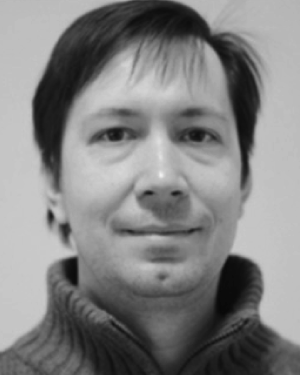
 Ferenc Bari合作论文数Department of Physiology, University of Szeged10
 Robert Mingesz合作论文数Department of Experimental Physics;University of Szeged;Department of Experimental Physics, University of Szeged10
 Akos Menyhart合作论文数9
 L Rudas合作论文数9
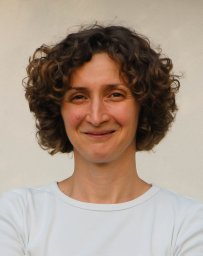 Eszter Farkas合作论文数Department of Anatomy and Neurobiology, Washington University School of Medicine8N Csík合作论文数7
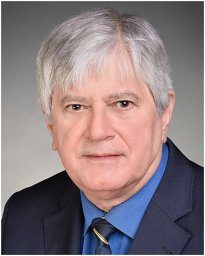 András Varró合作论文数Department of Pharmacology and Pharmacotherapy, University of Szeged6
 András Farkas合作论文数Faculty of Economics;Budapest Tech;Budapest Tech, Faculty of Economics6
 Attila Farkas合作论文数5Katalin Kopasz合作论文数5
 Tamás Forster合作论文数Medical Faculty, University of Szeged5
 Reka Toth合作论文数4István Leprán合作论文数4
 Miklos Csanady合作论文数4Orsolya M Tóth合作论文数3Éva Zöllei合作论文数3Szabolcs Orosz合作论文数3Tamás Puskás合作论文数2Orsolya Ivánkovits-Kiss合作论文数2Dániel Zölei-Szénási合作论文数2Borbala E. Szepes合作论文数2
 Michael Shattock合作论文数School of Cardiovascular Medicine & Sciences, Faculty of Life Sciences & Medicine, King’s College London2
 Julius Gyula Papp合作论文数Division of Cardiovascular Pharmacology, Hungarian Academy of Sciences;Department of Pharmacology & Pharmacotherapy, Albert Szent-Györgyi Medical Center, University of Szeged2T. Fulei合作论文数2
 Robert Vajtai合作论文数Ken Kennedy Institute, Rice University;Department of Materials Science and NanoEngineering, Rice University2Péter Hertelendy合作论文数2Dóra Vincze合作论文数2Dora Paprika合作论文数2
 Istvan A. Krizbai合作论文数Institute of Biophysics, Biological Research Centre2
 Dániel Varga合作论文数Média Oktató és Kutató Központ, Budapesti Müszaki és Gazdaságtudományi Egyetem2Enikõ Pintér合作论文数1
 Juulius Gyula Papp合作论文数1J G Papp合作论文数1Klára Vezendi合作论文数1Ágnes Patzkó合作论文数1Armand R Bálint合作论文数1György Ábrahám合作论文数1
 Tamas Kiss合作论文数1
 janos mellar合作论文数1Anna Törteli合作论文数1
 Rita Frank合作论文数1
 Cecilia Sik Lanyi合作论文数Dept Elect Engn & Informat Syst, Univ Pannonia1Almos Schranc合作论文数1
 Roberta Sudy合作论文数Department of Medical Physics and Informatics, University of Szeged1
 Jens Dreier合作论文数1
 Lucilla Poston合作论文数Department of Women & Children's Health, School of Life Course & Population Sciences, Faculty of Life Sciences & Medicine, King's College London;King’s Global Health Institute, King's College London;Department of Physiology, Faculty of Life Sciences & Medicine, King's College London1
 Benedikt Wefers合作论文数1
 Wolfgang Wurst合作论文数Institute of Developmental Genetics, Helmholtz Zentrum München Deutsches Forschungszentrum für Gesundheit und Umwelt;Department of Life Sciences, Technische Universität München;Deutsches Zentrum für Neurodegenerative Erkrankungen in der Helmholtz-Gemeinschaft1




