En America Latina la pobreza y la desigualdad son facilmente reconocibles en los rostros de las mujeres, los afrodescendientes, los indigenas, las victimas del VIH/SIDA y otros grupos marginados. En este libro se examinan las caracteristicas comunes de estas poblaciones excluidas, asi como las politicas y programas de inclusion que se han puesto en practica en la region, que pueden incrementar el acceso de estos grupos a servicios sociales de calidad y a los recursos economicos y politicos que necesitan para ubicarse en pie de igualdad con los demas segmentos de la sociedad.
Latin America and the Caribbean is one of the regions in the world with the greatest ethnic, racial and cultural diversity. This diversity is a major asset that holds the key to achieving lasting economic and political stability and constructing a fair, cohesive and democratic society. However, the region must overcome a long and divisive history of exclusionary practices that have only left societies poorer, divided, unequal and blind to diversity and its riches. This book examines the discrimination and disadvantages endured by the poor, minorities, women, the disabled and people with HIV/AIDS. It proposes inclusionary policies to improve access by these groups to the social services and economic and political resources they need.
 miriam maluwa合作论文数2mala htun合作论文数2tony atkinson合作论文数2
 Hugo Nopo合作论文数inter american development bank2
 Jacqueline Mazza合作论文数Inter-American Development Bank2
 Mayra Buvinic合作论文数United Nations Fdn2
 Javier Escobal合作论文数GRADE (Grupo de Análisis para el Desarrollo), Peru2
 Maximo Torero合作论文数International Food Policy Research Institute2
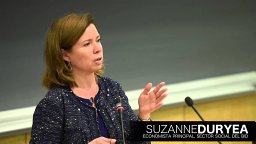 Suzanne Duryea合作论文数Research Department, Inter-American Development Bank2
 Peter J. Aggleton合作论文数Cntr Social Research In Health, University of New South Wales2
 Hilary Silver合作论文数Brown University2
 Luis Tejerina合作论文数2
 Jose Antonio Ocampo合作论文数Universidad de los Andes2
 Jaime Saavedra-Chanduvi合作论文数Universidad del Valle;Centro de Biomedicina Reproductiva del Valle;Centro de Biomedicina Reproductiva del Valle, Universidad del Valle2o arias合作论文数1Richard I Parker合作论文数Department of Educational Psychology, Texas A&M University1
 Gustavo Yamada合作论文数1Jonas Zoninsein合作论文数1Maria Eugenia Genoni合作论文数1
 Omar Arias合作论文数1




