Background & Aim Dynamic hospital settings such as cardiology wards face challenges in delivering high-quality end-of-life care due to high patient volumes, urgent clinical demands, variable disease trajectories, and time pressures, often resulting in delayed goals-of-care discussions and suboptimal care. Despite the availability of national End-of-Life Care Standards and associated quality audit tools, evidence describing their use and end-of-life care practices in Australian cardiology wards remains limited. We aimed to examine end-of-life care in cardiology wards within Australian hospitals. Method A retrospective medical record audit was conducted using the Australian Commission on Safety and Quality in Health Care’s End-of-Life Audit Tool. The audit included 150 consecutive adult patients who died on cardiology wards across three Australian hospitals between February 2023 and February 2025. Results The median age of patients at death was 81 years, with 8.7% (n=13) having a documented Advance Care Directive during the admission. Following admission to cardiology wards, 64.7% of patients were recognised as dying, with the average time between recognition of dying to death being 28 hours. The majority (n=134) of patients had a documented resuscitation plan and 70% were referred to palliative care during their final hospital admission. In their final 48 hours of life, 76% (n=114) of patients received active investigations and/or interventions, whilst 41.7% of those identified as dying more than 48 hours before death also continued to receive active interventions and/or investigations in the last 2 days of life. Conclusions This study highlights that whilst some elements of high-quality end-of-life care are being provided in cardiology wards, earlier recognition of dying, improved adherence to evidence-based care and more proactive communication are needed to achieve alignment with the national standards.
Background & Aim Aortic stenosis (AS) is a common valvular heart disease in older adults, affecting up to one in eight people over 65 years. Transcatheter aortic valve implantation (TAVI) offers a less invasive alternative surgical aortic valve replacement. However, approximately 30% of TAVI patients are frail, placing them at greater risk of complications and poorer outcomes post procedure. Despite this, evidence-based strategies to manage frailty in TAVI care remain limited. The FRAIL-AS Response Trial aims to implement and evaluate an evidence-based Frailty Response Program to improve care and outcomes for adults with AS and frailty undergoing TAVI. Method We plan a multicentre, cluster-randomised controlled trial with embedded process evaluation being conducted in hospitals and their respective TAVI programs across Australia. Hospitals will be randomised 1:1 to the Frailty Response Program (intervention) or standard care (control). The intervention comprises: (1) a Frailty Response Clinical Protocol focusing on nutritional screening, patient frailty education, General Practitioner (GP) notification of patient’s frailty classification, referrals for cardiac rehabilitation and geriatrician review; and (2) an Implementation Strategy informed by the Theoretical Domains Framework, incorporating meetings to determine local barriers and solutions, clinician education, local clinical champions, audit and feedback, action plans and remote facilitation. The primary outcome is the proportion of frail AS patients scheduled for TAVI receiving nutritional screening after frailty identification. Secondary outcomes are patient outcomes (as per the Valve Academic Research Consortium 3 endpoints), processes of care (frailty information provision, GP notifications, referrals for cardiac rehabilitation and geriatrician review) and implementation outcomes (intervention acceptability, feasibility and fidelity). Conclusions The FRAIL-AS Response Trial will determine whether addressing frailty in older adults with AS undergoing TAVI enhances evidence-based care, reduces complications, and improves patient outcomes. If effective, the FRAIL-AS Response Program may provide a scalable, evidence-based model for managing patients with heart valve disease and frailty undergoing transcatheter procedures.
Empagliflozin (EMPA), an inhibitor of sodium-glucose co-transporter 2 (SGLT2), significantly reduces cardiovascular mortality and heart failure hospitalisation in both diabetic and non-diabetic patients. The mechanism underlying this improvement in clinical outcome remains unclear as SGLT2 is not expressed in the heart. Previous studies have found that EMPA inhibits the sodium hydrogen exchanger, which is activated during and after induction of myocardial ischaemia. To investigate if acute administration of EMPA reduces myocardial infarct (MI) size. C57BL/6 mice underwent permanent ligation of the left anterior descending coronary artery to induce MI. Following surgery and before withdrawal of anaesthesia, animals were randomised to receive saline (N=11) or EMPA (10 mg/kg) by intraperitoneal (IP, N=13) administration. Compared with a saline control, IP administration of EMPA resulted in a significant (49%) reduction in infarct size (8.9±5.6 vs 17.3±4.1, respectively; p<0.001) as a percentage of left ventricular area An acute single bolus dose of IP EMPA is cardioprotective, as evidenced by an attenuation of cardiac infarct size. The benefit of EMPA in reducing MI size indicates its potential clinical use as an adjunctive therapy in patients suffering acute MI, particularly those without access to immediate reperfusion therapy.
Background:The risk of rehospitalization in patients with heart failure (HF) has initiated various efforts to prevent and simultaneously improve quality of life. Self-monitoring at home is one option, and technology is increasingly being used for this purpose. Objective:This pilot study aimed to evaluate the feasibility and preliminary effects of a digital home monitoring intervention on patient-reported outcomes and 30-day readmissions among patients with HF in Indonesia. Methods:A mixed methods pilot study was conducted, combining qualitative system development and quantitative evaluation. Patients were assigned to an intervention group (digital monitoring) or control group (standard care). Readmission rates were compared using chi-square tests and odds ratios. Changes in Kansas City Cardiomyopathy Questionnaire scores were analyzed using linear mixed-effects models. Results:A total of 60 patients were included (n=30, 50% in the intervention group; n=30, 50% in the control group). Readmission occurred in 20% (6/30) of patients in the intervention group and 43.3% (13/30) of patients in the control group (odds ratio 0.33, 95% CI 0.10-1.09; P=.10). Linear mixed-effects analysis showed greater improvement in Kansas City Cardiomyopathy Questionnaire overall summary score in the intervention group (P=.02). Improvements were observed in the physical limitation, symptom frequency, symptom burden, quality of life, and social limitation domains. During follow-up, 3.3% (1/30) of the patients in the intervention group died of non-HF-related causes, and 10% (3/30) of the patients in the control group died due to HF. Conclusions:This pilot study suggests that digital home monitoring is feasible and associated with improvements in patient-reported outcomes, with a potential signal toward reduced readmission. Larger studies are needed to confirm effectiveness.
PURPOSE:The purpose of this study was to survey sport medicine physicians globally to evaluate how they treat patients with a first-time shoulder dislocation (FTSD), specifically exploring the most common management strategies, the evidence or guidelines guiding these decisions, and the influence of demographic factors on these strategies and perceptions. METHODS:A cross-sectional survey was developed and distributed globally from 14 October 2024 through 22 March 2025 to sport medicine physicians involved in the management of shoulder instability. The questionnaire assessed respondents' demographics, preferred management strategies for FTSDs, and perceptions regarding the evidence supporting various treatment approaches. Descriptive statistics were used to summarize the data, and regression analyses were conducted to explore associations between demographic variables and management practices and perceptions. RESULTS:A total of 326 respondents completed the survey, predominantly fellowship-trained orthopaedic surgeons from North America and Europe. The most common management strategy was immobilization for 1-3 weeks, followed by physical therapy incorporating strengthening and proprioception exercises. Imaging practices varied geographically, with North American respondents preferring radiographic assessment and Europeans favouring magnetic resonance imaging at initial presentation. Surgical management or consideration for surgical intervention was most influenced by the presence of bony injury (81%), patient age (69%) and participation in contact sports (63%). Younger physicians favoured arthroscopic stabilization, while older respondents leaned towards open approaches. CONCLUSION:While variability in the management of FTSDs persists, the results of this study demonstrate emerging trends towards consensus on critical factors for consideration in the management of such patients. However, despite the prevalence of guideline-based management, a substantial proportion of respondents, particularly those over 55 years old, continue to base their practices on personal experience and training rather than standardized protocols. The development and dissemination of evidence-based guidelines remain essential to standardize clinical practices and optimize patient outcomes. LEVEL OF EVIDENCE:Level IV.
BACKGROUND AND OBJECTIVES:CYP2C19 phenotype is a known contributor to the interpatient variability in voriconazole response. Alternative therapy is recommended for ultrarapid/rapid and poor metabolizers due to increased probability of subtherapeutic exposure and side effects, respectively. We aimed to evaluate whether CYP2C19 phenotype is associated with switching from voriconazole to alternative antifungal therapy, in settings where genetic results were not available at the time prescribing decisions were made. METHODS:A multicentre, retrospective observational study was conducted in three Australian hospitals. Patients who had previously taken voriconazole (from 1 May 2019 to 31 May 2024) were invited to undergo pharmacogenomic testing. Medical records were audited to compare switching decisions across patients with different CYP2C19 phenotypes. Differences in voriconazole exposure and voriconazole-related adverse effects were also explored. RESULTS:Among 194 patients, most were normal or intermediate metabolizers (69%); 21% were rapid, 7% ultrarapid, and 3% poor metabolizers (underpowered). Switching to alternative antifungal therapy (32%; 62/194) mainly occurred due to adverse effect incidence and was not associated with CYP2C19 phenotype (P = 0.9041). C-reactive protein levels were significantly higher in patients who switched therapy (P < 0.001). All ultrarapid metabolizers on standard voriconazole 400 mg/day had subtherapeutic concentrations and only those on higher doses (500-1200 mg/day) achieved therapeutic concentrations. CONCLUSIONS:CYP2C19 phenotype was not predictive of switching, which is a multifactorial prescribing decision likely influenced by therapeutic drug monitoring, inflammation and clinical status. Our observations on voriconazole dosing and exposure support a complementary prescribing approach: pharmacogenomic testing to identify patients who require atypical voriconazole dosing regimens and subsequent therapeutic drug monitoring to guide dose adjustments.
Severe obesity is a relative exclusion criterion for heart transplantation. This study assessed glucagon-like peptide-1 receptor agonists (GLP-1 RAs) for weight loss as a bridge to heart transplantation candidacy. A retrospective study of end-stage heart-failure (ESHF) outpatients commenced on semaglutide compared demographic, metabolic, and transplant listing data pre- and post-treatment. Nine patients (median pre-GLP-1 RA body mass index [BMI]: 35.9 kg/m2 [IQR 1.3]) received semaglutide for a median of 4 months (IQR 9). Seven patients (78%) had an initial BMI >35 kg/m2; an exclusion criterion for transplantation. Post-treatment, median BMI decreased to 32.2 kg/m2 (IQR 4.1), representing a 5.0 kg (IQR 6.3) median weight loss. All patients were subsequently transplant listed, and 7 (78%) patients underwent transplantation. No significant adverse effects were reported. These preliminary findings suggest semaglutide may facilitate heart transplantation eligibility in ESHF patients with severe obesity, warranting larger studies to guide GLP-1 RA use in transplant protocols.
BACKGROUND:Heart transplantation (HT) from donation after circulatory death (DCD) donors has successfully expanded the donor pool with excellent short-term survival outcomes, but there is uncertainty regarding long-term outcomes. OBJECTIVES:This study compared 10-year patient survival and freedom from cardiac allograft vasculopathy (CAV) in recipients of DCD hearts with a contemporary cohort of recipients of hearts from donation after brain death (DBD) donors. METHODS:The study included consecutive heart transplant recipients at St Vincent's Hospital Sydney (Darlinghurst, New South Wales, Australia) from the commencement of the DCD heart transplant program in July 2014 until December 2024. Outcomes for recipients of DCD hearts (n = 118) vs DBD hearts (n = 385) were compared. DCD hearts were retrieved using a direct procurement protocol with normothermic machine perfusion. DBD hearts were retrieved with either static cold storage (n = 336) or hypothermic machine perfusion (n = 49). RESULTS:There were no significant differences in short- or long-term survival between DCD and DBD heart transplant recipients (1-year survival: 94% vs 88%; 10-year survival: 67% vs 64%, respectively; HR: 0.9 [95% CI: 0.5-1.4]; P = 0.5). The 10-year freedom from CAV was 61% and 41% for the DCD and DBD recipient groups, respectively (P = 0.5). There was no significant difference in the incidence of severe primary graft dysfunction when comparing DCD recipients with DBD recipients (14% vs 14%, respectively). Asystolic warm ischemic time was found to be the only retrieval-specific independent risk factor for severe primary graft dysfunction in DCD HT (OR: 1.4 [95% CI: 1.1-2.0]; P = 0.03). CONCLUSIONS:Heart transplant recipients from DCD donors have similar survival and freedom from CAV at 10 years post HT when compared with a contemporary cohort of recipients from DBD donors. These findings establish the long-term safety and efficacy of DCD HT.
BACKGROUND:There is currently no national total shoulder arthroplasty (TSA) database in Canada. As a first step toward a national registry, a regional shoulder database was initiated in 2017. In this study, we describe the implementation of and initial findings from the shoulder database and patient-reported outcomes program. METHODS:The registry is intended to capture all shoulder arthroplasty procedures in the province of Manitoba and includes surgeon-reported operative details and data on patient-reported outcome measures (PROMs). Every surgeon submits data. We included primary and revision procedures performed since 2017 in the retrospective case series study. We assessed registry coverage by the rate of return of surgeon-completed operative forms and patient-reported outcomes questionnaires, respectively. We determined the incidence of revision by the number of primary procedures linked to a revision within 1 year of surgery. RESULTS:A total of 1044 TSA procedures occurred during the study period. Overall, 65.0% were anatomic (n = 679) and 35.0% were reverse TSA procedures (n = 365). Of the 1044 surgeries that took place, the capture rate was 92.0% (n = 960) for operative data. The capture rate for PROM questionnaires was 78.6% preoperatively and 65.8% postoperatively. Four primary procedures were linked with a revision within 1 year of surgery (0.4%). The most frequent diagnosis reported was degenerative arthritis (n = 558/817). High satisfaction (n = 569/636) and improved joint-specific and general quality-of-life PROMs were reported at 1 year. CONCLUSION:The provincial shoulder database demonstrates the early stages of a registry, which contains useful, granular data and is an opportunity to fill an important gap in Canadian arthroplasty data.
Background: Oropharyngeal dysphagia and laryngeal dysfunction are complications of lung and heart transplantation. However, there is a lack of understanding around pre-operative function and an absence of standardized assessment protocols. We aimed to trial a pre- and post-operative protocol for assessing voice and swallowing function. Method: A prospective, longitudinal study of 14 adults undergoing investigation for lung or heart transplantation was conducted at a tertiary referral hospital. Patients were assessed pre-surgery and up to 6 months afterwards. The protocol involved phonation tasks with auditory-perceptual and acoustic analysis, videolaryngostroboscopy, a flexible endoscopic examination of swallowing and patient reported quality of life measures. Risk factors and clinical outcomes were extracted from patient records. Results: Patient self-reports of swallowing and voice difficulties were elevated pre-operatively. No evidence of swallowing difficulty was observed under endoscopic examination pre-transplant (Penetration-Aspiration Scale score <2; no accumulated secretions) and only one patient presented with incomplete glottic closure. Auditory perceptual ratings revealed voices were largely within the healthy range at baseline. One out of five patients presented with severe dysphonia post-operatively. Completion of evaluation measures prior to transplantation was 79% but post- operative rates were low due to feasibility challenges with follow up in this complex population. Conclusion: Novel evidence of self-reported pre-transplant voice and swallowing changes indicate value in baseline screening. Discrepancies between patient-report and instrumental assessment results highlight the need for multi-faceted evaluation. Large cohort studies are needed to determine the salient evaluation measures and time points for voice and swallowing assessment in this population.
Background: Preoperative patient expectations are thought to be predictors of outcomes in rotator cuff repair (RCR) surgery; however, these expectations lack an objective component. Surgeons are thought to possess the ability to more accurately predict postoperative patient outcomes compared to patients themselves. Surgeon's predictions of outcome could potentially serve to set realistic patient expectations of surgery and thus optimize surgical outcomes. The objective of this study was to describe patient and surgeon predictions of outcomes in those undergoing RCR surgery and determine the degree of agreement between these predictions and actual 1-year postoperative outcomes. Methods: Data for this study were collected in a health-care registry as standard of care for all patients undergoing RCR from January 1 to December 31, 2022, at a single surgical center. Surgeries were conducted by fellowship-trained upper extremity surgeons. The primary outcome was the Single Assessment Numeric Evaluation (SANE) score which required a written response by the patient to the question, “How would you rate your affected shoulder today as a percentage of normal (0%-100% with 100% being normal)?”. Preoperatively, patients completed their current SANE score and the SANE score they predicted to have at 1-year postoperatively. The surgeon was asked to predict the patient's 1-year SANE score immediately following completion of the surgery. A repeated-measures analysis of variance compared surgeon-predicted, patient-predicted, and actual mean 1-year postoperative SANE. Tukey's post hoc test was used to adjust for pairwise comparisons. The differences between actual and surgeon predicted SANE and actual and patient predicted SANE were calculated. “Accurate prediction” was defined a priori as a difference being within ± 5% of the actual SANE. Significance level was set to P < .05. Results: Sixty-nine patients were included in this study with a mean age of 60.9 (standard deviation [SD] = 6.9) years and 77% (N = 53) were male. Surgeon-predicted 1-year postoperative SANE was 77.6% (min = 60%; max = 95%; SD = 6.8%), patient-predicted was 88.7% (min = 50%; max = 100%; SD = 11.1%), and actual SANE was 80.6% (min = 8%; max = 100%; SD = 19%) (P < .001). Mean patient-predicted scores were significantly higher than both mean surgeon-predicted (P < .001) and mean actual postoperative SANE (P = .002). There was no statistical difference between mean surgeon-predicted and mean actual postoperative SANE. Conclusion: On average, surgeons were better able to predict outcomes compared to patients. Patients tended to overestimate their outcomes, while surgeons tended to underestimate patient outcomes. These findings raise the importance of preoperative patient counselling to set more realistic expectations that would potentially improve their achieved outcomes.
Mechanosensitive PIEZO1 channels have emerged as key transducers of mechanical forces in the cardiovascular system. In cardiomyocytes, we previously showed that PIEZO1 decodes mechanical cues driving pressure-overload induced hypertrophy. However, conflicting reports exist on the influence of PIEZO1 on baseline cardiac function. Here we show that conditional deletion of Piezo1 from cardiomyocytes in adult mice results in premature mortality. The hearts from these mice exhibited signs of accelerated aging, including elevated markers of the senescence associated secretory phenotype, with significant blunting of the normal cardiac hypertrophic response to aging, associated with a reduction in the activation of the pro-hypertrophic Ca2+/calmodulin-dependent protein kinase II (CaMKII). Functionally, aged-Piezo1 KO mice exhibited impaired cardiac relaxation due to altered cellular Ca2+ handling kinetics. Young adult Piezo1 KO mice exhibited a normal resting heart rate but developed significant progressive sinus bradycardia and cardiac fibrotic remodelling with aging, which was most prominent in the right atrium, where Piezo1 expression is highest in the healthy heart. Mechanistically, loss of PIEZO1 was associated with a marked reduction in the anti-fibrotic molecule, atrial natriuretic peptide (ANP). Moreover, in vivo, ANP release instigated by atrial stretch was markedly blunted in conditional Piezo1 KO mice, providing a plausible and long sought-after mechanism for the link between mechanical stretch and ANP release. Taken together, our data show that PIEZO1 is a crucial homeostatic molecule during cardiac aging, enabling adaptation to an aging tissue microenvironment. ### Competing Interest Statement The authors have declared no competing interest.
 Christopher C. Hayward合作论文数Harvard-Smithsonian Center for Astrophysics242
 Paul Jansz合作论文数St. Vincent’s Hospital Sydney193
 Anne Keogh合作论文数St Vincent’s Private and Public Hospital;Victor Chang Cardiac Research Institute;University of New South Wales162
 Andrew Jabbour合作论文数St Vincent’s Private Hospital;School of Clinical Medicine, University of New South Wales;St Vincent’s Hospital162
 Eugene Kotlyar合作论文数151
 Kumud Dhital合作论文数Heart & Lung Transplant Unit, St Vincents Hosp123Mark W. Hicks合作论文数St Vincent's Clinical School, Faculty of Medicine, The University of New South Wales123
 Phillip Newton合作论文数School of Nursing and Midwifery, College of Health, Medicine and Wellbeing, University of Newcastle105Emily Granger合作论文数100
 Patricia M Davidson合作论文数School of Nursing, Johns Hopkins University;Australia’s University of Wollongong;World Health Organization;Faculty of Health, University of Technology Sydney93P. Spratt合作论文数72D. Robson合作论文数71Jeff Leiter合作论文数69Sheila Mcrae合作论文数66Iyer Arjun合作论文数62Gao Ling合作论文数61Ling Gao合作论文数58Anne M. Keogh合作论文数56Villanueva Jeanette E合作论文数52Kavitha Muthiah合作论文数51Muthiah Kavitha合作论文数50Phillip Spratt合作论文数43
 Mark Connellan合作论文数40
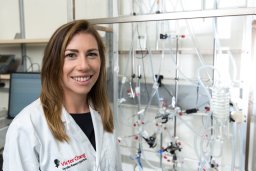 Sarah Scheuer合作论文数Cardiac Physiology and Transplantation, Victor Chang Cardiac Research Institute36
 Hong Chee Chew合作论文数35Doyle Aoife合作论文数35
 Caleb Ferguson合作论文数Center of Cardiovascular and Chronic Care, University of Technology, Sydney32
 Sunita R Jha合作论文数31
 Alden M Doyle合作论文数School of Medicine Renal-Electrolyte and Hypertension Division, University of Pennsylvania28
 Jason Old合作论文数28Sally C. Inglis合作论文数The University of Queensland28
 Robert Michael Graham合作论文数Victor Chang Cardiac Research Institute;University of New South Wales27
 Allan R. Glanville合作论文数St. Vincent’s Hospital, University of New South Wales27Scott H. Kesteven合作论文数Lung Transplant Unit;Victor Chang Cardiac Research Institute;Lung Transplant Unit, Victor Chang Cardiac Research Institute26Kumarasinghe Gayathri合作论文数The Victor Chang Cardiac Research Institute25E. Montgomery合作论文数24Alasdair Watson合作论文数24
 Jarret M Woodmass合作论文数21Yashutosh Joshi合作论文数20A. Watson合作论文数20PM SPRATT合作论文数19
 Julee McDonagh合作论文数College of Health Medicine and Wellbeing, The University of Newcastle19
 Kay Wilhelm合作论文数School of Clinical Medicine, The University of New South Wales;University of Notre Dame19Steven C. Faddy合作论文数19Sajad Shehab合作论文数18
 Michael P Feneley合作论文数18
 Henry Krum合作论文数Department of Epidemiology & Preventive Medicine, Centre of Cardiovascular Research & Education in Therapeutics, Alfred Hospital, Monash University18Peter C. Lapner合作论文数Ottawa Hospital, University of Ottawa18




