Neon (Ne) and Helium (He) isotope datasets collected in the 'Switchyard' region of the Arctic Ocean between 2005 and 2013 show a distinct excess in Ne concentrations in the upper waters, mostly in the surface mixed layer of ice-covered waters. The average zNe values have an excess in the ice-covered surface layer of about 7.5 %. These observed Ne concentrations fall above those expected from solubility equilibrium with the atmosphere and typical excess air concentrations due to partial and/or full bubble dissolution. Meanwhile, the average z4He values which are close to 3.5 %, are constant with depth in the Switchyard Region. In contrast, datasets from several Greenland and Norwegian seas (GSNS) cruises where samples were collected in waters without sea ice cover show that both zNe and z4He values are nearly constant with depth. The Greenland and Norwegian Seas serve as a control region, representing a similar open-ocean field environment but lacking sea-ice formation in the regions where our samples were taken. This contrast allows us to isolate the neon saturation anomalies that arise specifically due to sea-ice formation processes in the Arctic Ocean. We attribute the near surface zNe anomaly in the Switchyard area of the Arctic Ocean to the rejection of Ne during sea-ice formation. Using sea-ice formation estimates from the oxygen isotope (518O) method as a base line, we derive a central Arctic Ocean, field-based Ne sea-ice/seawater partition coefficient of 0.38 +/- 0.05. This estimate indicates stronger rejection of Ne during ice formation into surface waters than has been previously reported. This analysis contributes to our understanding of the Ne budget in the sea-ice covered Arctic Ocean and can serve as a framework for studying other ice-covered surface ocean regions.
The years 2023 and 2024 were characterized by unprecedented warming across the globe, underscoring the urgency of climate action. Robust science advice for decision makers on subjects as complex as climate change requires deep cross- and interdisciplinary understanding. However, navigating the ever-expanding and diverse peer-reviewed literature on climate change is enormously challenging for individual researchers. We elicited expert input through an online questionnaire (188 respondents from 45 countries) and prioritized 10 key advances in climate-change research with high policy relevance. The insights span a wide range of areas, from changes in methane and aerosol emissions to the factors shaping citizens' acceptance of climate policies. This synthesis and communications effort forms the basis for a science-policy report distributed to party delegations ahead of the 29th session of the Conference of the Parties (COP29) to inform their positions and arguments on critical issues, including heat-adaptation planning, comprehensive mitigation strategies, and strengthened governance in energy-transition minerals value chains.
Variations in stable oxygen isotopic compositions in sea ice provide information on environmental conditions during sea ice formation and also are important in understanding the regional and temporal aspects of the fresh water budget of the Arctic Ocean. We analyzed the oxygen isotope fractionation between sea ice and sea water using ice core and surface ocean samples obtained in a field study in the Lincoln Sea/Switchyard region of the Arctic Ocean. Using the Sea Ice Tracking Utility, we track the sea ice backward in time along drift trajectories, and use a simple model to calculate ice growth rates. Our results indicate that sea ice at the bottom of the floes that we sampled in the Switchyard Region grew within the past winter along a trajectory extending back to the North Pole. The effective fractionation coefficients from the bottom ice layers and the parent water mass are close to 2.11 parts per thousand with a standard error of +/- 0.06 parts per thousand. Knowing this sea-ice oxygen isotope fractionation coefficient for high Arctic drifting ice is critical for use of equations for mass balance, salinity, oxygen isotopes and nutrients to calculate water mass fractions and sources to understand freshwater balance.
We are living in an age of increasing complexity, where decades of environmental exploitation are converging with a rapidly shifting new world order. This convergence has created a negative feedback loop that heightens risk and accelerates disruptions at every level of society. For meaningful transformation to take shape, we must rebuild the institutional foundations that sustain global societies. Universities in particular must move beyond the traditional academic model and position themselves as drivers of change and positive disruption if they are to remain trusted partners in designing the future. That reimagining must include young people as active partners in co-creating the thriving future we all envision. This article highlights the ASU Julie Ann Wrigley Global Futures Laboratory as a prototype for a University for the Future of the Planet, demonstrating how academic institutions can help society navigate complexity and advance a more sustainable and resilient world.
Humanity faces its ultimate challenge due to its failure so far in addressing the escalating risks, which are pushing the world into a deepening crisis. We have to rapidly adopt new pathways that reduce negative impacts and optimize regeneration. Today, we exceed our planet’s capacity to sustain life, depriving billions of basic needs amid rising conflict. Yet, with collective will, we can bridge the gap between knowledge and action to safeguard life-support on Earth.
Arsenic (As) contamination within the shallow aquifers of the Bengal basin continues to pose a serious health risk to millions of people who rely on the groundwater for drinking purposes. Elevated dissolved As concentrations in the aquifers are attributed to the reductive dissolution of As-bearing Fe-oxides. Within the hyporheic zone (HZ), interactions between oxygen-rich river water and reducing groundwater causes the precipitation of Fe-oxides, which act as a sink of As. Surficial fine sediment has been proposed to limit this reaction. Once formed, the As-bearing Fe-oxides may dissolve under reducing conditions to further contaminate the adjacent aquifer. In this preliminary study, sediments from silt-capped and sandy riverbanks along the Hooghly River (West Bengal, India) were investigated to understand the factors controlling the mobility of As within the HZ. Bulk elemental concentrations were measured by X-Ray Fluorescence and the relative proportion of Fe(III) was estimated by diffuse reflectance spectroscopy. The silt-capped riverbanks had As and Fe concentrations of 3.6 mg/kg and 19.0 g/kg, respectively, which were more closely associated with clay minerals as shown by the ΔR which is a proxy for Fe(III) (ΔR at 520 nm = 0.2). The sands had As and Fe concentrations of 3.6 mg/kg and 12.5 g/kg, respectively, with higher proportions of Fe present as Fe-oxides (ΔR at 520 nm = 0.37). The results indicate that the distribution of As and Fe differs between the sandy and silt-capped riverbanks, indicating that the hydrological and chemical reactions impacting As mobility varies between the riverbanks.
Previous studies along the banks of the tidal Meghna River of the Ganges-Brahmaputra-Meghna Delta demonstrated the active sequestration of dissolved arsenic (As) on newly formed iron oxide minerals (Fe(III)-oxides) within riverbank sands. The sand with high solid-phase As (>500 mg/kg) was located within the intertidal zone where robust mixing occurs with oxygen-rich river water. Here we present new evidence that upwelling groundwater through a buried silt layer generates the dissolved products of reductive dissolution of Fe(III)-oxides, including As, while mobilization of DOC by upwelling groundwater prevents their reconstitution in the intertidal zone by lowering the redox state. A three end-member conservative mixing model demonstrated mixing between riverbank groundwater above the silt layer, upwelling groundwater through the silt layer, and river water. An electrochemical mass balance model confirmed that Fe(III)-oxides were the primary electron acceptor driving the oxidation of DOC sourced from sediment organic carbon in the silt. Thus, the presence of an intercalating silt layer in the riverbanks of tidal rivers can represent a biogeochemical hotspot of As release while preventing its retention in the hyporheic zone.
Download This Paper Open PDF in Browser Add Paper to My Library Share: Permalink Using these links will ensure access to this page indefinitely Copy URL Copy DOI
AbstractThe Indonesian seas are a renowned global biodiversity hotspot, yet nutrient sources and fluxes (especially the vertical flux) sustaining this richness remain unclear. Here, we used non‐atmospheric helium‐3 (3He) to constrain the vertical diffusion coefficient (Kd) in the Indonesian seas, which ranges from 5.2 × 10⁻⁵ to 2.3 × 10⁻³ m2 s−1 and averages 6.6 × 10⁻⁴ m2 s−1, a value notably higher than those found in the open ocean and in most marginal seas. We estimated that 6.9 ± 7.9 mmol m−2 d−1 of nitrate (NO3−) is vertically transported into the surface mixed layer, that is, >90% of the total NO3− required to support a net community production (NCP) of 470 ± 467 mg‐C m−2 d−1. Regions with narrow straits, steep topography and dynamic circulation with strong vertical mixing display high NCP and chlorophyll‐a, suggesting that vertical nutrient transport dominates biological productivity. Findings highlight the importance of vertical mixing in supplying nutrients and maintaining the extraordinary biological productivity and diversity in the Indonesian seas.
Arsenic (As) contamination of shallow alluvial aquifers in deltas of major rivers (Ganga, Meghna, Brahmaputra, Sutlej, Indus, etc.) in south Asia is the result of the microbially mediated reductive dissolution of iron (Fe)- and As-rich sediments, which are eroded from Himalayan rocks and transported to the deltas by rivers. The reductive dissolution is fueled by labile sedimentary and dissolved organic matter (OM). However, a very limited number of studies investigated the interactions between Fe, As, and DOC or OM in the Himalayan region. We hypothesize that the sediments transported by the Himalayan rivers shall contain elevated concentrations of Fe and As. We collected and analyzed riverbank sediment, river water, and sediment pore water samples from six locations along the Beas River in Himachal Pradesh (India), a major contributor to Sutlej-Indus River delta. Our results showed that the river sediments contained 12 ± 3 g/kg of total Fe, 4 ± 1 mg/kg of As, and 264 ± 122 mg/kg of Mn as measured by XRF. These As concentrations are approximately twice the crustal abundance of As, which is 2 mg/kg. The findings of this study will advance our understanding of how As is mobilized from the source to the delta.
Groundwater containing high concentrations of dissolved arsenic (As) and iron (Fe(II)) discharges to rivers across the Ganges-Brahmaputra-Meghna delta. Observed Fe(III)-oxyhydroxide (FeOOH)-As deposits lining the riverbanks of the Meghna River may have been created by bidirectional mixing in the hyporheic zone (HZ) from ocean tides. This process has been named the Natural Reactive Barrier (NRB). Sedimentary organic carbon (SOC) is deposited annually on floodplains. Floodwaters that infiltrate through this layer may chemically transform the groundwater prior to discharging through the HZ in ways that influence the capture and retention of As in the NRB. The goal of this study is to understand how the interaction of these two scales of river-groundwater mixing influence the fate of As trapped within an NRB. Monitoring wells were installed to 1-17 m depth, up to 100 m distance from the river's edge during the dry season on the East (Site 1) and West (Site 2) sides of the river. They were sampled during the dry season (January) under gaining river conditions. The physical properties and elemental composition of the sediment was described by hand observation and hand-held X-Ray Fluorescence (XRF), respectively. Mixing with river water was quantified using the sum of charge of major cations (TC). Site 1 has a sloping bank that is only partially inundated during the wet season. The aquifer is composed of homogeneous sand. Site 2 is flat and therefore fully inundated in the wet season. The aquifer is composed of sand with thin (1-20 cm thick) clay layers. Both sites generate the dissolved products of FeOOH-reduction coupled to organic carbon oxidation, and silicate weathering beneath the floodplain. These products are dissolved Fe, As, silica, bicarbonate, calcium and phosphate. This chemistry is conducive to the formation of crystalline iron oxide minerals such as goethite which may co-precipitate with As, trapping it long-term.
Lila Warszawski1,∗, Elmar Kriegler, Timothy M Lenton, Owen Gaffney, Daniela Jacob, Daniel Klingenfeld, Ryu Koide, María Máñez Costa, Dirk Messner, Nebojsa Nakicenovic, Hans Joachim Schellnhuber, Peter Schlosser, Kazuhiko Takeuchi, Sander van der Leeuw, Gail Whiteman and Johan Rockström 1 Potsdam Institute for Climate Impact Research, Potsdam, Germany 2 Global Systems Institute, University of Exeter, Exeter, United Kingdom 3 Stockholm Resilience Centre, Stockholm University, Stockholm, Sweden 4 Future Earth, The Royal Swedish Academy of Sciences, Stockholm, Sweden 5 Climate Service Center Germany (GERICS), Helmholtz-Zentrum Geesthacht, Hamburg, Germany 6 Institute of Global Environmental Strategies, Kanagawa, Japan 7 German Environment Agency (UBA), Dessau-Roßlau, Germany 8 International Institute for Applied Systems Analysis, Laxenburg, Austria 9 University of Potsdam, Potsdam, Germany 10 Global Futures Laboratory, Arizona State University, Tempe, United States of America 11 Center for Biosocial Complex Systems, Arizona State University-Sante Fe Institute, United States of America 12 University of Exeter Business School, United Kingdom ∗ Author to whom any correspondence should be addressed.
Groundwater supports agriculture and provides domestic water for over 250 million people in the Bengal Basin. Here we investigate the source of groundwater recharge using over 2500 stable water isotope measurements from the region. We employ a Monte Carlo statistical analysis to find distributions of possible components of recharge by accounting for the variability of isotope ratios in each of the possible recharge sources. We find that groundwater recharge sources have shifted in the last decades with a ~50% increase in recharge from stagnant surface water bodies (mostly during the latter part of the dry season) and a relative decrease in contribution from direct infiltration of precipitation (which occurs mostly in the early monsoon). We attribute this shift to an increase in standing water in irrigated rice fields and ponds, and an increase in the downward hydraulic gradient during the dry season driven by pumping.
Abstract Non-technical summary We identify a set of essential recent advances in climate change research with high policy relevance, across natural and social sciences: (1) looming inevitability and implications of overshooting the 1.5°C warming limit, (2) urgent need for a rapid and managed fossil fuel phase-out, (3) challenges for scaling carbon dioxide removal, (4) uncertainties regarding the future contribution of natural carbon sinks, (5) intertwinedness of the crises of biodiversity loss and climate change, (6) compound events, (7) mountain glacier loss, (8) human immobility in the face of climate risks, (9) adaptation justice, and (10) just transitions in food systems. Technical summary The Intergovernmental Panel on Climate Change Assessment Reports provides the scientific foundation for international climate negotiations and constitutes an unmatched resource for researchers. However, the assessment cycles take multiple years. As a contribution to cross- and interdisciplinary understanding of climate change across diverse research communities, we have streamlined an annual process to identify and synthesize significant research advances. We collected input from experts on various fields using an online questionnaire and prioritized a set of 10 key research insights with high policy relevance. This year, we focus on: (1) the looming overshoot of the 1.5°C warming limit, (2) the urgency of fossil fuel phase-out, (3) challenges to scale-up carbon dioxide removal, (4) uncertainties regarding future natural carbon sinks, (5) the need for joint governance of biodiversity loss and climate change, (6) advances in understanding compound events, (7) accelerated mountain glacier loss, (8) human immobility amidst climate risks, (9) adaptation justice, and (10) just transitions in food systems. We present a succinct account of these insights, reflect on their policy implications, and offer an integrated set of policy-relevant messages. This science synthesis and science communication effort is also the basis for a policy report contributing to elevate climate science every year in time for the United Nations Climate Change Conference. Social media summary We highlight recent and policy-relevant advances in climate change research – with input from more than 200 experts.
 Martin Stute合作论文数Department of Environmental Science, Barnard College, Columbia University61
 William M. Smethie合作论文数Lamont-Doherty Earth Observatory, Columbia University40
 David T. Ho合作论文数38
 Kazi Matin Ahmed合作论文数28
 Lex Van Geen合作论文数Department of Earth and Environmental Sciences, Columbia University;Geochemistry Division, Lamont-Doherty Earth Observatory, Columbia University27
 Gisela Winckler合作论文数Geochemistry Division, Lamont-Doherty Earth Observatory, Columbia Climate School, Columbia University in the City of New York;Trace lsotope and Noble Gas Laboratory, Columbia Climate School, Columbia University in the City of New York;Department of Earth and Environmental Sciences, Columbia University in the City of New York27
 Saugata Datta合作论文数Department of Geology, Kansas State University23
 Stephanie Pfirman合作论文数School of Ocean Futures, Arizona State University;Global Institute of Sustainability and Innovation, Arizona State University;Department of Environmental Science, Barnard College, Columbia University17
 Meinhard Bayani Ramos Cardenas (M. Bayani Cardenas)合作论文数Department of Geological Sciences, Jackson School of Geosciences, University of Texas at Austin17
 Brice Loose合作论文数16
 Robert F. Anderson合作论文数Lamont-Doherty Earth Observatory, Columbia Climate School, Columbia University in the City of New York;Department of Earth and Environmental Sciences, Columbia University in the City of New York15
 t caplow合作论文数Department of Earth and Environmental Engineering;Columbia University;Department of Earth and Environmental Engineering, Columbia University14
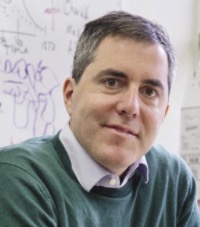 Brian J. Mailloux合作论文数Environmental Science Department, Barnard College, Columbia University14
 Gerhard Bonisch合作论文数14Reinhold Bayer合作论文数14L. Niel Plummer合作论文数13Nicholas Santella合作论文数Department of Earth and Environmental Sciences, Columbia University12
 Benjamin Bostick合作论文数Department of Earth Sciences, Dartmouth College12
 Jordan F Clark合作论文数Department of Geological Sciences, University of California12
 Harshad Vijay Kulkarni合作论文数Dept Earth & Planetary Sci, Univ Texas San Antonio11
 Yan Zheng (郑焰)合作论文数School of Environment Science and Engineering, Southern University of Science and Technology11
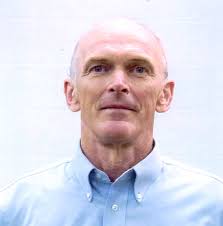 Richard (Rik) Wanninkhof合作论文数NOAA's Atlantic Oceanographic and Meteorological Laboratory, U.S. Department of Commerce11B. Ekwurzel合作论文数10
 Thomas Varner合作论文数10Bernd Kromer合作论文数Klaus Tschira Laboratory of Scientific Dating10
 Robert C. Newton合作论文数PTX Lab, Department of Earth and Space Sciences, University of California, Los Angeles10
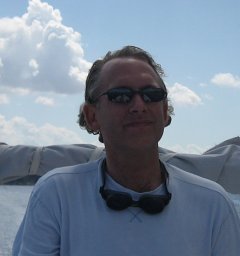 Wade R. Mcgillis合作论文数Columbia University Lamont-Doherty Earth Observatory10
 Ronny Friedrich合作论文数Institut für Umweltphysik, University of Heidelberg10
 Samar Khatiwala合作论文数University of Oxford10
 Holly A. Michael合作论文数University of Delaware Department of Geological Sciences, College of Marine and Earth Studies Newark DE 19716 USA10R. Weppernig合作论文数9deborah tip yin ho合作论文数9
 Don Perovich合作论文数Thayer School of Engineering, Dartmouth College9
 William John Jenkins合作论文数Woods Hole Oceanographic Institution9
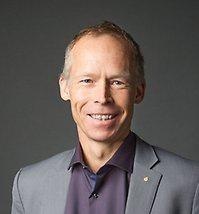 Johan Rockstrom合作论文数Stockholm Resilience Centre, Stockholm University;Potsdam Institute for Climate Impact Research;Potsdam University9S. Drenkard合作论文数8
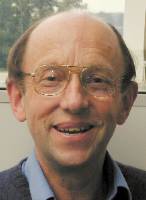 John Simpson合作论文数Centre for Applied Marine Sciences, School of Ocean Sciences, Bangor University8Eurybiades Busenberg合作论文数8
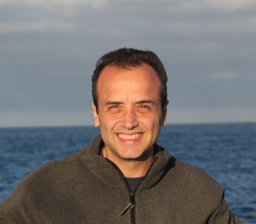 Franco Marcantonio合作论文数Lamont-Doherty Earth Observatory, Columbia University8
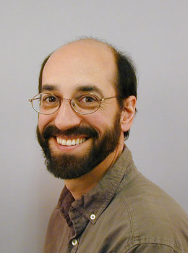 Mike Steele合作论文数Polar Science Center, Applied Physics Laboratory, University of Washington8John L. Bullister合作论文数8
 Kyungwon Kwak合作论文数Department of Chemistry;Stanford University;Department of Chemistry, Stanford University8
 Alamgir Hosain合作论文数7matthias stute合作论文数7
 Ivan Mihajlov合作论文数Lamont-Doherty Earth Observatory of Columbia University; Palisades New York USA7
 Hajo Eicken合作论文数International Arctic Research Center, University of Alaska Fairbanks7Wolfgang Roether合作论文数7
 James H. Morison合作论文数Polar Science Center;Applied Physics Laboratory;Polar Science Center|Applied Physics Laboratory7
 Maribeth S Murray合作论文数Department of Anthropology, and the International Arctic Research Center, University of Alaska Fairbanks7




