Extreme weather events are becoming more intense and frequent, driving unprecedented ecological changes globally. The effects of such extreme events can be particularly profound if they affect the performance of habitat-forming organisms (trees, corals, kelp). Further, the emergence of the "holobiont" concept in biology suggests that these impacts can occur directly on the habitat-forming "host" and/or via disruption of their associated microbiota. Following a one-in-100 year rainfall event along the coast of Sydney, Australia, we examined the effects of rainfall (in the field) and lowered salinity (in the lab) on the performance and reproductive output of a dominant, habitat-forming intertidal seaweed, Hormosira banksii. We then examined the ability of surface-associated microbes to mitigate host responses to extreme rainfall via microbial manipulations in the field. Extreme rainfall and reduced salinity (< 25 ppt) negatively affected host reproductive output. Manipulative field experiments using a combination of antimicrobial treatments applied once (pulse) or regularly (press) showed that disruption of Hormosira's microbiota after extreme rainfall affected host photosynthesis and, more importantly, inhibited the post-event recovery of host reproductive output. Press disruption of the host-microbiota prevented recovery of normal (control) levels of reproductive output and photosynthesis for over 4 months. These experiments demonstrate that host-associated microbiota can play a significant role in mediating responses of habitat-forming seaweeds to extreme weather events, with consequences for key components of fitness. Given the increased frequency of flooding and storm events experienced by many systems, the microbiome may provide a key role in influencing habitat resilience to stress.
Global habitat degradation has prompted an urgent need for efficient restoration strategies at appropriate spatial scales. "Applied nucleation" is a restoration technique used in terrestrial forests, which starts with planting small vegetation patches that set the trajectory for natural propagation and recovery, resulting in large-scale restoration outcomes that require fewer resources. This concept could provide a framework for the restoration of marine seaweed forests, which are declining at unprecedented scales. We used the loss and 13-year restoration efforts of crayweed (Phyllospora comosa) forests along 70 km of Sydney's coastline, Australia, to determine the feasibility and challenges of applied nucleation in marine forests. After transplanting events at 14 sites, 43% of transplanted sites led to the establishment and expansion of crayweed, covering similar to 19,000 m(2) along Sydney's coastline. Recruitment 9 months post-transplantation was negatively associated with grazing and positively related to survival of transplanted adults-a source of propagules and canopy cover in the short-term. In the longer term, crayweed expansion was positively associated with other canopy-forming seaweed species, suggesting canopy provision as an important factor influencing recovery. Small-scale efforts, such as applied nucleation, that consider factors influencing seaweed establishment and expansion can help re-establish marine forests at relevant scales.
The reproduction and establishment of habitat-forming species are key processes affecting their persistence and associated biodiversity. In marine systems, microbial communities associated with habitat-forming macroalgae can influence various aspects of host performance; however, the role of these microorganisms in influencing macroalgal reproduction and settlement is poorly understood. Using a dominant habitat-forming macroalga on Australian rocky shores, Hormosira banksii, we manipulated host- and benthic-associated microbiota to determine the relative importance of microorganisms to reproductive output (number of viable eggs released) and settlement (settlement and morphogenesis of algal zygotes). Disruption of the host microbiota using antibiotics decreased reproductive output after 2 weeks, with the effect dependent on the type of antibiotic used. Disruption of host- and benthic-associated microbiota, in combination, caused a significant decrease in settlement of H. banksii zygotes, with the combined disruption having the greatest impact on settlement success. Our results demonstrate the importance of host-associated microbiota in macroalgal reproduction and an interactive effect of host- and benthic-associated microbiota on settlement-a key ecological process with important implications for host fitness and potentially ecosystem persistence.
Habitat complexity is widely considered an important determinant of biodiversity, and enhancing complexity can play a key role in restoring degraded habitats. However, the effects of habitat complexity on ecosystem functioning - as opposed to biodiversity and community structure - are relatively poorly understood for artificial habitats, which dominate many coastlines. With Greening of Grey Infrastructure (GGI) approaches, or ecoengineering, increasingly being applied around the globe, it is important to understand the effects that modifying habitat complexity has on both biodiversity and ecological functioning in these highly modified habitats. We assessed how manipulating physical (primary substrate) and/or biogenic habitat (bivalves) complexity on intertidal artificial substrata affected filtration rates, net and gross primary productivity (NPP and GPP, respectively) and community respiration (CR) - as well as abundance of filter feeders and macro -algae and habitat use by cryptobenthic fish across six locations in three continents. We manipulated both physical and biogenic complexity using 1) flat or ridged (2.5 cm or 5 cm) settlement tiles that were either 2) unseeded or seeded with oysters or mussels. Across all locations, increasing physical and biogenic complexity (5 cm seeded tiles) had a significant effect on most ecological functioning variables, increasing overall filtration rates and community respiration of the assemblages on tiles but decreasing productivity (both GPP and NPP) across all locations. There were no overall effects of increasing either type of habitat complexity on cryptobenthic fish MaxN, total time in frame or macro -algal cover. Within each location, there were marked differences in the effects of habitat complexity. In Hobart, we found higher filtration, filter feeder biomass and community respiration on 5 cm tiles compared to flat tiles. However, at this location, both macro -algae cover and GPP decreased with increasing physical complexity. Similarly in Dublin, filtration, filter feeder biomass and community respiration were higher on 5 cm tiles compared to less complex tiles. In Sydney, filtration and filter feeder biomass were higher on seeded than unseeded tiles, and fish MaxN was higher on 5 cm tiles compared to flat tiles. On unseeded tiles in Sydney, filter feeder biomass also increased with increasing physical complexity. Our findings suggest that GGI solutions via increased habitat complexity are likely to have trade-offs among potentially desired functions, such as productivity and filtration rates, and variable effects on cryptobenthic fish communities. Importantly, our results show that the effects of GGI practices can vary markedly according to the environmental context and therefore should not be blindly and uniformly applied across the globe.
Ocean warming can affect the development and physiological responses of kelps, and under future climate change scenarios, increasing seawater temperatures pose a major threat to these habitat-forming species. However, little is known about the effects of warming on epiphytic bacterial communities and how an altered microbiome may interact with temperature stress, affecting the condition and survival of kelp, particularly of the potentially more vulnerable early life stages. Here, we tested the effects of thermal stress on the growth and physiological responses of juvenile kelp Ecklonia radiata in which their epiphytic bacterial community was experimentally disrupted using antimicrobials, simulating dysbiosis. We hypothesized that, under thermal stress (23°C, simulating a extreme scenario of ocean warming in Tasmania), kelp with a disrupted bacterial community would be more strongly affected than kelp with an undisrupted microbiome or kelp under ambient temperature (14°C) but with a disrupted microbiota. Thermal stress reduced growth, increased tissue bleaching and negatively affected net photosynthesis of kelp. In addition, a substantial change in the epiphytic bacterial community structure was also found under thermal stress conditions, with an increase in the abundance of potentially pathogenic bacterial groups. However, microbial disruption did not act synergistically with thermal stress to affect kelp juveniles. These results suggest that effects of elevated temperature on juvenile kelps is not microbially-mediated and that juveniles may be less susceptible to disruptions of their microbiome.
The range-expansion of tropical herbivores due to ocean warming can profoundly alter temperate reef communities by overgrazing the seaweed forests that underpin them. Such ecological interactions may be mediated by changes to seaweed-associated microbiota in response to warming, but empirical evidence demonstrating this is rare. We experimentally simulated ocean warming and marine heatwaves (MHWs) to quantify effects on two dominant temperate seaweed species and their microbiota, as well as grazing by a tropical herbivore. The kelp Ecklonia radiata's microbiota in sustained warming and MHW treatments was enriched with microorganisms associated with seaweed disease and tissue degradation. In contrast, the fucoid Sargassum linearifolium's microbiota was unaffected by temperature. Consumption by the tropical sea-urchin Tripneustes gratilla was greater on Ecklonia where the microbiota had been altered by higher temperatures, while Sargassum's consumption was unaffected. Elemental traits (carbon, nitrogen), chemical defences (phenolics) and tissue bleaching of both seaweeds were generally unaffected by temperature. Effects of warming and MHWs on seaweed holobionts (host plus its microbiota) are likely species-specific. The effect of increased temperature on Ecklonia's microbiota and subsequent increased consumption suggest that changes to kelp microbiota may underpin kelp-herbivore interactions, providing novel insights into potential mechanisms driving change in species' interactions in warming oceans.
Human population pressures and activities pose unprecedented challenges to water resources in urban environments. However, standard methods of assessing microbial water quality have relied on the same cultured organisms for decades. We show that there is a conserved microbial assemblage in untreated sewage that can be exploited to improve global sewage surveillance. Among harbour and coastal water samples from 18 cities across 5 continents (n = 442), nearly half had evidence of sewage contamination using two human faecal bacteria as molecular indicators. In contrast, conventional measures using cultured Escherichiacoli or enterococci only exceeded water quality limits in similar to 18% of samples, with less than half of these demonstrating sewage indicators. Contaminated locations also displayed a signature characteristic of microorganisms mainly derived from sewer infrastructure. Given the human health risk, loss of ecosystem services and economic costs associated with contaminated coastal waters, molecular approaches could provide more reliable information on sewage contamination of urban waterways.
Seaweeds play a strong ecological and economical role along the world's coastlines, where they support industries (e.g., aquaculture, bioproducts) and essential ecosystem services (e.g., biodiversity, fisheries, carbon capture). Evidence from wild and cultured seaweeds suggests that microorganisms play crucial roles in their health and functioning, prompting the need for considering seaweeds and their microbiome as a coherent entity or "holobiont." Here we show that the number of studies investigating seaweed hosts and their microbiome have increased in the last two decades. This likely reflects the increase in the appreciation of the importance of microbiomes for eukaryotic hosts, improved molecular approaches used to characterize their interactions, and increasing interest in commercial use of seaweeds. However, although increasing, most studies of seaweed holobionts have focused on (i) a few seaweed species of ecological or commercial significance, (ii) interactions involving only bacteria, and (iii) descriptive rather than experimental approaches. The relatively few experimental studies have mostly focused on manipulating abiotic factors to examine responses of seaweeds and their microbiome. Of the few studies that directly manipulated microorganisms to investigate their effects on seaweeds, most were done in laboratory or aquaria. We emphasize the need to move beyond the descriptions of patterns to experimental approaches for understanding causation and mechanisms. We argue that such experimental approaches are necessary for a better understanding of seaweed holobionts, for management actions for wild and cultivated seaweeds, and to better integrate studies of seaweed holobionts with the broader fields of seaweed ecology and biology, which are strongly experimental.
Ecosystems globally are becoming increasingly degraded necessitating conservation and repair. Alongside restoration of natural habitats, eco-engineering can mitigate the negative impacts of urban seascapes by codesigning marine-built structures for nature as well as humans. The application of eco-engineering to marine built structures is supported by over two decades of research demonstrating the efficacy of this approach in enhancing biodiversity but there remain few examples of interventions moving beyond experimental- to largescale (10-100 s m) and long-term (decadal) implementation. Using lessons learned from eco-engineering research in Sydney Harbour, Australia, we outline six key steps that facilitate moving from experimental to larger scale retrofitted eco-engineering interventions. These are: (1) identifying the ecological problem and the most tractable solutions; (2) engaging with stakeholders, (3) obtaining approvals, (4) establishing demonstration sites that illustrate to stakeholders the practicality and benefits of the solution, (5) building an evidence base for efficacy of the solution, and (6) scaling up supply. Our framework draws on learnings from the Living Seawalls project, and on the extensive small-scale experimentation that led to it. Living Seawalls is an eco-engineering initiative that grew out of Sydney Harbour and has now been applied to sites across Australia and globally. Our framework also draws on learnings from other existing projects (e.g. Ecostructure, Blue Cube) and frameworks (e.g. Greening the Grey, International Guidelines on Natural and Nature-Based Features for Flood Risk Management) developed elsewhere. This work provides a template by which scientists can work with policy makers, managers, and other stakeholders to effect positive environmental change.
Host-associated microbiota are critical for eukaryotic host functioning, to the extent that hosts and their associated microbial communities are often considered “holobionts”. Most studies of holobionts have focused on descriptive approaches or have used model systems, usually in the laboratory, to understand host-microbiome interactions. To advance our understanding of host-microbiota interactions and their wider ecological impacts, we need experimental frameworks that can explore causation in non-model hosts, which often have highly diverse microbiota, and in their natural ecological setting (i.e. in the field). We used a dominant habitat-forming seaweed, Hormosira banksii, to explore these issues and to experimentally test host-microbiota interactions in a non-model holobiont. The experimental protocols were aimed at trying to disentangle microbially mediated effects on hosts from direct effects on hosts associated with the methods employed to manipulate host-microbiota. This was done by disrupting the microbiome, either through removal/disruption using a combination of antimicrobial treatments, or additions of specific taxa via inoculations, or a combination of thew two. The experiments were done in mesocosms and in the field. Three different antibiotic treatments were used to disrupt seaweed-associated microbiota to test whether disturbances of microbiota, particularly bacteria, would negatively affect host performance. Responses of bacteria to these disturbances were complex and differed substantially among treatments, with some antibacterial treatments having little discernible effect. However, the temporal sequence of responses antibiotic treatments, changes in bacterial diversity and subsequent decreases in host performance, strongly suggested an effect of the microbiota on host performance in some treatments, as opposed to direct effects of the antibiotics. To further test these effects, we used 16S-rRNA-gene sequencing to identify bacterial taxa that were either correlated, or uncorrelated, with poor host performance following antibiotic treatment. These were then isolated and used in inoculation experiments, independently or in combination with the previously used antibiotic treatments. Negative effects on host performance were strongest where specific microbial antimicrobials treatments were combined with inoculations of strains that were correlated with poor host performance. For these treatments, negative host effects persisted the entire experimental period (12 days), even though treatments were only applied at the beginning of the experiment. Host performance recovered in all other treatments. These experiments provide a framework for exploring causation and disentangling microbially mediated vs. direct effects on hosts for ecologically important, non-model holobionts in the field. This should allow for better predictions of how these systems will respond to, and potentially mitigate, environmental disturbances in their natural context.
While marine kelp forests have provided valuable ecosystem services for millennia, the global ecological and economic value of those services is largely unresolved. Kelp forests are diminishing in many regions worldwide, and efforts to manage these ecosystems are hindered without accurate estimates of the value of the services that kelp forests provide to human societies. Here, we present a global estimate of the ecological and economic potential of three key ecosystem services - fisheries production, nutrient cycling, and carbon removal provided by six major forest forming kelp genera (Ecklonia, Laminaria, Lessonia, Macrocystis, Nereocystis, and Saccharina). Each of these genera creates a potential value of between $64,400 and $147,100/hectare each year. Collectively, they generate between $465 and $562 billion/year worldwide, with an average of $500 billion. These values are primarily driven by fisheries production (mean $29,900, 904 Kg/Ha/year) and nitrogen removal ($73,800, 657 Kg N/Ha/year), though kelp forests are also estimated to sequester 4.91 megatons of carbon from the atmosphere/year highlighting their potential as blue carbon systems for climate change mitigation. These findings highlight the ecological and economic value of kelp forests to society and will facilitate better informed marine management and conservation decisions.
Efforts to restore coral reefs usually involve transplanting asexually propagated fast-growing corals. However, this approach can lead to outplanted populations with low genotypic diversity, composed of taxa susceptible to stressors such as marine heatwaves. Sexual coral propagation leads to greater genotypic diversity, and using slow-growing, stress-tolerant taxa may provide a longer-term return on restoration efforts due to higher outplant survival. However, there have been no reports to date detailing the full cycle of rearing stress-tolerant, slow-growing corals from eggs until sexual maturity. Here, we sexually propagated and transplanted two massive slow-growing coral species to examine long-term success as part of reef restoration efforts. Coral spat were settled on artificial substrates and reared in nurseries for approximately two years, before being outplanted and monitored for survivorship and growth for a further four years. More than half of initially settled substrates supported a living coral following nursery rearing, and survivorship was also high following outplantation with yields declining by just 10 to 14% over four years. At 6-years post-fertilisation over 90% of outplanted corals were reproductively mature, demonstrating the feasibility of restoring populations of sexually mature massive corals in under a decade. Although use of slower growing, stress tolerant corals for reef restoration may provide a longer-term return on investment due to high post-transplantation survival rates, considerable time is required to achieve even modest gains in coral cover due to their relatively slow rates of growth. This highlights the need to use a mix of species with a range of life-history traits in reef restoration and to improve survivorship of susceptible fast-growing taxa that can generate rapid increases in coral cover.
A fundamental question in holobiont biology is the extent to which microbiomes are determined by host characteristics regulated by their genotype. Studies on the interactions of host genotype and microbiomes are emerging but disentangling the role that host genotype has in shaping microbiomes remains challenging in natural settings. Host genotypes tend to be segregated in space and affected by different environments. Here we overcome this challenge by studying an unusual situation where host asexual (5 clonal lineages) and sexual genotypes (15 non-clonal lineages) of the same species co-occur under the same environment. This allowed us to partition the influence of morphological traits and genotype in shaping host-associated bacterial communities. Lamina-associated bacteria of co-occurring kelp sexual non-clonal (Ecklonia radiata) and asexual clonal (E. brevipes) morphs were compared to test whether host genotype influences microbiomes beyond morphology. Similarity of bacterial composition and predicted functions were evaluated among individuals within a single clonal genotype or among non-clonal genotypes of each morph. Higher similarity in bacterial composition and inferred functions were found among identical clones of E. brevipes compared to other clonal genotypes or unique non-clonal E. radiata genotypes. Additionally, bacterial diversity and composition differed significantly between the two morphs and were related with one morphological trait in E. brevipes (haptera). Thus, factors regulated by the host genotype (e.g. secondary metabolite production) likely drive differences in microbial communities between morphs. The strong association of genotype and microbiome found here highlights the importance of genetic relatedness of hosts in determining variability in their bacterial symbionts.
IntroductionThe collapse of macroalgal habitats is altering the structure of benthic communities on rocky shores globally. Nonetheless, how the loss of canopy-forming macroalgae influences the structure of epilithic microbial communities is yet to be explored. MethodsHere, we used experimental field manipulations and 16S-rRNA-gene amplicon sequencing to determine the effects of macroalgal loss on the understory bacterial communities and their relationship with epiphytic bacteria on macroalgae. Beds of the fucoid Hormosira banksii were exposed to different levels of disturbance resulting in five treatments: (i) 100% removal of Hormosira individuals, (ii) 50% removal, (iii) no removal, (iv) a procedural control that mimicked the removal process, but no Hormosira was removed and (v) adjacent bare rock. Canopy cover, bacterial communities (epilithic and epiphytic) and benthic macroorganisms were monitored for 16 months.ResultsResults showed that reductions in canopy cover rapidly altered understory bacterial diversity and composition. Hormosira canopies in 50% and 100% removal plots showed signs of recovery over time, but understory epilithic bacterial communities remained distinct throughout the experiment in plots that experienced full Hormosira removal. Changes in bacterial communities were not related to changes in other benthic macroorganisms.DiscussionThese results demonstrate that understory epilithic bacterial communities respond rapidly to environmental disturbances at small scales and these changes can be long-lasting. A deeper knowledge of the ecological role of understory epilithic microbial communities is needed to better understand potential cascading effects of disturbances on the functioning of macroalgal-dominated systems.
Aim Temperate marine systems globally are warming at accelerating rates, facilitating the poleward movement of warm-water species, which are tropicalizing higher-latitude reefs. While temperature plays a key role in structuring species distributions, less is known about how species' early life stages are responding to warming-induced changes in preferred nursery habitat availability. We aim to identify key ecological and environmental drivers of juvenile reef fishes' distributions in the context of ocean warming. Location South-eastern Australian coastline from 30 to 37 degrees S. Methods We used a decade of underwater visual census data to uncover latitudinal distribution patterns of juvenile reef fishes and habitats across 1000 km of coastline, from subtropical to temperate latitudes. We modelled how benthic habitat cover, depth, wave exposure and sea surface temperature influence distributions of warm-water and cool-water juvenile reef fishes on temperate rocky reefs. Results We found sea surface temperature was typically the most important factor influencing densities of juvenile fishes, regardless of species' thermal affinity or latitudinal range extent. Juveniles of tropical and subtropical range-expanding fishes responded more strongly to warmer temperatures and lower wave exposure, while juveniles of temperate species responded more strongly to benthic habitats. Species' responses to greater availability of temperate reef habitat-formers such as kelp and other macroalgae contrasted, being positive for temperate and negative for tropical and subtropical juvenile fishes. Main conclusions The availability of both suitable habitat and sea temperatures for species' early life stages is important considerations when predicting changes in reef fishes' distributions in the context of ocean warming. Warming-induced isotherm shifts and feedback loops constraining the persistence of key temperate reef habitat-formers will favour range-expanding tropical reef fishes colonizing higher-latitude reefs, while disadvantaging some macroalgal-associated resident temperate species. Such varying responses to warming-induced environmental changes may strongly influence the structure of emerging tropicalized reef assemblages.
Aim Spatial compositional turnover varies considerably among co-occurring assemblages of organisms, presumably shaped by common processes related to species traits. We investigated patterns of spatial turnover in a diverse set of marine assemblages using zeta diversity, which extends traditional pairwise measures of turnover to capture the roles of both rare and common species in shaping assemblage turnover. We tested the generality of hypothesized patterns related to ecological traits and provide insights into mechanisms of biodiversity change. Location Temperate pelagic and benthic marine assemblages of micro- and macroorganisms along south-eastern Australia (30-36 degrees S latitude). Time period 2008-2021. Major taxa studied Bacteria, phytoplankton, zooplankton, fish, and macrobenthic groups. Methods Six marine datasets spanning bacteria to fishes were collated for measures of "species" occurrence, with a 1 degrees latitude grain. For each assemblage, ecological traits of body size, habitat and trophic level were analysed for the form and rate of decline in zeta diversity and for the species retention rate. Results Species at higher trophic levels showed two to three times the rate of zeta diversity decline compared with lower trophic levels, indicating an increase in turnover from phytoplankton to carnivorous fishes. Body size showed the hypothesized unimodal relationship with rates of turnover for macroorganisms. Patterns of bacterial turnover contrasted with those found for macroorganisms, with the highest levels of turnover in pelagic habitats compared with benthic (kelp-associated) habitats. The shape of retention rate curves showed the importance of both rare and common species in driving turnover; a finding that would not have been observable using pairwise (beta diversity) measures of turnover. Main conclusions Our results support theoretical predictions for phytoplankton and macroorganisms, showing an increase in turnover rate with trophic level, but these predictions did not hold for bacteria. Such deviations from theory need to be investigated further to identify underlying processes that govern microbial assemblage dynamics.
This article was submitted to Scientific Reports
Interactions between hosts and their microbiota are vital to the functioning and resilience of macro‐organisms. Critically, for hosts that play foundational roles in communities, understanding what drives host–microbiota interactions is essential for informing ecosystem restoration and conservation. We investigated the relative influence of host traits and the surrounding environment on microbial communities associated with the foundational seaweed Phyllospora comosa . We quantified 16 morphological and functional phenotypic traits, including host genetics (using 354 single nucleotide polymorphisms) and surface‐associated microbial communities (using 16S rRNA gene amplicon sequencing) from 160 individuals sampled from eight sites spanning Phyllospora's entire latitudinal distribution (1,300 km). Combined, these factors explained 54% of the overall variation in Phyllospora's associated microbial community structure, much of which was related to the local environment (~32%). We found that putative “core” microbial taxa (i.e., present on all Phyllospora individuals sampled) exhibited slightly higher associations with host traits when compared to “variable” taxa (not present on all individuals). We identified several key genetic loci and phenotypic traits in Phyllospora that were strongly related to multiple microbial amplicon sequence variants, including taxa with known associations to seaweed defence, disease and tissue degradation. This information on how host‐associated microbial communities vary with host traits and the environment enhances our current understanding of how “holobionts” (hosts plus their microbiota) are structured. Such understanding can be used to inform management strategies of these important and vulnerable habitats.
Limnology and Oceanography BulletinEarly View Community News The Kelp Forest Alliance: A Global Community of Practice to Understand, Advise, and Motivate Kelp Forest Conservation and Restoration Aaron M. Eger, Aaron M. Eger orcid.org/0000-0003-0687-7340 University of New South Wales, Sydney, New South Wales, Australia Kelp Forest Alliance, Sydney, New South Wales, AustraliaSearch for more papers by this authorNorah Eddy, Norah Eddy The Nature Conservancy, Arlington Virginia, USASearch for more papers by this authorMary Gleason, Mary Gleason The Nature Conservancy, Arlington Virginia, USASearch for more papers by this authorCayne Layton, Cayne Layton orcid.org/0000-0002-3390-6437 Institute for Marine and Antarctic Studies, University of Tasmania, Hobart, Tasmania, AustraliaSearch for more papers by this authorTristin A. McHugh, Tristin A. McHugh The Nature Conservancy, Arlington Virginia, USASearch for more papers by this authorPeter Steinberg, Peter Steinberg University of New South Wales, Sydney, New South Wales, Australia Sydney Institute of Marine Science, Mosman, New South Wales, AustraliaSearch for more papers by this authorAdriana Vergés, Adriana Vergés orcid.org/0000-0002-3507-1234 University of New South Wales, Sydney, New South Wales, Australia Sydney Institute of Marine Science, Mosman, New South Wales, AustraliaSearch for more papers by this authorKelp Forest Alliance members, Kelp Forest Alliance membersSearch for more papers by this author Aaron M. Eger, Aaron M. Eger orcid.org/0000-0003-0687-7340 University of New South Wales, Sydney, New South Wales, Australia Kelp Forest Alliance, Sydney, New South Wales, AustraliaSearch for more papers by this authorNorah Eddy, Norah Eddy The Nature Conservancy, Arlington Virginia, USASearch for more papers by this authorMary Gleason, Mary Gleason The Nature Conservancy, Arlington Virginia, USASearch for more papers by this authorCayne Layton, Cayne Layton orcid.org/0000-0002-3390-6437 Institute for Marine and Antarctic Studies, University of Tasmania, Hobart, Tasmania, AustraliaSearch for more papers by this authorTristin A. McHugh, Tristin A. McHugh The Nature Conservancy, Arlington Virginia, USASearch for more papers by this authorPeter Steinberg, Peter Steinberg University of New South Wales, Sydney, New South Wales, Australia Sydney Institute of Marine Science, Mosman, New South Wales, AustraliaSearch for more papers by this authorAdriana Vergés, Adriana Vergés orcid.org/0000-0002-3507-1234 University of New South Wales, Sydney, New South Wales, Australia Sydney Institute of Marine Science, Mosman, New South Wales, AustraliaSearch for more papers by this authorKelp Forest Alliance members, Kelp Forest Alliance membersSearch for more papers by this author First published: 25 October 2022 https://doi.org/10.1002/lob.10528Read the full textAboutPDF ToolsRequest permissionExport citationAdd to favoritesTrack citation ShareShare Give accessShare full text accessShare full-text accessPlease review our Terms and Conditions of Use and check box below to share full-text version of article.I have read and accept the Wiley Online Library Terms and Conditions of UseShareable LinkUse the link below to share a full-text version of this article with your friends and colleagues. Learn more.Copy URL Share a linkShare onFacebookTwitterLinked InRedditWechat No abstract is available for this article. Early ViewOnline Version of Record before inclusion in an issue RelatedInformation
Antarctic sea-ice forms a complex and dynamic system that drives many ecological processes in the Southern Ocean. Sea-ice microalgae and their associated microbial communities are understood to influence nutrient flow and allocation in marine polar environments. Sea-ice microalgae and their microbiota can have high seasonal and regional (>1000 km2) compositional and abundance variation, driven by factors modulating their growth, symbiotic interactions and function. In contrast, our knowledge of small-scale variation in these communities is limited. Understanding variation across multiple scales and its potential drivers is critical for informing on how multiple stressors impact sea-ice communities and the functions they provide. Here, we characterized bacterial communities associated with sea-ice microalgae and the potential drivers that influence their variation across a range of spatial scales (metres to >10 kms) in a previously understudied area in Commonwealth Bay, East Antarctica where anomalous events have substantially and rapidly expanded local sea-ice coverage. We found a higher abundance and different composition of bacterial communities living in sea-ice microalgae closer to the shore compared to those further from the coast. Variation in community structure increased linearly with distance between samples. Ice thickness and depth to the seabed were found to be poor predictors of these communities. Further research on the small-scale environmental drivers influencing these communities is needed to fully understand how large-scale regional events can affect local function and ecosystem processes.
 Staffan Kjelleberg合作论文数Singapore Centre for Environmental Life Sciences Engineering;School of Biological Sciences, Nanyang Technological University;Singapore National Biofilm Consortium65
 Ziggy Marzinelli合作论文数School of Life and Environmental Sciences, Faculty of Science, The University of Sydney49
 Rocky de Nys合作论文数Department of Aquaculture, James Cook University49
 Campbell Alexandra H合作论文数42
 Adriana Vergés合作论文数School of Biological, Earth and Environmental Sciences, Faculty of Science, The University of New South Wales37
 Melinda A Coleman合作论文数University of New South Wales Center for Marine Bioinnovation30
 Torsten Thomas合作论文数School of Biological, Earth & Environmental Sciences, Faculty of Science, The University of New South Wales25
 Michael Givskov合作论文数Costerton Biofilm Center, Department of Immunology and Microbiology, Faculty of Health and Medical Sciences, University of Copenhagen;Singapore Centre for Environmental Life Sciences Engineering, Nanyang Technological University15
 Thomas Wernberg合作论文数School of Biological Sciences, University of Western Australia;Oceans Institute, University of Western Australia;Institute of Marine Research14
 Georgina Wood合作论文数Sch Life & Environm Sci, Univ Sydney11
 Michael Manefield合作论文数School of Civil & Environmental Engineering, Faculty of Engineering, The University of New South Wales11
 Sean Connell合作论文数Faculty of Sciences, Engineering and Technology, The University of Adelaide;School of Biological Sciences,The University of Adelaid11
 Elisabeth M A Strain合作论文数University of Bologna, Universit�� di Bologna11
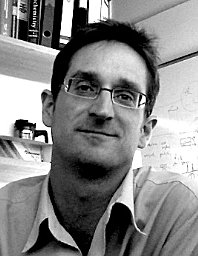 Tilmann Harder合作论文数Department of Biology, The Hong Kong University of Science and Technology (HKUST),11
 Jane E. Williamson合作论文数Marine Ecology Group, Macquarie University10Jeffrey T. Wright合作论文数Institute for Conservation Biology and School of Biological Sciences, University of Wollongong10
 Emma Johnston合作论文数School of Life and Environmental Sciences, Faculty of Science, University of Sydney10
 Bauman Andrew G合作论文数Expt Marine Ecol Lab, Natl Univ Singapore9Low Jeffrey合作论文数National Biodiversity Centre, National Parks Board9
 Gary Kendrick合作论文数Oceans Institute, School of Biological Sciences, University of Western Australia9
 Lachlan Hartley Yee合作论文数Centre for Marine Bio-Innovation, The University of New South Wales9
 Alistair G. B. Poore合作论文数Centre for Marine Science and Innovation, School of Biological, Earth and Environmental Sciences, Faculty of Science, The University of New South Wales9Carola Holmström合作论文数9
 Suhelen Egan合作论文数School of Biological, Earth and Environmental Sciences, Faculty of Science, The University of New South Wales9
 Paul Edward Gribben合作论文数Centre for Marine Science and Innovation, School of Biological, Earth and Environmental Sciences, Faculty of Science, The University of New South Wales9Diane Mcdougald合作论文数The School of Microbiology and Immunology, The University of New South Wales;Fax +61-2-9385 1591 e-mail: s. kjelleberg@unsw.edu.au AU;The School of Microbiology and Immunology, The University of New South Wales9
 Melanie Jane Bishop合作论文数Centre for Research on Ecological Impacts of Coastal Cities, University of Sydney9James R. Guest合作论文数8
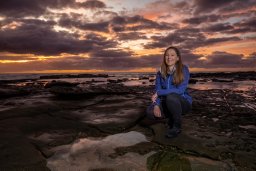 Megan J Huggett合作论文数University of Hawaii8
 Laura Airoldi合作论文数Department of Biology, University of Padova;Department of Biological, Geological and Environmental Sciences, University of Bologna8
 Naresh Kumar合作论文数School of Chemistry, Faculty of Science, The University of New South Wales8
 Craig Johnson合作论文数Institute for Marine and Antarctic Studies, University of Tasmania8
 Katherine A Dafforn合作论文数Evolut & Ecol Res Ctr, Univ New S Wales8
 Dan Smale合作论文数Marine Biological Association of the United Kingdom8
 David A. Feary合作论文数School of Biological Sciences, University of Auckland8
 Nigel C Lewin合作论文数7
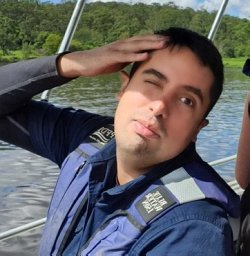 Sebastian Vadillo Gonzalez合作论文数Sydney Institute of Marine Science7
 Mariana Mayer Pinto合作论文数School of Biological, Earth & Environmental Sciences, Faculty of Science, The University of New South Wales7
 Scott Rice合作论文数School of Biological Sciences, Nanyang Technological University7Cn Rogers合作论文数7
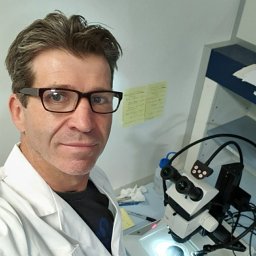 Brendan P. Kelaher合作论文数Department of Ecology;State University of New York;Department of Ecology, State University of New York7
 Aaron M. Eger合作论文数Kelp Forest Alliance, Sydney, NSW, 2034, Australia. aaron.eger@unsw.edu.au.6
 Bayden Dwight Russell合作论文数School of Earth & Environmental Sciences, University of Adelaide6Sa Dworjanyn合作论文数6
 Timothy S Charlton合作论文数Ray Williams Biomedical Mass Spectrometry Facility6
 Louise B. Firth合作论文数School of Biology and Environmental Science, University College Dublin6
 Peter J. Schupp合作论文数Marine Laboratory UOG Station- Mangilao, University of Guam6H. De la Torre合作论文数5m i besana合作论文数5




