CONTEXT:Paltusotine is a nonpeptide selective somatostatin receptor 2 agonist in development as once-daily oral treatment for acromegaly. OBJECTIVE:To evaluate the efficacy and safety of paltusotine in the treatment of patients with acromegaly previously controlled with injected somatostatin receptor ligands (SRLs). METHODS:This phase 3, randomized, double-blind, placebo-controlled trial enrolled adults with acromegaly who had IGF-I ≤1.0 times the upper limit of normal (×ULN) while receiving a stable dose of depot octreotide or lanreotide. Patients were switched from injected SRLs and randomized to receive paltusotine or placebo orally for 36 weeks. The primary endpoint was proportion of patients maintaining IGF-I ≤1.0× ULN. Secondary endpoints were change in IGF-I level, change in Acromegaly Symptom Diary score, and maintenance of mean 5-sample GH <1.0 ng/mL. RESULTS:The primary endpoint was met: 83.3% (25/30) of patients receiving paltusotine and 3.6% (1/28) receiving placebo maintained IGF-I ≤1.0× ULN (odds ratio, 126.53; 95% CI, 13.73->999.99; P < .0001). Paltusotine was also superior to placebo for all secondary endpoints: mean (± SE) change in IGF-I of 0.04 ± 0.09× ULN vs 0.83 ± 0.1× ULN (P < .0001); mean (± SE) change in Acromegaly Symptom Diary score of -0.6 ± 1.5 vs 4.6 ± 1.6 (P = .02); mean GH maintained at <1.0 ng/mL in 20/23 (87.0%) vs 5/18 (27.8%) patients (odds ratio, 16.61; 95% CI, 2.86-181.36; P = .0003). The most common adverse events were acromegaly symptoms and gastrointestinal effects characteristic of SRLs. CONCLUSION:Replacement of injected SRLs by once-daily oral paltusotine was effective in maintaining both biochemical and symptom control in patients with acromegaly and was well tolerated.
Abstract Disclosure: A. Ayala: Employee; Self; Crinetics Pharmaceuticals Inc. C. LaCerte: Employee; Self; Crinetics Pharmaceuticals Inc. R. Luo: Employee; Self; Crinetics Pharmaceuticals Inc. C. Davidson: Employee; Self; Crinetics Pharmaceuticals Inc. J. Wang: Employee; Self; Crinetics Pharmaceuticals Inc. P. Trainer: Employee; Self; Crinetics Pharmaceuticals Inc. A. Krasner: Employee; Self; Crinetics Pharmaceuticals Inc. Clinical trials of cortisol-lowering drug candidates would benefit from user-friendly methods to measure cortisol in an outpatient setting. CRN04894 is a potent, orally bioavailable, MC2R antagonist in development for the treatment of ACTH-dependent Cushing’s syndrome and congenital adrenal hyperplasia. We have previously reported results from a randomized, double-blinded, placebo-controlled (6 active:3 placebo/cohort), multiple (10-day) ascending dose (40 to 80 mg/day) study in healthy volunteers. Declines in basal and ACTH-stimulated serum cortisol levels and a median reduction of 75% in 24-hr urinary-free cortisol (UFC) were seen in the 80 mg cohort. Asymptomatic glucocorticoid deficiency (defined as 08:00 serum cortisol of <5 µg/dL) was the most commonly observed adverse event. Here we report the comparison of salivary cortisol measurements with serum cortisol day curves and 24-hr UFC observed in this study. We evaluated cortisol and ACTH data from the three cohorts dosed once daily (QD) at 22:00 with either 40, 60, or 80 mg. Cortisol (salivary & serum) and ACTH day curves (results reported as the mean of 4 or 5 available samples collected at 22:00, 08:00, 12:00, 16:00 & 20:00) studies were undertaken on days -1, 1, 4, and 9. Mean serum cortisol was moderately correlated with 24-hr UFC:creatinine ratio (ug/g) (r = 0.495) and strongly correlated (r = 0.734) with mean salivary cortisol. There was across all three doses of CRN04894 a consistent magnitude ranking change in measured cortisol analytes: serum (free plus bound) < saliva < urine, with substantial changes being seen within 24 hours of initiation of CRN04894 and no loss of cortisol suppression over 9 days despite median ACTH changes of >1000% from baseline (60 & 80 mg doses). Time-matched individual saliva and serum cortisol values were used (without timepoint or visit restrictions) to explore the relationship between low serum cortisol and salivary levels. A saliva cutoff for cortisol deficiency was optimized for diagnostic accuracy (92.2%) using a serum cortisol value of <5 µg/dL as the reference. Four subjects had 08:00 serum cortisol <5 µg/dL and saliva cortisol data. All four cases were correctly identified as cortisol-deficient using a simultaneous saliva cortisol cutoff of <0.0491 µg/dL. In conclusion, CRN04894 effectively lowered cortisol measured in serum, saliva, and urine in healthy volunteers. Salivary cortisol measured by tandem mass spectrometry correlated well with serum cortisol day curves and may be useful in the diagnosis of biochemical cortisol deficiency in outpatient studies. Future studies will explore the use of salivary glucocorticoid measurement in patients with Cushing’s disease receiving CRN04894. Presentation: Saturday, June 17, 2023
Abstract CRN04894 is a potent orally bioavailable MC2R (adrenal cortex specific ACTH receptor) antagonist (Kb=0.34 nM) that is >1000-fold selective for MC2R over other melanocortin receptor subtypes. In rats receiving continuous administration of ACTH via subcutaneously implanted osmotic pumps, oral administration of CRN04894 over 7 days has previously been shown to result in dose-dependent suppression of basal and ACTH stimulated corticosterone levels. This compound is in clinical development for the treatment of diseases of ACTH excess including congenital adrenal hyperplasia (CAH) and Cushing's Disease. We report initial results from a randomized double-blinded, placebo-controlled single ascending dose study evaluating the safety, pharmacokinetics and pharmacodynamics of CRN04894 in 39 healthy volunteers. After an overnight fast, single doses of CRN04894 were administered at approximately 8 am, 2 hours prior to an IV bolus of ACTH 1-24 (cosyntropin). Serial cortisol over 600 minutes and pharmacokinetics over 168 hours post CRN04894 dose were measured. Two different challenge doses of ACTH 1-24 were studied: 250 μg (supra-pharmacological) and 1 μg (comparable to ACTH concentrations encountered in CAH and Cushing's Disease). CRN04894 was rapidly orally absorbed (median tmax 0.5-1.5 hour), and demonstrated a dose dependent increase in systemic exposure, with an apparent terminal elimination t1/2 of approximately 20 hours. Unstimulated (basal) cortisol measured 2 hours after CRN04894 administration fell in a dose-dependent manner, resulting in reduction near the theoretical maximum with the 80 mg dose cohort (-56.1% [SEM 4.0%, n=12] vs +17.4% in placebo [SEM=18.1%, n=9]). Dose-dependent cortisol suppression following a supra-pharmacological ACTH-stimulated (250 μg) was also observed, with a 41% reduction in the area under the curve (AUC60-600min) post-stimulation at the 80 mg dose. Furthermore, a single dose of 80 mg of CRN04894 reduced the cortisol response (AUC15-120 min) to a disease relevant 1 μg ACTH challenge by 48%, maintaining cortisol concentrations within the normal range seen prior to dosing in a basal unstimulated state. Single doses of CRN04894 were well tolerated with no need for glucocorticoid supplementation. All adverse events (AEs) were considered mild or moderate and there were no serious AEs. The data from this single-dose, proof-of-concept study show that MC2R antagonist CRN04894 was well tolerated after oral delivery in healthy volunteers and demonstrated dose-dependent increases in exposure with lowering of basal and ACTH-stimulated cortisol secretion, including in the presence of disease relevant excess ACTH exposure. Multiple ascending dose evaluations are underway in anticipation of studies in patients with diseases of ACTH excess. Presentation: Sunday, June 12, 2022 11:15 a.m. - 11:30 a.m.
Searchable abstracts of presentations at key conferences in endocrinology ISSN 1470-3947 (print) | ISSN 1479-6848 (online)
The utility of laboratory investigations in endocrinology depend on the selection of the appropriate test and careful interpretation. This chapter goes into common pitfalls, including pre-analytical and analytical factors influencing investigations, examples of within-person variation, common measures of hormone measurement, and post-analytical factors.
Searchable abstracts of presentations at key conferences in endocrinology ISSN 1470-3947 (print) | ISSN 1479-6848 (online)
Context In patients with cancer, hyponatremia is associated with increased morbidity and mortality and can delay systemic therapy. Objective To assess the safety and efficacy of low-dose tolvaptan (7.5 mg) for hospitalized, adult patients with hyponatremia due to syndrome of inappropriate antidiuresis (SIAD), and coexisting malignancy. Methods Retrospective evaluation in a tertiary cancer center. Results Fifty-five patients with mean baseline serum sodium (sNa) 117.9 +/- 4.6 mmol/L were included. In total, 90.9% had severe hyponatremia (sNa < 125 mmol/L). Mean age was 65.1 +/- 9.3 years. Following an initial dose of tolvaptan 7.5 mg, median (range) increase in sNa observed at 24 hours was 9 (1-19) mmol/L. Within 1 week, 39 patients (70.9%) reached sNa >= 130 mmol/L and 48 (87.3%) had sNa rise of >= 5 mmol/L within 48 hours. No severe adverse events were reported. Thirty-three (60%) and 17 (30.9%) patients experienced sNa rise of >= 8 and >= 12 mmol/L/24 hours, respectively. The rate of sNa correction in the first 24 hours was significantly higher among participants that continued fluid restriction after tolvaptan administration (median [quantiles]: 14 [9-16] versus 8 [5-11] mmol/L, P = .036). Moreover, in the over-rapid correction cohort (>= 12 mmol/L/24 hours) demeclocycline was appropriately discontinued only in 60% compared with 91.7% of the remaining participants (P = .047). Lower creatinine was predictive of higher sNa correction rate within 24 hours (P = .01). Conclusion In the largest series to date, although low-dose tolvaptan was demonstrated to be effective in correcting hyponatremia due to SIAD in cancer patients, a significant proportion experienced over-rapid correction. Concurrent administration of demeclocycline and/or fluid restriction must be avoided due to the increased risk of over-rapid correction.
Searchable abstracts of presentations at key conferences in endocrinology ISSN 1470-3947 (print) | ISSN 1479-6848 (online)
Searchable abstracts of presentations at key conferences in endocrinology ISSN 1470-3947 (print) | ISSN 1479-6848 (online)
The WHO Classification of Endocrine Tumours designates pituitary neoplasms as adenomas. A proposed nomenclature change to pituitary neuroendocrine tumors (PitNETs) has been met with concern by some stakeholder groups. The Pituitary Society coordinated the Pituitary Neoplasm Nomenclature (PANOMEN) workshop to address the topic. Experts in pituitary developmental biology, pathology, neurosurgery, endocrinology, and oncology, including representatives nominated by the Endocrine Society, European Society of Endocrinology, European Neuroendocrine Association, Growth Hormone Research Society, and International Society of Pituitary Surgeons. Clinical epidemiology, disease phenotype, management, and prognosis of pituitary adenomas differ from that of most NETs. The vast majority of pituitary adenomas are benign and do not adversely impact life expectancy. A nomenclature change to PitNET does not address the main challenge of prognostic prediction, assigns an uncertain malignancy designation to benign pituitary adenomas, and may adversely affect patients. Due to pandemic restrictions, the workshop was conducted virtually, with audiovisual lectures and written précis on each topic provided to all participants. Feedback was collated and summarized by Content Chairs and discussed during a virtual writing meeting moderated by Session Chairs, which yielded an evidence-based draft document sent to all participants for review and approval. There is not yet a case for adopting the PitNET nomenclature. The PANOMEN Workshop recommends that the term adenoma be retained and that the topic be revisited as new evidence on pituitary neoplasm biology emerges.
Introduction: Surgical remission for acromegaly is dependent on a number of factors including tumour size, invasiveness, and surgical expertise. We studied the value of early post-operative growth hormone (GH) level as a predictor of outcome and to guide early surgical re-exploration for residual disease in patients with acromegaly. Methods: Patients with acromegaly undergoing first-time endoscopic transsphenoidal surgery between 2005 and 2015, in 2 regional neurosurgical centres, were studied. Insulin-like growth factor-1 (IGF-1), basal GH (i.e., sample before oral glucose), and GH nadir on oral glucose tolerance test (OGTT) were tested at various time points, including 2–5 days post-operatively. Definition of disease remission was according to the 2010 consensus statement (i.e., GH nadir <0.4 μg/L during an OGTT and normalized population-matched IGF-1). Forward stepwise logistic regression was used to determine factors associated with remission. Results: We investigated 81 consecutive patients with acromegaly, 67 (83%) of which had macroadenomas and 22 (27%) were noted to be invasive at surgery. Mean follow-up was 44 ± 25 months. Overall, surgical remission was achieved in 55 (68%) patients at final follow-up. On univariate analysis, the remission rates at the end of the study period for patients with early post-operative GH nadir on OGTT of <0.4 (N = 43), between 0.4 and 1 (N = 28), and >1 μg/L (N = 8) were 88, 54, and 20%, respectively. Similar results were seen with basal GH on early post-operative OGTT. On multivariate regression analysis, pre-operative IGF-1 (odds ratio of 13.1) and early post-operative basal GH (odds ratio of 5.0) and GH nadir on OGTT (odds ratio of 6.8) were significant predictors of residual disease. Based on a raised early GH nadir and post-operative MR findings, 10 patients underwent early surgical re-exploration. There was reduction in post-operative GH levels in 9 cases, of which 5 (50%) achieved long-term remission. There was an increased risk of new pituitary hormone deficiencies in patients having surgical re-exploration compared to those having a single operation (60 vs. 14%). Conclusions: An early post-operative basal GH and GH nadir on OGTT are reliable predictors of long-term disease remission. It can be used to guide patients for early surgical re-exploration for residual disease, although there is increased risk of hypopituitarism.
The Short Synacthen Test is the way that we most often determine whether people’s adrenal glands are working. We here have shown that an extra blood sample taken at 60 minutes post Synacthen vs a 30 minute sample alone, may make the test more effective at excluding those people who do not need to go on hydrocortisone supplementation or need further evaluation.
Background The short synacthen test (SST) is the most commonly performed investigation to assess adrenal function. Appropriate criteria for when an SST is performed are subject to debate. We investigated how random serum cortisol levels relate to SST response. Methods We examined random cortisol measurements taken between 04.40–23.55 p.m. results of SST baseline and 30-/60-min cortisol performed over 12 months (225 SSTs) at Salford Royal Hospital. Serum cortisol was measured on the Siemens Centaur Analyser. A 30–60-min cortisol concentration of ≥450 nmol/L defined a pass; 350–449 nmol/L defined borderline. Results Patients only proceeded to SST if random cortisol was <400 nmol/L. For those not on corticosteroids for at least 2 weeks, 42/43 (97.7%) cases with random cortisol concentration of ≥200 nmol/L had an SST ‘pass’. The relation was less clear with corticosteroid treatment (19/35 cases; 54%). For those not taking glucocorticoid treatment (including inhaled/topical corticosteroids) in the previous 2 weeks, 91.8% of SSTs were pass/2.7% borderline/5.5% fail. For those on steroids, 51.9% of SSTs were a pass/11.4% were borderline. In relation to the postsynacthen cortisol pass cut-off of ≥450 nmol/L, in 15/207 (7.2%) of cases, the 60-min cortisol was ≥450 nmol/L (adequate adrenocortical function), but 30-min cortisol was below this. In all cases where the 30-min cortisol did indicate a pass (i.e. was ≥450 nmol/L) the 60-min cortisol was also ≥450 nmol/L. Conclusion Our findings suggest that if the random cortisol level is ≥200 nmol/L, regardless of the time of day and the person was not taking corticosteroid treatment in the previous 2 weeks, SST may not be needed. Our data also suggests that 60-min cortisol retains utility.
Searchable abstracts of presentations at key conferences in endocrinology ISSN 1470-3947 (print) | ISSN 1479-6848 (online)
Adjuvant therapy with PD-1 inhibitors for resected Stage III/IV melanoma reduces the risk of recurrence by 40-50% and is now a standard of care. Immune-related adverse events occurred in approximately 37% of patients in the pivotal trials, 10-15% were severe (grade III-IV). Endocrine toxicities were common and mostly irreversible. Thyroid toxicity occurred in 15-20% of patients, hypophysitis (2.2%), insulin-dependent diabetes mellitus (1%) and adrenalitis (1%). Revision of the American Joint Committee on Cancer staging system (version 8) has resulted in a significant improvement in prognosis for patients with Stage III disease. As a result, clinicians may now offer adjuvant immunotherapy to patients with a lower risk of recurrence than those in the pivotal trials. There is a need to balance the relatively small reduction of absolute risk of recurrence against the risk and impact of toxicity. Five-ten percent of biochemically euthyroid patients on levothyroxine report symptoms of depression. Hypogonadism can result from toxicity to the hypothalamic-pituitary axis, and can lead to sexual dysfunction and subfertility. Secondary hypogonadism can be treated by the administration of Follicle Stimulating Hormone (FSH) and Luteinising Hormone (LH) which induce spermatogenesis/ovulation in a functioning gonad but is not always successful. Insulin-dependent diabetes mellitus often presents with rapid onset of hyperglycemia and potentially life-threatening diabetic ketoacidosis. Long-term adverse outcomes are likely to mimic Type 1 DM with a 6-fold increase in cardiovascular disease related mortality and 3-fold in all-cause mortality. These survivorship issues are relevant to all melanoma patients but are particularly pertinent where the absolute benefit is modest. (C) 2020 Elsevier Ltd. All rights reserved.
The 13th Acromegaly Consensus Conference was held in November 2019 in Fort Lauderdale, Florida, and comprised acromegaly experts including endocrinologists and neurosurgeons who considered optimal approaches for multidisciplinary acromegaly management. Focused discussions reviewed techniques, results, and side effects of surgery, radiotherapy, and medical therapy, and how advances in technology and novel techniques have changed the way these modalities are used alone or in combination. Effects of treatment on patient outcomes were considered, along with strategies for optimizing and personalizing therapeutic approaches. Expert consensus recommendations emphasize how best to implement available treatment options as part of a multidisciplinary approach at Pituitary Tumor Centers of Excellence.
Searchable abstracts of presentations at key conferences in endocrinology ISSN 1470-3947 (print) | ISSN 1479-6848 (online)
CONTEXT:Appropriate management of adrenal insufficiency (AI) in pregnancy can be challenging due to the rarity of the disease and lack of evidence-based recommendations to guide glucocorticoid and mineralocorticoid dosage adjustment.OBJECTIVE:Multicenter survey on current clinical approaches in managing AI during pregnancy.DESIGN:Retrospective anonymized data collection from 19 international centers from 2013 to 2019.SETTING AND PATIENTS:128 pregnancies in 113 women with different causes of AI: Addison disease (44%), secondary AI (25%), congenital adrenal hyperplasia (25%), and acquired AI due to bilateral adrenalectomy (6%).RESULTS:Hydrocortisone (HC) was the most commonly used glucocorticoid in 83% (97/117) of pregnancies. Glucocorticoid dosage was increased at any time during pregnancy in 73/128 (57%) of cases. In these cases, the difference in the daily dose of HC equivalent between baseline and the third trimester was 8.6 ± 5.4 (range 1-30) mg. Fludrocortisone dosage was increased in fewer cases (7/54 during the first trimester, 9/64 during the second trimester, and 9/62 cases during the third trimester). Overall, an adrenal crisis was reported in 9/128 (7%) pregnancies. Cesarean section was the most frequent mode of delivery at 58% (69/118). Fetal complications were reported in 3/120 (3%) and minor maternal complications in 15/120 (13%) pregnancies without fatal outcomes.CONCLUSIONS:This survey confirms good maternal and fetal outcome in women with AI managed in specialized endocrine centers. An emphasis on careful endocrine follow-up and repeated patient education is likely to have reduced the risk of adrenal crisis and resulted in positive outcomes.
Abstract Purpose The phase 3 CHIASMA OPTIMAL trial (NCT03252353) evaluated efficacy and safety of oral octreotide capsules (OOCs) in patients with acromegaly who previously demonstrated biochemical control while receiving injectable somatostatin receptor ligands (SRLs). Methods In this double-blind study, patients (N = 56) stratified by prior SRL dose were randomly assigned 1:1 to OOC or placebo for 36 weeks. The primary end point was maintenance of biochemical control at the end of treatment (mean insulin-like growth factor 1 [IGF-1] ≤ 1.0 × upper limit of normal [ULN]; weeks 34 and 36). Time to loss of IGF-1 response and proportion requiring reversion to injectable SRLs were assessed as broader control measures. Results Mean IGF-1 measurements were 0.80 and 0.97 × ULN for OOC and 0.84 and 1.69 × ULN for placebo, at baseline and end of treatment, respectively. Mean growth hormone (GH) changed from 0.66 to 0.60 ng/mL for OOCs and 0.90 to 2.57 ng/mL for placebo. Normalization of IGF-1 levels (≤ 1.0 × ULN) was maintained in 58.2% for OOCs vs 19.4% for placebo (P = .008); GH levels were maintained (< 2.5 ng/mL) in 77.7% for OOC vs 30.4% for placebo (P = .0007). Median time to loss of response (IGF-1 > 1.0 or ≥ 1.3 × ULN definitions) for patients receiving placebo was 16 weeks; for patients receiving OOCs, it was not reached for both definitions during the 36-week trial (P < .0001). Of the patients in the OOC group, 75% completed the trial on oral therapy. The OOC safety profile was consistent with previous SRL experience. Conclusions OOCs may be an effective therapy for patients with acromegaly who previously were treated with injectable SRLs.
Searchable abstracts of presentations at key conferences in endocrinology ISSN 1470-3947 (print) | ISSN 1479-6848 (online)
 G. M. Besser合作论文数54
 Ashley Grossman合作论文数Green Templeton College, University of Oxford;Royal Free Hospital;Oxford Centre for Diabetes, Endocrinology and Metabolism, University of Oxford45Claire E. Higham合作论文数Department of Endocrinology, Christie Hospital30William M. Drake合作论文数20Marta Korbonits合作论文数20
 John Newell-Price合作论文数School of Medicine and Population Health, University of Sheffield17
 Phillip Monaghan合作论文数17
 John P Monson合作论文数16
 Susan M Webb合作论文数Universitat Autonoma de Barcelona Facultat de Medicina;Centro de Investigacion Biomedica en Red de Enfermedades Raras;Hospital de la Santa Creu i Sant Pau Institut de Recerca16
 Martin Bidlingmaier合作论文数16
 Brian Keevil合作论文数Department of Clinical Biochemistry, Manchester University NHS Foundation Trust16Strasburger Christian J合作论文数14
 Philippe Chanson合作论文数University Paris-Saclay;Bicêtre’s Hospital14C Parkinson合作论文数14
 Ilias Perogamvros合作论文数Christie Hospital14
 Simon J B Aylwin合作论文数12John A H Wass合作论文数Department of Endocrinology, Oxford Centre for Diabetes, Endocrinology and Metabolism, Churchill Hospital11
 Christian J. Strasburger合作论文数Department of Endocrinology and Metabolic Diseases, Charité Universitätsmedizin Berlin11
 Thierry Brue合作论文数Aix-Marseille University10
 Shlomo Melmed合作论文数Cancer Institute, Cedars-Sinai;Medical Faculty, Cedars-Sinai10W M Drake合作论文数9
 Martin O Savage合作论文数9
 David Clemmons合作论文数University of North Carolina at Chapel Hill9
 Niki Karavitaki合作论文数Institute of Metabolism and Systems Research, College of Medical and Dental Sciences, University of Birmingham9Angela Paisley合作论文数9Adam Safwaan合作论文数Obesity Medicine and Endocrinology, Salford Royal NHS Foundation Trust and University Teaching Hospital8
 Gregory Kaltsas合作论文数First Department of Internal Medicine, National & Kapodistrian University of Athens;University Hospital Coventry and Warwickshire8
 Nienke Biermasz合作论文数Leiden University Medical Center;Faculteit Geneeskunde, Leiden University8
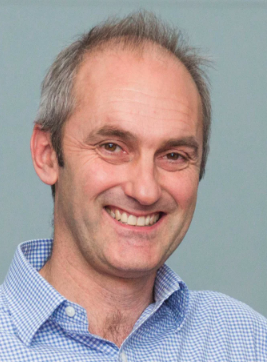 David Ray合作论文数Radcliffe Department of Medicine, Medical Sciences Division, University of Oxford;Division of Diabetes, Endocrinology & Gastroenterology, School of Medical Sciences, Faculty of Biology, Medicine and Health, The University of Manchester8
 Alicia Santos合作论文数Hospital de Sant Pau, Universidad Autónoma de Barcelona8
 Tara Kearney合作论文数8
 Julian R E Davis合作论文数7
 Richard Feelders合作论文数Department of Endocrinology, Erasmus MC7Valassi Elena合作论文数Centro de Investigación Biomédica en Red de Enfermedades Raras (CIBER-ER, Hospital Sant Pau;Pare Claret 167, 08025 Barcelona, Spain. evalassi@santpau.cat7Owen Laura J合作论文数7
 Aled Rees合作论文数7Ana Pokrajac合作论文数7F. Afshar合作论文数6Jmw Kirk合作论文数6A. N. Paisley合作论文数6
 Mark E Molitch合作论文数Division of Endocrinology, Metabolism and Molecular Medicine, Department of Medicine, Feinberg School of Medicine, Northwestern University6
 Mehul Dattani合作论文数Molecular Basis of Rare Diseases Section, Great Ormond Street Insitute of Child Health, University College London6
 Steven Lamberts合作论文数Erasmus Medical Center, Erasmus University Rotterdam6
 Tóth Miklós合作论文数Department of Internal Medicine and Oncology, Semmelweis University;Department of Medicine, Semmelweis University6S. M. Shalet合作论文数6Holger Franz合作论文数6
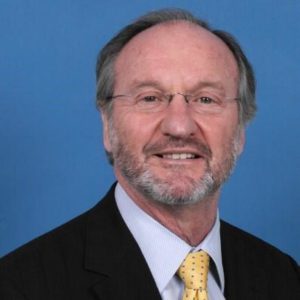 Rodney Reznek合作论文数Barts Cancer Institute, Queen Mary University of London6
 Alfredo Costa合作论文数Dept. of Neurology, University of Pavia6Olivier Chabre合作论文数Faculté de Medecine, Université Grenoble Alpes6




