OBJECTIVES:To compare the oncologic outcomes and safety profiles of Bacillus Calmette-Guérin (BCG) versus gemcitabine/docetaxel (Gem/Doce) maintenance following BCG induction in treatment-naïve non-muscle-invasive bladder cancer (NMIBC). METHODS:We identified patients with treatment-naive NMIBC who received induction BCG followed by maintenance BCG per the Southwest Oncology Group Cancer Research Network protocol or Gem/Doce monthly for 1 year (2016-2026). Oncological outcomes included recurrence-free survival (RFS), high-grade RFS, progression-free survival, and metastasis-free survival. Adverse events were systematically assessed to evaluate treatment tolerability. RESULTS:Overall, 128 patients received BCG induction followed by either BCG maintenance (n = 98; 76.6%) or Gem/Doce maintenance (n = 30; 23.4%). After a median follow-up of 75.0 months (interquartile range [IQR] 66.7-86.5) in the BCG group and 22.5 months (IQR 14.8-42.9) in the Gem/Doce group (P < 0.001), 3-year RFS (80.0% vs. 83.8%; P = 0.8), 3-year high-grade RFS (83.4% vs. 92.2%; P = 0.7), 3-year progression-free survival (90.0% vs. 96.6%; P = 0.4), and 3-year metastasis-free survival (96.8% vs. 100.0%; P = 0.3) were comparable between the BCG and Gem/Doce maintenance groups, respectively. Multivariable Cox regression analysis confirmed that Gem/Doce versus BCG maintenance was not associated with disease recurrence (hazard ratio 1.04; 95% confidence interval 0.39-2.83; P > 0.9). Overall, Gem/Doce maintenance was better tolerated, with fewer patients reporting adverse events (6.7% vs. 28%, P = 0.02) and no severe events observed during the maintenance phase. Limitations of the study include its retrospective design and the relatively small sample size of the Gem/Doce cohort. CONCLUSION:Sequential Gem/Doce maintenance following BCG induction achieved oncologic outcomes comparable to those with BCG maintenance, with improved tolerability, highlighting its feasibility as an alternative in cases of BCG intolerance or shortage.
Myocardial infarction and ischemic stroke are common causes of morbidity after major cancer surgery. Understanding the risks associated with both open and laparoscopic surgery is crucial in reducing postoperative morbidity and mortality. This nationwide cohort study included patients who underwent major cancer surgery in the pelvis from 2000 to 2015. The primary outcome was the incidence of myocardial infarction and ischemic stroke within 90 days postoperatively. Adjusted odds ratios (OR) were estimated using logistic regression adjusted for propensity score and risks by regression standardization. A total of 22,619 patients operated with laparoscopic and 70,896 patients operated with open approach were included in the analysis. The crude 90-day cumulative risks of myocardial infarction and ischemic stroke were 0.66
PURPOSE:To develop contemporary evidence-informed recommendations for robot-assisted radical cystectomy (RARC), urinary reconstruction, and perioperative management, integrating current evidence with the experience of Latin American experts in uro-oncology and robotic surgery. MATERIALS AND METHODS:A modified Delphi consensus process was conducted involving 42 experts with extensive experience in RARC. Topics included patient selection, perioperative optimization, enhanced recovery after surgery (ERAS), lymph node dissection, urinary reconstruction, functional preservation, perioperative systemic therapy, complex clinical scenarios, and emerging robotic technologies. A comprehensive literature review was performed using Medline, Scopus, and Web of Science through November 2025, following PRISMA principles and incorporating recommendations from EAU, AUA/ASCO/SUO, and NCCN guidelines. Consensus was defined as ≥75% agreement. RESULTS:Consensus supported routine implementation of ERAS protocols, structured frailty and nutritional assessment, extended pelvic lymph node dissection, and perioperative systemic therapy in eligible patients. Intracorporeal urinary diversion was associated with improved recovery and lower wound-related morbidity. Nerve-sparing and organ-preserving approaches were recommended in selected patients to optimize continence, sexual function, and quality of life. Orthotopic neobladder reconstruction should be individualized according to oncologic safety, functional status, renal function, and patient preference. RARC was considered feasible in complex settings, including obesity, bulky lymphadenopathy, locally advanced disease, and salvage surgery, when performed in experienced high-volume centers. Areas without consensus included urinary drainage strategies and antibiotic prophylaxis duration. CONCLUSIONS:This expert consensus provides recommendations for RARC and urinary reconstruction, aiming to standardize practice, optimize perioperative care, and improve oncological and functional outcomes. Future prospective studies are needed.
BACKGROUND AND OBJECTIVE:Pure urothelial carcinoma (UC) and histological subtypes (HS) in bladder cancer (BC) are associated with distinct pathological features and oncologic outcomes across disease stages. Circulating tumor DNA (ctDNA) is a promising perioperative biomarker, but its prognostic performance across histologic subtypes remains unclear. We evaluated the prognostic value of perioperative tumor-informed ctDNA in patients with pure UC and HS. METHODS:We analyzed a database of consecutive patients with BC who underwent radical cystectomy with available preoperative or postoperative ctDNA between 2021 and 2025. Patients were stratified into four groups according to histology status and ctDNA detectability at both preoperative and postoperative time points. Disease-free survival (DFS) was estimated using the Kaplan-Meier method and compared with log-rank tests. Associations between groups and DFS were evaluated using uni- and multivariable Cox regression analyses. KEY FINDINGS AND LIMITATIONS:Among 138 patients with preoperative ctDNA, negative ctDNA status was associated with significantly higher 24-mo DFS compared with positive ctDNA in both pure UC (89% vs 49%, p < 0.001) and HS (79% vs 43%, p = 0.012). Multivariable Cox regression confirmed positive preoperative ctDNA as an independent predictor of recurrence or death in pure UC (hazard ratio [HR] = 4.07, 95% confidence interval [CI] = 1.29-12.81, p = 0.020) and HS groups (HR = 3.99, 95% CI = 1.24-12.82, p = 0.023). Similarly, among 144 patients with postoperative ctDNA, negative ctDNA status predicted higher 24-mo DFS in pure UC (81% vs 30%, p < 0.001) and HS (66% vs 29%, p < 0.001), with positive postoperative ctDNA independently associated with disease recurrence or death in pure UC (HR = 4.38, 95% CI = 1.66-11.52, p < 0.01) and HS groups (HR = 4.52, 95% CI = 1.86-11.03, p < 0.001). Limitations include the retrospective design and relatively short follow-up. CONCLUSIONS AND CLINICAL IMPLICATIONS:Perioperative ctDNA is a robust biomarker with consistent prognostic value and can refine perioperative risk stratification in patients with BC with pure UC or HS.
 Abolfazl Hosseini合作论文数119
 Alexandre Mottrie合作论文数OLV Ziekenhuis;Urological Department, University Hospital of Homburg-Saar;Department of Urology, OLV Hospital Aalst105
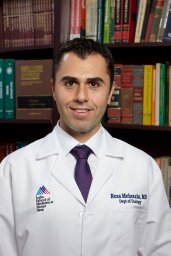 Reza Mehrazin合作论文数Memphis101
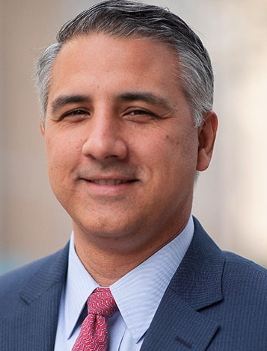 John P Sfakianos合作论文数Department of Urology, Icahn School of Medicine at Mount Sinai;The Mount Sinai Hospital98
 Gunnar Steineck合作论文数Department of Oncology, University of Gothenburg93
 Stefan Carlsson合作论文数71
 Tommy Nyberg合作论文数MRC Biostatistics Unit, University of Cambridge71
 Prasanna Sooriakumaran合作论文数Nuffield Department of Surgical Sciences, Medical Sciences Division, University of Oxford;University College London Hospitals NHS Foundation Trust;National Institute for Health and Care Excellence;Verity Barrington;The Royal College of Surgeons of England;Avegen;Smart About Health;High Yield UK;Cleveland Clinic Lerner College of Medicine;Cleveland Clinic London67
 Khurshid A Guru合作论文数Buffalo63
 Olof Akre合作论文数Clinical Epidemiology Unit, Department of Medicine, Karolinska Institutet59
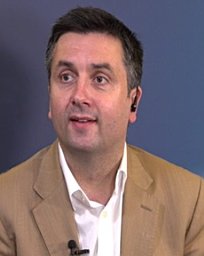 Justin Collins合作论文数Ordna Consultancy;University College London Hospitals NHS Foundation Trust;Division of Surgery and Interventional Science, University College London58
 Prokar Dasgupta合作论文数King’s College London55
 Lars E. Gustafsson合作论文数Department of Physiology and Pharmacology, Karolinska Institutet51
 Lars Egevad合作论文数Department of Oncology-Pathology, Karolinska Institute49
 Anna Wallerstedt Lantz合作论文数Karolinska Institutet, Stockholm, Sweden48
 James O Peabody合作论文数Vattikuti Urology Institute, Henry Ford Hospital48
 Adding Christofer合作论文数47
 Francesco Montorsi合作论文数Department of Urology, San Raffaele Hospital;Vita-Salute San Raffaele University of Milan47
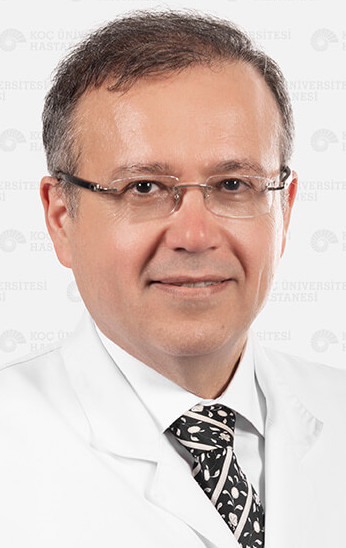 Derya Balbay合作论文数Department of Urology, School of Medicine, Koç University;Department of Urology, American Hospital47Lee Richstone合作论文数New Hyde Park45Andreas E Nilsson合作论文数45
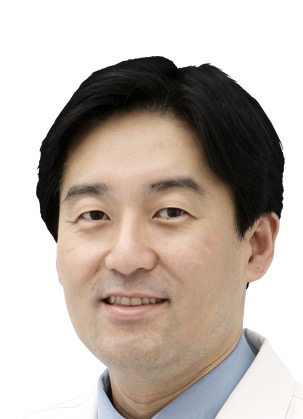 Koon Ho Rha (罗君镐)合作论文数Department of Urology, Yonsei University Medical School;Severance Hospital42
 Falagario U合作论文数41
 CJ Wijburg合作论文数Intuitive Surgical;Rijnstate40Tewari Ash合作论文数38
 Martin Christian Schumacher合作论文数Hirslanden Clinic Aarau;Institute for Erectile Dysfunction38Eva Haglind合作论文数37
 Johan Stranne合作论文数36
 Kyrollis Attalla合作论文数35
 Henrik Grönberg合作论文数Department of Medical Epidemiology and Biostatistics, Karolinska Institutet35
 Anders Bjartell合作论文数Division of Translational Cancer Research, Department of Laboratory Medicine, Faculty of Medicine, Lund University;Lund University Cancer Centre;Department of Urology, Skane University Hospital35
 Mani Menon合作论文数Vattikuti Urology Institute, Henry Ford Hospital34
 Jonas Hugosson合作论文数Department of Urology, Institute of Clinical Sciences, Sahlgrenska Academy, University of Gothenburg33
 Michael Stöckle合作论文数Prostate Cancer Center, Department of Urology and Pediatric Urology, Saarland University33
 Ketan K Badani合作论文数Icahn School of Medicine at Mount Sinai Hospital;epartment of Urology, Mount Sinai West33
 Matthew Galsky合作论文数The Tisch Cancer Institute, Icahn School of Medicine at Mount Sinai;Graduate School of Biomedical Sciences, Icahn School of Medicine at Mount Sinai31
 Ashok K. Hemal合作论文数School of Medicine, Wake Forest University;Comprehensive Cancer Center, Wake Forest Institute for Regenerative Medicine;Wake Forest Baptist Hospital31
 Carlsson Sigrid V合作论文数Department of Surgery(Urology Service), Memorial Sloan-Kettering Cancer Center30
 Jihad Kaouk合作论文数Department of Urology, Cleveland Clinic;Cleveland Clinic Lerner College of Medicine, Case Western Reserve University29
 Stavros Tyritzis合作论文数Department of Urology, Karolinska University Hospital;Athens Medical Center;1st University Urological Department-Athens University Medical School-LAIKO Hospital29
 Shamim Khan合作论文数Citadel28
 Timothy G. Wilson合作论文数Saint John's Health Center, Saint John’s Cancer Institute28
 Nordström Tobias合作论文数27Nikhil Waingankar合作论文数New Hyde Park27Alberto Martini合作论文数26
 Francesco Pellegrino合作论文数Department of Epidemiology and Biostatistics, Memorial Sloan Kettering Cancer Center;IRCCS San Raffaele Hospital, Urological Research Institute;IRCCS San Raffaele Hospital, Urological Research Institute26Ingrid Ehrén合作论文数26Patel Vipul R合作论文数25
 Jon Lundberg合作论文数Department of Physiology and Pharmacology, Karolinska Institutet25




