R-loops are structures containing an RNA-DNA duplex and an unpaired DNA strand. During R-loop formation an RNA strand invades the DNA duplex, displacing the homologous DNA strand and binding the complementary DNA strand. Here we analyze a model for transcription-dependent R-loop formation at double-stranded DNA breaks (DSBs). In this model, R-loop formation is preceded by detachment of the non-template DNA strand from the RNA polymerase (RNAP). Then, strand exchange is initiated between the nascent RNA and the non-template DNA strand. During that strand exchange the length of the R-loop could either increase, or decrease in a biased random-walk fashion, in which the bias would depend upon the DNA sequence. Eventually, the restoration of the DNA duplex would completely displace the RNA. However, as long as the RNAP remains bound to the template DNA strand it prevents that displacement. Thus, according to the model, RNAPs stalled at DSBs can increase the lifespan of R-loops, increasing their detectability in experiments, and perhaps enhancing their biological effects.
Pioneer of cell mutagenesis and DNA repair research.
This article recounts my graduate research at Yale University (1954–1958) on unbalanced growth in Eschericia coli during thymine deprivation or following ultraviolet (UV) irradiation, with early evidence for the repair of UV-induced DNA damage. Follow-up studies in Copenhagen (1958–1960) in the laboratory of Ole Maaløe led to my discovery that the DNA replication cycle can be synchronized by inhibiting protein and RNA syntheses and that an RNA synthesis step is essential for initiation of the cycle, but not for its completion. This work set the stage for my subsequent research at Stanford University, where the repair replication of damaged DNA was documented, to provide compelling evidence for an excision-repair pathway. That universal pathway validates the requirement for the redundant information in the complementary strands of duplex DNA to ensure genomic stability.
R-loops are structures containing an RNA-DNA duplex and an unpaired DNA strand. They can be formed upon "invasion" of an RNA strand into a DNA duplex, during which the RNA displaces the homologous DNA strand and binds the complementary strand. R-loops have many significant beneficial or deleterious biological effects, so it is important to understand the mechanisms for their generation and processing. We propose a model for co-transcriptional R-loop formation, in which their generation requires passage of the nascent RNA "tail" through the gap between the separated DNA strands. This passage becomes increasingly difficult with lengthening of the RNA tail. The length of the tail increases upon increasing distance between the transcription start site and the site of R-loop initiation. This causes reduced yields of R-loops with greater distance from the transcription start site. However, alternative pathways for R-loop formation are possible, involving either transient disruption of the transcription complex or the hypothetical formation of a triple-stranded structure, as a "collapsed R-loop." These alternative pathways could account for the fact that in many systems R-loops are observed very far from the transcription start site. Our model is consistent with experimental data and makes general predictions about the kinetics of R-loop formation.
R-loops are structures consisting of an RNA-DNA duplex and an unpaired DNA strand. They can form during transcription upon nascent RNA “threadback” invasion into the DNA duplex to displace the non-template DNA strand. R-loops occur naturally in all kingdoms of life, and they have multiple biological effects. Therefore, it is of interest to study the artificial induction of R-loops and to monitor their effects in model in vitro systems to learn mechanisms. Here we describe transcription blockage in vitro by R-loop formation induced by peptide nucleic acid (PNA) binding to the non-template DNA strand.
Within the past half century we have learned of multiple pathways for repairing damaged DNA, based upon the intrinsic redundancy of information in its complementary double strands. Mechanistic details of these pathways have provided insights into environmental and endogenous threats to genomic stability. Studies on bacterial responses to ultraviolet light led to the discovery of excision repair, as well as the inducible SOS response to DNA damage. Similar responses in eukaryotes promote upregulation of error-prone translesion DNA polymerases. Recent advances in this burgeoning field include duplex DNA sequencing to provide strikingly accurate profiling of mutational signatures, analyses of gene expression patterns in single cells, CRISPR/Cas9 to generate changes at precise genomic positions, novel roles for RNA in gene expression and DNA repair, phase-separated aqueous environments for specialized cellular transactions, and DNA lesions as epigenetic signals for gene expression. The Environmental Mutagenesis and Genomics Society (EMGS), through the broad range of expertise in its membership, stands at the crossroad of basic understanding of mechanisms for genomic maintenance and the field of genetic toxicology, with the need for regulation of exposures to toxic substances. Our future challenges include devising strategies and technologies to identify individuals who are susceptible to specific genomic stresses, along with basic research on the underlying mechanisms of cellular stress responses that promote disease-causing mutations. As the science moves forward it should also be a responsibility for the EMGS to expand its outreach programs for the enlightenment and benefit of all humans and the biosphere. Environ. Mol. Mutagen. 61:25-33, 2020. © 2019 Wiley Periodicals, Inc.
Normal DNA replication is blocked by DNA damage in the template strand. Translesion synthesis is a major pathway for overcoming these replication blocks. In this process, multiple non-classical DNA polymerases are thought to form a complex at the stalled replication fork that we refer to as the mutasome. This hypothetical multi-protein complex is structurally organized by the replication accessory factor PCNA and the non-classical polymerase Rev1. One of the non-classical polymerases within this complex then catalyzes replication through the damage. Each non-classical polymerase has one or more cognate lesions, which the enzyme bypasses with high accuracy and efficiency. Thus, the accuracy and efficiency of translesion synthesis depends on which non-classical polymerase is chosen to bypass the damage. In this review article, we discuss how the most appropriate polymerase is chosen. In so doing, we examine the structural motifs that mediate the protein interactions in the mutasome; the multiple architectures that the mutasome can adopt, such as PCNA tool belts and Rev1 bridges; the intrinsically disordered regions that tether the polymerases to PCNA and to one another; and the kinetic selection model in which the most appropriate polymerase is chosen via a competition among the multiple polymerases within the mutasome.
R-loops are structures consisting of an RNA-DNA duplex and an unpaired DNA strand. They can form during transcription upon nascent RNA "threadback" invasion into the DNA duplex to displace the non-template strand. Although R-loops occur naturally in all kingdoms of life and serve regulatory roles, they are often deleterious and can cause genomic instability. Of particular importance are the disastrous consequences when replication forks or transcription complexes collide with R-loops. The appropriate processing of R-loops is essential to avoid a number of human neurodegenerative and other clinical disorders. We provide a perspective on mechanistic aspects of R-loop formation and their resolution learned from studies in model systems. This should contribute to improved understanding of R-loop biological functions and enable their practical applications. We propose the novel employment of artificially-generated stable R-loops to selectively inactivate tumor cells.
The selective inhibition of transcription of a chosen gene by an artificial agent has numerous applications. Usually, these agents are designed to bind a specific nucleotide sequence in the promoter or within the transcribed region of the chosen gene. However, since optimal binding sites might not exist within the gene, it is of interest to explore the possibility of transcription inhibition when the agent is designed to bind at other locations. One of these possibilities arises when an additional transcription initiation site (e.g. secondary promoter) is present upstream from the primary promoter of the target gene. In this case, transcription inhibition might be achieved by inducing the formation of an RNA-DNA hybrid (R-loop) upon transcription from the secondary promoter. The R-loop could extend into the region of the primary promoter, to interfere with promoter recognition by RNA polymerase and thereby inhibit transcription. As a sequence-specific R-loop-inducing agent, a peptide nucleic acid (PNA) could be designed to facilitate R-loop formation by sequestering the non-template DNA strand. To investigate this mode for transcription inhibition, we have employed a model system in which a PNA binding site is localized between the T3 and T7 phage RNA polymerase promoters, which respectively assume the roles of primary and secondary promoters. In accord with our model, we have demonstrated that with PNA-bound DNA substrates, transcription from the T7 promoter reduces transcription from the T3 promoter by 30-fold, while in the absence of PNA binding there is no significant effect of T7 transcription upon T3 transcription.
Bioactivation as well as DNA repair affects the susceptibility of cancer cells to the action of DNA-alkylating chemotherapeutic drugs. However, information is limited with regard to the relative contributions of these processes to the biological outcome of metabolically activated DNA alkylating agents. We evaluated the influence of cellular bioactivation capacity and DNA repair on cytotoxicity of the DNA alkylating agent acylfulvene (AF). We compared the cytotoxicity and RNA synthesis inhibition by AF and its synthetic activated analogue iso-M0 in a panel of fibroblast cell lines with deficiencies in transcription-coupled (TC-NER) or global genome nucleotide excision repair (GG-NER). We related these data to the inherent bioactivation capacity of each cell type on the basis of mRNA levels. We demonstrated that specific inactivation of TC-NER by siRNA had the largest positive impact on AF activity in a cancer cell line. These findings establish that transcription-coupled DNA repair reduces cellular sensitivity to AF, independent of the requirement for bioactivation.
Abstract Guanine-rich (G-rich) homopurine–homopyrimidine nucleotide sequences can block transcription with an efficiency that depends upon their orientation, composition and length, as well as the presence of negative supercoiling or breaks in the non-template DNA strand. We report that a G-rich sequence in the non-template strand reduces the yield of T7 RNA polymerase transcription by more than an order of magnitude when positioned close (9 bp) to the promoter, in comparison to that for a distal (∼250 bp) location of the same sequence. This transcription blockage is much less pronounced for a C-rich sequence, and is not significant for an A-rich sequence. Remarkably, the blockage is not pronounced if transcription is performed in the presence of RNase H, which specifically digests the RNA strands within RNA–DNA hybrids. The blockage also becomes less pronounced upon reduced RNA polymerase concentration. Based upon these observations and those from control experiments, we conclude that the blockage is primarily due to the formation of stable RNA–DNA hybrids (R-loops), which inhibit successive rounds of transcription. Our results could be relevant to transcription dynamics in vivo (e.g. transcription ‘bursting’) and may also have practical implications for the design of expression vectors.
Alternative reproductive cycles make use of different strategies to ho generate different reproductive products. In Escherichia coli, recA cy and several other rec genes are required for the generation of ho recombinant genomes during Hfr conjugation. During normal ou asexual reproduction, many of these same genes are needed to generate clonal products from UV-irradiated cells. However, unlike re] conjugation, this latter process also requires the function of the lai nucleotide excision repair genes. Following UV irradiation, the re recovery of DNA replication requires uvrA and uvrC, as well as recA, of recF, and recR. The rec genes appear to be required to protect and su maintain replication forks that are arrested at DNA lesions, based ra on the extensive degradation of the nascent DNA that occurs in re] their absence. The products of the recJ and recQ genes process the re( blocked replication forks before the resumption of replication and wc may affect the fidelity of the recovery process. We discuss a model vii in which several rec gene products process replication forks ar- pr rested by DNA damage to facilitate the repair of the blocking DNA inl lesions by nucleotide excision repair, thereby allowing processive ml replication to resume with no need for strand exchanges or ge recombination. The poor survival of cellular populations that a ] depend on recombinational pathways (compared with that in their oc excision repair proficient counterparts) suggests that at least some vii of the rec genes may be designed to function together with ot nucleotide excision repair in a common and predominant pathway ge by which cells faithfully recover replication and survive following UV-induced DNA damage. re stI
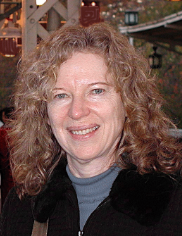 Graciela Spivak合作论文数laboratory of Phil Hanawalt, Biological Sciences Department, Stanford University34
 Belotserkovskii Boris P合作论文数27Silvia Tornaletti合作论文数Department of Anatomy and Cell Biology, University of Florida21Ann K. Ganesan合作论文数16Charles Allen Smith合作论文数14
 James Ford合作论文数Stanford University13
 Vilhelm Bohr合作论文数Department of Cellular and Molecular Medicine, University of Copenhagen;National Institutes of Health12Daniel Reines合作论文数Department of Biochemistry, Emory University School of Medicine Atlanta10
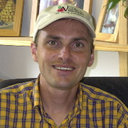 Justin Courcelle合作论文数Department of Biological Sciences;Mississippi State University;Department of Biological Sciences, Mississippi State University10Priscilla K. Cooper合作论文数10
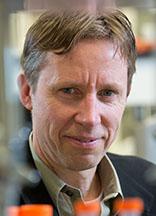 Mats Ljungman合作论文数Department of Radiation Oncology, Medical School, University of Michigan-Ann Arbor8Kevin S. Sweder合作论文数8BA DONAHUE合作论文数7Nouspikel Thierry合作论文数Institute for Cancer Studies, University of Sheffield7Alain Sarasin合作论文数7Daniel R. Lloyd合作论文数7Jmh Vos合作论文数6Isabel Mellon合作论文数6Diane S. Okumoto合作论文数6
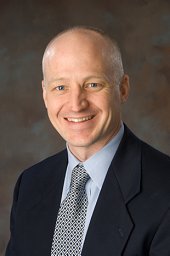 David J Crowley合作论文数Genetics Laboratory, McLean Hospital6We Masker合作论文数5ME ZOLAN合作论文数5
 Sergei M. Mirkin合作论文数The Mirkin Lab, Department of Biology, School of Arts and Sciences, Tufts University5Lori Lommel合作论文数5
 Karen Vasquez合作论文数Division of Pharmacology and Toxicology, College of Pharmacy, University of Texas at Austin4L Ho合作论文数4
 Neil Alexander J合作论文数4
 Errol Friedberg合作论文数University of Texas Southwestern Medical Center4
 Jonathan A. Eisen合作论文数Department of Evolution and Ecology, College of Biological Sciences, University of California4Dan S. Ray合作论文数Molecular Biology Institute and Department of Biology, University of California4Arkady B. Khodursky合作论文数Department of Biochemistry;Molecular Biology and Biophysics;University of Minnesota4C. Sherry Parsons合作论文数4
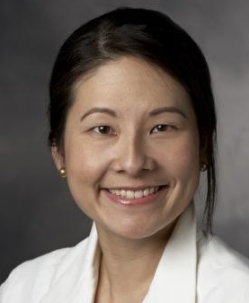 Lauren Maeda合作论文数School of Medicine, Stanford University4
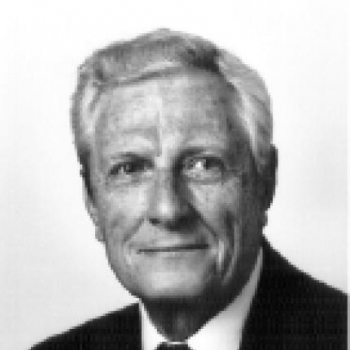 Kendric C. Smith合作论文数Department of Radiation Oncology, School of Medicine, Stanford University4Robert H. Haynes合作论文数4Enrique Cerdá-Olmedo合作论文数4Jane Hae Soo Shin合作论文数3James M. Clark合作论文数3JN MANSBRIDGE合作论文数3
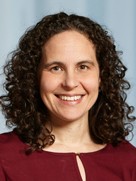 Shana J. Sturla合作论文数Department of Health Sciences and Technology, Eidgenössische Technische Hochschule Zürich3Calvin N M合作论文数3
 Roger J Lewis合作论文数Harbor-UCLA Medical Center, Los Angeles Biomedical Research Institute3Masahiko Satoh合作论文数3
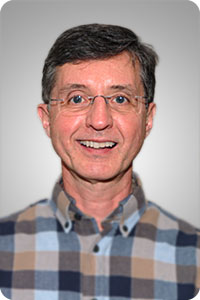 David M. Demarini合作论文数EPA-RTP Speakers Bureau3Nikolai Tomilin合作论文数3
 Hiten Madhani合作论文数Department of Biochemistry and Biophysics, School of Medicine, University of California, San Francisco3
 Fred C. Christians合作论文数Cancer Research Laboratory;University of Washington;Molecular Corporation;Cancer Research Laboratory, University of Washington3
 Susan D Cline合作论文数3Maria Svetlova合作论文数Russian Acad Sci, Inst Cytol3




