The possible association between physical stature and intellectual development has fascinated investigators for decades. In his book, Too Tall, Too Small, Gillis (1982) lists a number of interesting anecdotes concerning the association between height and subsequent achievement. For example, all but two of the United States presidents since George Washington have been taller than the average height for their time and, since 1900, victory has gone to the taller presidential candidate in 80% of the electoral contests. Gowin (1916, pp. 22-33) demonstrated that within similar areas of employment, those in more prestigious positions were, on average, taller than those in positions of lesser prestige. Similarly, Boxer (1982) found a relationship between the heights of 5,085 Air Force cadets measured in 1943 and their annual income in 1968. In this report we utilize data from Cycle II and Cycle III of the National Health Examination Survey to determine if any associations exist between height and intellectual development and academic achievement among children and adolescents (Wilson et al., 1984). Additionally, using a longitudinal subset of these subjects, we have investigated whether growth rate has any significant association with changes in measures of intellectual development and academic achievement (Wilson et al., 1985).
A remote (telephone and tool kit) chronic pain program was studied using the RE-AIM (reach, effectiveness, adoption, implementation, and maintenance) framework. This 6-week pilot took place in underserved communities in Cleveland, Ohio. We determined reach by the diversity of the population, nearly 50% Black and mostly low income. Effectiveness over 7 weeks was shown with validated instruments (depression, pain, sleep, quality of life, self-rated health, and self-efficacy). Changes in pain, depression, and self-efficacy were significant. (p < .01). Remote implementation was accomplished by sending participants a box of materials (book, exercise and relaxation CDs, a self-test, and tip sheets). Participants also participated in peer-facilitated, weekly, scripted telephone calls. Maintenance was demonstrated as the study site has offered nine additional programs with more plan. In addition, 60 additional organizations are now offering the program. This proof-of-concept study offers an alternate to in-person chronic pain self-management program delivery.
Background and Objectives This paper describes the development and evaluation of a short caregiving self-efficacy measure. The self-administered 8-item Caregiver Self-Efficacy Scale (CSES-8) was developed to reflect components of typical caregiver support interventions and to be practical for inclusion in future self-efficacy and caregiving research. Research Design and Methods We administered the CSES-8 in 2 samples: participants in an intervention for caregivers of persons with cognitive disabilities, and a voluntary online survey for caregivers of adults. We evaluated the completion rate, item-scale correlations, reliability, descriptive statistics, and preliminary construct validity of the CSES-8 in both samples, and sensitivity to change in the intervention sample. Results The intervention caregivers' sample (N = 158) was 85% female (mean age = 65 years). The online survey sample (N = 138) was 90% female (mean age = 78). In both samples, the CSES-8 had excellent internal consistency reliability (.89 and .88) and good distribution with sufficient variability to detect change. Test-retest reliability was good in the online sample (.73). As evidence of construct validity, most hypotheses were confirmed in both samples. The CSES-8 was sensitive to change at 6 months for caregivers in the intervention program (p < .001). Discussion and Implications The CSES-8 is short, comprehensive with respect to common components of interventions to improve caregivers' quality of life, and sensitive to change. It can serve a useful role exploring mechanisms by which caregiver intervention studies work, and it can be helpful in examining whether self-efficacy mediates the effect of these interventions on various outcomes such as psychological well-being.
To understand how the COVID-19 pandemic has affected caregivers, we assessed its perceived impact on caregiving through a new measure: the Caregiver COVID-19 Limitations Scale (CCLS-9), in Spanish and English. We also compared levels of caregiver self-efficacy and burden pre-COVID-19 and early in the pandemic. We administered surveys via internet to a convenience sample of caregivers in January 2020 (pre-pandemic, n = 221) and in April–June 2020 (English, n = 177 and Spanish samples, n = 144) to assess caregiver self-efficacy, depression, pain, and stress. We used the early pandemic surveys to explore the validity of the CCLS-9. The pre-COVID-19 survey and the April English surveys were compared to determine how the COVID-19 pandemic affected caregivers. The CCLS-9 had strong construct and divergent validity in both languages. Compared to pre-COVID-19, caregiver stress ( p = .002) and pain ( p = .009) were significantly greater early in COVID-19, providing evidence of its validity. COVID-19 added to caregiver stress and pain.
This chapter describes a series of studies based on the United States national health examination survey, cycle III, a major source of data on American adolescence. Delayed physiological growth and failure to exhibit learned skills at specific ages have previously been used as indicators of maturational delay among enuretics. In the national health examination survey, enuretics are relatively late in learning to walk, late in learning to talk, speak in a manner more difficult to understand, are shorter, and had a lower birth weight. Intellectual ability and academic achievement were assessed by each youth's teacher via questions. Blacks in United States seem to have developed a solidary set of norms that successfully delay the entrance of their adolescents into the institution of dating. The finding for black parents persists strongly even after we have controlled for social class and area of residence.
Background: People with arthritis, like others, are often informal caregivers. Caregiving adds burdens of stress and depression. Caregiver studies have shown these to be mitigated by self-efficacy or the confidence to achieve specific caregiving behaviors. Caregivers with arthritis have seldom been studied. We have been unable to find studies specific to caregiving and self-efficacy as they apply to those with and without arthritis. In this study, we evaluated the relationship between self-efficacy, pain, and depression among caregivers with and without arthritis. Objectives: 1)To examine the correlation between caregiver self-efficacy and depression and pain. 2). To examine how these correlation differ for caregivers with and without arthritis. Methods: A caregiver questionnaire was distributed via social media, mainly list serves and blogs to a convenience sample. Those receiving the links were urged to send them to other populations. Respondents self-reported arthritis and weekly hours spent caregiving. They reported pain using a pain (visual numeric scale (1-10)), depression with the Patient Health Questionnaire (PHQ-8), and Self-Efficacy was reported with the short caregiver self-efficacy scale). For caregivers and non-caregivers we compared caregiving hours, pain, depression and self-efficacy. We examined the distribution of caregiving hours by arthritis status and plotted mean pain scores by caregiving hours for caregivers with and without arthritis. The correlation between depression and self-efficacy was measured using Pearson correlation coefficient overall and by arthritis status. Results: Over two weeks 155 individuals responded, with data on self-reported arthritis status. Of the respondents, 88% were female and 64% were 50-69 years of age. 46% self-reported arthritis (osteoarthritis was the most common type). Nearly 25% of caregivers reported spending less than 10 hours weekly on caregiving, while approximately 23% reported at the other end of the extreme (at least 40 hours weekly). The distribution by arthritis status of the caregiver is provided in Table 1. Table 1. Caregiving hours Arthritis 0-9 hrs 10-19 hrs 20-29 hrs 30-35 hrs 40+ hrs Missing All No 26 (31%) 26 (31%) 11 (13%) 5 (6%) 15 (18%) 1 (1%) 84 (54.2%) Yes 12 (17%) 21 (30%) 11 (15.5%) 7 (9.9%) 20 (28%) 0 71 (45.8%) Total 38 (24.5%) 47 (30.3%) 22 (14.2%) 12 (7.7%) 35 (22.6%) 1 (0.7%) 155 Caregivers with arthritis reported higher pain in the past week. Mean pain score among caregivers with arthritis was 4.4 (SD 2.2) compared to 2.7 (SD 1.7) among caregivers without arthritis (figure 1). This divergence widened for caregivers with 40 or more hours of caregiving. There was a strong negative correlation (Pearson correlation= – 0.473, p-value <0.0001) between depression and self-efficacy. The correlation was -0.59 for caregivers without arthritis (p=<0.0001, n=74 with data on all three variables) compared to the caregivers self-reporting arthritis (r=-0.35, p=0.006, n=60 with data on all three variables). Figure 1. Conclusion: This study suggests that lower caregiver self-efficacy has a direct and strong association with higher depressive symptoms and that this is more pronounced among caregivers with arthritis. This study also shows that caregivers with arthritis have more pain than caregivers without arthritis, and that this peaks and remains consistent for those doing twenty or more hours of caregiving weekly.. The stronger negative correlation of depression and self-efficacy among patients without arthritis may be explained by other independent contributors (such as pain) to depression in caregivers with arthritis. References: [1]Lorig K, Ritter PL, Laurent DD, Yank V. Building Better Caregivers: A Pragmatic 12-Month Trial of a Community-Based Workshop for Caregivers of Cognitively Impaired Adults. J Appl Gerontol . 2019;38(9):1228–1252. doi:10.1177/0733464817741682 Disclosure of Interests: None declared
Background: Rheumatology practice improvement research routinely measures patient satisfaction and disease-specific outcomes but seldom considers the satisfaction of physicians who deliver the care. Studies suggest that physician dissatisfaction may pose a barrier to implementing quality improvement efforts. There is a paucity of succinct measures of physician satisfaction. Objectives: As part of a Performance Improvement Project, in an academic rheumatology practice and an affiliated practice, we developed and piloted a simple questionnaire to study physician satisfaction in Rheumatology. Methods: Thirty-five rheumatologists in the academic or private setting were sent opened-ended questions to determine the factors that made them satisfied or dissatisfied with respect to their rheumatology practice. From the responses we formed 14 questions on a 0 to 10 scale centering on satisfaction and dissatisfaction. We then administered the questionnaires to a small pilot of 30 rheumatologists in academic and/or private setting. Results: Our sample included 30 rheumatologists, from whom 60% were faculty members, 27 % were fellows. 53% (N=16) were males and the majority (77%) were salaried. Racial distribution was 57% white, 40% Asian, with 7% Hispanic/Latino ethnicity. The most common practice setting was academic medicine (80%, N=24), followed by multi-specialty group (10%, N=3), private practice (7%, N=2), and rheumatology group (3%, N=1). 40% (N=12) and 37% (N=11) had been in practice <5 and >30 years, respectively. Coefficient Alpha for each factor was 0.54 (raw), 0.66 (standardized) for satisfaction and 0.60 (raw), 0.60 (standardized) for dissatisfaction. Based on the results of this survey, mean satisfaction factor in rheumatologists was high (8.6±0.99). 91.3% of rheumatologists (N=21) had mean satisfaction factor >8 (range 5.5–9.9). The ability to make a difference in patient’s life and having the opportunity to work with great colleagues were the strongest contributors to physicians’ satisfaction (mean 9.2±1.1 and 9.4±0.8, respectively). Time spent on documentation and getting inappropriate referrals that are not in the scope of practice were among the strongest contributors to physicians’ dissatisfaction (mean 3± 1.9 and 3.9±1.3, respectively). None of the items were highly correlated with each other. This work has now been expanded to more than 150 rheumatologists including in the United States(US) and Latin American countries. Analysis is in progress. Conclusions: A simple and practical questionnaire to measure physician satisfaction was developed and successfully piloted on a predominately academic sample of rheumatologists. The strongest correlates of physician satisfaction were the “ability to make a difference in a patient’s life” and to “work with great colleagues” whereas the greatest correlates of dissatisfaction were “time spent on documentation” and “inappropriate referrals.” With further testing on a larger sample from the US and Latin American countries, we aim to gain a deeper understanding of how the cultural differences and practice of medicine may affect physician satisfaction. It is hoped that, this scale will serve as a means of determining aids and barriers to improving rheumatology practice for both patients and physicians and become a useful tool in rheumatology performance practice implementations and studies. Disclosure of Interest: None declared
Building Better Caregivers (BBC), a community 6-week, peer-led intervention, targets family caregivers of those with cognitive impairments. BBC was implemented in four geographically scattered areas. Self-report data were collected at baseline, 6 months, and 1 year. Primary outcome were caregiver strain and depression. Secondary outcomes included caregiver burden, stress, fatigue, pain, sleep, self-rated health, exercise, self-efficacy, and caregiver and care partner health care utilization. Paired t tests examined 6 month and 1-year improvements. General linear models examined associations between baseline and 6-month changes in self-efficacy and 12-month primary outcomes. Eighty-three participants (75% of eligible) completed 12-month data. Caregiver strain and depression improved significantly (Effect Sizes = .30 and .41). All secondary outcomes except exercise and caregiver health care utilization improved significantly. Baseline and 6-month improvements in self-efficacy were associated with improvements in caregiver strain and depression. In this pilot pragmatic study, BBC appears to assist caregivers while reducing care partner health care utilization. Self-efficacy appears to moderate these outcomes.
BACKGROUND:Diabetes self-management education has been shown to be effective in controlled trials. The 6-week Better Choices, Better Health-Diabetes (BCBH-D) self-management program was also associated with an improvement in health outcomes in a 6-month translation study.OBJECTIVE:The objective of this study was to determine whether a national translation of the BCBH-D self-management program, offered both Web-based and face-to-face, was associated with improvements in health outcomes (including HbA1c) and health behaviors (including recommended medical tests) 1 year after intervention.METHODS:Web-based programs were administered nationally, whereas face-to-face workshops took place in Atlanta, Indianapolis, and St Louis. Self-report questionnaires were either Web-based or administered by mail, at baseline and 1 year, and collected health and health-behavior measures. HbA1c blood samples were collected via mailed kits. A previous 6-month study found statistically significant improvements in 13 of 14 outcome measures, including HbA1c. For this study, paired t test compared baseline with 1-year outcomes. Subgroup analyses determined whether participants with specific conditions improved (high HbA1c, depression, hypoglycemia, nonadherence to medication, no aerobic exercise). The percentage of participants with improvements in effect size of at least 0.4 in at least 1 of the 5 measures was calculated.RESULTS:A total of 857 participants with 1-year data (69.7% of baseline participants) demonstrated statistically significant 1-year improvements in 13 of 15 outcome measures; 79.9% (685/857) of participants showed improvements in effect size of 0.4 or greater in at least 1 of the 5 criterial measures.CONCLUSIONS:Participants had small but significant benefits in multiple measures. Improvements previously noted at 6 months were maintained or amplified at 1 year.
Background: Diabetes self-management education has been shown to be effective in controlled trials. However, few programs that meet American Association of Diabetes Educators standards have been translated into widespread practice.Objective: This study examined the translation of the evidence-based Better Choices, Better Health-Diabetes program in both Internet and face-to-face versions.Methods: We administered the Internet program nationally in the United States (n=1010). We conducted face-to-face workshops in Atlanta, Georgia; Indianapolis, Indiana; and St. Louis, Missouri (n=232). Self-report questionnaires collected health indicator, health behavior, and health care utilization measures. Questionnaires were administered on the Web or by mail. We determined hemoglobin A(1c) (HbA(1c)) from blood samples collected via mailed kits. Paired t tests determined whether changes between baseline and 6 months differed significantly from no change. Subgroup analyses determined whether participants with specific conditions benefited (high HbA1c, depression, hypoglycemia, nonadherence to medication taking, and no aerobic exercise). We calculated the percentage of participants with improvements of at least 0.4 effect size in at least one of the 5 above measures.Results: Of the 1242 participants, 884 provided 6-month follow-up questionnaires. There were statistically significant improvements in 6 of 7 health indicators (including HbA1c) and in 7 of 7 behaviors. For each of the 5 conditions, there were significant improvements among those with the condition (effect sizes 0.59-1.1). A total of 662 (75.0%) of study participants improved at least 0.4 effect size in at least one criterion, and 327 (37.1%) improved in 2 or more.Conclusions: The Diabetes Self-Management Program, offered in two modes, was successfully disseminated to a heterogeneous national population of members of either insured or administered health plans. Participants had small but significant benefits in multiple measures. The program appears effective in improving diabetes management.
Purpose The purpose of this study was to examine the characteristics of the Spanish-language diabetes self-efficacy scale (DSES-S) and the English-language version (DSES).Methods This study consists of secondary data from 3 randomized studies that administered the DSES-S and DSES at 2 time points. The scales consist of 8 Likert-type 10-point items. Principal component analysis was applied to determine if the scales were unitary or consisted of subscales. Univariate statistics were used to describe the scales. Sensitivity to change was measured by comparing randomized treatment with control groups, where the treatment included methods designed to enhance self-efficacy. General linear models were used to examine the association between the scales and the 8 medical outcomes after controlling for demographic variables.Results Principal component analysis indicated that there were 2 subscales for both versions: self-efficacy for behaviors and self-efficacy to manage blood levels and medical condition. The measures had similar means across the 3 studies, high internal consistent reliability, values distributed across the entire range, and they showed no evidence of floor effects and little evidence of ceiling effects. The measures were sensitive to change. They were associated with several health indicators and behaviors at baseline, and changes were associated with changes in health measures.Conclusions The self-efficacy measures behaved consistently across the 3 studies and were highly reliable. Associations with medical indicators and behaviors suggested validity, although further study would be desirable to compare other measures of self-efficacy for people with type 2 diabetes. These brief scales are appropriate for measuring self-efficacy to manage diabetes.
Not all patients with chronic conditions are able or willing to participate in small-group or Internet self-management programs. Based on the Arthritis Mailed Took Kit Program and the Chronic Disease Self-Management Program, a mailed Chronic Disease Self-Management Tool Kit, delivered in a onetime mailing, was developed as an alternative mode of delivery. Kits were mailed to a national sample of 255 participants with varying chronic conditions and evaluated in a longitudinal (6-month) trial. Outcomes reflected the triple aims of health care. At 6 months, participants demonstrated better health care indicators, better health indicators, and less health care utilization. There were significant improvements in two health care indicators and six health indicators and reductions in physician visits. Follow-up response rate was high (85%). There were no significant baseline differences between responders and nonresponders. Subgroup analyses were performed for a number of subgroups, including those with arthritis (58%) and/or depression (43%), and for African Americans (14%). Subgroups demonstrated improvements equal to or better than the overall group. The Mailed Chronic Disease Self-Management Tool Kit represents a third mode, along with small groups and Internet, of delivering self-management patient education, and appears to contribute to meeting the triple aims of health care for those who actively chose this mode of delivery.
Depression often accompanies chronic illness. Study aims included determining (1) the level of current depression (Patient Health Questionnaire (PHQ)-8 ≥ 10) for two sets of Chronic Disease Self-Management Programs (CDSMP) participants; (2) if depression or other outcomes improved for those with PHQ-8 ≥ 10; and (3) if outcomes differed for participants with or without depression. This study utilized longitudinal secondary data analysis of depression cohorts (PHQ-8 ≥ 10) from two independent translational implementations of the CDSMP, small-group (N = 175) and Internet-based (N = 110). At baseline, 27 and 55 % of the two samples had PHQ-8 10 or greater. This decreased to 16 and 37 % by 12 months (p < 0.001). Both depressed and non-depressed cohorts demonstrated improvements in most 12-month outcomes (pain, fatigue, activity limitations, and medication adherence). The CDSMP was associated with long-term improvements in depression regardless of delivery mode or location, and the programs appeared beneficial for participants with and without depression.
Objectives: Self-efficacy theory, as developed by Bandura, suggests that self-efficacy is an important predictor of future behavior. The Chronic Disease Self-Management Program was designed to enhance self-efficacy as one approach to improving health behaviors and outcomes for people with varying chronic diseases. The six-item Self-Efficacy to Manage Chronic Disease Scale (SEMCD) and the four-item Spanish-language version (SEMCD-S) were developed to measure changes in self-efficacy in program participants and have been used in a numerous evaluations of chronic disease self-management programs. This study describes the development of the scales and their psychometric properties. Study Design andSetting: Secondary analyses of questionnaire data from 2,866 participants in six studies are used to quantify and evaluate the SEMCD. Data from 868 participants in two studies are used for the SEMCD-S. Subjects consisted of individuals with various chronic conditions, who enrolled in chronic disease self-management programs (either small group or Internet based). Subjects came from United States, England, Canada, Mexico, and Australia. Descriptive statistics are summarized, reliability tested (Cronbach alpha), and principal component analyses applied to items. Baseline and change scores are correlated with baseline and change scores for five medical outcome variables that have been shown to be associated with self-efficacy measures in past studies.Results: Principal component analyses confirmed the one-dimensional structure of the scales. The SEMCD had means ranging from 4.9 to 6.1 and the SEMCD-S 6.1 and 6.2. Internal consistency was high (Cronbach alpha, 0.88-0.95). The scales were sensitive to change and significantly correlated with health outcomes.Conclusion: The SEMCD and SEMCD-S are reliable and appear to be valid instruments for assessing self-efficacy for managing chronic disease. There was remarkable consistency across a range of studies from varying countries using two languages. (C) 2014 Elsevier Inc. All rights reserved.
As part of a nation-wide study of the Chronic Disease Self-Management Program (National Study), older participants were asked to consent to have their Medicare data matched with study data. This provided an opportunity to examine the consenting process and compare consenters, refusers, and non-responders. We compared the three groups on a large number of variables. These included demographic, National Study participation, health indicator, health behavior, and health-care utilization variables. We assessed differences in 6-month change scores for time-varying variables. We also examined whether asking participants to consent prior to the final questionnaire impacted completion of that questionnaire. Of 616 possible participants, 42% consented, 44% refused, and 14% failed to respond. Differences by ethnicity were found, with Hispanics more likely to consent. There was a consistent tendency for those who participated most in the National Study to consent. With the exception of number of chronic diseases, there was no evidence of health indicators or health behaviors being associated with consenting. Participants with more physician visits and more nights in the hospital were also more likely to consent. Those asked to consent before the 12-month follow-up questionnaire were less likely to complete that questionnaire than those who were asked after. Fewer than half consented to link to their Medicare data. The greater willingness to consent by those who participated most suggests that willingness to consent may be part of program engagement. Consenters had more diseases, more MD visits, and more nights in the hospital, suggesting that greater contact with the medical system may be associated with willingness to consent. This indicates that examinations of Medicare data based only on those willing to consent could introduce bias. Asking for consent appears to reduce participation in the larger study.
Evaluation of evidence-based interventions in new settings and new populations is the hallmark of successful translation. We evaluated the Chronic Disease Self-Management Program in persons with serious mental illness who were receiving care through Michigan Community Mental Health Services (N = 139). At 6-months, participants demonstrated improvements in health indicators (fatigue, quality of life, sleep, depression, health distress, and days health bad) and health behaviors (medical adherence and communication with doctor). The program was successfully administrated in a “real world” setting and continues to be used. In addition, the program appears to be an effective resource for people with serious mental illness.
 Kate Lorig合作论文数Stanford University School of Medicine57
 Diana Laurent合作论文数29
 Anita L. Stewart合作论文数Department of Social and Behavioral Sciences, University of California, San Francisco/Institute for Health and Aging, School of Nursing, University of California, San Francisco17
 Kathryn Plant合作论文数11Khushboo Sheth合作论文数Department of Medicine, Stanford University School of Medicine9Sanford M. Dornbusch合作论文数7Vm Gonzalez合作论文数5
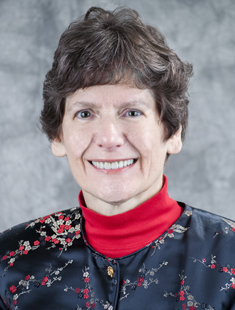 Marcia Ory合作论文数Health Science Center, Texas A&M5Dolores Gallagher-thompson合作论文数Stanford Univ. School of Medicine4Nancy Whitelaw合作论文数3
 Abby C. King合作论文数Department of Epidemiology and Population Health, School of Medicine, Stanford University3Paula M. Duncan合作论文数3
 Halsted Holman合作论文数Medicine Department, Stanford University3Frank Villa合作论文数3Ruth T. Gross合作论文数3J. Merrill Carlsmith合作论文数3
 Stanford Shoor合作论文数2albert h hastorf合作论文数2Ralph Turner合作论文数2
 Siobhan M Case合作论文数Brigham and Women’s Hospital2B Bruce合作论文数2
 David Sobel合作论文数2
 Antonia Valenzuela合作论文数Division of Immunology and Rheumatology , Palo Alto, CA , USA.2
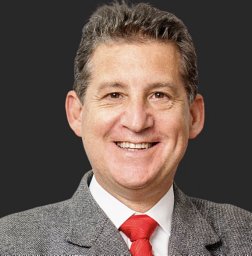 Jose F Parodi合作论文数2
 Albert Bandura合作论文数Department of Psychology, School of Humanities and Sciences, Stanford University2
 Darrell Wilson合作论文数School of Medicine, Stanford University;Stanford Diabetes Research Center, Stanford University2Jay Greenberg合作论文数2
 Luohua Jiang合作论文数Department of Epidemiology, School of Medicine, University of California2
 Matthew Lee Smith合作论文数College of Public Health, The University of Georgia2Valarie Blue Bird Jernigan合作论文数2Larry W. Thompson合作论文数Department of Medicine, Stanford University;Pacific Graduate School of Psychology, Stanford University2Laural Traylor合作论文数2S Shoor合作论文数1R. Mont-Reynaud合作论文数1RT GROSS合作论文数1H LEIDERMAN合作论文数1Stephanie FallCreek合作论文数1Pamela Werner合作论文数1Theodore J. Hahn合作论文数1Virginia M. González合作论文数1Eswar Krishnan合作论文数1Jf Fries合作论文数1Zhenghao Chen合作论文数Calico Life Sciences LLC1
 Suchi Saria合作论文数Department of Computer Science, Whiting School of Engineering, Johns Hopkins University;Bayesian Health;Coalition for Health AI1Steinman Lesley E合作论文数Health Promotion Research Center, University of Washington School of Medicine1McLellan Barbara合作论文数1Gillis Dawn合作论文数1Lee Jonathan合作论文数1




