We present anew method for estimating biophysical parameters from Earth Observation (EO) data using crop-specific empirical model based on the PROSAIL Radiative Transfer (RT) model, called an 'archetype' model. The first-order model presented uses maximum biophysical parameter magnitude, phenological and soil parameters to describe the spectral reflectance (400-2500 nm) of vegetation over time. The approach assumes smooth variation and archetypical coordination of crop biophysical parameters over time for a given crop. The form of coordination is learned from a large sample of observations. Using Sentinel-2 observations of maize from Northeast China in 2019, we map reflectance to biophysical parameters using an inverse model operator, synchronise the parameters to a consistent time frame using a double logistic model of LAI, then derive the model archetypes as the median value of the synchronised samples. We apply the model to estimate time series of biophysical parameters for different cereal crops using an ensemble framework with a weighted K-nearest neighbour solution, and validate the results with ground measurements of different crops collected near Munich, Germany in 2017 and 2018. The results show R values greater than 0.8 for leaf area index (LAI) and leaf brown pigment content (Cbrown), with an RMSE of 0.94 m2/m2 for LAI and 0.15 for Cbrown. The chlorophyll content (Cab) and canopy water content (CCw) were retrieved at a higher level of accuracy, with R values around 0.9 and an RMSE of 6.59 mu g/cm2 for Cab and 0.03 g/cm2 for CCw. Comparison of forward modelled hyperspectral reflectance with independent ground measures shows that the retrieved parameters account for 90% of the variation in canopy reflectance, with an overall RMSE of around 0.05 in reflectance units. The retrievals for all terms are mostly within 1 sigma when measurement and prediction uncertainty are taken into account, except for some early and late season issues in leaf and canopy water due to the complexity canopy structure and understory during these periods. The approach provides anew form of constraint for simultaneous estimation of biophysical parameters from EO and greatly reduces the rank of the problem. is suitable for monitoring crop conditions where biophysical parameters vary smoothly over time consistently with each archetype form. The approach can be refined for other canopy types and canopy representations and could provide strong constraints on expected smoothly-varying canopy features to aid in the interpretation EO signals across different regions of the electromagnetic spectrum.
Introduction: Erythroblastic island (EBI) macrophages play an essential role in the production and maturation of the vast numbers of red blood cells (RBCs) that are produced throughout life. Their location within the bone marrow makes it difficult to study the cellular and molecular interactions associated with their action so we have used an in vitro model of the EBI niche using macrophages derived from human induced pluripotent stem cells (hiPSCs). We previously demonstrated that the activation of the transcription factor KLF1 enhanced the activity of hiPSC-derived EBI macrophages.Methods: To elucidate the mechanisms associated with EBI-like activity we carried out a quantitative proteomic analysis and assessed the role of extracellular vesicles using Nanosight Tracking analyses and media filtration.Results and Discussion: Gene ontology analysis showed that many of the proteins upregulated by KLF1 were protein-binding factors, some of which were associated with the cell membrane or extracellular vesicles We demonstrated that filtration of macrophage-conditioned media resulted in a reduction in the supportive effects on erythroid cell viability and maturation implying a role for extracellular vesicles but this was not KLF1 dependent. Pathway analyses of the proteomic data revealed that proteins upregulated by KLF1 were associated with the citric acid cycle, pyruvate metabolism and ATP synthesis indicating that KLF1-activated macrophages had a metabolic profile comparable to a pro-reparative phenotype. This study has generated a proteomic dataset that could provide new insights into the role of macrophages within the EBI niche and has indicated a potential role for extracellular vesicles in the differentiation and maturation of RBCs in vitro. Further research will aid in the production of RBCs in vitro for use in disease modelling and cell therapy.
Download This Paper Open PDF in Browser Add Paper to My Library Share: Permalink Using these links will ensure access to this page indefinitely Copy URL Copy DOI
Retromer controls cellular homeostasis through regulating integral membrane protein sorting and transport and by controlling maturation of the endo-lysosomal network. Retromer dysfunction, which is linked to neurodegenerative disorders including Parkinson’s and Alzheimer’s diseases, manifests in complex cellular phenotypes, though the precise nature of this dysfunction, and its relation to neurodegeneration, remain unclear. Here, we perform an integrated multi-omics approach to provide precise insight into the impact of Retromer dysfunction on endo-lysosomal health and homeostasis within a human neuroglioma cell model. We quantify widespread changes to the lysosomal proteome, indicative of broad lysosomal dysfunction and inefficient autophagic lysosome reformation, coupled with a reconfigured cell surface proteome and secretome reflective of increased lysosomal exocytosis. Through this global proteomic approach and parallel transcriptomic analysis, we provide a holistic view of Retromer function in regulating lysosomal homeostasis and emphasise its role in neuroprotection.
The Leaf Area Index (LAI) is vital for predicting winter wheat yield. Acquisition of crop conditions via Sentinel-2 remote sensing images can be hindered by persistent clouds, affecting yield predictions. Synthetic Aperture Radar (SAR) provides all-weather imagery, and the ratio between its cross- and co-polarized channels (C-band) shows a high correlation with time series LAI over winter wheat regions. This study evaluates the use of time series Sentinel-1 VH/VV for LAI imputation, aiming to increase spatial-temporal density. We utilize a bidirectional LSTM (BiLSTM) network to impute time series LAI and use half mean squared error for each time step as the loss function. We trained models on data from southern Germany and the North China Plain using only LAI data generated by Sentinel-1 VH/VV and Sentinel-2. Experimental results show BiLSTM outperforms traditional regression methods, capturing nonlinear dynamics between multiple time series. It proves robust in various growing conditions and is effective even with limited Sentinel-2 images. BiLSTM's performance surpasses that of LSTM, particularly over the senescence period. Therefore, BiLSTM can be used to impute LAI with time-series Sentinel-1 VH/VV and Sentinel-2 data, and this method could be applied to other time-series imputation issues.
Mitigating the impact of atmospheric effects on optical remote sensing data is critical for monitoring intrinsic land processes and developing Analysis Ready Data (ARD). This work develops an approach to this for the NERC NCEO medium resolution ARD Landsat 8 (L8) and Sentinel 2 (S2) products, called Sensor Invariant Atmospheric Correction (SIAC). The contribution of the work is to phrase and solve that problem within a probabilistic (Bayesian) framework for medium resolution multispectral sensors S2/MSI and L8/OLI and to provide per-pixel uncertainty estimates traceable from assumed top-of-atmosphere (TOA) measurement uncertainty, making progress towards an important aspect of CEOS ARD target requirements. A set of observational and a priori constraints are developed in SIAC to constrain an estimate of coarse resolution (500 m) aerosol optical thickness (AOT) and total column water vapour (TCWV), along with associated uncertainty. This is then used to estimate the medium resolution (10–60 m) surface reflectance and uncertainty, given an assumed uncertainty of 5 % in TOA reflectance. The coarse resolution a priori constraints used are the MODIS MCD43 BRDF/Albedo product, giving a constraint on 500 m surface reflectance, and the Copernicus Atmosphere Monitoring Service (CAMS) operational forecasts of AOT and TCWV, providing estimates of atmospheric state at core 40 km spatial resolution, with an associated 500 m resolution spatial correlation model. The mapping in spatial scale between medium resolution observations and the coarser resolution constraints is achieved using a calibrated effective point spread function for MCD43. Efficient approximations (emulators) to the outputs of the 6S atmospheric radiative transfer code are used to estimate the state parameters in the atmospheric correction stage. SIAC is demonstrated for a set of global S2 and L8 images covering AERONET and RadCalNet sites. AOT retrievals show a very high correlation to AERONET estimates (correlation coefficient around 0.86, RMSE of 0.07 for both sensors), although with a small bias in AOT. TCWV is accurately retrieved from both sensors (correlation coefficient over 0.96, RMSE <0.32 g cm−2). Comparisons with in situ surface reflectance measurements from the RadCalNet network show that SIAC provides accurate estimates of surface reflectance across the entire spectrum, with RMSE mismatches with the reference data between 0.01 and 0.02 in units of reflectance for both S2 and L8. For near-simultaneous S2 and L8 acquisitions, there is a very tight relationship (correlation coefficient over 0.95 for all common bands) between surface reflectance from both sensors, with negligible biases. Uncertainty estimates are assessed through discrepancy analysis and are found to provide viable estimates for AOT and TCWV. For surface reflectance, they give conservative estimates of uncertainty, suggesting that a lower estimate of TOA reflectance uncertainty might be appropriate.
The enormous increase in the volume of Earth Observations (EOs) has provided the scientific community with unprecedented temporal, spatial, and spectral information. However, this increase in the volume of EOs has not yet resulted in proportional progress with our ability to forecast agricultural systems. This study examines the applicability of EOs obtained from Sentinel-2 and Landsat-8 for constraining the APSIM-Maize model parameters. We leveraged leaf area index (LAI) retrieved from Sentinel-2 and Landsat-8 NDVI (Normalized Difference Vegetation Index) to constrain a series of APSIM-Maize model parameters in three different Bayesian multi-criteria optimization frameworks across 13 different calibration sites in the U.S. Midwest. The novelty of the current study lies in its approach in providing a mathematical framework to directly integrate EOs into process-based models for improved parameter estimation and system representation. Thus, a time variant sensitivity analysis was performed to identify the most influential parameters driving the LAI (Leaf Area Index) estimates in APSIM-Maize model. Then surrogate models were developed using random samples taken from the parameter space using Latin hypercube sampling to emulate APSIM’s behavior in simulating NDVI and LAI at all sites. Site-level, global and hierarchical Bayesian optimization models were then developed using the site-level emulators to simultaneously constrain all parameters and estimate the site to site variability in crop parameters. For within sample predictions, site-level optimization showed the largest predictive uncertainty around LAI and crop yield, whereas the global optimization showed the most constraint predictions for these variables. The lowest RMSE within sample yield prediction was found for hierarchical optimization scheme (1423 Kg ha−1) while the largest RMSE was found for site-level (1494 Kg ha−1). In out-of-sample predictions for within the spatio-temporal extent of the training sites, global optimization showed lower RMSE (1627 Kg ha−1) compared to the hierarchical approach (1822 Kg ha−1) across 90 independent sites in the U.S. Midwest. On comparison between these two optimization schemes across another 242 independent sites outside the spatio-temporal extent of the training sites, global optimization also showed substantially lower RMSE (1554 Kg ha−1) as compared to the hierarchical approach (2532 Kg ha−1). Overall, EOs demonstrated their real use case for constraining process-based crop models and showed comparable results to model calibration exercises using only field measurements.
Neutrophils are vital in defence against pathogens but excessive neutrophil activity can lead to tissue damage and promote acute respiratory distress syndrome (ARDS). COVID-19 is associated with systemic expansion of immature neutrophils but the functional consequences of this shift to immaturity are not understood. We used flow cytometry to investigate activity and phenotypic diversity of circulating neutrophils in COVID-19. First, we demonstrate hyperactivation of immature CD10- subpopulations in severe disease, with elevated degranulation of secondary granule markers. Partially activated immature neutrophils are detectable three months post symptom onset, indication long term myeloid dysregulation in convalescent COVID-19 patients. Second, we demonstrate that neutrophils from moderately ill patients downregulate the chemokine receptor CXCR2, while neutrophils from severely ill individuals failed to do so, suggesting altered ability for organ trafficking. CD10- and CXCR2hi neutrophil subpopulations were enriched in severe disease and may represent biomarkers for early identification of individuals at high risk of progressing to severe COVID-19.
Severe COVID-19 is associated with alterations to the neutrophil compartment with circulating hyperactive immature neutrophils and a maintenance of CXCR2 expression. Neutrophils are vital in defence against pathogens, but excessive neutrophil activity can lead to tissue damage and promote acute respiratory distress syndrome. COVID-19 is associated with systemic expansion of immature neutrophils, but the functional consequences of this shift to immaturity are not understood. We used flow cytometry to investigate activity and phenotypic diversity of circulating neutrophils in acute and convalescent COVID-19 patients. First, we demonstrate hyperactivation of immature CD10 − subpopulations in severe disease, with elevated markers of secondary granule release. Partially activated immature neutrophils were detectable 12 wk post-hospitalisation, indicating long term myeloid dysregulation in convalescent COVID-19 patients. Second, we demonstrate that neutrophils from moderately ill patients down-regulate the chemokine receptor CXCR2, whereas neutrophils from severely ill individuals fail to do so, suggesting an altered ability for organ trafficking and a potential mechanism for induction of disease tolerance. CD10 − and CXCR2 hi neutrophil subpopulations were enriched in severe disease and may represent prognostic biomarkers for the identification of individuals at high risk of progressing to severe COVID-19.
Smallholder agriculture is the bedrock of the food production system in sub-Saharan Africa. Yields in Africa are significantly below potentially attainable yields for a number of reasons, and they are particularly vulnerable to climate change impacts. Monitoring of these highly heterogeneous landscapes is needed to respond to farmer needs, develop an appropriate policy and ensure food security, and Earth observation (EO) must be part of these efforts, but there is a lack of ground data for developing and testing EO methods in western Africa, and in this paper, we present data on (i) crop locations, (ii) biophysical parameters and (iii) crop yield, and biomass was collected in 2020 and 2021 in Ghana and is reported in this paper. In 2020, crop type was surveyed in more than 1800 fields in three different agroecological zones across Ghana (the Guinea Savannah, Transition and Deciduous zones). In 2021, a smaller number of fields were surveyed in the Guinea Savannah zone, and additionally, repeated measurements of leaf area index (LAI) and leaf chlorophyll concentration were made on a set of 56 maize fields. Yield and biomass were also sampled at harvesting. LAI in the sampled fields ranged from 0.1 to 5.24 m2 m−2, whereas leaf chlorophyll concentration varied between 6.1 and 60.3 µg cm−2. Yield varied between 190 and 4580 kg ha−1, with an important within-field variability (average per-field standard deviation 381 kg ha−1). The data are used in this paper to (i) evaluate the Digital Earth Africa 2019 cropland masks, where 61 % of sampled 2020/21 cropland is flagged as cropland by the data set, (ii) develop and test an LAI retrieval method from Earth observation Planet surface reflectance data (validation correlation coefficient R=0.49, root mean square error (RMSE) 0.44 m2 m−2), (iii) create a maize classification data set for Ghana for 2021 (overall accuracy within the region tested: 0.84), and (iv) explore the relationship between maximum LAI and crop yield using a linear model (correlation coefficient R=0.66 and R=0.53 for in situ and Planet-derived LAI, respectively). The data set, made available here within the context of the Group on Earth Observations Global Agricultural Monitoring (GEOGLAM) initiative, is an important contribution to understanding crop evolution and distribution in smallholder farming systems and will be useful for researchers developing/validating methods to monitor these systems using Earth observation data. The data described in this paper are available from https://doi.org/10.5281/zenodo.6632083 (Gomez-Dans et al., 2022).
Developing robust methodology for the sustainable production of red blood cells in vitro is essential for providing an alternative source of clinical-quality blood, particularly for individuals with rare blood group phenotypes. Immortalized erythroid progenitor cell lines are the most promising emergent technology for achieving this goal. We previously created the erythroid cell line BEL-A from bone marrow CD34+ cells that had improved differentiation and enucleation potential compared to other lines reported. In this study we show that our immortalization approach is reproducible for erythroid cells differentiated from bone marrow and also from far more accessible peripheral and cord blood CD34+ cells, consistently generating lines with similar improved erythroid performance. Extensive characterization of the lines shows them to accurately recapitulate their primary cell equivalents and provides a molecular signature for immortalization. In addition, we show that only cells at a specific stage of erythropoiesis, predominantly proerythroblasts, are amenable to immortalization. Our methodology provides a step forward in the drive for a sustainable supply of red cells for clinical use and for the generation of model cellular systems for the study of erythropoiesis in health and disease, with the added benefit of an indefinite expansion window for manipulation of molecular targets.
BackgroundChAdOx1 nCoV-19 is a recombinant adenovirus vaccine against SARS-CoV-2 that has passed phase III clinical trials and is now in use across the globe. Although replication-defective in normal cells, 28 kbp of adenovirus genes is delivered to the cell nucleus alongside the SARS-CoV-2 S glycoprotein gene.MethodsWe used direct RNA sequencing to analyse transcript expression from the ChAdOx1 nCoV-19 genome in human MRC-5 and A549 cell lines that are non-permissive for vector replication alongside the replication permissive cell line, HEK293. In addition, we used quantitative proteomics to study over time the proteome and phosphoproteome of A549 and MRC5 cells infected with the ChAdOx1 nCoV-19 vaccine.ResultsThe expected SARS-CoV-2 S coding transcript dominated in all cell lines. We also detected rare S transcripts with aberrant splice patterns or polyadenylation site usage. Adenovirus vector transcripts were almost absent in MRC-5 cells, but in A549 cells, there was a broader repertoire of adenoviral gene expression at very low levels. Proteomically, in addition to S glycoprotein, we detected multiple adenovirus proteins in A549 cells compared to just one in MRC5 cells.ConclusionsOverall, the ChAdOx1 nCoV-19 vaccine's transcriptomic and proteomic repertoire in cell culture is as expected. The combined transcriptomic and proteomics approaches provide a detailed insight into the behaviour of this important class of vaccine using state-of-the-art techniques and illustrate the potential of this technique to inform future viral vaccine vector design.
Above-ground biomass (AGB) is an essential descriptor of forests, of use in ecological and climate-related research. At tree- and stand-scale, destructive but direct measurements of AGB are replaced with predictions from allometric models characterizing the correlational relationship between AGB, and predictor variables including stem diameter, tree height and wood density. These models are constructed from harvested calibration data, usually via linear regression. Here, we assess systematic error in out-of-sample predictions of AGB introduced during measurement, compilation and modeling of in-sample calibration data. Various conventional bivariate and multivariate models are constructed from open access data of tropical forests. Metadata analysis, fit diagnostics and cross-validation results suggest several model misspecifications: chiefly, unaccounted for inconsistent measurement error in predictor variables between in- and out-of-sample data. Simulations demonstrate conservative inconsistencies can introduce significant bias into tree- and stand-scale AGB predictions. When tree height and wood density are included as predictors, models should be modified to correct for bias. Finally, we explore a fundamental assumption of conventional allometry, that model parameters are independent of tree size. That is, the same model can provide predictions of consistent trueness irrespective of size-class. Most observations in current calibration datasets are from smaller trees, meaning the existence of a size dependency would bias predictions for larger trees. We determine that detecting the absence or presence of a size dependency is currently prevented by model misspecifications and calibration data imbalances. We call for the collection of additional harvest data, specifically under-represented larger trees.
Abstract The RAdiative transfer Model Intercomparison (RAMI) activity focuses on the benchmarking of canopy radiative transfer (RT) models. For the current fourth phase of RAMI, six highly realistic virtual plant environments were constructed on the basis of intensive field data collected from (both deciduous and coniferous) forest stands as well as test sites in Europe and South Africa. Twelve RT modelling groups provided simulations of canopy scale (directional and hemispherically integrated) radiative quantities, as well as a series of binary hemispherical photographs acquired from different locations within the virtual canopies. The simulation results showed much greater variance than those recently analysed for the abstract canopy scenarios of RAMI-IV. Canopy complexity is among the most likely drivers behind operator induced errors that gave rise to the discrepancies. Conformity testing was introduced to separate the simulation results into acceptable and non-acceptable contributions. More specifically, a shared risk approach is used to evaluate the compliance of RT model simulations on the basis of reference data generated with the weighted ensemble averaging technique from ISO-13528. However, using concepts from legal metrology, the uncertainty of this reference solution will be shown to prevent a confident assessment of model performance with respect to the selected tolerance intervals. As an alternative, guarded risk decision rules will be presented to account explicitly for the uncertainty associated with the reference and candidate methods. Both guarded acceptance and guarded rejection approaches are used to make confident statements about the acceptance and/or rejection of RT model simulations with respect to the predefined tolerance intervals. The RAdiative transfer Model Intercomparison (RAMI) activity focuses on the benchmarking of canopy radiative transfer (RT) models. For the current fourth phase of RAMI, six highly realistic virtual plant environments were constructed on the basis of intensive fi eld data collected from (both deciduous and coniferous) forest stands as well as test sites in Europe and South Africa. Twelve RT modelling groups provided simulations of canopy scale (directionaland hemisphericallyintegrated)radiativequantities,aswellasa seriesofbinary hemisphericalpho- tographs acquired from different locations within the virtual canopies. The simulation results showed much greater variance than those recently analysed for the abstract canopy scenarios of RAMI-IV. Canopy complexity is among the most likely drivers behind operator induced errors that gave rise to the discrepancies. Conformity testing was introduced to separate the simulation results into acceptable and non-acceptable contributions. More speci fi cally, a shared risk approach is used to evaluate the compliance of RT model simulations on the basis of reference data generated with the weighted ensemble averaging technique from ISO-13528. However, using concepts from legal metrology, the uncertainty of this reference solution will be shown to prevent a con fi dent assessment of model performance with respect to the selectedtoleranceintervals. As analternative, guard- edriskdecisionruleswillbepresentedtoaccountexplicitlyfortheuncertaintyassociatedwiththereferenceand candidate methods. Both guarded acceptance and guarded rejection approaches are used to make con fi dent statements about the acceptance and/or rejection of RT model simulations with respect to the prede fi ned tolerance intervals. © 2015 The Authors. Published by Elsevier Inc. This is an open access article under the CC BY-NC-ND license
Background SARS-CoV-2 is a recently emerged respiratory pathogen that has significantly impacted global human health. We wanted to rapidly characterise the transcriptomic, proteomic and phosphoproteomic landscape of this novel coronavirus to provide a fundamental description of the virus's genomic and proteomic potential. Methods We used direct RNA sequencing to determine the transcriptome of SARS-CoV-2 grown in Vero E6 cells which is widely used to propagate the novel coronavirus. The viral transcriptome was analysed using a recently developed ORF-centric pipeline. Allied to this, we used tandem mass spectrometry to investigate the proteome and phosphoproteome of the same virally infected cells. Results Our integrated analysis revealed that the viral transcripts (i.e. subgenomic mRNAs) generally fitted the expected transcription model for coronaviruses. Importantly, a 24 nt in-frame deletion was detected in over half of the subgenomic mRNAs encoding the spike (S) glycoprotein and was predicted to remove a proposed furin cleavage site from the S glycoprotein. Tandem mass spectrometry identified over 500 viral peptides and 44 phosphopeptides in virus-infected cells, covering almost all proteins predicted to be encoded by the SARS-CoV-2 genome, including peptides unique to the deleted variant of the S glycoprotein. Conclusions Detection of an apparently viable deletion in the furin cleavage site of the S glycoprotein, a leading vaccine target, shows that this and other regions of SARS-CoV-2 proteins may readily mutate. The furin site directs cleavage of the S glycoprotein into functional subunits during virus entry or exit and likely contributes strongly to the pathogenesis and zoonosis of this virus. Our data emphasises that the viral genome sequence should be carefully monitored during the growth of viral stocks for research, animal challenge models and, potentially, in clinical samples. Such variations may result in different levels of virulence, morbidity and mortality.
1 Mitigating the impact of atmospheric effects on optical data is 2 a critical for monitoringland processes. Consistent approaches to 3 different sensors, which also quantify uncertainty, are required to 4 combine surface reflectance observations from heterogeneous 5 sensors. This paper provides a sensor agnostic approach to 6 atmospheric correction, called SIAC. It exploits operational global 7 datasets on (i) coarse resolution spectral surface bi-directional 8 reflectance distribution function (BRDF) and (ii) coarse resolution 9 atmospheric composition. The method infers aerosol optical 10 thickness (AOT) and total columnar water vapour (TCWV) from 11 top of atmosphere (TOA) reflectance observations, using a 12 Bayesian framework that exploits the MODIS MCD43 BRDF 13 descriptor product and the Copernicus Atmosphere Monitoring 14 Service (CAMS) operational forecasts of AOT and TCWV to 15 provide an a priori estimate. Spatial smoothness constraints are 16 assumed for AOT and TCWV, and efficient statistical 17 approximations (so-called emulators) to atmospheric radiative 18 transfer (RT) codes are used to efficiently invert the parameters. 19 BRDF descriptors are used to provide an estimation of surface 20 directional reflectance (SDR) at a coarse resolution, and linear 21 spectral mappings to convert to the target sensor spectral 22 configuration. The method is demonstrated on Sentinel 2 and 23 Landsat 8 data. AOT retrieval for both S2 and L8 shows a very 24 high correlation to AERONET estimates (r2 > 0.9, RMSE < 0.025 25 for both sensors), although with a small underestimate of AOT. 26 TCWV is accurately retrieved from both sensors 27 (r2 > 0.95, RMSE < 0.02). Comparisons with in situ surface 28
To estimate regional-scale winter wheat (Triticum aestivum) yield, we developed a data-assimilation scheme that assimilates remotely sensed reflectance into a coupled crop growth-radiative transfer model. We generated a time series of 8-day, 30-m-resolution synthetic Kalman Smoothed reflectance by combining MODIS surface reflectance products with Landsat surface reflectance using a KS algorithm. We evaluated the assimilation performance using datasets with different spatial and temporal scales (e.g., three dates for the 30-m Landsat reflectance, 8-day and 1-km MODIS surface reflectance, and 8-day and 30-m synthetic KS reflectance) into the coupled WOFOST-PROSAIL model. Then we constructed a four-dimensional variational data assimilation (4DVar) cost function to account for differences between the observed and simulated reflectance. We used the shuffled complex evolution-University of Arizona (SCE-UA) algorithm to minimize the 4DVar cost function and optimize important input parameters of the coupled model. The optimized parameters were used to drive WOFOST and estimate county-level winter wheat yield in a region of China. By assimilating the synthetic KS reflectance data, we achieved the most accurate yield estimates (R-2 = 0.44, 0.39, and 0.30; RMSE = 598, 1288, and 595 kg/ha for 2009, 2013, and 2014, respectively), followed by Landsat reflectance (R-2 = 0.21, 0.22, and 0.33; RMSE = 915, 1422, and 637 kg/ha for 2009, 2013, and 2014, respectively) and MODIS reflectance (R-2 = 0.49, 0.05, and 0.22; RMSE = 1136, 1468, and 700 kg/ha for 2009, 2013, and 2014, respectively) at the county level. Thus, our method improves the reliability of regional-scale crop yield estimates.
Quantitative information on the error properties of global satellite-derived burned area (BA) products is essential for evaluating the quality of these products, e.g. against modelled BA estimates. We estimate theoretical uncertainties for three widely used global satellite-derived BA products using a multiplicative triple collocation error model. The approach provides spatially unique uncertainties at 1∘ for the Moderate Resolution Imaging Spectroradiometer (MODIS) Collection 6 burned area product (MCD64), the MODIS Collection 5.1 (MCD45) product, and the European Space Agency (ESA) Climate Change Initiative Fire product version 5.0 (FireCCI50) for 2001–2013. The uncertainties on mean global burned area for three products are 3.76±0.15×10⁶ km2 for MCD64, 3.70±0.17×10⁶ km2 for FireCCI50, and 3.31±0.18×10⁶ km2 for MCD45. These correspond to relative uncertainties of 4 %–5.5 % and also indicate previous uncertainty estimates to be underestimated. Relative uncertainties are 8 %–10 % in Africa and Australia, for example, and larger in regions with less annual burned area. The method provides uncertainties that are likely to be more consistent with modelling and data analysis studies due to their spatially explicit properties. These properties are also intended to allow spatially explicit validation of current burned area products.
 Mathias (Mat) Disney合作论文数Department of Geography, University College London86
 Jose Gomez-Dans合作论文数King's College London45
 Jan-Peter Muller合作论文数Department of Space and Climate Physics, Faculty of Mathematical & Physical Sciences, University College London34
 Tristan Quaife合作论文数Department of Meteorology, School of Mathematical, Physical and Computational Sciences, University of Reading24
 Crystal Barker Schaaf合作论文数Department of Environmental, Earth, and Ocean Sciences, School for the Environment, University of Massachusetts Boston21
 Alan H. Strahler合作论文数Department of Earth & Environment, College of Arts & Sciences, Boston University19
 Mike J Barnsley合作论文数18
 David P. Roy合作论文数Department of Geography, Environment, & Spatial Sciences, College of Social Science, Michigan State University14
 Wolfgang Lucht合作论文数Potsdam Institute for Climate Impact Research;Department of Geography, Humboldt University Berlin;Geographical Institute, Humboldt University Berlin12M. Chernetskiy合作论文数10Steven Hancock合作论文数Global Change, School of GeoSciences, The University of Edinburgh10
 Nadine Gobron合作论文数Joint Research Centre, European Commission10
 James Brennan合作论文数Dept Geog, UCL9
 Yuri Knyazikhin合作论文数Department of Earth and Environment, College of Art and Sciences, Boston University9Feng Yin合作论文数8
 Shunlin Liang (梁順林)合作论文数Department of Geography, The University of Hong Kong8
 Jeffrey L. Privette合作论文数NOAA National Climatic Data Center8
 Luis María Guanter Palomar合作论文数Departamento de Fisica Aplicada, Universitat Politecnica de Valencia;Escuela Técnica Superior de Ingeniería de Telecomunicación, Universitat Politecnica de Valencia;Instituto Universitario de Ingeniería del Agua y del Medio Ambiente, Universitat Politecnica de Valencia8
 Ranga Myneni合作论文数Department of Earth and Environment, College of Arts and Sciences, Boston University8
 Martin De Kauwe合作论文数School of Biological Sciences, University of Bristol7
 Kim Calders合作论文数CAVElab – Computational and Applied Vegetation Ecology, Ghent University7
 Paul Hobson合作论文数University of British, Columbia7P Saich合作论文数7
 Feng Gao合作论文数6
 Miina Rautiainen合作论文数Department of Built Environment, Aalto University6
 Martin J. Wooster合作论文数Department of Geography, King’s College London6
 John Armston合作论文数Department of Geographical Sciences, University of Maryland6
 Mathew Williams合作论文数Institute of Atmospheric and Environmental Sciences, School of Geosciences, The University of Edinburgh6
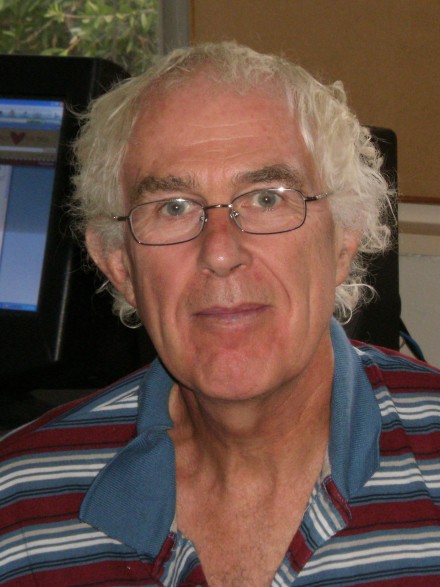 Michael Fielding Barnsley合作论文数Mathematical Sciences Institute, College of Science, The Australian National University6
 Natasha Macbean合作论文数6
 Mitchell A Schull合作论文数6
 Baoxin Hu合作论文数6
 Peter R. J. North合作论文数Department of Geography, Swansea University6
 Bernard Pinty合作论文数Institute for Environment and Sustainability, EC Joint Research Centre5
 Xiaoyang Zhang合作论文数Center for Satellite Applications and Research, Earth Resources Technology Inc.5
 Andrew Burt合作论文数5
 Stephane Jacquemoud合作论文数IRSA / AT5
 Graham Roberts合作论文数Faculty of Medicine, University of Southampton;Saint Mary's Hospital5
 Xiaowen Li (李小文)合作论文数School of Resources and Environment, University of Electronic Science and Technology of China;Aerospace Information Research Institute, Chinese Academy of Sciences5Wolfgang Wanner合作论文数5
 Pasi Raumonen合作论文数Faculty of Information Technology and Communication Sciences, Tampere University5
 Michael Schaepman合作论文数Remote Sensing Laboratories, Department of Geography, University of Zurich5Pauline Teresa Stenberg合作论文数Helsingin Yliopiston5
 Yufang Jin合作论文数Remote Sensing and Ecosystem Change Lab, Department of Land, Air and Water Resources, College Agricultural and Environmental Sciences, University of California, Davis5
 Philippe Peylin合作论文数4
 Niall Origo合作论文数Natl Phys Lab, Earth Observat Climate & Opt Grp, Teddington TW11 0LW, Middx, England4
 Joshua Lizundia-Loiola合作论文数Environmental Remote Sensing Research Group, Universidad de Alcalá4
 Qingling Wu合作论文数University of Oxford4
 Michael Lomas合作论文数Provasoli-Guillard National Center for Marine Algae and Microbiota;Bigelow Laboratory for Ocean Sciences4




