[This corrects the article DOI: 10.3389/fonc.2025.1695468.].
PURPOSE:To evaluate the efficacy and safety of salvage brachytherapy (SBT) as a curative treatment option for patients with locally recurrent prostate cancer after prior radiation therapy. MATERIALS AND METHODS:Between 2009 and 2023, we analyzed 108 prostate cancer patients with local recurrent after radiotherapy. SBT was performed as a sole treatment using either HDR (high dose rate) brachytherapy with a total dose of 30 Gy in three fractions (78.0 Gy EQD2 α/β=3 Gy) or PDR (pulse dose rate) brachytherapy with a total dose of 60 Gy in two sessions (71.5 Gy EQD2 α/β=3 Gy), with a three-week interval between sessions in both regimens. RESULTS:Median follow-up was 41 months (range 6-173). Median interval between initial radiation and salvage brachytherapy was 66 months (range 18-214). The 5-year cumulative incidence of local recurrence was 17.0%. Local relapse was observed in 15 patients (13.8%). The 2- and 5-year biochemical disease-free survival according to the Phoenix definition were 83.6% and 59.9%. The 2- and 5-year progression-free survival were 77.0% and 53.2%; overall survival rates were 96.9% and 87.4%, respectively. Grade ≥ 3 urinary toxicity was uncommon, with 2/93 (2.1%) patients requiring transurethral resection and 6/93 (6.5%) long-term catheterization. Most patients had grade 0-1 incontinence; grade 2 and grade ≥ 3 occurred in 13/79 (16.5%) and 7/79 (8.8%) at 24 months. Proctitis was rare; no grade ≥ 3. CONCLUSIONS:Salvage brachytherapy offers an effective and well-tolerated curative option for patients with locally recurrent prostate cancer after prior radiation therapy.
OBJECTIVE:To report clinical outcomes and toxicity of interstitial brachytherapy (IBT), with or without external beam radiotherapy, in a predominantly frail, multimorbid cohort of patients with locally advanced vulvar cancer, analyzed according to treatment intent and clinical setting. METHODS:We analyzed 47 patients with vulvar malignancies treated between 1998 and 2024 with pulse dose rate-IBT, either postoperatively or with definitive intent. Fifteen patients received pulse dose rate-IBT alone (median total dose of 57.2 Gy, range, 44.7-67.2), while 32 patients underwent combined external beam radiotherapy followed by an IBT boost (median total dose of 61.4 Gy; range, 50.7-68.1). Median age was 67 years (range, 38-90). Survival outcomes were estimated using Kaplan-Meier methods. RESULTS:Median follow-up was 2.2 years (range, 4-210). Two- and five-year overall survival rates were 58.2% and 45.7%, and disease-free survival rates were 62.5% and 53.1%, respectively. Concurrent chemotherapy was administered to 22/47 (47%) patients and was not completed in 7/22 (32%). In a predefined subgroup treated with curative intent for primary vulvar cancer, five-year overall survival, disease-free survival, and cumulative local recurrence rate were 61.7%, 66.7%, and 29.3%, respectively. Severe toxicity (≥grade 3), including ulceration, occurred in 14.2% of patients. CONCLUSION:In this real-world cohort, interstitial brachytherapy was feasible with a low rate of severe toxicity. Despite a frail, multimorbid patient population, acceptable local control was achieved. With appropriate patient selection, IBT may represent a viable option to improve local control while limiting mucosal toxicity.
Low dose radiation therapy (LDRT) is commonly applied for its pain and symptom-relieving effects in the treatment of different benign diseases, such as chronic degenerative and inflammatory, or hyperproliferative disorders. Most clinical trials report a beneficial therapeutic effect of LDRT and further, robust preclinical evidence on the biological modes of action of LDRT is existent. In chronic degenerative and inflammatory diseases such as osteoarthritis, LDRT can ameliorate inflammatory processes and impacts positively on the bone metabolism. A key mechanism is the modulation of the endothelium and the phenotype of macrophages. In the bone, the deposition of new bone matrix is supported, while bone degradation is diminished. In hyperproliferative disorders, the main mode of action is the inhibition of the differentiation and proliferation of fibroblasts and myofibroblasts, along with a modulation of inflammatory mediators, such as cytokines. Even though comprehensive preclinical evidence supports the use of LDRT, biological mechanistic insights from randomized clinical trials is mostly missing for LDRT and indicates a significant translational gap. Apart from preclinical data, the evidence for LDRT is based largely on observational clinical trials, with only limited randomized and placebo-controlled trials available. In the future, rigorously designed randomized disease-specific studies with standardized protocols, translational research programs and objectifiable clinical and biological endpoints are needed to establish LDRT as precise and evidence-based therapy.
Background: Manual delineation of target volumes in head and neck cancer (HNC) remains a significant bottleneck in radiotherapy planning, characterized by high inter-observer variability and time consumption. This study evaluates the integration of a Volume-Aware (VA) Dice loss function into a self-configuring deep learning framework to enhance the auto-segmentation of primary tumors (PT) and metastatic lymph nodes (LN) for adaptive MR-guided radiotherapy. We investigate how volume-sensitive weighting affects the detection of small, anatomically complex nodal metastases compared to conventional loss functions. Methods: Utilizing the HNTS-MRG 2024 dataset, we implemented an nnU-Net ResEnc M architecture. We conducted a multi-label segmentation task, comparing a standard Dice loss baseline against two Volume-Aware configurations: a "Dual Mask" setup (VA loss on both PT and LN) and a "Selective LN Mask" setup (VA loss on LN only). Evaluation metrics included volumetric Dice scores, surface-based metrics (SDS, MSD, HD95), and lesion-wise binary detection sensitivity and precision. Results: The Selective LN Mask configuration achieved the highest LN Volumetric Dice Score (0.758 vs. 0.734 baseline) and significantly improved LN Lesion-Wise Detection Sensitivity (84.93
Immunological biomarkers are increasingly relevant for personalized cancer treatment, but peripheral blood-derived biomarkers are not yet used to guide therapy in head and neck squamous cell carcinoma (HNSCC). The prospective non-randomized DIREKHT study (ClinicalTrials.gov: NCT02528955, 2015-08-19) therefore integrated immune monitoring into postoperative radio(chemo)therapy (R(C)T) to explore blood-based biomarkers. In 70 oral cavity and oropharyngeal cancer patients receiving curative R(C)T, the peripheral immune status was assessed before and after therapy and during follow-up by flow cytometry-based immunophenotyping of 45 immune parameters. A machine learning workflow identified predictors of disease-free survival (DFS), using Repeated Elastic Net Technique (RENT) feature selection within repeated stratified K-fold cross-validation and nested cross-validation for tuning and assessment. This approach identified a 29-parameter immune signature from pre- and post-therapeutic profiles, with key contributors including HLA-DR + T cells, HLA-DR+ monocytes, and basophils. The best model achieved a Matthews correlation coefficient of 0.681, with pre- and post-therapeutic parameters contributing equally, highlighting immune dynamics during R(C)T. Adding clinical parameters did not improve performance (MCC = 0.678), but yielded a comparable model integrating immune and clinical variables. Blood-based immune signatures may have prognostic relevance for DFS after R(C)T in HNSCC. Validation in larger cohorts is required to confirm clinical applicability and reduce the signature.
 Florian Putz合作论文数31
 Christoph Bert合作论文数Abteilung Biophysik, Gesellschaft für Schwerionenforschung (GSI),25
 Thomas Weissmann合作论文数23
 Benjamin Frey合作论文数Department of Radiation Oncology, University of Erlangen-Nuremberg22
 Rainer Fietkau合作论文数Department of Radiation Oncology, Universitätsklinikums Erlangen21
 Udo Gaipl合作论文数Department of Radiation Oncology, Universitätsklinikum Erlangen18
 Ahmed Gomaa合作论文数17Daniel Hoefler合作论文数16
 Sabine Semrau合作论文数Department of Radiotherapy, University of Rostock16Andre Karius合作论文数Friedrich Alexander Univ Erlangen Nurnberg, Univ Klinikum Erlangen15Claudia Schweizer合作论文数13Sebastian Lettmaier合作论文数13Haderlein Marlen合作论文数12
 Stefanie Corradini合作论文数11
 Vratislav Strnad合作论文数Department of Radiation Oncology, Universitätsklinikum Erlangen11Juliane Szkitsak合作论文数9
 Hecht Markus合作论文数9Michael Lotter合作论文数9Stephan Kreppner合作论文数8
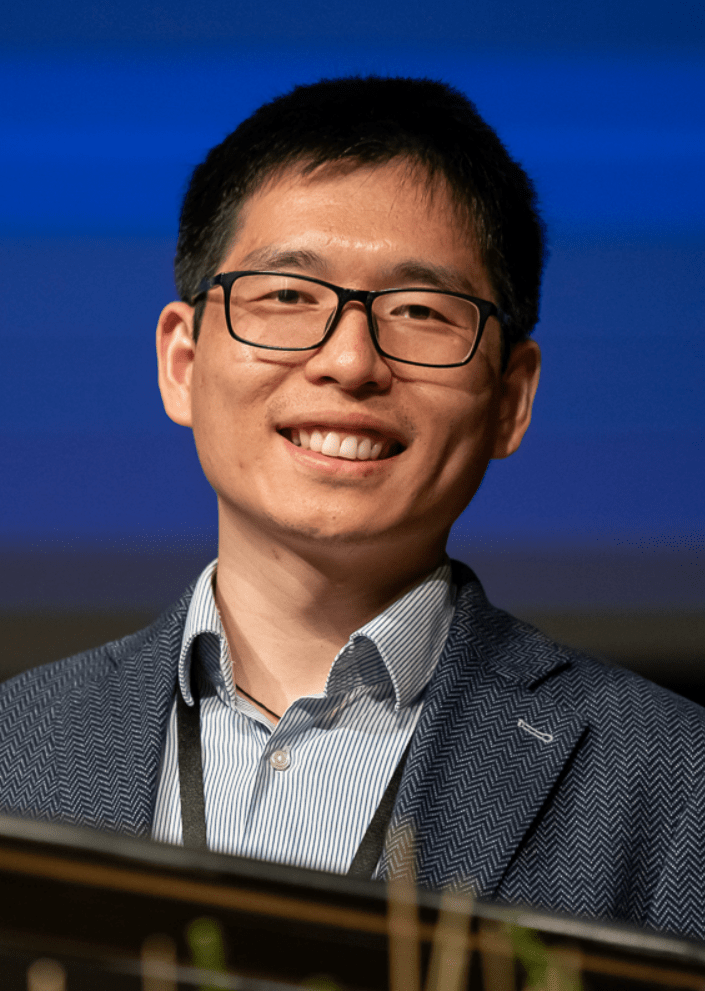 Yixing Huang (黄益星)合作论文数Institute of Medical Technology, Peking University Health Science Center7
 Markus Eckstein合作论文数6Anna-Jasmina Donaubauer合作论文数5Merten Ricarda合作论文数5Michael Uder合作论文数4Sandra Rutzner合作论文数4Annette Schwarz合作论文数4Jianguo Zhou合作论文数4Gostian Antoniu-Oreste合作论文数4Iro Heinrich合作论文数4
 Deloch Lisa合作论文数4Daniel Höfler合作论文数3
 Arnd Dörfler合作论文数Department of Neuroradiology, University Hospital Erlangen, Friedrich-Alexander-Universität Erlangen-Nürnberg3Hautmann Matthias G合作论文数3
 Sarina K Mueller合作论文数3
 Oliver Ott合作论文数3
 Andreas Maier合作论文数Pattern Recognition Lab, Department of Computer Science, University of Erlangen-Nuremberg3Jens von der Gruen合作论文数2Raphaela Voigt合作论文数2Johanna Grigo合作论文数2
 Oliver Schnell合作论文数2Maya Shariff合作论文数2
 Jenny Stritzelberger合作论文数2Sören Schnellhardt合作论文数2
 Claudia Scherl合作论文数Univ Hosp Erlangen, Dept Otorhinolaryngol, Erlangen, Germany2Coras Roland合作论文数2
 Michael Ruckert合作论文数Leibniz Research Laboratories for Biotechnology and Artificial Organs (LEBAO), Department of Cardiothoracic, Transplantation, and Vascular Surgery (HTTG), Hannover Medical School, Carl-Neuberg-Straβe 1, 30625 Hannover, Germany;REBIRTH-Cluster of Excellence, Hannover Medical School;Hannover Medical School, Hannover Medical School2
 Daniel Delev合作论文数University Medical Center, University of Bonn2Speer S合作论文数2Steger Felix合作论文数2




