Purpose: Bilateral damage of fornix bodies has been reported in a few cases of brain tumors and in exceptional cases of ischemia. Methods: a 73-year-old man presented with acute right ataxic hemiparesis and right hypoesthesia. Brain MRI showed an acute ischemia of both fornix bodies and of the left posterior lateral thalamus, along with a septum pellucidum (SP) cyst. MR angiography revealed a 7-mm long stenosis of the initial P2 of the left posterior cerebral artery. Neuropsychological evaluation documented an amnestic syndrome. Fornix bodies and posterolateral thalamus are supplied by the medial and lateral branches of posterior choroidal artery, arising from the initial P2. As our patient presented a single intracranial vascular lesion on MR-angiography, i.e. long stenosis at the initial P2, left thalamic ischemia and ischemic lesions of both fornix bodies were due to the unpaired variation of that artery. Moreover, this fornix ischemia occurred in association with SP cyst, which did not favored the ischemia, but resulted in a unique and unreported pattern, because of the configuration and relationships of the fornix. The amnestic syndrome related to the fornix ischemia in our patient was non-specific. Conclusions: unreported condition of infarct of both the fornix bodies- responsible for acute anterograde amnesia- and of left inferolateral and posterior thalamic territories, related to an atheromatous stenosis of the initial left P2 posterior cerebral artery. The fornix bodies infarct occurred in a patient with a large SP cyst, which gives a particular pattern, non-previously described.
Objectives The objectives are to assess smoking abstinence and its effects on vascular risk and to report tobacco-cessation counselling and pharmacotherapy use in patients who had a recent minor stroke or transient ischaemic attack (TIA).Design and setting The TIA registry.org project is a prospective, observational registry of patients with TIA and minor stroke that occurred in the previous 7 days with a 5-year follow-up, involving 61 sites with stroke specialists in 21 countries (Europe, Asia, Latin America and Middle East). Of those, 42 sites had 5-year follow-up data on more than 50% of their patients and were included in the present study.Participants From June 2009 through December 2011, 3847 patients were eligible for the study (80% of the initial cohort).Outcomes Tobacco counselling and smoking-cessation pharmacotherapy use in smoking patients were reported at discharge. Association between 3-month smoking status and risk of a major cardiovascular event (MACE) was analysed with multivariable Cox regression model.Results Among 3801 patients included, 835 (22%) were smokers. At discharge, only 35.2% have been advised to quit and 12.5% had smoking-cessation pharmacotherapy prescription. At 3 months, 383/835 (46.9%) baseline smokers were continuers. Living alone and alcohol abuse were associated with persistent smoking; high level of education, aphasia and dyslipidaemia with quitting. The adjusted HRs for MACE at 5 years were 1.13 (95% CI 0.90 to 1.43) in former smokers, 1.31 (95% CI 0.93 to 1.84) in quitters and 1.31 (95% CI 0.94 to 1.83) in continuers. Using time-varying analysis, current smoking at the time of MACE non-significantly increased the risk of MACE (HR 1.31 (95% CI 0.97 to 1.78); p=0.080).Conclusion In the TIAregistry.org, smoking-cessation intervention was used in a minority of patients. Surprisingly, in this population in which, at 5 years, other vascular risk factors were well controlled and antithrombotic treatment maintained, smoking cessation non-significantly decreased the risk of MACE.
ImportanceThe coexistence of underlying causes in patients with transient ischemic attack (TIA) or minor ischemic stroke as well as their associated 5-year risks are not well known.ObjectiveTo apply the ASCOD (atherosclerosis, small vessel disease, cardiac pathology, other cause, or dissection) grading system to assess coexistence of underlying causes of TIA and minor ischemic stroke and the 5-year risk for major vascular events.Design, Setting, and ParticipantsThis international registry cohort (TIAregistry.org) study enrolled 4789 patients from June 1, 2009, to December 31, 2011, with 1- to 5-year follow-up at 61 sites in 21 countries. Eligible patients had a TIA or minor stroke (with modified Rankin Scale score of 0 or 1) within the last 7 days. Among these, 3847 patients completed the 5-year follow-up by December 31, 2016. Data were analyzed from October 1, 2022, to June 15, 2023.ExposureFive-year follow-up.Main Outcomes and MeasuresEstimated 5-year risk of the composite outcome of stroke, acute coronary syndrome, or cardiovascular death.ResultsA total of 3847 patients (mean [SD] age, 66.4 [13.2] years; 2295 men [59.7%]) in 42 sites were enrolled and participated in the 5-year follow-up cohort (median percentage of 5-year follow-up per center was 92.3% [IQR, 83.4%-97.8%]). In 998 patients with probable or possible causal atherosclerotic disease, 489 (49.0%) had some form of small vessel disease (SVD), including 110 (11.0%) in whom a lacunar stroke was also probably or possibly causal, and 504 (50.5%) had no SVD; 275 (27.6%) had some cardiac findings, including 225 (22.6%) in whom cardiac pathology was also probably or possibly causal, and 702 (70.3%) had no cardiac findings. Compared with patients with none of the 5 ASCOD categories of disease (n = 484), the 5-year rate of major vascular events was almost 5 times higher (hazard ratio [HR], 4.86 [95% CI, 3.07-7.72]; P < .001) in patients with causal atherosclerosis, 2.5 times higher (HR, 2.57 [95% CI, 1.58-4.20]; P < .001) in patients with causal lacunar stroke or lacunar syndrome, and 4 times higher (HR, 4.01 [95% CI, 2.50-6.44]; P < .001) in patients with causal cardiac pathology.Conclusion and RelevanceThe findings of this cohort study suggest that in patients with TIA and minor ischemic stroke, the coexistence of atherosclerosis, SVD, cardiac pathology, dissection, or other causes is substantial, and the 5-year risk of a major vascular event varies considerably across the 5 categories of underlying diseases. These findings further suggest the need for secondary prevention strategies based on pathophysiology rather than a one-size-fits-all approach.
L’agénésie de l’artère carotide interne est une malformation rare, estimée à moins de 0,01 % de la population. La clinique est souvent peu bruyante en raison d’une collatéralité suffisante par le polygone de Willis. Dans de rares cas la collatéralité est alimentée par une anastomose provenant de la carotide interne controlatérale [1], [2]. Nous rapportons le cas d’un patient de 73 ans qui présentait une hypoplasie congénitale de la main gauche ainsi qu’une agénésie de la carotide interne droite avec une anastomose intracaverneuse provenant de la carotide interne controlatérale, révélée fortuitement lors d’un bilan pour céphalée inhabituelle. Il n’existait pas d’autre malformation vasculaire associée. Nous suspections un syndrome polymalformatif mais la littérature ne recense pas de syndrome dans lequel coexistent ces deux entités. L’embryologie de l’artère carotide interne est très complexe, nous décrirons l’embryologie et les modèles de circulations collatérales existants.
BACKGROUND: Whether a strategy to target an LDL (low-density lipoprotein) cholesterol <70 mg/dL is more effective when LDL is reduced >50% from baseline rather than <50% from baseline has not been investigated. METHODS: The Treat Stroke to Target trial was conducted in France and South Korea in 61 sites between March 2010 and December 2018. Patients with ischemic stroke in the previous 3 months or transient ischemic attack within the previous 15 days and evidence of cerebrovascular or coronary artery atherosclerosis were randomly assigned to a target LDL cholesterol of <70 mg/dL or 100±10 mg/dL, using statin and/or ezetimibe as needed. We used the results of repeated LDL measurements (median, 5 [2–6] per patient) during 3.9 years (interquartile range, 2.1–6.8) of follow-up. The primary outcome was the composite of ischemic stroke, myocardial infarction, new symptoms requiring urgent coronary or carotid revascularization, and vascular death. Cox regression model including lipid-lowering therapy as a time-varying variable, after adjustment for randomization strategy, age, sex, index event (stroke or transient ischemic attack), and time since the index event. RESULTS: Among 2860 patients enrolled, patients in the lower target group who had >50% LDL cholesterol reduction from baseline during the trial had a higher baseline LDL cholesterol and a lower LDL cholesterol achieved as compared to patients who had <50% LDL cholesterol reduction (155±32 and 62 mg/dL versus 121±34 and 74 mg/dL, respectively, P <0.001 for both). In the <70 mg/dL target group, patients with >50% LDL reduction had a significant reduction in the primary outcome as compared to the higher target group (hazard ratio, 0.61 [95% CI, 0.43–0.88]; P =0.007) and patients with <50% LDL reduction from baseline had little reduction (hazard ratio, 0.96 [95% CI, 0.73–1.26]; P =0.75). CONCLUSIONS: In this post hoc analysis of the TST trial, targeting an LDL cholesterol of <70 mg/dL reduced the risk of primary outcome compared with 100±10 mg/dL provided LDL cholesterol reduction from baseline was superior to 50%, thereby suggesting that the magnitude of LDL cholesterol reduction was as important to consider as the target level to achieve. REGISTRATION: URL: https://www.clinicaltrials.gov ; Unique identifier: NCT01252875. URL: https://clinicaltrialsregister.eu ; Unique identifier: EUDRACT2009-A01280-57.
Background The prevalence of atherosclerosis and the long-term risk of major vascular events in people who have had a transient ischaemic attack or minor ischaemic stroke, regardless of the causal relationship between the index event and atherosclerosis, are not well known. In this analysis, we applied the ASCOD (atherosclerosis, small vessel disease, cardiac pathology, other causes, and dissection) grading system to estimate the 5-year risk of major vascular events according to whether there was a causal relationship between atherosclerosis and the index event (ASCOD grade A1 and A2), no causal relationship (A3), and with or without a causal relationship (A1, A2, and A3). We also aimed to estimate the prevalence of different grades of atherosclerosis and identify associated risk factors.Methods We analysed patient data from TIAregistry.org, which is an international, prospective, observational registry of patients with a recent (within the previous 7 days) transient ischaemic attack or minor ischaemic stroke (modified Rankin Scale score of 0-1) from 61 specialised centres in 21 countries in Europe, Asia, the Middle East, and Latin America. Using data from case report forms, we applied the ASCOD grading system to categorise the degree of atherosclerosis in our population (A0: no atherosclerosis; A1 or A2: atherosclerosis with stenosis ipsilateral to the cerebral ischaemic area; A3: atherosclerosis in vascular beds not related to the ischaemic area or ipsilateral plaques without stenosis; and A9: atherosclerosis not assessed). The primary outcome was a composite of non-fatal stroke, non-fatal acute coronary syndrome, or cardiovascular death within 5 years.Findings Between June 1, 2009, and Dec 29, 2011, 4789 patients were enrolled to TIAregistry.org, of whom 3847 people from 42 centres participated in the 5-year follow-up; 3383 (87.9%) patients had a 5-year follow-up visit (median 92.3% [IQR 83.4-97.8] per centre). 1406 (36.5%) of 3847 patients had no atherosclerosis (ASCOD grade A0), 998 (25.9%) had causal atherosclerosis (grade A1 or A2), and 1108 (28.8%) had atherosclerosis that was unlikely to be causal (grade A3); in 335 (8.7%) patients, atherosclerosis was not assessed (grade A9). The 5-year event rate of the primary composite outcome was 7.7% (95% CI 6.3-9.2; 101 events) in patients categorised with grade A0 atherosclerosis, 19.8% (17.4-22.4; 189 events) in those with grade A1 or A2, and 13.8% (11.8-16.0; 144 events) in patients with grade A3. Compared with patients with grade A0 atherosclerosis, patients categorised as grade A1 or A2 had an increased risk of the primary composite outcome (hazard ratio 2.77, 95% CI 2.18-3.53; p<0.0001), as did patients with grade A3 (1.87, 1.45-2.42; p<0.0001). Except for age, male sex, and multiple infarctions on neuroimaging, most of the risk factors that were identified as being associated with grade A1 or A2 atherosclerosis were modifiable risk factors (ie, hypertension, dyslipidaemia, overweight, smoking cigarettes, and low physical activity; all p values <0.025).Interpretation In patients with transient ischaemic attack or minor ischaemic stroke, those with atherosclerosis have a much higher risk of major vascular events within 5 years than do those without atherosclerosis. Preventive strategies addressing complications of atherosclerosis should focus on individuals with atherosclerosis rather than grouping together all people who have had a transient ischaemic attack or minor ischaemic stroke (including those without atherosclerosis).
Symptomatic vertebrobasilar atherosclerotic disease is rarely encountered but represents a high-risk factor for recurrent transient ischemic attack or stroke. Posterior strokes are usually associated with embolism or hemodynamic impairment. Extensive disease involving the V3 and V4 segments of the vertebral artery (VA) remains infrequent, and optimal management is limited owing to the infrequency of this disease. We illustrate the case of a 65-year-old man who presented with recurrent transient episodes of dizziness with acute onset of instability, nausea, and left visual blurring. Magnetic resonance imaging findings of the head were normal, and computed tomography angiography revealed severe atherosclerotic disease of both VAs, with proximal occlusion of the right VA and multiple tight stenoses of the left VA at the V1 and V4 segments. Duplex ultrasound found markedly reduced anterograde flow in the VAs and basilar arteries and nonsignificant stenosis of the internal carotid arteries. Optimal medical treatment led to a decrease of transient symptoms. However, the patient developed a cerebellar infarction in the left posteroinferior cerebellar artery territory with left VA V4 segment occlusion. Surgical revascularization of the right VA was decided by the multidisciplinary team. Through an anterolateral approach of the right VA V3 segment, revascularization was performed using a common carotid artery-to-right VA bypass using a reversed saphenous vein graft. The patient fully recovered and was free of symptoms during the next 14 months of follow-up. In the case of extensive VA occlusive disease, surgical reconstruction of the distal VA using a bypass from the common carotid artery represents an option to improve hemodynamics and/or eliminate an embolic source of posterior stroke on a case-by-case basis.
Background: In atherosclerotic stroke, lipid-lowering treatment with a target LDL (low-density lipoprotein) cholesterol of <70 compared with 100±10 mg/dL reduced the risk of subsequent cardiovascular events. This post hoc analysis explored the relative effects of the combination of statin and ezetimibe (dual therapy) and statin monotherapy in achieving the lower LDL cholesterol target and in reducing the risk of major vascular events, as compared with the higher target group. Methods: Patients with ischemic stroke in the previous 3 months or transient ischemic attack within the previous 15 days and evidence of cerebrovascular or coronary artery atherosclerosis were randomly assigned to a target LDL cholesterol of <70 or 100±10 mg/dL, using statin and/or ezetimibe as needed. The primary outcome was the composite of ischemic stroke, myocardial infarction, new symptoms requiring urgent coronary or carotid revascularization, and vascular death. Cox regression model including lipid-lowering therapy as a time varying variable, after adjustment for randomization strategy, age, sex, index event (stroke or transient ischemic attack), and time since the index event. Results: Among 2860 patients enrolled, patients who were on dual therapy during the trial in the lower target group had a higher baseline LDL cholesterol as compared to patients on statin monotherapy (141±38 versus 131±36, respectively, P <0.001). In patients on dual therapy and on statin monotherapy, the achieved LDL cholesterol was 66.2 and 64.1 mg/dL respectively, and the primary outcome was reduced during dual therapy as compared with the higher target group (HR, 0.60 [95% CI, 0.39–0.91]; P =0.016) but not during statin monotherapy (HR, 0.92 [95% CI, 0.70–1.20]; P =0.52), with no significant increase in intracranial bleeding. Conclusions: In the TST trial (Treat Stroke to Target), targeting an LDL cholesterol of < 70 mg/dL with a combination of statin and ezetimibe compared with 100±10 mg/dL consistently reduced the risk of subsequent stroke. Registration: URL: https://www.clinicaltrials.gov ; Unique identifier: NCT01252875. URL: clinicaltrialsregister.eu ; Unique identifier: EUDRACT2009-A01280-57.
Background Patients who have had a transient ischaemic attack or minor stroke have an increased risk of cardiovascular events for the following 5 years. We aimed to assess 5-year functional outcomes in patients with transient ischaemic attack or minor ischaemic stroke and to determine the factors associated with long-term disability. Methods We analysed data from patients in TIAregistry.org, an international, prospective, observational registry of patients with transient ischaemic attack or minor ischaemic stroke from 61 specialised centres in 21 countries. Patients aged 18 years or older who had a transient ischaemic attack or minor stroke within the previous 7 days between May 30, 2009, and Dec 30, 2011, with a baseline modified Rankin scale (mRS) score of 0-1, and who had been followed up for 5 years, were eligible for inclusion in this study. We evaluated whether existing comorbidities and stroke recurrence, categorised as disabling (mRS score of > 1, including death) or non-disabling (mRS score of 0-1), at 5 years after baseline, were associated with poor functional outcome (defined as an mRS score of > 1). We used multivariable generalised equation models for factors associated with poor functional outcome at 5 years and multivariable cause-specific Cox hazard regression models in case of stroke recurrence. Findings Between May 30, 2009, and Dec 30, 2011, 3847 eligible patients were included in the study, 3105 (80.7%) of whom had an mRS evaluation at 5 years of follow-up. Median follow-up duration was 5.00 years (IQR 4.78-5.00). 710 (22.9%) of 3105 patients had an mRS score greater than 1 at 5 years. Factors associated with poor functional outcome at 5 years were older age (per 10-year increase, odds ratio [OR] 2.18, 95% CI 1.93-2.46; p < 0.0001), diabetes of any type (1.45, 1.18-1.78; p=0.0001), history of stroke or transient ischaemic attack before the qualifying event (1.74, 1.37-2.22; p < 0.0001), hypertension (1.38, 1.00-1.92; p=0.050), atrial fibrillation or flutter (1.52, 1.04-1.94; p=0.030), congestive heart failure (1.73, 1.22-2.46; p=0.0024), valvular disease (2.47, 1.70-3.58; p < 0.0001), stroke as qualifying event (1.31, 1.09-1.57; p=0.0037), history of peripheral artery disease (1.98, 1.28-3.07; p=0.0023), history of coronary artery disease (1.32, 1.00-1.74; p=0.049), intracranial haemorrhage during follow up (4.94, 1.91-12.78; p=0.0013), and living alone (1.32, 1.10-1.59; p=0.0031). Regular physical activity before the index event was associated with reduced risk of poor functional outcome (OR 0.52, 95% CI 0.42-0.66; p < 0.0001). 345 recurrent strokes had occurred at 5 years of follow-up, 141 (40.9%) of which were disabling or fatal. Stroke recurrence increased the risk of having a disability at 5 years (OR 3.52, 95% CI 2.37-5.22; p < 0.0001). Recurrent disabling or fatal strokes were independently associated with older age (per 10-year increase, hazard ratio [HR] 1.61, 95% CI 1.35-1.92; p < 0.0001), diabetes of any type (2.23, 1.56-3.17; p < 0.0001), National Institutes of Health Stroke Scale score of greater than 5 at discharge (5.11, 2.15-12.13; p=0.0013), history of coronary artery disease (1.76, 1.17-2.65; p=0.0063), history of stroke or transient ischaemic attack before the qualifying event (1.54, 1.03-2.29; p=0.035), congestive heart failure (1.86, 1.01-3.47; p=0.044), stroke as qualifying event (1.73, 1.22-2.45; p=0.0024), mRS score of greater than 1 at discharge (2.48, 1.27-4.87; p=0.0083), and intracranial haemorrhage during follow-up (17.15, 9.95-27.43; p < 0.0001). Regular physical activity before the index event was associated with reduced risk of recurrent disabling stroke at 5 years (HR 0.56, 95% CI 0.31-0.99; p=0.046), and 5-year disability without recurrent stroke (0.61, 0.47-0.79; p=0.0001). Interpretation We found a substantial burden of disability (mRS score of > 1) at 5 years after transient ischaemic attack or minor ischemic stroke, and most predictors of this disability were modifiable risk factors. Patients who did regular physical exercise before the index event had a significantly reduced risk of disability at 5 years compared with patients who did no exercise. Copyright (C) 2022 Elsevier Ltd. All rights reserved.
La carotidynie est une entité clinique et radiologique symptomatique rare de cause inconnue. Elle se caractérise par un épaississement périartériel sans anomalie intra-luminale de la bifurcation carotidienne pouvant remonter le long de la carotide interne, provoquant des douleurs cervicales unilatérales pouvant irradier à la face, exacerbées par la palpation et régressant spontanément en moins de 15 jours. Il s'agit d'une patiente de 52 ans ayant consulté aux urgences pour une douleur cervicale gauche focale apparue 7 jours auparavant, dès le réveil, au lendemain d'une séance de gymnastique. Elle a pour seul facteur de risque cardiovasculaire un tabagisme actif, l'examen clinique était normal et n'identifiait pas de masse palpable. Elle décrivait une gêne permanente cervicale gauche, qui devenait douloureuse lors des mouvements cervicaux. L'angio-TDM des troncs supra-aortiques (TSA) retrouvait une image d'addition en regard de la bifurcation carotidienne gauche. L'échographie des TSA visualisait un épaississement hypoéchogène de la paroi carotide gauche au niveau de la terminaison de l'artère carotide commune et du bulbe et une plaque spiculée non sténosante bulbaire. La localisation sous bulbaire de la lésion, atypique pour une dissection nous a fait remettre en cause ce diagnostic et évoquer une carotydinie. L'IRM décrivait un épaississement pariétal sans prise de contraste de la carotide commune et de la partie proximale de la carotide interne gauche, sans sténose artérielle, athérome ni signe de dissection. Le PET TDM réalisé dans le cadre du bilan complémentaire retrouvait un hypermétabolisme modéré de l'aorte dans ses trois portions et des deux carotides primitives, plus marqué à gauche. Le bilan de vascularite était négatif. L'ensemble du tableau clinicoradiologique nous a permis de poser le diagnostic de carotydinie. L'évolution clinique a été favorable en une dizaine de jours. À 1 mois, la paroi artérielle en IRM et échographie était normale. La carotidynie, bien que rare, doit être envisagée devant des douleurs spontanées à la face antérieure du cou. La localisation bulbaire et le signal en échographie et en IRM permettent de poser le diagnostic et d'éliminer une dissection.
BACKGROUND:An increased risk of atherothrombotic vascular events has been reported in periodontitis patients. Periodontitis is associated with dysbiotic subgingival biofilms and bacteremia.OBJECTIVE:We hypothesized (a) that the oral microbiome is associated with the carotid microbiome and (b) that periodontitis could contribute to plaque vulnerability. The aim of this study was to determine the associations between periodontitis, the carotid microbiome, and the local innate immune response in carotid atherothrombotic plaques vulnerable to rupture.METHODS:In this cross-sectional study, 45 patients admitted for carotid endarterectomy underwent a preoperative periodontal examination. The volume of intraplaque hemorrhage reflected by the hemoglobin level released in carotid-conditioned media was considered as a criterion of carotid plaque vulnerability. Levels of antibodies against periodontal bacteria were determined in sera. The signature of the oral microbiota was assessed by microbial whole-genome sequencing, nested PCR, and immunostaining in carotid plaque samples. Markers of neutrophil recruitment (leukotriene B4), neutrophil activation (myeloperoxidase, defensins), and cytokines were measured in carotid-conditioned media and/or plasma.RESULTS:All patients exhibited periodontitis. One hundred and forty-four bacterial genera were detected in the carotid microbiome. While Streptococcus was found in 84% of the carotid samples, periodontitis-associated genera were detected in 21%. P. gingivalis DNA and gingipains were also identified in carotid samples. There were significant inverse correlations between periodontal attachment loss/serum anti-P. gingivalis Immunoglobulin A and cytokine inhibiting neutrophils (all P < .01). There were also significant positive correlations between lipopolysaccharides, myeloperoxidase/human neutrophil peptides1-3, and hemoglobin levels (all P < .01).CONCLUSIONS:In patients at risk of stroke, the carotid plaque microbiome was highly diverse and compatible with an oral origin. Periodontitis was significantly associated with neutrophil activation markers and plaque vulnerability to rupture.
An Emergency Use Authorization was issued in the United States and in Europe for a monoclonal antibody monotherapy to prevent severe COVID-19 in high-risk patients. This study aimed to assess the risk of emergence of mutations following treatment with a single monoclonal antibody. Bamlanivimab was administered at a single dose of 700 mg in a one-hour IV injection in a referral center for the management of COVID-19 in France. Patients were closely monitored clinically and virologically with nasopharyngeal RT-PCR and viral whole genome sequencing. Six patients were treated for a nosocomial SARS-CoV-2 infection, all males, with a median age of 65 years and multiple comorbidities. All patients were infected with a B.1.1.7 variant, which was the most frequent variant in France at the time, and no patients had E484 mutations at baseline. Bamlanivimab was infused in the six patients within 4 days of the COVID-19 diagnosis. Four patients had a favorable outcome, one died of complications unrelated to COVID-19 or bamlanivimab, and one kidney transplant patient treated with belatacept died from severe COVID-19 more than 40 days after bamlanivimab administration. Virologically, four patients cleared nasopharyngeal viral shedding within one month after infusion, while two presented prolonged viral excretion for more than 40 days. The emergence of E484K mutants was observed in five out of six patients, and the last patient presented a Q496R mutation potentially associated with resistance. CONCLUSIONS: These results show a high risk of emergence of resistance mutants in COVID-19 patients treated with monoclonal antibody monotherapy.
Background Patients with isolated cervical carotid artery occlusion not eligible to recanalization therapies but with compromised intracranial hemodynamics may be at risk of further clinical events. Apart from lying flat until spontaneous recanalization or adjustment of the collateral circulation hopefully occurs, no specific treatment is currently implemented. Improving collateral flow is an attractive option in this setting. Lower body positive pressure (LBPP) is known to result in rapid venous blood shift from the lower to the upper body part, in turn improving cardiac preload and output, and is routinely used in acute hemorrhagic shock. We report here cerebral blood flow velocities measured during LBPP in this patient population. Methods This is a retrospective analysis of the clinical, physiological, and transcranial Doppler monitoring data collected during and 15 min after LBPP in 21 consecutive patients (10 females, median age: 54 years) with recently symptomatic isolated carotid occlusion/tight stenosis (unilateral in 18) mostly due to atherosclerosis or dissection. LBPP was applied for 90 min at a median 5 days after symptom onset. Results At baseline, middle-cerebral artery velocities were markedly lower on the symptomatic, as compared to asymptomatic, side. LBPP significantly improved blood flow velocities in both the symptomatic and asymptomatic middle-cerebral artery as well as the basilar artery, which persisted 15 min after discontinuing the procedure. LBPP also resulted in mild but significant increases in mean arterial blood pressure. Conclusions LBPP improved intracranial hemodynamics downstream recently symptomatic carotid occlusion/tight stenosis as well as in the contralateral and posterior circulations, which persisted after LBPP deflation. Randomized trials should determine if this easy-to-use, noninvasive, nonpharmacologic approach has long-lasting benefits on the intracranial circulation and improves functional outcome.
Supplemental Digital Content is available in the text. Background and Purpose: Although statins are effective in secondary prevention of ischemic stroke, they are also associated with an increase risk of intracranial hemorrhage (ICH) in certain conditions. In the TST trial (Treat Stroke to Target), we prespecified an exploration of the predictors of incident ICH. Methods: Patients with ischemic stroke in the previous 3 months or transient ischemic attack within the previous 15 days and evidence of cerebrovascular or coronary artery atherosclerosis were randomly assigned in a 1:1 ratio to a target LDL (low-density lipoprotein) cholesterol of <70 mg/dL or 100±10 mg/dL, using statin or ezetimibe. Results: Among 2860 patients enrolled, 31 incident ICH occurred over a median follow-up of 3 years (18 and 13 in the lower and higher target group, 3.21/1000 patient-years [95% CI, 2.38–4.04] and 2.32/1000 patient-years [95% CI, 1.61–3.03], respectively). While there were no baseline predictors of ICH, uncontrolled hypertension (HR, 2.51 [95% CI, 1.01–6.31], P=0.041) and being on anticoagulant (HR, 2.36 [95% CI, 1.00–5.62], P=0.047)] during the trial were significant predictors. On-treatment low LDL cholesterol was not a predictor of ICH. Conclusions: Targeting an LDL cholesterol of <70 mg/dL compared with 100±10 mg/dL in patients with atherosclerotic ischemic stroke nonsignificantly increased the risk of ICH. Incident ICHs were not associated with low LDL cholesterol. Uncontrolled hypertension and anticoagulant therapy were associated with ICH which has important clinical implications. Registration: URL: https://www.clinicaltrials.gov; Unique identifier: NCT01252875; EUDRACT identifier: 2009-A01280-57.
OBJECTIVES:Non-stenotic plaques are an underestimated cause of ischemic stroke. Imaging aspects of high-risk carotid plaques can be identified on CT angiography (CTA) and 18F-fluoro-deoxyglucose positron emission tomography (FDG-PET) imaging. We evaluated in patients with cryptogenic ischemic stroke the usefulness of FDG-PET-CTA.METHODS:44 patients imaged with CTA and FDG-PET were identified retrospectively. Morphological features were identified on CTA. Intensity of FDG uptake in carotid arteries was quantified on PET.RESULTS:Patients were imaged 7 ± 8 days after stroke. 44 non-stenotic plaques with increased 18F-FDG uptake were identified in the carotid artery ipsilateral to stroke and 7 contralateral. Most-diseased-segment TBR on FDG-PET was higher in artery ipsilateral vs. contralateral to stroke (2.24 ± 0.80 vs. 1.84 ± 0.50; p < .05). In the carotid region with high FDG uptake, prevalence of hypodense plaques and extent of hypodensity on CTA were higher in artery ipsilateral vs. contralateral to stroke (41% vs. 11%; 0.72 ± 1.2 mm2 vs. 0.13 ± 0.43 mm2; p < .05).CONCLUSIONS:In patients with ischemic stroke of unknown origin and non-stenotic plaques, we found an increased prevalence of high-risk plaques features ipsilateral vs. contralateral to stroke on FDG-PET-CTA imaging suggesting a causal role for these plaques.
After an ischemic stroke with evidence of atherosclerosis, lipid lowering treatment with a target LDL cholesterol of less than 70 mg/dL compared to 100±10 mg/dL, reduced the risk of subsequent cardiovascular events. In this analysis, we explored the effect in the diabetic compared to nondiabetic subgroup and newly diagnosed diabetes. Patients with ischemic stroke in the previous 3 months or TIA within the previous 15 days and evidence of cerebrovascular or coronary artery atherosclerosis were randomly assigned in a 1:1 ratio to a target LDL cholesterol of less than 70 mg/dL or 100±10 mg/dL, using statin or ezetimibe. The primary outcome was the composite of ischemic stroke, myocardial infarction, new symptoms requiring urgent coronary or carotid revascularization and vascular death. We did a pre specified analysis to evaluate the effect in diabetic patients. Among 2,860 patients enrolled, 643 were diabetic at baseline with a mean age of 66.2 years and baseline LDL cholesterol of 127 mg/dL and were followed for a median of 3 years. The primary composite endpoint occurred in 27/328 (8.2%) patients in the lower target group and in 44/315 (14.0%) patients in the higher target group (adjusted hazard ratio, 0.56 [95% CI, 0.34 to 0.89]; P=0.016), while hazard ratio was 0.87 (95% CI, 0.66 to 1.14; P=0.31) in nondiabetic patients (Pinteraction=0.15). In diabetics, there were 3 intracranial hemorrhages in both randomization groups (0.9% vs. 1.0%, respectively). Newly diagnosed diabetes occurred in 98/1070 (9.2%) and in 80/1085 (7.4%) patients in the lower and higher target group, respectively (HR=1.27 [95% CI, 0.94 to 1.71], P=0.11) and baseline higher HbAIc was the unique multivariable predictor. In conclusions, after an ischemic stroke with evidence of atherosclerosis, targeting an LDL cholesterol of less than 70 mg/dL compared to 100±10 mg/dL consistently reduced the risk of subsequent stroke and other major vascular events in diabetic and nondiabetic patients, but the higher risk in diabetic patients yielded a higher absolute risk reduction with an NNT of 17 (ClinicalTrials.gov NCT01252875- EUDRACT Identifier number 2009-A01280-57).
BACKGROUND AND PURPOSE:This study was undertaken to validate a clinical score of vascular origin in patients with acute transient visual disturbances (TVDs) without diplopia.METHODS:We conducted a prospective study in an ophthalmology emergency department and a transient ischemic attack (TIA) clinic. Patients underwent clinical evaluation including a tailored questionnaire, brain, vascular, and ophthalmologic investigations, and 3-month follow-up. TVDs were classified according to vascular or nonvascular origin by three independent experts based on all clinical, cerebrovascular, and ophthalmologic investigations, but blind to the questionnaire results. A clinical score was derived based on clinical variables independently associated with a vascular origin, and was externally validated in an independent cohort.RESULTS:An ischemic origin of TVD was found in 45% (67/149) of patients in the derivation cohort. Age and six questions were independently associated with an ischemic origin. A nine-point score (≥70 years old = 2; monocular visual loss = 2; black or white vision = 1; single episode = 1; lack of headache = 2; diffuse, constricted, altitudinal, or lateralized visual loss pattern on drawings = 1) showed good discriminative power in identifying ischemic origin (c-statistic = 0.82) and was replicated in the validation cohort (n = 130, 25% of ischemic origin, c-statistic = 0.75). With a score ≥ 4, sensitivity was 85% (95% confidence interval = 68-95) and specificity was 52% (95% confidence interval = 41-62). In both cohorts, ophthalmologic evaluation found a vascular cause in 4% and was noncontributive in 85%. After 3 months, no patients had a stroke, TIA, or retinal infarct.CONCLUSIONS:Our score may assist in predicting a vascular origin of TVD. Ophthalmologic evaluation, when not readily available, should not delay the neurovascular evaluation.
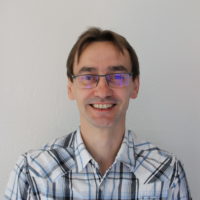 Julien Labreuche合作论文数CHRU de Lille83
 Pierre Amarenco合作论文数74
 Isabelle Klein合作论文数Paris Diderot University59Mikael Mazighi合作论文数47
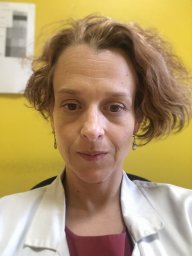 Elena Meseguer合作论文数Hôpital Bichat46Cabrejo Lucie合作论文数46Touboul Pierre-Jean合作论文数35Céline Guidoux合作论文数33
 Gabriel Steg合作论文数Bioquantis;Institut universitaire de France;iVASC Research Consortium;Hôpital Bichat;Laboratory for Vascular Translational Science, INSERM;Université Paris Diderot32
 Jm Olivot合作论文数Dept Neurol & Neurol Sci, Stanford Univ29
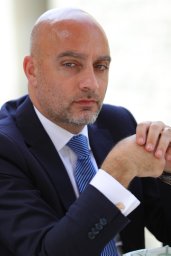 Halim Abboud合作论文数Denis Diderot University, Bichat–Claude Bernard University Hospital24
 Bertrand Lapergue合作论文数Faculty of Medicine and Dentistry, University of Alberta23Eric Vicaut合作论文数19
 Peter Rothwell合作论文数Medical Sciences Division, Nuffield Department of Clinical Neurosciences, University of Oxford18
 Gregory W. Albers合作论文数Department of Neurosurgery, School of Medicine, Stanford University;Stanford Stroke Center, Stanford Medical Center, Stanford University16
 Shinichiro Uchiyama (内山真一郎)合作论文数Clinical Research Center for Medicine, International University of Health and Welfare;Center for Brain and Cerebral Vessels, Sanno Medical Center14E. Meseguer合作论文数13Hugo Charles合作论文数13Jean-Pierre Laissy合作论文数13E. Schouman-Claeys合作论文数13Jean-Michel Serfaty合作论文数AP-HP, Bichat Hospital13
 Fernando Góngora-Rivera合作论文数Chobanian & Avedisian School of Medicine, Boston University;Chobanian & Avedisian School of Medicine, Boston University;Chobanian & Avedisian School of Medicine, Boston University;National Hospital Organization, Osaka National Hospital;St Anne's University Hospital, Masaryk University;2nd Department of Neurology (Anna Czlonkowska, M.A.K.), Institute of Psychiatry and Neurology, Warsaw, Poland;University Hospital Brno, Masaryk University;Department of Neurology (O.Y.M.),, Alexandria University;Department of Neurology (H.R.V., K.U.),, Cleveland Clinic;Bordeaux Population Health Research Center, Centre Hospitalier de l'Université de Bordeaux (E.L.),;"Attikon" University Hospital, National and Kapodistrian University of Athens;Ohio Health Riverside Methodist Hospital (A.I.L.);Neurology Department (J.D., Robin Lemmens),, Leuven University Hospital;University of Tennessee Health Science Center;Cooper Neurological Institute (J.E.S., J.W.),, Cooper University Hospital;Rhode Island Hospital, Brown University;Stroke Center (D.A.S.),, Centro Hospitalar Universitário Lisboa Central-CHULC;Institute of Anatomy (D.A.S.),, Universidade de Lisboa;Grady Memorial Hospital, Emory University School of Medicine;University of Oslo, University of Oslo;Departmento de Neurologia, Institute for Neurological Research-FLENI;Stroke Unit (S.D.S.),, Ramos Mejia Hospital;Melbourne Brain Centre at the Royal Melbourne Hospital, University of Melbourne;Alice Ma, Royal North Shore Hospital;Department of Neurophysiology (J.O.T),, Liverpool Hospital;Department of Neurology (M.W.P.),, Liverpool Hospital;Departments of Neurology (Shaloo Singal) and Radiology (L.-A.S.),, Monash Medical Centre;School of Clinical Sciences at Monash Health, Monash University;Department of Neurology (Rodrigo Tomazini Martins),, Mater Hospital;Department of Neurology (Chris Enzinger),, Medical University of Graz;Department of Neurology and Division of Neuroradiology (T.G.),, Medical University of Graz;Department of Neurology (Aminur Rahman),, Sir Salimullah Medical College;Hopital Erasme (T.B., N.L.),;Universitair Ziekenhuis Brussel, Vrije Universiteit Brussel;Department of Neurology (P.V.),, University Hospitals Antwerp;Department of Translational Neuroscience (P.V.),, University of Antwerp;Hospital das Clínicas (A.B.C., I.L.S.),, São Paulo University;Department of Neurology and Interventional Neuroradiology (R.C.T.H.),, Hospital de Base de São José do Rio Preto;Hospital São Carlos, Nossa Senhora da Conceição Hospital;Moinhos de Vento Hospital (D.L.M.C.),;Hospital de Base do Distrito Federal (L.C.R.), Brasilia, Brazil;St. Anna University Hospital;Department of Neurology (Luciana Catanese),, McMaster University;Department of Diagnostic Radiology (E.A.C.),, Dalhousie University;Hotchkiss Brain Institute, University of Calgary;Royal University Hospital (M.E.K., Lissa Peeling),;Sunnybrook Health Sciences Centre, University of Toronto;Hopital Enfant Jesus (Pascale Lavoie),, Centre Hospitalier de l'Université Laval;Toronto Western Hospital (A.P.),, University of Toronto;Neuroradiology Department (R.R.),, Instituto de Neurocirugía Dr. Asenjo;Department of Neurology (H.-S.C.),, General Hospital of Northern Theater Command;Department of Neurology (Y.C., Foshan Sanshui District People's Hospital;Interventional Neuroradiology (X.H., Z.M.),, Beijing Tiantian Hospital;Department of Neurology, Sestre Milosrdnice University Hospital Center;Department of Neurology (Marina Bralic),, Clinical Hospital Center Rijeka;Department of Neurology, Sveti Duh University Hospital - Zagreb;Faculty of Medicine, J.J. Strossmayer University of Osijek;Department of Neurology (A.B.C.-Q.),, Hospital Departamental Universitario del Quindío San Juan de Dios;Department of Neurology (O.E.L.-S.),, Clínica de la Costa;Department of Neurology (Martin Cabal),, Faculty Hospital Ostrava;Department of Neurology (D.T.),, Blansko Hospital;Oblastní Nemocnice Trutnov a.s.;Faculty of Medicine and University Hospital, Charles University;Neurology (H.H.),, Hospital Příbram;Uherskohradišťská Hospital (E.H.),;Department of Neurology, Thomayer University Hospital Prague;Neurocenter (L.J.),, Regional Hospital Liberec;Neurology (Jana Kadlcikova),, Hospital Vyskov;Igor Karpowicz, Regional Hospital Karlovy Vary;Ostrava (L.K.),;Na Homolce Hospital;Third Faculty of Medicine, Charles University and University Hospital Kralovske Vinohrady;Department of Neurology (J.N.E.S.O.),, Krajská zdravotní, a.s.-Hospital Chomutov;Karvina Mining Hospital (H.P.),;Neurology (Martin Reiser, České Budejovice Hospital;Charles University, General University Hospital in Prague;Department of Neurology (V.R.),, University Hospital Plzen;Department of Neurology (O.S.),, Hospital Jihlava;Masaryk University, University Hospital Brno;Oblastni Nemocnice Kladno (L.S.),;Martin Sramek),, Central Military Hospital in Prague;Nemocnice Třinec, Lenka Zakova;Copenhagen University Hospital;Stroke Center (H.K.I., T.C.T.), Rigshospitalet, University of Copenhagen;Zealand University Hospital, University of Copenhagen;El hussein Alzahar University Hospital;Turku University Hospital, Turku University;Department of Radiology (K.A.),, Turku University Hospital;Helsinki University Hospital, University of Helsinki;Stroke Unit, Bayonne Hospital Neurology;Stroke Unit, Libourne Hospital Neurology (Philippe Casenave),;Centre Hospitalier d'Arcachon-Neurologie (Maria Dan),;Stroke Unit, Agen Hospital Neurology (J.-M.F.),;Neuroradiologie Interventionelle (J.-C.G.),, Brest University Hospital;Brest University Hospital;Department of Neurology (C.S.),, Rothschild Foundation Hospital;Lariboisiere Hospital (Peggy Reiner),;Stroke Unit, Bordeaux University Hospital;University Hospital, Goethe University;Department of Neurology, Albertinen Krankenhaus;Department of Neurology and Stroke (Joshua Mbroh, Eberhard-Karls University;Hertie Institute for Clinical Brain Research (Joshua Mbroh, S.P.),, Eberhard-Karls University;Department of Neurology (Simon Nagel),, Klinikum Ludwigshafen;Department of Neurology, Heidelberg University Hospital;Berlin Institute of Health, Charité-Universitätsmedizin Berlin;Klinik und Poliklinik für Neurologie, Universitätsklinikum Hamburg-Eppendorf (Götz Thomalla),;AHEPA University Hospital, Aristotle University of Thessaloniki;Stroke Unit (O.K.),, Metropolitan Hospital;Hospital General San Juan de Dios (J.D.B.G.),;Mazumdar Shaw Medical Center (V.H.), Bangalore, Karnataka, India;Department of Neurology (Bindu Menon),, Apollo Specialty Hospitals Nellore;Sir JJ Hospital, Grant Medical College;Mazumdar Shaw Medical Center (C.P.), Bangalore, Karnataka, India;Sree Chitra Tirunal Institute for Medical Sciences and Technology (P.N.S.),;Faculty of Medicine, Udayana University;Dr. Soetomo General Hospital Surabaya, Universitas Airlangga;School of Medicine, Zanjan University of Medical Sciences;Imam Reza Hospital, Tabriz University of Medical Sciences;Neurology Department (T.A.R., S.I.S.),, Hillel Yaffe Medical Center;Neurointerventional Unit (S.A.K., Levite Ronen),, Shamir Medical Center;Stroke Unit (Maurizio Acampa),, University of Siena;Stroke Center IRCCS Sacro Cuore Don Calabria (A.A.),;Dipartimento di Neuroradiologia Diagnostica e Interventistica Policinico Universitario IRCCS San Martino (Lucio Castellan, C.R.B.), Genova, Italy;Neurology and Stroke Unit (M.L., Michele Romoli), Ospedale Bufalini, Cesena, Italy;Department of Biotechnological and Applied Clinical Sciences, University of L'Aquila;Interventional Neurovascular Unit (Leonardo Renieri),, Careggi University Hospital;Neurological Department (Andrea Salmaggi, Davide Sangalli),, "Alessandro Manzoni" Hospital;Neurologia e Rete Stroke Metropolitana, IRCCS Istituto delle Scienze Neurologiche di Bologna (A.Z.),;Department of Neurosurgery (R.D., Iwate Prefectural Central Hospital;Department of Neurology (H.F.),, Japanese Red Cross Matsue Hospital;Department of Neurosurgery (T.F.),, National Hospital Organization Osaka National Hospital;Department of Endovascular Surgery (K.F.),, Tokyo Medical and Dental University;Department of Neurosurgery (H.I., N.S.),, Kobe City Medical Center General Hospital;NTT Medical Center Tokyo;Department of Neurology (Ryuhei Kono),, Kin-ikyo Chuo Hospital;Shiroyama Hospital (K.M.),;Department of Neurology (Manabu Sakaguchi),, Osaka General Medical Center;Department of Neurology, The Jikei University School of Medicine;Department of Neurology (Kazutaka Sonoda),, Saiseikai Fukuoka General Hospital;Stroke Center (Kenichi Todo),, Osaka University Hospital;Department of Neurology (Fumio Miyashita),, Kagoshima City Hospital;Department of Neurology (N.T.),, Japanese Red Cross Kyoto Daini Hospital;Department of Stroke and Cerebrovascular Diseases (Y.M.),, University of Tsukuba Hospital;Comprehensive Strokology (S.M.),, Fujita Health University School of Medicine;Department of Neurology (N.O.),, Kobe City Medical Center General Hospital;Department of Neurology (Seigo Shindo),, Japanese Red Cross Kummoto Hospital;Osaka Red Cross Hospital (Y.T.),;Department of Neurology (, National Cerebral and Cardiovascular Center;Department of Cerebrovascular Medicine (, National Cerebral and Cardiovascular Center;Stroke Center, Saga Medical Centre Koseikan;Stroke Medicine, Kawasaki Medical School;Department of Neurology and Stroke Treatment, Japanese Red Cross Kyoto Daiichi Hospital;Advanced Brain Research (N.Y.),, Tokushima University;Yokohama Brain and Spine Center (R.Y.),;Department of Stroke Neurology (Yukako Yazawa),, Kohnan Hospital;Toyonaka Municipal Hospital (Y.S.),;Referral and Research Hospital, Kenyatta University Teaching (P.K.W.),;Kangbuk Samsung Hospital, Sungkyunkwan University School of Medicine;College of Medicine, The Catholic University of Korea;Department of Neurology (K.-D.S.),, National Health Insurance Service Ilsan Hospital;Keimyung University, Keimyung University School of Medicine;University Clinic of Neurology, University Ss. Cyril and Methodius-Faculty of Medicine;Hospital Sultan Abdul Halim (Y.C.C.),;Department of Medicine (W.A.W.Z.),, National University of Malaysia;Department of Surgery (A.S.J.),, National University of Malaysia;University Hospital Jose Eleuterio Gonzalez, Universidad Autonoma de Nuevo Leon;Department of Neurology (M.M.-M.),, Hospital de especialidades del Centro Médico Nacional Siglo XXI IMSS;"Nicolae Testemitanu" State University of Medicine and Pharmacy;Emergency Medicine Institute (L.P., S.G.), Chisinau, Republic of Moldova;Medical Centers Amsterdam, Amsterdam University;Departments of Neurology (D.W.J.D.) and Neurology and Radiology (D.H.K.D.-N.),, Erasmus University Medical Center Rotterdam;Wellington Hospital, University of Otago-Wellington;Department of Neurology (T.Y.W.),, Christchurch Hospital;Department of Medical Records (T.T.A.),, Federal Medical Centre;Neurology Unit (A.H.B., K.W.W.),, University of Ilorin;Federal Medical Centre Owerri, Federal Medical Centre;Department of Medicine, (T.A.S.) Federal Medical Center;Akershus University Hospital, University of Oslo;Department of Neurology (E.C.S.),, The Norwegian Air Ambulance Foundation;Ministry of Health, Khoula Hospital;Lahore General Hospital (S.A., U.R.),;Departamento de Neurología (L.R.-K., M.Á.V.),, Hospital Nacional Edgardo Rebagliati Martins;St. Luke's Medical Center (P.M.Y.), Global City, Philippines;St. Luke's Medical Center (J.S.H.D., M.C.P.-F., C.O.C.), Quezon City, Philippines;Specialist Hospital Konskie, Jan Kochanowski University;Clinic of Neurology (Aleksander Debiec, J.S.),, Military Institute of Medicine;Department of Neurology (Malgorzata Dorobek), Central Clinical Hospital of the Ministry of Interior and Administration (M.D.), Warsaw, Poland;Institute of Medical Sciences, University of Opole;the Silesian Medical University in Katowice, Medical University of Silesia in Katowice;1st Department of Neurology (H.S.-J.), Institute of Psychiatry and Neurology, Warsaw, Poland;Department of Neurology in Sandomierz (Piotr Sobolewski),, Jan Kochanowski University in Kielce;Medical College, Rzeszow University;Department of Neurology (J.Z.-T.),, Central Clinical Hospital of the Ministry of Interior;Department of Neurology (J.Z.-T.),, Central Clinical Hospital of the Ministry of Internal Affairs and Administration;Neuroradiology Department-Centr, o Hospitalar de Vila Nova de Gaia/Espinho (A.P.A.),;Neurology Department (Mariana Rocha),, Centro Hospitalar Vila Nova de Gaia/Espinho;Department of Neurology (Pedro Castro),, Centro Hospitalar Universitário de São João;Stroke Unit-Hospital Pedro Hispano (V.T.C., P.V.F.), Matosinhos, Portugal;Stroke Unit, Centro Hospitalar Universitário de Lisboa Central;Medicine Department, Centro Hospitalar Universitário de São João;Hospital de Egas Moniz, Centro Hospitalar Lisboa Ocidental;Hospital de Santa Maria-Centro Hospitalar Lisboa Norte (T.P.M.),;Department of Neurology (Miguel Rodrigues),, Hospital Garcia de Orta;Centro Hospitalar Universitário de São João (M.L.S.),;Bucarest University Emergency Hospital (Adela Dimitriade),;Faculty of Medicine, Transilvania University;Department of Neurology, King Fahad Hospital of the University Imam Abdulrahman bin Faisal University Dammam (M.A.H.),;Raffles Hospital (N.V.),;Department of Neurology (G.K., Faculty Hospital Trnava;Jessenius Medical Faculty (G.K., M.M.),, Commenius University;Department of Neurology (G.K.),, Slovak Medical University;(O.A.-M., F.H.-F.),, Complejo Hospitalario Universitario de Albacete;Interventional Neuroradiology (J.B.),, Hospital Clínic de Barcelona;Comprehensive Stroke Center (A.R.-V.),, Hospital Clínic de Barcelona;Department of Neurology (Unidad de Ictus) (A.C.-C.),, Hospital Universitario Ramón y Cajal;Neurology Department, Hospital Universitario Virgen del Rocío;Hospital Universitario Virgen Macarena & Neurovascular Research Laboratory, Instituto de Biomedicina de Sevilla-IbiS;Department of Neuroradiology (M.J.G.S.),, Hospital Universitario Rey Juan Carlos;Department of Neurology (M.G.R.),, Hospital Universitario Rey Juan Carlos;Institute of Neuroscience and Physiology (K.J., University of Gothenburg;Department of Neurology (K.J., Sahlgrenska University Hospital;Karolinska Institute, Karolinska University;Interventional Neuroradiology (G.B.),, University Hospitals of Geneva;Department of Neurology, Bern University Hospital;Neurocenter (Manuel Bolognese),, Cantonal Hospital of Lucerne;Department of Neurology (E.C.),, University Hospitals of Geneva;Bern University Hospital, University of Bern;Radiology and Nuclear Medicine (G.M.K.),, Cantonal Hospital of Lucerne;University Hospital (E.K.),, University of Zurich;Department of Neurology (C.Y.H.),, Tainan Sin Lau Hospital;Ramathibodi Hospital, Mahidol University;Siriraj Hospital, Mahidol University;Eskisehir Osmangazi University;Florya Medicalpark Stroke Center, Istanbul Aydın University;Cleveland Clinic Abu Dhabi, .I.H., S.J.;Charing Cross Hospital, Imperial College Healthcare NHS Trust;Department of Medicine (K.K.),, Nottingham University Hospitals NHS Trust;Neuroradiology, Nottingham University Hospitals NHS Trust;Barking Havering and Redbridge University Hospitals;Barts Health NHS Trust, Royal London Hospital (K.W.;Liqun Zhang, St George's University Hospital;Valley Hospital Health System (D.A.),, Neurosurgeons of NJ;Amita Health and University of Illinois-Chicago;Inova Fairfax Hospital (Z.B.),;Neuroscience and Stroke Program (K.B., O.O.Z.),, Bon Secours Mercy Health St Vincent Hospital;Chicago Stritch School of Medicine, Loyola University;Inova Fairfax Hospital (S.A.C.),, University of Virginia School of Medicine;Michael Chen, Y.R., Rush University Medical Center;Department of Neurology (Alex Chebl),, Henry Ford Health System;Health Science Center, University of Tennessee;Health Science Center, University of Tennessee;Department of Radiology (Marco Colasurdo),, University of Texas Medical Branch;Neurology, UTHealth McGovern Medical School;School of Medicine, Yale University;Brigham and Women's Hospital (S.D.A., A.A.D.), Boston;Baptist Health Medical Center-Little Rock (S.D., K.B.G.), Little Rock, AR;London Health Sciences Centre, Western University;Massachusetts General Hospital & Brigham and Women's Hospital, Harvard Medical School;Department of Neurology (, Massachusetts General Hospital;Neuroscience Center, SSM Health DePaul Hospital;University of Iowa;Santa Barbara Cottage Hospital;Department of Neurology (U.G.),, Saint Louis University School of Medicine;Department of Neurology (A.K.G., S.L.),, Wake Forest Baptist Medical Center;M.H.G.N.P., A.M.K.),, Wayne State University;College of Human Medicine, Michigan State University;School of Medicine, Emory University;Department of Neurosurgery (P.T.K.),, University of Texas;Health Science Center, Texas Tech University;School of Medicine, Southern Illinois University;Virginia Hospital Center (B.S.K.);Baptist Health Medical Group (M.K.K.),, Baptist Health Lexington;Department of Radiology, University of Massachusetts Medical Center;S.L.-H.C.A.,S.C.R.N., N.E.T.),, Community Memorial Hospital;Vascular and Neurointerventional Services (G.L.),, Saint Louis University;Miami Cardiac & Vascular Institute (I.L.),, Miami Neuroscience Institute;T.G.L., D.M.R.-S.),, Dartmouth Hitchcock Medical Center;Department of Neurology & Neurosurgery (S.S.M.),, ECU Health Medical Center;Medical Center, University of Kansas;West Virginia University;Department of Neurology (H.M., A.B.R.),, SUNY Upstate;Department of Neurology, Medical University of South Carolina;Department of Neurosurgery, University at Buffalo;Department of Neurology (F.N.),, Emory University;Department of Neurology (K.N.),, University of Arkansas for Medical Sciences;Ascension St Johns Medical Center (R.H.R.), Tulsa, OK;Riverside Regional Medical Center (Pankajavalli Ramakrishnan),;Hospital, the University of Pennsylvania;University of Colorado School of Medicine (S.S.O.),;Miami Neuroscience Institute (A.K.S.),;UNC School of Medicine (M.J.W.), North Carolina;University of Utah;Hue Central (H.V.L., Q.V.N.),;T.N.P., T.T.N.),, Da Nang Hospital;H.T.P., M.D.T.),, Bach Mai Hospital;Basel University Hospital, University of Basel;Lausanne University Hospital, University of Lausanne;Department of Neurology (S.O.M.),, Federal University of Rio Grande do Sul;Hospital de Clínicas de Porto Alegre (S.O.M.),;Charles University, University Hospital;Boston University, Cooper University Hospital12
 Cristina Hobeanu合作论文数11
 Michael Hennerici合作论文数Department of Neurology, Heidelberg University;Department of Neurology, Universitätsklinikum Mannheim11Gregory Ducrocq合作论文数10
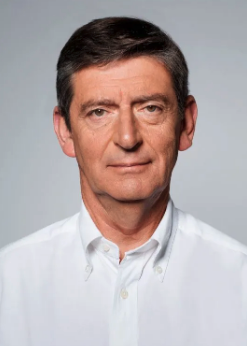 José Manuel Ferro合作论文数Clínica Universitária de Neurologia, Universidade de Lisboa Faculdade de Medicina10Sirimarco Gaia合作论文数10
 Geoffrey Donnan合作论文数Faculty of Medicine, Dentistry and Health Sciences, The University of Melbourne10
 Louis R Caplan合作论文数Beth Israel Deaconess Medical Center;Department of Neurology, Harvard Medical School, Harvard University10Olivier Simon合作论文数9C. Guidoux合作论文数8
 Arturo Jaramillo合作论文数8Tarik Slaoui合作论文数8Carlos Molina合作论文数7
 Jean-Louis Mas合作论文数Université Paris Cité7Eric Bruckert合作论文数7Lawrence K. S. Wong合作论文数7Maurice Giroud合作论文数7Fabien Hyafil合作论文数6Brenner David合作论文数6
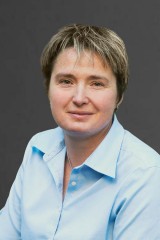 Shelagh B. Coutts合作论文数Department of Clinical Neurosciences, Radiology and Community Health Sciences, Hotchkiss Brain Institute, University of Calgary;Calgary Stroke Program, Department of Clinical Neurosciences, Foothills Medical Centre;Seaman Family MR Center, Foothills Medical Centre6Norbert Nighoghossian合作论文数6Francisco Purroy合作论文数6
 Peter Kelly合作论文数School of Psychology, University of Wollongong;Faculty of Arts, Social Sciences and Humanities, University of Wollongong6Dominique Deplanque合作论文数6Leila Sissani合作论文数5
 Nidaa Mikail合作论文数5




