Background: Gemogenovatucel-T (Vigil) is a triple-function autologous tumor cell immunotherapy which expresses granulocyte-macrophage colony-stimulating factor and decreases expression of furin and downstream TGF-β1 and TGF-β2. Vigil has suggested survival benefit in frontline maintenance ovarian cancer patients who are BRCA-wt. In addition, Vigil demonstrates relapse-free and overall survival advantage in homologous recombination-proficient patients with OC. Further evidence of clinical benefit and safety has been demonstrated in combination with atezolizumab. Methods: In this pilot study (NCT02725489), the concurrent combination of the programmed death-ligand 1 (PD-L1) inhibitor durvalumab and Vigil was explored in advanced BRCA-wt relapsed triple-negative breast cancer (TNBC) patients and stage III-IV recurrent/refractory OC patients. Patients received the combination regimen of Vigil (1 × 10e6-10e7 cells/dose intradermally, up to 12 doses) and durvalumab (1500 mg/dose intravenous infusion, up to 12 months) once every 4 weeks. The primary objective was to evaluate safety of this combination. The study included 13 BRCA-wt patients (TNBC, n = 8; OC, n = 5). Results: The most common treatment-emergent adverse events (⩾20%) in all patients included injection-site reaction (92.3%), myalgia (38.5%), bruise at injection site (23.1%), and pruritus (23.1%). Three grade 3 treatment-related adverse events were observed and related to durvalumab. There were no grade 4/5 treatment-related adverse events. Median progression-free survival was 7.1 months and the median overall survival was not reached. Prolonged progression-free survival was improved in patients with PD-L1+ tumors (n = 8, hazard ratio = 0.304, 95% confidence interval, 0.0593-1.56, 1-sided P = .04715) compared with those with PD-L1− tumors. Conclusions: Vigil plus durvalumab was well tolerated and showed promising clinical activity in advanced BRCA-wt TNBC and stage III-IV recurrent/refractory OC patients.
Thus far immunotherapy has had limited impact on ovarian cancer. Vigil (a novel DNA-based multifunctional immune-therapeutic) has shown clinical benefit to prolong relapse-free survival (RFS) and overall survival (OS) in the BRCA wild type and HRP populations. We further analyzed molecular signals related to sensitivity of Vigil treatment. Tissue from patients enrolled in the randomized double-blind trial of Vigil vs. placebo as maintenance in frontline management of advanced resectable ovarian cancer underwent DNA polymorphism analysis. Data was generated from a 981 gene panel to determine the tumor mutation burden and classify variants using Ingenuity Variant Analysis software (Qiagen) or NIH ClinVar. Only variants classified as pathogenic or likely pathogenic were included. STRING application (version 1.5.1) was used to create a protein-protein interaction network. Topological distance and probability of co-mutation were used to calculated the C-score and cumulative C-score (cumC-score). Kaplan–Meier analysis was used to determine the relationship between gene pairs with a high cumC-score and clinical parameters. Improved relapse free survival in Vigil treated patients was found for the TP53 m- BRCA wt-HRP group compared to placebo (21.1 months versus 5.6 months p = 0.0013). Analysis of tumor mutation burden did not reveal statistical benefit in patients receiving Vigil versus placebo. Results suggest a subset of ovarian cancer patients with enhanced susceptibility to Vigil immunotherapy. The hypothesis-generating data presented invites a validation study of Vigil in target identified populations, and supports clinical consideration of STRING-generated network application to biomarker characterization with other cancer patients targeted with Vigil.
Vigil® is a personalized vaccine that enhances tumor neoantigen expression. We investigated for the first time safety and efficacy of Vigil in combination with atezolizumab in relapsed ovarian cancer (OC) patients. This is a randomized, Phase 1 study of Vigil, an autologous tumor tissue transfected vaccine encoding for GMCSF and bi-shRNA-furin thereby creating enhanced immune activation and TGFβ expression control. Part 1 is a safety assessment of Vigil (1 × 10e7 cells/mL/21 days) plus atezolizumab (1200 mg/21 days). Part 2 is a randomized study of Vigil first (Vigil-1st) or atezolizumab first (Atezo-1st) for two cycles followed by the combination of both agents. The primary endpoint of the study was the determination of safety. Twenty-four patients were enrolled in the study; three patients to Part 1 and 21 to Part 2. Patients in Part 1 completed combination therapy without dose-limiting toxicity justifying expansion to Part 2. Twenty-one patients were randomized (1:1) to Part 2 to Vigil-1st (n = 11) or Atezo-1st (n = 10). Grade 3/4 treatment-related adverse events of Atezo-1st vs. Vigil-1st were 17.2% vs. 5.1%. Median overall survival (OS) was not reached (NR) (Vigil-1st) vs. 10.8 months (Atezo-1st) (hazard ratio [HR] 0.33). The exploratory subset analysis of BRCAwt suggested improved OS benefit [NR in Vigil-1st vs. 5.2 months in Atezo-1st, HR 0.16, p 0.027]. The Vigil-1st combination therapy with atezolizumab was safe and results in support continued investigation in BRCAwt patients.
While ovarian cancer typically responds well to front line treatment, many patients will relapse within 5 years. Treatment options are less effective at each recurrence highlighting the need for novel maintenance therapies. PolyADP-ribose polymerase (PARP) inhibitors have recently gained approval in ovarian cancer maintenance. Niraparib was approved regardless of BRCA mutation status, however impact on overall survival is limited. Oliparib was approved for BRCA mutant and BRCA wildtype/homologous recombination deficient patients. This review will focus on current frontline ovarian cancer treatment as well molecularly based approaches to ovarian cancer management.
[This corrects the article DOI: 10.1016/j.gore.2020.100648.].
Objective. Recently, Vigil showed significant clinical benefit with improvement in relapse free (RFS) and overall survival (OS) in pre-planned subgroup analysis in stage III/IV newly diagnosed ovarian cancer patients with BRCA wild type (BRCA-wt) molecular profile. Here we analyze homologous recombination (HR) status of patients enrolled in the Phase 2b VITAL study and determine clinical benefit of Vigil in HR proficient (P) patients. Methods. Patients were previously enrolled in a Phase 2b, double-blind, placebo-controlled trial. All were in complete response with Stage III/IV high grade serious, endometroid or clear cell ovarian cancer. HR status was determined using MyChoice (R) CDx score (<42 = HRP) (Myriad Genetics, Inc., UT). Post-hoc analyses were carried out using Kaplan Meier and restricted mean survival time (RMST) analysis to evaluate RFS and OS based on HR deficiency (D) status. Results. RFS was improved with Vigil (n = 25) in HRP patients compared to placebo (n = 20) (HR = 0.386; 90% CI 0.199-0.750; p = 0.007), results were verified by RMST (p = 0.017). Similarly, OS benefit was observed in Vigil group compared to placebo (HR = 0.342; 90% CI 0.141-0.832; p = 0.019). Results with OS were also verified with RMST (p = 0.008). Conclusion. Vigil exhibited clinical benefit in HRP molecular profile patients. (c) 2021 Published by Elsevier Inc.
AIM:To determine the relationship between gene expression profile (GEP) and overall survival (OS) by NanoString following treatment with Vigil.PATIENTS AND METHODS:Recurrent ovarian cancer patients (n = 21) enrolled in prior clinical trials.RESULTS:GEP stratified by TISHIGH vs. TISLOW demonstrated OS benefit (NR vs. 5.8 months HR 0.23; p = 0.0379), and in particular, MHC-II elevated baseline expression was correlated with OS advantage (p = 0.038). Moreover, 1-year OS was 75% in TISHIGH patients vs. 25% in TISLOW (p = 0.03795). OS was also correlated with positive γ-IFN ELISPOT response, 36.8 vs. 23.0 months (HR 0.19, p = 0.0098).CONCLUSION:Vigil demonstrates OS benefit in correlation with TISHIGH score, elevated MHC-II expression and positive γ-IFN ELISPOT in recurrent ovarian cancer patients.
5502 Background: In the VITAL (NCT02346747) trial, maintenance therapy with Vigil, an autologous tumor cell vaccine transfected with a DNA plasmid encoding GMCSF and bi-shRNA-furin for TGFβ expression control, following frontline platinum-based chemotherapy led to a recurrence-free survival (RFS) benefit in patients with advanced high-grade ovarian cancer (HR=0.69, 90% CI 0.44–1.07, p=0.078) and significantly in BRCA-wt patients (HR=0.51, 90% CI 0.30-0.88, p=0.020) ( Rocconi et al. Lancet Oncol. 2020). Here we report post-hoc HR deficiency (HRD) subgroup analysis and identification of an additional molecular subgroup sensitive to Vigil therapy involving STRING analysis. Methods: This double-blind, placebo-controlled, Phase 2b study randomized 92 patients with newly diagnosed stage III/IV ovarian cancer with a complete clinical response (CR) to frontline surgery and chemotherapy. Patients received 1 x 10e7 cells/ml of Vigil or placebo intradermally once a month for up to 12 doses or disease progression. RFS was the primary endpoint assessed by blinded independent central review. HRD status was determined according to the Myriad Genetics myChoice CDx assay (HRD score < 42 for proficient). Using tumor annotated DNA polymorphism data, a protein-protein interaction network was constructed using the STRING database. Properties of this network including topological distance and the identification of hub genes were used to predict a target molecular population sensitive to Vigil. Results: In the per-protocol population (PP, n=91), 62 BRCA-wt patients were tested for HRD status. Forty-five patients were HR proficient (HRP) and 17 patients were HR deficient (HRD). No HRP patients in the Vigil group reported treatment related Grade 3 or higher adverse events. From the time of study randomization median RFS was improved with Vigil (n=25) in HRP patients compared to placebo (n=20) (Table 1). Similarly, overall survival (OS) benefit was observed in the Vigil group compared to placebo (Table 1). Improved RFS was demonstrated for a subset of patients with STRING predicted molecular profile. Conclusions: Vigil immunotherapy as frontline maintenance in Stage III/IV ovarian cancer is well tolerated and showed clinical benefit in both BRCA-wt and HRP molecular profile patients. Results suggest a unique molecular network that enhances sensitivity to Vigil therapy. Clinical trial information: NCT02346747. [Table: see text]
While ovarian cancer typically responds well to front line treatment, many patients will relapse within 5 years. Treatment options are less effective at each recurrence highlighting the need for novel maintenance therapies. PolyADP-ribose polymerase (PARP) inhibitors have recently gained approval in ovarian cancer maintenance. Niraparib was approved regardless of BRCA mutation status, however impact on overall survival is limited. Oliparib was approved for BRCA mutant and BRCA wildtype/homologous recombination deficient patients. This review will focus on current frontline ovarian cancer treatment as well molecularly based approaches to ovarian cancer management.
Objective. Previously, Vigil demonstrated clinical benefit to prolong relapse free and overall survival in the BRCA wild-type (BRCA-wt), homologous recombination proficient (HRP) patient population. Here we provide long term follow up of 3 years in the HRP patient population enrolled in the Phase 2b VITAL study. Methods. HRP patients treated with Vigil (n = 25) or placebo (n = 20) who were enrolled in the Phase 2b, double-blind, placebo-controlled (VITAL study, NCT02346747) were followed for safety, OS and RFS. OS and RFS from time of randomization (immediately prior to maintenance therapy) and from debulking tissue procure-ment time points were analyzed by Kaplan-Meier (KM) and restricted mean survival time (RMST) analysis. Results. OS for Vigil treated patients at 3 years has not yet reached median OS time point (95% CI 41.6 months to not achieved) compared to 26.9 (95% CI 17.4 months to not achieved) in placebo treated patients (HR 0.417 p = 0.020). Three year RFS also showed benefit to Vigil (stratified HR 0.405, p = 0.011) and no long term toxicity to Vigil was observed. Three year OS for Vigil of 70% vs. 40% for placebo from time of randomization was observed (p = 0.019). RMST analysis was also significant for OS (45.7 vs. 32.8 months, p = 0.008) and RFS (p = 0.025). Conclusion. In conclusion, results suggest durable activity of Vigil on RFS and OS and support further evalua-tion of Vigil in HRP ovarian cancer. (c) 2021 The Authors. Published by Elsevier Inc. This is an open access article under the CC BY-NC-ND license (http:// creativecommons.org/licenses/by-nc-nd/4.0/).
6017 Background: Vigil is an autologous tumor cell vaccine constructed from autologous harvested tumor tissue transfected with a DNA plasmid encoding GMCSF and bi-shRNA-furin thereby creating TGFβ expression control. Methods: A randomized double-blind placebo-controlled trial of Vigil vs. placebo was performed in advanced stage frontline OC patients. Relapse-free survival (RFS) and safety were endpoints. Patients who achieved complete clinical response were randomized [1:1 to placebo (control group, CG) or Vigil (Vigil group, VG)] after completion of frontline surgery and chemotherapy. All patients received 1 x 10e7 cells/ml of Vigil or placebo intradermally once a month for up to 12 doses. Results: Ninety-two patients were randomized with 91 patients in the per-protocol population (PP), (VG n=46; CG n=45). 62 patients were tested for BRCA1/2 status. VG showed no added overall toxicity compared to CG and no grade 4/5 toxicities were observed. Grade 2/3 toxic events were observed in 18% of CG patients (most common bone pain, fatigue) compared to 8% of VG patients (most common nausea, musculoskeletal pain). From time of randomization median RFS for all 91 patients was favorable in the VG (HR 0.69, one-sided p 0.088).Stratified by BRCA status, an advantage in RFS was seen in the BRCA1/2-wt patients in VG (19.4 mo) compared to CG (8 mo) (HR 0.51, 90% CI 0.26 – 1.01, one-sided p 0.050) from time of randomization and HR of 0.49 (90% CI 0.25 – 0.97, one-sided p 0.038) from time of surgery. Median time from surgery to randomization was 208.5 days (6.9 mo) in VG vs. 200 days (6.6 mo) in CG. 37.5% BRCA1/2-wt Vigil treated patients relapsed compared to 71% of placebo at time of data snap for analysis (HR 0.51, one-sided p 0.05), (median follow-up of 34.3 mo for all n=91 subjects). Germline and somatic BRCA1/2 molecular testing via central third party is underway on all 91 patients under continued blinded conditions to validate activity in BRCA1/2-wt. Conclusions: Vigil immunotherapy as frontline maintenance in Stage III/IV ovarian cancer is well tolerated and showed RFS clinical benefit, particularly in BRCA1/2-wt disease. Clinical trial information: NCT02346747. [Table: see text]
Introduction Cell mediated immunity (CMI) or lack of, plays a significant role in cancer progression. During CMI, natural killer (NK) cells and phagocytes work to control tumorigenesis. Phagocytes recognize and engulf cells that express non-self antigens, while NK cells secrete perforin and granzyme which induces apoptosis [1]. CD8+ cytotoxic T lymphocytes (CTLs) also play a key role in CMI and are predictive of improved clinical outcomes in many solid tumors [2-9]. In order to generate memory T cells, CD4+ helper cells are required for effective T cell priming [10].
3002 Background: Recent studies have shown poor clinical outcomes and limited survival advantage to checkpoint inhibitors (CIs) in advanced stage ovarian cancer (OvC). Vigil is a personalized precision vaccine constructed from autologous tumor tissue transfected with a DNA plasmid encoding GM-CSF and bi-shRNA-furin thereby creating TGFβ expression control and enhancing immune activation. Phase 1 and 2 trials in OvC demonstrate safety, functional immune activation and clinical response benefit. Combining Vigil with CIs may broaden responsiveness of immunotherapy in OvC. Methods: This is a randomized, 3-part safety Phase 1 study of Vigil in combination with Atezolizumab in recurrent OvC patients. Part 2 is a randomized, intra-patient crossover study of Vigil first (VF) or Atezolizumab first (AF) for two cycles followed by sequence of the combination of the two agents. Vigil (1 x 10⁶ or 1 x 10⁷ cells/ml) or Atezolizumab (1200mg) were administered 1x every 21 days each cycle until progression or untoward adverse event. We now report the preliminary results of part 2 of the study. Results: Twenty-one patients were randomized (1:1) to VF (n = 11) or AF (n = 10), groups were similar in demographics. Grade 3/4 toxic events occurred in 17% of AF patients compared to 3% in VF patients. Median OS of VF patients (n = 11) was not reached vs. AF (n = 10) 10.8 months suggested modest advantage to VF (HR 0.33, one-sided p 0.097). However, the subset analysis of BRCA1/2 wild type (wt) demonstrated more significant overall survival benefit in VF (n = 7) median OS not reached vs. AF (n = 7) 5.2 months (HR 0.12, one-sided p 0.015). Conclusions: The combination of Vigil immunotherapy and checkpoint inhibitor atezolizumab in recurrent OvC demonstrated safety and suggest a lower toxicity profile and a significant OS advantage in recurrent BRCA1/2-wt OvC patients treated with Vigil first followed by the combination of Vigil and Atezolizumab. Clinical trial information: NCT03073525 . [Table: see text]
Fungal infections like cryptococcal meningitis are difficult to resolve because of the limited therapies available. The small arsenal of antifungal drugs reflect the difficulty in finding available targets in fungi because like mammalian cells, fungi are eukaryotes. The limited efficacy, toxicity, and rising resistance of antifungals contribute to the high morbidity and mortality of fungal infections and further underscore the dire but unmet need for new antifungal drugs. The traditional approach in antifungal drug development has been to target fungal growth, but an attractive alternative is to target mechanisms of pathogenesis. An important attribute of Cryptococcus neoformans ( Cn ) pathogenesis is its ability to enter the central nervous system. Here, we describe a large-scale screen that identified three natural products that prevented Cn from crossing the blood-brain barrier by inhibiting the virulence factor Mpr1 without affecting the growth of Cn . We propose that compounds identified here could be further developed as antivirulence therapy that would be administered preemptively or serve as a prophylactic in patients at high risk for developing cryptococcal meningitis.
Cryptococcus neoformans (Cn) is the leading cause of fungal meningitis primarily in immunosuppressed patients. Cn invades the central nervous system by overcoming the highly restricted blood-brain barrier (BBB). We previously determined that a secreted fungal metalloprotease, Mpr1, that also confers crossing ability to yeast upon CnMPR1 expression in Saccharomyces cerevisiae is central to this process. This led us to question whether Mpr1 could be engineered to function as part of a nanocarrier delivery vehicle. Here, a eukaryotic expression system produced proteolytically active Mpr1 recombinant protein that was successfully conjugated to functionalized quantum dot (QD) nano particles and readily internalized by brain microvascular endothelial cells. An in vitro BBB model showed QD-Mpr1 crossed the BBB significantly better than mock QD, and QD-Mpr1 did not damage BBB integrity. Internalization of QD-Mpr1 occurred by membrane invaginations and endocytic pits typical of receptor-mediated endocytosis involving clathrin-coated entry points. This study substantiates the notion that fungal mechanisms of BBB entry may be harnessed for new drug delivery platform technologies.
Cryptococcus neoformans is an opportunistic fungal pathogen that causes life-threatening meningitis most commonly in populations with impaired immunity. Here, we resolved the transcriptome of the human brain endothelium challenged with C. neoformans to establish whether C. neoformans invades the CNS by co-opting particular signalling pathways as a means to promote its own entry. Among the 5 major pathways targeted by C. neoformans, the EPH-EphrinA1 (EphA2) tyrosine kinase receptor-signalling pathway was examined further. Silencing the EphA2 receptor transcript in a human brain endothelial cell line or blocking EphA2 activity with an antibody or chemical inhibitor prevented transmigration of C. neoformans in an in vitro model of the blood-brain barrier (BBB). In contrast, treating brain endothelial cells with an EphA2 chemical agonist or an EphA2 ligand promoted greater migration of fungal cells across the BBB. C. neoformans activated the EPH-tyrosine kinase pathway through a CD44-dependent phosphorylation of EphA2, promoting clustering and internalisation of EphA2 receptors. Moreover, HEK293T cells expressing EphA2 revealed an association between EphA2 and C. neoformans that boosted internalisation of C. neoformans. Collectively, the results suggest that C. neoformans promotes EphA2 activity via CD44, and this in turn creates a permeable barrier that facilitates the migration of C. neoformans across the BBB.
Fluconazole-induced alopecia is a significant problem for patients receiving long-term therapy. We evaluated the hair cycle changes of fluconazole in a rat model and investigated potential molecular mechanisms. Plasma and tissue levels of retinoic acid were not found to be causal. Human patients with alopecia attributed to fluconazole also underwent detailed assessment and in both our murine model and human cohort fluconazole induced telogen effluvium. Future work further examining the mechanism of fluconazole-induced alopecia should be undertaken.
 John Nemunaitis合作论文数Gradalis16
 Luisa Manning合作论文数14Stanbery Laura合作论文数The Department of Internal Medicine, University of Michigan14Ernest Bognar合作论文数13Wallraven Gladice合作论文数11
 Rodney Rocconi合作论文数10Adam Walter合作论文数9Staci Horvath合作论文数8
 Robert L. Coleman合作论文数Texas Oncology7
 Thomas J. Herzog合作论文数College of Medicine, University of Cincinnati;University of Cincinnati Cancer Center7
 Bradley Monk合作论文数Division of Gynecologic Oncology, College of Medicine, University of Arizona;Florida Cancer Specialists & Research Institute;Creighton University7Minal Barve合作论文数5Meghan Manley合作论文数4
 Erin Stevens合作论文数4
 Neil Senzer合作论文数4
 Angie Gelli合作论文数Department of Medical Pharmacology and Toxicology;University of California;Department of Medical Pharmacology and Toxicology, University of California4
 Sharad Ghamande合作论文数Department of Obstetrics and Gynecology, Medical College of Georgia, Augusta University4
 Susan Morand合作论文数3Lance D. Dworkin合作论文数3J. Bottsford-Miller合作论文数3
 Evanthia Galanis合作论文数Division of Medical Oncology, Department of Oncology, Mayo Clinic;Mayo Clinic Comprehensive Cancer Center, Mayo Clinic3
 Katelyn Einloth合作论文数2Danielle Dever合作论文数2Vinaya Gogineni合作论文数2
 Rachel Royfman合作论文数2
 Monika Devanaboyina合作论文数2Hannah Staats合作论文数Med Ctr, Univ Toledo2Min Tang合作论文数2Edelman Gerald合作论文数2Jonathan Oh合作论文数2
 John Chan合作论文数School of Medicine, University of California, San Francisco1Elyssa Sliheet合作论文数1David Willoughby合作论文数1Peter C. Morris合作论文数1Noel Smith合作论文数1Leslie Demars合作论文数1Christine Cassidy合作论文数1
 Luciana Madeira da Silva合作论文数1
 Mantana Jamklang合作论文数1
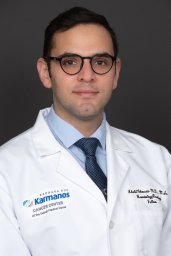 Khalil Choucair合作论文数1Karmanos Cancer Institute, Wayne State University1Jeffrey Elder合作论文数1Hong Sik Yoo合作论文数Department of Nutritional Sciences and Toxicology, The University of California1Victoria R Sharon合作论文数1Katarina E Varjonen合作论文数1
 Stephen D White合作论文数Department of Medicine and Epidemiology, School of Veterinary Medicine, University of California1
 Joseph Napoli合作论文数Department of Nutritional Sciences & Toxicology, College of Natural Resources, University of California, Berkeley1
 Robert A Barrington合作论文数1
 Nathan P. Wiederhold合作论文数Fungus Testing Laboratory, University of Texas Health Science Center at San Antonio;Department of Pathology and Laboratory Medicine, University of Texas Health Science Center at San Antonio1
 Ian H Mchardy合作论文数David Geffen School of Medicine, University of California1




