This study proposes an Industry 4.0-based smart scheduling system prototype comprising four levels. The physical connection layer, the first level, utilizes sensors installed on equipment to collect data. The second level, the information conversion layer, retrieves device data and converts them into the corresponding database storage format. The third level is the information application layer, which stores and uses meaningful information, laying the foundation in constructing a smart system. The fourth level, the terminal decision-making layer, monitors the overall factory operations. To verify the feasibility of our proposed smart factory model, we select the packaging process of a semiconductor packaging company as an example. The verification procedure includes establishing a test database, generating the best production plan (a smart production plan), simulating factory production through a virtual - physical integration system, and generating the information required for the case company's war room. The results indicate that the proposed model can enhance the case company's decision-making capability in smart production scheduling and performance monitoring.
To minimize the impact of human activities on the greenhouse effect, many countries are promoting renewable energy to reduce carbon emissions, with solar power becoming a key solution because of its clean and low-impact characteristics. Taiwan's subtropical climate with abundant sunshine makes it suitable for renewable energy generation systems. This paper studies the optimal configuration of a renewable energy power system in Taiwan under different equipment settings and evaluates not only its economic performance but also its social value within an integrated energy-community system. Using a micro-grid project in Mudan Township and power consumption data from remote villages, we develop a mixed-integer optimization model to determine the optimal combination of photovoltaic generation, energy storage, and diesel backup under budget, space, and reliability constraints, while also incorporating government subsidy mechanisms. From a systems science perspective, the model captures the interdependence among infrastructure investment, policy incentives, operational reliability, and community energy security. Beyond minimizing construction costs, the framework assesses social outcomes, including disaster resilience, reduced outage risk during extreme weather events, and improved electricity access in isolated areas. Compared with the existing plan, the proposed model achieves a 21.03% cost savings while enhancing system reliability and supporting low-carbon regional development.
Drug waste poses significant economic and environmental challenges as unused medicines are frequently discarded. This study develops an economic order quantity (EOQ)-based inventory control framework integrating new and recycled drugs while accounting for degradation effects and government incentive policies within a closed-loop pharmaceutical supply chain (CLPSC). The framework captures interactions among stakeholders, logistics and information flows, assuming a fixed deterioration rate. Pharmacies dispense medications via prescriptions and recycle unused drugs under government supervision; substandard items are incinerated while acceptable ones are resold at incentivised prices. Focusing on a hospital pharmacy's perspective, the model examines supply-demand scenarios to minimise total costs, including ordering, holding, recovery, inspection, incineration and deterioration costs. Optimal policies are analytically derived and verified for convexity via Hessian matrices. Numerical results show that, under the scenario of the supply rate of redistributed drugs exceeding their demand rate, the deteriorating drug inventory model affects the decisions on determining the optimal ordering quantity for new and redistributed drugs. Sensitivity analyses reveal that supply and demand rates are critical parameters for making ordering decisions. This research provides a practical reference for policymakers and pharmacy managers seeking cost-effective, sustainable drug recycling strategies that reduce pollution and support sustainable development goals (SDGs).
Appointment scheduling is a common issue in the service industry, particularly in healthcare. In a well-designed appointment scheduling system, the outpatient waiting time and system idle time should be balanced. This research aims to determine the outpatient inter-arrival time and the time slot for outpatients' arrival in the system to minimize the total cost of outpatient waiting time, ultrasound room idle time, and system (i.e. five ultrasound rooms) overtime. This study examines eight different types of ultrasound examinations in five different rooms. The optimal outpatient inter-arrival time to schedule outpatients was determined using a stochastic approach, which took into account an appropriate examination time distribution for outpatient ultrasound examinations. This study employs sample average approximation (SAA) to construct a mathematical programming model for stochastic outpatient examination times and uses a Monte Carlo simulation through Arena 16.0 software to determine the outpatient inter-arrival time for multiple servers and service types to obtain a robust outpatient appointment schedule for hospitals. Compared to the current system, which employs an outpatient inter-arrival time of 11 min, the outpatient inter-arrival time of 13 min had the lowest average cost, resulting in a 54.98% reduction in costs.
The Ford 8D method, also known as the team-oriented problem-solving (TOPS) approach, is a structured problem-solving methodology used to identify, analyze, and solve quality and reliability issues in manufacturing processes. It involves cross-functional teams working together to define problems, identify root causes, implement corrective actions, and prevent issue recurrence. This study applied the Ford 8D method to a semiconductor original equipment manufacturer (OEM) in Taiwan, focusing on avoiding yield declines caused by tester time domain reflection (TDR) in wafer testing. In this process, testers and probe cards are used to evaluate the electrical performance of dies on wafers, providing critical feedback to integrated circuit (IC) designers and manufacturers for data analyses and future improvements. The implementation of strategies, verified by the plan-do-check-act (PDCA) cycle, was standardized for future problem-solving efforts. As a result, the weekly impact time due to TDR issues was significantly reduced from 27 hours to 7.9 hours, reflecting a 70.74% improvement. This study highlighted the effectiveness of the Ford 8D method in improving manufacturing efficiency and reliability within the semiconductor industry.
Competitors' pricing strategies, the government's carbon emission regulations, and customers' awareness of carbon reductions affect the decisions of a company's product pricing strategies and sustainability management investments. This paper constructs a sustainable investment and pricing-strategy mathematical model that considers the mutual influence of two motherboard companies. The model's objective function is to maximise company surplus (profitability) by setting a company's product pricing, deciding the purchased component level of products, and determining the equipment investment level under the government carbon emission cap. This study considers three situations: (1) the basic model, (2) the investment in high-productivity equipment and energy-saving peripheral equipment model, and (3) the consumers' awareness of carbon reduction model. This paper then applies game theory to explore companies' pricing strategies, creates the game's payoff matrix, and finds the Nash equilibrium point. Through numerical examples, the management-oriented implications are illustrated. Furthermore, this study performs sensitivity analyses to explore the impacts of different carbon emission caps on companies' pricing strategies and profits and discusses their findings for companies' reference.
This study proposed multiple revised variable neighborhood search (VNS) approaches applying the greedy concept to solve a nurse scheduling problem (NSP). In this paper, we developed three greedy-neighbourhood-swapping mechanisms (greedy-2-exchange, greedy-3-exchange, and greedy-4-exchange) to conduct local searches based on one-, two-, or three-neighbourhood structures that accounted for constraints imposed by government and hospital regulations. The greedy-neighbourhood-swapping mechanisms were used to identify medical staff members with the highest soft-constraint (e.g. nurses' preferences) violation weights on a given day who then swapped their shifts with others. To validate the proposed VNS approaches, we also conducted a case study. Based on the testing instances, all of the proposed VNS approaches generated optimal or near-optimal solutions, and the differences between them were small. The optimal number of the neighbourhood structures was determined to be two, confirming that a larger number of neighbourhoods in a neighbourhood structure would not necessarily be associated with more easily escaping local optima. Furthermore, the resulting outcomes supported the conclusion that the proposed modified VNS approaches generated better schedules for the medical staff members of hospitals than the compared meta-heuristic algorithms.
BACKGROUND: Scheduling patient appointments in hospitals is complicated due to various types of patient examinations, different departments and physicians accessed, and different body parts affected. OBJECTIVE: This study focuses on the radiology scheduling problem, which involves multiple radiological technologists in multiple examination rooms, and then proposes a prototype system of computer-aided appointment scheduling based on information such as the examining radiological technologists, examination departments, the patient’s body parts being examined, the patient’s gender, and the patient’s age. METHODS: The system incorporated a stepwise multiple regression analysis (SMRA) model to predict the number of examination images and then used the K-Means clustering with a decision tree classification model to classify the patient’s examination time within an appropriate time interval. RESULTS: The constructed prototype creates a feasible patient appointment schedule by classifying patient examination times into different categories for different patients according to the four types of body parts, eight hospital departments, and 10 radiological technologists. CONCLUSION: The proposed patient appointment scheduling system can schedule appointment times for different types of patients according to the type of visit, thereby addressing the challenges associated with diversity and uncertainty in radiological examination services. It can also improve the quality of medical treatment.
Appointment scheduling for hospital patients is becoming increasingly important because it can reduce patient's waiting time and enhance hospitals' medical quality. In the case of ultrasound examinations, multiple radiological technologists use multiple rooms to conduct examinations, which involves the sequencing of examination work, time uncertainty, and operational characteristics. To enable hospital managers to effectively evaluate radiological technologists' effort when carrying out ultrasound examinations, this study uses classification methods in data exploration, including decision tree (DT), logistic regression (LR), and artificial neural network (ANN), to establish a time prediction model for outpatient ultrasound examination. This study found that the DT model (i.e. C4.5) had the highest classification accuracy. After reviewing and removing rules generated from the model with an accuracy below 70%, the overall accuracy of the model was 76.31%. The classification results of the model are a reference for outpatient ultrasound appointment scheduling. The results of the study can effectively predict the examination time needed for ultrasound outpatients requiring different examination positions, thereby fairly allocating the patients to each room for the examination and reducing patient waiting time and radiological technologists' idle time. Therefore, hospital managers can improve the hospital's overall medical quality.
The closed-loop supply chain inventory model is essential in the pharmaceutical industry because it promotes environmental, social, and economic sustainability. Many unused drugs are discarded, damaging the environment. At the same time some patients find it difficult to obtain expensive prescription drugs. The closed-loop supply chain can draw on the principles of the circular economy, which is concerned with the adverse effects of using new materials for environmentally harmful manufacturing processes. Re-dispensing or recycling unused drugs, is one application of the principle of the circular economy. Pharmacies can collect, inspect, and resell drugs. Pharmacies incur high inventory costs related to expensive medications and need efficient inventory management. This study focuses on the recycling of drugs to lighten the economic burden on patients in achieving social sustainability, and to prevent the waste of unused medications in achieving environmental sustainability. This study considers the impact of government incentives on patient demand for recycled and new drugs. In addition, pharmacies' optimal inventory decisions and government subsidies benefit the pharmacies in achieving economic sustainability. This environmental, social, and economic sustainability are pillars of the circular economy. This study determines the impact of inventory, incentives, and subsidy-related decisions on total benefits and costs by considering patients' willingness to use recycled drugs. The integrated pharmacy inventory and government decision model is presented in a non-linear programming model and uses the generalized reduced gradient. The results show the feasibility of the drug recycling program. The theoretical implications involve patients’ willingness to use recycled drugs and the practical implications by examining the role of non-profit pharmacies in achieving maximum environmental and social benefits.
When a management reserve occurs due to a design change in a company's outsourcing project, the additional cost is customarily only 2% to 10% of the original contract amount. If the management reserve exceeds the original contract amount by 20% to 50%, it reveals the imprudence of running the outsourcing project. Based on the company's policy requirements, an outsourcing project must finish the tender process by following the timeline of every work stage determined by the characteristics and environment of the project. This research studied the factors causing management reserve in an outsourcing project of the case company using the Six Sigma define, measure, analyze, improve, and control (DMAIC) method. The root cause was the lack of defining the specific responsibility in charge of unit, leading to insufficient communication between demand and executive departments as well as between project engineering and procurement departments in the preceding process. The preceding process must have a specific management procedure by redefining each unit's responsibility to avoid frequent design changes later. In addition, the procurement department estimated the reserve prices by analyzing the supplier's quotes using quantitative cost analysis. In the ultimate efficiency evaluation, this study verified that the improved procurement cases dramatically reduced circumstances of design change and management reserve and met the case company's due date.
The joint replenishment models usually use one type of inventory policy with several different parameters to handle several items.However, different demand patterns for each product can make use of all previous methods leading to unsatisfying performance.This study brings a joint replenishment procedure that accommodates more than one singleitem inventory policy to give more flexibility.This study fills this gap by developing a methodology that consists of proposed general joint replenishment problem (JRP) models, potential order estimation procedures that bridge various single-item inventory policies to the JRP model, implementation procedure, and simulation models for comparisons.Comparisons to the adaptive JRP considering non-stationary demand patterns prove the advantages of the proposed procedure.Finally, a sensitivity analysis gives some managerial insights.
This study examined patient unpunctuality's effect on patient appointment scheduling in the ultrasound department of a hospital. The study created a simulation system incorporating the formulated F3 distribution to describe patient unpunctuality. After the simulation model passed verification and validation processes, what-if scenarios were conducted under two policies: The preempt policy and the wait policy. A comparison of the total cost of each policy showed that the preempt policy performed better than the wait policy in the presence of unpunctuality. The study used sensitivity analyses to identify the different effects of patient unpunctuality on the system. The weights of the cost coefficient of both radiological technician's idle time and patient waiting time must be equal in order to achieve a lower cost. The patient's inter-arrival time must be close to the average total time in the system to achieve lower costs. Moreover, utilization decreases as the patient's inter-arrival increases. Therefore, the patient's inter-arrival time should be higher than, but close to, the service time to ensure less radiological technician's idle time and patient waiting time.
This study investigates patient appointment scheduling and examination room assignment problems involving patients who undergo ultrasound examination with considerations of multiple examination rooms, multiple types of patients, multiple body parts to be examined, and special restrictions. Following are the recommended time intervals based on the findings of three scenarios in this study: In Scenario 1, the time interval recommended for patients' arrival at the radiology department on the day of the examination is 18 min. In Scenario 2, it is best to assign patients to examination rooms based on weighted cumulative examination points. In Scenario 3, we recommend that three outpatients come to the radiology department every 18 min to undergo ultrasound examinations; the number of inpatients and emergency patients arriving for ultrasound examination is consistent with the original time interval distribution. Simulation optimization may provide solutions to the problems of appointment scheduling and examination room assignment problems to balance the workload of radiological technologists, maintain high equipment utilization rates, and reduce waiting times for patients undergoing ultrasound examination.
Determining the end of the sales period for a one-time order inventory policy for technology products that see rapid innovation and improvement, such as smartphones, is a vital decision. While the market life cycle is short, with long lead times and expensive deliveries. Such situations can force the number of orders to be few or even only once. Products with the latest technology consist of many components that allow for deterioration from the start. This study discusses the effect of the market life cycle, as indicated by the trapezoidal demand rate, on deteriorating item inventory policies. This study will provide new insights into inventory policy. Mathematical models with a non-linear generalized reduced gradient approach can find the optimal end of the selling period and the order size to achieve maximum profit. A sensitivity analysis showed several findings that provide insight for management.
Resilience emphasizes the recovery capability of a firm after an event of disruption. This paper proposes a framework in constructing a knowledge warehouse (KW) to increase a semiconductor assembly and testing firm's resilience by using a backcasting approach, which consists of four steps to form the development cycles. In each cycle, the goal for moving towards resilience is set up. The second step is to identify the baseline problems. Several potential paths to reach the goal from the baseline are then analyzed. Finally, a proper path supporting the performance of specific activities (plan) is selected and further added to the KW. Therefore, any possible conflict caused from bringing in new knowledge to the existing KW should be examined and resolved. The KW is augmented through cycles. Two case studies (Earthquake and typhoon disruptions) are used to demonstrate the applicability of the proposed framework. Furthermore, discussions also refer to how Nissan and Renesas responded to a 9.0 earthquake in 2011 and to a world-class major provider of semiconductor assembly and testing services in developing its KW. At the end, several recommendations have been made for firms to prepare for resilience. Some related future research topics are also proposed.
BACKGROUND: Medical staff scheduling problems are complex and involve numerous constraints. OBJECTIVE: This research uses the task-technology fit (TTF) model to measure the technology characteristics of information technology (IT) systems as a reference for constructing a prototype for a medical staff scheduling system to identify function requirements and design human interfaces. METHOD: After the evaluation of the proposed scheduling system, this research excludes compatibility from the 13 technology characteristics and adds two technology characteristics for consideration: customization and scalability. RESULTS: Based on the revised technology characteristics of the TTF model, this research develops flexible scheduling functions to satisfy daily manpower requirements and allow predetermined schedules and day-off reservations for a hospital’s radiological technologists. Characterized by flexibility, customization, and scalability, the system can accommodate several algorithms to generate a better schedule that satisfies hard and soft constraints. Furthermore, the scheduler can choose the required hard and soft constraints from all constraints. The prototype of the scheduling system will be easily extended to add or modify constraints in the case of requirement or regulation changes. CONCLUSION: The results of this study provide a prototype for system developers to design a customized staff scheduling system for each medical unit.
 Wen-Tso Huang合作论文数Chung Yuan Christian Univ, Dept Business Adm, Taoyuan 320314, Taiwan11
 Gary Yu-Hsin Chen合作论文数11
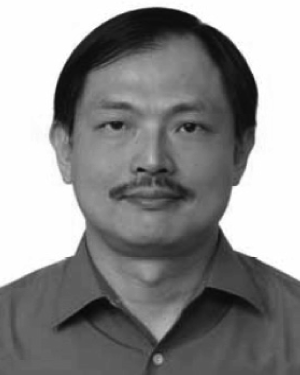 Jrjung Lyu合作论文数6
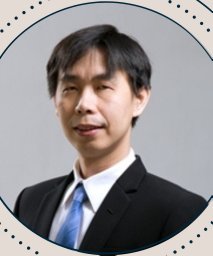 Victor Suhandi合作论文数Department of Industrial Engineering, Universitas Kristen Maranatha5Jimmy Chingming Chen合作论文数5Jyh-Hong Ding合作论文数5Rex Aurelius C. Robielos合作论文数4
 Dah-Chuan Gong合作论文数Department of Industrial and Systems Engineering, Chung Yuan Christian University4Jr-Fong Dang合作论文数4PengNai-Chun合作论文数3
 Chin-Hui Lai合作论文数3Huan-Chung Yao合作论文数2
 Ching-Wen Yang合作论文数2
 Yu-Ting Kuo合作论文数Department of Electronics Engineering, National Chiao Tung University2Hsiu-Wen Chen合作论文数2Shih-Chou Hsu合作论文数2
 Yung-Chia Chang合作论文数Department of Industrial Engineering and Management, National Chiao Tung University2
 Pei-Jarn Chen合作论文数Institute of Biomedical Engineering, Southern Taiwan University2
 Tsai Chi Kuo (郭財吉)合作论文数Department of Industrial Management, National Taiwan University of Science and Technology2Tzu-Ying Chen合作论文数1Sung-Lien Kang合作论文数1Ting-Tzung Lai合作论文数1Guo-Ciang Wu合作论文数1Yung-Lung Cheng合作论文数1
 Kang-hung Yang合作论文数1Hsiao-Min Chen合作论文数1Yuhsin Chen合作论文数Department of Accounting, Chung Yuan Christian University1
 Ginger Shu合作论文数1
 Hui-Ming Wee合作论文数Department of Industrial and Systems Engineering, Chung Yuan Christian University1
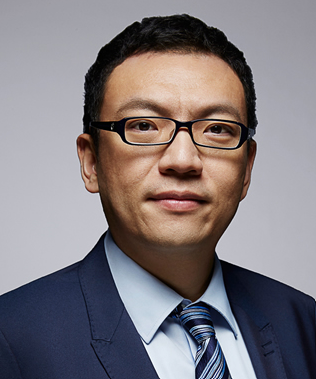 Fan Wang (王帆)合作论文数School of Business, Sun Yat-sen University1Ming Han Lin合作论文数1Tingchao Hou合作论文数1Ming-Tsung Wu合作论文数1Kuo-Cheng Ku合作论文数1
 Shoumen Datta合作论文数Harvard,Medical,School1
 Alberto Garcia-Diaz合作论文数Department of Industrial and Information Engineering, The University of Tennessee1Szu-Yin Chen合作论文数1
 Wei-Jung Shiang合作论文数Department of Industrial Engineering;Chung Yuan Christian University;Department of Industrial Engineering, Chung Yuan Christian University1
 Brett Peters合作论文数College of Engineering & Applied Science, University of Wisconsin-Milwaukee1
 Ming-Lang Tseng (曾明朗)合作论文数Department of Business Administration, Asia University;Institute of Innovation and Circular Economy, Asia University1Shi-Chou Hsu合作论文数1
 Chia-Wei Hsu合作论文数Department of Ecotourism, Tungnan University1
 Ling-Huey Su合作论文数1




