The safety and efficacy of subcutaneous immune globulin 20%, Ig20Gly, was demonstrated in a phase 2/3 North American study (NCT01218438) in patients with primary immunodeficiency diseases (PIDD). This post hoc analysis assessed the onboarding experience with Ig20Gly in pediatric patients. Patients aged ≥2 years received weekly Ig20Gly infusions at volumes of ≤60 mL/site and rates of ≤60 mL/h/site for ∼1.3 years. To evaluate the Ig20Gly onboarding experience, adverse events (AEs), tolerability, and infusion parameters were assessed in patients aged 2 to <16 years. Most infusions (97.3%; 1134/1166) were not associated with a causally related local AE; 66.7% (14/21) of patients did not experience a causally related local AE. Five patients (23.8%) reached the maximum infusion rate of 60 mL/h/site for ≥2 infusions. A total of 54.3% and 95.2% of infusions were completed in <1 and <2 hours, respectively. Of 1165 infusions, 404 infusions (34.7%) were administered using 1 site and 728 infusions (62.5%) required 2 sites (median [range] infusion sites, 2[1–3]). For dose volumes of 0–59 mL, 41.3% (364/881) of infusions were administered using 1infusion site. For dose volumes of 60–119 mL, 85% (242/284) of infusions were administered using 2 sites. No association was observed between increasing infusion rates or volumes per site and rates of causally related local AEs per infusion. Ig20Gly infusions were well tolerated at high infusion rates and volumes/site in pediatric patients with PIDD; no increases in local AEs were observed with increasing infusion volumes per site and infusion rates.
 V. Cano合作论文数1
 C.M.L. Hermans合作论文数1K. Kentouche合作论文数1L. Renault合作论文数1Daniel Suez合作论文数1Barbara McCoy合作论文数1C Negrier合作论文数1
 J. Windyga合作论文数1Paris Kenneth合作论文数1
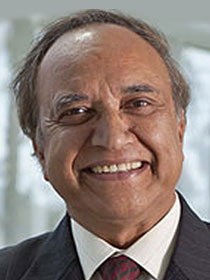 Sudhir Gupta合作论文数Division of Basic and Clinical Immunology, University of California at Irvine1
 Pål Andre Holme合作论文数Department of Haematology, Oslo University Hospital;Department of Haematology, Division of Cancer Medicine, Institute of Clinical Medicine, Faculty of Medicine, University of Oslo1Leman Yel合作论文数1
 Iftikhar Hussain合作论文数Department of Veterinary Microbiology, University of Agriculture1Ana Rosa Cid合作论文数Department of Hematology, Hospital Universitari i Politècnic la Fe1Mark R. Stein合作论文数1




