Per-oral endoscopic myotomy (POEM) achieves an 80–90
Barrett’s esophagus (BE) is a pre-cancerous condition with an increased risk of esophageal adenocarcinoma (EAC). Current surveillance involves white light endoscopy with random biopsies (Seattle Protocol, SP) but has limitations. This study explores high-resolution virtual chromoendoscopy (HRMC) as a potential alternative. This controlled trial will enroll 110 patients with Barrett’s esophagus (BE) across 15 gastroenterology departments in France. Each patient will undergo both HRMC and SP examinations during the same endoscopic procedure. Although the trial is non-randomized, it is important to highlight that the two endoscopists performing either the HRMC or the SP will be blinded to each other’s results. Therefore, each patient will serve as their own control. Biopsy decisions will be based on both methods, with any visible lesions resected. The primary objective is to compare the detection rate of HGD and EAC lesions using HRMC with targeted biopsies versus SP with random biopsies. Secondary objectives include comparing detection rates of LGD lesions, procedure time, missed lesions, and cost-effectiveness. If HRMC proves superior to SP for detecting HGD and EAC, it could lead to more accurate, efficient, and cost-effective BE surveillance strategies, improving patient outcomes and resource utilization. ClinicalTrials.gov NCT05229783 – First Submitted 2021-12-07.
Saline-immersion therapeutic endoscopy (SITE) enhances visualization and haemostasis, but it alters electrosurgical behavior due to the high conductivity of saline which reduces tissue impedance and peak voltage. These effects may vary depending on the knife size, as electrode diameter influences current density. An ex vivo porcine gastric mucosa model was used to compare three electrosurgical knives with different sizes, namely one with a thick electrode (HybridKnife® T-Type, 1.5 mm) and two with thin electrodes (HYBRIDKnife® flex I-Type, 0.5 mm; DualKnife J-Type, 0.4 mm) - in air and under saline across seven electrosurgical modes (2 cutting, 3 coagulation and 2 dissection modes). Electrical parameters (impedance, peak voltage, power output), cutting success, and lateral thermal spread were measured during 252 standardized incisions. Statistical analysis was performed using both univariate and multivariate methods. The average decrease in impedance when passing from air to saline immersion was higher for thick as compared with thin knives (92% vs. 55%, p < 0.001) across multiple modes. Corresponding increase in power was also higher for thick (up to 19-fold) than for thin (up to 5-fold, p < 0.001) knives, while peak voltage decreased by 30% for thick knives and increased by approximately 2% for thin knives (p < 0.001). Across cutting and dissection modes, both thin knives sustained 100% cutting success in air and under saline, whereas the thick knife declined from 100% to 75% under saline. Lateral thermal spread increased from < 1 mm in CO2 to 1.35 mm (256%) in saline for the thick knife, while it was ≤ 0.8 mm (71%) for thin knives (p < 0.001, between thin and thick knives), irrespective of the setting. Electrode diameter and saline immersion were the strongest independent predictors of lateral spread. The effect of saline immersion on impedance and voltage is dramatically higher when using thicker than thinner knives This may contribute to the differing tissue effects observed with varying electrode sizes in third-space endoscopy.
INTRODUCTION:Endoscopic submucosal dissection (ESD) is increasingly being adopted worldwide for the treatment of colorectal neoplasia. However, its role in patients with inflammatory bowel disease (IBD) remains debatable, due to chronic inflammation-related fibrosis, potentially affecting outcomes. This study aimed to assess the efficacy and safety of ESD for colorectal neoplastic lesions in IBD patients, comparing Asian and Western settings. METHODS:A systematic review was conducted by searching MEDLINE and Web of Science until January 2025, in accordance to MOOSE guidelines. We included primary studies reporting ESD performance in IBD patients. We performed random-effects meta-analysis for several outcomes, including en-bloc, R0, and curative resection rates, frequency of adverse events (post-procedural bleeding and perforation), local recurrence, and need for additional surgery after ESD. Certainty of evidence was assessed using GRADE. RESULTS:We included 20 studies (565 patients and 732 lesions). The meta-analytical frequencies of en-bloc, R0, and curative resection rates were 95.7% (95% CI = 93.5-97.9%; I2 = 60.1%), 84.6% (95% CI = 79.4-90.1%; I2 = 68.9%), and 83.9% (95% CI = 76.3-92.4%; I2 = 75.9%), respectively. Postprocedural bleeding and perforation occurred in 7.0% (95% CI = 4.4-11.2%; I2 = 16.9%) and 7.9% (95% CI = 5.3-11.9%; I2 = 2.4%) of cases, respectively. Local recurrence frequency was 5.3% (95% CI = 3.5-7.9%; I2 = 0%). The meta-analytical need for additional surgery was 13.3% (95% CI = 9.5-18.1%; I2 = 42.5%). No differences were found between Asian and Western studies for any outcome. The certainty of evidence was considered "low" in four outcomes and "very low" in the remaining outcomes. CONCLUSION:ESD may be feasible and safe for treating IBD-associated colorectal neoplasias, but the available evidence is limited. Similar results were observed between Asian and Western studies.
BACKGROUND:The Limoges Bleeding Score estimates an individual's risk of clinically significant delayed bleeding (CSDB) after colorectal endoscopic submucosal dissection (ESD). We aimed to validate and update this model in a Western setting. METHODS:Procedural data and complications were prospectively recorded in French-Belgian (FECCO) and Spanish cohorts. The Limoges score was externally validated. A revised Western score was derived. Score performance was determined by discrimination and calibration. Internal validation was performed using bootstrapping and leave-one-out cross-validation. The score's performance was independently assessed in both cohorts. RESULTS:4767 ESDs were included: 33.7 % rectal and 37.7 % proximal; median lesion size 50 mm; mean patient age 68.1 years; American Society of Anesthesiologists (ASA) score I-II 72.9 %; anticoagulants 10.9 %, and antiplatelets 17.0 %. CSDB prevalence was 6.8 %. The performance of the Limoges score was modest. A new score called DEBE (Delayed Bleeding ESD) was developed: age ≥ 75 years (2 points), lesion size ≥ 50 mm (5 points), ASA classification III-IV (4 points), location in the rectum (2 points) or proximal colon (1 point), anticoagulants (7 points) and antiplatelets (3 points). The DEBE score ranged from 0 to 23 points and categorized the patients into two groups (low risk 3.9 %; medium-high risk 14.2 %). The score showed acceptable discrimination (area under the curve 0.712), adequate calibration, and consistent performance after internal validation. CONCLUSIONS:The DEBE score, based on seven preprocedural variables, allowed a personalized assessment of bleeding risk. It determined the individual CSDB risk, identified patients who would benefit from prophylactic treatment, and defined those who require monitoring after ESD.
Background Endoscopic submucosal dissection (ESD) can achieve curative resection for selected T1 colorectal cancers, but optical diagnosis poorly predicts invasion depth. Consequently, focal deep invasive pattern (FDIP) lesions are often referred to surgery. A diagnostic endoscopic dissection approach may represent a cost-effective alternative. We evaluated the clinical impact of a diagnostic endoscopic dissection strategy and modeled its environmental and economic impact versus upfront surgery. Methods This multicenter study included patients with colorectal FDIP undergoing endoscopic dissection (ESD and intermuscular dissection for rectal lesions when appropriate). Surgery was recommended for high-risk lesions (>T1 or T1 with lymphovascular invasion, high-grade budding, or poor differentiation) and discussed for intermediate-risk cases (>1000 µm invasion without additional risk factors). Carbon and cost analyses were based on life-cycle data. Results Between January 2024 and May 2025, 190 patients underwent diagnostic endoscopic dissection. Low-risk histology was observed in 86/190 patients. Intermediate-risk resections were observed in 31/190 patients, while 73/190 were classified as high-risk resections. Overall, 109 patients (57%) avoided surgery. Compared with modeled upfront surgery, diagnostic endoscopic dissection was associated with lower carbon emissions (222.2 vs 240.2 kgCO₂e per patient), shorter hospital stay, and reduced overall costs (€7,930 vs €12,960 per patient). Conclusion A diagnostic endoscopic dissection first strategy enables accurate staging while reducing surgery, environmental impact, and healthcare costs.
Background/Objectives: Endoscopic submucosal dissection (ESD) is a state-of-the-art en bloc resection for early gastro-intestinal cancers and precursors developed and validated in Japan. Western expertise with this complex technique remains limited. Tutored training might be optimal for patients and ESD learning. We established ESD tutoring courses led by experienced Japanese experts to provide (i) optimal long-term curative outcomes and low complication rates for patients and (ii) hands-on training on difficult lesions for European endoscopists under direct expert supervision. Methods: Prospective data from 2011 to 2015 (follow-up to 12/2024) were analyzed. A total of 118 neoplasms (50% HGIEN and cancer) in 101 patients (median age 68 [37-91] years; 38% with significant comorbidities) were treated with expert or tutored ESD. Japanese experts performed 28 ESDs, while 22 trained beginners conducted 90 supervised procedures on difficult lesions during 5 live and 20 tutoring events (1-4 days each). Results: Analysis of the complete data showed curative and en bloc resection rates of 88% and 95%, respectively, with no recurrence after R0 resections during a median follow-up of 9.8 [1.5-14.9] years. Long-term survival remained recurrence-free after endoscopic resection of 3 recurrent adenomas (at R1/Rx) and curative surgery/2nd ESD for 5 non-curative ESDs. Adverse events occurred in 9.3% without emergency surgery or 30-day mortality. Comparing expert-only vs. tutored ESD procedures, beginners correctly applied curative ESD indications in 94% of 118 neoplasms. Experts resected larger lesions (22 cm2) at a rate of 9.3 cm2/h in 121 min. Tutored beginners achieved a 75% [25-100] self-completion rate on 33% smaller lesions in 112 min. Conclusions: ESD tutoring courses led by Japanese experts ensure excellent patient outcomes and standardized procedural training. This model may foster professional ESD performance across European referral centers.
Colorectal endoscopic submucosal dissection (ESD) is gaining adoption in Western practice because it outperforms endoscopic mucosal resection (EMR), with higher en bloc and R0 resection rates, lower local recurrence, and less need for surgery. Its main limitation is technical: colorectal ESD is long, complex, and complication-prone. Multiple recent advances aim to improve reproducibility and safety, including new dissection strategies (pocket-creation, tunneling, underwater ESD), traction systems (clip-band, adaptive and magnetic traction), advanced knives (a novel thin-needle knife with high-pressure waterjet) and closure platforms (reopenable clip with anchor prongs, through-the-scope helix tack-and-suture system and endoscopic hand suturing), stabilizing platforms, and robotic and AI assistance. Safe ESD still depends on fundamental skills: tip control, stable incision and trimming, efficient submucosal dissection, and immediate control of bleeding and perforation. This review aims to summarize current technical solutions, identify persistent limitations, and define priorities for training, case selection, cost-effectiveness, and environmental impact in Western practice.
Background:Advances in colorectal cancer (CRC) screening and endoscopic techniques have led to increased detection of T1 CRC. Patient management relies on histopathological criteria predicting lymph node metastasis (LNM), including submucosal invasion depth (SID) >1000 µm. However, the independent prognostic value of isolated deep invasion remains unclear. Methods:We performed a retrospective multicenter study of patients treated at 18 European centers between 2009 and 2022. Patients with T1 CRC endoscopically resected en bloc and with isolated SID >1000 µm (without other high-risk features) were included. Two groups were analyzed: patients who underwent additional surgery and those who were followed with surveillance. Rates of LNM (surgery group) and recurrence (local and distant; surveillance group) were assessed. Exploratory multivariable analyses were performed to evaluate clinicopathological factors associated with LNM. Results:Among 179 included patients (124 surgery, 55 surveillance), LNM was found in 16/124 surgical specimens (12.9%; 95%CI 7.7-20.4) and recurrence occurred in 2/55 patients undergoing surveillance (3.6%; 95%CI 0.4-12.6). LNM occurred in 1/50 patients (2.0%) with SID <2000 µm and in 15/74 patients (20.3%) with SID ≥2000 µm. Multivariable analysis revealed SID ≥2000 µm (odds ratio [OR] 3.59; 95%CI 1.14-13.71) and colonic (vs. rectal) tumor location (OR 3.63; 95%CI 1.07-16.77) as factors associated with LNM. Conclusion:Isolated deep submucosal invasion in T1 CRC was associated with a non-negligible rate of LNM in this real-world cohort. In exploratory analyses, SID ≥2000 µm was associated with LNM.
Abstract:Medical conferences and educational courses in gastrointestinal (GI) endoscopy are essential for training, quality improvement, and scientific exchange, but they are also associated with a substantial environmental footprint, largely driven by travel-related greenhouse gas emissions and resource consumption. While sustainability in endoscopic practice has gained increasing attention, the environmental impact of endoscopy congresses and courses has remained insufficiently addressed. This document outlines the official position of the European Society of Gastrointestinal Endoscopy (ESGE) and the European Society of Gastroenterology and Endoscopy Nurses and Associates (ESGENA). An international multidisciplinary panel of experts conducted a systematic literature review, expert narrative appraisal where evidence was limited, and an iterative Delphi consensus process. The resulting recommendations address key domains of conference organization, including event conception, scientific program design, transportation and participation models, faculty selection, venue and accommodation, catering, waste reduction, training formats, and collaboration with industry partners. Emphasis is placed on promoting virtual and hybrid conference formats, low-emission travel options, sustainable venues and catering, and the systematic measurement and transparent reporting of environmental impact. This ESGE-ESGENA Position Statement provides practical, consensus-based, evidence-informed guidance to support GI endoscopy societies, conference organizers, industry partners, and participants in reducing the environmental impact of endoscopy-related educational activities while preserving their scientific and educational quality.
Background Work-related musculoskeletal disorders (WRMSDs) affect 37-89% of gastroenterologists. This study aimed to evaluate the prevalence of MSDs among French digestive endoscopists and identify associated risk factors. Methods An anonymized online questionnaire about MSD was distributed to all members of the French Society of Endoscopy (SFED) over one month. Results A total of 485 digestive endoscopists participated in October 2024. Most respondents were male (55%), with a median age of 48 years (IQR 37-60). About 76.3% reported experiencing work-related joint and/or musculoskeletal disorders leading to decreased efficiency (5.1%), job adaptation (3.8%), reduction of activity (2.4%), and work stoppage (2.1%). In multivariate analysis, practicing endoscopy for more than 20 years (OR 2.53 (95% CI 1.01-6.33), p = 0.046) and the number of hours of endoscopy practice per week were independently associated with WRMSDs (OR 1.10 (95% CI 1.04-1.18), p = 0.002). Performing more than 16.5 hours of endoscopy per week increased WRMSD risk (sensitivity 35%, specificity 83%). Conversely, practicing sports at least three times per week and adjusting the endoscopy schedule were associated with a lower risk. Conclusion WRMSDs are frequent and impactful among French endoscopists. Targeted preventive strategies are urgently needed to protect practitioners' health and maintain care quality.
BACKGROUND & AIMS:For the local excision of early rectal tumors (ERTs), the relative effectiveness of endoscopic submucosal dissection (ESD) vs transanal endoscopic microsurgery (TEM) is subject to debate. The comparisons are limited to retrospective, single-center studies lacking a health economic assessment. METHODS:A cost-effectiveness analysis was conducted alongside a nonrandomized, 2-arm, comparative, multicenter study. The main inclusion criterion was an ERT (adenomas, in situ and usT1N0 carcinomas) that could be resected with ESD or TEM, depending on the center. The primary effectiveness criterion was complete resection. A health care system perspective and a 1-year horizon were adopted for the cost evaluation. The results of the analysis were adjusted for baseline covariates: age, sex, body mass index, American Society of Anesthesiologists score, histology, and previous pelvic surgery. RESULTS:A total of 213 ESD and 117 TEM procedures were analyzed. At 1 year and with a willingness to pay of €2500 for complete resection, the incremental net monetary benefit of ESD was significant (€1797; 95% confidence interval, €861-€3,032; P < .001). ESD was more cost-effective for decision thresholds ranging from €0 to €6000. In terms of secondary outcomes, the en bloc excision rate favored ESD (99.0% vs 92.5%, P < .01). There were no significant between-group differences in overall and major morbidity. At 3 years, a cost-utility analysis did not reveal between-group differences in health-related quality of life, and the overall survival rates were similar. However, the disease-free survival rate was higher after ESD (94.3% vs 84.6% for TEM; adjusted hazard ratio, 3.55; 95% confidence interval, 1.64-7.75; P < .001). CONCLUSIONS:For ERT, ESD was more cost-effective and offered higher-quality excision and lower recurrence rates than TEM. (ClinicalTrials.gov, Number: NCT02885142).
OBJECTIF:To provide recommendations for eco-responsible optimization of choice and use of medicines and medical devices. DESIGN:A committee of 16 experts brought together by CERES and from SPFDM/Euro-Pharmat, SFAR, SFCR, SFED, SF2H, SFPC, SFR, SF2S has been set up. A policy for declaring links of interest was applied and respected throughout the process of creating the reference system. Similarly, it has not provided any funding from a company marketing a health product (drug or medical device). The committee had to respect and follow the GRADE® method (Grading of Recommendations Assessment, Development and Evaluation) to assess the quality of the evidence on which the recommendations were based. METHODS:The recommendations were formulated by identifying 4 different fields: practice of care (optimization of medicines and medical devices), packaging (reduction of the environmental impact of medical devices), organization of care (integration of environmental criteria) and waste management (reduction, sorting and recovery). Each question was formulated according to the PICO (Patients, Intervention, Comparison, Outcome) format. The analysis of the literature and the recommendations were carried out according to the GRADE® methodology. RESULTS:The experts' synthesis work resulted in 46 recommendations validated after one round of voting. For all questions, since the GRADE grid ® method could not be applied in full, the recommendations were formulated in the form of expert opinions. CONCLUSION:From a strong agreement between experts, we were able to formulate 46 recommendations for eco-responsible optimization of the choice and use of medicines and medical devices.
 Rivory Jérôme合作论文数304
 Jacques Jérémie合作论文数265Thierry Ponchon合作论文数161Romain Legros合作论文数129Wallenhorst Timothée合作论文数100J.-C. Saurin合作论文数Service d’hépatogastroentérologie, hôpital Édouard-Herriot92Florian Rostain合作论文数80Vincent Lepilliez合作论文数77
 Pierre Lafeuille合作论文数Hop Edouard Herriot, Digest Dis Dept, Endoscopy Unit, Pavillon L,5 Pl Arsonval, F-69437 Lyon, France73Jérémie Albouys合作论文数Department of Endoscopy and Gastroenterology, Centre Hospitalier Universitaire Dupuytren72Alexandru Lupu合作论文数64Yzet Clara合作论文数64Thomas Lambin合作论文数57
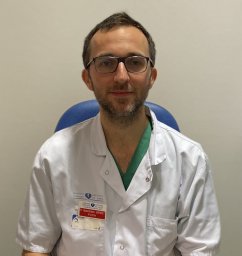 Maximilien Barret合作论文数Faculté Paris Descartes, Hôpital Européen Georges Pompidou53Sarah Leblanc合作论文数51
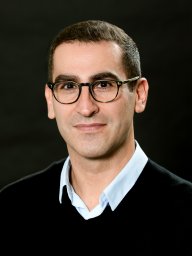 Gabriel Rahmi合作论文数Paris47Louis-Jean Masgnaux合作论文数45
 Chaussade Stanislas合作论文数45Elena De Cristofaro合作论文数43
 Francois Mion合作论文数Université Lyon 1;Hôpital E. Herriot41
 Geoffroy Vanbiervliet合作论文数Service d’Hépato-Gastroentérologie, Hôpital de l’Archet 238Chevaux Jean-Baptiste合作论文数37Sabine Roman合作论文数Fédération des Spécialités Digestives, Hôpital E. Herriot37Geyl Sophie合作论文数36
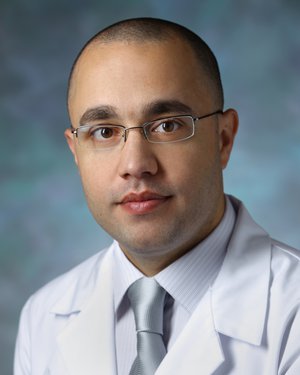 Mouen Khashab合作论文数School of Medicine, The Johns Hopkins University;The Johns Hopkins Hospital35Marion Schaefer合作论文数34Emmanuel Coron合作论文数33Edouard Chabrun合作论文数31Eduardo Albéniz合作论文数27
 Arthur Berger合作论文数CHU Bordeaux, Univ Bordeaux26Marc A. Barthet合作论文数26Jean Grimaldi合作论文数25Hugo Lepetit合作论文数25Valérie Hervieu合作论文数25Martin Dahan合作论文数24Thomas Walter合作论文数23Michael B. Ujiki合作论文数Department of Surgery, Northwestern University21Fabien Subtil合作论文数21T Wallenhorst合作论文数20Aurélie Charissoux合作论文数20
 Roberta Maselli合作论文数19
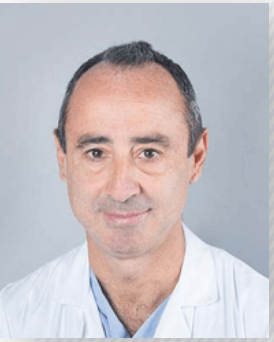 Alessandro Repici合作论文数19
 Stephane Koch合作论文数19Philippe Leclercq合作论文数18
 Kumbhari Vivek合作论文数Dept Med, Div Gastroenterol & Hepatol, Johns Hopkins Med Inst18Lucile Héroin合作论文数17
 Bu Hayee合作论文数King's College Hospital NHS Foundation Trust;King's College London17
 Joao Santos-Antunes合作论文数17




