Barrett’s esophagus (BE) is a pre-cancerous condition with an increased risk of esophageal adenocarcinoma (EAC). Current surveillance involves white light endoscopy with random biopsies (Seattle Protocol, SP) but has limitations. This study explores high-resolution virtual chromoendoscopy (HRMC) as a potential alternative. This controlled trial will enroll 110 patients with Barrett’s esophagus (BE) across 15 gastroenterology departments in France. Each patient will undergo both HRMC and SP examinations during the same endoscopic procedure. Although the trial is non-randomized, it is important to highlight that the two endoscopists performing either the HRMC or the SP will be blinded to each other’s results. Therefore, each patient will serve as their own control. Biopsy decisions will be based on both methods, with any visible lesions resected. The primary objective is to compare the detection rate of HGD and EAC lesions using HRMC with targeted biopsies versus SP with random biopsies. Secondary objectives include comparing detection rates of LGD lesions, procedure time, missed lesions, and cost-effectiveness. If HRMC proves superior to SP for detecting HGD and EAC, it could lead to more accurate, efficient, and cost-effective BE surveillance strategies, improving patient outcomes and resource utilization. ClinicalTrials.gov NCT05229783 – First Submitted 2021-12-07.
Background Work-related musculoskeletal disorders (WRMSDs) affect 37-89% of gastroenterologists. This study aimed to evaluate the prevalence of MSDs among French digestive endoscopists and identify associated risk factors. Methods An anonymized online questionnaire about MSD was distributed to all members of the French Society of Endoscopy (SFED) over one month. Results A total of 485 digestive endoscopists participated in October 2024. Most respondents were male (55%), with a median age of 48 years (IQR 37-60). About 76.3% reported experiencing work-related joint and/or musculoskeletal disorders leading to decreased efficiency (5.1%), job adaptation (3.8%), reduction of activity (2.4%), and work stoppage (2.1%). In multivariate analysis, practicing endoscopy for more than 20 years (OR 2.53 (95% CI 1.01-6.33), p = 0.046) and the number of hours of endoscopy practice per week were independently associated with WRMSDs (OR 1.10 (95% CI 1.04-1.18), p = 0.002). Performing more than 16.5 hours of endoscopy per week increased WRMSD risk (sensitivity 35%, specificity 83%). Conversely, practicing sports at least three times per week and adjusting the endoscopy schedule were associated with a lower risk. Conclusion WRMSDs are frequent and impactful among French endoscopists. Targeted preventive strategies are urgently needed to protect practitioners' health and maintain care quality.
BACKGROUND & AIMS:For the local excision of early rectal tumors (ERTs), the relative effectiveness of endoscopic submucosal dissection (ESD) vs transanal endoscopic microsurgery (TEM) is subject to debate. The comparisons are limited to retrospective, single-center studies lacking a health economic assessment. METHODS:A cost-effectiveness analysis was conducted alongside a nonrandomized, 2-arm, comparative, multicenter study. The main inclusion criterion was an ERT (adenomas, in situ and usT1N0 carcinomas) that could be resected with ESD or TEM, depending on the center. The primary effectiveness criterion was complete resection. A health care system perspective and a 1-year horizon were adopted for the cost evaluation. The results of the analysis were adjusted for baseline covariates: age, sex, body mass index, American Society of Anesthesiologists score, histology, and previous pelvic surgery. RESULTS:A total of 213 ESD and 117 TEM procedures were analyzed. At 1 year and with a willingness to pay of €2500 for complete resection, the incremental net monetary benefit of ESD was significant (€1797; 95% confidence interval, €861-€3,032; P < .001). ESD was more cost-effective for decision thresholds ranging from €0 to €6000. In terms of secondary outcomes, the en bloc excision rate favored ESD (99.0% vs 92.5%, P < .01). There were no significant between-group differences in overall and major morbidity. At 3 years, a cost-utility analysis did not reveal between-group differences in health-related quality of life, and the overall survival rates were similar. However, the disease-free survival rate was higher after ESD (94.3% vs 84.6% for TEM; adjusted hazard ratio, 3.55; 95% confidence interval, 1.64-7.75; P < .001). CONCLUSIONS:For ERT, ESD was more cost-effective and offered higher-quality excision and lower recurrence rates than TEM. (ClinicalTrials.gov, Number: NCT02885142).
Background: Pancreatic metastases from renal cell carcinoma (RCC) are usually managed surgically but with significant morbidity. Alternative could be endoscopic ultrasound-guided radiofrequency ablation (EUS-RFA) which has shown promising results in the treatment of pancreatic neuroendocrine tumors. Objective: The aim of our study was to assess the technical success, effectiveness, and safety of EUS-RFA in patients with pancreatic metastases of RCC. Methods: This retrospective, observational study included consecutive patients referred for EUS-RFA of pancreatic RCC metastases. EUS-RFA was performed through 18 or 19G dedicated RFA needles. The effectiveness of EUS-RFA treatment was defined by the necrosis with no contrast enhancement or the disappearance of the lesion, determined by contrast enhanced CT scan, at 2 to 5 months post procedure, at one year, and at the end of follow-up. Safety was assessed per and post procedure. Results: Between January 2015 and January 2021, 8 patients with 11 lesions were treated, median time from RCC diagnosis to pancreatic metastases RFA was 8.5 years (1-15). The mean size of the lesions was 13.9 (± 3.9) mm. Technical success assessed by immediate post procedure contrast enhancement or doppler, was 100%. At the first CT scan follow-up, complete response was 45.4% and partial response was 27.3 %. At one-year, complete response was 45.4% and partial response was 27.3%. Three patients had multiple EUS-RFA. Adverse events occurred in 3 patients (mild acute pancreatitis, abdominal pain, and pancreatic fistula with retro-gastric pseudocyst). Conclusion. Our study demonstrated the feasibility and safety of EUS-RFA for patients with pancreatic metastases of RCC.
BACKGROUND AND AIMS:New techniques for endoscopic resection, including endoscopic submucosal dissection (ESD), have been developed to allow for en-bloc resection with very low recurrence rates and organ sparing in patients without inflammatory bowel disease (IBD). Data on ESD for the management of colorectal dysplasia in IBD patients are scarce. We aimed to evaluate the efficacy and safety of ESD for the treatment of IBD. METHODS:We conducted a retrospective multicenter cohort study that evaluated consecutive ESD procedures in IBD patients with visible dysplasia from 20 French centers with ESD experience. Between June 2008 and March 2022, all IBD patients included in the local ESD databases and who underwent ESD for visible dysplasia proven on biopsy were included. All patients were included from the date ESD was performed, and endoscopic follow-up and surgical data were collected. RESULTS:Among the 88 lesions resected in 82 patients (19 patients with Crohn's disease), 82% and 80% of patients had R0 and curative resection, respectively. Ten (12%) patients required surgery: 1 for complication, 3 for endoscopic failure, and 6 for noncurative resection. After a median follow-up of 20 (IQR 10.5-45) months, 4 patients experienced local recurrence, and 14 (17%) underwent surgery. Two patients died from cardiovascular issues during the follow-up. Factors associated with local recurrence were R1 resection, associated primary sclerosing cholangitis, a personal history of colorectal cancer, and active lesions at the ESD site. CONCLUSIONS:Endoscopic submucosal dissection is feasible for IBD patients with visible colorectal dysplasia and has an acceptable safety profile. These findings should be evaluated further in control trials.
Background & Aims: Tamponade is a bridge therapy for refractory variceal bleeding. This study compared esophageal stents (ESs) and balloon tamponade (BT) in terms of early bleeding control and mortality. Methods: We analyzed a cohort of patients with cirrhosis treated with tamponade in nine French hospitals between 2002 and 2023. The primary outcome was 6-week mortality. Multivariable analyses included Cox with time-dependent covariates and logistic regression models, adjusted for model for end-stage liver disease (MELD) score, rescue transjugular intrahepatic portosystemic shunt (rTIPS), and inverse probability of treatment weighting (IPTW) for ES. Results: Sixty-three patients (87.3% male; mean age 55 years; 73.0% Child-Pugh C) were included. ES was used in 30 patients, BT in 33, and rTIPS subsequently in 20. Endoscopic control was attempted in 66.1% of cases. Adverse events were more frequent with ES (56.7% vs. 27.3%, p = 0.018), mostly stent migrations without clinical consequence, but less severe than with BT (two esophageal ruptures). Mortality was 42.9% (n = 27) at Day 5 and 55.6% (n = 35) at 6 weeks. Univariable analysis revealed lower mortality with ES than with BT (20.0% vs. 63.6% on Day 5, p = 0.0005 and 36.7% vs. 72.7% on Week 6, p = 0.0015) and with rTIPS (10.0% vs. 58.1% on Day 5, p = 0.0003 and 25.5% vs. 67.5% on Week 6, p = 0.0009). IPTW-adjusted and IPTW-weighted time-dependent Cox and logistic models confirmed decreased 6-week mortality (hazard ratio (HR) = 0.26, p = 0.0078) and better 5-day bleeding control (odds ratio (OR) = 6.1, p = 0.020) with ES. Conclusions: In patients with cirrhosis-related refractory variceal bleeding, ESs were associated with significantly better early bleeding control and reduced mortality at both Day 5 and Week 6 compared with BT. Prospective studies are warranted to confirm these findings. Impact and implications: Tamponade devices are crucial in the management of refractory variceal bleeding, with balloon probes being the only option until the early 2000s. More recently, self-expanding ESs have been recommended, although their superiority over BT in terms of survival has not yet been demonstrated. Our multicenter cohort study, using propensity score analysis, found that ESs provided superior bleeding control at Day 5 and survival benefit at Week 6, regardless of severity of liver failure or use of rescue TIPS. These findings highlight ESs as the optimal tamponade device, although they might not obviate the need for prompt rescue TIPS placement.
New techniques for endoscopic resection, including endoscopic submucosal dissection (ESD), have been developed to allow for en-bloc resection with very low recurrence rates and organ sparing in patients without inflammatory bowel disease (IBD). Data on ESD for the management of colorectal dysplasia in IBD patients are scarce. We aimed to evaluate the efficacy and safety of ESD for the treatment of IBD. We conducted a retrospective multicenter cohort study that evaluated consecutive ESD procedures in IBD patients with visible dysplasia from 20 French centers with ESD experience. Between June 2008 and March 2022, all IBD patients included in the local ESD databases and who underwent ESD for visible dysplasia proven on biopsy were included. All patients were included from the date ESD was performed, and endoscopic follow-up and surgical data were collected. Among the 88 lesions resected in 82 patients (19 patients with Crohn's disease), 82% and 80% of patients had R0 and curative resection, respectively. Ten (12%) patients required surgery: 1 for complication, 3 for endoscopic failure, and 6 for noncurative resection. After a median follow-up of 20 (IQR 10.5-45) months, 4 patients experienced local recurrence, and 14 (17%) underwent surgery. Two patients died from cardiovascular issues during the follow-up. Factors associated with local recurrence were R1 resection, associated primary sclerosing cholangitis, a personal history of colorectal cancer, and active lesions at the ESD site. Endoscopic submucosal dissection is feasible for IBD patients with visible colorectal dysplasia and has an acceptable safety profile. These findings should be evaluated further in control trials.
Background:Gastroparesis is predominantly caused by diabetes mellitus or vagal nerve injury post-surgery. About 30% of patients develop gastroparesis after esophagectomy with gastric pull-through. Standard treatments often fail, and endoscopic pyloromyotomy (G-POEM) has shown promising results. This study aimed to assess the efficacy and safety of G-POEM in patients with refractory gastroparesis after esophagectomy. Methods:A multicenter retrospective cohort study was conducted across 18 expert centers. Patients who underwent G-POEM for refractory gastroparesis following esophagectomy from August 2014 to December 2023 were included. Inclusion criteria were confirmed gastroparesis by scintigraphy, a mean Gastroparesis Cardinal Symptom Index (GCSI) of at least 1.0, and a minimum of 6 months of follow-up. The primary outcome was treatment success at 6 months, defined as a ≥50% decrease in the GCSI score. Results:Of 113 G-POEM procedures, 108 patients (median age 65 years; 75% men) met the inclusion criteria. The primary indication for esophagectomy was adenocarcinoma (75.5%). At 6 months, 63.5% (95%CI 54.1%–72.0%) achieved clinical success, with the mean GCSI significantly decreased to 1.2 (95%CI 1.0–1.4) from 2.9 (95%CI 2.7–3.1) preprocedure. Minor adverse events occurred in 2.8% of cases. Long-term follow-up showed sustained efficacy with success rates of 54.9% and 66.1% at 12 and 24 months, respectively. Conclusion:G-POEM appears to be a safe and effective treatment for refractory gastroparesis in post-esophagectomy patients, achieving significant symptom relief in the majority of patients. Future prospective studies are necessary to further validate these findings and explore predictive factors for treatment success.
BackgroundManagement of ampullary tumors (AT) is challenging because of a low level of scientific evidence. This document is a summary of the French intergroup guidelines regarding the management of AT, either adenoma (AA) or carcinoma (AC), published in July 2023, available on the website of the French Society of Gastroenterology (SNFGE) (www.tncd.org).MethodsA collaborative work was conducted under the auspices of French medical, endoscopic, oncological and surgical societies involved in the management of AT. Recommendations are based on recent literature review and expert opinions and graded in three categories (A, B, C), according to quality of evidence.ResultsAccurate diagnosis of AT requires at least duodenoscopy and EUS. All patients should be discussed in multidisciplinary tumor board before treatment. Surveillance may only be proposed for small AA in familial adenomatous polyposis. For AA, endoscopic papillectomy is the preferred option only if R0 resection can be achieved. When not possible, surgical papillectomy should be considered. For AC beyond pT1a N0, pancreaticoduodenectomy is the procedure of choice. Adjuvant monochemotherapy (gemcitabine, 5FU) may be proposed. For aggressive tumors (pT3/T4, pN+, R1, poorly differentiated AC, pancreatobiliary differentiation) with high risk of recurrence, 6 months polychemotherapy (CAPOX/FOLFOX for the intestinal subtype and mFOLFIRINOX for the pancreatobiliary or the mixed subtype) may be a valid alternative. Clinical and radiological follow up is recommended for 5 years.ConclusionsThese guidelines help to homogenize and highlight unmet needs in the management of AA and AC. Each individual case should be discussed by a multidisciplinary team.
BACKGROUND:Hepaticogastrostomy drainage through endoscopic ultrasound (EUS-HGS) has emerged in the 2010s as a new technique for biliary decompression in cases of endoscopic retrograde cholangiopancreatography (ERCP) failure for malignant biliary obstruction (MBO). Substantial technical and procedural progress in performing EUS-HGS has been achieved, allowing high technical and clinical success and an acceptable risk of adverse events in studies mainly focusing on short-term outcomes. However, the long-term effects of EUS-HGS and the risk of recurrent biliary obstruction (RBO) have not been fully evaluated. OBJECTIVES:To evaluate the long-term effects of EUS-HGS and the risk of RBO. METHODS:Data from 211 patients undergoing technically successful EUS-HGS in three academic centers were retrospectively collected. Clinical success, adverse events, RBO, and reinterventions were evaluated. RESULTS:In total, 198 patients underwent technically successful EUS-HGS for MBO. The median overall survival was 144 days [108, 2011] after the procedure. Mean patient age was 69.39 (12.91) years. The cause of MBO was pancreatic cancer (n = 98, 49.5%) followed by cholangiocarcinoma (n = 29, 14.6%). The location of MBO was distal in 27.6% of cases and proximal in 68.4%. Adverse events were observed during the follow-up in 65 patients (33%). On multivariate analysis, the use of partially covered self-expandable metal stents (PCSEMS) was associated with a lower risk of RBO (HR = 0.47 [0.24-0.95], p = 0.034). Additionally, patients with distal stenoses had a trend toward better stent patency (HR = 0.06[0-0.77], p = 0.031). RBO developed in 38 cases (19.1%) mainly due tumor ingrowth (36.8%) with a high success rate of endoscopic management. CONCLUSIONS:While RBO occurred in a notable proportion of patients, the primary cause of mortality was progression of the underlying malignancy rather than stent dysfunction. The efficiency of stents, particularly PCSEMS, and the high success rate of endoscopic management for RBO underscore the effectiveness and reliability of these treatments in managing biliary complications.
Background and study aims:Peroral endoscopic myotomy (POEM) is the preferred technique for the treatment of esophageal motility disorders and is less invasive than surgery. This study was performed to compare two university centers in the practice of POEM, in terms of efficacy and adverse events, for the treatment of esophageal motility disorder.Patients and methods:Retrospective comparative study of patients undergoing a POEM between September 2020 and December 2022 from the University Hospital of Liège (Belgium) and Besançon (France). The clinical success was defined by an Eckardt score ≤ 3 after the procedure.Results:Fifty-five patients were included. In both centers, 87,3% of the patients had achalasia (mostly type II), and 12,7% had another esophageal motility disorder. The use of antibiotic prophylaxis was systematic in Liège center but not in Besançon center (100% and 9.1% respectively). The mean value of the post-operative Eckardt score was 1.55± 2.48 in both center with 93.2% of patients with a score ≤ 3 (92% in Besançon and 94.74% in Liège). The rate of adverse event was generally low. There were two minor adverse events more frequent in Liège, clinical capnomediastinum and pain at day one, but they were managed with conservative treatment. Only 7.3% of the total patients had an infectious phenomenon that did not correlate with the use of antibiotic prophylaxis.Conclusion:The post-operative Eckardt score and the adverse event rate were comparable between the university centers. This study confirmed that POEM is a safe and effective technique. It also showed that using an antibiotic prophylaxis does not influence the development of infectious adverse events.
Aims Severe gastroparesis (GP) is one of the major complications occurring in 15 to 40% of patients after esophagectomy with gastric pull-through despite recent progress in surgical techniques. GP significantly impacts the patients' quality of life and nutritional status. Pylorospasm caused by bilateral vagotomy is believed to be an important pathophysiological factor responsible for development of GP in such situation. Endoscopic pyloromyotomy (GPOEM) has become promising treatment option for patients suffering from refractory GP. Thus, we aimed to assess the outcomes of this intervention for treating post-esophagectomy gastroparesis.
Background An accurate assessment of the evolution of GI endoscopy volumes is warranted to identify long-term trends and to help anticipate training, infrastructure and human resource needs. The main objective of this longitudinal study was to evaluate the evolution of GI endoscopy in France. Methods This retrospective study consisted of a cross-sectional analysis repeated each year from 2008 to 2018 using data from a national health database related to hospital admissions. All day-case and hospital stays presenting at least one of the 119 GI endoscopy procedures were extracted. Results This study showed an increase in day-case and hospital stays including a GI endoscopy procedure of 18.4%. In addition, day-case endoscopy increased from 67.8% to 76.9% of hospital admissions. There was a 19.6% increase in lower GI endoscopy, with in particular a 247% increase in endoscopic mucosal resection. EUS and pancreaticobiliary and duodenal endoscopy have seen the most significant increases, 63% and 70.2% respectively; notably, therapeutic EUS increased by 476%. Conclusion This study shows the good dynamics of GI endoscopy in a European country with a sustained increase over 11 years in day-case and hospital stays of patients undergoing a GI endoscopy while day-case endoscopy is taking on an increasingly important role.
BACKGROUND AND AIMS:EUS-guided placement of fiducial markers in patients with esophageal or rectal cancer who have been referred for radiation therapy lacks data regarding its feasibility and safety. The aim of this study was to assess the success rate of EUS-guided fiducial marker placement in these indications. METHODS:This prospective multicenter study enrolled patients with rectal or esophageal tumors who were treated between March 2017 and June 2021. The primary endpoint was the success of fiducial marker placement under EUS guidance utilizing the preloaded 22-gauge EchoTip Ultra Fiducial Needle (Cook Medical, Limerick, Ireland), defined by the ability to release fiducials at least at the proximal and distal ends of the tumor. Secondary endpoints were the adverse events, length of procedure, and fiducial markers remaining throughout radiation therapy. RESULTS:A total of 33 patients were included in this study, with a mean age of 64.2 ± 11.3 years; 66.7% were male. Twenty patients had rectal adenocarcinoma, and 13 had esophageal malignancies. The success rate of fiducial marker placement was 93.9%. Markers could only be released at the proximal end of the tumor in 2 cases. The average procedure time (±SD) was 12.5 ± 4.8 minutes. The number of fiducial markers placed for each patient was 3.8 ± .5. No adverse events were reported. At the end of radiotherapy, markers were still visible on imaging in all patients. CONCLUSIONS:This prospective multicenter study highlights the safety and high success of the placement of fiducial markers under EUS guidance for rectal and esophageal tumors, with no adverse events and with a short procedure time. Fiducial markers remained in place over time during radiation therapy. (Clinical trial registration number: NCT03057288.).
Abstract Background Renal disorders are among the extra-intestinal manifestations of inflammatory bowel disease (IBD), and treatments may also lead to renal failure. However, the incidence of end-stage renal disease (ESRD), defined as the need for renal replacement therapy (dialysis and/or renal transplantation(RT)), is poorly known. The primary objective of our study was to assess the incidence of ESRD in IBD patients, and to compare it with the non-IBD population. Methods We conducted a prognostic cohort study based on data from the French National Health Insurance Database(SNDS). Prevalent cases of IBD affiliated to the general health insurance scheme during the period 2011-2020 were identified on the basis of declarations long-term diseases ALD 24 or the presence of 2 hospital stays for IBD with ICD-10 codes or a single stay with reimbursement of specific treatments. Incident cases of ESRD were identified on the basis of a stay with a RT or a period with dialysis sessions for at least 45 days. Crude incidence rates of ESRD were calculated over the period for the IBD and the non-IBD population, with their 95% confidence intervals. Results A total of 280,283 IBD patients were included in the study over the period 2011-2020, 134,567 with ulcerative colitis(UC) and 145,716 with Crohn’s disease(CD). The mean age at study inclusion was 39.8 (± 17.1) years. The M/F sex ratio was 0.9. The mean age at incidence of ESRD in the non-IBD population was 65.0 (±17.0) years, the M/F sex ratio cases was 1.7. Among IBD patients, 534 patients began replacement therapy by dialysis or RT, they were younger than non-IBD patients (60.3(±16.7)years, P<0.001).The mean incidence rate of ESRD over the period was 26.4 per 100,000 person-years (IC95% 23.1-29.6), 480 (89.9%) patients entered ESRD by dialysis, and 54 (10.1%) by preemptive RT. In the non-IBD population the mean rate of ESRD was 15.9 per 100,000 person-years (IC95% 14.8- 17.1; P<0.0001 compared with IBD): 79,606 (94.5%) patients entered ESRD by dialysis, and 4,634 (5.5%) by RT (as compared with IBD,P<0.001). In subgroup analysis, the mean incidence rate of ESRD was 22.8 per 100,000 person-years (IC95% 18.9-26.7) in UC patients and 29.5 (IC95% 25.3-33.6) in CD patients. The rates of preemptive RT were 12.4% in UC patients (87.6% dialysis) and 8.6% in CD patients (91.4% dialysis). Over a median follow-up of 6.8 years, the survival rate after ESRD was 40.8% in ESRD-IBD patients VS 34.2% in ESRD non-IBD patients (P<0.001). Conclusion This study shows that the incidence of ESRD is significantly higher in IBD than in the non-IBD population, confirming the need for regular monitoring of renal function in our patients. The high incidence of RT confirms that access to transplantation is not restricted in this population.
BACKGROUND:Surgical resection rates remain high in Crohn's disease (CD). Reducing postoperative recurrence (POR) is challenging. Besides drug therapy, the surgical anastomosis technique may reduce POR. We aimed to compare the endoscopic POR rate after Kono-S vs standard ileocolic anastomosis. METHODS:The study included all consecutive CD patients operated on for ileocolic resection with a Kono-S anastomosis between February 2020 and March 2022. These patients were prospectively followed, and colonoscopy was performed 6 to 12 months after surgery. Patients were compared with a historical cohort of patients operated on with a conventional anastomosis in the same center. The primary end point was endoscopic POR (Rutgeerts score ≥i2). Factors associated with POR were assessed by univariate and multivariable analyses. RESULTS:A total of 85 patients were included, 30 in the Kono-S group and 55 in the control group. At baseline, there was no significant difference between the 2 groups regarding CD characteristics or known POR risk factors, including previous exposure to biologics. At 6 to 12 months, endoscopic POR rate did not differ significantly between groups (56.7% in the Kono-S group vs 49.1% in the control group; P = .50), nor did endoscopic POR according to the modified Rutgeerts score ≥i2b (46.7% in the Kono-S group vs 40% in the control group; P = .55). Severe endoscopic POR rates were 23.3% and 18.2% in each group, respectively. Clinical recurrence rate was similar in both groups, and no recurrent surgery occurred. By multivariable analysis, the type of anastomosis was not associated with endoscopic POR (OR, 1.229; 95% CI, 0.461-3.274, P = .68); however, postoperative treatment with anti-TNF was (OR, 0.337; 95% CI, 0.131-0.865 P = .02). CONCLUSIONS:Kono-S anastomosis was not associated with a reduced rate of endoscopic POR. These results warrant confirmation in prospective, randomized, multicenter studies.
Aims The French society of digestive endoscopy (SFED) and the Nurse Group for Endoscopy training (GIFE) carried out a survey of ecological endoscopy practices throughout France.
 Vuitton Lucine合作论文数56
 Geoffroy Vanbiervliet合作论文数Service d’Hépato-Gastroentérologie, Hôpital de l’Archet 236Chevaux Jean-Baptiste合作论文数23
 Mathieu Pioche合作论文数Gastroenterology Department, Edouard Herriot Hospital22Marc A. Barthet合作论文数22Emmanuel Coron合作论文数22
 Jacques Jérémie合作论文数18Bruno Heyd合作论文数Service de Chirurgie Viscérale et Digestive – Centre de Transplantation Hépatique, Hôpital Jean Minjoz18
 Marine Camus合作论文数Assistance publique–Hôpitaux de Paris (AP–HP),, CHU Cochin Port-Royal18
 Chaussade Stanislas合作论文数17
 Philippe Bichard合作论文数16Solange Bresson-Hadni合作论文数15Laurent Heyries合作论文数15Sarah Leblanc合作论文数15
 Gabriel Rahmi合作论文数Paris15Fein Francine合作论文数13Vincent Lepilliez合作论文数13Jp Miguet合作论文数12
 Laurent Peyrin-Biroulet合作论文数CHRU De Nancy12
 Philippe Grandval合作论文数12Yann Le Balleur合作论文数11Bertrand Napoléon合作论文数11g lesur合作论文数11Rodica Gincul合作论文数11Laurent Poincloux合作论文数Service de gastro-entérologie et hépatologie, Hôtel Dieu11David Karsenti合作论文数11
 Franck Cholet合作论文数10Wallenhorst Timothée合作论文数10
 Jean-Michel Gonzalez合作论文数Aix-Marseille Université10
 E Delabrousse合作论文数Besançon10Julien Branche合作论文数10Edouard Chabrun合作论文数9
 Fabrice Caillol合作论文数9Elodie Metivier-Cesbron合作论文数8Clément Subtil合作论文数8Jocelyn Privat合作论文数8
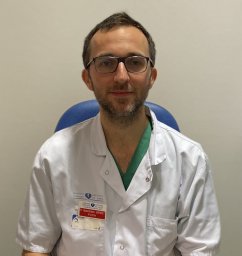 Maximilien Barret合作论文数Faculté Paris Descartes, Hôpital Européen Georges Pompidou8Le Baleur Yann合作论文数8
 Arthur Laquière合作论文数Hôpital Saint Joseph8Antoine Charachon合作论文数8
 Erwan Bories合作论文数Endoscopic Unit, Paoli-Calmettes Institut8Olivier Gronier合作论文数7Thibault Degand合作论文数7Pe Queneau合作论文数7Rivory Jérôme合作论文数7Yzet Clara合作论文数7Bernardini David合作论文数7
 Vincent Di Martino合作论文数7
 Georges Mantion合作论文数7




