Self-management support by community health workers, referred to as Female Community Health Volunteers (FCHVs) in Nepal, can enhance diabetes care in resource-constrained settings. We assessed FCHVs' knowledge, perceived self-efficacy, and barriers to supporting diabetes self-management before and after training. Guided by the Health Belief Model, we conducted a biphasic, Qual + quan, concurrent, embedded mixed-methods evaluations among 28 FCHVs in four wards in rural mid-Western Nepal. We evaluated the program into two phases, each consisting of focus group discussions (FGDs); trainings that included didactics, hands-on-practice, and role play demonstrations; and pre- and post-training surveys. Phase 2 occurred nine months after Phase 1. We conducted trainings and evaluations over 4-5 hours/ward/phase. FGD data were analyzed using both deductive and inductive coding and emerging themes were then examined for patterns and relationships among the codes. We summarized quantitative data using descriptive statistics and integrated with qualitative data during interpretation. FCHVs' mean age was 48 years, 32.1% had completed secondary education, and 75% had served as FCHVs for >10 years. We identified five themes in qualitative analysis: (1) diabetes knowledge, (2) diet and lifestyle counseling, (3) FCHV's confidence, (4) training and education, and (5) barriers and motivators for community-based self-management support. Mixed-methods evaluations showed knowledge of diabetes and confidence in self-management skills improved after the training. Although barriers, such as inadequate incentives, persisted in Phase 2, communities' trust in FCHV as diabetes self-management supporter improved. These findings suggest that FCHVs may be willing to take a greater role in diabetes self-management support, and that even short training sessions have the potential to enhance their confidence and knowledge, particularly if our findings are further substantiated. Ensuring appropriate incentives, ongoing training and system-level support are important for sustainability of such programs.
Background Hypertension management using home blood pressure monitoring–guided pharmacotherapy is more effective than clinic‐based care, but the benefit is attenuated in underserved patients. We evaluated implementation determinants of a team‐based telehealth hypertension management program providing home blood pressure monitoring–guided pharmacotherapy and self‐management and social support. Methods We used Exploration, Preparation, Implementation and Sustainment, and Health Equity Implementation Frameworks for semistructured interviews and inductive/deductive coding using thematic analysis of qualitative data and quantitative analysis to evaluate team‐based telehealth hypertension management program implementation facilitators, barriers, acceptability, appropriateness, and feasibility. We purposefully sampled 20 patients with hypertension and 16 clinic key players from 2 safety‐net clinics in North Carolina. Quantitative measures were Acceptability of Intervention Measure, Intervention Appropriateness Measure, Feasibility of Intervention Measure, Patient Assessment of Chronic Illness Care, Organizational Readiness for Implementing Change (all measures' score ranged 1–5; higher score is better). We used concurrent embedded mixed methods (qualitative + quantitative) for convergence and complementarity. Results Five qualitative themes emerged around (1) staffing barriers, coordinated teamwork, and friendly study tools; (2) the program's patient and provider centeredness; (3) ease of home blood pressure monitoring; (4) personalized, comprehensive self‐management calls; and (5) social support. Patients and clinic key players found the program acceptable (mean±SD, 4.42±0.84 and 4.56±0.59), appropriate (4.42±0.86 and 4.61±0.50), and feasible (4.40±0.89 and 4.44±0.53), respectively. Patient Assessment of Chronic Illness Care and Organizational Readiness for Implementing Change scores were 4.22±1.01 and 4.11±0.78, respectively. Conclusions Implementing a team‐based telehealth hypertension management program depends on its tailoring to patients and providers and having their endorsement; a user‐friendly and trust‐promoting model; and having a viable financial plan. Future studies should assess clinical and cost effectiveness of the program. REGISTRATION: URL https://www.clinicaltrials.gov; Unique identifier: NCT05424744.
BackgroundHypertension management is a national priority. However, hypertension control rates are suboptimal and vary across clinics, even among those in the same health system and geographic region.ObjectiveTo identify organizational barriers and facilitators that impact hypertension management at the provider, clinic, and health system level.DesignSemi-structured interviews were conducted to assess patient and provider experiences with hypertension care.ParticipantsTwenty-five providers and 22 patients with uncontrolled hypertension were recruited from thirteen high- and low-performing primary care clinics across two health systems in North Carolina and Kansas.ApproachInterviews were analyzed using both inductive and deductive coding methodologies. A health equity framework scaffolded interview guide design and codebook development, with thematic analysis employed to categorize emergent themes.Key ResultsParticipants discussed organizational and clinic-level barriers and facilitators that impact hypertension management, with health systems' resource centralization being frequently mentioned. Some participants lauded centralized interventions for improving patient access and increasing touchpoints, while others lamented reductions in clinic staffing to accommodate centralized workflows. Insufficient in-clinic staffing and blood pressure (BP) measurement equipment, limited exam rooms, short appointment duration, and hurried clinic environments were all mentioned as challenges to hypertension management, particularly as they hindered adherence to BP recheck policies. Appointment availability was mentioned as a barrier; however, some providers referenced clinics' use of virtual and/or nurse-specific visits as a mechanism to increase patient access. Multiple providers noted that tasks central to hypertension management, like BP telemonitoring and MyChart correspondence, go unaccounted for on their schedules and can lead to unpaid work, which they linked with increased stress and burnout.ConclusionsPrimary care clinics experience multiple interrelated organizational barriers to effective hypertension management. Future studies should examine the impact of different clinic staffing models, including multidisciplinary care teams, telemedicine, and remote BP monitoring, on BP outcomes in diverse primary care settings.
Social determinants of health contribute to disparities in cardiovascular outcomes, including hypertension. This study utilized a health equity framework to assess patient-level factors influencing hypertension management across two health systems in North Carolina and Kansas. We interviewed 29 providers and 25 patients with hypertension from 14 clinics, including 13 primary care clinics-6 high-performing, 1 mid-performing, and 6 low-performing-and 1 cardiology clinic. Thematic analysis and open coding methodologies were used during analysis. Five salient patient-level themes emerged: patient resources, health literacy, lifestyle, intentionality, and patient-centered care. All providers identified health literacy as a critical barrier; however, those in low-performing clinics more regularly cited literacy-related challenges, with some associating patients' rurality with decreased understanding and intentionality. Mental health was also linked to hypertension management, as anxiety may exacerbate symptoms, while depression can reduce treatment motivation. Our findings underscore the need for individualized, equity-informed hypertension management strategies.
Introduction: Hypertension affects nearly half of U.S. adults, with over two-thirds of cases uncontrolled. Social determinants of health, including environmental and socioeconomic structures, are associated with community- and individual-level disparities in cardiovascular health. Hypothesis (Objective): This study utilized a health equity framework (HEF) to examine the impact of patient-level factors on hypertension management across two health systems in North Carolina and Kansas. Methods: From 2022-2023, we interviewed 29 providers and 25 patients with hypertension from 13 high- and low-performing primary care clinics – assessed via hypertension control rates – and one cardiology clinic. Interview guide and codebook development incorporated HEF themes, with both thematic analysis and inductive and deductive coding methodologies utilized during analysis. Results: Participants identified many patient-level factors that impact hypertension management, including five salient themes: patient resources, health literacy, lifestyle, intentionality, and patient-centered care. Providers often discussed health literacy as a critical barrier, characterizing hypertension as a “silent disease” that is frequently underprioritized by patients until adverse events occur. Providers in low-performing clinics more regularly cited health literacy challenges, with some NC providers associating patients’ rurality with decreased health literacy. Discussions of healthy eating were nuanced, with patients often detailing cost-related barriers, while some providers referenced the affordability of healthy foods (e.g., beans, lentils) and called for improved diet-focused education. Multiple participants linked patients’ mental health to hypertension management, specifically the potential for anxiety to exacerbate symptoms and depression to reduce treatment intentionality. Conclusion: Our findings underscore the need for individualized, equity-informed hypertension management strategies that address health literacy, behavioral support, and social determinants in both rural and underserved settings.
Objective To assess factors associated with the adoption of the WHO Package of Essential Non-Communicable Diseases (PEN) Protocol 1 at primary healthcare (PHC) facilities in Nepal after healthcare workers received training.Design Cross-sectional study.Setting PHC facilities across various provinces in Nepal.Participants A total of 180 healthcare workers trained in PEN, recruited from a random selection of 105 basic healthcare facilities.Main outcome measures The adoption of PEN Protocol 1 components: blood pressure measurement, blood glucose screening, 10-year cardiovascular disease (CVD) risk assessment using WHO/International Society of Hypertension risk charts and body mass index (BMI) assessment. Factors associated with protocol adoption were assessed using generalised estimating equations for ORs.Results Among participants, 100% reported measuring blood pressure, while 56% measured blood sugar, 28% assessed CVD risk and 27% assessed BMI. The adoption of the CVD risk prediction chart was positively associated with the availability of amlodipine (adjusted OR (aOR) 3.00; 95% CI 1.09 to 8.27). The adoption of BMI assessment was positively associated with access to a stadiometer (aOR 3.23; 95% CI 1.26 to 8.30) and a glucometer (aOR 3.07; 95% CI 1.12 to 8.40), and negatively associated with lack of motivation/inertia of previous practice (aOR 0.60; 95% CI 0.42 to 0.87) and environmental factors such as lack of time and resources (aOR 0.57; 95% CI 0.37 to 0.89). Blood glucose level measurements were positively associated with being at a PHC centre (aOR 7.34; 95% CI 2.79 to 19.3) and the availability of metformin (OR 2.40; 95% CI 1.08 to 5.29).Conclusion Adoption of PEN Protocol 1 varied by component and was influenced by resource availability, provider motivation and system barriers. Addressing these factors is key to optimising implementation in low-resource settings.
Current telemedicine programs to manage hypertension are less effective in Black compared with White patients in the US. Insufficient support for self-care skills and unaddressed social needs may explain the differences. We evaluated feasibility of a team-based telemedicine program using home blood pressure (BP) monitoring (HBPM) guided pharmacotherapy and supporting patients’ self-care skills and social needs. We conducted a single-arm pilot study in two safety-net clinics in North Carolina, enrolling 20 adults with uncontrolled hypertension on stable antihypertensive regimen with smartphone access, and English proficiency. We excluded individuals with conditions impairing home BP monitoring, complex chronic illnesses, or recent acute health events. The 12-week intervention included daily HBPM, HBPM-guided pharmacotherapy, telephone-based self-management support by trained nurses, and social support from community health workers (CHW) and social workers. We evaluated feasibility for recruitment and retention and completion of intervention components, pre-specified as ≥ 70 https://clinicaltrails.gov/study/NCT05424744 . Department of Cardiovascular Medicine, Wake Forest University School of Medicine.
Right ventricular (RV) infarction is commonly associated with left ventricular (LV) myocardial infarction. Isolated RV infarction is a rare entity and the diagnosis is challenging. We present a case of a 65-year-old man with non-ST elevation myocardial infarction without obvious culprit obstructive coronary artery disease on coronary angiogram. There was late gadolinium enhancement (LGE) of RV free wall without LGE of the LV in magnetic resonance imaging (MRI) which helped in diagnosing isolated RV infarction. On follow up, the patient’s RV dysfunction normalized on echocardiogram. Our case shows the importance of cardiac MRI in the diagnosis of isolated RV infarction and that it can have a good prognosis. Learning objectives Diagnosis of isolated right ventricular (RV) infarction needs high degree of suspicion especially in absence of hemodynamic findings. Late gadolinium enhancement in cardiac magnetic resonance imaging can help diagnose RV infarction when there is diagnostic uncertainty. Early therapy helps in RV recovery.
INTRODUCTION:Less than 1/5 th of eligible patients are prescribed statins for primary prevention in the United States. METHODS:We conducted a quality improvement program augmented by contextually responsive implementation strategies (IS), Plan-Do-Study-Act cycles, and Lean Six Sigma Principles to optimize statin therapy among 40-75-year-old patients without atherosclerotic cardiovascular diseases (ASCVD) in primary prevention in resident internal medicine clinic. We conducted needs assessment; identified process measures, barriers to statin optimization using discussions; and rank ordered these barriers. We mapped multiple IS to the barriers using discussions/consensus over 2 years. We retrofitted the IS to the Expert Recommendations for Implementing Change (ERIC) taxonomy to facilitate IS reporting. RESULTS:We noted significant improvement in process measures such as lipid panel orders (64.6% vs. 95.5%), its completion (78.6% vs. 95.3%), ASCVD risk score completion (3% vs. 91%), and statin therapy optimization (34.5% vs. 90%) over 2 years among eligible patients (baseline vs. final cohort, respectively; all p ≤ .001). CONCLUSIONS:Using improvement and implementation science to identify needs assessment, process measures, and barriers in statin optimization and mapping IS to the barriers can help improve statin optimization in primary prevention. Our reporting of IS using the ERIC taxonomy should further help operationalize IS in other contexts.
BACKGROUND:Nearly half of US adults have hypertension, with blood pressure (BP) uncontrolled in over two-thirds of cases. Significant disparities exist in BP control, particularly for Southern and rural-dwelling Americans. OBJECTIVE:To examine the impact of patients' relationships with families, communities, and providers on BP control efforts. DESIGN:Semi-structured interviews explored patient and provider experiences managing hypertension and controlling BP. PARTICIPANTS:Twenty-nine providers and 25 patients with hypertension were recruited from 13 high- and low-performing primary care clinics (assessed via hypertension control rates) and one cardiology clinic across two health systems in North Carolina and Kansas. APPROACH:A health equity framework-shaped interview guide and codebook development. Inductive and deductive coding methodologies were employed, with thematic analysis used to organize emergent themes. KEY RESULTS:Patients frequently discussed the prevalence of hypertension within their families, with some detailing feelings of inevitability and/or linking their cardiovascular outcomes to family histories. Cultural expectations were often mentioned, with families' and communities' normative behaviors sometimes creating barriers to hypertension management. Southern and/or rural culture (e.g., diet) may pose unique challenges, as some providers cited patients' resistance to deviate from regional norms. The importance of tailoring hypertension care to patients' unique circumstances was often cited and linked with increased trust and patient activation, with the utilization of culturally appropriate, patient-facing resources being identified as a best practice. While providers in high-performing clinics more consistently discussed approaches to tailoring care and using culturally appropriate materials, providers in low-performing clinics more often referenced time constraints limiting personalized care and having non-inclusive resources. CONCLUSION:Effective hypertension management may be impacted by patients' relationships, both external (e.g., family, community) and internal (e.g., providers) to healthcare. Future research should explore strategies for tailoring culturally appropriate hypertension care to patients, specifically identifying ways to overcome structural barriers that can hinder clinics' utilization.
It is unknown whether Female Community Health Volunteers’ (FCHVs) can counsel for hyperlipidemia in rural Nepal. Using the Health Belief Model, we evaluated FCHV’s knowledge, self-efficacy, and barriers to counsel for hyperlipidemia in two phases eleven months apart among 28 FCHVs from rural mid-Western Nepal. In each phase, we conducted four Focused Group Discussions (FGDs), hyperlipidemia-related training and two similar surveys before and after the training. We used inductive and deductive codes for thematic analysis and descriptive statistics for quantitative analysis. We integrated the results for complementarity and convergence using concurrent embedded design (Qual + quan). FCHVs’ mean age was 48 years and 21 out of 28 had worked for > 10 years. We found four themes in FGDs. In Phase 1, despite having interest, FCHVs had limited knowledge and confidence in counseling for hyperlipidemia. However, with sufficient training, they believed they could counsel. In Phase 2, FCHVs conveyed improved knowledge and self-efficacy. They expressed community might be concerned about their expertise, which improved in Phase 2. Quantitatively, FCHVs’ knowledge improved immediately after the initial training, which was stable in Phase 2. Inadequate training was identified less as a barrier in Phase 2, but inadequate time and incentive were identified more often, and community’s perception of FCHVs’ skills remained unchanged. FCHVs want to provide hyperlipidemia counseling. Despite our trainings and FCHV’s perceived self-efficacy, knowledge gap persisted. FCHVs’ workload, inadequate incentives and knowledge were important barriers. Balanced workload, regular trainings and adequate incentives are important to engage FCHVs in hyperlipidemia management.
Background: Hypertension management is a national priority. However, hypertension control rates are suboptimal and vary across clinics, even among those in the same health system and geographic region. Objective: To identify organizational barriers and facilitators that impact hypertension management at the provider- and clinic-level. Design: Semi-structured interviews were conducted with primary care providers (N=25) and patients with uncontrolled hypertension (N=22). Participants were recruited from thirteen family and internal medicine clinics across two academic learning health systems. Participants: Twenty-five providers and twenty-two patients were recruited from clinics across North Carolina and Kansas. Approach: Interviews were analyzed using both inductive and deductive coding methodologies. A health equity framework scaffolded interview guide design and codebook development, with thematic analysis employed to categorize emergent themes across the four framework domains. Key Results: Participants discussed organizational and clinic-level barriers and facilitators that impact hypertension management, with health systems’ resource centralization being frequently mentioned. Some participants lauded centralized interventions for improving patient access and increasing touchpoints, while others lamented reductions in their clinic’s staffing to accommodate centralized workflows. Insufficient in-clinic staffing and blood pressure (BP) measurement equipment, limited exam rooms, short appointment duration, and hurried clinic environments were all mentioned as challenges to hypertension management, particularly as they hindered adherence to BP recheck policies. Appointment availability was mentioned as a barrier, however providers referenced clinics’ use of virtual and/or nurse-specific visits as a mechanism to increase patient access. Multiple providers noted that tasks central to hypertension management, like BP telemonitoring and MyChart correspondence, go unaccounted for on their schedules and can lead to unpaid work, which they linked with increased stress and burnout. Conclusions: Primary care clinics experience multiple interrelated organizational barriers to effective hypertension management. Future studies should examine the impact of different clinic staffing models, including multidisciplinary care teams, telemedicine, and remote BP monitoring, on BP outcomes in diverse primary care settings.
Background: Current telemedicine programs to manage hypertension are less effective in Black patients perhaps due to insufficient support for self-care skills and social needs. We describe a tailored program for Black patients emphasizing self-management support and social needs to inform future studies. Method: We piloted a 12-week telemedicine intervention comprising home blood pressure (BP) guided pharmacotherapy, frequent self-management support and social support using pharmacist, nurses, community health workers (CHW) and social workers (SW) among 20 patients in 2 clinics. At enrollment, we trained patients to use a BP monitor and a telemonitoring app that transmits BP real-time via a smartphone and provided a pill box to facilitate medication adherence. We asked patients to measure BP at least once daily and used 6 weeks average to guide pharmacotherapy. Trained nurses helped patients achieve self-care goals and provided 8-12 self-management support calls discussing hypertension, medication adherence, diet, physical activity, weight management, sleep, and BP measurement techniques. SWs and CHWs provided social support to address social needs such as food, transportation, and housing, and also offered home visits. Result: Eighteen patients completed the study of which 15 were Black, 2 White, and 1 Korean (9 were women). Mean age was 61.7 ± 11.8 years. Patients measured BP 10 ± 8.6 times/week and completed 8.3 ± 2.5 self-management calls. Over 12 weeks, SBP/DBP decreased by 16.5 ± 26.2/10.2 ± 18.5 mmHg without safety events (Table). There were 1.1 ± 0.8 (range 0-3) medication adjustments (dose or medication changes) per patient. Patients had 8 minor technical difficulties that were promptly resolved. 17 patients used pill boxes to improve medication adherence. Conclusion: Our tailored telemedicine program to manage hypertension is feasible among Black patients and offer valuable insights for future research.
BACKGROUND: The optimal approach to implementing telemedicine hypertension management in the United States is unknown. METHODS: We examined telemedicine hypertension management versus the effect of usual clinic-based care on blood pressure (BP) and patient/clinician-related heterogeneity in a systematic review/meta-analysis. We searched United States-based randomized trials from Medline, Embase, CENTRAL, CINAHL, PsycINFO, Compendex, Web of Science Core Collection, Scopus, and 2 trial registries. We used trial-level differences in BP and its control rate at ≥6 months using random-effects models. We examined heterogeneity in univariable metaregression and in prespecified subgroups (clinicians leading pharmacotherapy [physician/nonphysician], self-management support [pharmacist/nurse], White versus non-White patient predominant trials [>50% patients/trial], diabetes predominant trials [≥25% patients/trial], and White patient predominant but not diabetes predominant trials versus both non-White and diabetes patient predominant trials]. RESULTS: Thirteen, 11, and 7 trials were eligible for systolic and diastolic BP difference and BP control, respectively. Differences in systolic and diastolic BP and BP control rate were −7.3 mm Hg (95% CI, −9.4 to −5.2), −2.7 mm Hg (−4.0 to −1.5), and 10.1% (0.4%–19.9%), respectively, favoring telemedicine. Greater BP reduction occurred in trials where nonphysicians led pharmacotherapy, pharmacists provided self-management support, White patient predominant trials, and White patient predominant but not diabetes predominant trials, with no difference by diabetes predominant trials. CONCLUSIONS: Telemedicine hypertension management is more effective than clinic-based care in the United States, particularly when nonphysicians lead pharmacotherapy and pharmacists provide self-management support. Non-White patient predominant trials achieved less BP reduction. Equity-conscious, locally informed adaptation of telemedicine interventions is needed before wider implementation.
Background: We pilot tested a 12-week, team-based, telemedicine hypertension management intervention tailored for patients with greater social needs. Our study included home blood pressure (BP) guided pharmacotherapy, frequent self-management support, and social support by pharmacists, nurses, community health workers and social workers. Twenty patients, including 17 Black patients, from 2 clinics in NC participated. We conducted program evaluation to inform future research. Methods: After program completion, we conducted semi-structured interviews and administered validated surveys for program evaluation. We used Exploration, Preparation, Implementation, and Sustainment and Health Equity Implementation Frameworks to guide our study design. We utilized inductive and deductive coding methods, with thematic analysis to organize emergent themes. We used descriptive statistics to summarize survey results. We triangulated themes from interviews with survey results during analysis/results interpretation using concurrent embedded mixed methods (Qual + quant) for convergence/complementarity. Results: Nineteen patients completed the interviews and 18 completed the surveys. A patient withdrew from the study. Several themes emerged around acceptability, appropriateness, feasibility, and patient centeredness about the program (Table). Patients’ perceptions that the program was acceptable and measuring BP at home was easy were most salient. Program was found to be highly patient centered. Conclusions: Patients found our team-based telemedicine intervention acceptable, appropriate, feasible, and patient centered. The tailored telemedicine program holds promise for adoption by patients with greater social needs.
OBJECTIVES:The objective was to understand the characteristics of patients who used telemedicine for diabetes management to inform future implementation of telemedicine. METHODS:We examined patient characteristics associated with telemedicine use for diabetes mellitus (DM) care between March 1, 2020 and April 1, 2021 (the coronavirus disease 2019 pandemic period) in a large university health system when telemedicine visits increased rapidly. Logistic regression models assessed patient characteristics associated with telemedicine visits and delays in DM process measures (hemoglobin A1c checks, nephropathy, and retinopathy evaluations) during the pandemic period after adjusting for potential confounders and corresponding values before the pandemic period (March 1, 2019-February 29, 2020). RESULTS:A total of 45,159 patients were seen from 987,791 visits during the pandemic period. The number of visits averaged one visit less during the pandemic period than before the pandemic period. Approximately 5.4% of patients used telemedicine during the pandemic period from 42,750 visits. The mean (standard deviation) telemedicine visit was 1.28 (0.91). Men, Asian, Black, and other race (vs White), having Medicare or uninsured (vs private insurance), were less likely to use telemedicine. Patients with more visits before the pandemic period were more likely to use telemedicine and less likely to experience a delay in DM process measures during the pandemic period. Telemedicine users were 18% less likely to experience a delay in nephropathy visits than nonusers, but without difference for other process measures. CONCLUSIONS:Race, sex, insurance, and prepandemic in-person visits were associated with telemedicine use for DM management in a large health system. Telemedicine use was not associated with delays in hemoglobin A1c testing, nephropathy, and retinopathy assessments. Understanding reasons for not using telemedicine is important to be able to deliver equitable DM care.
Background: Although superior to clinic-based care, existing telemedicine programs to manage hypertension are less effective in Black patients. Programs’ insufficient support of Black patients’ self-care skills and social needs may hinder their effectiveness. We piloted a 12-week, team-based telemedicine intervention by pharmacists, nurses, community health workers (CHW), and social workers (SW) emphasizing frequent and tailored self-care support and social support. Methods: We conducted semi-structured interviews with Black patients with hypertension (N=15) and clinic key players (N=16; 5 providers, 1 pharmacist, 4 nurses, 1 nurse manager, 1 administrative manager, 2 CHWs, 2 SWs) from two clinics in North Carolina to evaluate the program’s potential at improving hypertension care among Black patients. The Exploration, Preparation, Implementation, and Sustainment and Health Equity Implementation frameworks guided the interview. We used inductive and deductive coding strategies to identify emergent themes during the thematic analysis. We considered equity-related constructs about culture, social context, medical mistrust, health literacy, and clinic and health system-related factors and comfort using technology for healthcare. Results: At baseline, 12 (80%) patients felt comfortable using technology for healthcare, while 3 (20%) felt somewhat uncomfortable. Eight patients (53.3%) reported feeling confident filling out medical forms, while 7 (46.7%) noted being sometimes or occasionally confident. Medical mistrust score was 2.47 ± 0.62 (range 1-4; higher score, more mistrust with providers and health care system). Five health equity-related themes emerged from the interviews. Both patients and key players expressed (1) satisfaction with program-related clinical encounters and felt that the program (2) may improve trust, (3) is likely to treat Black patients fairly, (4) emphasizes the importance of patient-provider racial concordance, and (5) addresses social needs extending beyond housing (Table). Conclusion: Our team-based telemedicine program may improve equity for hypertension care among Black patients. If shown to be clinically effective, our program has the potential to improve hypertension control in this population.
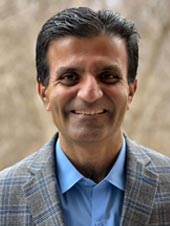 Salim S. Virani合作论文数Aga Khan University41
 Christie Mitchell Ballantyne合作论文数Center for Cardiometabolic Disease Prevention, Baylor College of Medicine;Section of Cardiovascular Research, Baylor College of Medicine41
 John A. Spertus合作论文数Healthcare Institute for Innovations in Quality, University of Missouri - Kansas City;School of Medicine, University of Missouri - Kansas City28
 Vijay Nambi合作论文数26
 Ron Cornelis Hoogeveen合作论文数Department of Medicine, Baylor College of Medicine19
 Tang Yuanyuan合作论文数14
 Taylor Yhenneko J合作论文数Department of Public Health Sciences, The University of North Carolina at Charlotte13
 Hayden Barry Bosworth合作论文数Medical Center, Department of Population Health Sciences, Duke University/Department of Health Policy and Administration, University of North Carolina at Chapel Hill/Medical Center, Department of Medicine, Division of General Medicine, Duke University/Medical Center, School of Nursing, Duke University/Medical Center, Department of Medicine, Division of General Medicine, Duke University13Sun Wensheng合作论文数12
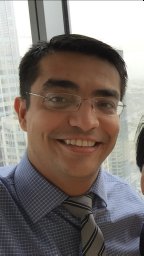 Hira Ravi S合作论文数Division of Cardiology, Baylor College of Medicine11Petersen Laura A合作论文数11Austin Seals合作论文数10
 Khurram Nasir合作论文数London School of Economics and Political Science;Weill Cornell Medical College, Cornell University;Academic Institute, Houston Methodist Hospital10
 Sameer Acharya合作论文数Department of Internal Medicine, Cayuga Medical Center9Justin B. Moore合作论文数8Ndumele Chiadi E合作论文数8Akeroyd Julia M合作论文数8
 Gerardo Heiss合作论文数Department of Epidemiology, Gillings School of Global Public Health, University of North Carolina at Chapel Hill;Division of Public Health Sciences, Wake Forest University;School of Public Health, Faculty of Medicine, University of Chile8
 Suzanne V. Arnold合作论文数Department of Internal Medicine, Saint Luke's Hospital;School of Medicine, University of Missouri-Kansas City8
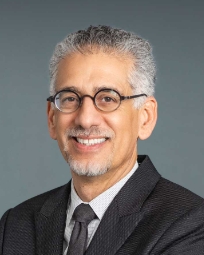 Josef Coresh合作论文数Department of Population Health, Grossman School of Medicine, New York University;Department of Medicine, Grossman School of Medicine, New York University8Philip G Jones合作论文数7Ankur Kalra合作论文数7Justin Kramer合作论文数7
 Qintar Mohammed合作论文数Internal Medicine Department, Cleveland Clinic Foundation7
 Eric Boerwinkle合作论文数Department of Epidemiology, Human Genetics and Environmental Sciences, School of Public Health, The University of Texas Health Science Center at Houston;Baylor College of Medicine Human Genome Sequencing Center7William J. Oetgen合作论文数7Anita Deswal合作论文数7
 Michael David Shapiro合作论文数6Philip Jones合作论文数6Paul S Chan合作论文数6
 Gagan Neupane合作论文数6Yevgeniy Khariton合作论文数St Lukes Mid Amer Heart Inst, Univ Missouri6Seth Martin合作论文数Epidemiology, Bloomberg School of Public Health, Johns Hopkins University6
 Kim Smolderen合作论文数Cardiovascular Medicine, Internal Medicine, Yale School of Medicine, Yale University6
 Jeff D. Williamson合作论文数Gerontology and Geriatric Medicine, Department of Internal Medicine, School of Medicine, Wake Forest University6
 Michael C. Cooper合作论文数Department of Astronomy;University of California;Department of Astronomy, University of California , Berkeley6
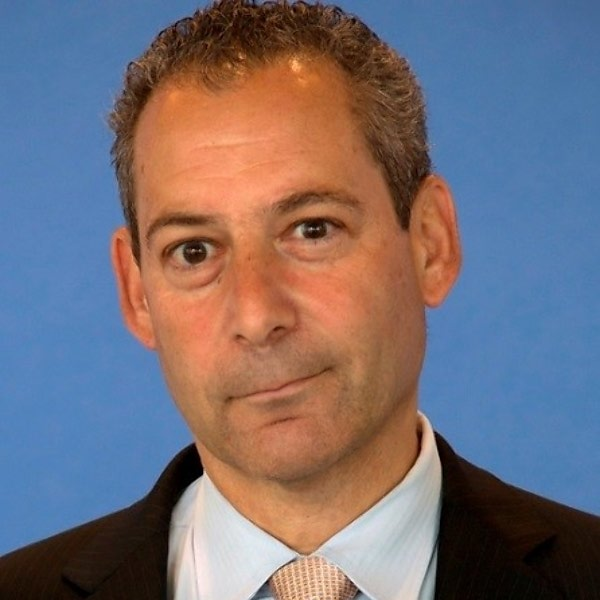 Scott David Solomon合作论文数Heart and Vascular Center, Brigham and Women's Hospital;Clinical Trials Outcomes Center, Brigham and Women's Hospital;Harvard Medical School6
 Biykem Bozkurt合作论文数Department of Medicine, Baylor College of Medicine6AJ ROBERTS合作论文数5
 Peter Howard Jones合作论文数Center for Cardiovacular Disease Prevention, Baylor College of Medicine5
 Elizabeth Selvin合作论文数Division of Cardiovascular and Clinical Epidemiology, Department of Epidemiology, Bloomberg School of Public Health, Johns Hopkins University;Institute for Clinical and Translational Research, Johns Hopkins University5
 Krishna Patel合作论文数5Glusenkamp Nathan合作论文数5
 Dinesh Neupane合作论文数5
 Bhardwaj Bhaskar合作论文数5Milks Sally合作论文数5
 Thomas H. Mosley Jr合作论文数Memory Impairment and Neurodegenerative Dementia Center, School of Medicine, University of Mississippi Medical Center;Department of Neurology, School of Medicine, University of Mississippi Medical Center5Bruce R. Brodie合作论文数5Charles Hansen合作论文数5




