Early and rapid diagnosis of pathogens is crucial for preventing and controlling epidemic diseases. While traditional microbial detection methods serve their purpose, they often have limitations such as low sensitivity and specificity. In contrast, the CRISPR-Cas system is known for its high specificity, high sensitivity and robustness which offers a promising alternative for pathogen detection. This review provides an update on the CRISPR-Cas system, covering the history and classification of CRISPR-Cas systems. It also outlines the diverse CRISPR‑based strategies and summarizes recent advances in nucleic acid–based diagnostic methods for pathogenic detection, thus broadening the understanding of CRISPR’s diagnostic potential. The review also focuses on the different CRISPR-Cas systems-based detection of pathogenic microorganisms and recent advances of each nucleic acid-based detection method. This serves to enhance the understanding of the broader implications of the CRISPR system. Beyond the current state of CRISPR-Cas system applications, some of the challenges associated with CRISPR-Cas system usage are addressed, offering insights that could guide innovative solutions and advancements. This review looks ahead to future research perspectives by using CRISPR-Cas technology as a novel platform of next-generation diagnostics. By integrating the current applications, emerging challenges and diagnostic strategies, this review provides a comprehensive overview of CRISPR‑Cas systems. Additionally, this review sets itself apart by emphasizing system‑specific CRISPR‑Cas strategies that support the advancement of next‑generation diagnostic platforms.
Seaweed cultivation is estimated to sustain over 6 million livelihoods worldwide, particularly in low-income tropical regions, such as Indonesia. The wild stocks that underpin this industry, however, are increasingly threatened by anthropogenic pressures (e.g. climate change and overexploitation) that undermine its productivity and resilience. Although seaweed cultivation has been proposed as a nature-based solution to conserve biodiversity and support livelihoods, its long-term viability depends on the sustainable use and management of seaweed habitats by stakeholders. This study conducted a knowledge, attitudes, and practices (KAP) survey of seaweed industry and conservation stakeholders in South Sulawesi, Indonesia (n = 99 of which 87 respondents were based in South Sulawesi), to assess perspectives on seaweed conservation. Despite knowledge and supportive attitudes towards seaweed conservation being high, these were not consistently matched by sustained action. Key barriers to sustainable practices included a lack of understanding of the threats to wild seaweeds, livelihood instability that constrained conservation-aligned behaviour, and practical limitations (notably insufficient resources and technical support). To address these challenges, this study recommends risk-reducing mechanisms to support practice adoption (e.g., peer-to-peer learning, strengthened extension support, and risk-buffering finance), alongside co-designed seaweed monitoring programs, and targeted ocean literacy initiatives. Collectively, these measures could help translate stakeholder support into tangible seaweed conservation action, supporting a more sustainable seaweed sector that safeguards seaweed habitats and secures coastal livelihoods.
Marine fish communities in coastal systems are increasingly shaped by environmental gradients associated with anthropogenic pressures and climate variability, yet how these factors influence community assembly and functional traits remain poorly understood. In this study, environmental DNA (eDNA) metabarcoding using the 12S MiFish primer with 33 water samples was integrated with taxonomic and functional diversity analyses, co-occurrence network analysis, the neutral community model, hierarchical modeling of species communities, and single-trait-based community-weighted means to investigate fish communities in the Taiwan Strait (TWS). This interdisciplinary approach provides both a unique perspective and a comprehensive framework for fish biodiversity assessment. Fish communities exhibited high modularity and weak interspecific interactions, with an uneven distribution of species within functional space, indicating elevated ecological vulnerability. Community assembly was jointly governed by stochastic and deterministic processes, with NO₂⁻ identified as a significant environmental driver shaping fish community assembly. Notably, fish communities in the inshore and principal axis regions exhibited higher clustering coefficient but lower network modularity compared to other regions. Hierarchical modeling of species communities and community-weighted means further indicated clear distributional and trait differences among fish from the estuarine to offshore areas, consistent with species-specific responses to environmental gradients from inshore to offshore areas. Overall, TWS fish communities are dominated by species with very small and small body-length traits, while reef-associated fishes are mainly concentrated in inshore and midshore regions. Fish community assembly and functional traits in TWS exhibited systematic variation along the offshore distance gradient and were jointly modulated by key environmental factors.
ABSTRACT Other effective area‐based conservation measures (OECMs) offer opportunities to advance the Convention on Biological Diversity's ‘30 by 30’ conservation targets, while recognising greater stakeholder diversity, including industry, Indigenous peoples and local communities. Although aquaculture sites are generally excluded from OECM consideration, reported low environmental impacts and biodiversity benefits of low‐trophic species, including seaweeds, have prompted interest in their potential as regenerative sites or OECMs. We reviewed over 70 published studies assessing the biodiversity impacts of nearly 90 seaweed farms globally, to determine whether there was evidence that farms could meet the OECM screening criteria set by the International Union for Conservation of Nature World Commission on Protected Areas (IUCN‐WCPA). Fewer than 4% of the farms assessed qualified as potential OECMs, despite over 50% not occurring in protected areas (passing the first criterion). Over 40% of farms did not support important biodiversity values or had negative biodiversity impacts (failing the second criterion). Fifteen per cent of farms were likely to support important biodiversity values; however, many of these occurred within existing marine protected areas (MPAs), preventing them from qualifying. Additionally, nearly 40% of farms had inconclusive evidence to determine the second criterion, highlighting the need for future studies to explicitly apply IUCN‐WCPA guidance and for that guidance to be clarified to reduce ambiguity. With over 50 seaweed farming nations worldwide, stronger regulation and support from international bodies and governments are urgently needed to improve the environmental impact of seaweed farming to help meet global conservation targets while maintaining coastal livelihoods and resilience.
Carrageenans (CRG) are sulfated polysaccharides that inherently lack UV-active chromophores and pose a major analytical challenge, as they cannot be directly detected by conventional High-Performance Liquid Chromatography Ultraviolet-Diode Array (HPLC-UV/DAD). To the best of our knowledge, this is the first report chromophoric labelling strategy for kappa carrageenan (κ-CRG) using 4-Aminobenzoic Ethyl Ester (ABEE), enabling the conversion of a UV-inactive polysaccharide into a UV-detectable derivative compatible with conventional HPLC-UV/DAD analysis. Successful ABEE derivatization generated a UV-active κ-CRG derivative exhibiting a maximum absorption wavelength at 330 nm, thereby overcoming the inherent UV-detection limitations of native CRG. The method demonstrated excellent linearity (R² = 0.9943), with LOD and LOQ values of 0.071 mg/mL and 0.215 mg/mL, respectively, and good repeatability (%RSD ≤ 3.07%). Beyond enabling κ-CRG quantification, this work establishes a new analytical platform for UV-based κ-CRG detection and provides a foundation for future applications in extraction monitoring, quality assessment, and CRG functionalization.
Understanding the temporal dynamics of fish communities and their ecological functions is essential for maintaining marine ecosystem stability. However, long-term patterns in community composition, ecological stability, and assembly mechanisms remain insufficiently understood, especially under escalating anthropogenic pressures such as aquaculture and overfishing. In this study, we utilized eDNA metabarcoding combined with functional traits, species co-occurrence network analysis, niche breadth, and the neutral community model to investigate the temporal variation and stability of fish community assembly in Dongshan Bay from 2021 to 2023. Taxonomic and functional diversity showed nonlinear temporal changes, with taxonomic beta diversity mainly driven by species turnover and functional beta diversity shaped by nestedness. Functional space contracted over time, accompanied by a decline in functional redundancy and community stability. Redundant species played a key role in maintaining stability, while community-contributing species shifted from specialists to generalists. Network analysis revealed that the loss of connector species increased modularity and reduced stability. Neutral model analysis suggested shifting contributions of deterministic and stochastic processes across years. This study advances understanding of the structural and functional dynamics, as well as the ecological vulnerability, of fish communities in aquaculture-impacted coastal ecosystems, offering important insights for the sustainable management and conservation of marine biodiversity. We recommend prioritizing the conservation of functionally redundant and connector species, implementing spatial protection measures, and minimizing habitat disruptions from aquaculture and overfishing. This study provides scientific evidence to support biodiversity-informed coastal management and the integration of ecological stability indicators into conservation planning in subtropical bays.
Analysis of the plastid and mitochondrial genomes offer robust frameworks for identifying evolutionary relationships in red algae. The Solieriaceae is a family of red algae that includes the species of the economically important Kappaphycus and Eucheuma (eucheumatoids) that are valuable sources of carrageenan. Despite this, the composition and arrangement of retained and lost organelle genes remain underexplored in the Solieriaceae. Comparative genomic and phylogenetic analyses of the family Solieriaceae were performed with newly generated complete plastid and mitochondrial genome sequences from Kappaphycus alvarezii, K. striatus, and Eucheuma denticulatum, the three primary cultivated taxa. Results revealed that the plastid gene pbsA, which is broadly conserved across most red algal plastid genomes, and the more sparsely distributed gene ycf57, were both absent from Kappaphycus. This represents the first documented co-occurrence of plastid pbsA and ycf57 loss in K. alvarezii and K. striatus. However, Eucheuma denticulatum was shown to have pbsA (693 bp) and ycf57 (354 bp) with conserved synteny, matching arrangements in other Soliericeae members. Mitochondrial genomes were structurally conserved across the family, whereas plastid genomes showed greater evolutionary variability, including lineage-specific gene loss. Compared to single-locus markers like cox1 and rbcL, phylogenomic analyses based on concatenated plastid (197 protein-coding genes) and mitochondrial (22 protein-coding genes) datasets produced phylogenies with better resolution and stronger nodal support. The loss of plastid pbsA and ycf57, which are associated with heme and iron-sulfur-related processes in photosynthesis, suggests adaptive plastid genome streamlining in Kappaphycus rather than generalized genome degradation. Our results provide novel plastid and mitochondrial genome sequences and comparative genomic insights for the Solieriaceae, highlight contrasting evolutionary patterns, with lineage-specific plastid gene loss and localized structural variation, in contrast to the high conservation observed in mitochondrial genomes.
Eucheumatoid seaweeds are highly valued globally for their carrageenan. Members of this group are widely distributed and cultivated throughout the Indo-Pacific. Despite various molecular studies on this group, mitogenome research in eucheumatoids has only recently explored a limited number of species, leaving overall diversity largely unexplored. In this study, 26 complete mitogenomes of eucheumatoids from the Indo-Pacific were sequenced, including the first complete sequences for wild genotypes of Eucheuma platycladum, Kappaphycus striatus, Kappaphycopsis cottonii, and an unidentified species of Kappaphycus from Africa. The eucheumatoid mitogenomes range from 25.1 to 25.5 kb in size, containing 50 genes (24 protein-coding genes, 24 tRNA genes, two rRNA genes, and a single intron) bearing extensive gene synteny across species. Phylogenetic analyses using concatenated mitochondrial genes recovered strong clades for each group, with the exception of the genus Eucheuma. Apart from atp9, gene marker evaluations showed that all genes could be used for species identification. The utility of four genes, atp4, nad3, nad4, and nad6, was found to be effective for resolving intergeneric relationships. These findings provide a foundation for comparative analysis useful for resolving phylogenetic relationships and outstanding taxonomic issues, cultivar development, and conservation efforts. Expanding species coverage and incorporating plastome analyses would contribute to a more complete understanding of the genomic diversity and evolutionary history of this economically important group of seaweeds.
Copper pollution in wastewater is an environmental issue that requires efficient and sustainable waste treatment methods. To improve the efficiency of traditional microalgal treatment of heavy metals and enable predictive assessment of treatment outcomes, this study examined the physiological behavior of Scenedesmus obliquus to copper stress and the mitigating role of a microalgae-bacteria consortium. In addition, the study assesses the usefulness of physiological and biochemical responses as inputs for machine learning models to predict copper removal efficiency under varying stress conditions. The findings showed that copper (Cu) exposure inhibited microalgae growth, photosynthetic performance, and antioxidant defense, while increasing the oxidative stress marker malondialdehyde (MDA) accumulation in S. obliquus. Cu removal efficiency was comparable at 20 ppm, with 83.4% obtained in the microalgae group and 85.2% in the consortium group. It was notably higher at the highest Cu level of 80 ppm in the consortium group (75.4%) than in the algal group (69.0%). The machine learning model trained on physiological and physicochemical inputs achieved excellent predictive performance (R2 = 0.9744), with deviations within ± 3%. These findings highlight the S. obliquus-B. subtilis consortium as a resilient system that combines improved tolerance and copper remediation efficiency with the predictive power of machine learning to offer a potential advanced bioremediation strategy.
This study investigates the effects of elevated pCO2 on the physiological and metabolic responses of the edible seaweed, Caulerpa lentillifera under laboratory conditions. Cultivation was conducted for 14 days, simulating current ( pH 8.1) and future projected ( pH 7.8) ocean conditions. The study assessed photosynthetic efficiency through Fv/Fm values, revealing that C. lentillifera did not experience significant photosynthetic stress under elevated pCO2. However, significant changes in photosynthetic parameters highlighted the complexity of algal responses to increased pCO2 level over time. Notably, an enhancement in α, Ek and rETRmax, accompanied by a decrease in photosynthetic pigments, suggests that under elevated pCO2 conditions, the photosynthetic system reaches optimal state. Metabolomic analysis revealed shifts in the metabolic profile, including higher levels of ketovaline, a precursor of valine and leucine, and elevated concentrations of caffeine, oxalate, and gallic acid, metabolites associated with cellular stress responses and bioactivity. Collectively, these results indicate that C. lentillifera can regulate its physiological and metabolic processes under elevated pCO2, reflecting potential resilience to future ocean acidification scenarios and offering insights for its sustainable cultivation.
Abstract Red eucheumatoid seaweeds are vital for the livelihoods of coastal communities and the health of tropical marine ecosystems. Due to the impacts of climate change and poor coastal management, eucheumatoids are vulnerable, therefore, conservation initiatives are urgently needed. To understand how communities perceive the importance of conserving wild eucheumatoids, 115 participants were interviewed, consisting of seaweed‐related stakeholders (SRS) and non‐SRS (non‐SRS). The results showed that the SRS wanted to see greater protection of seaweeds, but that it should be focused on cultivated species. Conversely, the non‐SRS group placed a lower priority on seaweed protection compared to other marine organisms, but agreed to the importance of protecting wild seaweeds. Both groups had positive attitude toward seaweed conservation and restoration, but had only moderate practical experience of conservation measures and challenges. These results highlighted the need for greater efforts to improve community awareness of seaweed conservation. This would include encouraging societal recognition of wild seaweeds and their importance by linking this to economic benefits, plus the inclusion of seaweeds in the national biodiversity conservation framework. This study provides baseline information to identify knowledge gaps within the community and to explore effective seaweed conservation efforts in Malaysia.
Wild seaweeds and associated habitats are the basis of the world’s seaweed industry, yet they lack adequate global conservation protection. A review of the industry’s global distribution, production and species based on available datasets and literature searches revealed that seaweed wild harvesting and aquaculture were reported in 82 countries on five continents. However, analysis of key datasets (FAO and Phyconomy) revealed reporting inconsistencies within the industry. Widespread uncertainty as to which species are used and the quantities produced by the industry has implications for wild stock sustainability, biosecurity, product provenance and safety. This points to the need for greater standardization and wild stock protection by the industry. Analysis of the industry’s global distribution in relationship to Marine Protected Areas revealed c. 50% of aquaculture and wild harvesting sites were close to conservation areas. This presents farmers and harvesters with a potential opportunity to strategically develop the MPA concept to protect wild stocks and secure the long-term future of this industry.
This study aimed to assess the nutritional value, phytochemical composition, and antioxidant activity of Kappaphycus alvarezii cultivated in Integrated Multi-Trophic Aquaculture (IMTA) systems. The parameters were nutritional components, phytochemical content, and aAntioxidant activity. K. alvarezii exhibited substantial nutritional value, with notable protein (15.3%) and carbohydrate (60.0%) content, along with essential minerals such as calcium and magnesium. Phytochemical analysis revealed significant levels of polyphenols (20.0 mg GAE/g), flavonoids (5.5 mg QE/g), and tannins (3.0 mg CE/g), as well as noteworthy saponin (1.2%) and alkaloid (0.9%) contents. Antioxidant assays demonstrated strong activities, with 80.2% DPPH and 70.5% ABTS radical scavenging, a FRAP value of 600 µmol Fe2+/g, and a total antioxidant capacity of 150 mg AA/g. The findings indicate that K. alvarezii from IMTA systems is a valuable source of nutrients and bioactive compounds with significant antioxidant properties.
Copper (Cu) is a typical heavy metal pollutant that poses serious threats to aquatic ecosystems by damaging algal physiology and inducing oxidative stress. To mitigate its negative effects, this study explored more effective bioremediation strategies using the green alga Scenedesmus quadricauda and its consortium with Bacillus subtilis, and to utilize the empirical data for predictive assessment of treatment outcomes. Physiological and biochemical analyses revealed that Cu exposure (20-80 ppm) significantly inhibited algal biomass, chlorophyll a content and photosystem II (PSII) efficiency (Fv/Fm, Y(II), alpha, rETRmax) and induced oxidative damage as indicated by increased malondialdehyde (MDA) levels. The activities of antioxidant enzymes (SOD and POD) increased first and then decreased after long-term exposure to high Cu. In contrast, co-cultivation with bacteria alleviated these effects, maintained high chlorophyll levels, PSII stability and enzyme defense, and achieved greater biomass retention at 40-80 ppm Cu. In the 80 ppm treatment, copper removal was also improved in the consortium group (84.8 %) compared with the microalgae group (74.6 %). The artificial neural network (ANN) model showed strong predictive performance (R2=0.99), accurately simulating copper removal across processing stages. These findings provide an innovative integrated framework combining physiological metrics and machine learning to understand and optimize microbe-based metal detoxification for sustainable aquatic ecosystem management.
Phytoplankton are cosmopolitan marine photosynthetic organisms that are vital to biogeochemical cycles and marine ecosystems. The current rise in atmospheric CO2 and surface ocean temperatures are poised to disrupt the ecological niches of phytoplankton. Picochlorophytes, a broad taxon of small green eukaryotic phytoplankton, have been shown to perform well under future rising oceanic CO2 and temperature scenarios. This study investigates the acclimation responses of cosmopolitan picochlorophytes from the Chlorella-lineage under high CO2 (1000 p.p.m.) and a rise of 4 °C (8 °C - polar picochlorophyte; 32 °C, tropical picochlorophyte). In order to determine how the future ocean warming and acidification might affect picochlorophytes, a polar strain of Chlorella and a tropical Parachlorella were selected, and their physiology and GCMS-based metabolomics were investigated. Growth rate and cellular dimensions (diameter, volume, and surface area) of Chlorella significantly increased in all environmental future scenarios compared to Parachlorella. Photosynthetic parameters of the picochlorophytes studied showed acclimation, with high temperature and high CO2 triggering the adaptation of Fv/Fm, NPQmax, and Ek of Chlorella and Parachlorella, respectively. High CO2 induced the most changes in the Chlorella metabolome, altering the levels of metabolites related to amino acids and their derivatives, glutathione production, carbohydrates, and photochemical quenching. Combined high CO2/temperature altered Parachlorella's metabolome, though with a small number of biomarkers detected. This study provided evidence to support the hypothesis that picochlorophytes could thrive in a more acidified and warmer ocean.
The ecosystem of Dongshan Bay (DSB) is significantly impacted by aquaculture activities. However, due to a lack of effective tools for monitoring and assessing fish diversity, information on the spatial and temporal changes in fish communities within the bay remains limited. To better understand how human activities influence the bay ecosystem, it is essential to clarify the patterns of community changes under disturbance. This study integrated environmental DNA (eDNA) metabarcoding with fish traits to analyze the spatiotemporal patterns of fish communities responses to anthropogenic disturbances and to assess the stability of fish communities, thereby addressing the gaps in traditional monitoring methods regarding the multidimensional analysis of fish communities in DSB. We demonstrated a match between taxonomic diversity and functional diversity. Over time, anthropogenic disturbances contributed to a significant decline in both taxonomic and functional diversity, particularly in aquaculture areas. Dissolved nitrogen salts played a significant role in the changes in taxonomic diversity in aquaculture areas, leading to increased homogenization of fish functional traits and intensifying resource competition. This competition for limited resources further contributed to the decline of high-trophic level species in fish communities assembly. The reduced species richness in aquaculture areas led to lower functional redundancy, weakening the communities to buffer anthropogenic disturbances, ultimately making the communities more unstable and sensitive to external disturbances. Overall, the patterns of communities changes observed under disturbance were primarily driven by shifts in species richness and variations of trophic level in communities assembly. This study demonstrated the feasibility of utilizing eDNA technology to reveal multidimensional fish diversity changes, offering new insights into understanding communities stability. The findings provided scientific evidence for the conservation of fish diversity in DSB and offer important theoretical support for the sustainable management of fisheries resources and the protection of coastal ecosystem.
Metabolomics offers valuable insights into the final stages of biological processes within organisms and holds promise for environmental monitoring. The escalating levels of anthropogenic CO2 due to industrialization are projected to raise atmospheric pCO2 to levels exceeding 1000 ppm by 2100. The ocean absorbs approximately 30
As anthropogenic pressures increasingly impact marine ecosystems and the biodiversity they support, governance mechanisms for international biodiversity conservation have emerged. Seaweed habitats are important repositories for marine biodiversity, and they provide crucial ecosystem services that support both ocean and human health. Despite their ecological significance, seaweeds have been overlooked in global conservation discourse compared to other marine habitats. This study provides a thematic analysis of 18 international biodiversity frameworks to assess the representation of seaweeds and explores ways to better integrate them into policies. Key obstacles preventing full integration include imperfect institutional coordination, inconsistent seaweed-related terminology use, limited representation within biodiversity targets and the absence of legally binding agreements with enforcement mechanisms. To address these, the study provides recommendations to improve the integration of seaweeds into biodiversity frameworks, thereby supporting broader marine ecosystem resilience. Improved seaweed representation and conservation will contribute to achieving Sustainable Development Goal 14 (Life below water).
 Lim Phaik Eem合作论文数Institute of Ocean and Earth Sciences, University of Malaya62
 Siew-Moi Phang合作论文数Institute of Advanced Studies;University of Malaya;Institute of Advanced Studies, University of Malaya18
 Juliet Brodie合作论文数17Bangmei Xia合作论文数13
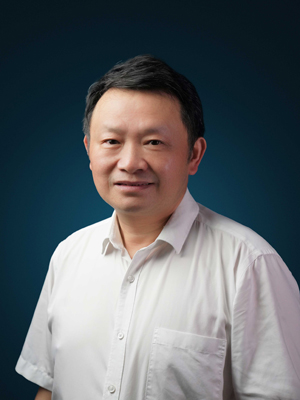 Guangce Wang (王广策)合作论文数Institute of Oceanology, Chinese Academy of Sciences11
 John Beardall合作论文数School of Biological Science, Monash University8
 Ji Tan合作论文数7
 Claire Gachon合作论文数Muséum National d'Histoire Naturelle;Centre National de la Recherche Scientifique6
 Pui-Ling Tan合作论文数5Ahemad Sade合作论文数5
 Tun-Wen Pai合作论文数Dept Comp Sci & Engn, Natl Taiwan Ocean Univ5Brakel Janina合作论文数Experimental Ecology - Food webs, Geomar Helmholtz Centre for Ocean Research Kiel5Yong-Hao Tan合作论文数4Wai Kuan Yong合作论文数University of Malaya4
 Tao Liu (刘涛)合作论文数State Key Laboratory of Marine Environmental Science, College of Ocean and Earth Sciences, Xiamen University4Xinqing Zheng (郑新庆)合作论文数4
 Kar-Hoe Loh合作论文数4Kok-Keong Lee合作论文数3Shyama Sundari Devi Chanthran合作论文数3Azhar Kassim合作论文数3Cing-Han Yang合作论文数Department of Computer Science and Engineering, National Taiwan Ocean University, Keelung, Taiwan.3
 Chien-Ming Chen合作论文数3
 Chiew Yen Wong合作论文数Sch Hlth Sci, Int Med Univ3Kae Shin Sim合作论文数3Weiwen Li (李伟文)合作论文数3
 Chun-Cheng (Jason) Liu合作论文数NVIDIA3Li Yuan合作论文数3Ward Georgia合作论文数Department of Life Sciences, The Natural History Museum3
 Lei Wang (王磊)合作论文数College of The Environment & Ecology, Xiamen University3Hao Huang (黄浩)合作论文数3
 Joanna Wilbraham合作论文数3
 Hiroshi Kawai合作论文数3Danyun Ou (欧丹云)合作论文数3
 Flower E. Msuya合作论文数Israel Oceanographic and Limnological Research, National Center for Mariculture3Sze-Looi Song合作论文数2
 John A. West合作论文数2V Hasan合作论文数2Cin-Han Yang合作论文数2Ivy Matoju合作论文数2Shuheng Yan合作论文数2
 Rukumani Velayuthan合作论文数2
 joseph p faisan合作论文数Aquaculture Dept, Southeast Asian Fisheries Dev Ctr SEAFDEC AQD2R Adharyan Islamy合作论文数2
 Yuni Kilawati合作论文数University of Brawijaya2Te-Yu Liao合作论文数2Wenjia Hu合作论文数2
 Bahram Barati合作论文数Corresponding authors.2
 Muhammad Ali Syed Hussein合作论文数2




