ObjectiveTo examine the possible influence of cognitive ability and education at age 50 or 60 on number of teeth at age 70.SettingCommunity-dwelling population in Copenhagen, Denmark.ParticipantsMen and women born in 1914 (N = 302).MeasurementsCognitive ability was assessed using the Wechsler Adult Intelligence Scale at age 50 or 60. A global cognitive ability measure was used as a continuous measure and according to tertile. Information on education was gathered using a questionnaire at age 50 or 60. A clinical oral examination took place at age 70, and oral health was measured according to number of teeth (<6 vs 6). Baseline covariates were smoking, alcohol, sex, and income.ResultsLogistic regression analyses revealed that greater cognitive ability and educational attainment had a protective effect against risk of tooth loss. The associations were significant and persisted after adjusting for confounders and a two-way interaction between cognitive ability and education.ConclusionHigher education level and cognitive ability measured at age 50 or 60 were associated with having more teeth at age 70. Whether these findings are due to the interaction of these factors with oral health, related socioeconomic factors, or other factors remains to be studied.
The proportion of the population surviving to a very high age is increasing and the mortality among the oldest old is only half that is was 50 years ago, in the developed countries
ObjectivesTo examine the association of alcohol consumption measured at different points in time and periodontitis at 20years follow-up and to investigate whether long-term alcohol consumption is related to periodontitis in old age.DesignParticipants aged 65years or older in 2003, from the longitudinal study Copenhagen City Heart Study (CCHS), were invited to participate in the Copenhagen Oral Health Senior Study.MethodsClinical periodontal attachment loss was calculated to determine the progress of periodontitis. Alcohol consumption was measured at CCHS follow-ups in 1981-1983, 1991-1994 and 2001-2003, using a standard questionnaire. Alcohol consumption was defined as light, moderate and heavy drinking and used individually for each follow-up. The three follow-ups were summarized into long-term alcohol consumption. Logistic regression analysis was used to estimate the relation between alcohol consumption measured at different points in time and periodontitis and to assess the effect of long-term alcohol consumption on periodontitis.ResultsThe results show that heavy drinkers in 1981-1983 had a higher odds ratio for having periodontitis compared to light drinkers (OR=4.64 95% CI=[1.1; 19.42]).ConclusionEarly consumption of alcohol may increase the odds of having periodontitis 20years later. There is a need for further studies including larger populations to investigate both alcohol consumption measured at different points in time, and long-term alcohol consumption and periodontitis progression over time.
Since the early 1980s, a number of large-scale, population-based, epidemiologic studies have focused on the development of disability, cognitive impairment, dementia, long-term care, and other health issues with particular relevance to older adults. With few exceptions, these health issues have been investigated in older populations, usually defined on the basis of chronological age (e.g., older than 65). Examples are the Established Populations for Epidemiologic Studies of the Elderly (EPESE), Women’s Health and Aging Studies (WHAS), and several other American, Australian, Canadian, and
Since the early 1980s, a number of large-scale, population-based, epidemiologic studies have focused on the development of disability, cognitive impairment, dementia, long-term care, and other health issues with particular relevance to older adults. With few exceptions, these health issues have been investigated in older populations, usually defined on the basis of chronological age (e.g., older than 65). Examples are the Established Populations for Epidemiologic Studies of the Elderly (EPESE), Women’s Health and Aging Studies (WHAS), and several other American, Australian, Canadian, and
Objectives: To investigate tobacco and alcohol consumption as risk indicators for missing teeth in late middle-aged Danes. Method: In all, 1,517 Copenhagen Aging and Midlife Biobank (CAMB) participants received a clinical oral examination that included number of teeth. Information on smoking, drinking, and various covariates was obtained using self-administered, structured questionnaires. Descriptive statistics and logistic regression (dependent variable: 6+ vs. <6 missing teeth) were used to investigate smoking and drinking in relation to missing teeth. Results: Current smokers, persons who currently or previously smoked >15 tobacco units/day, and persons who had smoked for 27+ years had elevated mean scores of missing teeth and associated odds ratios (OR) compared with never smokers. Relative to nondrinkers, alcohol consumption was associated with reduced odds of missing 6+ teeth. Discussion: Our findings suggest that smoking is positively associated, while alcoholic beverage consumption is inversely related to tooth loss in middle-aged Danes.
Objective. The aims of the oral part of the Danish Health Examination Survey (DANHES 2007-2008) were (1) to establish an oral health database for adult Danes and (2) to explore the influence of general diseases and lifestyle on oral health. This paper presents the study population, examination methods, questionnaire and baseline results. Materials and methods. The study population comprised 4402 subjects, aged 18-96, consecutively enrolled from 18 065 DANHES participants from 13 municipalities in Denmark. The oral part consisted of a validated questionnaire and a clinical examination, carried out in mobile units by three trained and calibrated dental hygienists. The data were processed with descriptive statistics and mono-and bivariate analyses. Results. The mean age was 54.1 years and 60% were women. The mean number of natural teeth was 26.6; the mean DMFT/DMFS values were 18.9 and 61.0, and varied with age (DMFT 8.7-24.3). A higher proportion of females suffered from dental erosion in the younger age groups. Forty per cent of all subjects had a mean clinical attachment loss 3 mm, varying from 4% among those aged 18-34 to 80% in those over 75. A sub-optimal saliva secretion rate was more common among females than males (17.7% vs 10.4%) and this was reflected by the reported frequency of dry mouth. Conclusion. This extensive cross-sectional study provides a platform for obtaining future knowledge of the impact of health-and lifestyle-related factors on oral diseases. The validated questionnaire and the clinical characteristics enable robust analyses, although the conclusions may be hampered by limited external validity.
While recent cross-sectional studies suggest an association between allostatic load and chronic infection-induced inflammation such as periodontal disease, longitudinal studies are needed to better understand the nature of this relationship. Using prospective data from the 1914 Glostrup Aging Study with 15 years of follow-up, we examined the relationship between allostatic load and periodontal disease in a birth cohort of 453 older adults residing in Glostrup, Denmark. Periodontal disease was assessed using a modified version of the Community Periodontal Index at age 70 and with measures of periodontal pocket depths (PD) and clinical attachment loss (CAL) at age 85. Summary measures of allostatic load were constructed using a count-based formulation incorporating inflammatory, metabolic and anthropometric markers at ages 70 and 80. Structured questionnaires were administered at each follow-up assessment to ascertain social and behavioral characteristics. We constructed proportional-odds and linear regression models to evaluate associations of allostatic load at ages 70 and 80 with periodontal inflammation cross-sectionally at age 70 and prospectively at age 85. Overall, allostatic load at age 70 was positively associated with higher levels of periodontal inflammation cross-sectionally, controlling for sex, smoking, and physical activity (adjusted odds ratio: 1.85 comparing quartiles 2 - 4 vs. 1, 95% confidence interval: 1.01 - 3.42). Prospectively, positive associations were observed for allostatic load at age 70 with percentage of tooth sites with PD ≥ 3 mm (beta coefficient: 17.1 comparing quartile 4 vs. 1-3, P-value=0.02) and PD ≥ 3 mm (beta coefficient: 14.1 comparing quartile 4 vs. 1-3, P-value=0.04) in multivariable models. Similar but non-significant patterns of associations were observed between allostatic load at age 70 and CAL at age 85. Our results demonstrate that physiological dysregulation in early old age may influence the course of periodontal disease, and these findings support emerging evidence that suggests a role of chronic stress on inflammation.
To investigate whether intakes of calcium and dairy-servings within-recommendations were associated with plaque score when allowing for vitamin D intakes.
OBJECTIVE:To identify indicators of root caries among persons with newly diagnosed Alzheimer's disease (AD).BACKGROUND:Few studies have investigated dental caries in older adults with AD. Previously we found that persons with AD had significantly more root caries compared to persons with dementia other than AD.METHODS:Participants were recruited from two university hospital clinics in Copenhagen, Denmark. A team of neurologists/geriatricians carried out the diagnostic screening. The study included an interview, oral examination and medical records.RESULTS:We evaluated potential indicators of root decay across subjects with 3+ decayed surfaces vs. <3 decayed surfaces. Variables associated with increased odds of root caries were age over 80 years, 2+ decayed coronal surfaces and 5+ filled root surfaces. Among the social variables, living with someone was associated with a nearly 70% reduction in the odds of having 3+ surfaces of untreated caries.DISCUSSION:Root caries is highly prevalent among individuals with new AD and there is still a strong need for active assessment of and attention to oral problems in persons with AD. Our findings document that recently diagnosed AD cases with multiple coronal caries lesions are at elevated risk of having more root caries. Also persons 81+ years and those with multiple root fillings are more likely to have numerous untreated root lesions.
Inflammation plays a significant role in Alzheimer’s disease (AD) pathogenesis. Studies have shown that systemic, peripheral infections affect AD patients. Cognitive dysfunction is a consistent finding in AD and periodontal disease is a chronic, peripheral infection often resulting in tooth loss. We hypothesized that older adults with periodontal inflammation (PI) or many missing teeth would show impaired cognition compared to subjects without PI or with few missing teeth, and among subjects with PI, those with many missing teeth would show impaired cognition compared to those with few missing teeth. The effect of PI/tooth loss on cognitive function [measured by Digit Symbol (DST) and Block Design (BDT) tests] was assessed in 70-year old Danish subjects. We found: 1) subjects with PI obtained lower mean DST scores compared to subjects without PI (p < 0.05); 2) subjects with many missing teeth had lower mean DST and BDT scores compared to subjects with few missing teeth (p < 0.05); 3) the association of PI with DST and BDT scores was dependant on the number of missing teeth (interaction: p = 0.03 and p = 0.06); and 4) education and previous cognitive scores (age 50) were important covariates. Subjects with PI had significantly lower adjusted mean DST scores compared to subjects without PI. However for adjusted BDT, the significance held only for subjects with few missing teeth. No difference in the adjusted DST and BDT scores was seen between subjects with many missing teeth compared to those with few missing teeth. These results support the hypothesis that PI may affect cognition.
This cross-sectional study investigates whether calcium intakes from dairy and non-dairy sources, and absolute intakes of various dairy products, are associated with periodontitis. The calcium intake (mg/day) of 135 older Danish adults was estimated by a diet history interview and divided into dairy and non-dairy calcium. Dairy food intake (g/day) was classified into four groups: milk, cheese, fermented foods and other foods. Periodontitis was defined as the number of teeth with attachment loss ≥3 mm. Intakes of total dairy calcium (Incidence-rate ratio (IRR) = 0.97; p = 0.021), calcium from milk (IRR = 0.97; p = 0.025) and fermented foods (IRR = 0.96; p = 0.03) were inversely and significantly associated with periodontitis after adjustment for age, gender, education, sucrose intake, alcohol consumption, smoking, physical activity, vitamin D intake, heart disease, visits to the dentist, use of dental floss and bleeding on probing, but non-dairy calcium, calcium from cheese and other types of dairy food intakes were not. Total dairy foods (IRR = 0.96; p = 0.003), milk (IRR = 0.96; p = 0.028) and fermented foods intakes (IRR = 0.97; p = 0.029) were associated with reduced risk of periodontitis, but cheese and other dairy foods intakes were not. These results suggest that dairy calcium, particularly from milk and fermented products, may protect against periodontitis. Prospective studies are required to confirm these findings.
OBJECTIVES:To study if an association between total weekly intake of alcohol, type-specific weekly alcohol intake, alcoholic beverage preference, and the number of teeth among older people exists.METHODS:A cross-sectional study including a total of 783 community-dwelling men and women aged 65-95 years who were interviewed about alcohol drinking habits and underwent a clinical oral and dental examination. Multiple regression analyses were applied for studying the association between total weekly alcohol consumption, beverage-specific alcohol consumption, beverage preference (defined as the highest intake of one beverage type compared with two other types), and the number of remaining teeth (≤ 20 versus >20 remaining teeth).RESULTS:The odds ratio (OR) of having a low number of teeth decreased with the total intake of alcohol in women, with ORs for a low number of teeth of 0.40 [95 percent confidence interval (CI) 0.22-0.76] in women drinking 1-14 drinks per week and 0.34 (95 percent CI 0.16-0.74) in women with an intake of more than 14 drinks per week compared with abstainers. Similar relations could also be obtained for type-specific alcohol intake of wine and for wine and spirits preference among women. Men who preferred beer showed a decreased risk for a low number of teeth compared with men with other alcohol preferences.CONCLUSION:In this study, alcohol consumption, wine drinking, and wine and spirits preference among women were associated with a higher number of teeth compared with abstainers. Among men, those who preferred beer also had a higher number of teeth.
OBJECTIVES: To examine whether tooth loss at age 70 is associated with fatigue in a nondisabled community‐dwelling population cross‐sectionally at age 70 and with onset of fatigue longitudinally at 5‐, 10‐, and 15‐year follow‐ups. SETTING: Community‐based population in Copenhagen. PARTICIPANTS: Five hundred seventy‐three nondisabled 70‐year‐old individuals in 1984. MEASUREMENTS: Data from interviews and a medical and oral examination. Oral health was measured according to number of teeth (0, 1–9, 10–19, ≥20). Fatigue was measured using the Avlund Mobility‐Tiredness Scale on six mobility activities. Covariates, all measured at baseline, were sex, education, income, comorbidity, and smoking. RESULTS: Bivariate logistic regression analyses showed significant cross‐sectional and longitudinal associations between number of teeth at age 70 and onset of fatigue at 5‐ and 10‐ but not 15‐year follow‐up. The associations between having no teeth and fatigue were attenuated when adjusted for socioeconomic position and smoking. CONCLUSION: Tooth loss is associated with onset of fatigue in old age, but the estimates are attenuated when adjusting for socioeconomic position and smoking. Tooth loss may be an early indicator of frailty.
The etiology and pathogenic mechanisms for AD have not been defined, although peripheral inflammation is thought to play a role. Periodontal disease is a prevalent, peripheral infection associated with gram negative, anaerobic bacteria that through localized and systemic inflammatory pathways could contribute to cognitive dysfunction. We hypothesized that subjects with periodontal inflammation (PI) having a genetic profile indicative of a proinflammatory phenotype have lower cognition compared to those lacking this genetic profile or subjects without PI. We analyzed in cross-section 45, 70-year-old Danish subjects with periodontal data as well as data on, cognitive function and single nucleotide polymorphism (SNP) within the Il-10 gene promoter region. The combined effect of periodontal inflammation and IL-10-1082 genotype on Digit Symbol Test (DST) was assessed by analysis of variance that showed a significant interaction between the two independent variables even after adjustments for DST at age 50 and education [F (Interaction) = 3.8, p = 0.03]. This interaction was due to the differential effect of AA/AG and GG genotype combined with periodontal condition on the cognitive scores: subjects with IL-1082 AA/AG genotype and periodontal inflammation tested lower on the DST (33 ± 6.5 and 30 ± 8.0) compared to periodontal subjects with IL-1082 GG genotype (41 ± 7.9) and subjects without periodontal inflammation (42 ± 12). These results are consistent with the literature showing that subjects with IL-10-1082 GG genotype have increased production of the anti-inflammatory cytokine IL-10 compared to subjects with IL-10-1082 AA/AG genotype. These results also support our general hypothesis that periodontal disease may be associated with cognitive dysfunction through its inflammatory component.
The Copenhagen Oral Health Senior Cohort: design, population and dental healthBackground: In order to study the way old age influence oral health, the Copenhagen Oral Health Senior Cohort (COHS) has been established. Objectives: To describe the design, measurement procedures, and baseline values for COHS including spatial distribution of restorations and dental caries as well as reasons for non-participation.Materials and methods: Seven hundred and eighty-three individuals aged 65 years or older, from a total of 1918 invited elderly people, underwent an interview regarding oral health-related behaviour and a clinical oral examination including measurement of unstimulated whole saliva flow rate.Results: Twelve percent of the COHS was edentulous. The number of dental restorations was higher for women compared to men; however, men had more caries than women. Coronal caries was most frequent on mesial and distal surfaces and on the maxillary incisors and canines; root caries was most frequent on labial surfaces and evenly distributed within the dentition. Only 41% of all invited elderly people accepted the invitation, with old age and poor health being the primary reasons for non-participation.Conclusion: The baseline values for COHS show that a substantial proportion of the participants had retained a natural dentition and that dental caries was prevalent with the anterior maxillary teeth being most affected.
 Kirsten Avlund合作论文数Københavns Universitet28
 Douglas E. Morse合作论文数15Matti Viitanen合作论文数Department of Neurobiology, Care Sciences and Society, Karolinska Institutet11
 Ralph V. Katz合作论文数New York University College of Dentistry10
 Bengt Winblad合作论文数Institutionen för Neurobiologi, Vårdvetenskap Och Samhälle, Karolinska Institutet10
 Erik Lykke Mortensen合作论文数Afdeling for Miljø og Sundhed, Institut for Folkesundhedsvidenskab, Københavns Universitet9Lea Folke合作论文数7
 Birita Ellefsen合作论文数6
 Gunhild Waldemar合作论文数Institute of Clinical Medicine, Faculty of Health and Medical Sciences, University of Copenhagen;Justitsministeriet;Rigshospitalet;Nationalt Videnscenter for Demens6A Slaughter合作论文数5Britt C. Reid合作论文数5
 Marianne Schroll合作论文数5J Holmpedersen合作论文数4Hr Gaumer合作论文数4
 Nils-Erik Fiehn合作论文数4
 Lisa Bøge Christensen合作论文数4Andersen Birgitte Bo合作论文数4
 Helle Bruunsgaard合作论文数Department of Clinical Immunology, Centre of Diagnostic Investigation, Rigshospitalet;Department of Clinical Medicine, University of Copenhagen4
 Rikke Lund合作论文数Department of Public Health, Faculty of Health and Medical Sciences, University of Copenhagen3
 Merete Osler合作论文数Institut for Folkesundhedsvidenskab, Københavns Universitet3
 Morten Grønbæk合作论文数Center for Sundt Liv og Trivsel3Allan Bardow合作论文数3Niels Christiansen合作论文数3Douglas E Morse合作论文数3
 Drude Molbo合作论文数Universite de Lausanne;Batiment de Biologie;Batiment de Biologie, Universite de Lausanne3
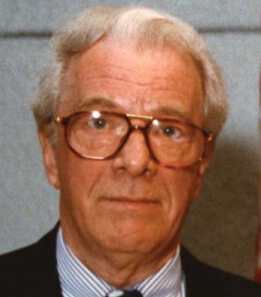 Harald A. Loe合作论文数National Institute of Dental and Craniofacial Research;University of Connecticut3Eva Von Strauss合作论文数Aging Research Center, Karolinska Institutet3Kirsten Schultz-Larsen合作论文数3
 Andrus Viidik合作论文数3
 Amanda Rodrigues Amorim Adegboye合作论文数Centre for Healthcare and Communities, Coventry University;University of Plymouth3K Engholmnorstedt合作论文数2Jytte Holm-Pedersen合作论文数2Kristine Harrsen Bachkati合作论文数2
 Åse Marie Hansen合作论文数Department of Public Health, Faculty of Health and Medical Sciences, University of Copenhagen;National Research Centre for the Working Environment2
 Ulla Christensen合作论文数Department of Public Health, Faculty of Health and Medical Sciences, University of Copenhagen2
 Henrik Brønnum-Hansen合作论文数Section of Social Medicine, Department of Public Health, Faculty of Health and Medical Sciences, University of Copenhagen2
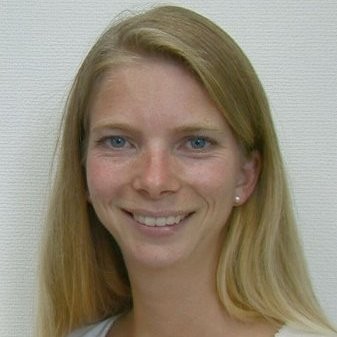 Johanne Kongstad合作论文数Department of Odontology, Faculty of Health and Medical Sciences, University of Copenhagen2
 Angela Kamer合作论文数Department of Periodontology & Implant Dentistry, Radiology and Medicine, College of Dentistry, New York University2
 Berit L. Heitmann合作论文数Charles Perkins Centre, Boden Institute, University of Sydney;University of Southern Denmark;University of Copenhagen;Research Unit for Dietary Studies, The Parker Institute, Copenhagen University Hospital;Frederiksberg Hospital2Heegaard Karen合作论文数2Krustrup U合作论文数2Jepsen Eva合作论文数2Bachkati Stine Harrsen合作论文数2
 Rikke Hodal Meincke合作论文数2Jens Kelstrup合作论文数2Kim Rud Ekstrand合作论文数2
 Palle Holmstrup合作论文数Section of Periodontology, Oral Microbiology, Oral Radiology, Oral Surgery, Oral Physiology, and Community Dentistry, Department of Odontology, University of Copenhagen2
 Christian R Salazar合作论文数2
 Barbara J Boucher合作论文数2




