Background The timely delivery of laboratory reports is crucial for guiding medical decisions and ensuring optimal patient care. The efficiency of clinical laboratory services, measured by turnaround time (TAT), directly impacts patient outcomes. This study aimed to evaluate the TAT for biochemical and haematological investigations at AIIMS Patna, to identify areas for improvement. Methods A descriptive cross-sectional study using Hospital Information System (HIS) data from January to March 2022 was undertaken. Only samples with same-day requisition and collection were included to avoid patient-related delays. A total of 201,552 analysable samples - 178,596 biochemistry (88.6%) and 22,956 haematology (11.4%) - were extracted. Time stamps for requisition, sample acceptance, result entry, and result validation were retrieved. TAT was quantified as pre-analytical (requisition to sample acceptance), analytical (acceptance to result entry), post-analytical (entry to validation), and total TAT. Median values, with 10th to 90th percentiles, were calculated. Additionally, awareness of TAT was assessed among 46 laboratory staff using a structured questionnaire. Results Of 521,822 laboratory records retrieved from the HIS, 201,552 samples (38.6%) with complete and valid time-stamp data were available for analysis, after exclusion of records with implausible or negative time intervals. The overall median total TAT was 278 minutes (4 hours 38 minutes), with comparable median values for biochemistry (279 minutes) and haematology (273 minutes). Phase-wise analysis showed that the pre-analytical phase contributed approximately 56%, and the post-analytical phase 18%, of the total TAT, indicating that non-analytical processes accounted for nearly three-quarters of the overall delay. When analytical benchmarks were applied, 136,741 biochemistry samples (76.5%) met the <90-minute criterion, and 16,305 haematology samples (71.1%) met the <60-minute criterion. Operational factors contributing to delays were identified across outpatient and inpatient settings. The staff awareness assessment included 46 laboratory workers, 36 of whom were laboratory technicians (78.3%), and 10 of whom were phlebotomists (21.7%). Of these, 23 (50%) showed that they were aware of TAT. Conclusion Evaluation of more than 200,000 investigations showed satisfactory analytical performance, but highlighted significant pre- and post-analytical delays, prolonging overall TAT. Strengthening HIS data capture, addressing workflow bottlenecks, and improving staff awareness are essential for optimising laboratory efficiency. The study establishes baseline TAT metrics for continuous quality improvement and enhanced patient care at AIIMS Patna.
This study aimed to determine the national pooled prevalence of abnormal uterine bleeding (AUB), its subtypes, and dysmenorrhea among adolescent girls in India. We conducted a systematic review and meta-analysis following the PRISMA (Preferred Reporting Items for Systematic Reviews and Meta-Analyses) guidelines, searching PubMed, Embase, and Web of Science from inception to December 4, 2024. Twenty nine observational studies involving adolescent girls aged 10-19 years, with sample sizes ranging from 127 to 2,000, conducted across India, were included. Due to high heterogeneity, pooled prevalence estimates were calculated using random-effects models. The pooled prevalence of AUB was 18.0% (95% confidence interval (CI), 14.0%-22.0%). Among AUB subtypes, oligomenorrhea (24%, 95% CI: 15%-34%) and metrorrhagia (24%, 95% CI: 4%-44%) were the most common, followed by menorrhagia (18%, 95% CI: 14%-23%). Additionally, the pooled prevalence of dysmenorrhea was notably high at 53% (95% CI: 46%-61%, I² = 99.4%). Significant heterogeneity (I² > 99.1%) and regional disparities in prevalence were observed across all analyses. This study found that about one in five adolescent girls in India experience AUB. These findings support the need for future studies to evaluate the effectiveness, accuracy, and feasibility of screening strategies for their widespread implementation.
Background Non-communicable disease (NCD) multimorbidity, defined as the coexistence of two or more chronic NCDs in an individual, is an emerging public health challenge, particularly in low- and middle-income countries. Evidence on NCD multimorbidity from rural India remains limited. Methods A community-based cross-sectional study was conducted from January 2024 to December 2024 among adults aged ≥ 30 years in Naubatpur block of Patna district, Bihar. A total of 455 participants were selected using multistage random sampling. Data were collected through house-to-house interviews using a pre-designed, pre-tested questionnaire adapted from the WHO STEPwise approach. Information on sociodemographic, behavioural, and clinical characteristics was obtained. Multimorbidity was defined as the presence of two or more chronic non-communicable diseases in the same individual. Data were analysed using JAMOVI software. Associations were assessed using Chi-square test or Fisher's exact test, with a p-value < 0.05 considered statistically significant. Multiple logistic regression was performed to identify independent predictors. Results Of the 455 respondents studied, 50 (11.0%) were found to suffer from multimorbidity. Hypertension and diabetes were the most prevalent conditions. "The presence of multimorbidity was significantly associated with increased age, occupation, socioeconomic status, and physical inactivity.'' Based on multiple logistic regression analysis, older age (adjusted OR 1.08, 95% CI 1.04–1.12), elevated blood glucose levels (adjusted OR 1.02, 95% CI 1.01–1.03), increased body mass index (adjusted OR 1.11, 95% CI 1.01–1.22), and physical inactivity (adjusted OR 0.28 for moderate vs. low activity, 95% CI 0.06–0.86) were independently associated with multimorbidity. No statistical association was observed between multimorbidity and gender, educational attainment, smoking, or dietary factors. Conclusions Non-communicable disease multimorbidity affects a notable proportion of adults in rural Bihar. Older age, physical inactivity, elevated blood glucose levels, and increased body mass index were independently associated with multimorbidity. These findings highlight the need for integrated, patient-centred primary healthcare approaches and targeted interventions for metabolic risk reduction in rural communities.
Wider acceptance of vasectomy among married men can play an important role in controlling population growth in India. It helps take shared contraceptive responsibility and reduces the health risks and social burden that often fall on women. This study mainly aimed to explore the barriers and perceptions influencing vasectomy acceptance among married men and to identify strategies that could enhance its uptake as a family planning option. A descriptive qualitative study was conducted between March and October 2024 in urban and rural field practice areas of a tertiary care hospital in Bihar. Eighteen married men were recruited using purposive sampling, and in-depth interviews were conducted until thematic saturation was achieved. Data were analyzed using thematic analysis. Participants reported persistent myths and misconceptions about vasectomy, including fears of impotence, weakness, and infertility. Historical distrust stemming from coercive sterilization campaigns and entrenched gender norms placing family planning responsibility on women further discouraged uptake. Spousal disapproval, fear of irreversibility, and social stigma around masculinity were frequently cited. Suggested solutions included community-based education, peer advocacy by satisfied vasectomy users, and counseling by Accredited Social Health Activist (ASHA) workers and other frontline health professionals. Misinformation, gender norms, and historical mistrust are significant barriers to vasectomy acceptance in Bihar. Targeted interventions, including myth-busting campaigns, male-inclusive counseling, and strong government promotion, are needed to normalize vasectomy as a safe, acceptable contraceptive choice.
Implementing competency-based electives, aligned with the National Medical Commission’s guidelines, transformed medical education at a leading institution. Initiated by a dedicated task force, this strategic integration involved meticulous planning and active stakeholder engagement. Comprehensive Faculty Development Programs prepared faculty to adopt and teach these new modules effectively, significantly boosting their confidence and pedagogical skills. The initiative not only enhanced student engagement but also provided a replicable model for other institutions seeking curriculum modernization. Continuous feedback from participants drives ongoing improvements, establishing the program as a benchmark for educational innovation.
Background Iron deficiency (ID) and iron deficiency anemia (IDA) are significant public health concerns, particularly in low- and middle-income countries. Adolescents, especially girls, are at a heightened risk due to increased iron requirements during growth and menstruation. Objective This study aimed to estimate the hospital prevalence of ID and IDA among adolescent girls attending the Outpatient Department (OPD) at a tertiary care centre in Bihar, India. Methods A hospital-based cross-sectional study was conducted at the All India Institute of Medical Sciences (AIIMS), Patna, India, from June 2019 to October 2021. A total of 169 adolescent girls aged 10 to 19 years were recruited using a non-probability convenient sampling method. Participants with normal C-reactive protein (CRP) levels were included to ensure accurate assessment of iron status, without the influence of inflammation. Serum ferritin, hemoglobin, serum iron, total iron-binding capacity (TIBC), and percentage saturation were measured. The primary outcomes were the prevalence of ID (serum ferritin < 15 µg/L) and IDA (serum ferritin < 15 µg/L and hemoglobin < 12 g/dL). Results The hospital prevalence of ID among the study participants was 17.8% (95% CI: 11.8%-23.5%), while the hospital prevalence of IDA was 15.4% (95% CI: 10.1%-21.7%). The overall hospital prevalence of anemia was 47.9% (95% CI: 40.2%-53.8%). A higher hospital prevalence of ID and IDA was observed in older adolescents (aged 17-19 years) compared to younger ones (aged 10-16 years), though the association was not significant (p = 0.056). Conclusions The findings of this study revealed that almost half of the adolescent girl population had a high hospital prevalence of anemia, with the majority of these cases classified as mild to moderate in intensity, whereas the hospital prevalence of absolute ID and IDA was low. Early screening using serum ferritin and appropriate nutritional strategies is recommended to address this public health issue.
BACKGROUND:Rural populations in Bihar, India, face significant healthcare access challenges due to geographical, infrastructural, and financial barriers. The Swasthya Mitra program, initiated by the Bihar Rural Livelihood Promotion Society in collaboration with local and international partners, aims to mitigate these challenges by employing trained community members to navigate patients through the healthcare system. METHODS:This qualitative study employed in-depth interview and thematic analysis to evaluate the Swasthya Mitra program in the Bhagalpur and Jamui districts in Bihar, India. The participants included Swasthya Mitras, healthcare professionals, and beneficiaries. This study focused on understanding the role of Swasthya Mitras in facilitating healthcare services. FINDINGS:The program improved healthcare access for rural populations, with beneficiaries reporting reduced navigational confusion, decreased out-of-pocket expenditures, and enhanced patient care. Swasthya Mitras bridged the gap between the community and healthcare facilities. The program also empowered women, both Swasthya Mitras and beneficiaries, by improving their access to healthcare and increasing their involvement in health-related decision-making. INTERPRETATION:The Swasthya Mitra program may offer a viable model for improving healthcare access in rural settings, demonstrating the importance of community involvement in healthcare delivery. The findings suggested that such programs can be instrumental in overcoming barriers to healthcare access and reducing financial burdens on vulnerable populations. FUNDING:The study was supported by the Bihar Rural Livelihood Promotion Society supported by the World Bank and Project Concern Internation India.
Maternal vitamin D deficiency during pregnancy is a common issue and a significant global public health concern. Over the years, fetal growth and development have been studied, and it has been discovered that they are linked to vitamin D. Aim and Objective: To estimate the vitamin D levels of mothers and neonates and determine an association between mothers’ serum vitamin D status and neonate anthropometry. Methodology: The research was performed between January 2020 and April 2021. A total of 97 participants—singleton (mother and neonate pair) at the time of delivery—were enrolled using convenient sampling. Five millilitres each of cord blood and maternal venous blood were taken at the time of delivery. Chemiluminescent immunoassay was used to analyse the vitamin D levels. One researcher measured the birth weight, length, head circumference, and chest circumference. Results: Mothers had 87.6% vitamin D deficiency. About 50.5% of newborns were vitamin D deficient. Multivariable logistic regression analysis was conducted to determine the vitamin D levels of the mother as a predictor of neonate anthropometry. It was found to be significant with neonate length and neonatal head circumference. Supplementation with vitamin D and calcium during pregnancy was also found to predict the birth weight of neonates. Conclusion: Insufficient vitamin D was reported in 92.8% of mothers. Neonatal vitamin D insufficiency was found to be 94.8%. Neonatal vitamin D levels are substantially correlated with those of their mothers. Antenatal supplements of calcium along with vitamin D were seen to significantly improve birth weight and maternal vitamin D levels, while the extra supplementation of vitamin D during pregnancy significantly improved neonatal length and head circumference.
INTRODUCTION:The JEEViKA program, a rural livelihood initiative, sought to uplift Self-Help Group (SHG) cadres in Bihar, India. However, health-related issues remained a challenge due to limited attention and health literacy among SHG members and mid-level managers. This study aimed to enhance health knowledge among mid-level managers through a technical course developed by the All India Institute of Medical Sciences (AIIMS) Patna in collaboration with JEEViKA and Project Concern International (PCI), focusing on integrating health aspects with economic development. METHODS:A comprehensive training needs assessment identified gaps in health knowledge among mid-level managers. A technical course curriculum was developed, comprising 20 topics covering health, nutrition, and sanitation. The course was delivered virtually to six batches of mid-level managers. Pre- and post-training assessments measured knowledge improvement. RESULTS:Initial assessment revealed that 71 (38.8%) participants had good, while 90 (49.2%) had average health knowledge scores. The virtual course led to improved knowledge levels, with 538 (89.7%) out of 600 total participants achieving good or excellent scores in post-training assessments. Specific knowledge gaps related to maternal, infant, and child health were addressed throughout the course. DISCUSSION:The study underscores the importance of equipping mid-level managers with health literacy to effectively integrate health components into livelihood projects. The collaboration between AIIMS Patna, JEEViKA, and PCI highlights the potential of knowledge-based interventions to bridge health gaps in rural communities. The success of the virtual course emphasizes the feasibility of online training to enhance health knowledge and underscores the symbiotic relationship between health and economic development.
Background: Rural populations in Bihar, India, face significant healthcare access challenges due to geographical, infrastructural, and financial barriers. The Swasthya Mitra program, initiated by the Bihar Rural Livelihood Promotion Society in collaboration with local and international partners, aims to mitigate these challenges by employing trained community members to navigate patients through the healthcare system. Methods: This qualitative study employed semistructured int erviews and thematic analysis to evaluate the Swasthya Mitra program in the Bhagalpur and Jamui districts in Bihar, India. The participants included Swasthya Mitras, healthcare professionals, and beneficiaries. This study focused on understanding the program's impact on healthcare access, out-of-pocket expenditures, and the role of Swasthya Mitras in facilitating healthcare services. Findings: The program significantly improved healthcare access for rural populations, with beneficiaries reporting reduced navigational confusion, decreased out-of-pocket expenditures, and enhanced patient care. Swasthya Mitras effectively bridged the gap between the community and healthcare facilities, ensuring timely and efficient medical attention. The program also empowered women, both Swasthya Mitras and beneficiaries, by improving their access to healthcare and increasing their involvement in health-related decision-making. Interpretation: The Swasthya Mitra program offers a viable model for improving healthcare access in rural settings, demonstrating the importance of community involvement in healthcare delivery. The findings suggest that such programs can be instrumental in overcoming barriers to healthcare access and reducing financial burdens on vulnerable populations.
Background and Objective:Surgical residents face many challenges and stressors during their training. Some residents can cope better with such difficult situations, whereas others experience burnout and anxiety. Emotional intelligence (EI) and resilience are personality traits that may be associated with a better response to adverse situations. Methodology:A cross-sectional analytical study using validated questionnaires the Schutte Self-report EI Test (SSEIT) and the Connor-Davidson Resilience Scale (CD-RISC-25) was conducted to assess EI and resilience among the participants. Data were collected through the hard copies of the questionnaires, compiled using Microsoft Excel and analyzed using SPSS version 26. P < 0.5 was considered significant. The scores of EI and resilience were compared to evaluate the relationship between them. Results:A correlation analysis was performed between EI and resilience by comparing the scores obtained from SSEIT and CD-RISC. Our analysis revealed a strong positive correlation between EI and resilience (r = 0.59, P < 0.0001). Conclusion:Based on our results, we can say that EI and resilience are positively correlated. This means that an emotionally intelligent person should exhibit a resilient behavior.
Background:Adequate management of hypertension is crucial for decreasing the likelihood of cardiovascular ailments and associated complications. Nonetheless, in the Indian context, maintaining compliance with prescribed hypertensive therapies presents a notable hurdle, impeding the attainment of favorable health outcomes. Thus, this study was conducted with the aim to evaluate the prevalence of treatment adherence and explore the diverse factors that impact adherence patterns among individuals diagnosed with hypertension. Material and Methods:A community-based cross-sectional questionnaire-based study was carried out among the diagnosed hypertensive patients from 12 purposefully selected villages of Khagaul block, Patna. A total of 262 participants were recruited in the study by using non-probability sampling. The 8-item Morisky Medication Adherence Scale (MMAS-8) was used for measuring adherence. The Statistical Package for the Social Sciences (SPSS) for Windows version 21.0 (SPSS Inc; Chicago, IL, USA) was used for statistical analysis of data. Result:As per MMAS scores, 10 (3.8%) had high, 133 (50.8%) moderate, and 119 (45.4%) poor adherence. However, good adherence was reported among geriatric patients [1.65 (1.01-2.7)], those with a history of absence of comorbidities [2.15 (1.21-3.85)], more than 5 years' duration of hypertension [3.2 (1.89-5.41)], once-a-day drug intake [2.8 (1.61-4.87)], and having controlled blood pressure [5.2 (3.08-8.96)]. Controlled blood pressure (AOR = 0.048, 0.023-0.098), perception of high benefit of treatment [0.497 (0.255-0.97)], and absence of comorbidity [0.016 (0.168-0.832)] were identified as predictors of good treatment adherence. Conclusion:Overall medication adherence in the current study was 54.6%. Achieving treatment adherence frequently demands proactive patient engagement, highlighting their active role in disease management. Also, involving the patient's caregivers can offer an additional tactic to tackle non-adherence stemming from forgetfulness of the patient.
BACKGROUND:Despite the increasing integration of competency-based education in medicine, there remains a significant gap in effectively assessing educational outcomes, underscoring the urgent need for designed assessment blueprints that accurately reflect both curriculum content and competency standards in Community Medicine for undergraduate students. This study, conducted across the All-India Institute of Medical Sciences (AIIMS) network, develops a summative assessment blueprint aimed at standardizing evaluations in medical education across diverse geographic locations in India. METHODS:Twenty-five experts from 10 All India Institutes of Medical Science were invited via email and contributed for summative assessment for a theory paper. Each week, the study lead team sent an online form containing 25 topics. A total of 269 topics were selected to be included in the blueprint development. An Impact and Frequency score was obtained for each topic, with a score between 1 and 3 for both its "Impact (I)" and "Frequency" (F). RESULTS:The overall response rate was 71%. "Principle of epidemiology" (14.7%) had the most weight, followed by "Epidemiology of communicable disease" (13.4%) and "National Health Program" (10%). These three chapters constituted more than one-third of the total weight of the summative assessment (theory). 20 out of 24 (83%) chapters have moderate-to-good interrater reliability. CONCLUSIONS:The blueprint developed in this study is intended to serve as a guideline for setting question papers and aims to enhance objectivity, uniformity, and validity in assessment construction. While it provides a structured approach within the AIIMS network, its broader applicability may be limited, suggesting that its effectiveness in other educational contexts remains to be validated. Continued research is encouraged to explore its utility across diverse educational settings.
Background: Every day 67,385 babies are born in India, that’s around one- sixth of the world’s childbirths. Every minute one of these new-borns dies, with an annual birth rate of 25 million which accounts for nearly one-fifth of the world’s annual childbirth. Objectives: 1. To find out the proportion of unintended pregnancy among women of reproductive age group attending ANC Clinic of AIIMS Patna USING LUMP SCALE. 2. To determine the Factors contributing to unintended pregnancy. Methodology: This was a hospital based cross-sectional study done for 6months (March 2022 to September 2022) conducted in Department of Obstetrics and Gynaecology OPD, AIIMS Patna and included all the pregnant ladies who visited the ANC clinic. Consecutive sampling was done and a sample size of 237 was taken rounding off to 250 with 5% absolute precision, 95% confidence and 10% non-response rate. A predesigned, semi-structured questionnaire was used and the information collected was downloaded from Epicollect5/Google forms in an MS Excel sheet and analysis was done using the IBM SPSS version20. Results: Out of 255 participants who were more than 20 years of age 31% (79) participants had unplanned pregnancies compared to 50% (17) out of 34 participants whose age was less than 20. This association was statistically significant with a p-value of 0.027. Out of 289 participants attending the ANC clinic, 32.87% (95) participants had a history of abortion among which only 23.2% (22) participants had an unplanned pregnancy. This association was statistically significant with a p-value of 0.011. Conclusion: In our study we found the prevalence of unintended pregnancy to be 33.2% which is comparable with 33% prevalence of unintended pregnancy in African continent study.
The objective of this systematic review and meta-analysis was to assess the association between postnatal exposure to ambient air pollutants (particulate matter (PM)2.5, PM10, nitrogen dioxide (NO2)) and the risk of attention-deficit/hyperactivity disorder (ADHD) in children. Observational studies, including cohort, case-control, and cross-sectional designs, that examined the relationship between postnatal exposure to ambient air pollution and ADHD in children were included, while studies focusing on prenatal exposure or unrelated neurodevelopmental outcomes were excluded. A comprehensive search of databases including PubMed, Web of Science, Embase, and Ovid, last updated in May 2024, was conducted. The risk of bias in the selected studies was assessed using the Joanna Briggs Institute (JBI) critical appraisal tools, with discrepancies resolved through discussion among four reviewers. A meta-analysis was performed, synthesizing results using hazard ratios (HR), odds ratios (OR), and risk ratios (RR) as effect sizes. Random effects models were applied in most analyses due to the expected variability between studies, while fixed effects models were employed where only two studies were available. A total of 25 studies were included, with sample sizes ranging from 174 to 35,103 children. The studies were conducted in different countries and varied in their design and pollutant exposure measurement methods. The meta-analysis demonstrated a significant association between PM2.5 exposure and ADHD, with moderate heterogeneity (I² = 74.2%). PM10 exposure was also significantly associated with ADHD, and the heterogeneity was reduced to 34.94% after excluding an influential outlier. NO2 exposure similarly showed a significant association with ADHD, with low heterogeneity (I² = 0%). Due to the limited number of studies per pollutant (ranging from two to six), publication bias was not assessed. Despite the significant findings, there were limitations, including moderate to high heterogeneity among studies and the small number of studies per pollutant, which restricted the ability to assess publication bias and impacted the robustness of the results. Differences in exposure measurement methods and study designs also contributed to variability in the findings. Nonetheless, the evidence suggests that postnatal exposure to ambient air pollutants, particularly PM2.5, PM10, and NO2, is significantly associated with an increased risk of ADHD in children. These results underscore the importance of conducting further large-scale, high-quality studies to explore these associations in greater depth and to elucidate the mechanisms underlying the link between air pollution and ADHD.
Abstract Background: Laparoscopic operations have increased in acceptance over the years owing to their established advantages over conventional open procedures, ranging from superior diagnostic to therapeutic outcomes. Significant advances in surgical training, equipment development, imaging, and surgical procedures have made laparoscopic surgery safe and feasible in a variety of medical specialties. Materials and Methods: We aimed to qualitatively evaluate the learning experiences of senior residents in laparoscopic gynecological surgeries. The study is a qualitative descriptive study conducted in a tertiary care institution. It included senior residents undergoing training in laparoscopic gynecological surgery. Their learning experiences were qualitatively evaluated at the end of their 3-year residency. Six residents responded to questionnaires. Results: The experience of learning a new system from its beginning motivated residents to push themselves against all difficulties, work as a team, and pumped them with confidence when their mentors held back in encouragement and support. There is a requirement for an upgraded infrastructure to sustain consistent and skilled training that would aid in encouraging training experience at hospitals across the country. Patient management, strenuous surgeries, and complications affect residents’ physical and psychological well-being, making them vulnerable. The system must also collaborate with residents and doctors at work to create a positive environment not only for patients but also for their residents. Conclusion: Improving the residents’ learning experiences through effective uniform training and a healthier working environment will result in better patient care outcomes and system performance.
Background: Despite their constraints and failure to adhere to evaluation criteria, conventional written assessment methods are still widely and often used in many medical colleges. The partiality and inclination of the topic setter are apparent. This results in the overrepresentation of certain themes while leaving many others neglected. Every examiner possesses their own bias and tends to construct questions according to their specific areas of expertise. The distribution and arrangement of the questions are still ambiguous for learners. Several authors have suggested comprehensive evaluation frameworks for different levels of cognitive domains. Objective: This study sought to create a theory-based summative evaluation blueprint by involving experts from the All-India Institute of Medical Sciences. Methodology: Twenty-five experts from 10 All India Institutes of Medical Science were invited via email and contributed for summative assessment for a theory paper. Each week, the study lead team sent an online form containing 25 topics. A total of 269 topics were selected to be included in the blueprint development. An Impact and Frequency score was obtained for each topic, with a score between 1 and 3 for both its “Impact (I)” and “Frequency” (F). Results: The overall response rate was 71%. “Principle of epidemiology” (14.7%) had the most weight, followed by “Epidemiology of communicable disease” (13.4%) and “National Health Program” (10%). These three chapters constituted more than one-third of the total weight of the summative assessment (theory). 20 out of 24 (83%) chapters have moderate-to-good interrater reliability. Conclusion: The proposed blueprint will serve as a reference for setting the question paper and will impart objectivity, uniformity, and validity to the construction of the written assessment tool.
Background Port site morbidities after laparoscopic cholecystectomy may be related to the port used for the extraction of the gallbladder. Prior randomized trials that tried to address the suitable port for gallbladder extraction showed mixed results favouring epigastric, whereas others favoured umbilical. Thus, the present study was conducted with the aim of finding a suitable port for gallbladder extraction after laparoscopic cholecystectomy. Methodology A total of 104 patients undergoing laparoscopic cholecystectomy were randomized to either the epigastric (Group 1) or umbilical (Group 2) port group for gallbladder extraction. Post-operative pain (by visual analogue scale (VAS)), the frequency of surgical site infection (SSI), and port site herniation were compared. Results Post-operative pain was lower in the umbilical port group in the initial 24 hours. The SSIs and port site herniation rates were lower in the umbilical port group; however, they were statistically not significant. Conclusion Less post-operative pain at the umbilical port may help with the early discharge of patients. In contrast to other studies, our trial had fewer infections and hernias in the umbilical port group.
Chronic lymphatic filariasis patients in Bihar, India, need management of lymphedema to live a disability-free life. For patients who have recurrent attacks of acute dermato-lymphangio-adenitis (ADLA), World Health Organization (WHO) has recommended simple home-based measures that include maintaining hygiene, skin care, and limb movement. However, patients in rural areas are unable to adopt them, resulting in a vicious cycle of ADLA attacks. There might be multiple realities from patients’ and healthcare workers’ perspectives that were unexplored. Qualitative research was deemed best suitable to identify the barriers to carrying out home-based lymphedema practices that adversely affected quality of life. The qualitative descriptive study was conducted in two villages in the rural field practice area under a tertiary care hospital in Bihar. Researchers purposively selected ten participants, including patients affected by lymphedema, their caregivers, the grassroots healthcare workers, and the block health manager. In-depth interviews were conducted using a semi-structured interview guide. Data were entered into QDA Miner Lite, where researchers did attribute, in-vivo, process, descriptive, emotion, and holistic coding, followed by content analysis, where categories and themes emerged from the codes. Three themes emerged: the inherent nature of disease, patient-related factors, and healthcare system-related factors. The fifteen identified barriers were low awareness, low adherence, low health-seeking behavior, poor personal hygiene, and categories like signs and symptoms, seasonal factors, hampered activities of daily living, hopelessness from not getting cured, psychosocial difficulty, lack of capacity building and receipt of incentives by healthcare workers, unavailability of laboratory diagnosis and management of complications at the facility, inconsistent drug supply, and no financial assistance. Accessibility to WaSH, regular training of home-based care, increasing the capacity and motivation of grassroots workers, and the generation of in-depth awareness among the patients are required to achieve the elimination of filariasis, with MMDP as a key component of that strategy for endemic districts across the whole country.
Background: Bihar is one of the focus states under Swachh Bharat Mission (SBM) in India. A study was conducted to estimate the prevalence and to determine the factors associated with the practice of open defecation among adults having household toilets, in rural Patna, Bihar.Methods: An analytical cluster cross-sectional study was conducted for a duration of one year among 609 participants using cluster sampling in rural block of Patna. The prevalence was calculated with 95 % confidence interval and binary logistic regression analysis was done to determine factors associated with open defecation. Results: Out of 609, 391(64.2 %, 95 % CI: 60-68 %) were practising open defecation despite having a household toilet. Male gender (AOR, 1.684; 95 % CI, 1.1-2.4), scheduled caste community (AOR, 2.168; 95 % CI, 1.3-3.4), family gross monthly income Rs. <7770 (AOR, 2.838; 95 % CI, 1.6-4.8), age of initiating toilet uses at age >35 years (AOR,1.453; 95%CI, 1.0-2.0), absence of government supply as water source (AOR: 2.106, 95 % CI: 1.088-3.410) were the independent factors associated with practice of open defecation. Conclusions: Nearly two-third of adults were practising OD despite having a household toilet. Male gender, schedule caste community, family gross monthly income Rs. <7770, age of initiating toilet uses at age >35 years, lack of government supply as water source were the factors associated with the practice ofOD.
 Shamshad Ahmad合作论文数Dept Community & Family Med, All India Inst Med Sci34
 Pandey Sanjay合作论文数Department of Neurology, Institute of Human Behaviour and Allied Sciences27
 Alok Ranjan合作论文数Department of Information Technology, ABV - Indian Institute of Information Technology and Management27
 Cm Singh合作论文数Department of Community and Family Medicine, All India Institute of Medical Sciences17
 Neeraj Agarwal合作论文数Fred Hutchinson Cancer Research Center, University of Washington;Harborview Medical Center, University of Washington;Yoshio Inoue, Multicare Regional Cancer Center;Huntsman Cancer Institute, University of Utah;Sumanta K. Pal, City of Hope;Norris Comprehensive Cancer Center, University of Southern California;Ajjai Alva, University of Michigan;Karmanos Cancer Center, Wayne State University;Elaine T. Lam, University of Colorado;Morisani College of Medicine, University of South Florida;Hollings Cancer Center, Medical University of South Carolina;British Columbia Cancer Agency, University of British Columbia;Nicholas J. Vogelzang, Comprehensive Cancer Centers of Nevada;University of Texas Health Science Center at San Antonio;University of Washington, University of Texas Health Science Center at San Antonio15
 Sakib Burza合作论文数From Médecins Sans Frontières (MSF), New Delhi, India (SB, RM, EM, TS, CS, MT, KK, PM, and AJ);MSF, Barcelona, Spain (NS);and the Department of Pediatrics, Darbhangha Medical College Hospital;the Department of Pediatrics, Darbhangha Medical College Hospital11
 Arshad Ayub合作论文数Community & Family Med Dept, All India Inst Med Sci8
 Amit Harshana合作论文数7
 Mohit Nair合作论文数7
 Laura Moreto合作论文数7
 Mahajan Raman合作论文数From Médecins Sans Frontières (MSF), New Delhi, India (SB, RM, EM, TS, CS, MT, KK, PM, and AJ);MSF, Barcelona, Spain (NS);and the Department of Pediatrics, Darbhangha Medical College Hospital;the Department of Pediatrics, Darbhangha Medical College Hospital7
 Dhananjay Kumar合作论文数6
 Ria Roy合作论文数5
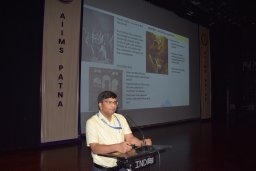 Santosh Kumar Nirala合作论文数Dept Community & Family Med, All India Inst Med Sci AIIMS5
 Pallavi Lohani合作论文数All India Inst Med Sci5Singh Geetika合作论文数5
 Naveen K G合作论文数4
 Rubina Saha合作论文数4
 Saket Shekhar合作论文数4
 Ditipriya Bhar合作论文数4
 Shahwar Kazmi合作论文数Medecins Sans Frontieres, New Delhi, India4Narottam Pradhan合作论文数3Lazaro Mwandigha合作论文数3
 Anup Kumar合作论文数3Priyanka Gautam合作论文数3
 Rajath Rao合作论文数Department of Community and Family medicine, All India Institute of Medical Sciences3
 Neha Chaudhary合作论文数Beth Israel Deaconess Medical Center, Harvard University3
 P. Srinivasan合作论文数College of Nursing, All India Institute of Medical Sciences3Neeraj Agrawal合作论文数3
 Sarita Kumari合作论文数Max Healthcare3
 Constantinos Koshiaris合作论文数Department of Primary Care Health Sciences, University of Oxford3
 Sreevani Rentala合作论文数3
 Arjun Chandna合作论文数Department of Neurology, Christchurch Public Hospital3
 Sudeep Kumar合作论文数Department of Critical Care Medicine, Sanjay Gandhi Post Graduate Institute of Medical Science (SGPGIMS), Lucknow, UP 226014, India3
 Kranti Bhavana合作论文数3
 George Varghese合作论文数3
 Yoel Lubell合作论文数Department of Public Health and Policy, LSHTM3
 Mala Mahto合作论文数Department of Biochemistry, Maulana Azad Medical College3Haripriya H合作论文数2Jennifer Osborn合作论文数2Kathryn Richardson合作论文数2
 Subhash Kumar合作论文数2
 Abhishek Kumar合作论文数2
 Karishma Krishna Kurup合作论文数Royal Institute of International Affairs2
 Monika Anant合作论文数Dept Obstet & Gynecol, All India Inst Med Sci Patna2
 Sanjay Pandey合作论文数Phys Med & Rehabil, All India Inst Med Sci Patna2
 Bijaya Nanda Naik合作论文数Community and Family Medicine, All India Institute of Medical Sciences2
 Bijit Biswas合作论文数Department of Community & Family Medicine, AIIMS2Jha Ashesh Kumar合作论文数Department of Surgery, University College of Medical Sciences &GTB Hospital2




