Background and Aims:The present study aimed to compare the success rate of fiberoptic-guided intubation, using Intubating laryngeal mask airway (ILMA) versus intubating laryngeal tube suction disposable (ILTS-D). Material and Methods:This prospective randomized study was conducted on 100 patients of either sex aged 18-60 years, belonging to the American Society of Anesthesiologists physical status I-II, with 50 patients in each group (group I -patients were intubated through ILMA, and group II - patients were intubated through ILTS-D). The primary objective was to compare the ease of fiberoptic-guided tracheal intubation, time taken for intubation, and number of attempts. Secondary objectives included assessing the success of supraglottic device (SAD) placement, oropharyngeal seal pressure, and hemodynamic changes, and adverse effects like sore throat, trauma, nausea, etc. Results:The insertion time of the SAD was 10.44 ± 4.26 and 9.08 ± 3.79 s for groups I and II, respectively. Mean insertion time for ETT (Endotracheal tube) placement (seconds) was 39.68 ± 9.48 s in group I and 50.12 ± 7.78 s in group II, which was found to be statistically significant between the groups (P ≤ 0.001). The ETT was placed in the first attempt in 78% and 44% patients in group I and group II, respectively (P = 0.001). Conclusion:Our study concluded that ILMA demonstrated superiority over ILTS-D when used as conduits for fiberoptic-guided tracheal intubation.
In this work, bivalent ruthenium macrocyclic complexes of the general formula [RuCl2(MacL1-2)], where MacL1 and MacL2 denote macrocyclic ligands, were synthesised via a template condensation approach. The complexes [{RuCl2(MacL1)} and {RuCl2(MacL2)}] were obtained through the reaction of 1,3-diaminopropane with oxalic acid and succinic acid, respectively, in the presence of a Ru(II) precursor, maintaining a molar ratio of 2:2:1. The resulting complexes were characterised using a combination of physico-chemical and spectroscopic techniques including molar conductance measurements, elemental analysis, magnetic susceptibility and spectral studies such as UV-visible, FT-IR, 1H NMR and X-ray photoelectron spectroscopy (XPS). Based on the analytical and spectral results, an octahedral geometry was proposed for both ruthenium(II) macrocyclic complexes.
Background and Aim:The present study aimed to compare the success rates of intubation using AIROD and gum elastic bougie (GEB) in simulated difficult airway. Material and Methods:This prospective randomized study was conducted on 100 patients of either sex aged 18-60 years, belonging to ASA physical status I-II, with 50 patients in each group. Group A patients were intubated using AIROD, and Group G patients were intubated using GEB. The primary objective of the study was to compare the first-attempt success rates of endotracheal intubation using the two devices. The secondary objectives were to compare the success of introducer placement, the total time required for successful intubation, the ease of intubation, the need for optimization maneuvers, and the incidence of device-related complications. Results:The placement of introducer was successful in 98% and 100% patients in groups A and G, respectively. The mean insertion time of endotracheal tube (ETT) placement was 28.33 ± 12.77 and 35.06 ± 11.45 sec for groups A and G, respectively, which was found to be statistically significant between the groups (P = 0.001). The ETT was placed in the first attempt in 90% patients in group A and 84% in group B, respectively (P = 0.357). In 2% patients, failure to insert the introducer was noted in group A compared to none in group G. Conclusions:Our study concludes that AIROD offers a modest but meaningful advantage over GEB, providing easier insertion, improved glottic visualization, and a significantly shorter intubation time, while maintaining a comparable safety profile.
Background: Supraglottic airway devices are more frequently being used for airway management in both routine and emergency scenarios. The aim of this study was to evaluate and compare the clinical efficacy of Laryngeal Mask Airway Protector (LMA-Protector) with i-gel as a ventilatory device in adult patients undergoing elective surgery under general anesthesia. Methodology: A prospective randomized interventional comparative study was conducted in 100 patients undergoing elective surgery under general anesthesia to compare clinical efficacy of LMA Protector with the i-gel. Patients were divided into two groups: Group P-LMA Protector was inserted and Group I-i-gel was inserted. Oropharyngeal leak pressure (OLP) was the primary objective of the study. Other objectives of the study were number of attempts for successful insertion, time taken for achieving effective airway, ease of catheter and device insertion, and fiber-optic bronchoscopic score. The statistical analysis was performed with unpaired t-test/Mann-Whitney test and Chi-square test/Fisher's exact test. Results: OLP was significantly higher in Group P within 5 min (P < 0.0001) and at 30 min (P < 0.0001) postdevice insertion. Time to achieve effective airway was significantly less (P < 0.0001) in Group I as compared to Group P, attributed to noninflatable i-gel cuff. Both the groups showed comparable results with respect to other parameters. Conclusions: It was concluded that LMA Protector has better clinical efficacy in terms of oropharyngeal leak pressure as compared to i-gel.
OBJECTIVES:Sniffing position for laryngoscopy requires flexion of the lower and extension of upper cervical spine and atlanto-occipital joint. Laryngoscopy is challenging in cervical spine pathology. This study was conducted to compare Airtraq with McCoy for ease of intubation in patients with simulated cervical immobilization. MATERIALS AND METHODS:One hundred patients belonging to the American Society of Anaesthesiologists I-III of 20-60 years requiring intubation were randomly allocated into two groups - Group A (Airtraq) and Group M (McCoy laryngoscope). Philadelphia collar was applied in all patients before induction of anesthesia. Parameters observed were the number of attempts for intubation, intubation time, glottic view, intubation difficulty score (IDS), success rate, and hemodynamic changes. RESULTS:Demographic profiles were comparable. First-attempt success was higher in Group A. Mean intubation time was higher in Group M ( P < 0.001). CL Grade 1, 2a, 2b, and 3a in Group A was 66%, 26%, 8%, and 0%, respectively, in Group M was 34%, 48%, 12%, and 6%, respectively ( P = 0.008). The percentage of glottic opening score was higher in Group A ( P < 0.001). IDS was better in Group A ( P < 0.001). CONCLUSION:Both Airtraq and McCoy laryngoscope offer high success rates in simulated difficult airways. However, Airtraq provides improved ease of intubation, better glottic view, and lesser hemodynamic alterations as compared to McCoy laryngoscope.
This article proposes the effectiveness of a Dynamic Voltage Restorer (DVR) based on Quantum Calculus-based Least Mean Fourth (q-LMF) for compensating the impact of grid voltage perturbation. The adaptive controlling technique q-LMF is utilized for the computation of the fundamental active load voltage component derived from the polluted grid voltage. The proposed technique is inspired by the conventional Least Mean Fourth (LMF) scheme with the addition of the "q" variable. The adaptation of "q" improves the performance of the controller. A modified complex coefficient filter is used to extract the filtered Point of Intersection (PoI) voltage under a disturbed grid. The DVR feeds the appropriate compensatory voltage at the PoI to minimize voltage disturbances and restores the load voltage magnitude. The capacitor voltage of the DC bus is stabilized with a Fractional Order PID, and its parameters are tuned with a Pelican optimizer. The proposed control technique has achieved significant advancement with quicker settling time (0.15 s), reduced overshoot (2.4%), and undershoot (5.6%). Furthermore, less compensated time of 0.008 s is required during a sag. The proposed DVR system is initially modeled in MATLAB/Simulink and corroborated using laboratory experimentation. Additionally, a comparative study is shown to justify the superiority of the proposed q-LMF over the Least Mean Square and LMF control methods in terms of weight oscillations, voltage THD, and statistical indices like rise time, settling time, and overshoot. The experimental results are carried out for the validation of the developed control strategy.
Introduction Phenytoin, although commonly used for postoperative seizure prophylaxis, exhibits variable results in mitigating seizure frequency following craniotomy. These discrepancies may be linked to a reduction in plasma phenytoin levels subsequent to the surgical intervention. Aims This prospective study aims to characterize changes in plasma phenytoin levels after craniotomy and their relationship with intraoperative blood loss. Methods Fifty consecutive patients were enrolled in this study after obtaining written informed consent. These patients had either been on oral phenytoin for at least 7 days or had received an intravenous loading dose before undergoing craniotomy. Serum phenytoin levels were measured 24 hours preoperatively, immediately before craniotomy (prior to skin incision), postcraniotomy (after skin closure), and 24 hours postcraniotomy. Additionally, intraoperative blood loss was calculated using a modified Gross formula. Results Immediately following craniotomy, there was a statistically significant mean decline of 28.16% in serum phenytoin levels. Furthermore, the analysis revealed a robust positive correlation between the decrease in phenytoin concentration level and several factors, including blood loss during surgery, the duration of the surgical procedure, intravenous fluids administered during surgery, and the occurrence of postoperative seizures. Conclusion This study underscores the potential utility of routinely measuring perioperative serum phenytoin levels in high-risk patients to prevent postcraniotomy seizures. Moreover, it suggests that patients with substantial intraoperative blood loss may benefit from an additional bolus dose of phenytoin toward the end of the surgical procedure.
We introduce a representation for generating explanations for the outcomes of combinatorial optimization algorithms. The two key ideas are (A) to maintain fine-grained representations of the values manipulated by these algorithms and (B) to derive explanations from these representations through merge, filter, and aggregation operations. An explanation in our model presents essentially a high-level comparison of the solution to a problem with a hypothesized alternative, illuminating why the solution is better than the alternative. Our value representation results in explanations smaller than other dynamic program representations, such as traces. Based on a measure for the conciseness of explanations we demonstrate through a number of experiments that the explanations produced by our approach are small and scale well with problem size across a number of different applications.
Wheat (Triticum aestivum L.) is a global food crop with low protein content of 9-12%. Enhancing grain protein content (GPC) without compromising yield is challenging largely due to the negative correlation between yield and GPC. Genome wide DNA markers, high-throughput phenotyping, genome-wide association studies (GWAS), and QTL mapping have facilitated the identification of quantitative trait loci (QTLs). This study utilized a stable recombinant inbred line F7-9 (RIL) population, genotyped via high-depth genotyping by sequencing (GBS), and conducted multi-environmental trials to identify stable QTLs for GPC. In contrast to the inverse relationship of GPC and thousand grain weight (TGW), the RIL population showed positive correlation of 0.143 (P<0.001) with TGW. The RIL population also showed significant genetic variation in GPC, with a heritability of 0.72, and identified ten QTLs for GPC on chromosomes 2B, 5B, 5A, 4B, and 1D. Among these, QGPC.nabi-2B.2 and QGPC.nabi-5B.1 were identified as major and stable QTLs. Precise mapping of QGPC.nabi-2B.2 identified NB-ARC domain-containing proteins as potential candidate genes for GPC regulation. Three SNPs from the QGPC.nabi-2B.2 region were converted to Tetra-ARMS-PCR markers. Subsequently these markers were used to validate in Indian wheat varieties and in a genetically different RIL population. This study provides a foundation for further research into the genetic regulation of GPC in wheat and suggests that NB-ARC genes could play a significant role in improving GPC, potentially enhancing wheat's nutritional quality without yield penalty.
Poisoning and its aftermath are globally observed and acknowledged concerns. India has a large burden of "self-harm/suicides" with 12.4/per 100,000 population committing suicide. Consumption of poisonous substances is the second most common mode of self-harm in India. Patients present to both public and private institutions in a critically ill state. The Indian Society of Critical Care Medicine (ISCCM) and Indian College of Critical Care Medicine (ICCCM) decided to address common and contentious issues related to poisoning by developing a position statement that is expected to be appropriate in the Indian scenario by the constitution of an "expert group" to provide a "set of statements" aimed at addressing the common issues faced by intensivists in their practice in managing such patients. The structured approach, framework, and process adopted in developing the position statement on the approach to poisoning have been detailed in this statement. The formation of an expert advisory panel was followed by a literature search, and multiple sessions of consensus-building exercises to reach the current statement presented below. The statement consists of relevant questions with possible answers thereof. Each answer was further weighed against the data and evidence available in the literature. Recommendations were made using a simplified score to make the statement qualitatively meaningful.
Erector spinae plane block is a recently introduced block with a wide range of indications. The aim of the present study was to assess the efficacy and safety of ultrasound-guided erector spinae plane block on early post-operative pain relief in patients undergoing modified radical mastectomy. We conducted a prospective, randomized, controlled study in a tertiary care institute. Sixty-five patients were enrolled. Final analysis was performed on 58 patients randomized into two groups. Ultrasound-guided erector spinae plane block with 25 mL of 0.25% bupivacaine was given using a 18 gauge needle. No block was given in the other group. All patients received general anesthesia. Primary outcome measure was 24-hour analgesic consumption. Secondary outcome measures included intra-operative fentanyl consumption, time to first analgesic request, Visual Analog Scale score, nausea score, sedation score, wound quality and patient satisfaction score. Post-operative additional analgesics and intra-operative fentanyl were significantly reduced in patients receiving erector spinae plane block. Time to rescue analgesia was significantly delayed. Visual Analog Scale score was significantly lower at all time intervals. Post-operative nausea at various time intervals was also less. Patient satisfaction score was also noted on a 5-point scale and there was a statistical significant difference. We concluded that erector spinae plane block is a safe technique and provides good analgesia in breast surgery.
This paper presents a framework of single node to multi-node underwater wireless optical communication (UWOC) link by utilizing reflector optics and beam splitters to generate steerable multiple laser beams. The proposed model outperforms the traditional system by minimizing the geometric loss and eliminating the need for a strict line-of-sight view. An analytical model of the proposed system is developed to study the impact of the system specific and nonspecific losses on the performance metric in terms of the received signal quality factor (Q). Furthermore, a relay-assisted single input and multiple output (SIMO) UWOC system is presented that introduces a scenario where optical relay node is incorporated to mitigate optical attenuation and overcome obstructed line-of-sight challenges in UWOC communication. The analytical analysis along with the MATLAB and Optisystem based simulations envisage that the implementation of SIMO UWOC link with relay and without relay demonstrates 44% and 20% decrement in geometric loss as compared to UWOC link with single transmitter and receiver node. Based on the simulation results, it is concluded that the proposed system facilitates the information broadcasting at a data rate of 1 Gbps to multiple receivers using laser beam communication across a vertical depth of 120 m.
Major portion of wheat grain consist of carbohydrate, mainly starch. The proportion of amylose and amylopectin in starch greatly influence the end product quality. Advancement in understanding starch biosynthesis pathway and modulating key genes has enabled the genetic modification of crops resulting in enhanced starch quality. However, the regulation of starch biosynthesis genes still remains unexplored. So, to expand the limited knowledge, here, we characterized a Ser/Thr kinase, SnRK1α in wheat and determined its role in regulating starch biosynthesis. SnRK1 is an evolutionary conserved protein kinase and share homology to yeast SNF1. Yeast complementation assay suggests TaSnRK1α restores growth defect and promotes glycogen accumulation. Domain analysis and complementation assay with truncated domain proteins suggest the importance of ATP-binding and UBA domain in TaSnRK1α activity. Sub-cellular localization identified nuclear and cytoplasmic localization of TaSnRK1α in tobacco leaves. Further, heterologous over-expression (O/E) of TaSnRK1α in Arabidopsis not only led to increase in starch content but also enlarges the starch granules. TaSnRK1α was found to restore starch accumulation in Arabidopsis kin10. Remarkably, TaSnRK1α O/E increases the AGPase activity suggesting the direct regulation of rate limiting enzyme AGPase involved in starch biosynthesis. Furthermore, in vitro and in vivo interaction assay reveal that TaSnRK1α interacts with AGPase large sub-unit. Overall, our findings indicate that TaSnRK1α plays a role in starch biosynthesis by regulating AGPase activity.
Background: Traditionally, the sniffing position has been considered a standard head and neck position during direct laryngoscopy. The perfect head and neck position for video laryngoscopy has yet not been described. Hence, we planned the present study to compare the neutral and sniffing position for ease of intubation using Airtraq. Methods: A total of 60 patients were randomized into two groups. Patients were intubated with their heads in neutral and sniffing positions in Group NP and SP, respectively. Ease of intubation was taken as a primary outcome. Laryngoscopy time, intubation time, percentage of glottic opening (POGO), the number of attempts for Airtraq and endotracheal tube, insertion of Airtraq, the success rate of intubation, optimization maneuvers, and complications were taken as secondary objectives. Data were analyzed using SPSS software, V.22.(1). Results: For ease of intubation, we used a visual analog scale (VAS) and Fremantle scores. VAS score (mm) in the median (interquartile range [IQR]) was 32 (24, 34) and 28 (24, 32) in NP and SP groups, respectively (P = 0.37). Twenty-four (80%) patients in NP and 23 (76.67%) patients in the SP group had a Fremantle score of F1 (full view; easy intubation). One (3.33%) patient in both groups had a score of F2 (full view; modified intubation). Five (16.67%) and six (20%) patients in NP and SP groups had P1 scores. Overall, there was no difference in Fremantle’s score between the groups (P = 0.945). The number of attempts, optimization maneuvers, and complications were statistically comparable between the groups. Conclusion: There is no difference in the ease of intubation between the neutral and sniffing position using the Airtraq optical laryngoscope.
Wheat (Triticum aestivum L.) is a crucial global staple crop, and is consistently being improved to enhance yield, disease resistance, and quality traits. However, the development of molecular markers is a challenging task due to its hexaploid genome. Molecular marker system such as simple sequence repeat (SSR) and single nucleotide polymorphism (SNP) are helpful for breeding, but SNP has limitations due to its development cost and its conversion to breeder markers. The study proposed an in-silico approach, by utilizing the low-cost transcriptome sequencing of two parental lines, 'TAC 75' and 'WH 1105', to identify polymorphic SSRs for mapping in a recombinant inbred line (RIL) population. This study introduces a new approach to bridge wheat genetics intricacies and next-generation sequencing potential. It presents a comprehensive genome-wide SSR distribution using IWGSC CS RefSeq v2.1 genome assembly and to identify 189 polymorphic loci through in-silico strategy. Of these, 54.76% showed polymorphism between parents, surpassing the traditional low polymorphic success rate. A RIL population screening validated these markers, demonstrating the fitness of identified markers through chi-square tests. The designed SSRs were also validated for genetic diversity analysis in a subset of 37 Indian wheat genotypes and cross-transferability in the wild/relative wheat species. In diversity analysis, a subset of 38 markers revealed 95 alleles (2.5 allele/locus), indicating substantial genetic variation. Population structure analysis unveiled three distinct groups, supported by phylogenetic and PCoA analyses. Further the polymorphic SSRs were also analyzed for SSR-gene association using gene ontology analysis. By utilizing the developing seed transcriptome data within parental lines, the study has enhanced the polymorphic SSR identification precision and facilitated in the RIL population. The undertaken study pioneers the use of transcriptome sequencing and genetic mapping to overcome challenges posed by the intricate wheat genome. This approach offers a cost-effective, less labour-intensive alternative to conventional methods, providing a platform for advancing wheat breeding research.
Background and Aims:The present study was conducted to determine the optimal dose of cisatracurium for intubating conditions and onset and offset of neuromuscular blockade. Data in Indian population are scarce, and hence, the present study was planned to evaluate different doses of cisatracurium. Material and Methods:The prospective randomized double-blind study was conducted on 180 patients of either sex in the age group of 20-60 yrs., having physical status class I to III, scheduled for surgery under general anesthesia. After exclusion 154 patients were randomly divided into three groups comprising 52, 51, and 51, respectively, in Group A, Group B, and group C. They received 0.1 mgkg-1, 0.2 mgkg-1, and 0.3 mgkg-1 of cisatracurium, respectively, to facilitate endotracheal intubation. Time of onset, intubating conditions, hemodynamic parameters, signs of histamine release, and recovery time were noted. Results:Mean time to onset was maximum in group A (4.37 ± 0.48 minutes) and minimum in group C (2.33 ± 0.43 minutes). Intubating conditions were found excellent in 88% patients in group. Change in HR was found to be non-significant at all time periods, but decrease in MAP was found between 2 and 10 minutes in group C. Duration of action was longest in group C. Conclusion:We conclude that cisatracurium in dose of 0.2 mgkg-1 and 0.3 mgkg-1 provides good-to-excellent intubating conditions within less than 3 minutes.
To be able to resolve multiple organelles at high throughput is an incredible achievement. This will have immediate implications in a range of fields ranging from fundamental cell biology to translational medicine. To realize such a high-throughput multicolor interrogation modality, we have developed a light-sheet based flow imaging system that is capable of visualizing multiple sub-cellular components with organelle-level resolution. This is possible due to the unique optical design that combines an illumination system comprising two collinear light sheets illuminating the flowing cells and a dedicated dual-color 4f-detection, enabling simultaneous recording of multiple organelles. The system PSF sections up to 4 parallel microfluidic channels through which cells are flowing, and multicolor images of cell cross-sections are recorded. The data is then computationally processed (filtered using ML algorithm, shift-corrected, and merged) and combined to reconstruct the 3D multicolor volume. System testing is conducted using multicolor fluorescent nano-beads (size similar to 175nm) and flow-based imaging parameters (PSF size, motion-blur, flow rate, frame rate, and number of cell-sections) are determined for quality imaging. Drug treatment studies were carried out for healthy and cancerous HeLa cells to check the performance of the proposed system. The cells were treated with a drug (Vincristine, which is known to promote mitochondrial fission in cells), and the same is compared with untreated control cells. The proposed multicolor iLIFE system could screen similar to 800 cells/min (at a flow speed of 2490 mu m/s), and the drug treatment studies were carried out up to 24 h. Studies showed the disintegration of mitochondrial network and dysfunctional lysosomes and their accumulation at the cell membrane, which is a clear indication of cell apoptosis. Compared to control cells (untreated), the mortality is highest at a concentration of 500 nM post 12 h of drug treatment. With the capability of multiorganelle interrogation and organelle-level resolution, the multicolor iLIFE cytometry system is suitably placed to assist optical imaging and biomedical research.
 Kiranpreet Kaur合作论文数Department of Anaesthesiology & Critical Care, Pt. B.D. Sharma PGIMS20
 Manda V. Suryanarayana合作论文数16
 Joy Roy合作论文数14sanjay johar合作论文数12Afsana Parveen合作论文数NABI), National Agri-Food Biotechnology Institute10
 Akansha Madhawan合作论文数National Agri-Food Biotechnology Institute, Sector 81, SAS Nagar, 140306, Punjab, India.9
 Ankita Mishra合作论文数NABI), National Agri-Food Biotechnology Institute8
 Mohammed Saba Rahim合作论文数School of Basic Sciences, Central University of Punjab8M. Sankari合作论文数8
 vikas fandade合作论文数7Jyoti Sharma合作论文数7
 Himanshu Sharma合作论文数7Bhardwaj Mamta合作论文数7Seelam Sowjanya合作论文数6
 Vikas Teotia合作论文数6
 Vinita Sharma合作论文数Indian Institute of Science Education & Research6
 Partha Pratim Mondal合作论文数Department of Physics;Indian Institute of Science;Department of Physics, Indian Institute of Science6
 Suresh Singhal合作论文数Rohtak Department of Anaesthesiology, PGIMS6
 Martin Erwig合作论文数School of Electrical Engineering and Computer Science
Oregon State University6
Martin Erwig合作论文数School of Electrical Engineering and Computer Science
Oregon State University6 Sumedha Vashishth合作论文数5
 Sanjay Malhotra合作论文数5
 Eugene Zhang合作论文数School of Electrical Engineering and Computer Science, College of Engineering, Oregon State University5Nawal Kishor Mal合作论文数5Anil Chandhok合作论文数4prerna tikku合作论文数4
 Kanhaiya Pandey合作论文数4Preeti Gehlaut合作论文数4v krishnamoorthy合作论文数4Vasant Natarajan合作论文数4
 Lawrence Roy合作论文数Oregon State University4
 Masahiro Fujiwara合作论文数National Institute of Advanced Industrial Science and Technology;Osaka Institute of Technology;Japanese Ministry of International Trade and Industry;Kyoto University4
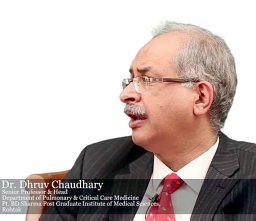 Chaudhry Dhruva合作论文数Postgraduate Institute of Medical Education and Research (PGIMER),, National College of Chest Physicians4
 Bhandawat Abhishek合作论文数Division of Biotechnology, CSIR-Institute of Himalayan Bioresource Technology4Singh Pawan K合作论文数Department of Internal Medicine, Postgraduate Institute of Medical Education and Research, Chandigarh, India.4Mittal Kundan合作论文数4Sarla Hooda合作论文数4
 Sujata Sethi合作论文数4
 Prakash Chandra Joshi合作论文数Space Applications Centre (ISRO) Atmospheric Sciences Division, Meteorology and Oceanography Group Ahmedabad India4Vikas Rishi合作论文数4Bhimrao Ghodeswar合作论文数National Institute of Industrial Engineering4
 Dr Ramanjit Kaur合作论文数4Mayuri Golhar合作论文数3Gaurav Luthra合作论文数3Rakesh Mittal合作论文数3Atmaja Elina Mishra合作论文数3
 Vineet Kumar合作论文数3
 Pankaj Kumar合作论文数3Nidhi Bangarwa合作论文数3
 Rabindra Ghimire合作论文数3




