Abstract Oligodendrocyte precursor cells (OPCs) are progenitor cells that give rise to central nervous system oligodendrocytes throughout life. Transcriptomic and lineage tracing studies suggest that OPCs may be the putative cell of origin for many glioma histologic subtypes. While children with the neurofibromatosis type 1 (NF1) cancer predisposition syndrome are prone to low-grade gliomas following bi-allelic NF1 loss, the cellular and molecular etiologies underlying tumorigenesis remain incompletely elucidated. Using a unique collection of genetically engineered Nf1 mouse strains, we identified discrete hyperdense lesions composed of OPCs. The OPCs within the lesions display a transient increase in proliferation and hypercellularity (hyperplasia). This phenotype was not observed following heterozygous mutation in other tumor suppressors (Trp53, Pten, or Rb1). OPC-specific heterozygous Nf1-mutant mice harbored similar lesions, suggesting an OPC-intrinsic phenotype. OPC-specific Nf1 loss resulted in increased OPC density throughout the entire brain, suggesting that the lesions in heterozygous Nf1-mutant mice represent spontaneous OPC Nf1 loss-of-heterozygosity events. Mechanistically, monoallelic KRAS hyperactivation phenocopies OPC hyperdensities in the brain of Nf1+/- mice; however, KRAS hyperactivity is not necessary for lesion formation or expansion. When the brains of mice engineered with heterozygous NF1 patient-derived Nf1 mutations were examined, the development of hyperdense OPC lesions reflected RAS-independent dysregulated PI3K-AKT signaling. Collectively, our study reveals a potential mechanism driving the development of preneoplastic lesions in the brains of individuals with NF1.
In this paper, we describe the different approaches explored by the Jetsons team for the Multi-Lingual ESG Impact Duration Inference (ML-ESG-3) shared task. The shared task focuses on predicting the duration and type of the ESG impact of a news article. The shared task dataset consists of 2,059 news titles and articles in English, French, Korean, and Japanese languages. For the impact duration classification task, we fine-tuned XLM-RoBERTa with a custom fine-tuning strategy and using self-training and DeBERTa-v3 using only English translations. These models individually ranked first on the leaderboard for Korean and Japanese and in an ensemble for the English language, respectively. For the impact type classification task, our XLM-RoBERTa model fine-tuned using a custom fine-tuning strategy ranked first for the English language.
Solving combinatorial optimization problems involves a two-stage process that follows the model-and-run approach. First, a user is responsible for formulating the problem at hand as an optimization model, and then, given the model, a solver is responsible for finding the solution. While optimization technology has enjoyed tremendous theoretical and practical advances, the overall process has remained the same for decades. To date, transforming problem descriptions into optimization models remains a barrier to entry. To alleviate users from the cognitive task of modeling, we study named entity recognition to capture components of optimization models such as the objective, variables, and constraints from free-form natural language text, and coin this problem as Ner4Opt. We show how to solve Ner4Opt using classical techniques based on morphological and grammatical properties and modern methods leveraging pre-trained large language models and fine-tuning transformers architecture with optimization-specific corpora. For best performance, we present their hybridization combined with feature engineering and data augmentation to exploit the language of optimization problems. We improve over the state-of-the-art for annotated linear programming word problems, identify several next steps and discuss important open problems toward automated modeling.
Many existing end-to-end systems for hybrid question answering tasks can be boiled down to a "prompt-and-pray" paradigm, where the user has limited control and insight into the intermediate reasoning steps used to achieve the final result. Additionally, due to the context size limitation of many transformer-based LLMs, it is often not reasonable to expect that the full structured and unstructured context will fit into a given prompt in a zero-shot setting, let alone a few-shot setting. We introduce BLENDSQL, a superset of SQLite to act as a unified dialect for orchestrating reasoning across both unstructured and structured data. For hybrid question answering tasks involving multi-hop reasoning, we encode the full decomposed reasoning roadmap into a single interpretable BLENDSQL query. Notably, we show that BLENDSQL can scale to massive datasets and improve the performance of end-to-end systems while using 35% fewer prompt tokens. Our code is available and installable as a package at github.com/parkervg/blendsql.
Sentiment analysis is a crucial task in natural language processing that involves identifying and extracting subjective sentiment from text. Self-training has recently emerged as an economical and efficient technique for developing sentiment analysis models by leveraging a small amount of labeled data and a large amount of unlabeled data. However, given a set of training data, how to utilize them to conduct self-training makes a significant difference in the final performance of the model. We refer to this methodology as the self-training strategy. In this paper, we present an empirical study of various self-training strategies for sentiment analysis. First, we investigate the influence of the self-training strategy and hyper-parameters on the performance of traditional small language models (SLMs) in various few-shot settings. Second, we also explore the feasibility of leveraging large language models (LLMs) to help self-training. We propose and empirically compare several self-training strategies with the intervention of LLMs. Extensive experiments are conducted on three real-world sentiment analysis datasets.
In addressing the task of converting natural language to SQL queries, there are several semantic and syntactic challenges. It becomes increasingly important to understand and remedy the points of failure as the performance of semantic parsing systems improve. We explore semantic parse correction with natural language feedback, proposing a new solution built on the success of autoregressive decoders in text-to-SQL tasks. By separating the semantic and syntactic difficulties of the task, we show that the accuracy of text-to-SQL parsers can be boosted by up to 26% with only one turn of correction with natural language. Additionally, we show that a T5-base model is capable of correcting the errors of a T5-large model in a zero-shot, cross-parser setting.
Spoken question answering (SQA) systems are critical for digital assistants and other real-world use cases, but evaluating their performance is a challenge due to the importance of human-spoken questions. This study presents a new large-scale community-shared SQA dataset called HeySQuAD, which includes 76k human-spoken questions, 97k machine-generated questions, and their corresponding textual answers from the SQuAD QA dataset. Our goal is to measure the ability of machines to accurately understand noisy spoken questions and provide reliable answers. Through extensive testing, we demonstrate that training with transcribed human-spoken and original SQuAD questions leads to a significant improvement (12.51%) in answering human-spoken questions compared to training with only the original SQuAD textual questions. Moreover, evaluating with a higher-quality transcription can lead to a further improvement of 2.03%. This research has significant implications for the development of SQA systems and their ability to meet the needs of users in real-world scenarios.
This study delves into the capabilities and limitations of Large Language Models (LLMs) in the challenging domain of conditional question-answering. Utilizing the Conditional Question Answering (CQA) dataset and focusing on generative models like T5 and UL2, we assess the performance of LLMs across diverse question types. Our findings reveal that fine-tuned LLMs can surpass the state-of-the-art (SOTA) performance in some cases, even without fully encoding all input context, with an increase of 7-8 points in Exact Match (EM) and F1 scores for Yes/No questions. However, these models encounter challenges in extractive question answering, where they lag behind the SOTA by over 10 points, and in mitigating the risk of injecting false information. A study with oracle-retrievers emphasizes the critical role of effective evidence retrieval, underscoring the necessity for advanced solutions in this area. Furthermore, we highlight the significant influence of evaluation metrics on performance assessments and advocate for a more comprehensive evaluation framework. The complexity of the task, the observed performance discrepancies, and the need for effective evidence retrieval underline the ongoing challenges in this field and underscore the need for future work focusing on refining training tasks and exploring prompt-based techniques to enhance LLM performance in conditional question-answering tasks.
In this paper, we describe the various approaches by the Jetsons team for the Multilin-gual ESG Issue Identification Task (ML-ESG) to classify articles into ESG (environmental, social, and corporate governance) issues they are related to. For English and French articles, we finetune multilingual BERT with synthetic data in a single-label classification setting. For the Chinese articles, we employ transfer learning to leverage the full breadth of the multilingual training data. Our methods achieve 1st place on the leaderboard for French, and 5th place for both English and Chinese.
In this paper, we discuss the various approaches by the Jetsons team for the "Pairwise Comparison" sub-task of the ERAI shared task to compare financial opinions for profitability and loss.Our BERT-Chinese model considers a pair of opinions and predicts the one with a higher maximum potential profit (MPP) with 62.07% accuracy.We analyze the performance of our approaches on both the MPP and maximal loss (ML) problems and deeply dive into why BERT-Chinese outperforms other models.
We view the landscape of large language models (LLMs) through the lens of the recently released BLOOM model to understand the performance of BLOOM and other decoder-only LLMs compared to BERT-style encoder-only models. We achieve this by evaluating the smaller BLOOM model variants (\textit{350m/560m} and \textit{1b3/1b7}) on several NLP benchmark datasets and popular leaderboards. We make the following observations: (1) BLOOM performance does not scale with parameter size, unlike other LLMs like GPT and BERT. Experiments fine-tuning BLOOM models show that the 560m variant performs similarly to or better than the 1b7 variant, (2) Zero-shot cross-lingual and multi-lingual fine-tuning experiments show that BLOOM is at par or worse than monolingual GPT-2 models, and (3) Toxicity analysis of prompt-based text generation using the RealToxicityPrompts dataset shows that the text generated by BLOOM is at least 17\% less toxic than GPT-2 and GPT-3 models.
Clinical risk scores enable clinicians to tabulate a set of patient data into simple scores to stratify patients into risk categories. Although risk scores are widely used to inform decision-making at the point-of-care, collecting the information necessary to calculate such scores requires considerable time and effort. Previous studies have focused on specific risk scores and involved manual curation of relevant terms or codes and heuristics for each data element of a risk score. To support more generalizable methods for risk score calculation, we annotate 100 patients in MIMIC-III with elements of CHA2DS2-VASc and PERC scores, and explore using question answering (QA) and off-the-shelf tools. We show that QA models can achieve comparable or better performance for certain risk score elements as compared to heuristic-based methods, and demonstrate the potential for more scalable risk score automation without the need for expert-curated heuristics. Our annotated dataset will be released to the community to encourage efforts in generalizable methods for automating risk scores.
Existing question answering (QA) datasets derived from electronic health records (EHR) are artificially generated and consequently fail to capture realistic physician information needs. We present Discharge Summary Clinical Questions (DiSCQ), a newly curated question dataset composed of 2,000+ questions paired with the snippets of text (triggers) that prompted each question. The questions are generated by medical experts from 100+ MIMIC-III discharge summaries. We analyze this dataset to characterize the types of information sought by medical experts. We also train baseline models for trigger detection and question generation (QG), paired with unsupervised answer retrieval over EHRs. Our baseline model is able to generate high quality questions in over 62% of cases when prompted with human selected triggers. We release this dataset (and all code to reproduce baseline model results) to facilitate further research into realistic clinical QA and QG: https://github.com/elehman16/discq.
In this paper, we present a system that addresses the taxonomy enrichment problem for "Environment, Social and Governance" issues in the financial domain, as well as classifying sentences as sustainable or unsustainable, for FinSim4-ESG, a shared task for the FinNLP workshop at IJCAI-2022.We first created a derived dataset for taxonomy enrichment by using a sentence-BERT-based paraphrase detector (Reimers and Gurevych, 2019) (on the train set) to create positive and negative termconcept pairs.We then model the problem by fine-tuning the sentence-BERT-based paraphrase detector on this derived dataset, and use it as the encoder, and use a Logistic Regression classifier as the decoder, resulting in test Accuracy: 0.6 and Avg.Rank: 1.97.In case of the sentence classification task, the best performing classifier (Accuracy: 0.92) consists of a pre-trained RoBERTa model (Liu et al., 2019a) as the encoder and a Feed Forward Neural Network classifier as the decoder.
Overabundance of information within electronic health records (EHRs) has resulted in a need for automated systems to mitigate the cognitive burden on physicians utilizing today's EHR systems. We present ProSPER, a Problem-oriented Summary of the Patient Electronic Record that displays a patient summary centered around an auto-generated problem list and disease-specific views for chronic conditions. ProSPER was developed using 1,500 longitudinal patient records from two large multi-specialty medical groups in the United States, and leverages multiple natural language processing (NLP) components targeting various fundamental (e.g. syntactic analysis), clinical (e.g. adverse drug event extraction) and summarizing (e.g. problem list generation) tasks. We report evaluation results for each component and discuss how specific components address existing physician challenges in reviewing EHR data. This work demonstrates the need to leverage holistic information in EHRs to build a comprehensive summarization application, and the potential for NLP-based applications to support physicians and improve clinical care.
We present emrKBQA, a dataset for answering physician questions from a structured patient record. It consists of questions, logical forms and answers. The questions and logical forms are generated based on real-world physician questions and are slot-filled and answered from patients in the MIMIC-III KB through a semi-automated process. This community-shared release consists of over 940000 question, logical form and answer triplets with 389 types of questions and ~7.5 paraphrases per question type. We perform experiments to validate the quality of the dataset and set benchmarks for question to logical form learning that helps answer questions on this dataset.
We address the problem of model generalization for sequence to sequence (seq2seq) architectures. We propose going beyond data augmentation via paraphrase-optimized multi-task learning and observe that it is useful in correctly handling unseen sentential paraphrases as inputs. Our models greatly outperform SOTA seq2seq models for semantic parsing on diverse domains (Overnight - up to 3.2% and emrQA - 7%) and Nematus, the winning solution for WMT 2017, for Czech to English translation (CzENG 1.6 - 1.5 BLEU).
Background Although electronic health records (EHRs) have been widely adopted in health care, effective use of EHR data is often limited because of redundant information in clinical notes introduced by the use of templates and copy-paste during note generation. Thus, it is imperative to develop solutions that can condense information while retaining its value. A step in this direction is measuring the semantic similarity between clinical text snippets. To address this problem, we participated in the 2019 National NLP Clinical Challenges (n2c2)/Open Health Natural Language Processing Consortium (OHNLP) clinical semantic textual similarity (ClinicalSTS) shared task. Objective This study aims to improve the performance and robustness of semantic textual similarity in the clinical domain by leveraging manually labeled data from related tasks and contextualized embeddings from pretrained transformer-based language models. Methods The ClinicalSTS data set consists of 1642 pairs of deidentified clinical text snippets annotated in a continuous scale of 0-5, indicating degrees of semantic similarity. We developed an iterative intermediate training approach using multi-task learning (IIT-MTL), a multi-task training approach that employs iterative data set selection. We applied this process to bidirectional encoder representations from transformers on clinical text mining (ClinicalBERT), a pretrained domain-specific transformer-based language model, and fine-tuned the resulting model on the target ClinicalSTS task. We incrementally ensembled the output from applying IIT-MTL on ClinicalBERT with the output of other language models (bidirectional encoder representations from transformers for biomedical text mining [BioBERT], multi-task deep neural networks [MT-DNN], and robustly optimized BERT approach [RoBERTa]) and handcrafted features using regression-based learning algorithms. On the basis of these experiments, we adopted the top-performing configurations as our official submissions. Results Our system ranked first out of 87 submitted systems in the 2019 n2c2/OHNLP ClinicalSTS challenge, achieving state-of-the-art results with a Pearson correlation coefficient of 0.9010. This winning system was an ensembled model leveraging the output of IIT-MTL on ClinicalBERT with BioBERT, MT-DNN, and handcrafted medication features. Conclusions This study demonstrates that IIT-MTL is an effective way to leverage annotated data from related tasks to improve performance on a target task with a limited data set. This contribution opens new avenues of exploration for optimized data set selection to generate more robust and universal contextual representations of text in the clinical domain.
 Parag Pravin Dakle合作论文数11
 Sai Krishna Rallabandi合作论文数Fidelity Investments10
 Albert M Lai合作论文数The Ohio State University9
 Eric Fosler-Lussier合作论文数Department of Computer Science and Engineering, College of Engineering, The Ohio State University8
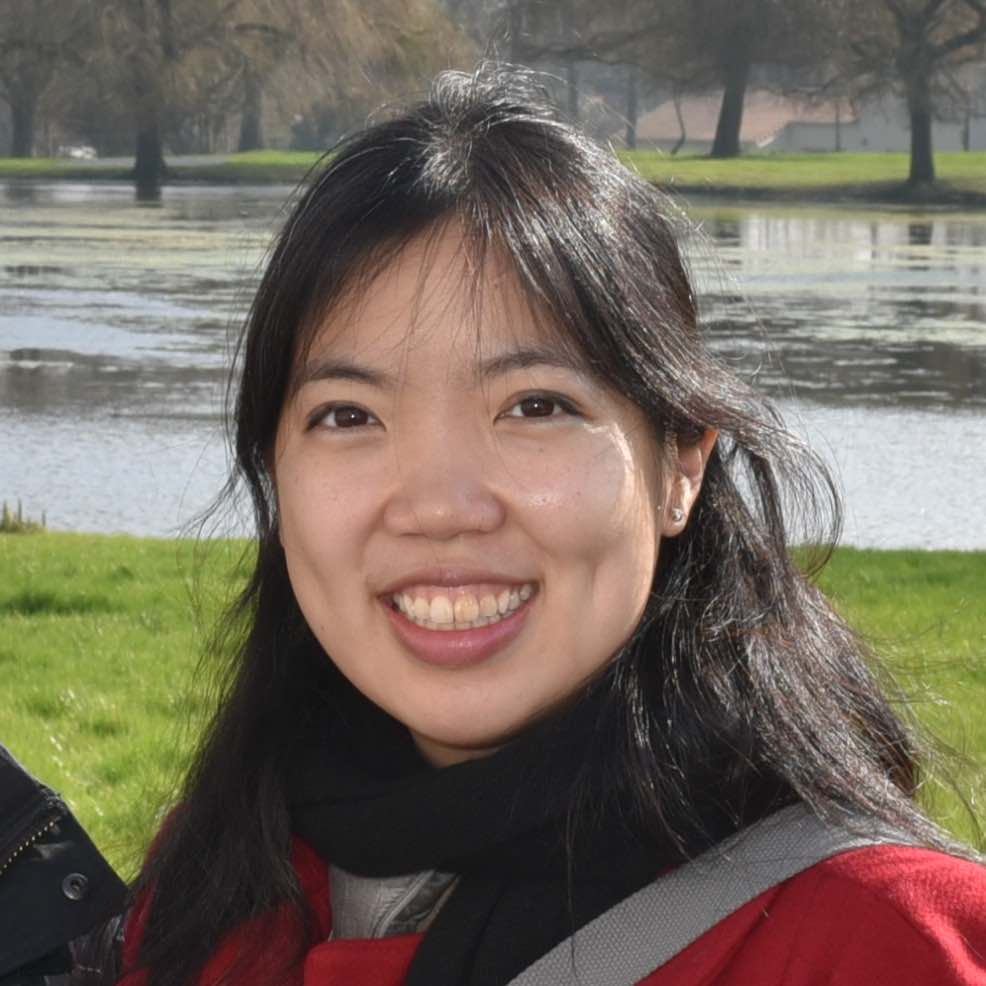 Jennifer Liang合作论文数IBM Research;MIT-IBM Watson AI Lab6
 Peter Szolovits合作论文数CSAIL, Massachusetts Institute of Technology;Department of Electrical Engineering and Computer Science, Massachusetts Institute of Technology;Institute for Medical Engineering and Science, Massachusetts Institute of Technology;Harvard-MIT Health Sciences and Technology Faculty, Massachusetts Institute of Technology6
 Alolika Gon合作论文数4Parker Glenn合作论文数3
 Rajiv Ramnath合作论文数Department of Computer Science and Engineering, The Ohio State University3
 Diwakar Mahajan合作论文数IBM Research3Jay Ramanathan合作论文数3
 So Yeon Tiffany Min合作论文数Machine Learning Department, Carnegie Mellon University3Liang Wang合作论文数2
 Shajith Ikbal合作论文数IBM Research2Yijing Wu合作论文数2Ravisutha Srinivasamurthy合作论文数2
 Ananya Poddar合作论文数IBM Res, Yorktown Hts, NY 10598 USA2
 Ching-Huei Tsou合作论文数IBM2
 Chaitanya Shivade合作论文数Amazon2
 Nandakishore Kambhatla合作论文数Adobe Research Lab2
 Noémie Elhadad合作论文数Data Science Institute, Columbia University;Department of Biomedical Informatics, Vagelos College of Physicians and Surgeons, Columbia University2
 John M. Prager合作论文数IBM2
 Rose C Kanjirathinkal合作论文数Meta2
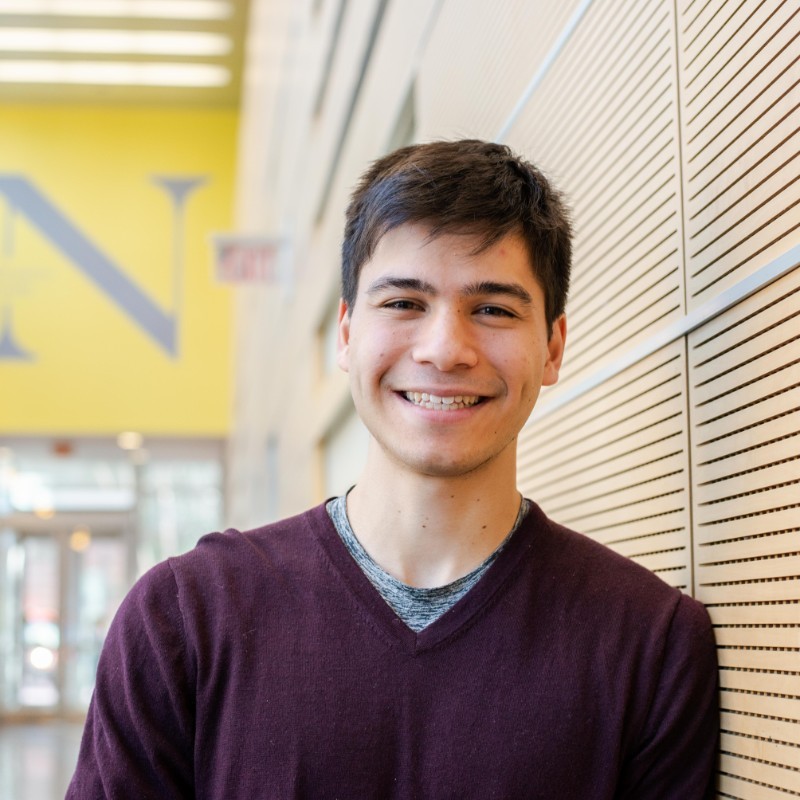 Eric Lehman合作论文数Massachusetts Institute of Technology2Wei-Hung Weng合作论文数1
 Peter Embi合作论文数Department of Biomedical Informatics, Vanderbilt University Medical Center;Department of Medicine, Vanderbilt University Medical Center1
 Serdar Kadıoğlu合作论文数AI Center of Excellence, Fidelity Investments;Department of Computer Science, Brown University1Jared Hysinger合作论文数1Dana Moukheiber合作论文数1Benjamin E. Aghoghovwia合作论文数1Cindy Y. Chang合作论文数1Alexis Ivec合作论文数1Corinna Victoria M. Puyat合作论文数1Stephen B. Johnson合作论文数1
 Isabelle Rose Alberto合作论文数1Nicole Schindler合作论文数1
 Nicole Rose I Alberto合作论文数College of Medicine, University of the Philippines1Karen E Malacon合作论文数Dept Neurol & Neurol Sci, Stanford Univ1
 Parthasarathy Suryanarayanan合作论文数IBM Res, Yorktown Hts, NY 10598 USA1
 Anusri Pampari合作论文数Department of Computer Science, Stanford University1Venkata Joopudi合作论文数IBM T.J. Watson Research Center1
 Belgin Yalcin合作论文数Stanford University1Lijun Ni合作论文数1
 Jit Chatterjee合作论文数Department of Neurology, Washington University School of Medicine1Christopher W Mount合作论文数1
 Bhanu Pratap Singh Rawat合作论文数University of Massachusetts Amherst1
 Lin, Y.合作论文数Graduate Institute of Communication Engineering, National Chung Hsing University;c;Graduate Institute of Communication Engineering, National Chung Hsing University1Scheaffer Suzanne M合作论文数1Nagaraja Surya合作论文数1




