BACKGROUND:Right-sided heart failure (RHF), in the presence of tricuspid valve regurgitation, results from left-sided heart failure, pulmonary hypertension (PH), or heart malformations. The occurrence of RHF and tricuspid regurgitation represents a critical indicator of hospitalization rates and all-cause mortality. However, RHF has remained understudied, specifically with respect to the tricuspid valve. METHODS:Using the outbred sheep (Ovis aries) model of pulmonary artery banding that induces RHF and tricuspid regurgitation, we generated 3 batches of RNA sequencing for 354 samples containing right ventricle, left ventricle, each tricuspid and mitral valve leaflet, and the pulmonary artery representing both male and female sheep. The reads were assembled into a de novo sheep heart transcriptome for differential analysis. RESULTS:The de novo sheep heart transcriptome enhanced transcript mapping of reads by 43% to 45% in the heart valves relative to the reference transcriptome. Identified transcripts produce validated tissue-specific pathways in ventricles (2756 isoforms), pulmonary arteries (535 isoforms), and valves (1215 isoforms), with transcript differences between the mitral and tricuspid valve involved in extracellular and endocrine signaling. Pulmonary artery banding resulted in the most significant transcriptional changes in the tricuspid valve with alterations in endocrine and immune pathway genes. CONCLUSIONS:This project highlights the complexity of heart valve tissues and their transcriptional activity in a sheep model of RHF. It suggests potential therapeutic interventions in heart valve remodeling in pulmonary artery hypertension, RHF, and tricuspid regurgitation. This work highlights the need for further human and model organism research into the dynamic valve cells and genes.
BackgroundPrevious research on Four Core Genotypes and XY* mice has been instrumental in establishing important effects of sex-chromosome complement that cause sex differences in physiology and disease. We have generated rat models using similar modifications of the testis-determining gene Sry, to produce XX and XY rats with the same type of gonad, as well as XO, XXY and XYY rats with varying gonads. The models permit discovery of novel sex-chromosome effects (XX vs. XY) that contribute to sex differences in any rat phenotype, and test for effects of different numbers of X or Y chromosomes.MethodsXY rats were created with an autosomal transgene of Sry, producing XX and XY progeny with testes. In other rats, CRISPR-Cas9 technology was used to remove Y chromosome factors that initiate testis differentiation, producing fertile XY gonadal females. Interbreeding of these lines produced rats with interesting combinations of sex chromosomes and gonads: XO, XX, XY, XXY rats with ovaries; and XO, XX, XY, XXY, and XYY rats with testes. These groups can be compared to detect sex differences caused by sex-chromosome complement (XX vs. XY) and/or by gonadal hormones (rats with testes vs. ovaries). Other comparisons detect the effects of X or Y chromosome number (in gonadal females: XO vs. XX, XX vs. XXY, XO vs. XY, XY vs. XXY; in gonadal males: XY vs. XXY, XY vs. XYY; XX vs. XXY, XO vs. XX, XO vs. XY).ResultsWe measured numerous phenotypes to characterize these models, including gonadal histology, breeding performance, anogenital distance, levels of reproductive hormones, body and organ weights, and central nervous system sexual dimorphisms. Serum testosterone levels were comparable in adult XX and XY gonadal males. Phenotypes previously known to be sexually differentiated by the action of gonadal hormones were found to be similar in XX and XY rats with the same type of gonad, suggesting that XX and XY rats with the same type of gonad have comparable levels of gonadal hormones at various stages of development.ConclusionThe results establish powerful new models to discriminate sex-chromosome and gonadal hormone effects that cause sex differences in rat physiology and disease.
Melanoma is a highly aggressive form of skin cancer characterized by rapid progression and extensive metastatic spread. Epithelial-mesenchymal transition (EMT) is a biological phenomenon related to increasing invasion and metastasis, and SOX family proteins may be involved in this process. Thus, the study aims to investigate the role of the transcription factor SOX3 in EMT in human melanoma cells. Evaluation of SOX3 expression in single-cell transcriptomic data using the CZI CellxGene database. Human melanoma cell line SK-MEL-28 was transfected with a SOX3 expression vector to evaluate the impact of SOX3-induced expression on EMT markers, cellular viability, and wound healing. SOX3 is expressed in a broad range of skin cell types, as evidenced by single-cell transcriptomic analysis, including melanocytes. Cell viability assays using the MTT method revealed that SOX3 expression did not affect cell viability. Gene expression analysis assessed by qPCR demonstrated a downregulation of E-cadherin and N-cadherin and an upregulation of Snail. This study suggests that SOX3 expression is associated with transcriptional changes related to Epithelial-Mesenchymal Transition (EMT) in melanoma cells. SOX3 has the potential to regulate genes associated with this phenomenon, thereby elucidating its involvement in the progression of melanoma and providing insights into potential therapeutic targets to combat this aggressive cancer.
INTRODUCTION:Traumatic brain injury (TBI) remains a leading cause of death and long-term disability in children worldwide. Despite its impact, current clinical management is limited to supportive care, with no FDA-approved therapies to reduce mortality or mitigate lasting neurological consequences. This study presents, to our knowledge, the first integrated multi-omics analysis combining transcriptomic and metabolomic data from pediatric patients with severe TBI spanning both acute and subacute phases offering novel insights into the molecular pathways underlying injury and recovery. METHODS:In this prospective, observational cohort study seventeen severe pediatric TBI patients (median age of 13.1 years, median Glasgow Coma Scale (GCS) of 3, and median Injury Severity Score (ISS) of 29) with no pre-existing neurological comorbidities or non-accidental trauma, and corresponding sex and age-matched controls were enrolled between May 2022 and November 2023. The longitudinal bulk transcriptomic analysis of whole blood and metabolomic profiling of serum were performed at three distinct timepoints. The resulting multi-omics datasets were subsequently integrated with validated clinical severity scoring systems to assess changes over a nine-day period of care in the pediatric intensive care unit (PICU). RESULTS:We showed that despite the heterogeneity of mechanism and presentation, there was overlap in the transcriptomic and metabolic signatures at each timepoint. There were immediate signs of inflammatory and immune activation, metabolic dysregulation, disturbance of the gut-brain axis in the acute phase. Early markers of T-cell infiltration, such as TRAV35 and ANXA2R, are highly correlated with GCS, and lysophosphatidylcholine 18:0 is highly correlated with NK-cell activation. Multiple gut metabolites, such as indole-3-propionic acid (IPA), and RNA signatures of gut flora are elevated in blood early after TBI. Putrescine elevation at time point one highly correlates with Day 9 red blood cell stimulation. At Day9, multiple lipid species in the metabolome are associated with length of stay and Glasgow Outcome Scale-Extended (GOS-E Peds). By Day 9, both the metabolome and transcriptome show incomplete recovery, marked by highly specific TBI IGH, IGK, and IGL clonal expansion. CONCLUSIONS:Despite the heterogeneity in injury mechanisms and clinical presentations, our findings reveal a convergent host response, characterized by shared transcriptomic and metabolic signatures across all time points. This convergence highlights potentially targetable biological pathways and opens the door to the development of novel therapeutic strategies for severe pediatric TBI.
Physiological Genomics (PG) published its first issue in July 1999, with the goal of providing a forum for scientists to exchange ideas and scientific results related to the linkage between genetic information and physiological function. In this review, past and present editors reflect on PG's role in the scientific community, the founding of the journal and the historical context in which it was formed within the American Physiological Society (APS). The editors reflect on a critical conference that united physiologists and geneticists and their determination for APS to take the lead in integrating these communities. In the past 25 years, key technologies for linking genes to physiology including methods for DNA sequencing, connecting genotype with phenotype, and monitoring gene expression, metabolites, and microbiota have all been revolutionized, creating a dynamic scientific environment that has resulted in highly impactful research across a wide range of fields. As methods, technologies, and data analysis tools have developed, PG has been a consistent forum for sharing cutting-edge research on the latest advances in the rapidly evolving field of linking molecular data to physiological function. This article highlights the key technological advances related to the connection between genes and physiology. The contribution of the journal to the scientific community during the time periods of each of the five Editors-in-Chief are summarized, illuminating key technological approaches featured in PG and scientific questions that were addressed. The article ends with a look forward, describing what the authors anticipate for the future of PG.
EFNA1 (ephrinA1), a highly expressed tyrosine kinase receptor-ligand in healthy cardiomyocytes, is reduced following myocardial infarction (MI). A single intramyocardial injection of chimeric EFNA1-Fc at the time of ischemia mitigates the injury in both reperfused and non-reperfused mouse myocardium by reducing apoptosis, necrosis, and inflammation. Recently, we have successfully imaged and qualitatively identified endogenous EFNA1 pre- and post-MI using matrix-assisted laser desorption ionization mass spectrometry imaging (MALDI-MSI) coupled with a time-of-flight mass spectrometer (MALDI/TOF MS). Building on our previous work, we are currently focused on understanding and characterizing EFNA1’s role in cardiac tissue by developing an integrated quantitative method to determine endogenous levels of EFNA1 using MALDI-MSI technologies. Herein, we have optimized a method for the relative quantitation of endogenous tryptic EFNA1 peptides detected in the murine heart as compared with routine western blotting. In healthy myocardium, there was approximately 50 ng of endogenous EFNA1 per section of 9.43 mm3 tissue, or roughly 12 pg/µg of homogenized tissue. MALDI-MSI thus provides a tool for determining the anatomical distribution and relative quantitation of endogenous EFNA1 in cardiac tissue. Future applications of these tools will allow us to investigate the dynamic changes in EFNA1 expression profile that occur in pathological states such as myocardial infarction and upon therapeutic treatments.
There is increasing evidence that the methyl-binding domain (MBD) is a protein-protein interaction motif that can function independently of methylated DNA binding. The MBD proteins found throughout plants and invertebrates duplicated into multiple vertebrate DNA and non-DNA-binding members (MBD1, MBD2, MBD3, MBD4, MBD5, MBD6, MECP2, BAZ2A, BAZ2B, SETDB1, and SETDB2). Although many invertebrate species possess MBD proteins that can bind and recognize DNA methylation, the DNA-binding function has been independently lost multiple times, with only minor alterations to the protein interaction residues. The nucleosome remodeling and deacetylase (NuRD) complex, which interacts with MBD2/3 and is colocalized with MBD1/4 ChIP-Seq, is maintained in species where MBD2/3 cannot bind to DNA. NuRD ChIP-seq data from HepG2 cell line, human induced pluripotent stem cells (iPSCs), and human iPSC-derived liver cells suggest that the NuRD complex is highly localized to nonmethylated CpG-rich housekeeping gene promoter elements, which are essential in organogenesis and maintained within the Drosophila melanogaster MBD2/3 non-DNA-binding system. Integration of MBD interaction proteins and NuRD gene expression from >115 million cells of single-cell RNA-seq, along with thousands of bulk tissue profiles, highlights a critical role of MBD3, MECP2, and GATAD2B in brain development and intellectual disability syndromes that is maintained throughout invertebrate neural development and likely involves evolutionary expanded entanglement as the vertebrate MBD proteins expanded. This work suggests that MBD has a largely unexplored role as a critical protein interaction motif that is evolutionarily conserved for regulating enhancers and promoters.NEW & NOTEWORTHY The evolution of the methyl-binding domain (MBD) suggests a shared function in gene regulation, from plants to humans, with the conservation of non-DNA-interacting amino acids critical for protein-protein interactions. The MBD-regulated NuRD complex localizes to promoters of housekeeping genes with hypomethylated CpG islands. Expression profiles suggest a shared role for NuRD complex components in neurodevelopment, where the MBD3 and GATAD2B subcomplex of NuRD may be underexplored due to its non-DNA-binding biology.
Defining physiology and methods to measure biological mechanisms is essential. Extensive datasets such as RNA sequencing are used with little analysis of the knowledge gained from the various methodologies. Within this work, we have processed publicly available NCBI RNAseq datasets using a combination of bioinformatics tools for the largest physiological organ, the skin. In many datasets, we identify the quality of the sample, human transcript mapping, the sex of each sample, foreign RNA from bacteria/viruses/protists, and the presence of B/T-cell immune repertoire. Processing 8,274 samples from 132 different experiments for skin samples identifies common flora of skin with elevation of protists (such as Leishmania), bacteria (Staphylococcus, Cutibacterium acnes), and viruses [Human alphaherpesvirus (HSV), Human papillomavirus (HPV)] that may be involved in physiological differences. We observed samples with the Heilongjiang tick virus, human T-cell leukemia virus type I, and equine infectious anemia virus that likely play pathological roles in physiology. Integrating the various biomarkers identified five ideal datasets for skin pathologies that elucidated a novel correlation between the normal skin flora bacterium Bacillus megaterium with major histocompatibility complex (MHC) regulation and the immune repertoire clonal expansion, particularly in patients with hidradenitis suppurativa. Finally, we show that in multiple independent experiments, biological sex is associated with multiple sex chromosome gene differences, highlighting the importance of future work in studying sex differences in skin. Data integrations and multidimensional data mapping are critical for physiological omics advancements, and this work highlights the exciting ability to apply these tools to skin physiology.NEW & NOTEWORTHY Complex bioinformatics mapping to skin RNA sequencing datasets can simultaneously map biological sex, skin-specific genes, bacteria, viruses, protists, and the acquired immune response. The integration of these datasets elucidated bacterial signatures from common skin flora while identifying novel insights on Bacillus megaterium in the acquired immune response and novel viral signatures for Heilongjiang tick virus and equine infectious anemia virus.
The quantity of physiological data has grown exponentially, yielding insights into mechanisms of phenotypic and disease pathways. Among the powerful tools for physiological omics is the study of RNA, where broad sequencing of RNA leads to hypothesis generation and testing while providing observational discovery. Emphasis has been placed on RNA molecules that code for proteins, even though they represent a minority of total RNA. Diverse sequencing methods have rapidly expanded the identification of non-protein-coding molecules, including nonsense-mediated decay and long non-coding RNAs (lncRNA), which now represent the most diverse class of RNA. Increasing attention needs to be paid to the data processing of RNA sequencing to interpret transcript-level mapping data in the context of protein biology, as many protein-coding genes have diverse noncoding transcripts. Over the past several years, single-cell and spatial transcriptomics have yielded unprecedented insights into cellular, tissue, and organ physiology. Building on these advancements, bulk RNA sequencing tools have begun producing robust deconvolution methods that enhance the analysis of human genes, the detection of foreign RNA from bacteria and viruses, and provide deep insights into complex immunological events, such as B- and T-cell recombination. Over a million RNA-sequencing datasets have been generated, providing resources for data scientists to reprocess data and expand larger databases. From model organisms to complex human diseases, RNA sequencing resources continue to transform our knowledge of the complexity of personalized disease insights. Observational science is at the core of physiology, and growth of RNA sequencing represents a significant tool for physiologists.
Background We have generated a rat model similar to the Four Core Genotypes mouse model, allowing comparison of XX and XY rats with the same type of gonad. The model detects novel sex chromosome effects (XX vs. XY) that contribute to sex differences in any rat phenotype. Methods XY rats were produced with an autosomal transgene of Sry , the testis-determining factor gene, which were fathers of XX and XY progeny with testes. In other rats, CRISPR-Cas9 technology was used to remove Y chromosome factors that initiate testis differentiation, producing fertile XY gonadal females that have XX and XY progeny with ovaries. These groups can be compared to detect sex differences caused by sex chromosome complement (XX vs. XY) and/or by gonadal hormones (rats with testes vs. ovaries). Results We have measured numerous phenotypes to characterize this model, including gonadal histology, breeding performance, anogenital distance, levels of reproductive hormones, body and organ weights, and central nervous system sexual dimorphisms. Serum testosterone levels were comparable in adult XX and XY gonadal males. Numerous phenotypes previously found to be sexually differentiated by the action of gonadal hormones were found to be similar in XX and XY rats with the same type of gonad, suggesting that XX and XY rats with the same type of gonad have comparable levels of gonadal hormones at various stages of development. Conclusion The results establish a powerful new model to discriminate sex chromosome and gonadal hormone effects that cause sexual differences in rat physiology and disease.
OBJECTIVES: Severe functional tricuspid regurgitation (FTR) is associated with subvalvular remodelling, but leaflet tissue alterations may also contribute. We set out to investigate molecular mechanisms driving leaflet remodelling in chronic ovine FTR. METHODS: Thirteen adult sheep (55 +/- 4 kg) underwent left thoracotomy, epicardial echocardiography and pulmonary artery banding to induce right heart failure and FTR. After 16 weeks, 13 banded (FTR) and 12 control animals underwent median sternotomy for epicardial echocardiography and were subsequently sacrificed with each tricuspid leaflet tissue harvested for RNA-seq and histology. RESULTS: After 16weeks, 7 animals developed severe, 2 moderate and 4 mild tricuspid regurgitation. Relative to control, FTR animals had increased pulmonary artery pressure, tricuspid regurgitation, tricuspid annular diameter and right atrial volume, while tricuspid annular plane systolic excursion and right ventricle fractional area change decreased. FTR leaflets exhibited altered constituents and an increase in cellularity. RNA-seq identified 85 significantly differentially expressed genes with 17, 53 and 127 within the anterior, posterior and septal leaflets, respectively. RRM2, PRG4 and CXCL8 (IL-8) were identified as differentially expressed genes across all leaflets and CXCL8 was differentially expressed between FTR severity grades. RRM2, PRG4 and CXCL8 significantly correlated with tricuspid annular plane systolic excursion, and this correlation was consistent regardless of the anatomical location of the leaflet. CONCLUSIONS: Pulmonary artery banding in our ovine model resulted in right ventricle failure and FTR. Leaflet RNA-seq identified several differentially expressed genes, specifically RRM2, PRG4 and CXCL8, with known roles in tissue remodelling. These data, along with an overall increase in leaflet cellularity, suggest tricuspid leaflets actively remodel in FTR.
Background: The largest organ in the human body, the skin, serves as a physical barrier to the outside world. It also houses millions of bacteria, viruses, and fungi that protect us against invading pathogens or result in altered physiology and disease. These microorganisms can contribute to normal skin health or predispose individuals to pathogenic disorders. Surveillance and observation of the microbiome can give insight into identifying common taxa that compose our skin and indications of new or changing pathogens. However, to do this effciently, it is important to understand what can be detected from skin samples and the differences we may see using various collection methods. Methods: We used publicly available NCBI SRA RNAseq bioprojects that queried “skin,” processing 132 bioprojects with 8,274 samples. Using FastQC, Salmon, KRAKEN2, and MiCXR/Immunarch, we aimed to analyze the quality, human gene transcripts, infections, and B/T- cell responses, respectively. We aimed to identify what skin sampling method provides the best data on the skin microbiome, human gene mapping, and B/T-cell immune repertoire. This project is based on observational methods, not a specific hypothesis. Results: From the KRAKEN2 data, there were 14,383 viruses and 14,691 bacteria assessed through all “skin” BioProjects. From the extensive data pool, we identified unique BioProject signatures for protest (Leishmania), bacteria (Mycoplasma), and viruses (HSV1 dose dependencies, HPV in human warts, Chinese transmitted tick viruses, Human T-cell lymphotropic virus, and the first-ever human case of equine infectious anemia virus). The use of read mapping and coverage is critical to confirming the presence of foreign species, noted through the observation of T4 DNA ligase RNA presence prior to 2018 RNA sequencing. Once pathogens were detected, cellular response mapping was developed, yielding insights into the pathophysiology of multiple viral infections of the skin and sex differences. Conclusion: Detecting a wide variety of microorganisms on the skin can give insight into dermatological pathologies and skin physiology. Using the publicly available skin datasets, we see many unique stories of microorganisms in the skin. This big data mapping strategy highlights the importance of broad observational mapping, possible with cutting-edge sequencing tools. This work was supported by the MI-SAPPHIRE program of MDHHS and the CDC. This is the full abstract presented at the American Physiology Summit 2024 meeting and is only available in HTML format. There are no additional versions or additional content available for this abstract. Physiology was not involved in the peer review process.
Gene therapy holds promise as a life-changing option for individuals with genetic variants that give rise to disease. FDA-approved gene therapies for Spinal Muscular Atrophy (SMA), cerebral adrenoleukodystrophy, β-Thalassemia, hemophilia A/B, retinal dystrophy, and Duchenne Muscular Dystrophy have generated buzz around the ability to change the course of genetic syndromes. However, this excitement risks over-expansion into areas of genetic disease that may not fit the current state of gene therapy. While in situ (targeted to an area) and ex vivo (removal of cells, delivery, and administration of cells) approaches show promise, they have a limited target ability. Broader in vivo gene therapy trials have shown various continued challenges, including immune response, use of immune suppressants correlating to secondary infections, unknown outcomes of overexpression, and challenges in driving tissue-specific corrections. Viral delivery systems can be associated with adverse outcomes such as hepatotoxicity and lethality if uncontrolled. In some cases, these risks are far outweighed by the potentially lethal syndromes for which these systems are being developed. Therefore, it is critical to evaluate the field of genetic diseases to perform cost-benefit analyses for gene therapy. In this work, we present the current state while setting forth tools and resources to guide informed directions to avoid foreseeable issues in gene therapy that could prevent the field from continued success.
Background: Variants within factor VIII (F8) are associated with sex-linked hemophilia A and thrombosis, with gene therapy approaches being available for pathogenic variants. Many variants within F8 remain variants of uncertain significance (VUS) or are under-explored as to their connections to phenotypic outcomes. Methods: We assessed data on F8 expression while screening the UniProt, ClinVar, Geno2MP, and gnomAD databases for F8 missense variants; these collectively represent the sequencing of more than a million individuals. Results: For the two F8 isoforms coding for different protein lengths (2351 and 216 amino acids), we observed noncoding variants influencing expression which are also associated with thrombosis risk, with uncertainty as to differences in females and males. Variant analysis identified a severe stratification of potential annotation issues for missense variants in subjects of non-European ancestry, suggesting a need for further defining the genetics of diverse populations. Additionally, few heterozygous female carriers of known pathogenic variants have sufficiently confident phenotyping data, leaving researchers unable to determine subtle, less defined phenotypes. Using structure movement correlations to known pathogenic variants for the VUS, we determined seven clusters of likely pathogenic variants based on screening work. Conclusions: This work highlights the need to define missense variants, especially those for VUS and from subjects of non-European ancestry, as well as the roles of these variants in women’s physiology.
Biallelic pathogenic variants in mitochondrial tryptophanyl tRNA synthetase 2 (WARS2; HGNC:12730) cause neurodevelopmental disorder, mitochondrial, with abnormal movements and lactic acidosis, with or without seizures (NEMMLAS; OMIM 617710). First reported in 2017, 31 patients with WARS2-related disorder have been described. Features include developmental delay, intellectual disability, abnormal muscle tone, seizures, movement disorders including ataxia, dystonia, and athetosis, and abnormal MRI findings including white matter defects and brain atrophy.
As of 2024, SARS-CoV-2 continues to propagate and drift as an endemic virus, impacting healthcare for years. The largest sequencing initiative for any species was initiated to combat the virus, tracking changes over time at a full virus base-pair resolution. The SARS-CoV-2 sequencing represents a unique opportunity to understand selective pressures and viral evolution but requires cross-disciplinary approaches from epidemiology to functional protein biology. Within this work, we integrate a two-year genotyping window with structural biology to explore the selective pressures of SARS-CoV-2 on protein insights. Although genotype and the Spike (Surface Glycoprotein) protein continue to drift, most SARS-CoV-2 proteins have had few amino acid alterations. Within Spike, the high drift rate of amino acids involved in antibody evasion also corresponds to changes within the ACE2 binding pocket that have undergone multiple changes that maintain functional binding. The genotyping suggests selective pressure for receptor specificity that could also confer changes in viral risk. Mapping of amino acid changes to the structures of the SARS-CoV-2 co-transcriptional complex (nsp7-nsp14), nsp3 (papain-like protease), and nsp5 (cysteine protease) proteins suggest they remain critical factors for drug development that will be sustainable, unlike those strategies targeting Spike.
 Surender Rajasekaran合作论文数49
 Caleb Bupp合作论文数33
 Amy Milsted合作论文数27Hongzhuang Peng合作论文数20
 Frank J. Rauscher III合作论文数Wistar Institute, University of Pennsylvania;Department of Genetics, The Perelman School of Medicine, University of Pennsylvania19
 Mara L. Leimanis-Laurens合作论文数18Katie L Uhl合作论文数18
 Adam Underwood合作论文数17Nicholas L Hartog合作论文数16Jayashree Karar合作论文数Functional Genomics Unit, Institute of Genomics and Integrative Biology, Delhi, India15Bilinovich Stephanie M合作论文数14Stanley Bruce Malkowicz合作论文数13Dominic Sanfilippo合作论文数12
 Andre S. Bachmann合作论文数11
 Howard J. Jacob合作论文数AbbVie;MedRedi Solutions, LLP.11Jozef Lazar合作论文数11
 Richard L. Londraville合作论文数Department of Biology, Buchtel College of Arts and Sciences, The University of Akron11Alexandra S. Carolin合作论文数10Christopher S. Paterno合作论文数10Mehdi Talebzadeh-Farrooji合作论文数10Michael J Osborne合作论文数10Paul Mcdonald合作论文数10Mei He合作论文数10
 Shoukat Dedhar合作论文数Department of Biochemistry & Molecular Biology, Faculty of Medicine, The University of British Columbia;BC Cancer Research Institute10
 Zhaoyuan Hou (侯照远)合作论文数Department of Biochemistry and Molecular Cell Biology, School of Medicine, Shanghai Jiao Tong University10
 David W. Speicher合作论文数The Speicher laboratory, The Wistar Institute;Biochemistry and Molecular Biophysics Graduate Group, University of Pennsylvania10
 Meenhard Herlyn合作论文数Ellen and Ronald Caplan Cancer Center, The Wistar Institute of Anatomy and Biology;The Wistar Institute Melanoma Research Center, The Wistar Institute of Anatomy and Biology10
 Torben Falck Ørntoft合作论文数Department of Clinical Medicine, Aarhus University;Department of Molecular Medicine, Aarhus University Hospital10
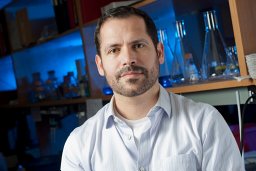 Emmanuel Skordalakes合作论文数Thrombosis Research Institute10
 Electron Kebebew合作论文数Division of General Surgery, Stanford School of Medicine;Stanford Bio-X, James H. Clark Center, Stanford University;Stanford Cancer Institute, Stanford School of Medicine10
 Qihong Huang合作论文数Perelman School of Medicine, University of Pennsylvania;The Wistar Institute10
 R. Joel Duff合作论文数Department of Biology, University of Akron10Andrew J. Caton合作论文数Wistar Institute10William J. Fredericks合作论文数9
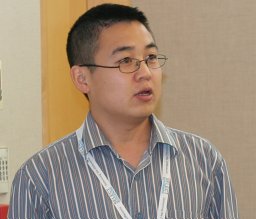 Bin Chen合作论文数Michigan State Univ, Coll Human Med, Dept Pediat & Human Dev, Grand Rapids, MI 49503 USA9
 Katherine L. B. Borden合作论文数Department of Pathology and Cell Biology, Faculty of Medicine, University of Montreal9
 Xiaopeng Li合作论文数9
 Todd A Lydic合作论文数Department of Physiology, Michigan State University9Monte Turner合作论文数Biology Department, The University of Akron9
 Olivia Sirpilla合作论文数8
 Hope C Ball合作论文数Department of Anatomy & Neurobiology, Northeast Ohio Medical University, Rootstown, OH, USA8
 David Hinds合作论文数23andMe8
 Dave Chesla合作论文数7Elizabeth VanSickle合作论文数7Austin Frisch合作论文数7
 Jacob Bauss合作论文数7Ruchir Gupta合作论文数7
 J. William Harbour合作论文数Department of Ophthalmology, University of Texas Southwestern Medical Center7Cheung Mitchell合作论文数7




