At the onset of eukaryotic DNA replication, double hexamers of MCM2-7 are assembled into inactive pre-replication complexes (pre-RCs) at replication origins. An excess of pre-RCs is loaded onto DNA, but only a fraction becomes activated to form CMG helicases when origins fire. The replisome, built around CMG, must navigate past dormant origins harboring inactive pre-RCs, but the mechanism by which this is achieved is unclear. Here, we used single-molecule imaging to visualize collisions between replisomes and pre-RCs during DNA replication in Xenopus laevis egg extracts. We show that pre-RCs are frequently removed from DNA upon collision and that efficient pre-RC removal requires the accessory helicases FANCJ and RTEL1. Furthermore, simultaneous depletion of both FANCJ and RTEL1 in human cells leads to pre-RC accumulation on chromatin and DNA damage. Together, our findings reveal a role for FANCJ and RTEL1 in pre-RC removal, ensuring efficient replication fork progression and maintaining genome stability.
G-quadruplexes (G4s) are prevalent DNA structures that regulate transcription but also threaten genome stability. How G4 dynamics are controlled remains poorly understood. Here, we report that RNA transcripts govern G4 landscapes through coordinated G-loop assembly and disassembly. G-loop assembly involves activation of the ATM and ATR kinases, followed by homology-directed invasion of RNA opposite the G4 strand mediated by BRCA2 and RAD51. Disassembly of the G-loop resolves the G4 structure through DHX36-FANCJ-mediated G4 unwinding, which triggers nucleolytic incision and subsequent hybrid strand renewal by DNA synthesis. Inhibition of G-loop disassembly causes global G4 and R-loop accumulation, leading to transcriptome dysregulation, replication stress, and genome instability. These findings establish an intricate G-loop assembly-disassembly mechanism that controls G4 landscapes and is essential for cellular homeostasis and survival.
To counteract the damaging effects of DNA interstrand crosslinks (ICLs), cells have evolved various specialized ICL repair pathways. However, how ICL repair impacts genetic integrity remains incompletely understood. Here, we determined the mutagenic consequences of psoralen ICL repair in the animal model C. elegans and identify two mutagenic repair mechanisms: (i) translesion synthesis through POLH and REV1/3-mediated bypass, leading to single nucleotide polymorphisms (SNVs), and (ii) end joining via POLQ or HELQ action resulting in deletions. While we found no role for the Fanconi anemia genes FANCD2 and FANCI, disruption of TRAIP, which triggers unloading of the CMG helicase at sites of blocked replication, led to a strikingly altered repair profile, suggesting a role for DNA replication in the etiology of ICL-induced deletions. TRAIP deficiency did not affect SNV formation; instead, we found these SNVs to depend on the functionality of the Fanconi anemia-associated nuclease FAN1.
Knowledge of mutational patterns has expanded significantly, but linking these patterns to specific molecular mechanisms or sources of endogenous DNA damage remains challenging. Translesion synthesis (TLS) is a key determinant of mutagenesis, yet the endogenous lesions that require TLS and how TLS polymerases shape mammalian mutational landscapes are unclear. Here, we characterize somatic mutational patterns across mouse tissues deficient in the TLS polymerase Polκ and find that Polκ suppresses a distinct tissue-specific mutational signature in the liver and kidney. This signature, enriched for C > A/G/T mutations with strong transcriptional-strand bias, indicates that Polκ performs error-free bypass of endogenous guanine adducts. Nucleotide excision repair (NER) acts in parallel, mitigating some of this damage. Targeted adductomics and biochemical analyses identify endogenous N2-dG lesions requiring Polκ-mediated bypass, while untargeted adductomics reveal new guanine lesions that engage NER. These findings uncover the nature of endogenous DNA damage and the coordinated roles of repair and tolerance pathways that limit mutagenesis in tissues.
DNA crosslinks block DNA replication and are repaired by the Fanconi anaemia pathway. The FANCD2-FANCI (D2-I) protein complex is central to this process as it initiates repair by coordinating DNA incisions around the lesion1. However, D2-I is also known to have a more general role in DNA repair and in protecting stalled replication forks from unscheduled degradation2-4. At present, it is unclear how DNA crosslinks are recognized and how D2-I functions in replication fork protection. Here, using single-molecule imaging, we show that D2-I is a sliding clamp that binds to and diffuses on double-stranded DNA. Notably, sliding D2-I stalls on encountering single-stranded-double-stranded (ss-ds) DNA junctions, structures that are generated when replication forks stall at DNA lesions5. Using cryogenic electron microscopy, we determined structures of D2-I on DNA that show that stalled D2-I makes specific interactions with the ss-dsDNA junction that are distinct from those made by sliding D2-I. Thus, D2-I surveys dsDNA and, when it reaches an ssDNA gap, it specifically clamps onto ss-dsDNA junctions. Because ss-dsDNA junctions are found at stalled replication forks, D2-I can identify sites of DNA damage. Therefore, our data provide a unified molecular mechanism that reconciles the roles of D2-I in the recognition and protection of stalled replication forks in several DNA repair pathways.
Guanine-rich DNA sequences can fold into stable four-stranded structures called G-quadruplexes or G4s. Research in the past decade demonstrated that G4 structures are widespread in the genome and prevalent in regulatory regions of actively transcribed genes. The formation of G4s has been tightly linked to important biological processes including regulation of gene expression and genome maintenance. However, they can also pose a serious threat to genome integrity especially by impeding DNA replication, and G4-associated somatic mutations have been found accumulated in the cancer genomes. Specialised DNA helicases and single stranded DNA binding proteins that can resolve G4 structures play a crucial role in preventing genome instability. The large variety of G4 unfolding proteins suggest the presence of multiple G4 resolution mechanisms in cells. Recently, there has been considerable progress in our detailed understanding of how G4s are resolved, especially during DNA replication. In this review, we first discuss the current knowledge of the genomic G4 landscapes and the impact of G4 structures on DNA replication and genome integrity. We then describe the recent progress on the mechanisms that resolve G4 structures and their physiological relevance. Finally, we discuss therapeutic opportunities to target G4 structures.
The eukaryotic genome contains numerous guanine-rich sequences that regulate DNA replication and transcription by folding into non-canonical structures called G-quadruplexes (G4s) 1 . Compromised G4 resolution causes genomic instability and diseases linked to cancer susceptibility and aging 2 . However, how G4s are resolved is poorly understood. G4 structures are found in genomic regions containing DNA:RNA hybrids, also referred to as R-loops 3, 4 . When an R-loop and G4 structure form exactly opposite to each other, a G-loop structure is formed. G-loops have been observed directly in prokaryotes 5 but their function is unknown. Using the Xenopus egg extract system, we show that G-loop structures act in suppressing mutagenic G4 structures thereby preventing genomic instability. Mechanistically, the RAD51 recombinase binds to the G4-opposing strand and promotes hybridization of RNA transcripts supplied by the hnRNPA1 ribonucleoprotein complex independently of ongoing transcription. The resulting G-loop then induces FANCI-FANCD2 monoubiquitination that triggers site-specific incision of the hybrid strand by the SLX4-XPF-ERCC1 complex. G-loop incision requires prior G4 unwinding by the DHX36 and FANCJ helicases and allows immediate DNA synthesis past the G4 motif. This resynthesis step impacts local chromatin states. This work establishes a G-loop-dependent mechanism that prevents mutagenic consequences of both G4 and R-loop structures.
Cell cycle transitions result from global changes in protein phosphorylation states triggered by cyclin-dependent kinases (CDKs). To understand how this complexity produces an ordered and rapid cellular reorganisation, we generated a high-resolution map of changing phosphosites throughout unperturbed early cell cycles in single Xenopus embryos, derived the emergent principles through systems biology analysis, and tested them by biophysical modelling and biochemical experiments. We found that most dynamic phosphosites share two key characteristics: they occur on highly disordered proteins that localise to membraneless organelles, and are CDK targets. Furthermore, CDK-mediated multisite phosphorylation can switch homotypic interactions of such proteins between favourable and inhibitory modes for biomolecular condensate formation. These results provide insight into the molecular mechanisms and kinetics of mitotic cellular reorganisation.
During every cell cycle, both the genome and the associated chromatin must be accurately replicated. Chromatin Assembly Factor-1 (CAF-1) is a key regulator of chromatin replication, but how CAF-1 functions in relation to the DNA replication machinery is unknown. Here, we reveal that this crosstalk differs between the leading and lagging strand at replication forks. Using biochemical reconstitutions, we show that DNA and histones promote CAF-1 recruitment to its binding partner PCNA and reveal that two CAF-1 complexes are required for efficient nucleosome assembly under these conditions. Remarkably, in the context of the replisome, CAF-1 competes with the leading strand DNA polymerase epsilon (Polϵ) for PCNA binding. However, CAF-1 does not affect the activity of the lagging strand DNA polymerase Delta (Polδ). Yet, in cells, CAF-1 deposits newly synthesized histones equally on both daughter strands. Thus, on the leading strand, chromatin assembly by CAF-1 cannot occur simultaneously to DNA synthesis, while on the lagging strand these processes may be coupled. We propose that these differences may facilitate distinct parental histone recycling mechanisms and accommodate the inherent asymmetry of DNA replication.
In meiotic homologous recombination (HR), BRCA2 facilitates loading of the recombinases RAD51 and DMC1 at the sites of double-strand breaks (DSBs). The HSF2BP-BRME1 complex interacts with BRCA2. Its absence causes a severe reduction in recombinase loading at meiotic DSB. We previously showed that, in somatic cancer cells ectopically producing HSF2BP, DNA damage can trigger HSF2BP-dependent degradation of BRCA2, which prevents HR. Here, we report that, upon binding to BRCA2, HSF2BP forms octameric rings that are able to interlock into a large ring-shaped 24-nucleotide oligomer. Addition of BRME1 leads to dissociation of both of these ring structures and cancels the disruptive effect of HSF2BP on cancer cell resistance to DNA damage. It also prevents BRCA2 degradation during interstrand DNA crosslink repair in Xenopus egg extracts. We propose that, during meiosis, the control of HSF2BP-BRCA2 oligomerization by BRME1 ensures timely assembly of the ring complex that concentrates BRCA2 and controls its turnover, thus promoting HR.
Sister chromatid exchanges (SCEs) are products of joint DNA molecule resolution, and are considered to form through homologous recombination (HR). Indeed, SCE induction upon irradiation requires the canonical HR factors BRCA1, BRCA2 and RAD51. In contrast, replication-blocking agents, including PARP inhibitors, induce SCEs independently of BRCA1, BRCA2 and RAD51. PARP inhibitor-induced SCEs are enriched at difficult-to-replicate genomic regions, including common fragile sites (CFSs). PARP inhibitor-induced replication lesions are transmitted into mitosis, suggesting that SCEs can originate from mitotic processing of under-replicated DNA. Proteomics analysis reveals mitotic recruitment of DNA polymerase theta (POLQ) to synthetic DNA ends. POLQ inactivation results in reduced SCE numbers and severe chromosome fragmentation upon PARP inhibition in HR-deficient cells. Accordingly, analysis of CFSs in cancer genomes reveals frequent allelic deletions, flanked by signatures of POLQ-mediated repair. Combined, we show PARP inhibition generates under-replicated DNA, which is processed into SCEs during mitosis, independently of canonical HR factors.
DNA interstrand cross-links (ICLs) prevent DNA replication and transcription and can lead to potentially lethal events, such as cancer or bone marrow failure. ICLs are typically repaired by proteins within the Fanconi Anemia (FA) pathway, although the details of the pathway are not fully established. Methods to generate DNA containing ICLs are key to furthering the understanding of DNA cross-link repair. A major route to ICL formation in vivo involves reaction of DNA with acetaldehyde, derived from ethanol metabolism. This reaction forms a three-carbon bridged ICL involving the amino groups of adjacent guanines in opposite strands of a duplex resulting in amino and imino functionalities. A stable reduced form of the ICL has applications in understanding the recognition and repair of these types of adducts. Previous routes to creating DNA duplexes containing these adducts have involved lengthy post-DNA synthesis chemistry followed by reduction of the imine. Here, an efficient and high-yielding approach to the reduced ICL using a novel N2-((R)-4-trifluoroacetamidobutan-2-yl)-2′-deoxyguanosine phosphoramidite is described. Following standard automated DNA synthesis and deprotection, the ICL is formed overnight in over 90% yield upon incubation at room temperature with a complementary oligodeoxyribonucleotide containing 2-fluoro-2′-deoxyinosine. The cross-linked duplex displayed a melting transition 25 °C higher than control sequences. Importantly, we show using the Xenopus egg extract system that an ICL synthesized by this method is repaired by the FA pathway. The simplicity and efficiency of this methodology for preparing reduced acetaldehyde ICLs will facilitate access to these DNA architectures for future studies on cross-link repair.
SummarySwitch-like cyclin-dependent kinase (CDK)-1 activation is thought to underlie the abruptness of mitotic onset, but how CDKs can simultaneously phosphorylate many diverse substrates is unknown, and direct evidence for such phosphorylation dynamics in vivo is lacking. Here, we analysed protein phosphorylation states in single Xenopus embryos throughout synchronous cell cycles. Over a thousand phosphosites were dynamic in vivo, and assignment of cell cycle phases using egg extracts revealed hundreds of S-phase phosphorylations. Targeted phosphoproteomics in single embryos showed switch-like mitotic phosphorylation of diverse protein complexes. The majority of cell cycle-regulated phosphosites occurred in CDK consensus motifs, and 72% located to intrinsically disordered regions. Dynamically phosphorylated proteins, and documented substrates of cell cycle kinases, are significantly more disordered than phosphoproteins in general. Furthermore, 30-50% are components of membraneless organelles. Our results suggest that phosphorylation of intrinsically disordered proteins by cell cycle kinases, particularly CDKs, allows switch-like mitotic cellular reorganisation.
SummarySister chromatid exchanges (SCEs) are products of joint DNA molecule resolution, and are considered to form through homologous recombination (HR). Indeed, upon generation of irradiation-induced DNA breaks, SCE induction was compromised in cells deficient for canonical HR factors BRCA1, BRCA2 and RAD51. Contrarily, replication-blocking agents, including PARP inhibitors, induced SCEs independently of BRCA1, BRCA2 and RAD51. PARP inhibitor-induced SCEs were enriched at common fragile sites (CFSs), and were accompanied by post-replicative single-stranded DNA (ssDNA) gaps. Moreover, PARP inhibitor-induced replication lesions were transmitted into mitosis, suggesting that SCEs originate from mitotic processing of under-replicated DNA. We found that DNA polymerase theta (POLQ) was recruited to mitotic DNA lesions, and loss of POLQ resulted in reduced SCE numbers and severe chromosome fragmentation upon PARP inhibition in HR-deficient cells. Combined, our data show that PARP inhibition generates under-replicated DNA, which is transferred into mitosis and processed into SCEs, independently of canonical HR factors.
G-quadruplex (or G4) structures form in guanine- rich DNA sequences and threaten genome stability when not properly resolved. G4 unwinding occurs during S phase via an unknown mechanism. Using Xenopus egg extracts, we define a three-step G4 unwinding mechanism that acts during DNA replication. First, the replicative helicase composed of Cdc45, MCM2-7 and GINS (CMG) stalls at a leading strand G4 structure. Second, the DEAH-box helicase 36 (DHX36) mediates bypass of the CMG past the intact G4 structure, allowing approach of the leading strand to the G4. Third, G4 structure unwinding by the Fanconi anemia complementation group J helicase (FANCJ) enables DNA polymerase to synthesize past the G4 motif. A G4 on the lagging strand template does not stall CMG but still requires DNA replication for unwinding. DHX36 and FANCJ have partially redundant roles, conferring pathway robustness. This previously unknown genome maintenance pathway promotes faithful G4 replication, thereby avoiding genome instability.
Acetaldehyde is a highly reactive, DNA-damaging metabolite that is produced upon alcohol consumption1. Impaired detoxification of acetaldehyde is common in the Asian population, and is associated with alcohol-related cancers1,2. Cells are protected against acetaldehyde-induced damage by DNA crosslink repair, which when impaired causes Fanconi anaemia (FA), a disease resulting in failure to produce blood cells and a predisposition to cancer3,4. The combined inactivation of acetaldehyde detoxification and the FA pathway induces mutation, accelerates malignancies and causes the rapid attrition of blood stem cells5-7. However, the nature of the DNA damage induced by acetaldehyde and how this is repaired remains a key question. Here we generate acetaldehyde-induced DNA interstrand crosslinks and determine their repair mechanism in Xenopus egg extracts. We find that two replication-coupled pathways repair these lesions. The first is the FA pathway, which operates using excision-analogous to the mechanism used to repair the interstrand crosslinks caused by the chemotherapeutic agent cisplatin. However, the repair of acetaldehyde-induced crosslinks results in increased mutation frequency and an altered mutational spectrum compared with the repair of cisplatin-induced crosslinks. The second repair mechanism requires replication fork convergence, but does not involve DNA incisions-instead the acetaldehyde crosslink itself is broken. The Y-family DNA polymerase REV1 completes repair of the crosslink, culminating in a distinct mutational spectrum. These results define the repair pathways of DNA interstrand crosslinks caused by an endogenous and alcohol-derived metabolite, and identify an excision-independent mechanism.
The site-specific monoubiquitination of FANCD2 is crucial for the Fanconi anemia DNA repair pathway and tumor suppression. This modification is mediated by the E2 enzyme UBE2T and the E3 ligase FANCL through a novel allosteric mechanism.
 Titia K. Sixma合作论文数15
 Sato Koichi合作论文数Graduate School of Advanced Science and Engineering, Waseda University13
 Andrea Pichler合作论文数9
 Marcel Tijsterman合作论文数Human Genetics Department of the Leiden University Medical Center;Institute of Biology Leiden, Leiden University6Sari E van Rossum-Fikkert合作论文数5Willem J van Dijk合作论文数Netherlands Canc Inst, Div Biochem, NL-1066 CX Amsterdam, Netherlands5Alex Zelensky合作论文数Department of Cell Biology and Genetics, Cancer Genomics Center5
 Matthias Mann合作论文数Department of Proteomics and Signal Transduction, Max-Planck-Institute of Biochemistry;Novo Nordisk Foundation Center for Protein Research, Faculty of Health and Medical Sciences, University of Copenhagen;Ludwig-Maximilians-University5
 Roland Kanaar合作论文数Department of Radiation Oncology, Erasmus University Medical Center Rotterdam;Department of Genetics, Erasmus University Medical Center Rotterdam;TU Delft5
 Jesper Velgaard Olsen合作论文数Faculty of Health and Medical Sciences, University of Copenhagen;Kinaxo Biotechnologies5
 Markus Räschle合作论文数Mol Genet, Univ Kaiserslautern4
 Frauke Melchior合作论文数Zentrum fur Molekulare Biologie der Universitat Heidelberg4
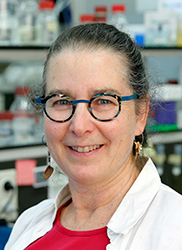 Claire.L. Wyman合作论文数Department of Bionanoscience, Faculty of Applied Sciences, Delft University of Technology4Joyce H. G. Lebbink合作论文数4
 A. F. Maarten Altelaar合作论文数FOM Institute for Atomic and Molecular Physics4
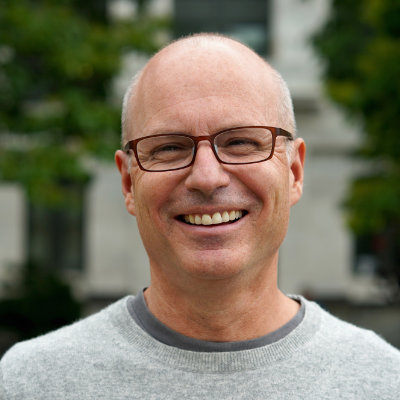 Johannes Walter合作论文数Department of Biological Chemistry and Molecular Pharmacology, Harvard Medical School4Pim van Dijk合作论文数3Wouter S. Hoogenboom合作论文数3Orlando Schärer合作论文数3Rick A C M Boonen合作论文数3
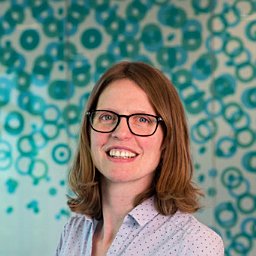 Mattiroli Francesca合作论文数Div Biochem, Netherlands Canc Inst3
 Inger Brandsma合作论文数3Klein Douwel Daisy合作论文数3
 Dik C. van Gent合作论文数3Helene Klug合作论文数3
 Anastassis Perrakis合作论文数European Molecular Biology Laboratory (EMBL), 6 rue Jules Horowitz, 38000 Grenoble, France3Jean-Marie Winter合作论文数2Marcel Reuter合作论文数2The Vinh Ho合作论文数2Marieke Everts合作论文数2Anastasia Audrey合作论文数2Geronimo Dubra合作论文数2Guillaume Guilbaud合作论文数2
 Elles Wierenga合作论文数2Rania Ghouil合作论文数Univ Paris Saclay, CEA, CNRS, Inst Integrat Biol Cell I2BC, F-91198 Gif Sur Yvette, France2Henk W P van den Toorn合作论文数Univ Utrecht, Bijvoet Ctr Biomol Res, Biomol Mass Spectrometry & Prote Grp, NL-3584 CH Utrecht, Netherlands2
 Arnab Ray Chaudhuri合作论文数NCI, Lab Genome Integr, NIH, Bethesda, MD 20892 USA2Simona Miron合作论文数CEA, Direct Sci Vivant, Inst Biol & Technol Saclay, Lab Biol Struct & Radiobiol,CNRS,URA2096, F-91191 Gif Sur Yvette, France2Dejan Ristić合作论文数2
 Dick H W Dekkers合作论文数2
 Colin Stok合作论文数Univ Groningen, Univ Med Ctr Groningen, Dept Med Oncol, Hanzepl 1, NL-9713 GZ Groningen, Netherlands2Yannick P Kok合作论文数University Medical Center Groningen, University of Groningen2
 Korak Kumar Ray合作论文数Columbia University2
 Artur Kaczmarczyk合作论文数Leiden Univ, Huygens Kamerlingh Onnes Lab, Niels Bohrweg 2, NL-2333 CA Leiden, Netherlands2
 Pablo Alcón合作论文数Inst Biol Mol & Celular Canc IBMCC, Univ Salamanca2
 Guido van Mierlo合作论文数Radboud Univ Nijmegen, Radboud Inst Mol Life Sci, Oncode Inst, Dept Mol Biol,Fac Sci, Nijmegen, Netherlands2
 Wouter Koole合作论文数2Virginie Ropars合作论文数Univ Paris Saclay, Inst Integrat Biol Cell I2BC, CNRS, CEA, F-91198 Gif Sur Yvette, France2Verkaik Nicole S合作论文数2




