Plants rely on systemic signalling mechanisms to establish whole-body defence in response to insect and nematode attacks. GLUTAMATE RECEPTOR-LIKE ( GLR ) genes have been implicated in long-distance transmission of wound signals to initiate the accumulation of the defence hormone jasmonate (JA) at undamaged distal sites. The systemic signalling entails the activation of Ca 2+ -permeable GLR channels by wound-released glutamate, triggering membrane depolarization and cytosolic Ca 2+ influx throughout the whole plant. The systemic electrical and calcium signals rapidly dissipate to restore the resting state, partially due to desensitization of the GLR channels. Here we report the discovery of calmodulin-mediated, Ca 2+ -dependent desensitization of GLR channels, revealing a negative feedback loop in the orchestration of plant systemic wound responses. A CRISPR-engineered GLR3.3 allele with impaired desensitization showed prolonged systemic electrical signalling and Ca 2+ waves, leading to enhanced plant defence against herbivores. Moreover, this Ca 2+ /calmodulin-mediated desensitization of GLR channels is a highly conserved mechanism in plants, providing a potential target for engineering anti-herbivore defence in crops.
Pollen tube tip growth requires intricate Ca2+ signaling. Recent studies have also identified rapid alkalization factor (RALF)-family peptides and their receptors as critical components for pollen tube tip growth and integrity. The functional relationship of RALF and calcium signaling modules remains largely unclear. Here we report that disruption of RALF signaling pathway abolished the cytosolic Ca2+ gradient in the pollen tube, indicating that Ca2+ signaling is downstream of the RALF signaling pathway. We identified MILDEW RESISTANCE LOCUS O (MLO) family proteins MLO1, 5, 9, 15, as Ca2+ channels required for Ca2+ influx and pollen tube integrity. We further reconstituted the biochemical pathway in which signaling via RALF and RALF receptors activated MLO1/5/9/15 calcium channels. Together, we conclude that RALF peptides derived from pollen tube bind to their receptors to establish pollen tube Ca2+ gradient through activation of the MLO channels. Our finding has thus provided a mechanistic link between the RALF signaling pathway and Ca2+ signaling in controlling pollen tube integrity and growth.
Nutrient antagonism typically refers to the fact that too high a concentration of one nutrient inhibits the absorption of another nutrient. In plants, Ca2+ (Calcium) and Mg2+ (Magnesium) are the two most abundant divalent cations, which are known to have antagonistic interactions. Hence, maintaining their homeostasis is crucial for plant growth and development. In this study, we showed that MTP10 (Metal Tolerance Protein 10) is an important regulator for maintaining homeostasis of Mg and Ca in Arabidopsis. The mtp10 mutant displayed severe growth retardation in the presence of excess Mg2+, to which the addition of Ca2+ was able to rescue the phenotype of mtp10 mutant. Additionally, the deficiency of Ca2+ in the culture medium accelerated the high-Mg sensitivity of the mtp10 mutant. The yeast complementation assay suggested that AtMTP10 had no Ca2+ transport activity. And the ICP-MS data further confirmed the antagonistic relationship between Ca2+ and Mg2+, with the addition of Ca2+ reducing the excessive accumulation of Mg2+ and high-Mg inhibiting the uptake of Ca2+. We conclude that the Arabidopsis MTP10 is essential for the regulation of Mg and Ca homeostasis.
Precise signalling between pollen tubes and synergid cells in the ovule initiates fertilization in flowering plants1. Contact of the pollen tube with the ovule triggers calcium spiking in the synergids2,3 that induces pollen tube rupture and sperm release. This process, termed pollen tube reception, entails the action of three synergid-expressed proteins in Arabidopsis: FERONIA (FER), a receptor-like kinase; LORELEI (LRE), a glycosylphosphatidylinositol-anchored protein; and NORTIA (NTA), a transmembrane protein of unknown function4-6. Genetic analyses have placed these three proteins in the same pathway; however, it remains unknown how they work together to enable synergid-pollen tube communication. Here we identify two pollen-tube-derived small peptides7 that belong to the rapid alkalinization factor (RALF) family8 as ligands for the FER-LRE co-receptor, which in turn recruits NTA to the plasma membrane. NTA functions as a calmodulin-gated calcium channel required for calcium spiking in the synergid. We also reconstitute the biochemical pathway in which FER-LRE perceives pollen-tube-derived peptides to activate the NTA calcium channel and initiate calcium spiking, a second messenger for pollen tube reception. The FER-LRE-NTA trio therefore forms a previously unanticipated receptor-channel complex in the female cell to recognize male signals and trigger the fertilization process.
Phosphate transporters (PHTs) play pivotal roles in phosphate (Pi) acquisition from the soil and distribution throughout a plant. However, there is no comprehensive genomic analysis of the PHT families in Camelina sativa, an emerging oilseed crop. In this study, we identified 73 CsPHT members belonging to the five major PHT families. A whole-genome triplication event was the major driving force for CsPHT expansion, with three homoeologs for each Arabidopsis ortholog. In addition, tandem gene duplications on chromosome 11, 18 and 20 further enlarged the CsPHT1 family beyond the ploidy norm. Phylogenetic analysis showed clustering of the CsPHT1 and CsPHT4 family members into four distinct groups, while CsPHT3s and CsPHT5s were clustered into two distinct groups. Promoter analysis revealed widespread cis-elements for low-P response (P1BS) specifically in CsPHT1s, consistent with their function in Pi acquisition and translocation. In silico RNA-seq analysis revealed more ubiquitous expression of several CsPHT1 genes in various tissues, whereas CsPHT2s and CsPHT4s displayed preferential expression in leaves. While several CsPHT3s were expressed in germinating seeds, most CsPHT5s were expressed in floral and seed organs. Suneson, a popular Camelina variety, displayed better tolerance to low-P than another variety, CS-CROO, which could be attributed to the higher expression of several CsPHT1/3/4/5 family genes in shoots and roots. This study represents the first effort in characterizing CsPHT transporters in Camelina, a promising polyploid oilseed crop that is highly tolerant to abiotic stress and low-nutrient status, and may populate marginal soils for biofuel production.
Plants defend against herbivores and nematodes by rapidly sending signals from the wounded sites to the whole plant. We investigated how plants generate and transduce these rapidly moving, long-distance signals referred to as systemic wound signals. We developed a system for measuring systemic responses to root wounding in Arabidopsis thaliana We found that root wounding or the application of glutamate to wounded roots was sufficient to trigger root-to-shoot Ca2+ waves and slow wave potentials (SWPs). Both of these systemic signals were inhibited by either disruption of both GLR3.3 and GLR3.6, which encode glutamate receptor-like proteins (GLRs), or constitutive activation of the P-type H+-ATPase AHA1. We further showed that GLR3.3 and GLR3.6 displayed Ca2+-permeable channel activities gated by both glutamate and extracellular pH. Together, these results support the hypothesis that wounding inhibits P-type H+-ATPase activity, leading to apoplastic alkalization. This, together with glutamate released from damaged phloem, activates GLRs, resulting in depolarization of membranes in the form of SWPs and the generation of cytosolic Ca2+ increases to propagate systemic wound signaling.
The plasma membrane is critical in sensing, interpreting, and transducing environmental signals. In the present study, we characterized an Oryza sativa salt-responsive little protein 1 ( OsSRLP1 ) in rice, which encodes a plasma membrane localized protein containing 54 amino acid residues. Expression of OsSRLP1 was detected in various rice tissues and was significantly induced by low temperature, drought, and salt. Overexpression of OsSRLP1 in rice improved free proline content and modulated ion balance under salt stress, which resulted in enhanced salt tolerance. Compared to wild-type rice, overexpression of OsSRLP1 inhibited seed germination under normal conditions. Interestingly, OsSRLP1 expression was up-regulated in ABL5-Like1 deficiency mutant abl1 compared to wild-type rice under salt treatment. Moreover, it was observed that overexpression of OsSRLP1 led to the dwarfism phenotype, which was correlated to the OsSRLP1 expression level in transgenic rice. In conclusion, OsSRLP1 is a little membrane protein conferring salt tolerance by modulating the ion balance and proline accumulation in rice.
Multiple transporters and channels mediate cation transport across the plasma membrane and tonoplast to regulate ionic homeostasis in plant cells. However, much less is known about the molecular function of transporters that facilitate cation transport in other organelles such as Golgi. We report here that Arabidopsis KEA4, KEA5, and KEA6, members of cation/proton antiporters-2 (CPA2) superfamily were colocalized with the known Golgi marker, SYP32-mCherry. Although single kea4,5,6 mutants showed similar phenotype as the wild type under various conditions, kea4/5/6 triple mutants showed hypersensitivity to low pH, high K+, and high Na+ and displayed growth defects in darkness, suggesting that these three KEA-type transporters function redundantly in controlling etiolated seedling growth and ion homeostasis. Detailed analysis indicated that the kea4/5/6 triple mutant exhibited cell wall biosynthesis defect during the rapid etiolated seedling growth and under high K+/Na+ condition. The cell wall-derived pectin homogalacturonan (GalA)(3) partially suppressed the growth defects and ionic toxicity in the kea4/5/6 triple mutants when grown in the dark but not in the light conditions. Together, these data support the hypothesis that the Golgi-localized KEAs play key roles in the maintenance of ionic and pH homeostasis, thereby facilitating Golgi function in cell wall biosynthesis during rapid etiolated seedling growth and in coping with high K+/Na+ stress.
Low temperature affects seed germination in plants, and low-temperature germination (LTG) is an important agronomic trait. Natural variation of LTG has been reported in rice, but the molecular basis for this variation is largely unknown. Here we report the phenotypic analysis of LTG in 187 rice natural accessions and a genome-wide association study (GWAS) of LTG in this collection. A total of 53 quantitative trait loci (QTLs) were found to be associated with LTG, of which 20 were located in previously reported QTLs. We further identified Stress-Associated Protein 16 (OsSAP16), coding for a zinc-finger domain protein, as a causal gene for one of the major LTG QTLs. Loss of OsSAP16 function reduces germination while greater expression of OsSAP16 enhances germination at low temperature. In addition, accessions with extremely high and low LTG values have correspondingly high and low OsSAP16 expression at low temperatures, suggesting that variation in expression of the OsSAP16 gene contributes to LTG variation. As the first case of identification of an LTG gene through GWAS, this study indicates that GWAS of natural accessions is an effective strategy in genetically dissecting LTG processes and gaining molecular understanding of low-temperature response and germination.
The plant hormones gibberellins (GA) and abscisic acid (ABA) play important roles in plant development and stress responses. Here we report a novel A20/AN1-type zinc finger protein ZFP185 involved in GA and ABA signaling in the regulation of growth and stress response. ZFP185 was constitutively expressed in various rice tissues. Overexpression of ZFP185 in rice results in a semi-dwarfism phenotype, reduced cell size, and the decrease of endogenous GA(3) content. By contrast, higher GA(3) content was observed in RNAi plants. The application of exogenous GA(3) can fully rescue the semi-dwarfism phenotype of ZFP185 overexpressing plants, suggesting the negative role of ZFP185 in GA biosynthesis. Besides GA, overexpression of ZFP185 decreased ABA content and expression of several ABA biosynthesis-related genes. Moreover, it was found that ZFP185, unlike previously known A20/AN1-type zinc finger genes, increases sensitivity to drought, cold, and salt stresses, implying the negative role of ZFP185 in stress tolerance. ZFP185 was localized in the cytoplasm and lacked transcriptional activation potential. Our study suggests that ZFP185 regulates plant growth and stress responses by affecting GA and ABA biosynthesis in rice.
There are inherent variations of color features in images of different natural field environments, which lead to a big challenge when areas of all kinds of green plants need to be extracted from soil background according to the color information in some applications, such as weeds recognition and agricultural robot navigation. So an adaptive image segmentation method was developed. Firstly, the initial segmentation model was set up based on support vector machine (SVM) with the labeled training samples. Then the unlabeled training samples were obtained automatically from the images to be segmented based on the K-means clustering. Both the unlabeled and labeled samples constituted the set of hybrid training samples. Secondly, the transductive support vector machine (TSVM) was trained based on these hybrid training samples. The unlabeled samples were labeled by the TSVM, and the distribution information of color features in the images which provided unlabeled samples was mined out. Finally, the new set of labeled training samples was obtained by discarding some inappropriate ones in the hybrid training samples according to their distance to the optimal classification plane. The initial segmentation model was updated with new labeled training samples, and in this way the updated model was more pertinent to the particular field images for segmentation. The experimental results showed that the pertinence between the segmentation model and the specific natural field image had been improved, and the adaptability of segmentation processing had been enhanced significantly.
2012年江苏省里下河和沿海地区,小麦在抽穗扬花之前的苗情,具备再夺丰收的良好基础。由于遭遇到有气象资料记载以来,罕见的小麦抽穗扬花期与持续高温连阴雨高度吻合的自然灾害,导致了小麦赤霉病大流行,对产量和质量造成了严重影响。本文对该地区小麦赤霉病发生的情况和原因进行了调查和分析,试图寻找小麦赤霉病防治的综合措施,以及病害发生后如何解决保险理赔、商品小麦收购等稳定农民情绪,维护社会稳定,进一步组织农业生产发展的有效途径。
In order to accurately segment green plants and soil background,to overcome the complexity of field environment(such as the shadow and residues of plants,the changes of light intensity),the methods of image treatment and support vector machine were used to study the gray image with ultra green feature(2G-R-B).The gray histogram characters being composed of the neighborhood pixels were taken as the input eigenvectors,and the best training parameters and the optimized neighborhood window model were screened out by trials.The Experiments showed that this method could adapt to different light intensities,reduce the impacts of noise,plant shadow and residues on the image segmentation,and finally obtain a complete segmented image.
 Sheng Luan (栾升)合作论文数Department of Plant and Microbial Biology, Rausser College of Natural Resources, University of California, Berkeley6
 Qifei Gao (高起飞)合作论文数School of Life Sciences, East China Normal University4
 Ji Huang (黄骥)合作论文数College of Agriculture, Nanjing Agricultural University3
 Hongsheng Zhang (张红生)合作论文数College of Agriculture, Nanjing Agricultural University3
 Yasheng Xi合作论文数2
 Chao Wang (王超)合作论文数Center for Excellence in Molecular Plant Sciences, Chinese Academy of Sciences2Dhondup Lhamo合作论文数2HaiJuan Tang (汤海娟)合作论文数2
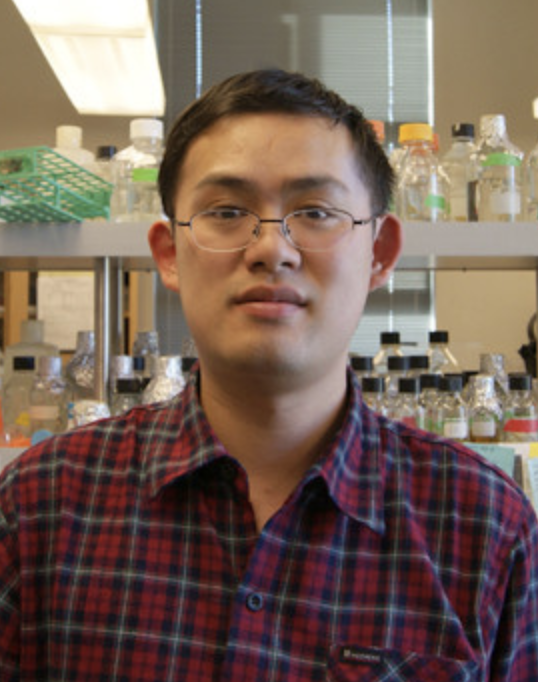 Renjie Tang合作论文数Department of Plant and Microbial Biology, Rausser College of Natural Resources, University of California, Berkeley2
 Yuan Wang (王媛)合作论文数College of Food Science and Technology, Northwest University2
 Legong Li (李乐攻)合作论文数College of Life Sciences, Capital Normal University2Xueqing Lv合作论文数1Haiman Ge合作论文数1Shinan Dong合作论文数1
 Xiaopeng Xu合作论文数1Ye Zhang合作论文数1Yan Zhang合作论文数1
 Xiang Wang合作论文数1Ruqin Wang合作论文数1
 Yan Chun合作论文数1Fangfang Li合作论文数1Yu Tan合作论文数1Xueqin Li合作论文数Chinese Acad Sci, Natl Key Lab Plant Mol Genet, Ctr Excellence Mol Plant Sci, Shanghai Ctr Plant Stress Biol,Shanghai Inst Biol, Shanghai 201602, Peoples R China1Yongmei Cui合作论文数1Mingjun Wang合作论文数1Mai Yang合作论文数1
 Congcong Hou合作论文数Coll Life Sci, Capital Normal Univ1Xuan Teng合作论文数1
 Lei Yang合作论文数1
 Qiu An (安秋)合作论文数College of Engineering, Nanjing Agricultural University1
 Baohong Zou (邹保红)合作论文数College of Agriculture, Nanjing Agricultural University1
 Xi Huang (黄曦)合作论文数The Fifth Affiliated Hospital, Sun Yat-sen University1
 Quansheng Huang (黄全生)合作论文数新疆农业科学院核技术生物技术研究所1
 Wenzhi Lan (兰文智)合作论文数Institute of Future Agriculture, Northwest A & F University1
 Jinlin Chen (陈金林)合作论文数College of Forestry, Nanjing Forestry University1Zheng Xiaojiang合作论文数College of Life Sciences, Sichuan University;Department of Plant and Microbial Biology, University of California at Berkeley;College of Life Sciences, Nanjing University1
 Hui Chen (陈辉)合作论文数Innovative Drug Research Center, School of Pharmaceutical Sciences, Chongqing University1
 Qinglin Tang (汤青林)合作论文数Southwest University1Aigen Fu (付爱根)合作论文数The College of Life Sciences, Northwest University1
 Xiyan Yang (杨细燕)合作论文数College of Plant Science & Technology of Huazhong Agricultural University1
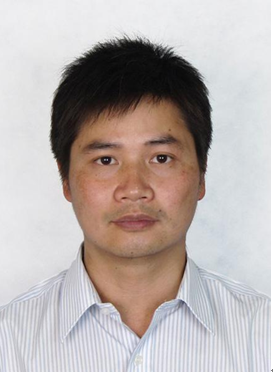 Jun Zhou (周俊)合作论文数College of Engineering, Nanjing Agricultural University1
 Jian Hua (华健)合作论文数College of Agriculture, Nanjing Agricultural University;School of Integrative Plant Science Plant Biology Section, Cornell University1Xi Chen (陈曦)合作论文数1Hong-Xia Lan合作论文数1
 Shan Lu (卢山)合作论文数School of Life Sciences, Nanjing University1




