Biofloc aquaponics presents a sustainable approach to soilless crop production, but its long-term reliability is often compromised by root-zone disorders such as root rot and wilt. This study evaluated four media-based biofloc aquaponic designs over two years (encompassing two full fish production cycles and four tomato growing seasons) to investigate system failures, including plant wilting, necrosis, and the underlying physical and microbial stressors. In the first year, plant wilt was primarily linked to poor drainage and sludge accumulation in coupled systems, resulting in root-zone hypoxia and a 21% reduction in yield compared to decoupled systems. In response, system modifications were implemented in the second year, including the implementation of radial flow settlers upstream of filters and timer-controlled pumps, which improved oxygenation and solids management. These interventions reversed previous trends: coupled systems had > 45% higher yields than decoupled systems. However, wilting still occurred in a subset of plants during the second year. Root-zone analysis showed that wilted plants exhibited 65% lower dissolved oxygen levels than non-wilted, and a tendency for higher relative abundance of potential pathogens and parasitic organisms (Pythium graminicola and Xiphinema rives). In contrast, healthy root zones were associated with greater abundance of plant growth-promoting bacteria (PGPB), particularly taxa with known biocontrol potential. These findings highlight the importance of maintaining oxygen-rich root environments and effective solids management to support long-term aquaponic productivity.
Rendered meat byproducts are important feedstocks for pet food formulas, esterified biodiesels and other bioproducts. However, feedstocks with high water contents are currently not attractive for rendering due to the need to evaporate the resulting high protein “stick” water. Consequently, many wet meat byproducts, like poultry dissolved air flotation (DAF) solids, are land applied, wasting a potential resource, and causing malodor for nearby communities. Herein, we present a process for rendering wet meat byproducts where the stick water produced from rendering hydrolyzers is sold as value-added microbial media and therefore does not require evaporation. Thermal hydrolysis experiments were performed on a wet (7% solids content) and drier feedstock (25% solids). Amino acids, the most valuable component of microbial media, were marginally higher in stick water produced from the 25% solids feedstock (1.7 g/L) compared to the 7% feedstock (1.5 g/L) despite the much higher solids input. Furthermore, the fatty acid composition of the thermally treated solids was unchanged by reactor solids loading. Mass and energy balances were performed to understand the impact of feedstock solids concentration on heating requirements. This work uses a process engineering approach to develop a new paradigm in rendering technology: upcycling wet meat byproducts into value-added microbial media.
In this study, algae were cultivated on full-strength anaerobic digestate and the harvested algae were used to feed Moina (small crustaceans) which are a natural fish feed. However, the transfer of residual anaerobic digestate along with algal feed could potentially harm Moina due to digestate's high levels of ammonia and other toxins. In past research, digestate-grown algae were washed with freshwater prior to feeding to zooplankton, but the necessity of this costly practice was not established. Therefore, the effect of washed (vs. unwashed) algal consortium as feed for Moina was investigated. Another challenge is the potential growth of toxic cyanobacteria as part of the algal consortium and the cyanotoxin could be harmful to zooplankton. Consequently, the impact of mixing toxin-producing cyanobacteria into the algae feed was also investigated. The results indicated that unwashed algae supported the highest Moina production, exceeding growth on the washed algae by 44 %. Not only were Moina unfazed by the presence of digestate constituents in the unwashed feed but those residual nutrients supported continued algal growth and a change in community composition that conferred benefits to Moina. Spiking in the toxic cyanobacteria, Microcystis, inhibited Moina growth, but the relationship with cyanotoxin concentration was not proportional. This study also indicated that Desmodesmus was a preferred algal feed for Moina, while Scenedesmus, Chlorella, and Coelastrum were also consumed.
This study examined how aquaponics system configuration (coupled vs. decoupled) and natural light penetration into the fish tank (light vs. dark) influence key microbial groups (algae, nitrifiers, plant growth-promoting bacteria (PGPBs), and phytopathogens) and their impact on cherry tomato production across two seasons. In coupled systems, water was continuously recirculated between the fish and plant units with minimal water exchange. Coupled systems retained higher nutrient concentrations in the grow bed sludge, leading to 1.15-fold higher tomato yield in the spring trial and >2-fold higher yield in the fall trial compared to the decoupled systems, which involved one-way flow and regular water discharge and replenishment. Decoupled systems supported more diverse microbiomes and higher PGPB abundance in the hydroponics beds, including beneficial genera such as Bradyrhizobium, Ensifer, and Streptomyces. Of particular interest, Streptomyces associated with siderophore production had a relative abundance of 1.16 % in the decoupled systems compared to 0.068 % in coupled systems, which coincided with over 50 % greater siderophore activity and elevated iron content in plant leaf tissue. Despite the higher abundance of PGPBs, unstable nitrification in the decoupled systems led to ammonia buildup (up to 1 mg L-1), nutrient deficiencies, and reduced yields. Pathogen analysis revealed potential threats from Pythium graminicola in the dark-decoupled system and from the parasitic nematode Xiphinema rivesi in the light-coupled system during the fall, both of which coincided with plant wilting and stunted growth in these systems. This study showed how system design shaped microbiome structure and function, affecting nutrient dynamics and plant health.
The objective of this study was to evaluate the interaction between benzoic acid, which is excreted in urine as its Gly conjugate hippuric acid, and low crude protein (CP) diets on nursery pig growth performance. At 28 d age, pigs were weaned and divided into nursery room pens according to body weight and sex (5 mixed-sex pigs per pen). Pigs were fed a commercial starter diet for 4 d; at 32 d age, pigs were weighed (initial body weight, 9.50 ± 0.93 kg) and pens were assigned to one of three dietary treatments: 1) control (CON; 19.8% CP; n = 12 pens); 2) low crude protein (LCP; 15.8% CP; n = 11 pens) and 3) low crude protein + benzoic acid (LCP + BA; 15.8% CP; 0.9% benzoic acid; n = 12 pens). Pigs were fed for 4 wk and pig body weights and feed disappearance were measured weekly to calculate average daily gain (ADG), average daily feed intake (ADFI), and feed efficiency (G:F; gain-to-feed ratio). On days 0, 14, and 28, blood was collected from one pig per pen by jugular venipuncture. Serum was analyzed for hippuric acid and amino acid concentrations. The ADG of CON group (580 ± 11 g/d) was greater than LCP (544 ± 11 g/d) and LCP + BA (503 ± 11 g/d; P < 0.05); ADG of LCP was also greater than LCP + BA (P < 0.05). There was no difference in ADFI among groups (P > 0.05). However, G:F of LCP + BA (0.536 ± 0.006 g/g) was lower than both CON (0.579 ± 0.006 g/g) and LCP (0.576 ± 0.006 g/g; P < 0.05); there was no difference in G:F between CON and LCP (P > 0.10). Serum hippuric acid concentration was greater in the LCP + BA group compared to either the CON and LCP groups on day 14 and day 28 (P < 0.05). Serum Gly concentration in LCP + BA (513 ± 33 µmol/L) was lower than LCP (630 ± 33 µmol/L; P < 0.05), whereas Gly of CON (578 ± 33 µmol/L) was intermediate. Serum Lys concentration was lowest in CON (105 ± 9 µmol/L), intermediate in LCP (138 ± 8 µmol/L), and greatest in LCP + BA (167 ± 8 µmol/L; P < 0.01). The addition of benzoic acid to CP-deficient diets reduces nursery pig growth performance to a greater extent than CP-deficient diets alone. Greater serum Lys in pigs fed with benzoic acid suggests that Lys was not used as efficiently for growth. Collectively, supplementing benzoic acid in CP-deficient nursery diets could be problematic by decreasing pig growth performance.
The growing poultry processing industry generates large quantities of meat byproducts and wastes. Many of these wastes are currently land applied because they contain high water content, leading to putrid odors that impact nearby communities. Herein, we developed a process to valorize this waste: thermal hydrolysis followed by cultivation of nutraceutical Chlorella on the resulting aqueous phase. We investigated the impact of two solids loading levels (7% and 25% w/v) into thermal hydrolysis and their respective impacts on downstream Chlorella growth and toxicity. It was found that solids loading was a powerful governing factor in the growth of Chlorella: lower solids loading (7%¦w/v) led to robust algae growth without hydrolysate dilution (>2.2 g/L in 4 days) while higher solids loading (25%¦w/v) led to complete growth inhibition that could not be undone with eightfold dilution. Because high solids loading is economically attractive, non-targeted LC/MS-MS and dose-response assays were used to identify molecules that likely contributed to toxicity. Aldehydes, such as phthalaldehyde, present at 1.9 mg/L in the 25% hydrolysate, were identified for the first time in aqueous phase and found to contribute to the observed toxicity. This work makes important progress in our understanding of chemical toxicity in hydrothermally treated aqueous phases and establishes solids loading as a major governing parameter.
Algal growth on anaerobic digestates enables simultaneous wastewater treatment and biomass production, but dilution water is often used to overcome algal growth inhibition in digestates. It was previously shown that aerobic bacterial pretreatment alleviates algal growth inhibition in full strength digestates, but the mechanism was not elucidated. The objectives of the present study were to elucidate how aerobic bacterial and biochar pretreatments alleviate algal growth inhibition in anaerobic digestates using a combination of culture studies and LCMS/MS analysis. The results showed that aerobic bacterial and biochar pretreatments significantly (p < 0.05) enhanced algal productivity in the manure digestates by >7.1 fold and >3.1 fold, respectively. Aerobic bacterial pretreatment also enhanced nitrogen removal by algae (p < 0.002). Pretreatment removed many phenolic, antibiotic, and animal hormone metabolites. Six of the 12 "high-priority" molecules that underwent dose-response testing were inhibitory to Chlorella sorokiniana at <1 mg L-1 levels. Four of these were confirmed to have MS/MS and retention time matches in a subsequent spiking test, including butylparaben, salicylic acid, androsterone, and tiamulin. Although prior studies have focused on ammonia and turbidity as algal growth inhibitors in digestates, this study shows specific organic compounds in digestates that also inhibit algal growth and wastewater treatment.
The objective of this review was to provide quantitative insights into algal growth and nutrient removal in anaerobic digestate. To synthesize the relevant literature, a meta-analysis was conducted using data from 58 articles to elucidate key factors that impact algal biomass productivity and nutrient removal from anaerobic digestate. On average, algal biomass productivity in anaerobic digestate was significantly lower than that in synthetic control media (p < 0.05) but large variation in productivity was observed. A mixed-effects multiple regression model across study revealed that biological or chemical pretreatment of digestate significantly increase productivity (p < 0.001). In contrast, the commonly used practice of digestate dilution was not a significant factor in the model. High initial total ammonia nitrogen suppressed algal growth (p = 0.036) whereas initial total phosphorus concentration, digestate sterilization, CO2 supplementation, and temperature were not statistically significant factors. Higher growth corresponded with significantly higher NH4-N and phosphorus removal with a linear relationship of 6.4 mg NH4-N and 0.73 mg P removed per 100 mg of algal biomass growth (p < 0.001). The literature suggests that suboptimal algal growth in anaerobic digestate could be due to factors such as turbidity, high free ammonia, and residual organic compounds. This analysis shows that non-dilution approaches, such as biological or chemical pretreatment, for alleviating algal inhibition are recommended for algal digestate treatment systems.
Poultry processing wastewater (PPW) is a nutrient-rich effluent with the potential for reuse in crop irrigation. This study investigated transforming PPW into a hydroponic nutrient solution using a pilot scale "poultryponics" system operated continuously for 222 days. The system treated similar to 57 L d(-1 )of real PPW and consisted of bioreactors (inoculated with a consortium of microalgae and nitrifying bacteria), clarifiers, membrane filters, a UV disinfection unit, and a deep-water hydroponic system. The system was evaluated in terms of nitrogen transformation, organic removal efficiency, and pathogen levels. Although soluble organic removal efficiencies (sCOD) were high (>80%) in all bioreactors, nitrification was limited due to high organic loading (350-800 mg sCOD L-1), relatively short retention time (24 h), and low dissolved oxygen levels (<3.5 mg O-2 L-1). Grow beds showed significant nitrification, indicating the importance of upstream organic removal. CO2 supplementation (0.5% v/v) in bioreactors did not promote nitrification in the bioreactors but was beneficial for nitrification in grow beds due to pH-modulating effects. Microbiological analyses showed no Salmonella detection in bioreactors and substantial reductions in total coliform (similar to 40%) and aerobic plate counts (similar to 30%) after UV treatment. These findings demonstrate the sustainable and safe reuse of nutrient-rich industrial effluents in agriculture.
Highlights Local algae outdoor production on undiluted anaerobic digestate over 1-year. Dominating eukaryotes transitioned from Coelastrum to Chlorella in warmer season. Culture collapsed when pretreatment on digestate was purposefully stopped. Low cyanobacteria abundance observed in the consortium. Abstract. Growing algae on anaerobic digestate could decrease the algal production cost while reducing nutrient pollution. In past work, we developed a successful biological pretreatment for digestate that enables rapid algal growth on digestate without dilution. The objective of this work was to test the effectiveness of this pretreatment in outdoor algae cultures over a year-long timeframe. The study was conducted in semi-continuous, replicated bubble column photobioreactors in Auburn, AL, USA. Algae could grow successfully in pretreated digestate during the fall, spring, and summer, achieving average growth rates of 30, 42, and 66 mg L-1 d-1, respectively. Although the cold temperatures in winter suppressed algal growth, external heating was not required to keep the cultures alive. For two weeks during the summer, the system was challenged with 100% digestate that did not undergo pretreatment, and the algal community suffered a culture collapse with a significant (p < 0.001) decrease in productivity compared to the previous batches in which pretreatment was used. Nitrogen, phosphorus, and sulfur removal were observed during robust algal growth. There was no nitrification in the photobioreactors during the initial 200 days, but evidence of nitrification emerged during the summer and persisted into the fall. Nitrospirae were detected by 16S rRNA sequencing, proving that nitrifying bacteria could adapt to high ammonium (462 - 1502 mg/L). The eukaryotic community was dominated by Coelastrum (>90%) in the cold season, and the dominance transitioned to Chlorella in the warm season (>95%) based on 18S rRNA sequencing. The low relative abundance of cyanobacteria showed that green algae were the favored photosynthetic organisms in the system. Keywords: Biogas effluent, Microalgae, Nitrification, Nutrient recycling, Wastewater.
Wastewater from poultry-processing plants can be challenging to treat, partially because of the antimicrobial processing aides such as peracetic acid (PAA) and cetylpyridinium chloride (CPC) which suppress nitrifying bacteria. The objective of this research was to test the effects of adding microalgae, PAA, and CPC on nitrification in poultry-processing wastewater. Batch experiments were designed to test two different green algae along with PAA or CPC in a set of full-factorial experiments. The presence of C. sorokiniana increased nitrate production up to 2.7 fold compared to cultures without algae, but this effect was only statistically significant in one of the experiments. The measurement of nitrate was confounded by the fact that this alga consumes both nitrite and nitrate. Carrying out the experiment with A. protothecoides (which does not consume nitrite or nitrate) resulted in 4-9-fold higher peak nitrate concentrations compared to cultures without algae (p < 0.005). These improvements were more than enough to overcome the negative suppressive effects of PAA and CPC. The results suggest that incorporation of algae into engineered treatment systems for poultry-processing wastewater could improve the function of nitrifying bacteria, enabling potential water reuse in hydroponic plant irrigation.
Algae are a diverse group of aquatic organisms and have a potential to produce renewable biofuel via hydrothermal liquefaction (HTL). This study investigated the effects of reaction environments on biocrude production from “Tetraselmis sp.” algae strain by HTL process using red mud (RM) based catalyst. The inert (N2), ethylene (C2H4), reducing (10% H2/90% N2), and oxidizing (10% O2/90% N2) environments were applied to the non-catalytic as well as catalytic HTL treatments with two forms of RM catalysts: RM reduced at 500 °C (RRM) and nickel-supported RM (Ni/RM). Under nitrogen, ethylene and reducing environments, the biocrude yield increased by the following trend: No Catalyst < RRM < Ni/RM. The Ni/RM catalyst produced the highest biocrude yield (37 wt.%) in an ethylene environment, generated the lowest total acid number (14 mg KOH/g) under inert atmosphere, and lowered sulfur (33–66%) and oxygen (18–30%) from biocrude products irrespective of environments. The RRM catalyst maximized the biocrude carbon content (61 wt.%) under a reducing environment and minimized the heavy metal and phosphorus transfer from the feedstock to biocrude in studied ambiences. The reducing environment facilitated mild hydrotreatment during HTL reaction in the presence of RRM catalyst. Among the non-catalytic experiments, the reducing atmosphere optimized carbon content (54.3 wt.%) and calorific value (28 MJ/kg) with minimum oxygen amount (27.2 wt.%) in biocrudes.
In current methods of wastewater treatment, aerobic bacteria play a vital role in the degradation of pollutants and the purification of waste. However, these bacteria require high levels of oxygen to operate, leading most treatment plants to synthetically aerate their systems. This process is costly and adds significant expense to a system that already incurs deficit spending to create. certain
This study investigates the upcycling of nutrients in anaerobic digestate via algal biomass to zooplankton which is a natural fish feed. There are no published studies, to the authors' knowledge, on the viability of growing zooplankton on digestate-grown algae. Here, the viability of digestate-grown Chlorella sorokiniana as a feed for the large-bodied generalist zooplankter, Daphnia, was tested. It was found that Daphnia fed with digestate-grown C. sorokiniana led to 1.5- to 14-fold greater Daphnia population growth than Daphnia fed with Ankistrodesmus sp., an established feed. A sterol analysis of C. sorokiniana found 4-6 mg/g of the sterol, ergosterol, and nearly double the alpha-linolenic acid content of Ankistrodesmus. Sterols and alpha-linolenic acid are often-limiting nutrients in Daphnia diets. Other factors hypothesized to influence nutrient transfer from algae to Daphnia were also tested, including algal feed concentration, sterol supplementation, and the presence of digestate bacteria in the algal feed. The presence of bacteria and exogenous cholesterol had no significant impacts on Daphnia growth. The higher feed concentration (5 mg C/L) led to 3 times higher Daphnia growth than the low feed concentration (1.5 mg C/L) even though the latter concentration has frequently been used by other researchers. Finally, it was determined that the feed conversion ratio of algae to Daphnia fell in the range of 0.19-0.31 and that trophic transfer of carbon was 25-28% while that of nitrogen was 29-34% in this un-optimized system. These values compare favorably to livestock feed conversion efficiency but additional losses will occur when Daphnia are fed to fish. These results show that cultivation of Daphnia on digestate-grown algae is technically feasible.
Poultry litter waste is typically land-applied as a soil amendment but repeated application in the vicinity of poultry houses has led to phosphorus accumulation in soil. Such application can also lead to runoff that causes eutrophication. Most farmers store litter under dry conditions or compost the litter prior to land application, but it is not clear if these approaches are best from a nutrient management-perspective. The objective of this study was to investigate the effects of moisture content and active aeration on soluble mineral forms of nitrogen and phosphorus in poultry litter incubated for roughly one month. Mineral forms of nutrients are immediately plant-available upon field application and also most conducive to low-cost stripping and recovery methods. Litters were incubated at 50% and 70% moisture content with and without active aeration. Litter aeration led to significant ammonia losses and a consequent decline in litter pH but it had no effect on phosphate solubility. Moisture content during litter incubation governed the levels of plant-available phosphate and nitrification. High (70%) moisture led to 41%-78% higher plant-available phosphate (4.2-4.8 mg/g litter) compared to litters with 50% moisture content (2.7-3.0 mg/g litter). In contrast, the 50% moisture litters experienced 5-6 fold higher levels of nitrification (0.11-0.12 mg NO3-N/g litter) than litters with 70% moisture content (0.02 mg NO3-N/g litter), regardless of aeration. The implication is that lower-moisture litter storage is likely best for field application because phosphate is less soluble under neutral-alkaline conditions and therefore less likely to end up in runoff. In contrast, higher-moisture litter storage may be amenable to low-cost processes to leach and recover phosphate from litter.
Hydrothermal liquefaction is a promising method to convert municipal sludge into an energy-dense fuel. The inevitable by-product aqueous phase is rich in complex organics, which has the potential for energy and nutrient recovery and can be treated by anaerobic digestion to produce methane. However, toxic compounds such as ammonia and phenolics present would inhibit the function of micro-organisms. This study investigated the influence of ammonia and phenolics removal on anaerobic digestion. The results showed that the treated aqueous phase resulted in up to 225 ml CH4/g COD. The highest methane production was obtained in the culture with both ammonia and phenolics removal at pH 7.0, which was about 90% higher than only ammonia removal and seven times higher than only phenolics removal. The microbial community analysis results showed that these two treatments could increase microbial diversity and upregulate the relative abundance of methanogens.
The objective of this research was to investigate the growth, community composition, and digestate treatment performance of a local algae consortium that was adapted to bacteria-pretreated digestate. The approach was to subculture a local consortium on pretreated dairy manure digestate and then municipal wastewater sludge digestate, allowing the community to adapt before assessing its performance. The adapted consortium was then tested for growth and nutrient removal performance on the digestates and compared to the model organism, Chlorella sorokiniana. Dramatic restructuring of the consortium took place when subcultured on the digestates with Scenedesmaceae and Chlorellaceae almost completely replacing Euglena. The consortium was consistently less productive than C. sorokiniana (184 vs. 248 mg/L/d in dairy digestate and 32 vs. 48 mg/L/d in municipal digestate, P < 0.01). Pretreatment increased growth by 81% and 500% for C. sorokiniana and the consortium, respectively, in dairy digestate (P < 0.01), and allowed for algal growth in municipal digestate.
In this study, the feasibility of comprehensive recovery of lipid and carbohydrate in wet microalgae Chlorella vulgaris was explored. First, four sets of enzyme combinations of alpha-Amylase, Amyloglucosidase and CTec2 were evaluated for hydrolysis efficiency on microalgae disrupted with radio frequency heating. Then, the most suitable combination was applied to raw microalgae and microalgae residual after biodiesel production, respectively, for saccharification. Adsorption kinetics of the optimized enzyme combination on the aforementioned three samples were determined and adsorption isotherm was analyzed by Freundlich equation. Morphology of microalgae was also investigated by scanning electron microscopy. A yield of reducing sugars in microalgae residual at 54.5% was obtained after 72 h saccharification. The results from enzyme adsorption kinetics, isotherm and SEM images were consistent with each other. This study demonstrated that the microalgae residual after biodiesel production could be used as carbohydrate feedstock for fermentable sugar production through simple enzymatic hydrolysis. (C) 2020 Elsevier Ltd. All rights reserved.
 Brendan T Higgins合作论文数Biological and Agricultural Engineering, University of California, Davis21
 Sushil Adhikari合作论文数Department of Biosystems Engineering, Auburn University4
 Marko Rudar合作论文数3Jessa Cherones合作论文数2
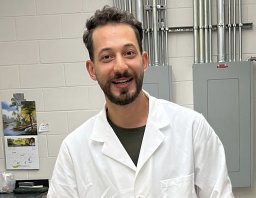 Alireza Fallahi合作论文数Sch Chem Engn, Univ Tehran2
 Pixiang Wang合作论文数Auburn Univ, Dept Biosyst Engn, Auburn, AL 36849 USA2Haixin Peng合作论文数Biosystems Engineering, Auburn University2
 Haodong Ji (冀豪栋)合作论文数School of Environment and Energy, Peking University2
 Prasad Rishi合作论文数Institute of Food and Agricultural Sciences, University of Florida2
 Don Zhao合作论文数Department of Civil Engineering, Samuel Ginn College of Engineering, Auburn University2
 Neha Potnis合作论文数Department of Plant Pathology, University of Florida2R. Alan Wilson (Alan Wilson)合作论文数Department of Biology, University of York2Melissa Boersma合作论文数1
 Manish Sakhakarmy合作论文数1Elizabeth Bankston合作论文数1
 Kristin Chaump合作论文数1Justin Box合作论文数1
 Temitope Soneye合作论文数1
 Farshad Feyzbar合作论文数1
 Poulami Roy合作论文数Dept Biosyst Engn, Auburn Univ1
 Tawsif Rahman合作论文数Dept Biosyst Engn, Auburn Univ1
 Saravanan R. Shanmugam合作论文数Centre for Bioenergy, SASTRA Deemed University1Yichao Ma合作论文数1Daniel E. Wells合作论文数1
 Hossein Kargar Jahromi合作论文数Dept Biosyst Engn, Auburn Univ1
 Ameer Taha合作论文数Department of Food Science and Technology, University of California, Davis1
 Tae-Sik Oh合作论文数1
 Marie Hennebelle合作论文数Research Center on Aging1
 David Cline合作论文数Auburn University, Auburn Univ1
 Yifen Wang (王易芬)合作论文数Auburn University1
 Yi Wang合作论文数1
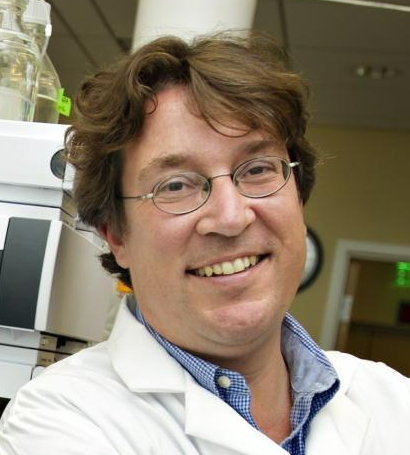 Oliver Fiehn合作论文数Department of Molecular and Cellular Biology, University of California, Davis;West Coast Metabolomics Center, University of California, Davis;Genome Center, University of California, Davis1Melissa López-Vela合作论文数Unidad de Biotecnología Ambiental, Instituto de Ecología1
 Jean S VanderGheynst合作论文数1
 Marc Deshusses合作论文数Department of Civil and Environmental Engineering, Pratt School of Engineering, Duke University1
 Deb P. Jaisi合作论文数Department of Geology, Miami University1
 Shantharaj Deepak合作论文数Department Bioorganic Chemistry, Max Planck Institute for Chemical Ecology, Hans-Knöll-Straße 8, D-07745 Jena, Germany1
 Yuriy Sakhno合作论文数1
 Shaoyang Liu合作论文数Biosystems Engineering Department, Auburn University1Dianna V Bourassa合作论文数Agricultural Research Center;Department of Poultry Science;University of Georgia;Agricultural Research Center, University of Georgia1




